Electrically heated roller hearth kilns (RHKs) are crucial apparatus for industrial production of lithium-ion battery cathode materials. However, their high-aspect-ratio chambers and harsh operating temperatures pose significant challenges to internal monitoring and product quality control. This study introduces a segmented modeling and coupled simulation framework for full-scale RHKs, incorporating a heat flux variation approach for saggar movement. The numerical model is validated against industrial operational data, demonstrating strong predictive capabilities with maximum relative errors of 5.16% and 6.35% for the firing and cooling sections, respectively. This work unveils the full temperature and flow field distributions during continuous ternary cathode calcination. Results indicate that discrepancies between thermocouple readings and actual saggar temperatures lead to excessive energy consumption. Furthermore, partition wall configurations, heating element layout, and saggar stacking gaps are identified as critical factors governing thermal efficiency and material uniformity. These profound insights provide crucial guidance for the future design of more energy-efficient RHKs and optimized calcination processes.
The performance degradation of modular devices during scaling up necessitates rational design of the integration structure. However, its complex structure makes it challenging to reveal the mechanism of the effect of hierarchical multi-scale structural parameters on performance. This study proposes a data-driven framework to analyze structure-performance relationships and identify optimal scale-up patterns, using a CO2 reduction microreactor as a case study. A quantitative relationship between structure and performance is established using extreme gradient boosting tree combined with the Shapley additive explanations analysis, elucidating the regulatory mechanisms of structural parameters on performance. While a classification model is utilized to define the criteria for identifying optimal structures. Additionally, optimal scale-up design patterns under various scenarios are uncovered using K-means clustering. The results indicate that Small-sized few-stack parallel structures and large-sized single-stack structures s are the scaling-up patterns that can balance cost and performance. This approach provides important insights for the industrial scale design of modular devices.
Membranes featuring ordered biomimetic ion channels have been widely explored for ion-sieving applications, such as lithium extraction from salt-lake brines, seawater desalination, and energy conversion. However, achieving high ion permselectivity while enabling scalable fabrication for industrial use remains a major challenge. Here, we report a dual-confined metal-organic framework (MOF) membrane fabricated via an “adhesion-assisted growth” strategy. By integrating biomimetic ion channels functionalized with acidic groups, precise pore-size control, and surface chemical modulation, the membrane establishes a dual-nanoconfined separation system that simultaneously enables efficient Li+ transport and effective Mg2+ rejection. This specially designed adhesive layer not only promotes the well-defined formation of the MOF layer but also creates an interconnected ion transport network, thereby accelerating ion migration during selective electrodialysis (SED). Consequently, the resulting MOF membrane achieves a Li+ flux of 1.17 mol·m−2·h−1 and exhibits a Li+/Mg2+ permselectivity 14.3 times higher than that of the unmodified membrane, alongside excellent long-term operational stability. This environmentally friendly lithium extraction strategy advances the development of high-performance separation membranes and holds great promise for key applications such as lithium recovery from salt-lake brines, offering an innovative technological pathway toward efficient strategic resource recovery and the advancement of a circular economy.
Distributed hydrogen power generation calls for efficient integration of hydrogen supply and electrochemical conversion. In the present work, building on a prior experimental study of catalytic hydrogen combustion triggered MCH dehydrogenation, a full-cycle dynamic model of a 5 kW LOHC-SOFC coupled power generation system is developed, integrating dehydrogenation kinetics, SOFC electrochemistry, dual catalytic combustors, and waste heat recovery. Using NSGA-II with Entropy-TOPSIS, start-up sequences and heating rates were simultaneously optimized. An optimal parallel strategy successfully mitigates the start-up speed versus fuel economy trade-off. It achieves rated power in 6.58 h, consuming only 57.8 mol of external hydrogen, averaging 0.59 kW auxiliary power. This reduces fuel use by 83.8% compared to SOFC-first strategies while maintaining thermal safety. Furthermore, integrating a 0.75-effective waste heat recovery network lowers exergy destruction to 2.12 kW and boosts electrical efficiency from 41.6% to 49.6%. These results guide the low-energy start-up design of integrated hydrogen systems.
Roller hearth kilns (RHKs) are essential for the continuous industrial synthesis of Ni-Co-Mn ternary cathode materials. The quality of calcination is governed by local chemo-thermal conditions within the heating section; however, knowledge of these critical conditions remains limited, as the harsh hydrothermal environment renders direct process monitoring virtually impossible. This study presents a coupled chemo-thermal simulation framework to reveal the spatial distributions of the temperature, flow, and species fields throughout the RHK heating section during continuous calcination of cathode materials. The model's accuracy is validated against industrial data, achieving a mean relative error of 4.2%. Our findings indicate a deviation between sensor readings and the actual temperature of the product-carrying saggars, ranging from 5 K to 209 K, which compromises the precision of thermal process control. This discrepancy is primarily attributed to the radiation absorption by water vapor generated from the endothermic reactions. Furthermore, saggar positions and exhaust strategies are identified as critical factors governing the material heating efficiency. These findings provide a theoretical basis for the future design of more energy-efficient RHKs and the optimization of operational strategies.
Proton exchange membrane water electrolyzers (PEMWEs) play a crucial role in the long-term utilization of large-scale, intermittent renewable energy sources such as wind and solar power. This study addresses the critical, unresolved issue of optimizing megawatt-scale PEMWE cluster architectures by developing an equivalent transport resistance network model that incorporates the coupled multi-scale flow and electric fields. Within 5 % error and with full techno-economic metrics returned in minutes, a systematic comparison of hierarchical PEMWE layouts pinpoints the pivotal role of the bipolar plate-electrolysis cell configuration; an optimized 1 MW module with fewer stacks can deliver greater than 231 Nm3/h of hydrogen at a cost of less than 1.50 CNY/Nm3. Our approach establishes a theoretical foundation and provides practical design insights for implementation of advanced commercial-scale water electrolysis technologies towards net-zero energy and chemicals production.
Due to the strongly endothermic nature and high reaction temperature demand of hydrogen release from liquid organic hydrogen carriers (LOHCs), efficiently supplying heat to rapidly initiate the dehydrogenation process poses a primary challenge in LOHC technology development. Especially when the scale of the dehydrogenation unit is expanded, reasonably designing the reactor system to reduce heat transfer lag and startup energy consumption has become a top priority. Taking methylcyclohexane (MCH) as a representative, we designed a set of cascade reactor system based on a previously developed device that couples catalytic hydrogen combustion with MCH dehydrogenation. A stepwise self-sustained startup strategy was explored, where a minimal trigger hydrogen flow of 0.16 kg/h was fed to the first reactor. At an MCH feed of 32 kg/h and 320 degrees C, net hydrogen output efficiency reaches 50.61% when the cascade reactor number is set to six, with the net hydrogen output of 1.00 kg/h and minimal trigger H2 proportion of 8.23%. Dynamic simulations with PI control show that startup time is minimized when MCH ramp and initial reactor temperature acceleration are matched; increasing the number of cascade reactors from 1 to 6 shortens the startup time to 0.38 h by enlarging the heat transfer area. Economic analysis indicates a trade-off between efficiency and cost. Balancing the number of cascade reactors, feed acceleration and initial temperature simultaneously maximizes hydrogen output, ensures stability and preserves economic viability, offering scalable guidelines for LOHC technology deployment.
Studying surface-adsorbed species for catalytic oxidation reactions at the atomic scale has been challenging owing to the occurrence of reactions at elevated temperatures. Herein, we report an acid etching in conjunction with incipient wetness impregnation strategy to construct the asymmetric active sites (isolated Pt atoms and dispersed CuxO) supported on the diversely defective CeO2/halloysite nanotubes. The oxygen molecules are captured by surface defects/vacancies to in situ form the adsorbed oxygen species occurring at the surface. In situ/operando spectroscopic studies judiciously reveal the adsorbed oxygen species significantly increases as the reaction temperature increases during preferential CO oxidation, demonstrating that the surface defect/vacancy sites are particularly active for ongoing O2 adsorption, activation and dissociation. Combining the interactions between asymmetric active sites with inequivalent features, the designed catalyst exhibits high recyclability and durability in preferential CO oxidation. These results highlight surface reactive oxygen species at the optimized defect/vacancy combinations in driving oxidation reactions.
A series of PtCu3@Pt/C catalysts with core@shell structure applicable to oxygen reduction reaction (ORR) were successfully synthesized by combining wet chemistry method for supported PtCu3/C preparation and atomic layer deposition (ALD) technique for Pt-shell covering PtCu3 nanoparticles. The oxygen adsorption energy on the surface of model PtCu3@Pt(111) based on density functional theory calculation revealed that the optimal oxygen adsorption strength suitable for ORR appears on the PtCu3@Pt(111) having few layers of Pt-shell. For this purpose, the Pt-shell thickness was precisely adjusted by varying the number of ALD cycles between 1 and 6, and four ALD cycles were found to deposit approximately one layer of Pt atoms on the surface of PtCu3 nanoparticles. In-depth investigation through material characterization verified the formation of PtCu3 alloy and the adjust- ability of Pt-shell thickness. Strain effect and electronic effects were observed between the PtCu3 core and Pt- shell, manifested as lattice compression of the Pt-shell and electron transfer from Pt band to Cu, both of which can downshift d-band center of the Pt-shell thus weakening the adsorption of oxygen species. The electrocatalytic performance of various PtCu3@PtALD-n/C (n = 1-6) catalysts was tested in the ORR process using rotating disk electrode approach. PtCu3@PtALD-4/C exhibited the maximum mass and specific activity among all catalysts, being 3.2 and 2.6 times higher than a commercial Pt/C catalyst, and much better as well than the PtCu3/C without Pt-shell. The durability of the PtCu3@PtALD-4/C catalyst was also superior to that of the PtCu3/C and Pt/C catalysts.
Single atom catalysts embracing metal-nitrogen (MN x ) moieties show promising performance for oxygen reduction reaction (ORR). The modification on spatially confined microenvironments, which won copious attention with respect to achieving efficient catalysts, are auspicious but yet to be inspected for MN x moieties from modulating the energetics and kinetics of ORR. Here, Fe single atoms (SAs) are immobilized in microporous hard carbon (Fe-SAs/MPC), in which the microporous structure with crumpled graphene sheets serves confined microenvironment for catalysis. Fe-SAs/MPC holds a remarkable half-wave potential of 0.927 V and excellent stability for ORR. Theoretical studies unveil that hydrogen bonding between the intermediate of O* and micropore interior surfaces substantially promote its protonation and accelerate the overall ORR kinetics. Both the aqueous and quasi-solid-state zinc-air batteries driven by Fe-SAs/MPC air cathode show excellent stability with small charging/discharging voltage gaps. Importantly, when used as the air cathode for industrial chlor-alkali process, the applied voltage of Fe-SAs/MPC-based flow cell to reach 300 mA cm −2 is 1.57 V, which is 210 mV smaller than Pt/C-based one. These findings provide in-depth insights into the confined microenvironment of MN x moieties for boosted electrochemical performance, and pave the pathways for future catalyst development satisfying the requirement of industrial applications.
Carbon support is an important component of Pt/C catalyst commonly used in the membrane electrodes of proton exchange membrane fuel cells,and ionomer is one of the key components that make up the catalytic layer.However,the influence of support characteristics on coverage of ionomer and oxygen reduction performance for Pt/C catalysts is still unknown.Here,six different types of representative commercial carbon supports(VC,KB1,KB2,BP,SJR,and AB)were focused.The microstructure and surface chemical properties of the carbon supports and the Pt/C catalysts prepared with and without addition of ionomer were investigated using various characterization methods.The oxygen reduction reaction(ORR)performance of various Pt/C catalysts was tested to explore the electrocatalytic structure-activity relationship of representative carbon supports for Pt catalysts.As revealed,carbon supports with large specific surface areas and rich pore structures,such as KB1,KB2 and BP,contribute to more uniform distribution of Pt particles.Presence of oxygen-containing functional groups on solid carbon supports with strong hydrophilicity,such as VC and SJR,contributes to dispersion of Pt particles.Meanwhile,carbon supports with abundant mesopores in the range of 2-8 nm(KB1 and KB2)are beneficial for improving location of Pt within pores of carbon particles,while those with high specific surface area and full of micropores(BP)and those with medium or low specific surface area(VC,SJR,and AB)have the most Pt nano-particles distributed on the outer surface of the carbon particles.By combining changes in specific surface area and pore structure of various Pt/C samples before and after addition of ionomer,the coverage of ionomer was calculated,and a distribution model of ionomer on different catalyst particles was proposed.On the solid carbon supported catalysts,a certain amount of ionomer basically covers entire outer surface of carbon particles.For the BP supported catalyst which is dominated by micropores,ionomer can block the micropores,resulting in a significant decrease in specific surface area and pore volume.For the mesoporous carbon supported catalysts,the same amount of ionomer is hard to block all micropores and mesopores,leading to lower coverage.Furthermore,ORR activity of Pt/C catalyst mainly depends on the Pt nano-particle size,and the Pt nano-particles located in the pores inside of the carbon particles can be protected from the poisoning of ionomer.Therefore,Pt catalysts supported on the carbon supports of KB series exhibit excellent performance for the ORR kinetics occurring in liquid-phase.
An advanced multicolumn vacuum pressure swing adsorption process (namely as the VPSA-SMB process) is developed to simultaneously recover high-purity methane and high-purity carbon dioxide from biogas feedstock, using commercial ZSM-5 zeolite as the adsorbent. In this novel process, the tandem multicolumn is adopted at the pressurization, adsorption and displacement steps to improve CH4/CO2 separation; one tower filled with high-purity CO2 will go on the blowdown/purge steps for the regeneration of adsorbents; the cyclic operation is executed automatically with the simulated moving bed mode, shifting the inlet/outlet ports of gas streams one by one tower. In the laboratory, a six-tower VPSA-SMB unit packed with ZSM-5 zeolites was constructed, and the mathematical model appliable to predict the CH4/CO2 separation performance of the novel process was built. Through experiments and simulations, it is proved to be technically feasible and highly efficient for biomethane production with a purity >96 % and recovery >99 % while achieving CO2-purity >99 % from the wide CH4 content biogas using the novel adsorption process. Additionally, the selection of feed gas and replacement gas flow rates to improve CH4/CO2 separation, as well as the choice of switching time for the inlet and outlet ports of gases were discussed.
We performed dehydrogenation of methylcyclohexane with recuperative heat supply from catalytic hydrogen combustion in a fixed-bed reactor for obtaining chemically stored hydrogen. A hydrogen distributor was adopted to modulate the temperature field by hydrogen combustion to synchronize the kinetics of combustion and dehydrogenation reactions. An average hydrogen production rate of 1075 mLN/min and a conversion of 86.0% for dehydrogenation were achieved over a 45-h continuous operating at a liquid hourly space velocity of 1.09 g/ gcat/h on 100 g Pt/Al2O3 catalyst. A three-dimensional computational fluid dynamics model was built to investigate the spatial distribution of temperature and species composition. It indicated that the hydrogen distributor design, featuring orifices along both the axial and radial directions, improved the temperature distribution and thus the conversion. The hydrogen flowrate emerged as the primary factor affecting the temperature distribution within the reactor. The technical potential of the proposed integrated hydrogen production system was evaluated, showcasing superior performance compared to reported systems using coupled fuel combustion, with a reaction efficiency of 43.7%, an energy efficiency of 61.1%, and a net hydrogen production efficiency of 34.9%. Our study offers theoretical guidelines for the engineering of large-scale stationary hydrogen storage utilizing liquid organic hydrogen carriers.
Maximizing the purity of hydrogen during its efficient release from liquid organic hydrogen carriers (LOHCs) is crucial for the promotion and application of the hydrogen storage technologies based on LOHCs. CH4 is the major impurity in hydrogen gas produced by LOHCs whose molecular structures contain substituent methyl groups such as methylcyclohexane (MCH). To clarify the mechanism of CH4 generation during MCH dehydrogenation, in the present study, a series of Pt-based catalysts supported on clustered gamma-Al2O3 (Pt/Clu) were elaborately prepared for investigating the effects of Pt particle size and second metal-doping on the MCH dehydrogenation performance, especially on the demethylation behavior. The results showed that the dehydrogenation rate was highest on the 1 %Pt/Clu-350 catalyst (reduced at 350 degrees C), while the CH4 concentration on the 1 %Pt1Fe2/Clu catalyst with the atomic ratio of Pt to Fe being 1/2 (reduced at 700 degrees C) could be as low as 45 ppm. Further investigation by utilizing various catalyst characterization techniques combined with density functional theory calculations revealed that the demethylation behavior of the catalysts is closely associated with the toluene (TOL) adsorption, which is the first step for the formation of CH4 together with benzene via C-C bond cleavage in the presence of H2. Second metal doping can significantly decrease the stability of TOL adsorption on the catalyst and elevate the demethylation energy barrier. The reason may be the electron transfer of second metal atoms to Pt atoms, which ultimately leads to the reduction in the catalyst's demethylation capability. In comparison with the relatively large Pt clusters, tiny ones tend to destabilize the adsorption of TOL, consequently adverse to the subsequent formation of CH4. This study provides a scientific foundation for the rational design of LOHC dehydrogenation catalysts with minimized CH4 formation under the premise of highly efficient hydrogen release.
The microstructure of electrodes significantly affects the performance of lithium-ion batteries (LiBs), and using bi-diameter active particles is a simple but effective way to regulate the microstructure of commercial LiB electrodes. Herein, to optimize the LiB cathode of bi-diameter active particles, a microstructure-resolved model is developed and validated. The results indicate that randomly packing of bi-diameter active particles is optimal when the electrolyte diffusion limitation is mild, as it provides the highest volume fraction of active materials. Under strong electrolyte diffusion limitations, layered packing with small particles near the separator is preferred. This is because particles near the current collector have a low lithiation state. Besides, optimizing the random packing can further improve the energy density. For energy-oriented LiBs, a low volume fraction of small particles (0.2) is preferred due to the higher volume fraction of active materials. For power-oriented LiBs, a high volume fraction of small particles (0.8) is better because it reduces diffusion limitations. This work should serve to guide the optimal design of electrode microstructure for achieving high-performance LiBs.
The effect of high concentrations of H2S in sour natural gas on the catalytic dry reforming of methane (DRM) process has seldom been studied previously in the literature. Herein, several types of catalysts, including MgO, NiO/MgO, and LaNiO3 in different states, were prepared for conducting DRM at 800 °C and 0.1 MPa in a feed of 20 vol% CO2 and 20 vol% CH4, and their catalytic performance under conditions of the absence and presence of H2S was compared. A promotion effect of increasing H2S concentration on both the conversions of CO2 and CH4 and the molar yields of CO and H2 was observed on all the catalysts and was particularly remarkable on the MgO and the pristine NiO/MgO. For NiO/MgO, the addition of 15 vol% H2S increased the conversion of CH4 from 6.92% to 26.86% and CO2 from 9.15% to 42.10%. While there was a significant decline in the catalytic activity of the reduced NiO/MgO and LaNiO3 catalysts after adding H2S, moderate reactant conversions were still sustained. The results of process analysis and catalyst structure characterization suggest that H2S participation can contribute to the increment in CO2 and CH4 conversion, and active S-adsorbed species may play the key role of catalysis in reactions involving H2S.
For an electrode of lithium-ion batteries (LiBs), packing active particles yields a very complex microstructure that largely affects the battery performance. This work develops and validates a 3D microstructure-resolved model to study the influence of the active particle size distribution, particle shape, and particle packing configuration. The results show that mixing large and small particles in a random manner can increase the volume fraction of active materials, leading to the highest energy density when the diffusion limitation in the electrolyte is weak. A layered manner with small particles near the separator gives the highest energy density when the diffusion limitation in the electrolyte is severe. A wide particle size distribution deteriorates the performance of LiBs, as the number of large particles increases, and these particles are difficult for the intercalation of lithium. The effects of particle size distribution would not be qualitatively but quantitatively changed by the diffusion limitation in the electrolyte. Besides, the particle shape with a small sphericity is beneficial for improving energy density due to the shorter diffusion path. These results should serve to guide the optimal design of LiB electrodes with high performance.
Covalent organic frameworks (COFs) are very promising adsorbent developed during recent years. Here, a COFs adsorbent (COF@HPLC) for efficient adsorption of lead is designed by post -modification. The adsorption properties were studied by batch adsorption. It is shown that pH 4 is the optimum value for the adsorption of Pb (II) by COF@HPLC. When the temperature is 25 degrees C, the maximum adsorption capacity of COF@HPLC reaches 251.37 mg/g. The fitting results of adsorption isotherm indicate that the process is a non -uniform adsorption in a single molecular layer. The activation energy fitted by the Dubinin-Radushkevich model are 16.22 kJ/mol, 21.32 kJ/mol, 18.87 kJ/mol and 16.67 kJ/mol, showing that Pb(II) adsorption by COF@HPLC is a chemical reaction. Kinetic studies show also that Pb(II) adsorption is a chemically controlled process. Thermodynamic shows that the adsorption is a spontaneously exothermic process. Finally, COF@HPLC has good adsorption selectivity and reusability. The adsorption mechanism of Pb(II) by COF@HPLC was the electrostatic and chelating interaction between functional groups containing sulphide and nitrogen and Pb(II) based on the zeta potential, XPS and DFT analyses. This work offers guidance toward the design and preparation of functional adsorbents for the treatment and removal of Pb(II).
Titanium-based lithium ion-sieves (H2TiO3) with the layered structure is an excellent adsorbent for lithium recovery from brines, since it has a high theoretical Li+ ions adsorption amount (similar to 142 mg/g) and a stable structure under acid regeneration. However, the formation of the strong H-O bonds in H2TiO3 leads to a greater energy barrier for re-adsorption of lithium ions, so it would be difficult to reach the theoretical lithium adsorption capacity in practical application. Moreover, the influence of H+ content in brine (pH value) on the Li+ ion adsorption amount is obvious, that limits the lithium recovery efficiency from brines. In this work, Li+/H+ ion-exchange mechanism of layered H2TiO3 (HTO) ion-sieve is investigated through DFT calculation, where the Li+ ion adsorption energies for three kinds of Li+/H+ ion-exchange pathways are calculated, and the order of priority for Li+/H+ ion-exchange is deduced and validated based on the experimental data of Li+ ions adsorption on the prepared nanometer HTO ion-sieve. Then, a quantitative relationship between Li+ ion adsorption amounts on HTO ion-sieve and pH values in Li+-containing solution is developed on the basis of the experimental data. When the nanometer HTO ion-sieve powders are formed into the millimeter PVB-HTO ion-sieve granules for industrial application, it is found that the formation of an acidic micro-environment inside of this PVB-HTO granule obviously reduces the Li+ ions adsorption rate, especially in the initial stage of Li+/H+ ion-exchange process. Finally, an improved strategy of Li+/H+ ion-exchange rate on PVB-HTO granules from a carbonate-type brine is experimentally demonstrated utilizing a batch and a fixed-bed adsorber, respectively.
PtNC single-atom catalysts (SACs) single-atom catalysts (SACs) are promising for acidic hydrogen evolution reaction (HER) but suffer from instability at high current densities, limiting their large-scale application. Herein, PtO bonds are constructed to securely anchor atomically dispersed Pt for single-atom (SA) catalysis, utilizing etched vertical graphene (EVG) nanosheets as monolithic supports (Pt-SAs/EVG). Compared to PtNC, the resultant PtO4 coordination demonstrates improved stability while maintaining significant catalytic activity. When applying this catalyst in the acidic HER, a high turnover frequency (34.6 s-1) is achieved at 70 mV, accompanied by exceptional durability exceeding 100 h at -100 mA cm-2. Theoretical analyses indicate that the PtO bonds confer stability to the Pt atoms, facilitating the efficient adsorption of protons and the subsequent desorption of hydrogen. The prepared Pt-SAs/EVG can also be directly employed as the cathode to afford stable operation at 0.5 A cm-2 in a proton exchange membrane electrolyzer cell. This study offers novel insights into enhancing the performance of SACs for industrial applications in electrocatalysis.
 Jianguo Yu (于建国)合作论文数School of Resources and Environmental Engineering, East China University of Science and Technology93
 Xinggui Zhou (周兴贵)合作论文数School of Chemical Engineering, Faculty of Chemical Engineering, East China University of Science and Technology53
 Weikang Yuan (袁渭康)合作论文数School of Chemical Engineering, East China University of Science and Technology42
 Alírio Rodrigues合作论文数Laboratory of Separation and Reaction Engineering, Department of Chemical Engineering, Faculty of Engineering, University of Porto;Laboratory of Catalysis and Materials, Department of Chemical Engineering, Faculty of Engineering, University of Porto37
 Zhijun Sui (隋志军)合作论文数School of Chemical Engineering, East China University of Science and Technology31
 De Chen (陈德)合作论文数Department of Chemical Engineering, Norwegian University of Science and Technology29
 Ying Yang合作论文数25
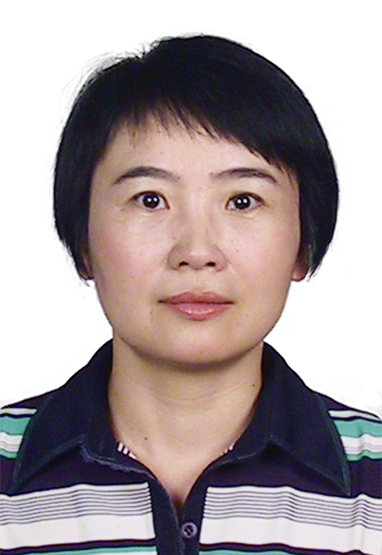 Jinghong Zhou (周静红)合作论文数华东理工大学19
 Guohua Xiu合作论文数17
 Junsheng Zheng (郑俊生)合作论文数College of Automotive and Energy Engineering, Tongji University17
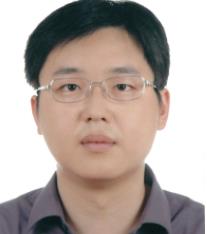 Yian Zhu (朱贻安)合作论文数School of Chemical Engineering, East China University of Science and Technology16
 Xingfu Song (宋兴福)合作论文数School of Resources and Environmental Engineering, East China University of Science and Technology;School of Chemical Engineering, East China University of Science and Technology16
 Ze Sun (孙泽)合作论文数华东理工大学资源与环境工程学院16
 Chenxi Cao (曹晨熙)合作论文数School of Information Science and Engineering, East China University of Science and Technology15YingChun Dai (戴迎春)合作论文数14
 Yi-Fan Han (韩一帆)合作论文数State Key Laboratory of Chemical Engineering, School of Chemical Engineering, East China University of Science and Technology13Mengjie Luo合作论文数12
 yi-jiang wu合作论文数12
 Chenglin Liu (刘程琳)合作论文数School of Resources and Environmental Engineering, East China University of Science and Technology12
 Jing Xu (徐晶)合作论文数华东理工大学化学学院11
 Xuezhi Duan (段学志)合作论文数School of Chemical Engineering, East China University of Science and Technology;State Key Laboratory of Chemical Engineering, East China University of Science and Technology11MA Zhejie (马哲杰)合作论文数10Zhen Liu合作论文数10
 Yongxiao Tuo合作论文数State Key Lab Heavy Oil Proc, China Univ Petr10
 Xinsheng Zhang (张新胜)合作论文数School of Chemical Engineering, East China University of Science and Technology9Liu Yang合作论文数8Jin Xue合作论文数8
 Hao Wang合作论文数8Gong Rujin合作论文数8
 Israel Pedruzzi合作论文数7Zhiling Qian合作论文数7
 YuZhu Sun (孙玉柱)合作论文数School of Resources and Environmental Engineering, East China University of Science and Technology7
 Yuan Gao (高源)合作论文数College of Automotive and Energy Engineering, Tongji University7
 Xijun Hu (胡喜军)合作论文数Department of Chemical and Biological Engineering, School of Engineering, Hong Kong University of Science & Technology7
 Jianxin Ma (马建新)合作论文数School of Automotive Studies, Tongji University7
 Wenli Du (杜文莉)合作论文数School of Information Science and Engineering, East China University of Science and Technology;National School of Elite Engineers, East China University of Science and Technology7Youfa Jiang合作论文数6Tie-Jun Zhao合作论文数6Licheng Ye合作论文数6
 Donglei Qu (曲冬蕾)合作论文数6YunXiang Peng (彭运祥)合作论文数6
 Adelino F. Cunha合作论文数Universidade do Porto, University of Porto6
 Shuying Sun (孙淑英)合作论文数School of Resources and Environmental Engineering, East China University of Science and Technology6
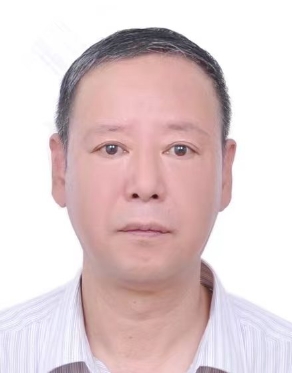 Guimin Lu (路贵民)合作论文数Department of Resource Recycling Science and Engineering, School of Resources and Environmental Engineering, East China University of Science and Technology6Xingli He (何兴理)合作论文数School of Electronic and Information Engineering, Soochow University6
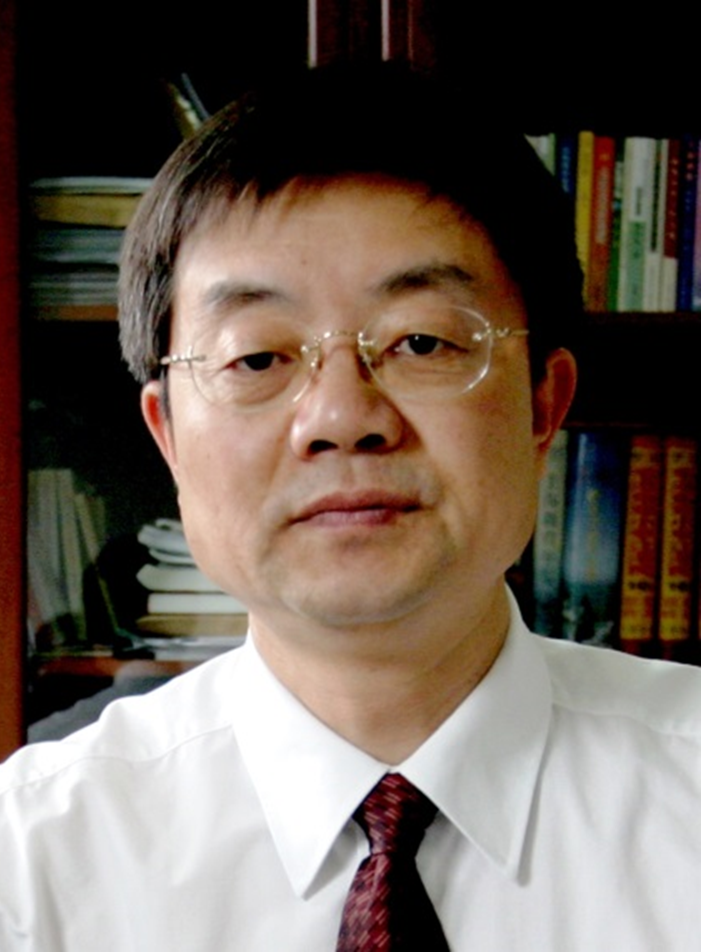 Guanzhong Lu (卢冠忠)合作论文数School of Chemistry and Molecular Engineering, East China University of Science and Technology;Shanghai Institute of Technology6
 Hongye Cheng (成洪业)合作论文数School of Chemical Engineering, East China University of Science and Technology6
 Wende Xiao (肖文德)合作论文数Department of Chemical Engineering, School of Chemistry and Chemical Engineering, Shanghai Jiao Tong University6




