Objectives: To investigate and correlate salivary and gingival tissue metabolomic profiles in periodontitis patients and healthy controls using proton nuclear magnetic resonance (¹H NMR) spectroscopy. Methods: Forty participants were enrolled, including 20 Stage II/III Grade B periodontitis patients and 20 healthy controls. Saliva and 2×2 mm gingival tissue samples were collected and analyzed using 700 MHz NMR spectroscopy. Data were processed using univariate ROC analysis, partial least squares discriminant analysis (PLS-DA), and variable importance in projection (VIP) scores through MetaboAnalyst 6.0. Results: Salivary samples from periodontitis patients showed elevated alanine, lactate, butyrate, pyruvate, glycine, valine, proline, acetate, taurine, GABA, succinate, and trimethylamine. Gingival tissue samples exhibited increased glycine, proline, glutamate, glutamine, valine, pyruvate, glycerophosphocholine, and taurine. Glycine, proline, valine, and taurine were consistently altered in both sample types. Metabolic pathway analysis indicated involvement of amino acid metabolism, microbial fermentation, and energy metabolism. Conclusions: NMR-based metabolomics effectively identifies site-specific and systemic metabolic alterations in periodontitis. Glycine, proline, valine, and taurine demonstrate potential as diagnostic biomarkers for periodontal disease.
To evaluate the interdependent role in the regional climate system this study integrates ERA5-Land reanalysed hydrometeorological parameters (Precipitation, Moisture flux, Evapo-transpiration, Temperature, Surface-pressure, Wind, and Sea-level pressure) over the Indian Himalayan region. Long term (for year 1991–2025) Mean and Maximum Precipitation variability has been analysed to show the spatial and temporal aspects of precipitation variability. Spatial analysis showed that mean precipitation is higher in the south and south-central, and lower in north and northeast. Five year averaged seasonal precipitation for January–September months, examined to approach the extreme event and emphasize that precipitation variability is not uniform and is influenced by spatial gradients. The lead–lag regression of precipitation (PPT), moisture fluxes (MF) and evapotranspiration (EVAP) with the first principal component (PC1) techniques are applied. The lead–lag analysis suggested that the precipitation variability is associated with moisture transport and land-atmosphere exchanges, with a transition from weaker to stronger anomalies towards the peak phase (Lag = 0). Temperature anomalies show that the north is cooling (−0.2) and the south is warming (+0.15 to +0.2). The Lanczos band-pass filter has been applied to investigate the precipitation anomalies at specific timescales related to monsoon variability and wind convergence is strong at ±0.25 with a steady inflow of moisture to the southern slopes. Precipitation variability is strongly connected with temperature, pressure gradients, and moisture flow, according to lead–lag regression analysis. In order to identify unusual weather events, a spatial mapping of the monthly average precipitation and precipitation variance spectrum are analysed. Low-frequency (67–100 days) fluctuation predominates, according to frequency analysis, suggesting the impact of sub-seasonal characteristics and intra-seasonal oscillations. It has been demonstrated unequivocally that the topography and monsoon circulation pattern influence the regional variability of precipitation in the higher Himalayan region. Apart from this the study emphasises that the Dharali catastrophe is a cascade of hazards, resulting from the combination of flash floods and landslides triggered by heavy rainfall, due to high precipitation events.
From consumer electronics to healthcare and beyond, wearable supercapacitors are poised to be instrumental in shaping the future of portable and wearable technology. Wearable supercapacitors play a pivotal role in the healthcare sector. They power up the medical wearables, such as continuous glucose monitors and smart patches, contributing to the advancement of remote patient monitoring. In industrial applications and military settings, wearable supercapacitors find demand for powering communication devices, sensors, and augmented reality tools incorporated into wearable gear. The efficiency, lightweight nature, and quick-charging capabilities of supercapacitors make them particularly valuable in scenarios where reliability and rapid energy deployment are critical. Recently, tremendous explorations have been carried out on the device architectures and selections of electrode and electrolyte materials to achieve high-performance supercapacitor devices. In this review, we focus on the recent developments in flexible, wearable supercapacitor designs, fabrication techniques, electrode materials, and electrolyte materials. The key examples are highlighted and discussed. Moreover, the advancements in textile supercapacitors are covered with stress given to the role of biodegradable materials in developing sustainable energy storage. Furthermore, the current challenges and future prospects for research and development will be addressed.
Nanofabricated materials have become a revolutionary foundation in the creation of nanobiosensors, facilitating the highly sensitive, selective, and quick identification of biological and chemical analytes. Advancements in nanotechnology have enabled the fabrication of materials with precise size, shape, and surface characteristics at the nanoscale, greatly enhancing the efficacy of biosensing devices. Materials include nanowires, nanotubes, quantum dots, graphene, metallic nanoparticles, and thin films possess distinctive electrical, optical, and catalytic characteristics, which are utilized in signal transduction and amplification processes. These tailored nanostructures enhance biomolecule immobilization and stability while facilitating label-free, real-time monitoring with ultra-low detection limits. Nanobiosensors utilizing nanofabricated materials have shown utility in various domains, such as medical diagnostics, environmental monitoring, food safety, and drug development. Furthermore, the integration of microfluidics and wearable devices is propelling the advancement of point-of-care platforms for personalized healthcare. Notwithstanding significant advancements, obstacles including reproducibility, large-scale production, biocompatibility, and regulatory approval persist. This concise summary underscores the significance of nanofabricated materials in the progression of biosensing technologies, accentuating its capacity to transform diagnostics and monitoring systems via shrinking, multiplexing, and improved analytical performance.
Background: Fractures of the inferior orbital rim are common midfacial injuries that can significantly impairocular function and facial aesthetics. Treatment typically involves either open or closed reduction, but the choiceof technique can influence both clinical and radiological outcomes. Accurate assessment is essential for optimalpatient management and prognosis.Objective: To evaluate and compare the clinical and radiological outcomes of open versus closed reductiontechniques in the management of inferior orbital rim fractures.Materials and Methods: This prospective observational study will be conducted over a period of 18 months atJNKTMCH, Madhepura. A total of 60 patients diagnosed with unilateral or bilateral isolated inferior orbital rimfractures will be enrolled. Patients will be equally divided into two groups (30 each) based on the treatmentmodality—open or closed reduction. Preoperative and postoperative clinical assessments (e.g., enophthalmos,diplopia, infraorbital numbness) and radiological evaluations using CT scans will be performed. Follow-up willbe conducted at 1 week, 1 month, and 3 months postoperatively.Results: Expected outcomes include comparative data on anatomical reduction quality, functional recovery,complication rates, and patient satisfaction across both treatment modalities. Statistical analyses will be appliedto determine the significance of differences observed.Conclusion: This study aims to provide evidence-based insights into the efficacy of open versus closed reductiontechniques in the management of inferior orbital rim fractures. Findings may guide surgical decision-making andimprove individualized treatment planning.
Background: Bihar is considered as a ‘hot spot’ for rheumatic heart disease (RHD). The objective of our study was to determine the prevalence of RHD among school children in Patna district in Bihar. Methods: We conducted a population-based cross-sectional study in school children of Patna district. Results: This study estimated that the prevalence of RHD was 1.06 per 1,000 among school children in Patna. None of the factors, including mother’s education, father's education, and family income, was a significant risk factor for its causation. Conclusions: Considering the significant morbidity and mortality it causes, preventive measures at all levels, especially the secondary prevention, must be applied in any region to reduce the disease burden of RHD and its impact on society due to disease severity.
The present study was conducted during 2022-23 and 2023-24 at the Research Farm, FSR Centre, Sher-e-Kashmir University of Agricultural Sciences and Technology of Jammu, Main Campus Chatha. The experimental site is located at a latitude of 32°40′ N, longitude of 74°58′ E, and an altitude of 332 m above mean sea level. The region experiences an annual rainfall of 1050-1115 mm, with 70% occurring between June and September. The study evaluated the performance of a rice-wheat cropping system under four production systems: P1 (Absolute control), P2 (Organic farming), P3 (Conventional farming), and P4 (Natural farming). Results revealed that conventional farming consistently achieved significantly higher productivity in both crops. For rice, conventional farming recorded the highest grain yield (28.49 q/ha) and straw yield (55.06 q/ha), outperforming organic farming (25.53 q/ha and 53.45 q/ha) and natural farming (24.67 q/ha and 51.46 q/ha). Similarly, for wheat, conventional farming resulted in the highest grain yield (39.98 q/ha) and straw yield (53.32 q/ha), compared to organic farming (35.52 q/ha and 50.13 q/ha) and natural farming (30.87 q/ha and 48.09 q/ha). A slight improvement in grain and straw yields was observed during the second year across all production systems, except the absolute control. The findings demonstrate the superior performance of conventional farming for maximizing crop productivity in the irrigated subtropical conditions of Jammu while highlighting the potential for further optimization of organic and natural farming systems for sustainable agriculture.
Background: Hypothyroidism is a common endocrine disorder in pediatric populations that can significantly impact growth, development, and cognitive function. The aim of this study was to assess the incidence and clinical characteristics of hypothyroidism among patients under 18 years of age attending a territory-level hospital in Greater Noida. Methods: A retrospective cross-sectional observational study was conducted over six months, including 142 pediatric patients diagnosed with hypothyroidism based on clinical presentation and laboratory findings (TSH and free T4 levels). Data were collected on demographic characteristics, clinical symptoms, comorbidities, and treatment status. Statistical analysis was performed to describe the incidence and distribution of hypothyroidism in relation to age, gender, TSH levels, and associated comorbidities. Results: The study population consisted of 64 males (45.1%) and 78 females (54.9%), with the majority of cases in the 6-12 years age group (42.3%). Fatigue (52.8%), weight gain (42.3%), and growth retardation (31.7%) were the most commonly reported symptoms. A notable association was found between higher TSH levels (>20 µIU/mL) and more severe clinical manifestations, including fatigue (81.1%) and learning difficulties (54.1%). Obesity (24.6%) and anemia (21.1%) were the most prevalent comorbidities. Of the study participants, 64.8% were on treatment with levothyroxine, and 35.2% were newly diagnosed during the study period. The incidence of hypothyroidism increased progressively over the study duration. Conclusion: This study demonstrates a significant incidence of hypothyroidism among pediatric patients in a territory-level hospital in Greater Noida, with a higher prevalence in females and children aged 6-12 years. The findings emphasize the importance of early screening, diagnosis, and management of hypothyroidism in pediatric populations to prevent associated complications. Further research is needed to understand the underlying causes and develop strategies for effective management and prevention.
The study was conducted from March to September, 2021–2022 in the Solan and Sirmour districts of Himachal Pradeshwith an aim to assess the influence of soil physicochemical characteristics and microbial communities on the incidence of major tomato diseases in high-production areas of Himachal Pradesh. Soil samples were collected from tomato-growing fields across multiple locations and analyzed for pH, electrical conductivity, organic carbon, and nutrient content. Standard protocols were followed for physicochemical analyses, and microbial populations were quantified using serial dilution and plating methods. Damping-off incidence ranged from 21.33% to 51.00%, while wilt incidence varied between 18.00% to 37.00%. This reflected a high disease pressure influenced by local soil and environmental conditions. Microbial analysis revealed spatial variation. Panwa recorded the highest fungal count (75×10³ cfu g-1 soil), while Kandaghat recorded the highest bacterial count (98×10⁶ cfu g-1 soil), highlighting heterogeneity in microbial distribution. Soil pH varied across sites, with slightly alkaline in Palashala and Kurgal. A strong positive correlations were observed between soil pH and microbial counts. Moderate positive correlations were found between, nitrogen, phosphorus, and potassium content with microbial populations. These findings demonstrated that variations in soil physicochemical properties directly influenced microbial dynamics and disease incidences. The results highlighted that soil conditions significantly impact microbial dynamics and disease incidence, emphasizing the need of effective soil health management for sustainable tomato cultivation.
Background: Osteoporosis places a significant strain on the healthcare system and contributes significantly to morbidity and mortality. Digital panoramic radiographs, which are typically taken for routine dental examinations, are quite useful for spotting early low mineral density changes. Aim: The aim of the study was to assess the diagnostic efficiency of gonial and antigonial radiographic indices in identifying low bone mineral density in aged women. Materials and Methods: A total of 800 panoramic radiographs were assessed from the archives, and 118 radiographic images among controls and study groups were included. Radiomorphometric indicators such as gonial angle (GA), gonial index (GI), antigonial angle (AA), antigonial depth (AD), and antigonial index (AI) were studied. Results: A statistically significant higher GA, GI, AA, AD, and AI among control groups were evident compared to study groups. Conclusion: In screening for early osteoporotic alterations, all indices evaluated in the present study can be used as radiographic screening methods to identify low bone mineral density among aged women. Novelty: The study attempted to evaluate the GA, GI, AA, AD, and AI of the mandible in orthopantomography individually for normal and aged women. Hence, they can be used as an opportunistic screening tool.
In this study, hybrid composites were prepared using an Epoxy/polyester (EP) reinforced with carbon fibers (CF), reduced graphene oxide (r-Go), and modified Halloysite nanotubes (m-HNTs). Two types of composite were fabricated: EPG (EP/r-Go/CF) and EPH (EP/m-HNTs/CF). CF was varied by weight at 2%, 5%, and 10%, whereas r-GO and m-HNTs were constant at 0.3 weight percent and 3 weight percent, respectively. High-intensity ultrasonication was used to ensure uniform dispersion of the filler. Tensile strength and modulus improved by up to 32% and 37% for EPG5 and 25% and 35% for EPH5 with CF loadings. For EPG5, enhancement in flexural strength and modulus were 65% and 28%, while for EPH5, they were 157% and 47%. SEM demonstrated improved matrix-reinforcement bonding, whereas TGA showed increased thermal stability. Enhanced cross-linking and functional groups were confirmed through FTIR analysis; these findings highlight the potential of composites for high-performance engineering applications.
BACKGROUND: Sarcopenia, characterized by progressive loss of muscle mass, strength, and function, is a common yet underrecognized complication in individuals with hemophilia, primarily due to recurrent joint and muscle bleeds. It contributes to impaired mobility, reduced quality of life, and long-term disability. Despite its clinical significance, the prevalence of sarcopenia in the hemophilia population remains inadequately understood. AIMS AND OBJECTIVES: To assess the prevalence of sarcopenia among individuals with hemophilia and identify its association with clinical and nutritional risk factors. MATERIALS AND METHODS: A single-center, observational cross-sectional study was conducted at a tertiary care hospital in New Delhi over a 1-year period (November 2023 to October 2024). The study included 35 hemophilia patients aged >12 years. Sarcopenia was assessed based on muscle mass, muscle strength, and the SARC-F questionnaire (Strength, Assistance with Walking, Rise from a Chair, Climb Stairs, and Falls). RESULTS: Sarcopenia was present in 85.7% of patients. It was significantly associated with arthropathy (100%, P = 0.0005), higher annual bleeding rate (ABR >10: 100% vs. 70.6%, P = 0.0453), on-demand therapy (100% vs. 29.4% on prophylaxis, P = 0.0453), lower caloric intake (<2300 kcal/day: 90.9% vs. 0%, P = 0.012), and vitamin D deficiency (<30 ng/mL: 93.1% vs. 50%, P = 0.035). CONCLUSION: Sarcopenia is highly prevalent among patients with hemophilia and is strongly associated with arthropathy, higher bleeding frequency, on-demand therapy, poor nutritional intake, and vitamin D deficiency. Early identification through routine screening and targeted interventions—such as physical rehabilitation, nutritional support, and optimized hemophilia management—are essential to preserve functional independence, reduce disability, and improve long-term outcomes in this population.
Bemisia tabaci (whitefly) transmitted Tomato Leaf Curl New Delhi Virus (ToLCNDV) is a major constraint in cultivation of ridge gourd (Luffa acutangula L) in South India. A survey across Karnataka, Tamil Nadu, Andhra Pradesh and Telangana has highlighted a high incidence of begomovirus infections in ridge gourd crop. Despite the cultivation of 20 varieties by the farmers, none demonstrated significant resistance with infection rates varying significantly across districts, from 30% to 100%. Molecular analysis of whiteflies and ridge gourd samples confirmed the presence of B. tabaci and ToLCNDV. ToLCNDV isolate with genetic sequences showing a 100% identity to known strains in India and South Korea, is known for affecting a range of cucurbit crops. The findings underscore the threat caused by ToLCNDV to yield stability on ridge gourd.
During the two successive Rabi seasons of 2023 and 2024, a field experiment was carried out at the Students Instructional Farm, Department of Agronomy, Chandra Shekhar Azad University of Agriculture and Technology, Kanpur (U.P.). to evaluate the effects of irrigation scheduling and foliar application of phosphorus, sulphur, and boron on Indian mustard (Brassica juncea L.). The trial was arranged in a split plot design with three replications, assigning irrigation levels to main plots and nutrient management practices to sub-plots. Irrigation treatments included: I1 (no irrigation), I2 (one irrigation at pre-flowering), and I3 (two irrigations at pre-flowering and siliqua development). Nutrient treatments consisted of T1 (RDF 120:60:40 NPK), T2 (RDF + foliar sulphur 2%), T3 (RDF + foliar boron 0.2%), T4 (RDF + foliar sulphur + boron), and T5 (RDF + foliar sulphur + boron + nano phosphorus 0.5% applied at 30 and 45 DAS). Mustard variety Azad Mahak was sown on November 2nd, 2023, and November 4th, 2024, with harvests on March 26th, 2024, and March 29th, 2025. Recorded growth parameters showed that higher plant height, leaf area index, dry matter accumulation, branches per plant, days to 50% flowering, and maturity were achieved under I3 irrigation and T5 nutrient management.
A field experiment was conducted at Chandra Shekhar Azad University of Agriculture and Technology, Kanpur during Kharif season of 2021. To evaluate the effect of different doses of Mesotrione 2.27% w/w + Atrazine 22.7% w/w SC on growth and yield of maize (Zea mays L.). The experiment was laid down in the Randomized block design with ten treatments which was replicated three times. Experimental Field was infested with Echinochloa colona, Digitaria sanguinalis, Dactyloctenium aegyptium, Commelina benghalensis, Trianthema and Cyperus rotundus. Ready-mix herbicide, Mesotrione 2.27% w/w + Atrazine 22.7% w/w SC (Calaris Xtra) manufactured by Syngenta was used in the experiment. Among the herbicidal treatments, the application of Mesotrione 2.27% w/w + Atrazine 22.7% w/w SC @ 1.750 kg a.i. ha-1 recorded the lowest weed density and highest weed control efficiency (approx. 90%) at every growth stage of maize. However, among herbicidal treatments, grain yield of maize was maximum with the application of Mesotrione 2.27% w/w + Atrazine 22.7% w/w SC @ 1.0 kg a.i. ha-1(T4) which might be due do toxicity effect of herbicide.
 Himanshi Aggarwal合作论文数Faculty of Dental Sciences, King George's Medical University43
 Preeti Sharma合作论文数38
 Rachna Sharma合作论文数Institute of Technology, Nirma University25
 Raghuwar Singh合作论文数14
 Saumyendra V Singh合作论文数Dental Faculty, CSM Medical University11
 Pooran Chand合作论文数Faculty of Dental Sciences, CSM Medical University10Gaurav Gupta合作论文数9Varun Baslas合作论文数9
 K.C. Gupta合作论文数Department of Chemistry, Indian Institute of Technology Roorkee9Tapati Bandopadhyay合作论文数9Agrawal Aviral合作论文数8Tapan Mohapatra合作论文数7
 Raghav Ravani合作论文数7
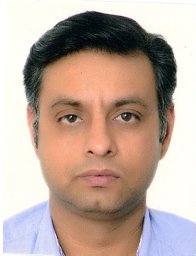 Jurel Sunit Kumar合作论文数Faculty of Dental Science, King Georges Medical University7Anirban Roy合作论文数6
 Deepak Gajbhiye合作论文数NIT, Geol Survey India6
 Bhagol Amrish合作论文数Government Dental College, Pt. B. D. Sharma University of Health Sciences6
 Bikash Mandal合作论文数6Alvi Habib Ahmed合作论文数6
 Ramesh Chandra合作论文数Department of Chemistry, University of Delhi;Dr. B.R.Ambedkar Center for Biomedical Research, University of Delhi;Institute of Nano Medical Sciences, University of Delhi6
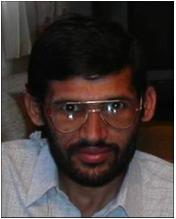 Virendra Singh合作论文数Department of Electrical Engineering, Indian Institute of Technology Bombay;Department of Computer Science & Engineering, Indian Institute of Technology Bombay6Mamta Saxena合作论文数5Sandeep Attawar合作论文数5Prabhat Dutta合作论文数5Mohit Jain合作论文数5afreen arshad choudhry合作论文数5
 Sachin Mishra合作论文数5
 Manish KUMAR Verma合作论文数5
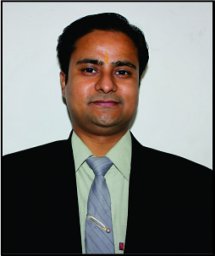 Rohit Rastogi合作论文数5
 Atul Kumar合作论文数5
 Mayank Gupta合作论文数Department of Chemistry, Indian Institute of Technology5
 Vinod Kumar合作论文数Dr. Rajendra Prasad Centre for Ophthalmic Sciences, AIIMS5
 Ruchi Singhal合作论文数Department of Pedodontics and Preventive Dentistry, PGIDS5
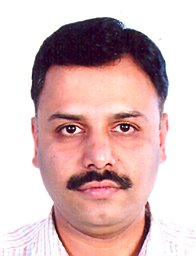 Rajan Sankaranarayanan合作论文数Centre for Cellular and Molecular Biology, Council of Scientific and Industrial Research5Aloka Sinha合作论文数Photonics Group, Indian Institute of Technology5
 Soniya Nityanand合作论文数Department of Hematology, Sanjay Gandhi Post-Graduate Institute of Medical Sciences (SGPGIMS)5
 Nisith Kr Das合作论文数5Mukund Rastogi合作论文数4anil sonkusare合作论文数4Shobha P Kruparani合作论文数4Vijil Rahulan合作论文数4Simranjeet Kaur合作论文数4
 Sanjiv kumar Gupta合作论文数4
 Anand Narayan Singh合作论文数4Unmil Shah合作论文数4
 Dheerendra Mishra合作论文数Department of Psychiatry, Shyam Shah Medical College4
 Rahman Khaliqur合作论文数Department of Pathology, J.N. Medical College4Brajesh Tripathi合作论文数Sch. of Eng., Gautam Buddha Univ.;c;Sch. of Eng., Gautam Buddha Univ.4
 Mrinal K. Ghose合作论文数Department Of Environmental Science and Engineering, Indian Institute of Technology, Indian School of Mines4




