In the present scenario, remediation of heavy metals (HMs) contaminated soil has become an important work to be done for the well-being of human and their environment. Phytoremediation can be regarded as an excellent method in environmental technologies. The present contemporary research explores the Solanum viarum Dunal function as a potential accumulator of hazardous HMs viz . lead (Pb), cadmium (Cd), zinc (Zn), and their combination (CHM). On toxic concentrations of Pb, Cd, Zn, and their synergistic exposure, seeds had better germination percentage and their 90d old aerial tissues accumulated Pb, Cd, and Zn concentrations ranging from 44.53, 84.06, and 147.29 mg kg −1 DW, respectively. Pattern of accumulation in roots was as Zn 70.08 > Pb 48.55 > Cd 42.21 mg kg −1 DW. Under HMs treatment, positive modulation in physiological performances, antioxidant activities suggested an enhanced tolerance along with higher membrane stability due to increased levels of lignin, proline, and sugar. Phenotypic variations were recorded in prickles and roots of 120 d old HM stressed plants, which are directly correlated with better acclimation. Interestingly, trichomes of the plant also showed HM accumulation. Later, SEM–EDX microanalysis suggested involvement of S. viarum capitate glandular trichomes as excretory organs for Cd and Zn. Thus, the present study provides an understanding of the mechanism that makes S. viarum to function as potent accumulator and provides information to generate plants to be used for phytoremediation.
The medicinal plant, Solanum viarum Dunal includes a number of compounds with important pharmacological effects. The effect of temperature (heat and cold) stress on growth, secondary metabolite levels and defense mechanism in two genotypes (prickled and prickleless) of S. viarum was evaluated. The two thermal regimes (4 degrees C for cold and 35 degrees C for heat stress) were found to be the most optimum for the accumulation of metabolites (steroidal alkaloids and glycoalkaloids, phenolic acids as well as flavonoids). Prickleless genotype showed 4.08 and 1.51 fold higher total alkaloids/glycoalkaloid content at 35 degrees C and 4 degrees C temperatures respectively, in comparison with prickled plants. Prickleless plants also registered 2.03 and 2.28 higher fresh and dry biomass accumulation respectively, under cold stress over the control plants. The accretion of phenolic and flavonoid compounds under heat and cold stress is mainly contributed by gallic and ferulic acid in both the genotypes. The quantitative real-time PCR expression analysis showed the abundance of gene transcript involve in the biosynthesis of alkaloids/glycoalkaloid and phenolics/flavonoids that corroborates with the accumulation of their respective metabolites in prickleless plants under temperature stress. Results revealed that the prickleless plants inhibiting the reactive oxygen species (ROS) mediated oxidative damage by activating the enzymatic (superoxide dismutase, peroxidase, catalase and ascorbate peroxidase) and non-enzymatic (alkaloids, phenols, flavonoids, carotenoids and proline) antioxidants mechanism that confirms its efficiency to tolerate thermal stress under both the thermal regimes. The overall result showed that the prickleless genotype served as a better accumulator of biomass, secondary metabolites with an improved antioxidative mechanism in comparison to prickled genotype. Our findings suggest that thermal stress responses differ significantly between genotypes, emphasizing the necessity of maintaining genotypic diversity in adaptive evolution as in the context of global warming and climate change. The present study also opens the possibility of exploiting improved prickleless genotype of S. viarum as a potential system that can be cultivated under different temperature stress conditions to attain the phytopharmaceutical benefits.
KEY MESSAGE:Overexpression of Withania somnifera SGT gene (WssgtL3.1) in transgenic Arabidopsis improves various agronomic and physiological traits and alters conjugated sterol levels to mitigate the effect of salt stress. Sterols are essential constituents of cell membranes that are involved in several biological functions, including response to various biotic and abiotic stresses by altering membrane permeability and signaling pathways. Sterol glycosyltransferases (SGTs) are enzymes that are involved in sterol modification by converting sterols into sterol-conjugates to play essential roles in adaptive responses. However, their roles under abiotic stresses are lesser-known. Among abiotic stresses, salinity imposes serious threat to crop yield worldwide, hence the present study intends to investigate the role of WssgtL3.1-overexpressed Arabidopsis plants under salt stress indicating the crosstalk between SGT gene and salinity to develop improved crop varieties with better stress tolerance ability. The findings revealed that overexpression of WssgtL3.1 gene in A. thaliana improved the resistance against salt stress in the overexpressing lines. Transgenic lines showed significantly higher germination rate, increased plant growth with less chlorophyll damage compared to wild-type (WT) control plants. Moreover, better tolerance also correlated with enhanced osmolytes (proline and soluble sugar), better membrane integrity, decreased H2O2 production and lesser MDA accumulation and Na+/K+ ratio with more negative osmotic potential in overexpressed lines. Additionally, in sterol profiling, significant enhancement in stigmasterol was also observed in transgenic lines than WT plants. Furthermore, in expression profiling, salt responsive genes LEA 4-5, sucrose synthase, and transporter of monosaccharide (ERD) significantly upregulated in overexpressing lines as compared to WT. Thus our data strongly support the defensive role of Withania somnifera SGT gene (WssgtL3.1) against salt stress and contribute to improved salinity tolerance in plants through sterol modulation.
Solanum viarum Dunal, is an important medicinal plant widely used as a source of raw material for the steroidal drug industry. Out of various steroidal precursors, solasodine, an analogue of diosgenin is the most important source of raw material for the synthesis of steroidal drugs. In the present study, growth and phytochemical variations in different tissue (leaves, stem, roots, and berries) of two contrasting genotypes, prickled and prickleless Solanum viarum were evaluated under in vitro and field conditions. Significant variation in growth, yield and contents of glycoalkaloids, phenolics, and flavonoids were evident between two genotypes under in vitro and field conditions. Prickleless genotypes showed improved growth parameters both under in vitro and field conditions, that helps in contributing to higher yield over prickled plants. Tissue-specific chemical analysis revealed that the leaves and roots of prickleless plants serve as a better repertoire for bioactive phytomolecules. The vegetative parts of in vitro grown 50 days old prickleless plants showed comparable/higher metabolite content than 7?8 month old field-grown plants. Hence it can be used as an alternative production platform for further upscaling, elicitation, and precursor feeding targets that enhances its commercial utility. The expression analysis of seven genes involved in the regulation of important metabolite biosynthesis in both prickled and prickleless genotype of Solanum viarum was also examined. The diverse metabolite profiles are correlated with variations in gene expression profiles. This study provides information about the key metabolites and its biosynthetic pathway genes, which could be useful for the selection of an improved prickleless genotype (?Nishkantak?) of Solanum viarum.
Solanum is one of the largest genera of the family Solanaceae comprising > 2000 species distributed mostly in the tropical and subtropical regions of Australia, Africa, and some parts of Asia, such as China, India, and Japan. The nutraceutical and pharmaceutical values of the Solanum species are due to the presence of bioactive phyto-constituents such as steroidal saponins, steroidal alkaloids, terpenes, flavonoids, lignans, sterols, phenolic compounds, coumarins, etc. Among them, the presence of steroidal alkaloids and glycoalkaloids serves as major chemical markers of this genus. Steroidal alkaloids and glycoalkaloids have a special status in traditional and modern systems of medicine possessing a wide range of bioactivities, viz., antimicrobial, analgesic, hepatoprotective, immunomodulatory, anticancer, neurogenetic, etc. Steroidal alkaloids (STAs) are the major class of secondary metabolites found not only in plants but also in higher animals as well as in some aquatic invertebrates. They have a steroidal (cyclopentanophenanthrene) backbone skeleton with a nitrogen atom. The biosynthesis of these alkaloids takes place from steroids or triterpenoid pathway, on the basis of which they are further divided into different classes and subclasses. The present review is focused on the occurrence and biosynthesis of steroidal alkaloids in Solanaceae family. These compounds are mainly triterpene-derived molecules that are involved in various defense responses participating also in formulations of a wide range of phyto-pharmaceuticals. The addition of sugar moieties to the base skeleton by glycosyltransferases resulted in the formation of steroidal glycoalkaloids (STGAs), possessing a wide range of pharmacological values. The accumulation of these bioactive metabolites has been shown to be highly influenced by environmental and geographical factors. Hence, their production via tissue culture always offers an attractive alternate production platform. The current trends and biotechnological tools recently developed for the sustainable production and up-scaling of these bioactive constituents are focused in the present review.
Glycosyltransferase (GT) enzymes are the members of a large multigene family in plants that can transfer activated sugar molecules to an extensive range of acceptors, such as sterols and secondary metabolites. This glycosylation of plant metabolites helps in the fortifying defense of the plant against different environmental stress. Sterol glycosyltransferase (SGT) is a key member of GT family mainly involved in glycosylation of sterols. Previous report has shown that expression profiling of the WssgtL3.1 gene of Withania somnifera increased dramatically under diverse abiotic and biotic stress. Therefore, the present study aimed to heterologously overexpressed WssgtL3.1 gene in Arabidopsis thaliana to study its role in the mitigation of the adverse effect of Pseudomonas syringae infection. In overexpressing lines, upon pathogen infection, less bacterial growth was observed which might be due to enrichment in SA content. In addition, higher PR1 gene expression, less callose formation, less hydrogen peroxide (H2O2) accumulation, low MDA formation, higher SOD enzyme activity, and greater Fv/Fm were observed in all transgenic lines. Moreover, changes in glycosylation of sterols were observed in all samples; as a result, total sterol content was also found to be higher in each overexpression line. Furthermore, increased expression of squalene synthase (SQS) suggested more sterol biosynthesis in each overexpression lines due to the modulation of SA. Overall, these results suggested that high proportions of free and conjugated sterol contents in transgenic lines due to overexpression of WssgtL3.1 plays a significant role in the enhancement of immunity against P. syringae in A. thaliana plants.
Thalictrum foliolosum is an endemic herb of the temperate Himalayas and eastern China. These plants have been used for past several decades by indigenous people to treatment of fever, gastrointestinal disease, intestinal obstruction, jaundice and eyesight problems. Although a wide diversity of alkaloids and polyphenolic compounds are found in various Thalictrum species, the presence of major polyphenolic compounds in the T. foliolosum has not been much studied. In present study, both wild-collected (WC) and in vitro propagated (IVP) plants materials such as leaves and roots were used for polyphenolic compounds identification and quantification as well as different antioxidant assay. For quantitative analysis of polyphenolic compounds, extracted plant materials were subjected to HPLC–PDA. Additionally, 2, 2–diphenyl–β–picrylhydrazyl (DPPH) free radical and reducing power assay (RPA) were used to determine the antioxidant activity of various extracts. Results showed 12–13 polyphenolics compounds were identified in roots and leaves of WC and IVP plants. Spectrophotometric and HPLC analysis revealed that IVP roots had higher content of phenolics (TPC) (1489.80 ± 9.15 µg GAE/g) and flavonoid content (TFC) (783.58 ± 8.23 µg RE/g). However, strong antioxidant potential was found in chloroform fraction of IVP roots (DPPH IC50 −23.36 ± 0.60 µg/ml). Also, a positive correlation was existed between the antioxidant activity and phenolic and flavonoid content. Presence of various phenolic compounds along with the previously described alkaloids makes this Thalictrum species therapeutically important. The enrichment of polyphenolic compounds in micropropagated T. foliolosum plants provides the alternative option for various pharmaceutical industries as well as conservation.
Prickles are epidermal outgrowth found on the aerial surface of several terrestrial plants. Microscopic studies on prickles of S . viarum Dunal indicated a crucial role of glandular trichomes (GTs) in their development. A spontaneously obtained prickleless mutant showed normal epidermal GTs, but its downstream developmental process to prickle was perturbed. Thus, prickleless mutant offers an ideal opportunity to unveil molecular regulators working downstream to GTs in the prickle formation. Differential transcriptome analysis of epidermis of prickly and prickleless mutant revealed that expression of several defense regulators like ethylene, salicylic acid, PR-proteins, etc. were significantly down-regulated in prickleless mutant, provide an important link between defense and prickle development. It was also noteworthy that the expression of few essential development related TFs like MADS-box, R2R3-MYB, REM, DRL1, were also down-regulated in the stem, petioles, and leaves of prickleless mutant indicating their potential role in prickle development. Interestingly, the gene expression of terpenoid, steroid, flavonoid, glucosinolate, and lignin biosynthesis pathways were up-regulated in prickleless mutant. The biochemical and qRT-PCR analysis also confirmed metabolite elevation. These results indicated that the loss of prickle was compensated by elevated secondary metabolism in the prickleless mutant which played important role in the biotic and abiotic stress management.
Thalictrum foliolosum DC. is an endemic herbaceous plant known for its various medicinal properties. Due to the presence of valuable alkaloids they are uprooted leading to a threat to their numbers and existence. In this study an efficient protocol has been developed for plant regeneration using hypocotyl explant. Hypocotyl explants formed multiple shoots via direct shoot organogenesis on Murashige and Skoog's (MS) medium containing 0.25-2.0 mg l(-1) BAP with NAA (0.1 mg l(-1)). Maximum shoot formation in hypocotyl regenerated shoots was achieved in BAP 1 mg l(-1) and NAA 0.1 mg l(-1) with 0.3% activated charcoal and ascorbic acid 20 mg l(-1). The regenerated shoots formed roots on MS medium (half strength) containing IBA (0.2 mg l(-1)). The rooted plantlets were established in the glasshouse after acclimatization and gave 72% survival. Genetic stability assessment of in vitro regenerated plants was done using simple sequence repeat (SSR) markers and no difference was observed when compared to the mother plants. Also, flow cytometric analysis confirmed that their ploidy level was similar to the mother plant. Additionally, establishment of excised root culture was also done and quantification by HPLC revealed that excised cultured roots were accumulated higher benzylisoquinoline alkaloids (BIAs).
Solanum viarum Dunal is an important medicinal plant with a high quantity of steroidal alkaloids used for the synthesis of contraceptives, corticosteroids, and sex hormones. It is also used by Indian tribal people for the treatment of leprosy, toothache, and diabetes. Therefore, to meet the existing needs for this plant, it is necessary to develop an efficient regeneration system useful for rapid and large-scale clonal propagation with ensured genetic fidelity. An efficient and improved regeneration protocol for prickly and prickleless genotypes of S. viarum has been developed using three explants, leaf, petiole, and internodes, under the influence of two plant growth regulators, thidiazuron (TDZ) and 6-benzyladenine (BA). Effects of genotype, explant type, and concentrations of TDZ and BA were studied. A higher percentage of shoot organogenesis (78.25% ± 2.53) and shoot number per explant (6.79 ± 1.04) were achieved in the leaf segments of prickly genotype cultured on modified Murashige and Skoog (MS) medium supplemented with TDZ (1.50 mg L−1). Furthermore, basal leaf segments showed 100% regeneration from the prickly genotype. A significantly higher content of total phenolics was quantified in prickleless (3.66 μg mg−1) than prickly genotypes (2.73 μg mg−1). The monomorphic banding pattern of random amplified polymorphic DNA (RAPD) and simple sequence repeats (SSR) analysis confirmed the genetic fidelity of the regenerated plants. Additionally, flow cytometric analysis of regenerants showed no variation in the ploidy levels when compared to the mother (control) plants. These results clearly depicted the efficiency of developed protocol that can be utilized for generating genetically stable population of S. viarum.
Growth and production kinetics of three important glycoalkaloids viz . α-solanine, solanidine, and solasodine in two contrasting prickly and prickleless plants of Solanum viarum Dunal were evaluated under in vitro conditions. The prickleless plants showed improved accumulation of total glycoalkaloid content [7.11 and 6.85 mg g −1 dry weight (DW)] and growth (GI = 11.08 and 19.26) after 45 and 50 days of culture cycle, respectively. For higher biomass (91.18 g l −1 ) as well as glycoalkaloid (52.56 mg l −1 ) recovery, the prickleless plants served as highly profitable platform. All the three studied glycoalkaloids were identified and quantified by mass spectrometry and HPLC. All the three studied glycoalkaloids accumulated in age-dependent manner. The presence of two constituents, i.e., solasodine and solanidine mainly contributed for higher accumulation of total glycoalkaloid content in the prickleless plants. However, the synthesis of α-solanine was highly age specific and could be detected after 4 to 5 weeks of culture cycle in both prickle containing as well as prickleless plants of S. viarum . The higher accumulation of glycoalkaloids in prickleless plants was also supported with the expression analysis of six key pathway enzymes viz . mevalonate kinase (MVK), 3-hydroxy-3-methyl-glutaryl coenzyme A reductase (HMGR), farnesyl diphosphate synthase (FPS), UDP-galactose/solanidine galactosyltransferase (SGT1), UDP-glucose/solanidine glucosyltransferase (SGT2), and cytochrome P450 monooxygenase (CYP). The results indicated that the plants harvested after 45 and 50 days of culture cycle accumulated maximum bioactive in-demand glycoalkaloids in the prickly and prickleless plants of S. viarum Dunal, respectively.
The demand for variations in ornamental plants is always on high for the development of different types of color and other morphological changes etc. In this context, the mutation is a very much helpful and promising approach among the floriculturists and very well recognized for the development of novel varieties. Most of the researchers used the micropropagation techniques for large scale propagation of ornamental plants. Micropropagation not only enhances the rate of propagation but also produce true to type plants in a relatively short time and space. In this study, we use a combination of mutation and micropropagation strategies in Gerbera jamesonii plant.
Thalictrum foliolosum is an endemic herb known for its medicinal properties and used for various clinical applications including ophthalmic, skin disease and dyspepsia. Due to its medicinal properties, the plants are uprooted hence can be prone to extinction. In the present study, a reproducible in vitro propagation protocol has been developed using axillary shoot buds and nodal segments. Seedling derived axillary shoot buds were cultured in Murashige and Skoog’s (MS) medium supplemented with 2.24 µmol of 6-benzylaminopurine (BAP) and readily produced maximum shoot (7.2 ± 0.40) with the highest percentage of response (91.42%). Also, nodal explants (field-grown plant) developed maximum shoots (3.2 ± 0.48) on MS medium containing 4.49 µmol BAP with a combination of 0.54 µmol α-naphthaleneacetic acid (NAA). Best growth and foliage development was achieved at 2.24 µmol BAP with 0.54 µmol NAA in presence of 0.3% activated charcoal and 113.4 µmol ascorbic acid. Micropropagated shoots showed maximum percentage (63.30%) of rooting in half-strength MS medium containing 1.23 µmol indole-3-butyric acid (IBA) and acclimatized in soilrite and leaf manure (2:1) during 4 weeks. Monomorphic bands developed by random amplification of polymorphic DNA (RAPD) and simple sequence repeats (SSR) markers confirmed the genetic stability of in vitro established plants. Additionally, HPLC analysis showed higher benzylisoquinoline (BIQ) alkaloids content in in vitro established plant root extracts. The micropropagation protocol developed in this study provides an alternative strategy for germplasm conservation and protection which at the same time can also be exploits for the production of pharmacologically active compounds. An efficient protocol for the production of genetically stable tissue-raised planting material of Thalictrum foliolosum has been developed for its conservation and pharmaceutical uses.
Canna (Canna indica L.) is an ornamental landscape plant used specially for the garden borders and beds. It grows in tropical and subtropical countries including India. Canna is a less explored crop, mainly because it is a slow growing monocot with extremely hard seed coat and difficult to establish in vitro, as bacterial contamination is carried through the soil-grown rhizome. Many cultivars (ca. 150) of canna are being maintained in the garden germplasm of National Botanical Research Institute. To obtain 100% in vitro seed germination, chipping off of seeds with a sterilized nail clipper and soaking for 24-48 h or until radical emergence was a prerequisite. To obtain a foolproof tissue culture protocol of canna, in the present study, shoot multiplication was obtained through rhizome axillary buds. Among semisolid, liquid submerged and liquid media with glass beads, the highest multiplication of shoots (10) was obtained in liquid media with glass beads in 'Canna Flaccida' cv. within 6 weeks of culture incubation. During a comparative analysis of shoot regeneration among ten most attractive selected cultivars of canna, two did not respond, whereas a significant difference was obtained among eight cultivars. The regenerated shoots were rooted, acclimatized, and transferred to the pots, where they grew normally.
Glycyrrhiza glabra L. has become an endangered medicinal plant due to the unabated extraction of glycyrrhizin. Glycyrrhizin is a triterpenoid saponin that is a root centric secondary metabolite having numerous pharmacological properties, such as anti-inflammatory, immunomodulatory, antiallergic, antiulcer, and is found to be effective even against HIV. Harvesting of the roots for high value glycyrrhizin destroys the whole plant causing existential threat to the plant itself and consequent damage to biodiversity. The present study establishes that hairy root cultures of G. glabra, using an optimized elicitor, can dramatically enhance focused production of glycyrrhizin at a much faster pace year-round without causing destruction of the plant. Hairy root cultures of G. glabra were developed using the Agrobacterium rhizogenes A4 strain. The glycyrrhizin content was enhanced using different biotic and abiotic elicitors, for example, PEG (polyethylene glycol), CdCl2, cellulase, and mannan at different concentrations and durations. PEG at 1% concentration enhanced the yield of glycyrrhizin up to 5.4-fold after 24 h of exposure, whereas 200 µg mL−1 cellulase enhanced glycyrrhizin yield to 8.6-fold after 7 days of treatment. Mannan at 10 mg L−1 concentration enhanced the production of glycyrrhizin up to 7.8-fold after 10 days of stress. Among different antioxidant enzymes, SOD activity was significantly enhanced under drought, cellulase and mannan stress. This identification of elicitors can result in abundant supply of valuable glycyrrhizin to meet broad spectrum demand through commercial production without endangering G. glabra L.
Solanum khasianum is a rich source of steroidal alkaloids that are important secondary metabolites with enormous pharmaceutical uses. Development of plantlets from somatic tissues, under in vitro conditions, takes place both through adventitious shoot bud differentiation or somatic embryogenesis (SE) pathway. We observed that the physical state of medium, solid or liquid, determined the regenerant differentiation patterns from root segment explants in S. khasianum. In the solidified medium, the root segments developed adventitious shoot buds whereas somatic embryos were regenerated in the liquid medium. Varying gradients from liquid to solid medium were further used to confirm the effect of solidified condition on regeneration pathway. Histological analysis of developing shoot buds and somatic embryos was also performed to confirm their development and differentiation patterns. In order to further confirm the developmental pathways, qRT-PCR analysis of the marker genes of SE and shoot regeneration was also performed. While SOMATIC EMBRYOGENESIS RECEPTOR KINASE1 (SkSERK1) expression was significantly up-regulated during the early embryogenic stage, the LATE EMBRYOGENESIS ABUNDANT (SkLEA) protein was found to be highly expressed in the mature embryos. Expression of the HISTONE DEACETYLASE (HDA6), a repressor of SE related genes, was highly decreased during embryogenesis in the liquid culture. Furthermore, expression of the ENHANCER OF SHOOT REGENERATION (ESR) gene was comparatively increased during shoot regeneration in the culture using solid medium. Our results point out that the physical state of the medium in S. khasianum plays a decisive role in differentiation pattern which was independent of hormonal supplements.
Sterol glycosyltransferases (SGTs) catalyze the attachment of a carbohydrate moiety to an aglycone sterol accepter molecule at different positions. SGTs are key enzymes for the biosynthesis of many precious natural plant products. SGTs of Withania somnifera (WsSGTs) help in the glycosylation of withanolides, a pharmaceutically important C-28 phytochemical product and phytosterols, such as sitosterol and stigmasterol. SGTs of W. somnifera glycosylate the sterol backbone at C-3, C-17, and C-27 positions. Modified phytosterols and withanolides play an important role in maintaining metabolic plasticity during adaptive response. The expression of SGTs changed during different biotic and abiotic stresses indicating their role in maintaining the cellular disturbances. Overexpression of WsSGTL1, a gene member of SGT gene family and silencing of SGT members through RNAi and artificial miRNA technology, in homologous (W. somnifera) and heterologous (Nicotiana tabacum and Arabidopsis thaliana) expression systems defines their role in growth and development of plants. The functional analysis of these genes has also been studied under abiotic (cold, heat, and salt) and biotic (SA, JA, Alternaria alternata, and Spodoptera litura) stress-providing tolerance to the plants. The chapter is concerned with the importance and application of SGTs in metabolic pathway engineering leading to biosynthesis of important bioactive compounds in W. somnifera.
Withania somnifera (L) Dunal, commonly called Indian Ginseng (Ashwagandha), is an important medicinal plant having a number of chemotypes which vary in their regenerative potentiality. In the present study, regenerative potentiality of four chemotypes of W. somnifera was compared using leaf explants. The study correlated that the chemotype (NIMTLI-130) with high total phenolic content (TPC), high H2O2 concentration and low proline content was less regenerative, whereas, the chemotype (NTMTLI-101) with lesser TPC, lower H2O2 concentration and high proline content was more regenerative. NEVITLI-130 showed higher SOD, GPX and APX activity compared to NEVITLI-101, but less CAT activity as well as low proline content and a weak detoxification effect resulting in lower regeneration. The study revealed that the difference in in vitro shoot organogenesis of different chemotypes largely depends on the antioxidant protection system of the plant involving non-enzymatic compounds and activities of antioxidant enzymes.
Heterologus transformed Arabidopsis plants improved tolerance against abiotic stress by the modulation of glycosylation of sterols and sterol glycosides. It is due to enhanced activity of WsSGTL1 enzyme in different stresses. Presently, the effect of WsSGTL1 gene was investigated, focusing on interaction of A. brassicicola fungus on transgenic lines. Overexpressed lines showed restricted lesion, less spore counts and few electrolyte leakages. Biochemical study suggested that the transgenic lines had more glycosylated sterol/phenolic compounds. Relative expression of JA biosynthesis gene and phenylalanine ammonia lyase (PAL) showed enhanced expression. Photosynthesis and chlorophyll fluorescence imaging revealed that transgenic plants had minimum damage of photosynthetic apparatus because of minimum PSII destruction. (C) 2016 Elsevier Ltd. All rights reserved.
 Manoj Kumar Mishra合作论文数13
 Gaurav Singh合作论文数13
 Abhishek Niranjan合作论文数10
 Debasis Chakrabarty合作论文数Floriculture Section, National Botanical Research Institute9
 Mrinalini Srivastava合作论文数7
 Prabodh Trivedi合作论文数Council of Scientific and Industrial Research Plant Gene Expression Laboratory, National Botanical Research Institute7
 Vibha Pandey合作论文数Department of Botany, University of Delhi7
 Syed Saema合作论文数Council of Scientific and Industrial Research (CSIR),, National Botanical Research Institute7
 Shatrujeet Pandey合作论文数CSIR Natl Bot Res Inst6Hc Chaturvedi合作论文数5
 Preeti Patel合作论文数Department of Botany, Banaras Hindu University5
 Archana Prasad合作论文数5
 Subodh Kumar Datta Datta合作论文数5
 Dibya Dolridge Toppo合作论文数5Sudhir Shukla合作论文数4
 Shalini Tiwari合作论文数4
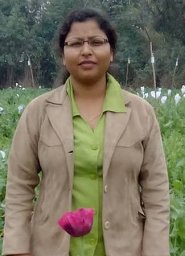 Dr. Ruchi Singh合作论文数4
 Mehar Hasan Asif合作论文数Council of Scientific and Industrial Research Plant Gene Expression Laboratory, National Botanical Research Institute4Rakesh Tuli合作论文数National Botanical Research Institute4
 Iffat Ahmad合作论文数3
 Dharmendra Kumar Purshottam合作论文数3
 Neelam Atri合作论文数3
 Pankaj Chaturvedi合作论文数Department of Head and Neck Surgery, Tata Memorial Hospital3
 Satya Shila Singh合作论文数Laboratory of Microbial genetics, Banaras Hindu University3
 Ramesh Kumar Srivastava合作论文数2
 Nishi Kumari合作论文数2Rawli Pandey合作论文数2Swati Sharma合作论文数2
 Surendra Singh合作论文数2
 Ameena Siddiqui合作论文数2
 Pragya Shukla合作论文数2
 Manish K Tiwari合作论文数Mechanical Engineering, Faculty of Engineering Sciences, University College London2Sawant Samir V合作论文数2
 Shirke Pramod A合作论文数Plant Physiology Division, Council of Scientific and Industrial Research (CSIR) - National Botanical Research Institute2
 Mishra Brij K合作论文数2
 Yogeshwar Vikram Dhar合作论文数2
 Srivastava Alka合作论文数2Rastogi Anu合作论文数2
 Madhu Jain合作论文数Department of Mathematics, Indian Institute of Technology Roorkee2Munna Singh合作论文数2H. C. Chaturvedi合作论文数2
 Laiq ur Rahman合作论文数CIMAP, Central Institute of Medicinal and Aromatic Plants2Brij Kishore Mishra合作论文数1R. Tuli合作论文数1Kapil Deo Pandey合作论文数1Sateesh Chandra Gupta合作论文数1SK NIGAM合作论文数1K. Chandrashekhar合作论文数1
 Ashutosh Pandey合作论文数1




