Traumatic brain injury (TBI) leads to post-traumatic epilepsy (PTE); hence, both TBI and PTE share various similar molecular mechanisms. MicroRNA (miRNA) is a small noncoding RNA that acts as a gene-silencing molecule. Notably, the dysregulation of miRNAs in various neurological diseases, including TBI and epilepsy, has been reported in several studies. However, studies on commonly dysregulated miRNAs and the regulation of shared pathways in both TBI and epilepsy that can identify potential biomarkers of PTE are still lacking. This systematic review covers the peer-review publications of TBI and database studies of epilepsy-dysregulated miRNAs of clinical studies. For TBI, 290 research articles were identified after screening, and 12 provided data for dysregulated miRNAs in humans. The compiled data suggest that 85 and 222 miRNAs are consecutively dysregulated in TBI and epilepsy. In both, 10 miRNAs were found to be commonly dysregulated, implying that they are potentially dysregulated miRNAs for PTE. Furthermore, the targets and involvement of each putative miRNA in different pathways were identified and evaluated. Additionally, clusters of predicted miRNAs were analyzed. Each miRNA’s regulatory role was linked with apoptosis, inflammation, and cell cycle regulation pathways. Hence, these findings provide insight for future diagnostic biomarkers.
Seasonal changes in the human cardiovascular system are known to play an important role in the onset of many diseases. Confounding variables include behavioral and environmental factors; failing to address such variables makes measuring the true temporal impact of these diseases difficult. On the other hand, numerous clinical studies imply that only specific groups of people are more seasonal sensitive and that their maladaptation might contribute to various illnesses. As a result, it is critical to evaluate the etiological and seasonal sensitive patterns of cardiovascular diseases (CVD), which impact the majority of the human population. The hypothesis for this study formulated that cardiovascular and associated illnesses had substantial connections with seasonal and etiological variations. Thus in the present study, 4519 systematic screen-eligible studies were analyzed using data mining to uncover 852 disease association relationships between cardiovascular and associated disorders. A disease ontology-based semantic similarity network (DSN) analysis was performed to narrow down the identified CVDs. Further, topological analysis was used to predict the seven CVDs, including myocardial infarction (MI), in three clusters. Following that, Mann-Kendall and Cox-Stuart analyses were used to investigate the seasonal sensitivity and temporal relationship of these seven CVDs. Finally, temporal relationships were confirmed using LOESS and TBATS, as well as seasonal breakdown utilizing autocorrelation and fast Fourier transform results. The study provides indirect evidence of a severe etiological association among the three cardiovascular diseases, including MI, atrial fibrillation, and atherosclerosis, which are winter season sensitive in most of the world population. Hypertension has two seasonal falls and peaks due to its seasonal nature, that is, summer and winter hypertension. While, heart failure was also identified, with minor temporal trends. Hence, all five diseases could be classified as seasonal cardiovascular comorbid diseases (SCCD). Furthermore, these diseases could be studied for potential common risk factors such as biochemical, genetic, and physiological factors.
Deltamethrin (DLT) is a most potent and widely used pesticide that does not cross Blood Brain Barrier (BBB) in adults. While it considered as safe, its lipophilic properties makes it a neurotoxic substance specially in early stages of brain development. It has shown neurotoxic effects on the brain by hyper-excitation of neurons. Epilepsy is a neurological disorder with recurring seizures where epileptogenesis occurs due to hyperexcitation of neurons. In various kinds of epilepsy, post-traumatic epilepsy (PTE) is a common epilepsy in children due to traumatic brain injury (TBI). PTE, however reportedly alleviated by curcumin in rats. Therefore, in the current study, we assessed the effect of gestational DLT exposure on the severity of PTE. The pregnant rats were injected with 0.75mg/kg-b/w of DLT dissolved in 1% DMSO each day of gestation between days 7-15. Epilepsy was induced four months postnatally, and curcumin was orally administered by oral gavage. ECoG, behavioral tests, Golgi Staining, immunofluorescence, and immunohistochemistry was performed to assess the pathogenesis, severity of epilepsy, and mitigating effects of curcumin. The results indicated the neurotoxic effects of DLT by raising the severity of seizures in an electrophysiological and behavioral manner. PTE decreased the dendritic branching and arborization. Sodium channel overexpression is an important reason for the hyperexcitation of neurons during the pathogenesis of epilepsy. DLT enhanced the increase in expression of both sodium channel subunits NaV1.1 and NaV1.6 during epileptogenesis. Similarly, synaptic markers PSD95 and SYP decreased. Astrocytic and microglial activation increased during pathogenesis of PTE. The antiepileptic effects of curcumin alleviated the effects on electrobehavioral response, neuronal arborization, and levels of NaVs, PSD95, SYP, GFAP and Iba1 in epilepsy. However, DLT raised the severity and susceptibility of epilepsy and decreased the antiepileptic effects on gestationally DLT-exposed epileptic animals. Our result demonstrates the gestational neurotoxic exposure of DLT increased the severity and susceptibility for PTE while decreasing the antiepileptic effects of curcumin.### Competing Interest StatementThe authors have declared no competing interest.
In earlier reports, we have shown the antimicrobial activity of a host neuropeptide, alpha-melanocyte stimulating hormone (α-MSH) and its cationic analogues against Staphylococcus aureus. These analogues of α-MSH showed enhanced staphylocidal activity without any significant mammalian cell toxicity. Therefore, here, we explored the antimicrobial activity of α-MSH and its cationic analogues against Escherichia coli. Though the presence of lipopolysaccharide (LPS) in Gram-negative bacteria enables them to resist most conventional antibiotics, encouragingly α-MSH and its four analogues showed killing of both logarithmic and stationary phase E. coli cells in a time, dose and cationicity-dependent manner. In fact, the most cationic analogue, KKK-MSH with a + 5 charge, demonstrated successful eradication of 105 CFU/mL of E. coli cells within 15 min at a concentration as low as 1 µM. BC displacement experiment revealed that cationicity of the peptides was directly related to the killing efficacy of these α-MSH analogues against E. coli cells via initial LPS-binding, leading to rapid disruption of the LPS-outer membrane complex followed by inner bacterial membrane damage and eventual cell death. Here, we propose α-MSH based cationic peptides as promising future agents with broad-spectrum antibacterial efficacy against both Gram-negative and Gram-positive pathogens.
Curcumin is a tantalizing molecule with multifaceted therapeutic potentials. However, its therapeutic applications are severely hampered because of poor bioavailability, attributed to its instability and aqueous insolubility. In an attempt to overcome this inherent limitation and develop curcumin-based antibacterials, we had earlier synthesized and characterized a metal complex of Cu(II) with curcumin, having the formula [Cu(Curcumin)(OCOCH3)(H2O)], hereafter referred to as Cu(Cur). In this study, the complex, i.e., Cu(Cur), was investigated for its stability and antibacterial activity along with its possible mechanism of action in comparison to the parent molecule, curcumin. Complex formation resulted in improved stability as Cu(Cur) was found to be highly stable under different physiological conditions. Such improved stability was verified with the help of UV-Vis spectroscopy and HPLC. With improved stability, Cu(Cur) exhibited potent and significantly enhanced activity over curcumin against both E. coli and S. aureus. Calcein leakage assay revealed that the complex triggered immediate membrane permeabilization in S. aureus. This membrane disruptive mode of action was further corroborated by microscopic visualization. The excellent potency of the complex was augmented by its safe toxicological profile as it was non-hemolytic and non-cytotoxic towards mammalian cells, making it a suitable candidate for in vivo investigations. Altogether, this investigation is a critical appraisal that advocates the antibacterial potential of this stable, membrane-targeting and non-toxic complex, thereby presenting new perspectives for its therapeutic application against bacterial infections.
The pivotal role played by ion-channel dysregulations in the pathogenesis of epilepsy has always garnered much attention. Since mutation of ion–channel proteins CACNA1A and GABRD have been associated with epilepsy, it is important to determine the post-traumatic epilepsy-associated changes in expression levels of these ion channel proteins. Additionally, curcumin is already known for its antiepileptic and neuroprotective potential in FeCl3-induced model of post-traumatic epilepsy. Thus, we investigated FeCl3-induced epilepsy mediated differential expression of CACNA1A and GABRD in the cortical region of the rat brain. Furthermore, we investigated the effect of curcumin on the expression of both proteins. For this, epilepsy was induced by intracortical FeCl3 injection (5 μl of 100 mM). Additionally, curcumin (conc. 1000 ppm; 75 mg/kg of b.wt.; for 14 and 28 days) was administered, mixed with normal food pellets. Results obtained from EEG-MUA and Morris water maze assay demonstrate the progression of epilepsy after FeCl3 injection. Additionally, western blotting and histological studies show the downregulation of CACNA1A and GABRD during epileptogenesis. It was observed that epilepsy-associated decline in learning and memory of animals might be linked with the dysregulation of both proteins. Results also demonstrated that curcumin administration ameliorated epilepsy-associated change in expression of both CACNA1A and GABRD proteins. In conclusion, the neuroprotective effect of curcumin against iron-induced epilepsy might be accompanied by the alleviated upregulation of these channel proteins.
In continuation of our effort to improve the physiological stability and the antibacterial activity of curcuminoids against drug-resistant bacteria, a series of novel monocarbonyl curcuminoids were synthesized and screened for antibacterial activity against S. aureus and E. coli strains. These curcuminoids showed potent antibacterial activity against both methicillin-sensitive and methicillin-resistant strains of S. aureus with MIC values 2-8 and 4-16 mu g/mL, respectively. They also exhibited moderate potency against E. coll. strains. The four most active curcuminoids (7d, 7i, 7m, and 7p) were on further investigation found to be very stable under physiological conditions, non-hemolytic, and non-toxic toward mammalian cells up to 150 mu g/mL concentration. Mechanistic studies revealed that these curcuminoids displayed potent bactericidal activity by targeting cell membranes. Further, in an ex vivo mammalian co-culture infection model study, remarkably, the curcuminoids 7i and 7p were able to clear the internalized bacteria in mammalian cells and the activity was found to be superior to conventional antibiotics such as vancomycin and linezolid. Therefore, the present study affords us water-soluble, stable, non-toxic curcuminoids that may serve as lead molecules for development as antibacterial agents against MRSA infections. (C) 2020 Elsevier Masson SAS. All rights reserved.
Curcumin is an important molecule with a plethora of pharmacological activities and therapeutic potentials. Despite its efficacy, it remained a potential drug candidate owing to hydrolytic instability and poor aqueous solubility. To overcome the limitations related to low solubility, low bioavailability, and the fact that curcumin is never present in solution as a “single unit”, its complex was prepared with MnII with the idea that binding to a metal ion might help to resolve these issues. The complex was characterized by elemental and spectral analysis. The structure of the complex was determined by density functional theory calculations. The complex was stable at physiological buffer conditions, unlike curcumin. It did not have any detrimental effect on mammalian cells. There was a significant enhancement in the antibacterial activity of the complex compared to curcumin against both Gram-positive (Staphylococcus aureus) and Gram-negative (Escherichia coli) bacteria. It showed a strong affinity for deoxyribonucleic acid (DNA) evident from a high binding constant value with calf thymus DNA and also from the retarded electrophoretic mobility of bacterial plasmid DNA. The complex showed “superoxide dismutase-like” activity leading to the generation of reactive oxygen species (ROS). The complex caused bacterial membrane perturbation evident from calcein leakage assay, which was further corroborated by scanning and transmission electron microscopic experiments. Overall, the present study shows improved stability and antibacterial potency of a nontoxic complex over curcumin. Its multitargeting mode of action such as ROS-production, effective binding with DNA, and permeabilization of bacterial membrane together allows it to be an effective antibacterial agent that could be taken further for therapeutic use against bacterial infections.
Curcumin has been known to possess diverse pharmacological effects at relatively nontoxic doses; however, its therapeutic potential is severely restricted because of its low aqueous solubility and poor stability under physiological conditions. To overcome its limitations, we had previously designed several monocarbonyl curcuminoids by modifying the central beta-diketone moiety of curcumin. In this study, the antibacterial activity of 33 curcuminoids from this designed library has been screened, six of which displayed potent antibacterial activity against clinically relevant Staphylococcus aureus. These curcuminoids were found to be very stable at physiological conditions and did not cause any toxicity toward mammalian cells. Mechanistically, out of these six curcuminoids, five caused instant membrane depolarization and were able to permeabilize the bacterial membrane, which could be the reason for their potent bactericidal activity and the sixth one killed staphylococcal cells without damaging the bacterial membrane. Overall, the present work established the staphylocidal potency of six water-soluble, nontoxic curcuminoids, thereby providing an impetus for the development of these lead curcuminoids for therapeutic use against S. aureus.
Staphylococcus aureus is an opportunistic pathogen, responsible for superficial and invasive infections both in nosocomial and community-acquired settings. The incidences of infection have become more problematic attributable to emerging drug resistance and biofilm formation. These challenges suggest the need for new antimicrobial agents against S. aureus. In present work, we purified a fungal xenobiotic (FI3) which elicits a potent antimicrobial activity against a list of tested microbes including methicillin sensitive (MSSA) and methicillin resistance (MRSA) S. aureus. The cell growth of MSSA and MRSA were completely ceased with the 1× minimum inhibitory concentration (MIC); 32 µg/mL and 128 µg/mL, respectively. The cell viability severely decreased within 90 min, due to disturbance of membrane homeostasis. This bactericidal effect was enhanced at lower pH (pH 4) with a speculation to retain positive charge. The FI3 potently disrupts biofilm adherence at 64 µg/mL and found to be a safe with no toxic effect on mammalian tissue. FI3 also leads to increase the potency of tested antibiotics. Taken together, we established that FI3 has a potent antimicrobial activity against tested microbes and safer to human tissue. It may be proven a leading molecule for the treatment of bacterial infections.
MicroRNAs are known to be involved in the pathogenesis of epilepsies.The objective of the present study was to investigate the changes in expression of miR-3120, miR-214 and Pten gene in ironinduced experimental epilepsy model of post-traumatic epilepsy.In addition, the role of these miRNAs and Pten was also studied in the antiseizure action of curcumin.The results showed that in ironinduced epileptogenesis, expression of miR-3120 and miR-214 is reduced and Pten gene expression is upregulated.The results suggest that these miRNAs may be involved in the pathogenesis of epilepsy.Curcumin's antiseizure effect is mediated by an increase in the expression of miR-3120 and miR-214 and downregulation of Pten gene expression.Copy Right, IJAR, 2016,.
 Kasturi Mukhopadhyay合作论文数Nuclear Chemistry Division, Saha Institute of Nuclear Physics7
 Shamseer Kulangara Kandi合作论文数3
 Diwan S Rawat合作论文数Department of Chemistry, University of Delhi3
 Kanchan Tiwari合作论文数2
 Tanmoy Saha合作论文数Department of Chemistry (Inorganic Section),, Jadavpur University2Deepak jyoti Sharma合作论文数2
 Saurabh Das合作论文数Dept Chem, Jadavpur Univ2
 Ashish Kumar合作论文数1Swastik Behera合作论文数1Deepak Sharma合作论文数1
 Jai Chand Patel合作论文数Amity Univ Haryana, Amity Inst Pharm1
 Siddhartha Kumar合作论文数1
 Apoorv Gupta合作论文数Reviana Innovations Pvt. Ltd1
 Madhuri Singh合作论文数Antimicrobial Res Lab, Jawaharlal Nehru Univ1
 Arvind Kumar合作论文数Dept Biotechnol, Cent Univ South Bihar1
 Kamran Waidha合作论文数Reviana Innovations Pvt. Ltd1
 Nayim Sepay合作论文数Corresponding authors.1
 Aakash Deep合作论文数Department of Pharmaceutical Sciences, G.V.M. College of Pharmacy1
 Deepshikha Pande Katare合作论文数Department of Biotechnology, Amity University1Ganguly Durba合作论文数1
 Manisha Kaushal合作论文数Department of Postharvest Technology, Dr YS Parmar University of Horticulture and Forestry1Antresh Kumar合作论文数1
 Kumar Kamendra合作论文数School of Studies in Neuroscience, Jiwaji University1
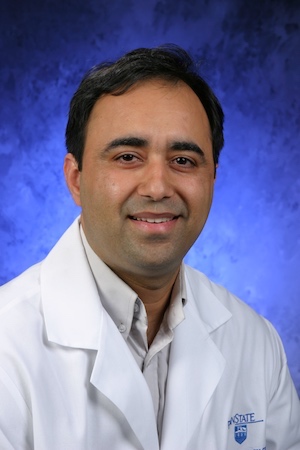 Arun Sharma合作论文数Penn State Cancer Institute, The Pennsylvania State University;Department of Pharmacology, College of Medicine, The Pennsylvania State University1
 Rameshwar Singh合作论文数Dairy Microbiology Division, National Dairy Research Institute1
 Shalini Gupta合作论文数1
 Sunny Manohar合作论文数Department of Chemistry, University of Delhi1




