Titanium alloys exhibit poor wear resistance under severe contact conditions. Although in situ reinforced titanium matrix composite (TMC) coatings provide an effective solution, how reinforcement content influences multiphase solidification behavior and tribological performance, especially under fretting wear conditions, remains unclear. In this study, wear-resistant TMC coatings were fabricated on TC4 alloy via laser cladding using TC4, TiB2, and graphite powders. TiB and TiC reinforcement phases were in situ synthesized during processing, and the nominal volume fractions of the in-situ formed TiB and TiC reinforcements were designed to range from 5 to 20 vol%, with a theoretical TiB/TiC ratio of 1:1. The evolution of microstructure and fretting wear behavior was investigated to clarify the role of reinforcement content in governing phase formation and tribological performance. The results demonstrate that the reinforcement precipitation follows a content-dependent solidification pathway. When the reinforcement fraction reached 15 vol%, a two-scale heterogeneous reinforcement architecture consisting of dendritic primary ceramic phases and network-like eutectic reinforcements was formed. This structural transition significantly refined the primary beta-Ti grains and enhanced fine-grain strengthening. Consequently, the coating exhibited optimal wear resistance, with the friction coefficient and wear volume reduced by 47% and 52%, respectively, compared with the TC4 substrate. The superior wear performance arises from a synergistic reinforcement architecture achieved at an optimal reinforcement content, where coarse TiC dendrites provide load-bearing capability and the eutectic network promotes stress redistribution and restricts wear debris propagation, demonstrating that excessive reinforcement addition does not necessarily lead to improved wear resistance. This study reveals the existence of an optimal reinforcement threshold and establishes a clear correlation between solidification behavior, microstructural architecture, and wear resistance, providing new insights for composition design and microstructure optimization of laser manufactured TMC coatings.
Honeycomb-like heterostructural titanium matrix composites (HTMCs), featuring soft Ti6Al4V cores and hard TiB/Ti6Al4V composite shells, were fabricated. The HTMCs with various cell sizes (Φ1.0, Φ0.8, Φ0.5, Φ0.4 and Φ0.3) exhibit higher work hardening rates (WHRs) than homogeneous counterparts. The superior WHR is attributed to the activation of pyramidal dislocation slip near the hetero-interfaces, as well as strain delocalization, which postpones tensile necking. The tensile strength and uniform elongation of Φ0.5 (991 MPa, 7.66%) are increased by 10.5% and 96.9% compared with the Ti6Al4V alloy. A smaller cell size weakens the WHR because the grains within the soft core region are refined.
We report the first in situ scanning transmission electron microscopy (STEM) observations of intrinsic self-healing in MXenes occurring without external stimuli, driven by surface atomic diffusion. Nanopores were introduced into titanium carbide (Ti-C) and medium-entropy (ME) MXenes using focused electron-beam irradiation and visualized by high-angle annular dark-field (HAADF) imaging. Upon beam cessation, the nanopores spontaneously closed at room temperature, demonstrating autonomous lattice repair. In situ heating experiments at 250 °C and 500 °C reveal a pronounced acceleration of the healing kinetics with increasing temperature. Molecular dynamics simulations employing machine-learning–trained interatomic potentials show that healing is initiated by the diffusion of high-energy surface atoms, which progressively lowers the total system energy. Compared with Ti-C MXenes, ME MXenes exhibit substantially slower healing kinetics, reflecting compositional constraints on atomic mobility. A critical nanopore size is further identified beyond which complete healing becomes kinetically inhibited.
The rapid development of two-dimensional van der Waals heterostructures has sparked notable interest in optoelectronic applications. However, issues such as lattice mismatch or a misalignment of the constituent layers can drastically suppress charge transfer for these interlayer transitions. Here, we construct a new type-II MoS2/Ti2CO2 heterojunction using density functional theory and non-adiabatic molecular dynamics simulations, revealing the optimal band alignments across various stacking configurations. The optimized heterointerface exhibits ultrafast charge separation, with electron and hole transfer completing within 4.6 fs and 228.8 fs, respectively, and a prolonged carrier lifetime of 1.53 ns. Compared to pristine monolayers, the heterointerface displays broader light absorption from the visible to the UV spectrum. This optoelectronic performance is further enhanced by biaxial strain, which effectively tunes the photoresponse, resulting in a high theoretical power conversion efficiency of 12.89%. These findings offer valuable guidance for designing high-performance MoS2-based heterostructures for next-generation optoelectronic and energy conversion devices.
Additively manufactured metallic components are commonly subjected to hot isostatic pressing (HIP) to eliminate porosity. However, exposure to high temperatures during HIP can lead to microstructural coarsening and degradation of mechanical properties. To mitigate the deterioration in high-temperature tensile performance of TA15 alloy after HIP, an alloying strategy incorporating B and Si was employed. The addition of B promoted the precipitation of TiB whiskers, which suppressed the formation of detrimental grain boundary alpha (alpha GB) and Widmansta & uml;tten structures during HIP. This grain boundary manipulation alleviated the degradation in strength and ductility, particularly under super-transus HIP conditions. Si was incorporated as (Ti,Zr)5Si3 particles along phase boundaries of alpha/beta laths, with their morphology governing the deformation behavior of the alloy. Fine and densely distributed (Ti,Zr)5Si3 particles formed during sub-transus HIP (960 degrees C) effectively impeded dislocation motion and induced a phase transformation from hexagonal close-packed (hcp) Ti to face-centered cubic (fcc) Ti at the phase boundaries. The associated deformation mechanisms included hcp -> fcc phase transformation on the basal and prismatic planes of the hcp matrix, twinning and stacking faults (SFs) in fcc-Ti, as well as dislocation slip. In contrast, the coarse and sparsely distributed (Ti,Zr)5Si3 particles formed during super-transus HIP (1150 degrees C) did not cause significant dislocation accumulation; consequently, fcc-Ti-related deformation mechanisms were absent, and deformation was dominated primarily by dislocation slip.
High-entropy amorphous alloys exhibit outstanding performance and immense application potential due to their unique long-range disordered structure and multi-principal-element characteristics. Glass-forming ability (GFA) is crucial in determining their performance and manufacturability. This study designed a (ZrTiHfNi)100-xNbx high-entropy amorphous alloy system based on key physicochemical parameters, followed by a systematic investigation combining first-principles molecular dynamics simulations with experimental validation. The results reveal that Nb addition significantly alters interatomic interactions and local packing. At 15 at.% Nb, the system exhibits optimal structural characteristics: the shortest average bond length, the highest coordination number, and the greatest fraction of icosahedral clusters, indicating the densest local packing and most stable short-range order. TEM and XRD experimental results indicate that all composition bands exhibit typical amorphous structures, with the XRD diffraction peaks of the Nb15 composition displaying the largest full width at half maximum (FWHM). This work clarifies the atomic-scale mechanism behind the composition-dependent GFA in this system.
Magnesium (Mg) is a lightweight structural metal with high specific strength, but its limited room-temperature ductility-stemming from its hcp crystal structure-remains a major barrier to its broader engineering applications. Enhancing the plastic deformability of Mg through alloying has emerged as a promising strategy, yet the atomistic mechanisms underlying these improvements remain poorly understood. In the present work, we develop a machine learning potential (MLP) to accurately model Mg-Bi alloys and elemental Mg with quantum-level fidelity and computational efficiency. Using this MLP, we perform large-scale molecular dynamics (MD) simulations to investigate the mechanical behavior of pure Mg and Mg-5%Bi nanopillars under uniaxial compression and tension along the [0001] direction. The simulation results reveal that Bi addition (5 at %) significantly enhances Mg's plasticity by promoting the nucleation and glide of 1/2(c + a) dislocations. This leads to a transition in the dominant deformation mechanism-from transformation-assisted plasticity in pure Mg to dislocation-dominated plasticity in Mg-5%Bi. Moreover, our simulations quantitatively reproduce the experimentally observed asymmetry in yield strength, where compressive strength exceeds tensile strength along the c axis. This work not only elucidates the atomic-scale origin of ductility enhancement via Bi addition, but also reveals the importance of atomistic modeling using MLP for predicting the mechanical behaviors of complex alloy systems.
Refractory high-entropy alloys (RHEAs) or refractory complex concentrated alloys (RCCAs) represent a promising class of materials due to their high strength and unique heat-resistance properties. However, RHEAs or RCCAs often face the challenge that the key factors, including light-weight, ductile, and heatresistant, are mutually exclusive in a single alloy. The present study aims to achieve an excellent combination of lightweight, strength, and ductility by controlling the Mo element. Ti40 Nb30 V25-x Zr5 Mox ( x = 0, 3, and 5, and referred to as Mo0, Mo3, and Mo5) with low densities around 6.2-6.4 g cm-3 were designed. After the addition of Mo, the strength and ductility of Mo0 were simultaneously enhanced, where the optimized Mo5 alloy possessed a substantial strain-hardening rate of approximately 2 gigapascals and a final fracture elongation exceeding 25 % at room temperature. Moreover, the tensile strength of Mo5 can still exceed 500 MPa at 1073 K, showcasing the potential for broad-temperature-range applications. According to the experimental analyses and DFT calculations, multi-effects of Mo in the alloy system were revealed: ( i ) supplying sufficient solid solution strengthening by introducing large shear modulus mismatch and atomic strain field; ( ii ) enhancing strain-hardening capabilities by promoting dislocation substructures and facilitating cross-slip mechanism; ( iii ) enhancing high-temperature strengths by reinforcing atomic interactions and increasing covalent bonding composition. These results fully unleash the potential of the cocktail effect in HEAs rather than relying on overly complex material processing methods, offering new insights into developing novel high-performance single-phase RHEAs or RCCAs. (c) 2025 Published by Elsevier Ltd on behalf of The editorial office of Journal of Materials Science & Technology.
Photo-plasticity in semiconductors, wherein their mechanical properties such as strength, hardness, toughness, and ductility are influenced by light, has been reported for several decades. Although such phenomena have drawn significant attention to the manufacturability of deformable semiconductor devices, their underlying mechanisms are not well understood due to the lack of direct evidence. Here we provide experimental observation and atomic insights into the reduced mobility of dislocations in zinc sulfide (ZnS), as a model material, under light. Using photo-nanoindentation and transmission electron microscopy, we observe that dislocations glide shorter distances under light than in darkness, and there are no apparent deformation twins in both conditions. By atomic-scale simulations, we demonstrate that the decreased dislocation mobility is attributed to the increased Peierls stress and enhanced stress fields around dislocation cores due to photoexcitation. This study improves the understanding of photo-plastic effects in inorganic semiconductors, offering opportunities for modulating their mechanical and related functional properties using light.
This study employs an ultrasonic field-assisted laser cladding technique to enhance the wear resistance of FeSiBCr amorphous composite coatings. By systematically varying the ultrasonic amplitude, microstructure and properties were investigated in detailed. The results demonstrate that increasing the ultrasonic amplitude significantly reduces coating dilution from 54 % to 25 % and increases the amorphous phase content from 27.18 % to 30.97 %, indicating suppressed crystallization. Furthermore, ultrasonic action markedly refines the crystalline microstructure and induces a high density of stacking faults, thereby elevating the internal stored energy. These microstructural improvements led to a rise in the average microhardness from 660 + 34 HV0.2 to 850 + 126 HV0.2 and a substantial reduction in the wear rate from (38.40+1.32) x 10_6 mm3/N center dot m to (8.25+0.13) x 10_6 mm3/N center dot m. The enhanced performance is attributed to ultrasonic-induced cavitation and acoustic streaming effects, which promote grain refinement and dislocation multiplication.
ABSTRACT The demand for advanced aerospace components necessitates near‐α titanium alloys with enhanced high‐temperature performance and compatibility with additive manufacturing (AM). To address this, an in situ alloying strategy was employed to co‐modify a Ti‐6.5Al‐2Zr‐Mo‐V alloy with Si and Y during laser powder bed fusion. The added elements effectively tailored the microstructure, resulting in a uniform dispersion of nano‐Y 2 O 3 particles and, after annealing, the precipitation of sub‐micron (Ti,Zr) 5 Si 3 silicides at α/β interfaces. The modified alloy exhibited significantly enhanced tensile strength, reaching 1348.2 MPa at room temperature in the as‐built condition. After microstructural regulation via 900°C heat treatment, a basket‐weave structure was obtained, leading to a balanced strength‐ductility combination with a tensile strength of 1066.3 MPa and an elongation of 19.1%. The alloy also maintained superior tensile performance from 500°C to 700°C, and the creep life at 500°C was doubled compared to the unmodified counterpart, demonstrating exceptional creep resistance. The improvement is attributed to a synergistic mechanism combining solid‐solution strengthening, effective dislocation pinning by thermally stable Y 2 O 3 nanoparticles, and interface stabilization via silicides that collectively hinder dislocation glide and retard creep damage. This work provides a viable pathway for designing high‐performance AM titanium alloys for critical high‐temperature applications.
Additive manufactured high-temperature titanium alloys typically exhibit poor plasticity and crack sensitivity. In this work, a novel strategy incorporating high-melting-point, low-diffusivity tungsten (W) as a microstructural modifier was designed for Ti-6.5Al-3.5Mo-1.5Zr-0.3Si alloy, with subsequent processing by laser powder bed fusion. At the mesoscale, the columnar prior (3-grains of the alloys transformed to fine equiaxed-elongated morphology and formed a bimodal structure. Microscale characterization revealed that the alpha' phases were refined while the brittle alpha'/(3 interfaces were replaced with more ductile boundaries. Notably, the modified alloys achieved an outstanding tensile strength of 1717.6 MPa along with an improved elongation of 4.4%, which is attributed to the synergistic effects of grain structure and interface optimization. The present work proposes a promising approach for regulating the microstructure and mechanical properties of high-temperature titanium alloys by refractory elements.
Programming TiB reinforcement patterns in laser directed energy deposited titanium matrix composites (TMCs) holds considerable promise for enhancing mechanical properties, but it remains challenging due to unsatisfactory cooling. This study realised in-situ modulation of TiB distributions, including prior β-Ti grain interiors and boundaries in 0.1 wt.% B-modified TiB/Ti6Al4V composites manufactured under low laser energy density (LED) parameters (25.0 J/mm²–40.4 J/mm²) through laser power modulation. Unique intragranular TiB (IG-TiB) was assembled by multiple fine whiskers into cage-like structures. The composites modified by IG-TiB and grain boundary TiB (GB-TiB) displayed excellent strength-ductility synergy at room temperature, particularly at 750 W, which achieved an ultimate tensile strength of 1126.1 MPa and elongation to fracture of 10.6%. In-situ analysis revealed that GB-TiB caused significant local strain concentration at the prior β-Ti grain boundaries and ultimately led to intergranular failure. However, the dispersed IG-TiB retarded strain localisation in single areas by inducing cooperative deformation across multiple soft-oriented α colonies. Improved intergranular bonding and reasonable multiregional-distributed strain partitioning synergistically facilitated TMCs ductility. Strength enhancement was attributed to grain refinement, cooperative load-transfer effects by IG-TiB/GB-TiB, and Orowan strengthening mechanisms. This work proposed new insights into customising intragranular and grain boundary TiB patterns in additively manufactured TMCs.
Inorganic semiconductors exhibit photoplasticity, where light exposure alters dislocation-mediated plastic flow based on the material's bonding character and carrier-defect interactions. In ionic II-VI compounds (e.g. ZnS and ZnO), above-band-gap illumination generates electron-hole pairs that are readily trapped at dislocation cores. This increases the Peierls stress (the effective barrier to glide), causing photoplastic hardening or a positive photoplastic effect. In contrast, covalent semiconductors (e.g. GaP, GaAs, Ge, and Si) demonstrate softening under illumination (negative photoplasticity) since photoexcited carriers often facilitate dislocation glide and reduce flow stress. This review summarizes recent experimental and theoretical progress on photoplasticity in inorganic semiconductors and integrates these results into a unified microscopic framework. Here, we discuss how modern techniques, density functional theory (DFT), constrained DFT, machine learning interatomic potentials, and large-scale molecular dynamics (MD) directly connect electronic excitation to changes in generalized stacking-fault energy surfaces, dislocation core reconstruction, and mobilities. On the experimental side, we review in situ mechanical tests under controlled illumination-from bulk compression to photo-nanoindentation and transmission electron microscopy-that directly show how light modulates dislocation activity. By systematically comparing ionic II-VI and covalent III-V/group-IV systems, we identify the key mechanisms that control the sign and magnitude of photoplasticity and outline design principles for semiconductors whose mechanical properties can be actively tuned by light illumination.
The incorporation of in-situ generated reinforcements into titanium alloys fabricated via selective laser melting (SLM) has been demonstrated to significantly enhance mechanical strength while simultaneously reducing ductility. Post-heat treatment is commonly employed to optimize microstructural characteristics and improve mechanical performance. In this work, the influence of annealing temperature on the microstructure and mechanical properties of SLMed 0.85 vol. [1̅011]_α,//[11̅3̅]_β, (101̅1̅)_α,//(201)_β . Variations in boron (B) atom diffusion coefficients, contents of β phase at different temperatures, and merging of TiBw led to a non-monotonic change in the aspect ratio of TiB whiskers, which initially increased and then decreased with rising temperature. Grain coarsening and reduced dislocation density were identified as the primary mechanisms underlying the reduction in strength, resulting in a progressive decrease in yield strength from 1231 MPa at 750°C to 939 MPa at 1000°C. In contrast, the increase in β-phase content, equiaxed grains, and enhanced interfacial bonding between the reinforcement and the matrix collectively contributed to improved ductility, with elongation increasing steadily from 7.8
ZSM-5 zeolite is widely utilized in catalytic cracking reactions for high-efficiency propylene synthesis, whereas severe carbon deposition inevitably leads to rapid catalyst deactivation, greatly limiting its long-term industrial application. Currently, the intrinsic correlation between the Si/Al ratio of ZSM-5, coke evolution pathway, and the deactivation as well as regeneration mechanism still lacks systematic and in-depth clarification. Herein, multiple characterization techniques were combined to comprehensively reveal the coke formation and transformation behaviors during 1-hexene catalytic conversion over ZSM-5 catalysts with tailored Si/Al ratios, and the effects of Si/Al ratio on catalytic deactivation and regeneration property were further elucidated. Structural texture and acidic properties were analyzed by XRD, SEM, N2 adsorption–desorption, NH3-TPD and Py-IR. In-situ FT-IR results reveal that coke deposition proceeds synchronously with the reaction. As the Si/Al ratio increases, deposited coke evolves gradually from polycyclic aromatics to monocyclic aromatic species. Density functional theory calculations further demonstrate that ZSM-5 with a Si/Al ratio of 90–100 achieves a balanced adsorption–desorption energy, promoting reactant activation, accelerating the desorption of coke precursors, and inhibiting severe coking. Benefiting from the suppressed coke accumulation and well-retained recoverable Brønsted acid sites (Si–OH–Al), this optimal catalyst presents excellent regenerability. This work clarifies the acid-dependent coking behavior of ZSM-5, deepens the understanding of deactivation-regeneration principles, and provides reliable guidance for the rational design of high-stability ZSM-5 catalysts toward efficient olefin conversion.
Electroplasticity, enhancement of plasticity in metals by electric current, has been widely reported for decades, yet a clear mechanistic understanding of its origins has remained elusive. While Joule heating could play a role, it has long been hypothesized that electroplasticity may originate from athermal current-defect interactions. However, quantitative experimental validation regarding the athermal effect remains scarce and challenging. In this work, we conduct in-situ electro-mechanical testing under short electrical pulses, and achieve real-time, quantitative tracking of the motion of individual hard-to-glide pyramidal dislocations, which are known for their high critical stresses and low mobility in magnesium under conventional conditions. Under short current pulses that induce negligible temperature rise, we detect a pronounced reduction in flow stress and a significant decrease in the critical stress for pyramidal dislocation glide. Real-time, single-dislocation tracking reveals a current-induced transition from intermittent, jerky motion to smooth and continuous glide, evidencing a marked enhancement in dislocation mobility. First-principles calculations demonstrate that electron injection weakens atomic bonding at the dislocation core, reducing the energy barrier for glide. Our findings establish an athermal mechanism for electroplasticity: electric current facilitates the motion of hard-to-glide dislocations through bond softening at the core.
The mechanical behavior of semiconductors is critical to the reliability of microelectronic, power, photonic, and sensing devices, notably under multiphysical stimuli, e.g., light illumination and stress. Zinc sulfide (ZnS), a prototype II-VI semiconductor, exhibits a positive photoplastic effect, with an increased strength and reduced plastic deformability under light illumination. Yet, the atomistic mechanisms behind such light-induced mechanical modulation remain not well understood. In this study, we perform molecular dynamics simulations with machine-learned force fields to investigate the deformation behavior of ZnS nanopillars under both dark and illuminated conditions. Three representative crystallographic orientations ([001], [11 & strns;0], [111]) are considered to understand the plastic anisotropy in it. Our simulation results reveal that phase transformation, rather than dislocation glide, dominates the plastic flow in ZnS under deformation along [001] direction. In contrast, the shear banding-induced brittle failure occurs when ZnS is compressed along two other directions ([11 & strns;0] and [111]). Under light illumination, the yield stress of ZnS increases by at least 4.2% across all the three orientations, but with different mechanisms underlying them. In detail, when the sample is compressed along [001] direction, the strength enhancement arises primarily because photoexcited charge carriers delay the phase transformation. Instead, when the sample is deformed along [11 & strns;0] and [111] directions, the yielding strength is enhanced because illumination suppresses shear localization and delays failure initiation in the brittle failure orientations. This work provides atomistic insight into how illumination modulates the plastic flow in ZnS under deformation.
 William A. Goddard III合作论文数Division of Chemistry and Chemical Engineering, California Institute of Technology;Division of Engineering and Applied Science, California Institute of Technology;Materials and Process Simulation Center, California Institute of Technology;Center for Materials Simulation and Design, Graduate School of Energy Environment Water Sustainability, KAIST Institute118
 Lujun Huang (黄陆军)合作论文数School of Materials Science and Engineering, Harbin Institute of Technology88
 Lin Geng (耿林)合作论文数School of Materials Science and Engineering, Harbin Institute of Technology83
 Rui Zhang (张锐)合作论文数47
 Yidi Shen合作论文数Department of Chemical and Materials Engineering, University of Nevada–Reno38
 Shuai Wang (王帅)合作论文数School of Materials Science and Engineering, Harbin Institute of Technology37
 Shengnian Luo (罗胜年)合作论文数School of Materials Science and Engineering, Southwest Jiaotong University35
 Kolan Madhav Reddy合作论文数School of Materials Science and Engineering, Shanghai Jiao Tong University23
 Guodong Li (李国栋)合作论文数School of Physics and Mechanics, Wuhan University of Technology;State Key Laboratory of Advanced Technology For Materials Synthesis and Processing, Wuhan University of Technology20Yang Bao合作论文数School of Materials Science and Engineering, Harbin Institute of Technology, Harbin 150001, PR China19
 Morozov Sergey合作论文数Department for Physics of Semiconductors, The Institute for Physics of Microstructures of The Russian Academy of Sciences18Shan Jiang合作论文数17
 Qingjie Zhang (张清杰)合作论文数State Key Laboratory of Advanced Technology for Materials Synthesis and Processing, School of Materials Science and Engineering, Wuhan University of Technology17
 Pengcheng Zhai (翟鹏程)合作论文数School of Physics and Mechanics, Wuhan University of Technology16
 Kun Luo (罗坤)合作论文数Institute for Thermal Power Engineering, College of Energy Engineering, Faculty of Engineering, Zhejiang University;State Key Laboratory of Clean Energy Utilization, Zhejiang University;Anhui University of Technology16
 Sergey Zybin合作论文数16
 Timothy C. Germann合作论文数Theoretical Division, Los Alamos National Laboratory15
 Dezhou Guo合作论文数Gene & Linda Voiland Sch Chem Engn & Bioengn, Washington State Univ14Fengbo Sun合作论文数14
 G. Jeffrey Snyder合作论文数Departments of Materials Science and Engineering, McCormick School of Engineering, Northwestern University14
 Kevin Hemker合作论文数Department of Mechanical Engineering, Whiting School of Engineering, Johns Hopkins University13Yang Jiao合作论文数12
 Xin Chen (陈昕)合作论文数School of Materials Science and Engineering, Harbin Institute of Technology12Jon Fuller合作论文数11Run Chen合作论文数11
 Xiping Cui (崔喜平)合作论文数School of Materials Science and Engineering, Harbin Institute of Technology11
 Alessandro Fortunelli合作论文数California Institute of Technology11
 Kelvin Y Xie合作论文数University of Sydney, University of Sydney11
 William L. Johnson合作论文数Department of Applied Physics and Materials Science, Division of Engineering and Applied Science, California Institute of Technology10
 Cunyu Wang (王存宇)合作论文数Institute for Special Steels, China Iron and Steel Research Institute10Libo Han合作论文数9
 Tao Cheng (程涛)合作论文数Institute of Functional Nano & Soft Materials, Soochow University9
 Konrad Samwer合作论文数I. Physikalisches Institut, Georg-August-Universitat Gottingen9
 Xiaodong Wang (王晓东)合作论文数School of Materials Science and Engineering, Shanghai Jiao Tong University9
 Andres Jaramillo-Botero合作论文数Material and Process Simulation Center, California Institute of Technology9
 Shuangxi Song (宋双喜)合作论文数School of Materials Science and Engineering, Shanghai Jiao Tong University8G. J. Zhou合作论文数7
 Jun Li (李君)合作论文数School of Physics and Mechanics, Wuhan University of Technology7Wenqi Liu合作论文数7
 Xiaokun Yang合作论文数7P. W. Li合作论文数7
 Simanta Lahkar合作论文数School of Materials Science and Engineering, Shanghai Jiao Tong University7
 Dawei Ding合作论文数Institute of Physics, Chinese Academy of Sciences7
 Bin Tang (唐斌)合作论文数School of Electronic Engineering,University of Electronic Science and Technology of China,Chengdu ,China7
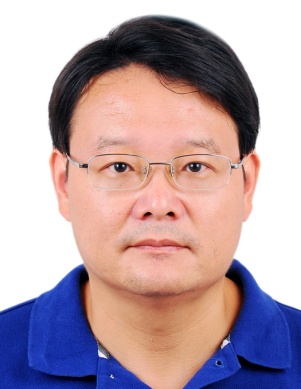 Yong Zou (邹勇)合作论文数School of Materials Science & Engineering, Shandong University7
 Mingwei Chen合作论文数Department of Materials Science and Engineering, Whiting School of Engineering, The Johns Hopkins University7Davis L Tonks合作论文数7An-Hui Cai合作论文数7
 Umut Aydemir合作论文数Max-Planck-Institut für Chemische Physik fester Stoffe, Dresden, Germany7




