Avalanche is a natural disaster in the snow-covered mountainous area in winter, which may cause great disasters to human life and property. It is also a danger for skiers and climbers. This paper presents a new physically based algorithm to simulate the dynamic avalanches under position-based dynamics framework. To realistically simulate avalanches’ dynamic characteristics, we introduce the Bingham plastic model from geodynamics to model snow flow motion in avalanches. The interaction between snow flow in the avalanche and the surrounding objects is simulated by a level set-based two-way fluid–solid coupling model. We also propose static and kinetic friction mixed model to determine the accumulated transition of the avalanche. To create an avalanche scene with more realistic details, we employ an aerodynamics-based snow drag force model to generate snow fog effect. Finally, by choosing different criterion shear rate and friction parameters, different kinds of wet and dry avalanche scenes are realistically rendered. Compared with the real photographs of avalanches, our simulated results are quite satisfactory.
中国剪纸的设计极具挑战性,要求画面简洁、直观,还需要表达特定的文化内涵,且整张剪纸须整体连通.提出了一种基于图像的二维剪纸自动生成方法,能够将任意数码照片自动转化为剪纸图形.首先,利用图像分割方法建立区域连接图;接着,基于该连接图对颜色、边界对比度和区域连通性进行数学建模,并获得优化目标函数;最后,通过模拟退火算法求解目标方程,自动生成保持图像内容的剪纸图形.还开发了连通性后处理和区域指定等用户交互工具,允许用户在自动生成的剪纸图形中方便地加入个人设计.实验表明,所生成的剪纸图形画面简洁、整体连通.本方法在降低剪纸设计难度的同时还可满足个性化的设计需求,有助于传播和传承我国的民间剪纸艺术.
Landslide is a disaster which may cause huge losses of human life and block the traffic on hilly area. In this paper, we present a new physically based model to simulate the dynamic flow of landslides, under a modified MPM (material point method) framework. To realistically simulate the characteristics of fracture and flow of soil medium in landslide, we introduce the modified Cambridge clay model (MCCM) from soil dynamics into the yield surface criterion to model the dynamic process of landslides. The interaction between soil and rock in the landslide is simulated by a level-set-based two-way fluid–solid coupling algorithm. Meanwhile, we propose a GPU-based optimization to calculate the signed distance function in level set to improve the efficiency of collision detection. We also simplify the hardening and softening parameter calculation algorithm of MCCM to reduce the calculation involved in landslide simulation. By choosing different values of the material yield surface parameters, various kinds of landslide disaster scenes with different cover area are successfully generated, including rocks rolling from hill, soil and rock collapsing, landslide flowing, and covering the road and cars. Experimental results demonstrate the potential of our method.
Crowd simulators are commonly used to populate movie or game scenes in the entertainment industry. Even though it is crucial to consider the presence of groups for the believability of a virtual crowd, most crowd simulations only take into account individual characters or a limited set of group behaviors. We introduce a unified solution that allows for simulations of crowds that have diverse group properties such as social groups, marches, tourists and guides, etc. We extend the Velocity Obstacle approach for agent-based crowd simulations by introducing Velocity Connection; the set of velocities that keep agents moving together while avoiding collisions and achieving goals. We demonstrate our approach to be robust, controllable, and able to cover a large set of group behaviors.
Association rules have been widely used for detecting relations between attribute-value pairs of categorical datasets. Existing solutions of mining interesting association rules are based on the support-confidence theory. However, it is non-trivial for the user to understand and modify the rules or the results of intermediate steps in the mining process, because the interestingness of rules might differ largely for various tasks and users. In this paper we propose to reinforce conventional association rule mining process by mapping the entire process into a visualization assisted loop, with which the user workload for modulating parameters and mining rules is reduced, and the mining efficiency is greatly improved. A matrix-based visualization technique is employed to encode the measure computation value, the data distribution and the intermediate results. We also design a set of visual exploration tools to support interactively inspection and manipulation of association measures, constraints of different types, and the results of intermediate steps. The effectiveness of our approach is demonstrated with various scenarios.
Low-resolution depth maps captured by consumer-level depth cameras are usually highly contaminated by noise and quantization error. In this paper, we consider the captured depth values to be samples from a high-resolution depth map which is sparsely approximated by linear combinations of atoms from an over-complete dictionary. By further combining a high-resolution color image of the same scene with the cor-rupted depth samples, we divide the scene into regions with depths changing smoothly. For every such region, our method infers the sparse coefficients in a Bayesian optimization framework with the depth samples as constraints, and then reconstructs the high-resolution depth map. It was shown that our method outperforms previous ap-proaches in both the quantifying assessment experiments on the Middlebury dataset and qualitative comparisons on real scene reconstructions.
Human action recognition based on the 3D skeleton is an important yet challenging task, because of the instability of skeleton joints and great variations in action length. In this paper we propose a novel method that can effectively deal with unstable joints and significant temporal misalignment. Action recognition is elegantly formulated as a sequence-matching problem on a pre-constructed weighted graph, which can encodes any spatio-temporal features and the transition probabilities between action elements. To classify any input sequence of actions, a global optimal matching algorithm based on dynamic programming is introduced, which can deal with temporal misalignment without pre-segmentation, The weighted graph is constructed in training stage. The proposed approach is evaluated on two benchmark datasets captured by a single depth sensor. Experimental results show that our approach can achieve superior performance to most state-of-the-art algorithms.
To support efficient editing, reuse and individual design of papercutting textures, we propose a novel approach of pattern analysis and hierarchical modeling for texture patterns on papercutting works. First a vectori-zation process is applied to decompose the image of a papercutting work into individual texture shapes, these textures are then categorized based on their shape similarities using an improved shape context descriptor, finally the spatial distribution mode of each categorized texture pattern is identified, therefore converting the initial pa-percutting image into a hierarchical tree structure composed of a primitive layer, a similarity elements layer, a decorative pattern layer and a root node. Our modeling method corresponds closely to the characteristics of con-ventional papercutting texture including pattern repetition and modularization, and facilitates fast examination of geometric connection of the entire textures. Experiments show that our method can greatly reduce the difficulty for individual papercutting design while increase the editing efficiency.
Converting a scanned or shot line drawing image into a vector graph can facilitate further editand reuse, making it a hot research topic in computer animation and image processing. Besides avoiding noiseinfluence, its main challenge is to preserve the topological structures of the original line drawings, such as linejunctions, in the procedure of obtaining a smooth vector graph from a rough line drawing. In this paper, wepropose a vectorization method of line drawings based on junction analysis, which retains the original structureunlike done by existing methods. We first combine central line tracking and contour tracking, which allowsus to detect the encounter of line junctions when tracing a single path. Then, a junction analysis approachbased on intensity polar mapping is proposed to compute the number and orientations of junction branches.Finally, we make use of bending degrees of contour paths to compute the smoothness between adjacent branches,which allows us to obtain the topological structures corresponding to the respective ones in the input image.We also introduce a correction mechanism for line tracking based on a quadratic surface fitting, which avoidsaccumulating errors of traditional line tracking and improves the robustness for vectorizing rough line drawings.We demonstrate the validity of our method through comparisons with existing methods, and a large amount ofexperiments on both professional and amateurish line drawing images.
Sublancin is an antimicrobial peptide produced by 168 containing 37 amino acids. The objective of this study was to investigate its inhibitory efficacy against both in vitro and in vivo. In the in vitro study, we determined that sublancin had a minimum inhibitory concentration of 8 μM against , which was much higher than the antibiotic lincomycin (0.281 μM). Scanning electron microscopy showed that sublancin damaged the morphology of . The in vivo study was conducted on broilers for a 28-d period using a completely randomized design. A total of 252 chickens at 1 d of age were randomly assigned to 1 of 6 treatments including an uninfected control; an infected control; 3 infected groups supplemented with sublancin at 2.88, 5.76, or 11.52 mg activity/L of water; and an infected group supplemented with lincomycin at 75 mg activity/L of water (positive control). Necrotic enteritis was induced in the broilers by oral inoculation of on d 15 through 21. Thereafter, the sublancin or lincomycin were administered fresh daily for a period of 7 days. The challenge resulted in a significant decrease in ADG ( < 0.05) and a remarkable deterioration in G:F ( < 0.05) during d 15 to 21 of the experiment. There was a sharp increase of numbers in the cecum ( < 0.05). The addition of sublancin or lincomycin reduced caecal counts ( < 0.05). The counts had a tendency to decrease in the lincomycin treatment ( = 0.051) but were the highest in the sublancin treatment (5.76 mg activity/L of water). A higher villus height to crypt depth ratio in the duodenum and jejunum as well as a higher villus height in the duodenum were observed in broilers treated with sublancin or lincomycin ( < 0.05) compared with infected control broilers. It was observed that sublancin and lincomycin decreased IL-1β, IL-6, and tumor necrosis factor-α levels ( < 0.05) in the ileum compared with the infected control. In conclusion, although sublancin's minimum inhibitory concentration is much higher than lincomycin in vitro, less sublancin is needed to control necrotic enteritis induced by in vivo than lincomycin. These novel findings indicate that sublancin could be used as a potential antimicrobial agent to control necrotic enteritis.
Traditional video segmentation methods based on depth statistics often fail in case of moving camera or overlap between depth ranges of foreground and background. In this paper we propose a geo-desic-based method that is suitable for RGB-D video segmentation. The segmentation process is initialized by motion detection, then for each two consecutive frames, a geodesic spatio-temporal graph is constructed, with seed nodes selected based on image feature detection, temporal links built via feature matching and the 8 spatial neighborhoods of pixels used as spatial links. The segmentation result of previous frame then is propagated to the current frame via geodesic spatio-temporal propagation, which is conducted efficiently by generalized geodesic distance transform. Accumulated errors are eliminated by alternatively launching the process of propagation and motion detection. Experiments demonstrate the robust segmentation results for videos of complex scenes and moving camera.
目的 3维城市可视化是智慧城市信息显示的基础,对城市信息的实时准确传递起着重要作用.而现有的3维城市可视化方法和系统存在两点局限性:一是数据模型不适合于海量建筑物显示;二是对整个城市采用单一绘制方式,而建筑物的纹理、结构、高度等特征相似,绘制结果容易引起视觉混淆,为此提出一种基于人类感知理论的3维城市在线可视化技术.方法 在预处理阶段,系统采用建筑综合算法建立3维城市建筑物的多分辨率表示;在运行时刻,系统根据用户交互,自适应选择建筑物相应的层次进行显示.结果 采用几个3维城市数据对系统进行了测试,实验结果证明,该系统有效地提高了3维城市绘制效率.Leverkusen城市的5 530座建筑物,绘制效率达到19.4帧/s.结论 基于感知的3维城市多分辨率表示,有效提高了3维城市系统的显示效率以及用户获取信息的效率,同时提高了用户的交互效率.
This book constitutes the refereed proceedings of the 14th International Conference on Web-Based Learning, ICWL 2015, held in Guangzhou, China, in Noavember 2015. The 18 revised full papers presented
The state search is an important component of any object tracking algorithm. Numerous algorithms have been proposed, but stochastic sampling methods (e.g., particle filters) are arguably one of the most effective approaches. However, the discretization of the state space complicates the search for the precise object location. In this paper, we propose a novel tracking algorithm that extends the state space of particle observations from discrete to continuous. The solution is determined accurately via iterative linear coding between two convex hulls. The algorithm is modeled by an optimal function, which can be efficiently solved by either convex sparse coding or locality constrained linear coding. The algorithm is also very flexible and can be combined with many generic object representations. Thus, we first use sparse representation to achieve an efficient searching mechanism of the algorithm and demonstrate its accuracy. Next, two other object representation models, i.e., least soft-threshold squares and adaptive structural local sparse appearance, are implemented with improved accuracy to demonstrate the flexibility of our algorithm. Qualitative and quantitative experimental results demonstrate that the proposed tracking algorithm performs favorably against the state-of-the-art methods in dynamic scenes.
Path planning is one of the critical issues of evacuation simulations. We present a real-time path planning approach under the microscopic simulation framework. Based on his/her cognitive ability, a cogni-tive field around each pedestrian is constructed during simulation. The environment information perceived by each individual is recorded in different accuracy in different sub-regions of his/her cognitive field. During path planning, the pedestrian will account factors including time-cost, safety of the path and the crowd flow etc., which we model as mental cost, based on the information provided by the cognitive field to evaluate the priority of each candidate path. An algorithm is developed to estimate the mental cost to select the best evacuation path. During simulation, the cognitive field of each pedestrian will keep updated and the pedes-trian can adjust his/her original evacuation path if necessary. We adopt Mental A* algorithm to search the path from the navigation graph. Experiments regarding different scenarios demonstrate the effectiveness of our approach.
Current low-cost depth sensing techniques, such as Microsoft Kinect, still can achieve only limited precision. The resultant depth maps are often found to be noisy, misaligned with the color images, and even contain many large holes. These limitations make it difficult to be adopted by many graphics applications. In this paper, we propose a computational approach to address the problem. By fusing raw depth values with image color, edges and smooth priors in a Markov random field optimization framework, both misalignment and large holes can be eliminated effectively, our method thus can produce high-quality depth maps that are consistent with the color image. To achieve this, a confidence map is estimated for adaptive weighting of different cues, an image inpainting technique is introduced to handle large holes, and contrasts in the color image are also considered for an accurate alignment. Experimental results demonstrate the effectiveness of our method.
The existing methods for visualizing volumetric data are mostly based on piecewise linear models. And all kinds of analysis based on them have to be substituted by coarse interpolations. So both accuracy and reliability of the traditional framework for visualization and analysis of volumetric data are far from our needs of digging information implied in volumetric data fields. In this paper, we propose a novel framework based on a C 2-continuous seven-directional box spline, under which reconstruction is of high accuracy and differential computations relative to analysis based on the reconstruction model are accurate. We introduce a polynomial differential operator to improve the reconstruction accuracy. In order to settle the difficulty of evaluating upon the seven-directional box spline, we convert it into Bézier form and propose effective theories and algorithms of extracting iso-surfaces, critical points and curvatures. Plentiful of examples are also given in this paper to illustrate that the novel framework is suitable for analysis, the improved reconstruction method has high accuracy, and our algorithms are fast and stable.
With the strong demand for human machine interaction, action recognition has attracted more and more attention in recent years. Traditional video-based approaches are very sensitive to background activity, and also lack the ability to discriminate complex 3D motion. With the emergence and development of commercial depth cameras, action recognition based on 3D skeleton joints is becoming more and more popular. However, a skeleton-based approach is still very challenging because of the large variation in human actions and temporal dynamics. In this paper, we propose a hierarchical model for action recognition. To handle confusing motions in a large feature space, a motion-based grouping method is first proposed, which can efficiently assign each video a group label, and then for each group, a pre-trained classifier is used for frame-labeling. Unlike previous methods, we adopt a bottom-up approach that first performs action recognition for each frame. The final action label is obtained by fusing the classification to its frames, with the effect of each frame being adaptively adjusted based on its local properties. The proposed method is evaluated using two challenge datasets captured by a Kinect. Experiments show that our method can perform more robustly than state-of-the-art approaches.
Image smoothing is a fundamental tool in computer graphics and image processing,whose major challenge is to smooth the input image while preserving its salient structure features.Recently,a piecewise smooth approach called L0 gradient minimization has been proposed for image smoothing.It employs gradient sparsity to achieve locally identical effect,which excels existing methods,making the visual performance more satisfying.However,methods based on L0 gradient minimization can easily cause staircase effect and lose part of structure.In this paper,we make the best of L0 gradient minimization and gradient fidelity term to present a new smoothing method.Our method can maintain the main structure of the image and restrain the staircase effect to make the gradient smoother.The essential structure in similar RGB values is preserved as well.Experimental results illustrate that our method applies widely,and particularly beneficial to image composition,edge detection and clip-art JPEG artifact removal,etc.
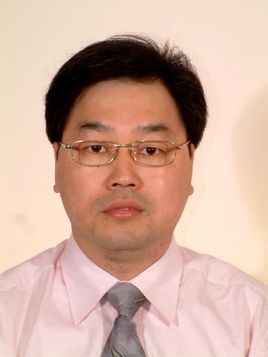 Hujun Bao (鲍虎军)合作论文数College of Computer Science and Technology, Zhejiang University;Faculty of Information Technology, Zhejiang University95
 Zhangye Wang (王章野)合作论文数State Key Lab of CAD&CG, College of Computer Science and Technology, Zhejiang University79
 Wei Chen (陈为)合作论文数College of Computer Science and Technology, Zhejiang University;State Key Lab of CAD & CG, Zhejiang University64
 Jieqing Feng (冯结青)合作论文数College of Computer Science and Technology, Zhejiang University;State Key Laboratory of CAD&CG, Zhejiang University54
 Xiaogang Jin (金小刚)合作论文数College of Computer Science and Technology, Zhejiang University;State Key Lab of CAD and CG, Zhejiang University39
 Xueying Qin (秦学英)合作论文数School of Software, Shandong University33
 Lizhuang Ma (马利庄)合作论文数School of Computer Science, Shanghai Jiaotong University;School of Computer Science and Technology, East China Normal University26
 Huagen Wan (万华根)合作论文数Center for Psychological Sciences at Zhejiang University25
 Changbo Wang (王长波)合作论文数School of Data Science & Engineering, East China Normal University24
 Fan Zhong (钟凡)合作论文数School of Computer Science and Technology, Shandong University22
 Jin Wang (王进)合作论文数School of Mechanical Engineering, Zhejiang University;Institute of Design Engineering, Zhejiang University22
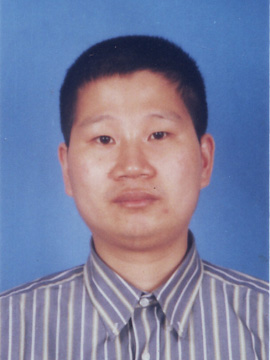 Wenting Zheng (郑文庭)合作论文数College of Computer Science and Technology, Zhejiang University22
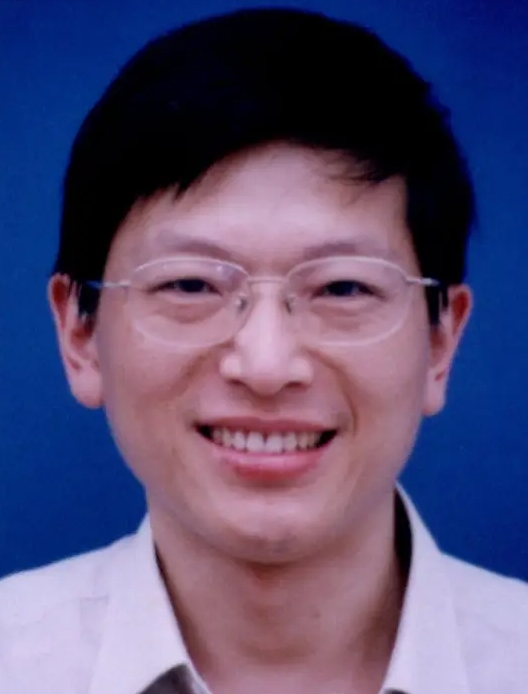 Shuming Gao (高曙明)合作论文数State Key Lab of CAD&CG, College of Computer Science and Technology, Zhejiang University19
 Wei Hua (华炜)合作论文数College of Computer Science and Technology, Zhejiang University19
 Xinguo Liu (刘新国)合作论文数State Key Lab of CAD&CG, College of Computer Science and Technology, Zhejiang University18
 Yanwen Guo (郭延文)合作论文数Department of Computer Science and Technology, Nanjing University;State Key Lab for Novel Software Technology, Nanjing University17
 Chunxia Xiao (肖春霞)合作论文数School of Computer Science, Wuhan University16
 Shiguang Liu (刘世光)合作论文数School of Computer Science and Technology, Tianjin University16
 Lanfang Miao (苗兰芳)合作论文数College of Mathematics and Computer Science, Zhejiang Normal University14
 Long Zhang (张龙)合作论文数14
 Hanqiu Sun合作论文数Department of Computer Science & Engineering, The Chinese University of Hong Kong13
 Guodong Lu (陆国栋)合作论文数School of Mechanical Engineering, Zhejiang University;Robotics Institute, Zhejiang University12
 Yanli Liu (刘艳丽)合作论文数College of Computer Science, Sichuan University12
 Chengfang Song (宋成芳)合作论文数GNSS Center, Wuhan University11
 Jinhui Yu (于金辉)合作论文数State Key Lab of CAD&CG, Zhejiang University11
 Chen Jiazhou合作论文数10Min Hu合作论文数10
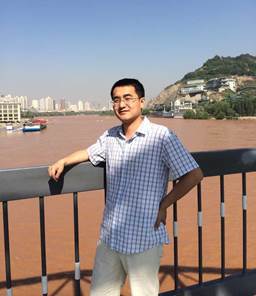 Yong Zhao (赵勇)合作论文数中国海洋大学数学科学学院10
 Bin Pan (潘斌)合作论文数Department of Computer Science, Yonsei University;School of Remote Sensing and Information Engineering, Wuhan University10
 Jianrong Tan (谭建荣)合作论文数Institute of Design Engineering, Zhejiang University;School of Mechanical Engineering, Zhejiang University10
 Guanyu Xing (邢冠宇)合作论文数School of Cyber Science and Engineering, Sichuan University;National Key Laboratory of Fundamental Science on Synthetic Vision, Sichuan University10Zi-ang DING (丁子昂)合作论文数9Chunxiao Liu (刘春晓)合作论文数浙江工商大学计算机与信息工程学院9
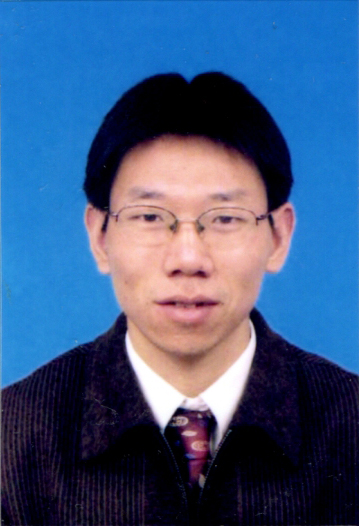 Dengfeng Chai (柴登峰)合作论文数School of Earth Sciences, Zhejiang University9Guofei Hu (胡国飞)合作论文数9
 Yingzhen Yang合作论文数School of Computing and Augmented Intelligence, Arizona State University8Jianqiu Jin合作论文数8
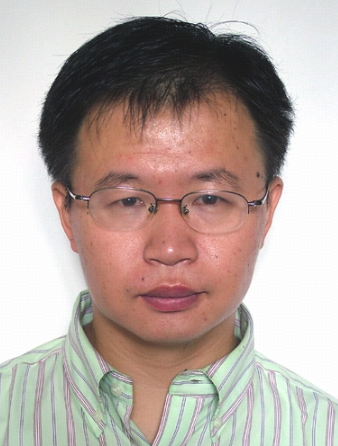 Tao Wu (吴韬)合作论文数Department of Chemistry, Zhejiang University8
 A. Robin Forrest合作论文数School of Computing Sciences, University of East Anglia8Youdong Liang合作论文数8
 Julien Pettre合作论文数Inria8Zhaoyi Jiang合作论文数8Yu Guan (管宇)合作论文数7Xiang Fang合作论文数7Yi Gong合作论文数7
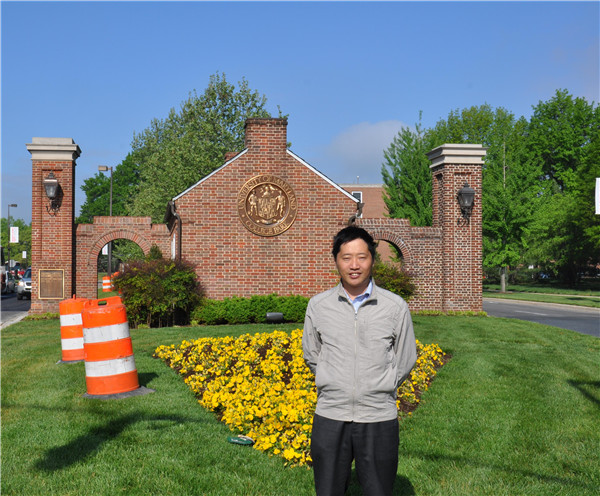 Yongwei Miao (缪永伟)合作论文数College of Computer Science and Technology,Zhejiang University of Technology7
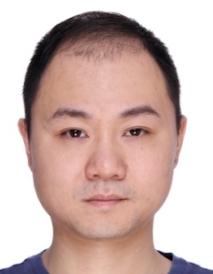 Rui Wang (王锐)合作论文数College of Computer Science and Technology, Zhejiang University;State Key Lab of CAD&CG, Zhejiang University7Hg Wan合作论文数6
 Zhao Dong (董朝)合作论文数Meta Reality Labs Research6




