OBJECTIVES:To evaluate patient-reported outcome measures (PROMs) and prosthetic outcomes in patients receiving a definitive restoration after extraction and immediate implant placement in the esthetic zone. MATERIALS AND METHODS:Twelve patients in need of tooth extraction and immediate implant placement and provisionalization in the esthetic zone were consecutively recruited. Restoration-based treatment planning was performed applying a fully digital workflow including the fabrication of a prefabricated definitive monolithic zirconia crown prior to the surgery. Tooth extraction and guided surgery was performed in all patients and immediate placement and loading was carried out with the prefabricated definitive restoration on the day of surgery. The restoration was evaluated by the patients and by two experienced and calibrated clinicians using modified USPHS (United States Public Health Service) criteria to evaluate the treatment outcome. CLINICAL CONSIDERATIONS:In 9 out of 12 patients, the crowns were inserted at the same visit without any adjustments. Two crowns required minor adjustment-one at the incisal edge position and another at the distal contact area. These were delivered at the same clinical visit after the necessary adjustments had been made. One crown showed a misfit and was in need of a new scan and an adjustment in the laboratory prior to insertion at the next visit on the following day. Patient satisfaction was 9.41 ± 0.49 at baseline and 9.6 ± 0.47 at the 6-month follow-up. Clinical outcomes in terms of periimplant soft tissue health, interdental papillae levels, and midfacial mucosal levels were assessed at the time of implant placement (baseline) and 6 months postoperatively. All patients reported highly satisfactory results for all the parameters assessed. CONCLUSIONS:Digitally driven immediate implant placement and loading with prefabricated definitive restorations in the esthetic zone may serve as a valid clinical protocol. However, further randomized controlled clinical trials are needed to prove the efficacy of this protocol. CLINICAL SIGNIFICANCE:Immediate definitive restorations were inserted on the day of immediate implant placement following digital protocols. However, clinicians should be cautious when applying the immediate implant protocol in the esthetic zone as the prosthesis may need minor adjustments.
STATEMENT OF PROBLEM:Selective laser-melted (SLM) frameworks have emerged as a digital alternative to conventionally cast metal frameworks for removable partial dentures (RPDs). However, evidence comparing patient-reported outcomes between these fabrication methods remains limited. PURPOSE:The purpose of this randomized crossover noninferiority trial was to compare oral health-related quality of life (OHRQoL), patient satisfaction, and clinician-reported outcomes in patients rehabilitated with RPDs fabricated using either conventionally cast or SLM metal frameworks. MATERIAL AND METHODS:Twelve partially edentulous adults were randomly assigned to one of 2 treatment sequences: SLM→Cast or Cast→SLM. Each RPD was worn for 4 months before crossover. Therefore, for each patient 2 RDPs were fabricated following standardized conventional or digital workflows while maintaining identical prosthetic designs for each patient. OHRQoL and satisfaction were assessed at baseline and up to 4 months using the Geriatric Oral Health Assessment Index (GOHAI), OHIP-G14, and numerical rating scales. The primary endpoint was noninferiority of SLM RPDs based on the between-treatment difference in GOHAI scores at 4 months, with a prespecified noninferiority margin (Δ) of 3 GOHAI units. Nonparametric Brunner-Langer models for longitudinal data were used to compare outcomes while accounting for within-subject correlation of repeated measurements (α=.05). RESULTS:GOHAI scores improved after insertion of both RPD types. The treatment difference in GOHAI at 4 months was 0.44 (95% CI, -1.05-1.94), with the upper confidence limit remaining below Δ, demonstrating noninferiority of SLM RPDs. No significant differences between fabrication methods were found for OHIP-G14, overall satisfaction, stability, mastication, phonetics, esthetics, cleansability, or smell perception (P>.05). Improvements over time were significant across most domains, reflecting functional adaptation independent of framework type. Biological and technical complications, as well as maintenance requirements, were similar between groups. Patients tended to prefer the RPD worn last. CONCLUSIONS:RPDs with SLM frameworks are noninferior to conventionally cast frameworks, providing comparable short-term improvements in OHRQoL and patient satisfaction. These findings support SLM frameworks as a reliable patient-centered alternative to conventionally cast metal frameworks.
Statement of problem Immediate loading of single implants has been widely used to reduce treatment time and improve patient convenience. However, uncertainty remains regarding its long-term survival, marginal bone stability, and prosthetic reliability compared with early or conventional loading protocols. Purpose The purpose of this study was to synthesize the available randomized controlled trial (RCT) evidence comparing immediate loading with early or conventional loading of single implants, using trial-level meta-analysis with contextual evaluation of existing systematic reviews. Material and methods Electronic searches of the PubMed, Embase, Scopus, Epistemonikos, and Cochrane databases were conducted through October 2025. Systematic reviews restricted to RCTs were identified, and all eligible primary RCTs were re-extracted to avoid double counting. Overlap among reviews was quantified with the Corrected Covered Area. Random-effects meta-analyses were performed to calculate risk ratios (RR) for implant survival and complications, mean differences (MD) for marginal bone loss (MBL), and standardized mean differences (SMD) for patient-reported outcomes. Follow-up intervals were analyzed separately (1, 2, 3, and 5 years). The certainty of evidence was assessed with GRADE. Results Seven systematic reviews and 2 additional RCTs were identified, yielding 40 unique trials and more than 1200 single implants with follow-up ranging from 1 to 10 years. Evidence overlap among reviews was high (CCA=11.5%). No statistically significant differences were found in implant survival between immediate and conventional loading at 1 year (RR=1.00; 95% CI, 0.98 to 1.02), 2 years (RR=1.01; 95% CI, 0.96 to 1.05), 3 years (RR=1.01; 95% CI, 0.97 to 1.05), or 5 years (RR=1.00; 95% CI, 0.97 to 1.03), nor between immediate and early loading at 1 year (RR=0.99; 95% CI, 0.96 to 1.02). Differences in MBL were minimal and clinically negligible at all time points. Patient satisfaction did not differ significantly between protocols, and prosthetic and biologic complications were infrequent in both groups. The certainty of evidence was moderate for survival and low to very low for secondary outcomes. Conclusions When applied under appropriate clinical conditions, immediate loading of single implants demonstrated survival, marginal bone stability, complication rates, and patient satisfaction comparable to early or conventional loading.
OBJECTIVES:To assess 3-year interim results of implant-supported monolithic zirconia single crowns on standardized titanium base vs. customized titanium abutments. MATERIAL AND METHODS:Patients in need of posterior implant were recruited. After implant healing time, patients were randomly allocated to: Ti-Base (n = 30) with a monolithic zirconia crown on a standardized Ti-Base abutment or Custom (n = 30) with a monolithic zirconia crown on a customized titanium abutment. Implant crowns were evaluated at Baseline (BL), 1-year (1Y-FU), and 3 years (3Y-FU) follow-ups for marginal bone level changes (MBL), survival, biological and technical outcomes, and PROMs. Chi-squared and Fisher's exact test were used to assess association between categorical variables, Mann-Whitney's test to compare the distribution of parameters between groups, with a significance level of 5% (α = 0.05). RESULTS:Fifty-one patients (23 Custom, 28 Ti-Base) attended 3Y-FU visit. No implant crowns were lost. Similar median MBL changes from BL to 3Y-FU and comparable biological outcomes were observed in both groups (p > 0.05). No major technical complications were observed, but one minor chipping of Ti-Base zirconia crown was recorded at 3Y-FU, resulting in a technical complication rate of 3.6% for this group. At the 3Y-FU, all patients in the Custom group and 26 patients (92.9%) in the Ti-Base group were very satisfied with the treatment (p > 0.05). CONCLUSIONS:Within the limitations of this interim analysis, monolithic zirconia single crowns on either standardized titanium base or customized titanium abutments demonstrated stable marginal bone levels, high survival rates, high patient satisfaction, and no major technical complications during the 3Y follow-up period. TRIAL REGISTRATION:https://drks.de/search/en/trial/DRKS00012733.
OBJECTIVES:To evaluate the association between patient behavior and clinician emotional burden, perceived clinical performance, interaction difficulty, and decision-making in implant dentistry. MATERIAL AND METHODS:A cross-sectional online questionnaire was distributed via individual invitations to 150 dental professionals involved in implant dentistry. A total of 127 clinicians completed the survey (response rate: 84.7%). The questionnaire assessed demographic and professional characteristics, clinicians' perceptions of patient behavior, emotional responses, and the perceived impact of patient-related factors on clinical performance and decision-making. Composite domains for emotional burden and interaction difficulty were developed, and their internal consistency was assessed using Cronbach's α. Associations were evaluated using Spearman's correlation and linear regression analyses. RESULTS:More challenging patient behavior was significantly associated with increased emotional burden (ρ = 0.50, p < 0.001) and interaction difficulty (ρ = 0.46, p < 0.001). Similar findings were observed when patient behavior was compared with usual clinical cases (both p < 0.001). Procedural difficulty showed only weak or non-significant associations with emotional burden and interaction difficulty. Emotional burden was strongly associated with interaction difficulty (ρ = 0.84, p < 0.001), avoidance of scheduling similar patients (ρ = 0.47, p < 0.001), and lower perceived clinical performance (ρ = 0.27, p = 0.002). Regression analyses confirmed that patient behavior was significantly associated with emotional burden (p < 0.001). CONCLUSIONS:Patient behavior appears to be associated with clinician emotional burden and perceived clinical performance more strongly than case difficulty in implant dentistry.
PURPOSE:To explore private practitioners' perspectives on participation in clinical dental research, identify perceived research priorities, and assess current and anticipated future use of research information sources in reconstructive dentistry. MATERIALS AND METHODS:This cross-sectional survey included dentists practicing in Switzerland in private practice or academic settings. An anonymous online questionnaire with 13 structured items was distributed between June and November 2024 via professional meetings and alumni networks. Survey domains included demographics, current research involvement, interest in future research participation, research priorities, and use of research information sources. Descriptive statistics were calculated. Paired comparisons between current and anticipated future research information sources were analyzed using McNemar's exact test, with p-values adjusted for multiple testing using the Benjamini-Hochberg false discovery rate procedure. Ranking data were summarized using mean ranks. Analyses were exploratory and hypothesis-generating. RESULTS:Fifty-six dentists completed the survey (median years since graduation: 18 [Q1-Q3: 7-23]). One-third of respondents (33.9%) reported current involvement in research, while 46.4% expressed interest in future participation, particularly in clinical trials. Anticipated future use of colleagues, study clubs/alumni networks, PubMed, and continuing education as research information sources decreased significantly compared with current use (all adjusted p≤0.032), whereas reliance on journals and social media remained stable. Ranking analyses indicated that predictability was the highest priority in therapy-related decision-making, a trusting patient-clinician relationship was most important in everyday practice, and patient satisfaction was the primary determinant of treatment success. CONCLUSIONS:Private practitioners showed moderate interest in clinical research participation and emphasized clinically relevant, practice-oriented research priorities. Integrating practitioners' perspectives may help align prosthodontic research more closely with real-world clinical needs.
OBJECTIVES:To systematically evaluate the influence of concave versus convex emergence profiles on midfacial mucosal stability in partially edentulous patients restored with implant-supported single restorations. MATERIALS AND METHODS:A systematic review and meta-analysis of randomized controlled trials (RCTs) was conducted and registered in PROSPERO (CRD420251139042). An electronic search in MEDLINE (PubMed) and Embase was performed up to May 7, 2026. Eligible studies included RCTs comparing concave (test group) and convex (control group) transmucosal prosthetic designs and reporting midfacial mucosal level changes (mm). Data extraction and risk of bias assessment (RoB 2) were performed independently. A random-effects meta-analysis was conducted using weighted mean differences (MDs) and 95% confidence intervals (CIs). Heterogeneity was assessed using the I2 statistic and sensitivity analyses were performed to evaluate the robustness of the findings. RESULTS:Four RCTs including 144 implants with a 12-month follow-up were included. Of these, 128 implants contributed to the quantitative synthesis, with 66 implants allocated to the concave/modified emergence profile group and 62 implants allocated to the convex/non-concave emergence profile group. The pooled analysis demonstrated a mean difference of -0.31 mm (95% CI -0.63 to 0.02; p = 0.064), indicating a trend toward greater midfacial mucosal recession with convex emergence profiles compared with concave designs. Between-study heterogeneity was low to moderate (I2 = 28%), suggesting consistent findings across studies. Sensitivity analyses confirmed the direction of the effect, with pooled estimates ranging from -0.12 to -0.43 mm. Exclusion of one study resulted in a statistically significant difference favoring concave emergence profiles (-0.43 mm; 95% CI -0.70 to -0.16; p = 0.002). CONCLUSIONS:Convex emergence profiles are associated with a tendency toward increased midfacial mucosal recession. Concave profiles are preferable to support peri-implant soft-tissue stability. CLINICAL RELEVANCE:Emergence profile design should be considered an integral component of prosthetic and surgical planning. The use of concave transmucosal contours during provisionalization and definitive restoration may contribute to improved peri-implant soft tissue stability and enhanced esthetic outcomes.
PURPOSE:To evaluate, in human clinical studies, the effect of prefabricated aids/auxiliary devices for implant scan bodies (ISBs) on the accuracy (trueness and precision) of full-arch intraoral scanning (IOS). METHODS:A PRISMA-guided search (PubMed, Embase, and Scopus; registered in PROSPERO (CRD420251027002)) identified comparative clinical studies of edentulous complete arches assessing IOS with prefabricated auxiliary devices versus IOS alone, stereophotogrammetry (SPG), and/or conventional impressions. Outcomes were linear/angle deviations and related 3D metrics. Risk of bias was appraised using Joanna Briggs Institute (JBI) tools; due to heterogeneity, a narrative synthesis was performed. RESULTS:Six clinical studies (2022-2025) involving 73 patients and 366 implants met the inclusion criteria (five quasi-experimental, one cross-sectional). Devices included tooth-modified ISBs, one-piece connectors, multi-component prefabricated auxiliary devices, and bar-type splints. Across studies, prefabricated auxiliary devices often reduced linear (distance) deviation and improved ISB recognition, with scanner-/device-dependent effects; findings for angular deviation and precision were smaller or inconsistent. In head-to-head comparisons, SPG frequently showed higher complete-arch accuracy on several metrics, whereas IOS (± aids) generally required less chairside time and fewer steps. Overall risk of bias was low-moderate for quasi-experimental studies and moderate-high for the cross-sectional study. CONCLUSION:Based on low- to moderate-certainty clinical evidence, prefabricated auxiliary devices for ISBs may enhance complete-arch IOS accuracy, primarily by reducing linear deviation, but benefits are system-specific and not uniform for angular deviation or precision. They should be considered adjuncts to rigorous scanning protocols. Evidence for reduced linear deviation is clinical, whereas other interpretations are partly extrapolated. Standardized, adequately powered clinical trials with uniform accuracy metrics and clinically relevant endpoints are needed.
AIM:This updated systematic review aimed to synthesize and evaluate the available evidence on the use of augmented reality (AR), mixed reality (MR), and virtual reality (VR) technologies in dental medicine and education. Both qualitative synthesis and quantitative analysis through pairwise meta-analysis, where applicable, were performed to assess their effectiveness and potential applications in clinical and educational settings. METHODS:A systematic electronic search was conducted, incorporating an updated search strategy from the original publication to reflect updated terminology, for articles published between January 1, 2019, and July 14, 2025. Articles reporting the use of AR, MR, or VR in clinical treatment or dental education were eligible for inclusion. Data on study characteristics, target population, dental discipline, application concept, type of reality, primary and secondary outcomes were extracted. Pairwise frequentist meta-analysis was conducted on randomized controlled trials (RCTs) assessing VR and objective stress-related clinical parameters such as heart rate. Study quality was appraised using the corresponding scale according to the study design. RESULTS:A total of 110 studies, reporting the use of AR, MR or VR, encompassing 8573 participants, were included. VR was the most frequently investigated technology (n = 94), followed by AR (n = 11) and MR (n = 2). Most studies evaluated multiple applications: clinical or patient-centered applications were evaluated in 71 trials, operator- or clinician-orientated applications in 33, and educational applications in 132 studies. Among primary outcomes, patient-reported (n = 30) and educational outcomes (n = 57) predominated, whereas clinical, clinician-, and operator-related outcomes were less frequently assessed. Results from the pairwise meta-analyses of RCTs showed that VR significantly reduced anxiety levels in children patients when compared to tell-show-do techniques (SMD = -1.32, 95% CI -1.93 to -0.72); meanwhile, there was a borderline significant reduction in heart rate levels of children patients under the VR technique compared to tell-show-do technique (MD = -3.26, 95% CI -6.51 to -0.00). On the other hand, no significant differences were found in terms of physiological and reported outcomes in adult patients. CONCLUSION:AR, MR and VR are increasingly used in dental medicine and education, mainly in undergraduate and postgraduate training. Current evidence supports the effectiveness of immersive technologies, particularly VR, in enhancing learning outcomes for students and improving patient experience, especially in anxiety and pain management. However, conclusions are limited by heterogeneity and a small number of high-quality studies, with overall low to moderate certainty of evidence. TRIAL REGISTRATION:PROSPERO number: CDR42023403360 and date of registration 10/03/2023. Start date of systematic review 13/03/2023.
OBJECTIVES:To identify a core outcome set (COS) to standardize outcome measures for studies on the rehabilitation of the edentulous maxilla in implant dentistry. This work was conducted in preparation for the 1st Global Consensus for Clinical Guidelines (GCCG) for the Rehabilitation of the Edentulous Maxilla. MATERIALS AND METHODS:The COS was developed using a standardized and validated methodology, following the Core Outcome Measures in Effectiveness Trials (COMET) initiative. Outcomes were first identified through eight systematic reviews covering surgical and prosthetic aspects of edentulous maxilla rehabilitation. This preliminary list was expanded by input from clinical and cross-disciplinary experts as well as patient surveys to capture additional relevant outcomes that were not represented in the literature. A 3-round Delphi survey was conducted. The first round was conducted prior to the meeting and the second and third round took place during the in-person consensus meeting. In the first round, participants could propose new outcomes and rated each item using a 9-point Likert scale, from 1 (not important) to 9 (critical), with scores of 7-9 denoting critical importance, 4-6 importance, and 1-3 low importance for decision making. In the second round, participants re-scored a revised outcome list incorporating written suggestions and consolidated overlapping items from the first round. Outcomes rated 7-9 by at least 75% of participants in the second round constituted the final COS selection. In the third round, these selected outcomes were evaluated for their relevance across the different stages of the GCCG workflow: patient selection, diagnostic tools, treatment planning, treatment procedure, management of complications during the treatment procedure, maintenance, and management of complications during maintenance. RESULTS:Of the 105 experts invited, response rates for the three Delphi rounds were 87.6%, 95.2%, and 92.4%, respectively. An initial list of 119 outcomes was generated from systematic reviews and surveys and subsequently refined after the first round based on participant feedback. In the second round, 34 outcomes were rated as critical and included in the final COS. These comprised 10 patient-reported outcomes (PROs): aesthetic satisfaction; chewing function/comfort/discomfort; complications during treatment/maintenance; ease of cleaning/oral hygiene efficacy; pain; patient overall satisfaction with treatment; patient-reported complaints; prosthesis retention/stability; quality of life; speech/phonetics/pronunciation function, 22 objective clinician-reported outcomes (ClinROs): biological complications; history of patient compliance; implant failure; implant primary stability; implant success; implant survival; mechanical/technical complications; peri-implant health (implant level); peri-implant health (patient level); peri-implant mucositis; peri-implant suppuration; peri-implantitis; plaque index/oral hygiene; postoperative complications; presence of keratinized mucosa; prosthesis failure; prosthesis success; prosthetic complications; radiographic marginal bone level; radiographic marginal bone loss; surgical/intraoperative complications; width of keratinized mucosa and two subjective ClinROs (clinician's treatment success; prosthodontic maintenance events/complications). Additional outcomes proposed during the second round were excluded since they represented general comments, process indicators, or alternative wording of outcomes already considered. In the third round, 21 COS outcomes were deemed relevant to the maintenance and/or post-treatment complication management phases, 3 were deemed relevant before treatment, and another 3 were deemed relevant only during treatment. CONCLUSION:The proposed COS for studies on the rehabilitation of the edentulous maxilla in implant dentistry was developed using the COMET methodology. Although patients' perspectives were incorporated during the preliminary survey phase, they did not participate directly in the Delphi, highlighting an opportunity for future research to further enhance patient involvement in COS development. The widespread implementation of this COS is expected to improve the consistency of outcome reporting and facilitate comparisons of the effectiveness of current and emerging interventions.
PURPOSE:To evaluate whether mirrored versus non-mirrored presentation of an AI-generated, scan-free virtual mock-up influences esthetic self-perception, and to compare perception patterns between laypeople and dental professionals using the Orofacial Esthetic Scale (OES). The null hypothesis was that mirrored and non-mirrored presentations would result in no differences in esthetic perception. MATERIALS AND METHODS:Fifty participants (25 laypeople, 25 dental professionals) viewed a standardized video of themselves integrated with a scan-free AI-generated virtual mock-up of the anterior dentition. Participants were randomized to first view either a mirrored or non-mirrored version, followed by the opposite format after a minimum 14-day interval. At each assessment, participants completed the eight-item OES. Wilcoxon signed-rank tests were used for within-subject comparisons (mirrored vs non-mirrored), and Wilcoxon rank-sum tests were applied for subgroup comparisons (laypeople vs professionals). All p-values were adjusted using the Holm method. RESULTS:Across all eight OES items, no statistically significant differences were found between mirrored and non-mirrored mock-up presentations (p > 0.05). Laypeople consistently provided higher esthetic ratings than dental professionals. For the non-mirrored condition, significant between-group differences were observed for tooth form (p = 0.036), tooth alignment/position (p = 0.039), and overall orofacial esthetics (p = 0.039). For the mirrored condition, only tooth form demonstrated a significant difference after adjustment (p = 0.00085). Within each subgroup, mirrored versus non-mirrored comparisons revealed no significant differences (p > 0.05). CONCLUSION:Mirrored and non-mirrored presentations of scan-free AI-generated virtual mock-ups showed comparable esthetic self-evaluations. Although laypeople rated esthetics more favorably than dental professionals, these differences were independent of the orientation of the visualization. TRIAL REGISTRATION:This study was not registered as a clinical trial, as it did not involve any therapeutic intervention and was limited to the assessment of esthetic perception using a patient-reported outcome measure.
OBJECTIVE:To assess the peri-implant soft-tissue and hard-tissue response to monolithic zirconia (ZrO2) compared to porcelain-fused-to-metal implant crowns (PFMs). METHODS:This report constitutes a pre-specified secondary analysis of this RCT. Eighty-three patients rehabilitated with single-tooth implants in the molar region were originally randomly assigned to receive either a ZrO2 or a PFM restoration. At 6 months, clinical parameters (plaque control record, probing depth, bleeding on probing, width of keratinised mucosa and marginal bone level changes) were recorded at the implant site and the adjacent natural tooth. In addition, a peri-implant soft-tissue biopsy specimen was harvested between the implant site and the adjacent tooth. The number of inflammatory cells and fibroblasts/fibrocytes was evaluated within four regions of interest (oral epithelium, sulcular epithelium, junctional epithelium, connective tissue). Descriptive statistics were arrived at for all outcomes, and differences between prosthetic materials, sites and timepoints were analysed using linear mixed-effects models. RESULTS:The present exploratory secondary analysis included 67 patients (37 ZrO2; 30 PFM) with complete 6-month clinical, radiographic and histological data. Clinical parameters at both implant and adjacent tooth sites remained generally stable from baseline to 6 months, with limited marginal bone level changes and comparable outcomes between groups. Histologically, mixed-effects model analysis showed that the tissue region significantly affected both the inflammatory infiltrate and the fibroblast density (p < 0.001). The crown materials did not substantially influence the histological outcomes. The distribution of inflammatory infiltrate differed between tooth and implant sites, with the highest values in the sulcular epithelium around implants and in the junctional epithelium around teeth. Fibroblast density was highest in the junctional epithelium at both sites. CONCLUSION:Monolithic zirconia and PFM implant-supported single crowns resulted in comparable clinical and radiographic outcomes. The peri-implant soft-tissue response to the two restorative materials showed a greater effect of the tissue region, while the material itself had only negligible effect. TRIAL REGISTRATION:ClinicalTrials.gov identifier: NCT02272491.
OBJECTIVES:Rehabilitation of the edentulous maxilla poses major clinical and patient-centered challenges. While implant survival and marginal bone level changes dominate the literature, patient-reported outcomes (PROs) such as aesthetic satisfaction, comfort, and quality of life remain underrepresented. The Global Consensus for Clinical Guidelines (GCCG) aimed to develop an international, consensus-based guideline for maxillary rehabilitation that integrates PROs and clinician-reported outcomes (ClinROs) within a structured treatment workflow and to identify future research priorities. MATERIALS AND METHODS:This S2k-level guideline was developed through a multi-phase process involving clinical experts, a methodologist, patients, and interdisciplinary contributors. Evidence synthesis included eight systematic reviews and six structured surveys. A Core Outcome Set (COS) of 34 critically important outcomes (10 PROs, 22 objective and 2 subjective ClinROs) was established via a three-round Delphi process with 105 experts. Consensus recommendations were generated and voted upon by 105 delegates from 26 countries using nominal group technique and anonymous plenary voting. RESULTS:The guideline defines 36 consensus-based recommendations mapped to 34 COS outcomes, covering all phases of care, patient selection, diagnostics, surgical and prosthetic treatment, complication management, and maintenance. It emphasizes shared decision-making, prosthetically driven planning, immediate protocols when feasible, and risk-based maintenance to prevent surgical, biological, and technical complications. A clinical workflow checklist and decision trees support practical implementation. CONCLUSIONS:This is the first global guideline for edentulous maxilla rehabilitation integrating a COS across all treatment phases, fostering evidence-based, outcome-driven, and patient-centered implant care worldwide.
OBJECTIVES:The 1st Global Consensus for Clinical Guidelines (GCCG) in Implant Dentistry introduced an innovative, evidence-based, patient-centred approach to developing practical recommendations for the rehabilitation of the edentulous maxilla. Within this framework, Group 4 focused on formulating clinical recommendations for the planning and delivery of conventional dentures (CD), implant overdentures (IOD) and implant-supported fixed complete dentures (IFCD) for patients with an edentulous maxilla. MATERIALS AND METHODS:Group 4 followed the S2k-level guideline framework of the Association of the Scientific Medical Societies in Germany (AWMF), applying a structured nominal group technique. The evidence base included two systematic reviews synthesising patient-reported outcomes (PROs) and clinician-reported outcomes (ClinROs) and their respective measures in patients with an edentulous maxilla. In addition, single-round international surveys were conducted involving expert clinicians, patients and cross-disciplinary experts. Draft recommendations were developed during the in-person consensus meeting in Boston (June 16-18, 2025) and finalised through anonymous plenary voting. Consensus thresholds were predefined at ≥ 75% and ≤ 95% agreement for a consensus and > 95% agreement for a strong consensus. RESULTS:Group 4 participants formulated 14 clinical recommendations covering five stages of treatment: (i) patient selection, (ii) diagnostics, (iii) treatment planning, (iv) treatment procedures and (v) maintenance. During plenary voting, 6 recommendations reached consensus and eight achieved strong consensus. Voting participation per recommendation ranged from 60 to 84 participants (mean 75). CONCLUSIONS:Group 4 consensus statements provide structured guidance on the use of removable and fixed implant-supported dental prostheses for the rehabilitation of the edentulous maxilla. The recommendations reflect current evidence, expert opinion on clinical practice across disciplines and patient perspectives. Key evidence gaps-especially regarding standardised PROMs, long-term outcomes and maintenance protocols-identify priorities for future clinical research.
OBJECTIVES:To evaluate the clinical performance of two-piece zirconia implants with screw-retained abutments compared to titanium implants after 1 year of loading. MATERIALS AND METHODS:In this multicenter, prospective, randomized clinical trial, 61 two-piece zirconia and 61 titanium implants were placed and restored with single crowns. Evaluations were performed at implant placement, crown delivery, and 1-year post-loading. Peri-implant Marginal Bone Loss (MBL), survival rate, early wound healing index, and soft tissue parameters were assessed. Intergroup comparisons of continuous outcomes were performed using Linear Mixed-Effects Models accounting for center and potential confounders. Categorical variables were analyzed using the chi-square or Fisher's exact test. Survival was analyzed using Kaplan-Meier estimates. Significance was set at p < 0.05. RESULTS:No significant differences were found between the two implant types. Mean MBL from implantation to crown insertion was 1.10 ± 0.78 mm for titanium and 0.94 ± 0.67 mm for zirconia implants. No significant additional bone loss occurred over the subsequent year, with changes of 0.07 ± 0.55 mm and 0.08 ± 0.51 mm for titanium and zirconia, respectively. After 1 year, zirconia implants showed a 100% survival rate, while titanium implants showed 96.5% with two failures. At 1 year, differences in probing depths, plaque accumulation, and Papilla Bleeding Index were not statistically significant. CONCLUSION:After 1 year of loading, no statistically significant differences in MBL, implant survival, or peri-implant health were found between zirconia and titanium implants, indicating no clinical superiority. Zirconia implants may therefore be considered a viable alternative in single-tooth implant restorations. TRIAL REGISTRATION:The study is registered at the German Clinical Trial Register (No. DRKS 00013209) as well as at the Federal Office of Public Health's (FOPH) portal for human research in Switzerland (kofam.ch).
To assess the 5-year dimensional stability of buccal hard-tissues following guided bone regeneration (GBR) of peri-implant dehiscence defects using deproteinized bovine bone mineral (DBBM) blocks or particulate. METHODS:Patients requiring single-tooth implants and presenting a buccal dehiscence defect (≥ 3 mm) at implant placement were randomly allocated to GBR using either particulate DBBM or an individually shaped DBBM-block, both covered with a resorbable collagen membrane. Buccal hard-tissue thickness was assessed using cone-beam computed tomography postoperatively, at 6 months and at 5 years. Buccal horizontal thickness at the implant shoulder and corono-buccal thickness measured at 45° were recorded. Secondary outcomes included marginal bone levels, clinical parameters and implant survival. Linear mixed-effects models were used to compare the groups to account for within-subject correlations. RESULTS:Twenty-two of 24 patients completed the 5-year follow-up. Buccal hard-tissue thickness decreased over time in both groups, however, the block-group showed significantly greater dimensional stability. At 5 years, mean buccal horizontal hard-tissue thickness was 1.36 ± 1.16 mm in the block-group and 0.07 ± 0.16 mm in the particulate-group (adjusted mean difference, -1.2 mm; 95% CI, -1.9 to-0.6; p < 0.001). Corono-buccal thickness at 45° was also significantly greater in the block-group (adjusted mean difference, -0.3 mm; 95% CI, -0.5 to -0.1; p = 0.002). Marginal bone levels and clinical parameters showed no clinically relevant differences. No implant loss or peri-implantitis was observed. CONCLUSION:GBR using either DBBM blocks or particulate DBBM resulted in similar peri-implant clinical outcomes and implant survival at 5 years. However, DBBM blocks provided superior long-term preservation of the buccal hard-tissue contour. TRIAL REGISTRATION:Clinical Trial Registration Number, DRKS00005803.
This pilot study evaluated whether the use of an intraoral camera improves the accuracy of remote postoperative wound-healing assessment after oral surgery compared to a phone consultation alone. The primary outcome was the correct identification of cases requiring further intervention such as a medication change or an in-person visit. Eleven patients undergoing oral surgery were assessed 4–6 days postoperatively using four remote modalities: phone consultation (PC), patient-generated snapshots (SS), patient-generated video footage (VF) and clinician-guided live video call (LC). For each method, assessments were performed independently by the operating clinician and by a second independent dentist, who had no prior knowledge of the patient, using standardized questionnaires developed for this study. A physical visit (PV) served as the reference standard. Accuracy, rates of non-assessable outcomes and inter-examiner agreement (Cohen’s kappa, or prevalence-adjusted bias-adjusted κ when required) were calculated. Performance across modalities was compared using McNemar tests. Clinicians also rated the perceived usefulness and preference and image quality was assessed for smartphone-based intraoral camera (IOC) modalities. No patient required an intervention at the PV. Remote assessments incorrectly suggested the need for intervention in three instances, all occurring during phone-based or live video call evaluations. Accuracy varied across modalities. Correct identification of cases needing intervention was highest for SS and VF (21/22; 95.5
AIM:To compare up to 7.5-year clinical and patient-reported outcomes of implant sites previously augmented using a volume-stable collagen matrix (VCMX) or connective tissue graft (SCTG) in the esthetic zone. METHODS:The original randomized controlled trial (RCT) enrolled 20 patients who received soft tissue augmentation with VCMX or SCTG at single implant sites. Clinical assessments and standardized measurements were performed at baseline after crown insertion (BL) and at 6 months, 1, 3, 5, and 7.5 years. The primary outcome was mucosal thickness. Secondary outcomes included marginal bone levels, probing depth, bleeding on probing, plaque index, pink esthetic score (PES), OHIP-14, and buccal profilometric changes. Group comparisons were performed using mixed-effects and generalized estimating equation (GEE) models, which account for within-patient correlations due to repeated measurements and allow inclusion of all available data without requiring imputation for missing observations. RESULTS:Of the 20 originally recruited patients, 12 were available for re-examination at 7.5 years (five in the SCTG group and seven in the VCMX group). Mucosal thickness at crown delivery ranged from 2 to 4 mm across the study population. Adjusted mean differences (VCMX-SCTG) in mucosal thickness were +0.70 mm at BL, -0.02 mm at 6 months, +0.1 mm at 1 year, +0.1 mm at 3 years, +0.1 mm at 5 years and -0.1 mm at 7.5 years. None of these differences reached statistical significance (p > 0.05). For all secondary outcomes, no statistically significant inter-group differences were detected (p > 0.05) except for BOP at 5 years follow-up. CONCLUSION:Both augmentation approaches achieved stable peri-implant mucosal dimensions, preserved marginal bone levels, and favorable esthetic and patient-reported outcomes over 7.5 years. Volume-stable collagen matrices might be a viable alternative to SCTG for peri-implant soft-tissue augmentation; however, adequately powered RCTs are needed to confirm these long-term observations. TRIALS REGISTRATION:DRKS00017484.
OBJECTIVES:To quantify intraoperative stress responses in clinicians performing mucogingival surgery using subepithelial connective tissue grafts (SCTG) for mucosal thickening by combining physiological and psychological measures and to explore the feasibility of stress monitoring in this surgical context. MATERIALS AND METHODS:Eleven clinicians performed 14 SCTG procedures. Physiological stress was assessed using heart rate (HR) and salivary cortisol measured at multiple time points from morning baseline through the evening. Psychological stress and workload were evaluated using validated questionnaires, namely the short-form State-Trait Anxiety Inventory (STAI-6) and the Surgery Task Load Index (SURG-TLX). Data were analyzed with linear mixed-effects models to account for repeated measures in this exploratory pilot study. RESULTS:Heart rate showed a significant overall time effect (p < 0.001), with transient increases during incision, flap preparation and graft harvesting, followed by recovery during suturing. Salivary cortisol levels decreased progressively throughout the day (p < 0.01), consistent with normal diurnal variation and indicating the absence of sustained endocrine stress. Heart rate and cortisol patterns did not differ by clinician experience (< 3 years or ≥ 3 years). STAI-6 scores remained stable over time, whereas SURG-TLX responses identified high mental demand and task complexity as the dominant contributors to perceived workload. CONCLUSIONS:SCTG procedures are associated with short-term physiological stress activation without concomitant increases in perceived anxiety, suggesting an adaptive stress and well-regulated responses among clinicians. CLINICAL SIGNIFICANCE:SCTG causes short-term physical stress, but clinicians appear to cope well and do not feel more anxious while performing them. Characterizing stress dynamics during mucogingival surgery may help inform future research on clinician performance, fatigue, and procedural safety in soft tissue augmentation.
PURPOSE:To compare the survival rate and the technical, esthetic, and biologic outcomes of three different materials for monolithic crowns on zirconia implants in a randomized clinical trial. MATERIALS AND METHODS:A total of 44 patients were randomly divided into three groups and restored with monolithic implant-supported single crowns: zirconia (Zr), polymer-infiltrated ceramic (PIC), and polymer (P). Follow-up evaluations were conducted after 1 year. Clinical assessments included survival rates, modified United States Public Health Service (USPHS) scores, white esthetic scores (WES), plaque index (PI), bleeding on probing (BoP), and probing depth (PD). RESULTS:After 1 year, survival rates for monolithic Zr and PIC crowns were 100%, while the P crown group showed a survival rate of 84.6%. At baseline, the PIC crowns achieved the highest USPHS scores; however, this group also showed a noticeable decline over time. The WES remained stable for the Zr but declined significantly for the other groups due to changes in surface texture. PIC exhibited a significant increase in plaque accumulation. CONCLUSIONS:Regarding the survival rate, no statistically significant differences were observed between the groups. However, a lower survival rate in the P crown group and superior surface stability in the Zr crowns were noted. Within the limitations of the small sample size and short follow-up period, Zr crowns may be recommended for the restoration of one-piece zirconia implants.
 Daniel S Thoma合作论文数170
 Christoph Hämmerle合作论文数Medizinische Fakultät, Universität Zürich;Center of Dental Medicine, University of Zurich;Dental Campus164
 Irena Sailer合作论文数Division for Fixed Prosthodontics and Biomaterials, University Clinics for Dental Medicine, University of Geneva45
 Jung Ui-Won合作论文数42
 Goran I Benic合作论文数30
 Stefan Bienz合作论文数30
 Nadja Naenni合作论文数Clinic of Fixed and Removable Prosthodontics and Dental Material Science, University of Zurich, Zurich, Switzerland29Ioannidis Alexis合作论文数28
 Mühlemann Sven合作论文数Center of Dental Medicine, University of Zurich27
 Jae-Kook Cha合作论文数26
 Franz Strauss合作论文数25Schmidlin Patrick R合作论文数22Jürg Hüsler合作论文数19Schneider David合作论文数19
 Franz E. Weber合作论文数Department of Biochemistry, Swiss Federal Institute of Technology19
 Marc Balmer合作论文数19
 Young Woo Song合作论文数School of Materials Science Engineering, Pusan National University16
 Tim Joda合作论文数School of Dental Medicine, University of Bern15
 Vítor Sapata合作论文数Discipline of Periodontics, Universidade de São Paulo;UniCesumar15
 Hyun-Chang Lim合作论文数Clinic of Reconstructive Dentistry, University of Zurich15
 Frank Schwarz合作论文数14
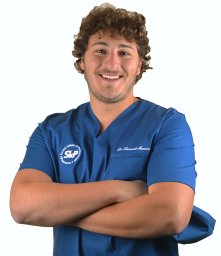 Leonardo Mancini合作论文数Department of Life;Health & Environmental Sciences, University of L'Aquila;Department of Life; Health & Environmental Sciences, University of L'Aquila13
 Thomas Attin合作论文数Clinic of Conservative and Preventive Dentistry, Center of Dental Medicine, University of Zurich13
 Anina Nives Zuercher合作论文数12Miha Pirc合作论文数12Park Jin Young合作论文数12A Zembić合作论文数11
 Alfonso Gil合作论文数10
 David L. Cochran合作论文数Department of Periodontics, School of Dentistry, UT Health San Antonio10
 Kohal Ralf-Joachim合作论文数Department of Prosthodontics, Albert-Ludwigs-University10
 Ignacio Sanz Martin合作论文数Section of Periodontology, Faculty of Odontology, University Complutense of Madrid, Madrid, Spain
Department of Periodontology, Universitat Internacional de Catalunya (UIC), Barcelona, Spain10
Ignacio Sanz Martin合作论文数Section of Periodontology, Faculty of Odontology, University Complutense of Madrid, Madrid, Spain
Department of Periodontology, Universitat Internacional de Catalunya (UIC), Barcelona, Spain10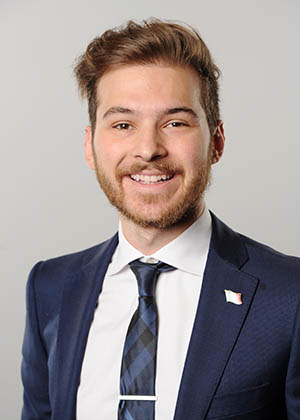 Lorenzo Tavelli合作论文数Department of Periodontics & Oral Medicine, School of Dentistry, University of Michigan-Ann Arbor9
 Jenni Hjerppe合作论文数9
 Benedikt Spies合作论文数Center for Dental Medicine, Albert-Ludwigs-University9
 Stefan Fickl合作论文数9
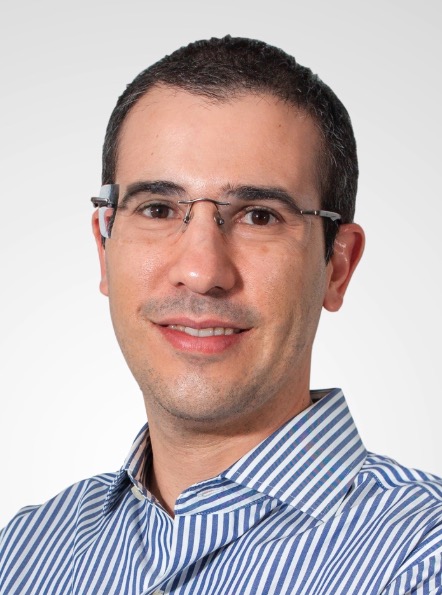 João Batista César Neto合作论文数Departamento de Estomatologia, Faculdade de Odontologia, Universidade de São Paulo9
 Manuel Sancho-Puchades合作论文数8
 Kirstin Vach合作论文数8
 Philipp Sahrmann合作论文数8Claudia Holderegger合作论文数8Tobias Waller合作论文数7Kyeong-Won Paeng合作论文数7
 Claudio Mendes Pannuti合作论文数Universidade de São Paulo7
 Nicola U. Zitzmann合作论文数Klinik für Rekonstruktive Zahnmedizin, Universitären Zentrums für Zahnmedizin Basel;Universität Basel7
 Mariano Sanz Alonso合作论文数Departamento de Especialidades Clínicas Odontológicas, Facultad de Odontología, Universidad Complutense Madrid7
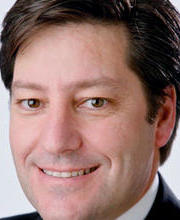 German O. Gallucci合作论文数Division of Regenerative and Implant Sciences, Department of Restorative Dentistry and Biomaterials Sciences, Harvard School of Dental Medicine, Harvard University7
 Ignacio Sanz Sanchez合作论文数Section of Graduate Periodontology, University Complutense7
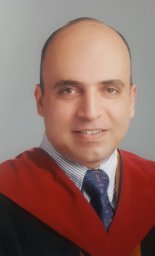 Ameen Khraisat合作论文数Faculty of Dentistry, University of Jordan7
 Giuseppe Alexandre Romito合作论文数School of Dentistry, University of São Paulo7




