Vitellogenin is an egg-yolk precursor protein common to all oviparous animals. This ancient protein is well conserved across taxa, but in the honeybee (Apis mellifera) it has evolved far beyond its reproductive function and now plays key roles in regulating social behavior, promoting longevity, protecting the organism from cellular stress, and defending the colony against pathogens. Here we outline some of the research that our group has been conducting on honeybees over the past decade.
Social evolution in honey bees has produced strong queen-worker dimorphism for plastic traits that depend on larval nutrition. The honey bee developmental programme includes both larval components that determine plastic growth responses to larval nutrition and nurse components that regulate larval nutrition. We studied how these two components contribute to variation in worker and queen body size and ovary size for two pairs of honey bee lineages that show similar differences in worker body-ovary size allometry but have diverged over different evolutionary timescales. Our results indicate that the lineages have diverged for both nurse and larval developmental components, that rapid changes in worker body-ovary size allometry may disrupt queen development and that queen-worker dimorphism arises mainly from discrete nurse-provided nutritional environments, not from a developmental switch that converts variable nutritional environments into discrete phenotypes. Both larval and nurse components have likely contributed to the evolution of queen-worker dimorphism.
Honeybees are known to have genetically diverse colonies because queens mate with many males and the recombination rate is extremely high. Genetic diversity among social insect workers has been hypothesized to improve general performance of large and complex colonies, but this idea has not been tested in other social insects. Here, we present a linkage map and an estimate of the recombination rate for Acromyrmex echinatior, a leaf-cutting ant that resembles the honeybee in having multiple mating of queens and colonies of approximately the same size. A map of 145 AFLP markers in 22 linkage groups yielded a total recombinational size of 2076 cM and an inferred recombination rate of 161 kb cM(-1) (or 6.2 cM Mb(-1)). This estimate is lower than in the honeybee but, as far as the mapping criteria can be compared, higher than in any other insect mapped so far. Earlier studies on A. echinatior have demonstrated that variation in division of labour and pathogen resistance has a genetic component and that genotypic diversity among workers may thus give colonies of this leaf-cutting ant a functional advantage. The present result is therefore consistent with the hypothesis that complex social life can select for an increased recombination rate through effects on genotypic diversity and colony performance.
Honeybees selected for the colony level phenotype of storing large quantities of pollen (pollen hoarding) in the nest exhibit greater walking activity than those selected against pollen hoarding. In this study, we use a simple walking assay to demonstrate that walking activity increases with the proportion of high pollen-hoarding alleles in pure and backcrossed strains of bees (high-strain bees > offspring generated from a high backcross > offspring generated from a low backcross > low-strain bees). The trait is heritable but is not associated with markers linked to three quantitative trait loci (QTL) mapped for their effects on pollen hoarding with demonstrated pleiotropic effects on pollen and nectar foraging and learning behavior. However, locomotion in non-selected bees is correlated with responsiveness to sucrose, a trait that correlates with foraging and learning behavior. We propose that pollen-hoarding behavior involves a syndrome of behavioral traits with complex genetic and regulatory architectures that span sensory sensitivity, foraging behavior, and learning. We propose that locomotor activity is the component of this syndrome and reflects the early maturation of the bees that become pollen foragers.
The responsiveness of bees to sucrose is an important indicator of honey bee foraging decisions. Correlated with sucrose responsiveness is forage choice behavior, age of first foraging, and conditioned learning response. Pheromones and hormones are significant components in social insect systems associated with the regulation of colony-level and individual foraging behavior. Bees were treated to different exposure regimes of queen and brood pheromones and their sucrose responsiveness measured. Bees reared with queen or brood pheromone were less responsive than controls. Our results suggest responsiveness to sucrose is a physiologically, neuronally mediated response. Orally administered octopamine significantly reduced sucrose response thresholds. Change in response to octopamine was on a time scale of minutes. The greatest separation between octopamine treated and control bees occurred 30 min after feeding. There was no significant sucrose response difference to doses ranging from 0.2 mug to 20 mug of octopamine. Topically applied methoprene significantly increased sucrose responsiveness. Handling method significantly affected sucrose responsiveness. Bees that were anesthetized by chilling or CO2 treatment were significantly more responsive than control bees 30 min after handling. Sixty minutes after handling there were no significant treatment differences. We concluded that putative stress effects of handling were blocked by anesthetic.
Selection of honey bees for pollen storage resulted in high and low pollen-hoarding strains differing in foraging behavior traits including resource choice and quality, load size, sucrose responsiveness, age of foraging initiation, and learning performance. To determine how these genotypic differences correlate with changes at the level of proteins involved in neuronal function, we measured the content of protein kinase A, protein kinase C, and synapsin in the brains of high- and low-strain bees. In the central brain protein kinase A and protein kinase C levels were greater in high-strain bees and increased from emergence to 5 days in both strains. By 15 days, high-strain bees retained significantly higher levels of protein kinase C than low-strain bees, but overall protein kinase C content decreased in both strains. Synapsin levels increased from emergence to 5 days but did not differ between the two strains. In contrast to the protein kinase A content in the central brain, the basal protein kinase A activity did not differ between the strains or between the two age groups. This provides first evidence that the two genetic strains of honey bees show characteristic differences in the regulation of protein expression that may contribute to the behavioral differences between them.
We have constructed a bacterial artificial chromosome (BAC) library for a European honey bee strain using the cloning enzyme HindIII in order to develop resources for structural genomics research. The library contains 36,864 clones (ninety-six 384-well plates). A random sampling of 247 clones indicated an average insert size of 113 kb (range = 27 to 213 kb) and 2% empty vectors. Based on an estimated genome size of 270 Mb, this library provides approximately 15 haploid genome equivalents, allowing >99% probability of recovering any specific sequence of interest. High-density colony filters were gridded robotically using a Genetix Q-BOT in a 4 x 4 double-spotted array on 22.5-cm2 filters. Screening of the library with four mapped honey bee genomic clones and two bee cDNA probes identified an average of 21 positive signals per probe, with a range of 7-38 positive signals per probe. An additional screening was performed with nine aphid gene fragments and one Drosophila gene fragment resulting in seven of the nine aphid probes and the Drosophila probe producing positive signals with a range of 1 to 122 positive signals per probe (average of 45). To evaluate the utility of the library for sequence tagged connector analysis, 1152 BAC clones were end sequenced in both forward and reverse directions, giving a total of 2061 successful reads of high quality. End sequences were queried against SWISS-PROT, insect genomic sequence GSS, insect EST, and insect transposable element databases. Results in spreadsheet format from these searches are publicly available at the Clemson University Genomics Institute (CUGI) website in a searchable format (http://www.genome.clemson.edu/projects/stc/bee/AM__Ba/).
Latitudinal clines of malate dehydrogenase-1 (MDH-1) allozymes occur within honey bee populations on three continents: Europe, North America and South America. The North and South American populations are introduced and demonstrate that Mdh allelic clines were established within the last 150 years. The frequency of the ‘medium’ electrophoretic allele increases in frequency with increasing latitude while the ‘fast’ allele decreases with latitude on all the three continents. The clines are best explained by the average daily high temperature for July on all continents. These parallel clines provide evidence for selection on Mdh alleles in honey bees.
We experimentally tested a model predicting that colony-level genotypic diversity contributes to colonylevel foraging flexibility in honey bees. We established a colony into which we placed individually marked workers from three genetically distinct groups. The colony was placed in an enclosure that contained feeding stations with pollen and sugar syrup. Foraging resources, stores of pollen and the quantity of brood within the colony were varied temporally. Individual foragers switched between resource types in response to changes in relative resource quality and colony need, demonstrating flexibility in resource choice at the individual level. However, genetic groups within the colony varied in their tendency to collect pollen versus nectar, and in lability of response to changes in foraging stimuli. Our data suggest that within-colony genotypic diversity contributes to a resilient foraging response to environmental variation.
Previous work has shown that queen honeybees, Apis mellifera, produce waxy esters composed of 8-14 carbon acids and 6-14 carbon alcohols in their feces. We tested these esters for effects on nestmate recognition; 11 of the 12 esters tested significantly modified the recognition characteristics of worker honeybees. Pairwise tests showed that workers can discriminate between at least some pairs of queen esters and that workers can discriminate between a queen ester and hexadecane (another known nestmate recognition cue). These results suggest that a queen may use the esters to enable workers to recognize her or to scent-mark her colony.
Recent studies have demonstrated a genotypic component to the division of labor among worker honeybees. However, these studies used artificially-selected strains of bees or colonies derived from queens that were instrumentally inseminated with the semen from very few males. We present evidence for genotypic variability among groups of workers performing tasks in colonies with naturally-mated queens. These results demonstrate that genetic structure is a level of social organization in honeybees.
o-Aminoacetophenone is a pheromone produced by virgin honeybee queens and released with feces. In small social groups, the pheromone repels and is used to terminate agonistic interactions between queens and workers.
Genetic markers were used to study the reproductive behavior of worker honey bees. Five experiments were conducted that demonstrate the significance of worker reproduction. Biases were found in the egg-laying success of workers belonging to different subfamilies within queenless colonies, however, members of all subfamilies laid eggs. These biases were probably not a consequence of direct reproductive competition among subfamily members but most likely represent genetic variability for the timing of the onset of oviposition. Workers preferentially oviposit in drone-sized cells, demonstrating a caste-specific adaptation for oviposition behavior. Drone brood production is highly synchronous within colonies and can result in the production of more than 6000 drones before colonies die. Workers reproduce in queenright colonies but at a very low frequency.
Homo sapiens is a highly social species and social interactions are critical determinants of human mental and physical health. We propose to sequence the genome of another highly social species, the honey bee, Apis mellifera. Though phylogenetically distant, honey bees live in societies that rival our own in complexity, internal cohesion, and success in dealing with the myriad challenges posed by social life, including those related to communication, aging, social dysfunction and infectious disease. A honey bee genome sequencing project (HBGP) will benefit human health and medicine in diverse areas, including venom toxicology, allergic disease, mental illness, infectious disease, parasitology and gerontology. In addition, the HBGP will improve human nutrition by enabling enhanced pollination of food plants and accelerated delivery of hymenopteran parasitoids f or biological control of pests. The HBGP will also improve honey bee sentinel function, providing enhanced capabilities for detection and location of chemical and biological agents of harm. Sequencing the genome of the honey bee, a beneficial, non-dipteran, insect endowed with a small brain but cognitive sophistication, with complex social organization but amenable to molecular, genetic, neural, and ecological manipulation, will provide important tools and unique models to improve human health. When these benefits are balanced against the costs of sequencing a 270MB genome, the HBGP promises to provide a valuable and economical resource.
 M. KIM Fondrk合作论文数4
 Eric H. Erickson合作论文数3A. H. Atmowidjojo合作论文数2M. A. Humphries合作论文数2
 Gro Amdam合作论文数Faculty of Ecology and Natural Resource Management, Norwegian University of Life Sciences;School of Life Sciences, Arizona State University2TM STILLER合作论文数1O Kaftanoglu合作论文数1
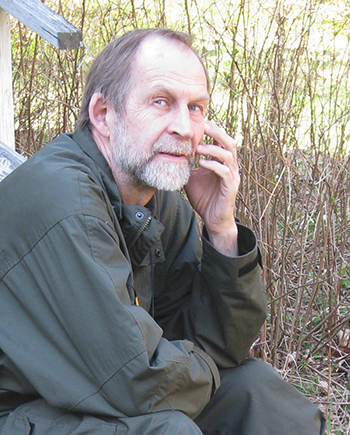 Pekka Pamilo合作论文数Faculty of Biological and Environmental Sciences, University of Helsinki1
 Greg Hunt合作论文数Department of Entomology, Purdue University1
 Sydella Blatch合作论文数1Nicholas Calderone合作论文数Entomology, College of Agriculture and Life Sciences, Cornell University1
 Rod A. Wing合作论文数Division of Biological and Environmental Science and Engineering, King Abdullah University of Science and Technology;Center for Desert Agriculture, King Abdullah University of Science and Technology1H. M. Fales合作论文数1
 Gene E. Robinson合作论文数School of Integrative Biology, College of Liberal Arts & Sciences, University of Illinois Urbana-Champaign;Carl R. Woese Institute for Genomic Biology, University of Illinois Urbana-Champaign1Murray S Blum合作论文数1
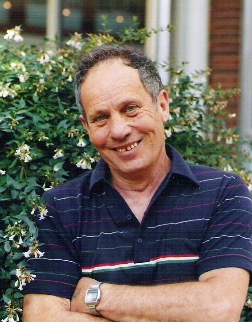 Murray Sheldon Blum (Murray S. Blum)合作论文数University of Georgia1
 Yeisoo Yu合作论文数Dnacare1G. C. Fang合作论文数1Anu Sirviö合作论文数1
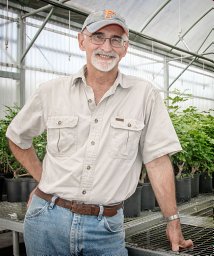 Robin J Stuart合作论文数Institute of Food and Agricultural Sciences, University of Florida1
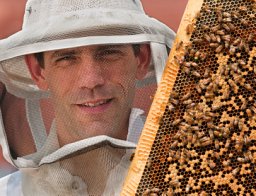 Olav Rueppell合作论文数Department of Biology, University of North Carolina at Greensboro1Meizhong Luo合作论文数1
 Dorrie Main合作论文数Clemson University;Genomics Institute;Genomics Institute, Clemson University1
 Tanya Pankiw合作论文数Texas A&M University1
 Kate E. Ihle合作论文数1
 Jennifer H. Fewell合作论文数School of Life Sciences, Arizona State University1David Frisch合作论文数1
 Jacobus J. Boomsma合作论文数Section for Ecology and Evolution, Department of Biology, University of Copenhagen1
 Jeffrey P. Tomkins合作论文数Department of Genetics and Biochemistry, Clemson University1
 Dunja K Lamatsch合作论文数Biozentrum Am Hubland Würzburg, Theodor-Boveri-Institut1
 Timothy A. Linksvayer合作论文数School of Life Sciences;Arizona State University;School of Life Sciences, Arizona State University1
 Ernesto Guzman-Novoa合作论文数Department of Environmental Biology, University of Guelph1
 Ethem Akyol合作论文数Yüksekokulu . Nig ˘ de Üniversitesi1Michael Atkins合作论文数1C. Dreller合作论文数1
 Michael D. Breed合作论文数College of Arts and Sciences, University of Colorado Boulder1U Muller合作论文数1Jose Luis Goicoechea合作论文数1
 Jurgen Gadau合作论文数Department of Animal Ecology and Tropical Biology;Department of Behavioural Physiology;University of Würzburg;Department of Behavioural Physiology, University of Würzburg1




