Abstract Dementia is the final stage of a neurodegenerative disease characterized by progressive loss of cognitive and daily living skills. The pathological process is associated with the aging process, affecting up to 66% of individuals older than 65. The initial symptoms, which may include memory loss, behavioral alterations, and neuropsychiatric conditions, should be taken seriously by healthcare professionals. It is important to recognize that patients may exhibit these impairments long before the onset of dementia. The primary objective of treatment should be to delay the progression of the disease, as opposed to merely managing symptoms. While pharmacological interventions, including acetylcholinesterase inhibitors and N-methyl-D-aspartate receptor antagonists, have demonstrated efficacy in the management of cognitive decline, their utilization is constrained by adverse effects and poor long-term tolerability. A substantial body of evidence suggests that the standardized Ginkgo biloba leaf extract EGb 761 ® may offer a promising alternative. It has been demonstrated to contribute to the symptomatic treatment of age-related cognitive impairment and dementia. In India, Tebokan ® with EGb 761 ® as its active ingredient, is the sole phytopharmaceutical that has been approved for the treatment of brain disorders, including reduced intellectual capacity and alertness, and memory problems. It is recommended as part of a holistic treatment approach, which also addresses the risk factors for dementia, such as hearing loss, hypertension, excessive alcohol consumption, obesity, smoking, depression, loneliness, physical inactivity, and diabetes. Due to its favorable tolerability and safety profile, Tebokan ® is a suitable treatment option for patients in the early stages of the disease.
BACKGROUND:Mild dementia is distressing for patients and their relatives. Due to its chronic and progressive nature, healthcare systems are at risk of being overwhelmed by the increasing number of affected patients. Thus, there is a need for safe and well-tolerated treatments that can be initiated at the earliest stages. OBJECTIVES:This meta-analysis of clinical trials aimed to assess the treatment effects of Ginkgo biloba extract EGb 761 in patients with mild dementia. METHODS:Eligible randomised placebo-controlled trials were included in this meta-analysis. Data of patients with mild dementia (defined as the SKT Short Cognitive Performance Test total scores from 9 to 15) were selected. RESULTS:The meta-analysis was performed with pooled data from four eligible trials comprising 782 patients with mild dementia. Treatment with 240 mg EGb 761 daily was significantly superior to placebo in cognition (p = 0.04), global assessment (p = 0.01), activities of daily living (p = 0.01) and quality of life (p = 0.02). Standardised effects were medium to large. The frequency of adverse events was alike in patients treated with EGb 761 and placebo (p = 0.66). CONCLUSIONS:The meta-analysis demonstrates that patients with mild dementia benefit from EGb 761 in terms of cognition, activities of daily living, global assessment and quality of life.
Introduction: The safety and therapeutic effects of Gingko biloba extract EGb 761 (R) to treat cognitive decline have been demonstrated in numerous clinical trials. However, trials in Indian populations have been lacking. Methods: This open-label, multicenter, single-arm, phase IV trial enrolled 150 patients aged >= 50 years with major neurocognitive disorder due to Alzheimer's disease, major vascular neurocognitive disorder, or mixed forms of both according to the Diagnostic and Statistical Manual of Mental Disorders, 5th edition (DSM-5) criteria and a Mini-Mental State Examination (MMSE) score of 12-24. Patients took 120 mg EGb 761 (R) twice daily for 18 weeks. Therapeutic effects were assessed by CERAD constructional praxis and recall of constructional praxis (CERAD CP, CERAD recall of CP), Trail-Making Test (TMT), Behavioral Pathology in Alzheimer's Disease (BEHAVE-AD), Clinical Global Impressions (CGI) scale, and 11-point box scales for tinnitus and vertigo. Safety assessment was based on the occurrence of adverse events as well as changes in clinical, laboratory, and functional parameters. Results: After 18 weeks, significant improvements compared to baseline were found in constructional praxis (CERAD CP, p < 0.0001), memory (CERAD recall of CP, p < 0.0001), speed and executive functioning (TMT A, p < 0.0001; TMT B, p < 0.0001), and behavioral symptoms (BEHAVE-AD, p < 0.0001). Forty-five adverse events were reported in 33 (22.0%) patients in total, including ten presumed adverse drug reactions in 9 (6.0%) patients. Headache and diarrhea of mild-to-moderate severity were the most frequent events. Two serious adverse events, both considered unrelated to the study drug, occurred in 2 (1.3%) patients. Conclusion: This study confirmed the favorable safety profile and suggested therapeutic benefits of EGb 761 (R) in Indian patients with major neurocognitive disorder.
Background: Many clinical trials testing Ginkgo biloba extract EGb 761 in patients with mild forms of cognitive impairment were conducted before widely accepted terms and diagnostic criteria for such conditions were available. This makes it difficult to compare any results from earlier and more recent trials. The objective of this systematic review was to provide a descriptive overview of clinical trials of EGb 761 in patients who met the diagnostic criteria for mild neurocognitive disorder (mild NCD) according to the Diagnostic and Statistical Manual of Mental Disorders, fifth edition (DSM-5). Methods: MEDLINE, PubMed and EMBASE were searched for randomized, placebo-controlled double-blind trials of EGb 761 in mild impairment of cognitive functioning. All trials involving patients who met retrospectively applied diagnostic criteria for mild NCD were included. Trials of primary prevention of dementia and trials of combinations of medical treatments were excluded.Results: Among 298 records found in databases and 76 further records related to EGb 761 in references of systematic reviews, 9 reports on clinical trials involving 946 patients met the pre-specified criteria for inclusion. Beneficial effects of EGb 761 were seen in neuropsychological tests (8 of 9 studies), scales for neuropsychiatric symptoms (3 of 3 studies), geriatric rating scales (1 of 2 studies) and global ratings of change (1 of 1 study). Significant effects were found in several domains of cognition (memory, speed of processing, attention and executive functioning). Among the neuropsychiatric symptoms, depression (2 of 3 studies) and anxiety (1 of 1 study) were significantly improved. No differences between EGb 761 treatment and placebo were seen with regard to the rates of adverse events. Discussion: The included studies demonstrate treatment benefits of Ginkgo biloba extract EGb 761, mainly on cognitive deficits and neuropsychiatric symptoms, in patients with mild NCD. The drug was safe and well tolerated.
: Dementia involves impairment in cognitive and behavioral abilities, which leads to disability and dependency, particularly among older people. Alzheimer's disease is the most common form of dementia. Currently, available synthetic drugs against dementia have several side effects and only give symptomatic relief without curing or reversing the pathophysiology of the disease. So, herbal drugs can be good alternatives with a good safety profile. Curcuma longa (CL) and Withania somnifera (WS) have been reported for neurological activities with individual extracts and select phytoconstituents. However, their aqueous-ethanolic extracts have not been studied in dementia models. This study aimed to find the effect of aqueous-ethanol extracts of CL rhizomes and WS roots in scopolamine-induced dementia in Swiss albino mice using behavior models; Elevated Plus Maze (EPM), Morris Water Maze (MWM) and Spontaneous Alternation (Y Maze). Further, their antioxidant activity was also studied. The findings of the study revealed that both extracts effectively antagonized the detrimental effects of Scopolamine. Comparatively, WS in the dose of 40 mg/kg exhibited more efficacy in EPM and MWM models, while CL at 40 mg/kg was found to be more effective in the Y Maze. Furthermore, both extracts showed higher effects at the dose of 40 mg/kg than 20 mg/kg. They have also exhibited antioxidant activity. It is concluded that the aqueous-ethanolic extracts of CL and WS possess anti-dementia and antioxidant potential like other extracts earlier reported. Their pathophysiology, synergistic effects in different combinations, and influence on the neurotransmitters need further exploration.
Background: Ginkgo biloba extract EGb 761® is widely used to treat various types of vertigo. Aims: An exploratory trial was conducted to evaluate the efficacy of EGb 761® in addition to vestibular exercises in central vestibular vertigo caused by vertebro-basilar ischaemia. Subjects and Methods: In this randomised, placebo-controlled, double-blind trial, 40 patients were enrolled in the vertigo clinic of a neurological university hospital and treated with daily doses of 240 mg EGb 761® or placebo for a period of 180 days. All patients regularly performed vestibular exercises in addition. Efficacy was assessed using: a visual analogue scale for the patients to rate the overall intensity of vertigo; a numeric scale for physician-rated change; a vertigo score based on intensity, duration, and frequency of vertigo; and electronystagmography. Results: Until day 180, the mean patient-rated intensity of vertigo decreased by 46% during EGb 761® treatment and by 19% with placebo (p ® group compared to the placebo group. Nystagmus or other eye movement disorders were present only in small subgroups of patients without sufficient statistical power to detect differences between treatment groups. Conclusions: EGb 761® alleviated vertigo caused by ischaemic lesions in the brainstem or cerebellum in patients undergoing vestibular exercises.
The present drug-drug interaction study investigates whether single or repeated doses of 240 mg Ginkgo biloba extract EGb 761® alter the pharmacokinetics or pharmacodynamics of rivaroxaban in healthy subjects. This was a single-centre, two-period, fixed-sequence trial. In Period 1, rivaroxaban was taken alone. In Period 2, rivaroxaban was given on the first and last of 8 days of EGb 761® treatment. Plasma concentrations of rivaroxaban and anti-Factor Xa activity were determined until 48 h after each rivaroxaban intake. The data of forty-one healthy subjects (25 males, 16 females) aged 21–70 years were evaluable. Geometric mean ratios (90% confidence intervals) for rivaroxaban administered concomitantly with a single or multiple doses of EGb 761® vs. rivaroxaban administered alone were 97.97 (91.78, 104.58) and 96.78 (90.67, 103.31) for maximum concentration (Cmax), 98.55 (94.43, 102.84) and 97.82 (93.73, 102.08) for area under the concentration-time curve (AUC0-∞) of rivaroxaban in plasma (primary endpoints), 98.19 (92.00, 104.80) and 99.78 (93.43, 106.55) for maximum effect (Emax), 99.46 (93.63, 105.66) and 99.12 (93.25, 105.35) for area under the effect curve (AUEC0-48). All 90% confidence intervals were within the prespecified range of 80%–125%. Neither adverse events related to haemorrhages nor clinically significant findings in haematology or coagulation parameters were observed. The treatments were safe and well-tolerated. Single and repeated doses of EGb 761® neither affect plasma concentrations of rivaroxaban nor anti-Factor Xa activity in healthy subjects.
Following reports of bleeding upon Ginkgo intake, we assessed whether Ginkgo extract EGb 761® affects coagulation or platelet function or increases the risk of bleeding. In a double-blind, placebo-controlled trial, prothrombin time, activated partial thromboplastin time, international normalized ratio and bleeding time were measured in patients with Alzheimer’s dementia at baseline, weeks 6 and 26. A total of 513 patients were randomized to 120 mg (n = 169) or 240 mg EGb 761® (n = 170) or placebo (n = 174). No relevant changes were found for coagulation parameters and bleeding time. Numbers of bleeding-related adverse events were similar in all groups. Concomitant intake of acetylsalicylic acid was documented for 68 patients in the placebo group and 105 in the EGb 761® groups. Within these groups, the means at baseline and week 26 differed by less than 1 unit for prothrombin time and bleeding time and less than 0.1 unit for international normalized ratio. Data on warfarin treatment in nine patients each taking placebo or EGb 761® did not indicate enhancement of warfarin effects by EGb 761®. No evidence was found that EGb 761® affects hemostasis or increases the bleeding risk. No pharmacodynamic interactions with warfarin or acetylsalicylic acid were found.
Objectives: The mitochondrial cascade hypothesis of dementia assumes mitochondrial dysfunction as an important common pathomechanism for the whole spectrum of age-associated memory disorders from cognitive symptoms in the elderly over mild cognitive impairment to Alzheimer's dementia. Thus, a drug such as the Ginkgo special extract EGb 761 which improves mitochondrial function should be able to ameliorate cognitive deficits over the whole aging spectrum. Methods: We review the most relevant publications about effects of EGb 761 on cognition and synaptic deficits in preclinical studies as well as on cognitive deficits in man from aging to dementia. Results: EGb 761 improves mitochondrial dysfunction and cognitive impairment over the whole spectrum of age-associated cognitive disorders in relevant animal models and in vitro experiments, and also shows clinical efficacy in improving cognition over the whole range from aging to Alzheimer's or even vascular dementia. Conclusions: EGb 761 shows clinical efficacy in the treatment of cognitive deficits over the whole spectrum of age-associated memory disorders. Thus, EGb 761 can serve as an important pharmacological argument for the mitochondrial cascade hypothesis of dementia.
Background: Tinnitus and dizziness are frequent in old age and often seen as concomitant symptoms in patients with dementia. In earlier clinical trials, Ginkgo biloba extract EGb 761 (R) was found to alleviate tinnitus and dizziness in elderly patients. Consequently, a meta-analysis was conducted to evaluate the effects of EGb 761 (R) at a daily dose of 240 mg on tinnitus and dizziness associated with dementia. Methods: Randomized, placebo-controlled clinical trials of G. biloba extract EGb 761 (R) identified by a systematic database search were included in a meta-analysis if they met all of the following selection criteria: 1) diagnosis of dementia according to generally accepted criteria, 2) treatment period of at least 20 weeks, 3) outcome measures covering at least two of the three conventional domains of assessment, 4) presence and severity of dizziness and tinnitus were assessed, and 5) assessment was done before and after randomized treatment. Results: Five trials that met the inclusion criteria were included in the meta-analysis. The risk of bias was judged as low, with Jadad scores of 3 and 5. In all trials, 11-point box scales were used to assess the severity of tinnitus and dizziness. Overall, EGb 761 (R) was superior to placebo, with weighted mean differences for change from baseline, calculated in meta-analyses using random effects models, of -1.06 (95% CI: -1.77, -0.36) for tinnitus (p = 0.003) and -0.77 (95% CI: -1.44, -0.09) for dizziness (p = 0.03). Conclusion: Our findings support the notion that EGb 761 (R) is also effective in alleviating concomitant neurosensory symptoms in patients with dementia.
ABSTRACTBackground:In randomized controlled trials, Ginkgo biloba extract EGb 761® has been found to be effective in the treatment of behavioral and psychological symptoms of dementia (BPSD). METHODS:To assess the effects of EGb 761® on specific BPSD, we analyzed data from all randomized, placebo-controlled, at least 20-week, trials of EGb 761® enrolling patients with dementia (probable Alzheimer's disease (AD), probable vascular dementia or probable AD with cerebrovascular disease) who had clinically significant BPSD (Neuropsychiatric Inventory (NPI) total score at least 6). Data were pooled and joint analyses of NPI single item composite and caregiver distress scores were performed by meta-analysis with a fixed effects model. RESULTS:Four trials involving 1628 patients (EGb 761®, 814; placebo, 814) were identified; treatment duration was 22 or 24 weeks; the daily dose of EGb 761® was 240 mg in all trials. Pooled analyses including data from the full analysis sets of all trials (EGb 761®, 796 patients; placebo, 802 patients) revealed significant superiority of EGb 761® over placebo in total scores and 10 single symptom scores. Regarding caregiver distress scores, EGb 761®-treated patients improved significantly more than those receiving placebo in all symptoms except delusions, hallucinations, and elation/euphoria. The benefit of EGb 761® mainly consists of improvement in symptoms present at baseline, but the incidence of some symptoms was also decreased. CONCLUSIONS:Twenty two- to twenty four-week treatment with Ginkgo biloba extract EGb 761® improved BPSD (except psychotic-like features) and caregiver distress caused by such symptoms.
Background: Vascular cognitive impairment (VCI) is a complex spectrum encompassing post-stroke cognitive impairment (PSCI) and small vessel disease-related cognitive impairment. Despite the growing health, social, and economic burden of VCI, to date, no specific treatment is available, prompting the introduction of the concept of a disease modifier.Consensus and suggestions: Within this clinical spectrum, VCI and PSCI remain advancing conditions as neurodegenerative diseases with progression of both vascular and degenerative lesions accounting for cognitive decline. Disease-modifying strategies should integrate both pharmacological and non-pharmacological multimodal approaches, with pleiotropic effects targeting (1) endothelial and brain-blood barrier dysfunction; (2) neuronal death and axonal loss; (3) cerebral plasticity and compensatory mechanisms; and (4) degenerative-related protein misfolding. Moreover, pharmacological and non-pharmacological treatment in PSCI or VCI requires valid study designs clearly stating the definition of basic methodological issues, such as the instruments that should be used to measure eventual changes, the biomarker-based stratification of participants to be investigated, and statistical tests, as well as the inclusion and exclusion criteria that should be applied.Conclusion: A consensus emerged to propose the development of a disease-modifying strategy in VCI and PSCI based on pleiotropic pharmacological and non-pharmacological approaches.
Background: In randomized controlled trials, Ginkgo biloba extract EGb 761(R) has proven to be effective in the treatment of dementia.Trial registration: Clinical-Trials.ru 390378.Patients and methods: In pre-specified descriptive analyses of data from a recently published trial, we examined the effects of EGb 761(R) on specific neuropsychiatric symptoms. In a 24-week, double-blind, multi-center trial, 410 outpatients with mild to moderate dementia and clinically significant neuropsychiatric symptoms were enrolled and randomized to receive 240 mg/day EGb 761(R) or placebo. The Neuropsychiatric Inventory composite score and the SKT short cognitive performance test were prospectively defined as co-primary outcomes; caregiver distress scores and single item scores were prospectively defined as secondary outcomes.Results: Post-baseline efficacy data were available for 402 patients included in the full analysis set. Neuropsychiatric Inventory composite and caregiver distress scores improved significantly more under EGb 761(R) treatment than under placebo (P<0.001). Composite and caregiver distress scores of anxiety, apathy, and disturbances of sleep and nighttime behavior, as well as caregiver distress scores of depression and aberrant motor behavior, were improved most markedly by EGb 761(R) (P<0.05 vs placebo).Conclusion: EGb 761(R) at daily doses of 240 mg alleviated neuropsychiatric symptoms of dementia and reduced related caregiver distress.
Different parts of the ancient tree, Ginkgo biloba, have been used for various purposes: seeds in traditional nutrition and as traditional Chinese medicine, leaf extracts as herbal medicinal products. Recently, dietary supplements based on ginkgo leaves have been introduced, but there is no evidence of a nutritional benefit from taking such supplements in cognitive decline and there have been no studies in dementia. Only one herbal medicinal product, based on the well-defined, quantified ginkgo leaf extract EGb 761, has been investigated in randomized, placebo-controlled, double-blind trials in patients with dementia. Overall, these trials, together with systematic reviews and meta-analyses, demonstrate statistically significant and clinically meaningful effects on cognitive performance, neuropsychiatric symptoms, caregiver distress related to neuropsychiatric symptoms, activities of daily living, clinical global assessment, and quality of life. Efficacy and safety of EGb 761 have been shown in patients with Alzheimer’s disease, vascular dementia, and dementia with mixed pathology; the beneficial effects were more pronounced in patients with neuropsychiatric symptoms.
When the early trials of Ginkgo biloba extract EGb 761® were conducted, different terms were used to denote ageing-associated neurocognitive disorders. With the fifth edition of the Diagnostic and Statistical Manual of Mental Disorders (DSM-5), a taxonomy covering dementia and pre-dementia stages of such disorders became available. DSM-5 diagnostic criteria for neurocognitive disorders (NCDs) were applied to patients with any type of ageing-associated cognitive impairment, including dementia, enrolled in randomized controlled clinical trials of EGb 761®, taking into account the reported inclusion and exclusion criteria and patient characteristics at baseline. For 23 of 31 trials (74 %), the inclusion diagnoses could be classified as NCD in accordance with DSM-5. Thirteen trials enrolled patients with major NCD, four trials enrolled patients with mild NCD and six trials enrolled patients with NCD, who could not be classified unambiguously as having mild or major NCD. Although various terms were formerly used for neurocognitive disorders, the patients enrolled in the majority of clinical trials with EGb 761® could be classified retrospectively using modern DSM-5 diagnostic criteria.
 Ralf Ihl合作论文数Alexian Hospital, University of Düsseldorf9
 Tribanek Michael合作论文数4N. Bachinskaya合作论文数Institute of Gerontology, Academy of Medical Sciences4Horst Herrschaft合作论文数3Jean Haan合作论文数3Sandra Schlaefke合作论文数3Heiko Mueller合作论文数3Meinhard Kieser合作论文数3Brigitte Grass-Kapanke合作论文数3Angelika Dienel合作论文数3Anatol Nacu合作论文数3
 Reiner Kaschel合作论文数3G. Zadoyan合作论文数2Arija Busmane合作论文数2
 Dennis Rokitta合作论文数2R. Kaschel合作论文数2andris lasmanis合作论文数2S I Gavrilova合作论文数2Yancheva S合作论文数2
 Amos D. Korczyn合作论文数Neurology at Tel-Aviv University2
 Jeffrey L. Cummings合作论文数Department of Brain Health, Kirk Kerkorian School of Medicine, University of Nevada, Las Vegas2
 Ulrich W Preuss合作论文数Asklepios Fachklinik Wiesen2Uwe Fuhr合作论文数2O Napryeyenko合作论文数2C. de Mey合作论文数1G Nikolova合作论文数1H. Foerstl合作论文数1P L Le Bars合作论文数1L Froelich合作论文数1friedrich lang合作论文数1Jelka Jansa合作论文数1Michael Zaudig合作论文数1Andrea Zimmermann合作论文数1Friedeborg Seitz合作论文数1Veronika Vakhapova合作论文数1HJ Gertz合作论文数1Hans-Juergen Moeller合作论文数1
 Giuseppe Lanza合作论文数1T Gramatté合作论文数1
 Ramachandran Valavan合作论文数Dept Sci Affairs, Dr Willmar Schwabe India Pvt Ltd1Lyudmila Mateva Vladimirova合作论文数Univ Hosp St Ivan Rilski1K. Ulm合作论文数1R Schmidt合作论文数1
 Larysa Sokolova合作论文数Dept Neurol, Natl Med Univ1
 Martin Schulz合作论文数Inst Pharm, Free Univ Berlin1
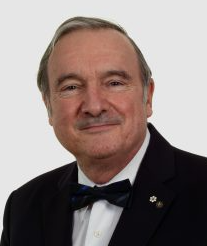 Serge Gauthier合作论文数Alzheimer Disease and Related Disorders Research Unit, McGill Center for Studies in Aging, The Douglas Research Centre, McGill University;Department of Neurology and Neurosurgery, McGill University1S A Likhachev合作论文数1van Rossum Erik合作论文数1von Gunten Armin合作论文数1




