Granulomatous prostatitis (GP) frequently mimics prostatic adenocarcinoma on multiparametric MRI (mpMRI), producing elevated PI-RADS scores and diagnostic challenges. We retrospectively analyzed 63 patients with biopsy-proven GP (without concurrent prostate cancer) and paired mpMRI (2019–2025) to correlate radiologic and histopathologic findings. Median age was 66 years (range 41–80), median PSA 6.2 ng/mL (range 0.1–26.4), and median percentage of biopsy parts involved (PPI) was 36
Introduction: pediatric urinary tract infection (UTI) should be diagnosed based on compatible symptoms and a positive urine culture obtained using an appropriate technique, although diagnostic errors are common. Objective: to analyze diagnostic inadequacy in UTI according to the recommendations of the 2019 Spanish guideline. Material and methods: a prospective, multicenter observational study was conducted in Spain between October 2019 and December 2020. A total of 206 primary care pediatricians recorded episodes of suspected UTI in their assigned patients. Results: of the 1506 recorded episodes, 1402 were valid: 1212 (86.4%) were adequately diagnosed and 190 (13.6%) were inadequate (p<0.001). Causes of inadequacy included urine culture from an inappropriate sample (37.4%), diagnosis without urine culture (31.6%), incorrect interpretation of CFU/ml (26.8%), and underdiagnosis (4.2%). The use of urine collection bags in children under two years, particularly in primary care compared with hospital emergency departments (66.7% vs 21.7%; p=0.005), and the absence of urine culture in children aged six years or older compared with those aged two to five years (33.9% vs 66.1%; p=0.015) were associated with higher inadequacy. Hematuria (4.7% vs 11.1%; p=0.001), weight loss (2.4% vs 5.8%; p=0.016), and leukocyte esterase (42.8% vs 53.6%; p=0.009) were also associated with greater diagnostic error. Follow-up urine cultures were more frequent in inadequately diagnosed cases (39.0% vs 26.5%; p=0.002), and 23.6% of antibiotic treatments were unnecessarily maintained. Conclusions: a total of 13.6% of suspected UTI did not meet diagnostic recommendations, resulting in 23.6% of unnecessary antibiotic treatments. These findings underscore the need to strengthen evidence-based practices, particularly regarding urine sample collection, microbiological confirmation, and interpretation of culture results.
Sox9 is a transcription factor with multiple roles during development and in adult organ homeostasis. In the adult eye, Sox9 expression persists in several cell types, including the retinal pigmented epithelium cells and the Müller glial (MG) cells, as well as in the limbal and corneal basal epithelia. To uncover the role of Sox9 in these cell types, we induced the deletion of the gene in adult mice. We found that, after Sox9 ablation, mutant mice undergo a severe process of retinal degeneration characterized by the loss of MG cells and complete depletion of the photoreceptors layer. Moreover, by combining single-cell RNA sequencing and Sox9 lineage tracing, we found that Sox9 is expressed in a basal limbal stem cell population with the ability to form two types of long-lived cell clones involved in stem cell maintenance and homeostasis. Mosaic analysis of Sox9 positive and negative cells confirmed that the gene is essential for limbal stem cell differentiation. Our results show that Sox9 is required for the maintenance of retinal integrity and for limbal stem cell differentiation in the adult mouse eye.
AIMS:Compared to lymphovascular invasion (LVI), hilar soft tissue invasion (HSTI) is a relatively novel pT2 staging parameter in testicular germ cell tumours (GCT), associated with metastasis at the time of diagnosis and a risk factor for disease relapse. Given diagnostic variability in how pathologists interpret HSTI, herein we explore interobserver reproducibility among genitourinary (GU) pathologists. METHODS:Twenty haematoxylin and eosin-stained digitized slides from testicular GCTs were distributed to 30 GU pathologists to classify each as HSTI or not HSTI based on their respective clinical practices; slides with concomitant LVI were excluded. Slides were then evaluated for the following morphologic features: tumour invasion beyond prominent hilar vessels, tumour invasion beyond the rete, tumour invasion beyond the level parallel to hilar adipose tissue and tumour within (directly touching) hilar adipose tissue. Interobserver reproducibility was assessed, and the morphological features were correlated with HSTI. Relationships between pathologists' interpretations, morphological features and HSTI were evaluated using hierarchical clustering. RESULTS:Although the diagnosis of HSTI was relatively uniform with a majority agreement (>67%) reached in 17/20 slides, overall interobserver reproducibility was only moderate (kappa = 0.50). Morphological features such as invasion beyond the level parallel to hilar adipose tissue and invasion into fat were more sensitive and specific for HSTI, while features such as invasion beyond hilar vessels and invasion beyond rete were less useful. CONCLUSIONS:These findings suggest that more specific defined diagnostic criteria for testicular GCT HSTI are needed.
The staging for pT2/pT3 penile squamous cell carcinoma (pSCC) has undergone major changes. Some authors proposed criteria wherein the distinction between pT2/pT3 was made using the same histopathological variables that are currently utilized to differentiate pT1a/pT1b. In this single-institution, North American study, we focused on (HPV-negative) pT2/3 pSCCs (i.e., tumors invading corpus spongiosum/corpus cavernosum), and compared the prognostic ability of the following systems: (i) AJCC (8th edition) criteria; (ii) modified staging criteria proposed by Sali et al (Am J Surg Pathol. 2020;44:1112-7). In the proposed system, pT2 tumors were defined as those devoid of lymphovascular invasion (LVI) or perineural invasion (PNI), and were not poorly differentiated; whereas pT3 showed one or more of the following: LVI, PNI, and/or grade 3. 48 pT2/pT3 cases were included (AJCC, pT2: 27 and pT3: 21; Proposed, pT2: 22 and pT3: 26). The disease-free survival (DFS) and progression-free survival (PFS) did not differ between pT2 and pT3, following the current AJCC definitions (p=0.19 and p=0.10, respectively). When the pT2/3 stages were reconstructed using the modified criteria, however, a statistically significant difference was present in both DFS and PFS between pT2 and pT3 (p=0.004 and p=0.003, respectively). The proposed staging system has the potential to improve the prognostication of pT2/pT3 tumors in pSCC. Each of these histopathologic variables has been shown to have a significant association with outcomes in pSCC, which is an advantage. Further studies are needed to demonstrate the utility of this modified staging system in patient populations from other geographic regions.
In this case report, we describe an unusual presentation of gout, manifesting as a fluorodeoxyglucose-avid anterior mediastinal mass mimicking a malignant neoplasm on positron emission tomography/computed tomography. The unusual observation of tophaceous gout in the anterior mediastinum is of relevance to chest physicians and surgeons as well as to radiologists and pathologists evaluating patients with lesions in the mediastinum.
In mammals, sex determination is controlled by antagonistic gene cascades operating in embryonic undifferentiated gonads12. The expression of the Y-linked geneSRYis sufficient to trigger the testicular pathway, whereas its absence in XX embryos leads to ovarian differentiation345. Despite this strong genetic component, the involvement of non-coding regulation in determining mammalian sex remains unclear6. Here we show that the deletion of a single microRNA cluster,miR-17∼92, induces complete primary male-to-female sex reversal in XY mice. Time-course analyses revealed thatSryis heterochronically expressed, showing a delay in XYmiR-17∼92knockout gonads, which subsequently activate the ovarian genetic program. Bulk and single cell RNA-seq analyses showed that Sertoli cell differentiation is reduced, delayed and unable to sustain the testicular fate. This disrupted differentiation results from a transient state of sex ambiguity in pre-supporting cells, which is later resolved towards the ovarian fate. Consistent with known mechanisms of miRNA-mediated gene regulation, the expression ofmiR-17∼92target genes is not stabilized in undifferentiated XY mutant gonads, affecting concomitantly the fine regulation of gene networks with critical roles in developing gonads. Our results demonstrate that microRNAs are key components for mammalian sex determination, controlling the timing ofSryexpression and Sertoli cell differentiation.
 Miguel Burgos合作论文数90
 John C. Cheville合作论文数Division of Anatomic Pathology, Department of Laboratory Medicine and Pathology, Mayo Clinic79
 Gupta Sounak合作论文数66
 Herrera Hernandez Loren合作论文数57
 Antonio Sanchez合作论文数32
 Stephen A. Boorjian合作论文数Department of Urology, Mayo Clinic32Francisco Barrionuevo合作论文数Institute of Human Genetics and Anthropology, University of Freiburg32
 R. Houston Thompson合作论文数Department of Urology, Mayo Clinic Rochester29
 Bradley C. Leibovich合作论文数Mayo Clinic Comprehensive Cancer Center, Mayo Clinic;Department of Urology, Mayo Clinic;Center for Digital Health26
 F. David Carmona合作论文数Univ Granada, Dept Genet, Granada, Spain24
 Rafael Diaz de la Guardia合作论文数23
 Manish Kohli合作论文数Mayo Clinic;Mayo Clinic21
 Liguo Wang合作论文数Div Biomed Stat & Informat, Mayo Clin21
 Tekin Burak合作论文数Department of Dermatology, Marmara University School of Medicine20Rd Delaguardia合作论文数19
 Aditya Raghunathan合作论文数17Isidro Sánchez-García合作论文数Univ Salamanca, CSIC, Inst Biol Mol & Celular Canc, Expt Therapeut & Translat Oncol Program, E-37008 Salamanca, Spain16
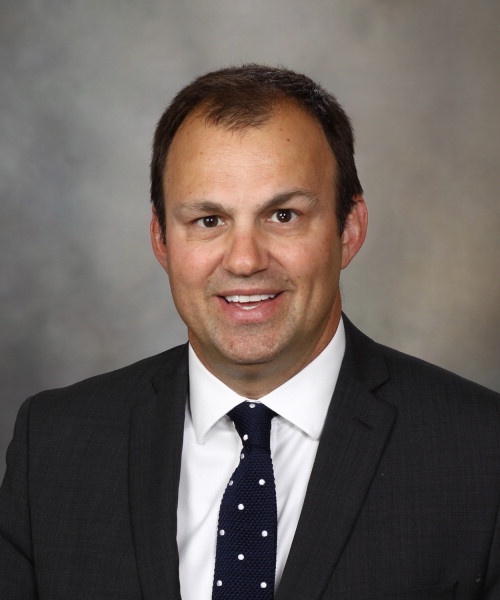 R. Jeffrey Karnes合作论文数Department of Urology, Mayo Clinic16
 Brian A. Costello合作论文数Comprehensive Cancer Center, Mayo Clinic16
 Mahul B. Amin合作论文数Labcorp;Keck School of Medicine of the University of Southern California;The University of Tennessee Health Science Center16Christine Lohse合作论文数Mayo Clinic15William R. Sukov合作论文数14
 Elena Gervilla合作论文数14
 Surendra Dasari合作论文数Division of Computational Biology, Department of Quantitative Health Sciences, Mayo Clinic14Michael R. McCarthy合作论文数13Francisca M Real合作论文数Univ Granada, Inst Biotecnol, Dept Genet, Granada 18100, Spain13
 Liewei Wang合作论文数Department of Molecular Pharmacology and Experimental Therapeutics, Mayo Clinic13
 Tina J. Hieken合作论文数Mayo Clinic13David J. Grignon合作论文数13
 Cayetano Cobaleda合作论文数Centro de Biologia Molecular Severo Ochoa, CSIC/Universidad Autonoma12
 Lupiáñez Darío G合作论文数Max Planck Institute for Molecular Genetics, RG Development &Disease;Institute for Medical and Human Genetics, Charité Universitätsmedizin Berlin;Institute for Medical and Human Genetics, Charité Universitätsmedizin Berlin12
 Hugues Sicotte合作论文数Joseph Henry Laboratories;Princeton University;Joseph Henry Laboratories, Princeton University12F. Zurita合作论文数11
 Alicia Hurtado合作论文数11
 Rumeal Whaley合作论文数Department of Pathology and Laboratory Medicine, Indiana University School of Medicine11
 Manuel Bullejos合作论文数11
 Rachel E Carlson合作论文数Department of Quantitative Health Sciences, Mayo Clinic11
 Kianoush Falahkheirkhah合作论文数Department of Chemical and Biomolecular Engineering, University of Illinois at Urbana-Champaign;Beckman Institute for Advanced Science and Technology, University of Illinois at Urbana-Champaign;University of Illinois at Urbana-Champaign, University of Illinois at Urbana-Champaign10
 Vicente-Dueñas Carolina合作论文数Expt Therapeut & Translat Oncol Program, Univ Salamanca10
 Rohit Bhargava合作论文数Department of Bioengineering, The Grainger College of Engineering, University of Illinois at Urbana-Champaign10Yasir Saba合作论文数10
 Vidit Sharma合作论文数10Winston W Tan合作论文数10
 Ines Gonzalez-Herrero合作论文数10
 Victor E. Reuter合作论文数Department of Pathology, Memorial Sloan Kettering Cancer Center;Department of Pathology and Laboratory Medicine, Weill Medical College, Cornell University10Jesse K. Mckenney合作论文数10
 Juan Jose Montano合作论文数Balearic Islands University10
 Scott Dehm合作论文数10
 Andrew L. Folpe合作论文数Laboratory Medicine and Pathology, Mayo Clinic;Division of Anatomic Pathology, Mayo Clinic10




