Emerging evidence indicates that granzyme K expressing tumor infiltrating CD8 + T-cells play a critical role in mediating anti-tumor T-cell immunity and immunotherapy treatment response. However, precise characterization and cell surface markers for the viable isolation of these cells from tumor samples are lacking. We constructed a tumor-infiltrating CD8 + T cell subpopulation atlas (n = 286,827 cells) by integrating single-cell RNA sequencing datasets from two immunotherapy-treated patient cohorts with aerodigestive tract malignancies. This unified dataset facilitated detailed mapping of transcriptional trajectories and stringent identification of distinctive cell surface markers across major CD8 + tumor-infiltrating lymphocyte (TIL) compartments. Analysis of the CD3 + CD8+ TIL transcriptional landscape revealed three predominant populations across all tumor types and treatment conditions: stem-like cells, dysfunctional effector cells, and GZMK+ effector cells. Notably, the GZMK+ effector population displayed a distinctive transcriptional profile lacking positive enrichment of pre-defined gene sets, suggesting a previously poorly characterized subpopulation without established cell surface markers. We performed high-dimensional flow cytometry on primary human tumor samples to validate candidate CD8 + TIL subpopulations. Through validation in primary human tumors, we established that cell surface KLRG1 reliably identifies and enables viable isolation of the GZMK+ effector TIL population. Concurrently, we demonstrated that dysfunctional and stem-like populations can be effectively isolated as KLRG1-CD39 + and KLRG1-CD39- CD55 + subsets, respectively. Importantly, accurate enrichment occurs despite decreased starting cell type proportion. Our characterization of CD8 + TIL subpopulations and validation of their distinguishing surface markers establishes a robust platform for isolation and protein-level granzyme assessment of these key cells in patient samples.
OBJECTIVE:We aim to compare the diagnostic accuracy of the different methodologies used in the detection of cell-free human papillomavirus (HPV) DNA in HPV-associated head and neck squamous cell carcinoma detection using bivariate analysis methods. DATA SOURCES:Pubmed, Embase, and Scopus were queried using a broad search strategy to search for relevant studies. REVIEW METHODS:Test characteristics were extracted from 33 studies following literature screening, and underwent analyses utilizing a bivariate approach. Summary statistics were identified for each type of methodology, and forest plots and summary receiver operating characteristic curves were constructed. Bias was estimated using Deek's Funnel Plot and the QUADAS-2 tool. RESULTS:In terms of diagnostic accuracy, digital droplet polymerase chain reaction (ddPCR) based testing exhibited the highest diagnostics odds ratio at 138 (59.5, 318), followed closely by next-generation sequencing (NGS) at 120 (39.7, 362), then by polymerase chain reaction (PCR) at 31.4 (14.4, 68.6), and quantitative PCR at 8.74 (4.63, 16.5). CONCLUSION:NGS and ddPCR are comparable in overall diagnostic accuracy, bringing into question their relative roles in diagnosis and screening. Cost-effective ddPCR assays may serve as useful diagnostic and screening tests in the clinic with their low false positive rates and high sensitivity. However, NGS assays also offer high sensitivity and companion metrics, suggesting they may have a more precise role in disease monitoring. Importantly, assay development and benchmarking need further standardization to improve comparison between assays. Finally, saliva-based testing needs to be further investigated using NGS and ddPCR to further understand its limitations in disease detection and monitoring.
OBJECTIVE:This study examines the association between patient-reported allergy history and immune checkpoint inhibition (ICI) response in patients with recurrent or metastatic head and neck squamous cell carcinoma (RMHNSCC). STUDY DESIGN:Retrospective cohort study. SETTING:Academic tertiary care hospital. METHODS:Data were collected from the electronic medical records on baseline age, sex, allergy history, human papillomavirus status, T-stage, N-stage, smoking status, and survival for patients with and without an allergy history. The primary outcome was ICI response defined as complete or partial response by the RECIST criteria. Chi-square and logistic regression analyses were conducted to compare rates and odds of ICI response. Kaplan-Meier analyses were used to compare survival between groups. RESULTS:Our study included 52 patients with an allergy history and 36 patients without an allergy history. The groups were similar in age, sex, HPV status, smoking status, and T- and N-stage. Patients with an allergy history (17/52, 32.1%) had a greater ICI response rate than patients without allergy history (4/36, 11.1%) (P = .02). After adjusting for HPV, patients with allergies had 3.93 (1.19-13.00) times increased odds of ICI response compared to patients without allergies. The median progression-free survival was 6.0 and 4.2 months for patients with and without an allergy history respectively (log-rank, P = .04). The median overall survival was 25.0 and 11.1 months for patients with and without an allergy history respectively (log-rank, P = .002). CONCLUSION:Patient-reported allergy history was associated with ICI response in patients with RMHNSCC, underscoring the potential clinical utility of allergy history in estimating ICI response.
OBJECTIVES:To explore the impact of pre-existing comorbidities on immunotherapy response, overall and progression-free survival, and immune-related adverse events (irAEs) of patients with advanced head and neck cancer (HNC) treated with immunotherapy. PATIENTS AND METHODS:Ninety-three patients treated with immunotherapy were identified and stratified into comorbidity absent or present (CCI < 1 and CCI ≥ 1, respectively) cohorts, and clinical outcomes were compared between these two groups. RESULTS:Patients with no comorbidities had longer overall survival (aHR = 2.74, 95% CI [1.18, 6.40], p = 0.02) and progression-free survival (aHR = 2.07, 95% CI [1.03, 4.16], p = 0.04) and a higher tumor response rate (32% in CCI < 1 vs. 14% in CC ≥ 1, p = 0.05). Risk for irAEs was higher in the comorbidity absent group (p = 0.05). CONCLUSION:Comorbidity should be considered as a significant prognostic factor in clinical decision-making for patients with advanced HNC undergoing immunotherapy.
Importance:Human papillomavirus (HPV)-positive status in patients with oropharyngeal squamous cell carcinoma (OPSCC) is associated with improved survival compared with HPV-negative status. However, it remains controversial whether HPV is associated with improved survival among patients with nonoropharyngeal and cervical squamous cell tumors.Objective:To investigate differences in the immunogenomic landscapes of HPV-associated tumors across anatomical sites (the head and neck and the cervix) and their association with survival.Design, Setting, and Participants:This cohort study used genomic and transcriptomic data from the Cancer Genome Atlas (TCGA) for 79 patients with OPSCC, 435 with nonoropharyngeal head and neck squamous cell carcinoma (non-OP HNSCC), and 254 with cervical squamous cell carcinoma and/or endocervical adenocarcinoma (CESC) along with matched clinical data from TCGA. The data were analyzed from November 2020 to March 2021.Main Outcomes and Measures:Positivity for HPV was classified by RNA-sequencing reads aligned with the HPV reference genome. Gene expression profiles, immune cell phenotypes, cytolytic activity scores, and overall survival were compared by HPV tumor status across multiple anatomical sites.Results:The study comprised 768 patients, including 514 (66.9%) with HNSCC (380 male [73.9%]; mean [SD] age, 59.5 [10.8] years) and 254 (33.1%) with CESC (mean [SD] age, 48.7 [14.1] years). Human papillomavirus positivity was associated with a statistically significant improvement in overall survival for patients with OPSCC (adjusted hazard ratio [aHR], 0.06; 95% CI, 0.02-0.17; P < .001) but not for those with non-OP HNSCC (aHR, 0.64; 95% CI, 0.31-1.27; P = .20) or CESC (aHR, 0.50; 95% CI, 0.15-1.67; P = .30). The HPV-positive OPSCCs had increased tumor immune infiltration and immunomodulatory receptor expression compared with HPV-negative OPSCCs. Compared with HPV-positive non-OP HNSCCs, HPV-positive OPSCCs showed greater expression of immune-related metrics including B cells, T cells, CD8+ T cells, T-cell receptor diversity, B-cell receptor diversity, and cytolytic activity scores, independent of tumor variant burden. The immune-related metrics were similar when comparing HPV-positive non-OP HNSCCs and HPV-positive CESCs with their HPV-negative counterparts. The 2-year overall survival rate was significantly higher for patients with HPV-positive OPSCC compared with patients with HPV-negative OPSCC (92.0% [95% CI, 84.8%-99.9%] vs 45.8% [95% CI, 28.3%-74.1%]; HR, 0.10 [95% CI, 0.03-0.30]; P = .009).Conclusions and Relevance:In this cohort study, tumor site was associated with the immune landscape and survival among patients with HPV-related tumors despite presumed similar biologic characteristics. These tumor site-related findings provide insight on possible outcomes of HPV positivity for tumors in oropharyngeal and nonoropharyngeal sites and a rationale for the stratification of HPV-associated tumors by site and the subsequent development of strategies targeting immune exclusion in HPV-positive nonoropharyngeal cancer.
ObjectiveTo examine the relationship between surgeon volume and operative morbidity and mortality for laryngectomy.Data SourcesThe Nationwide Inpatient Sample was used to identify 45,156 patients who underwent laryngectomy procedures for laryngeal or hypopharyngeal cancer between 2001 and 2011. Hospital and surgeon laryngectomy volume were modeled as categorical variables.MethodsRelationships between hospital and surgeon volume and mortality, surgical complications, and acute medical complications were examined using multivariable regression.ResultsHigher‐volume surgeons were more likely to operate at large, teaching, nonprofit hospitals and were more likely to treat patients who were white, had private insurance, hypopharyngeal cancer, low comorbidity, admitted electively, and to perform partial laryngectomy, concurrent neck dissection, and flap reconstruction. Surgeons treating more than 5 cases per year were associated with lower odds of medical and surgical complications, with a greater reduction in the odds of complications with increasing surgical volume. Surgeons in the top volume quintile (>9 cases/year) were associated with a decreased odds of in‐hospital mortality (OR = 0.09 [0.01–0.74]), postoperative surgical complications (OR = 0.58 [0.45–0.74]), and acute medical complications (OR = 0.49 [0.37–0.64]). Surgeon volume accounted for 95% of the effect of hospital volume on mortality and 16%–47% of the effect of hospital volume on postoperative morbidity.ConclusionThere is a strong volume‐outcome relationship for laryngectomy, with reduced mortality and morbidity associated with higher surgeon and higher hospital volumes. Observed associations between hospital volume and operative morbidity and mortality are mediated by surgeon volume, suggesting that surgeon volume is an important component of the favorable outcomes of high‐volume hospital care. Laryngoscope, 133:834–840, 2023
Importance Tumor histological factors that predict immunotherapy response in patients with recurrent or metastatic head and neck squamous cell carcinoma (HNSCC) are not well defined. Objective To investigate the association between tumor grade and immunotherapy response in patients with recurrent or metastatic mucosal HNSCC. Design, Setting, and Participants In this retrospective cohort study, the medical records of 60 patients with recurrent or metastatic mucosal HNSCC treated with immune checkpoint inhibitors at Johns Hopkins Hospital between July 1, 2015, and January 22, 2020, were reviewed. Exposures High-grade tumors (HGTs) vs low-grade tumors (LGTs) in recurrent or metastatic HNSCC. Main Outcomes and Measures Patients were divided into 2 groups: those with LGTs (well differentiated and moderately differentiated) and those with HGTs (poorly differentiated). The main outcome was a clinically beneficial immunotherapy response, defined as complete response or partial response. Univariable and multivariable logistic regressions were conducted to calculate odds ratios for each variable's association with immunotherapy response. Survival differences were evaluated using Kaplan-Meier survival curves with multivariable Cox proportional hazards regression models. Results The 60 patients (35 with HGTs and 25 with LGTs) had a mean (SD) age of 64.6 (8.88) years; 51 were male (85%); and 38 were current or former smokers (63%). The oropharynx was the most common primary tumor site both in patients with HGTs (22 of 35; 63%) and those with LGTs (12 of 25; 48%). Bivariate analysis showed the proportion of patients having a beneficial response to immunotherapy was greater for patients with HGTs (12 of 35; 34.3%) than those with LGTs (2 of 25, 8.0%) (difference, 26.3%; 95% CI, 7.3%-45.3%). Upon multivariable analysis, patients with HGTs had 5.35-fold increased odds (95% CI, 1.04-27.37) of having a clinically beneficial response to immunotherapy. Among patients with available tumor genomic profiling data, the mean tumor mutational burden was greater for patients with HGTs (mean [SD], 8.6 [5.4] mut/Mb; n = 8) than patients with LGTs (mean [SD], 3.6 [1.1] mut/Mb; n = 4) (difference = 5.0 mut/Mb; 95% CI -1.4 to 11.4 mut/Mb; Cohen d = 1.2). Conclusions and Relevance In this cohort study, tumor grade was independently associated with immunotherapy response in patients with recurrent or metastatic mucosal HNSCC. These findings highlight the potential role of tumor grade in predicting immunotherapy response in mucosal HNSCC.
Pain management is an important consideration for Head and Neck Cancer (HNC) patients as they are at an increased risk of developing chronic opioid use, which can negatively impact both quality of life and survival outcomes. This retrospective cohort study aimed to evaluate pain, opioid use and opioid prescriptions following HNC surgery. Participants included patients undergoing resection of a head and neck tumor from 2019–2020 at a single academic center with a length of admission (LOA) of at least 24 h. Exclusion criteria were a history of chronic pain, substance-use disorder, inability to tolerate multimodal analgesia or a significant post-operative complication. Subjects were compared by primary surgical site: Neck (neck dissection, thyroidectomy or parotidectomy), Mucosal (resection of tumor of upper aerodigestive tract, excluding oropharynx), Oropharyngeal (OP) and Free flap (FF). Average daily pain and total daily opioid consumption (as morphine milligram equivalents, MME) and quantity of opioids prescribed at discharge were compared. A total of 216 patients met criteria. Pain severity and daily opioid consumption were comparable across groups on post-operative day 1, but both metrics were significantly greater in the OP group on the day prior to discharge (DpDC) (5.6 (1.9–8.6), p < 0.05; 49 ± 44 MME/day, p < 0.01). The quantity of opioids prescribed at discharge was associated with opioid consumption on the DpDC only in the Mucosal and FF groups, which had longer LOA (6–7 days) than the Neck and OP groups (1 day, p < 0.001). Overall, 65% of patients required at least one dose of an opioid on the DpDC, yet 76% of patients received a prescription for an opioid medication at discharge. A longer LOA (aOR = 0.82, 95% CI: 0.63–0.98) and higher Charlson Comorbidity Index (aOR = 0.08, 95% CI: 0.01–0.48) were negatively associated with receiving an opioid prescription at the time of discharge despite no opioid use on the DpDC, respectively. HNC patients, particularly those with shorter LOA, may be prescribed opioids in excess of their post-operative needs, highlighting the need the for improved pain management algorithms in this patient population. Future work aims to use prospective surveys to better define post-operative and outpatient pain and opioid requirements following HNC surgery.
IntroductionA yield of ≥18 nodes from neck dissection has been shown to be associated with improved locoregional recurrence rates and survival. We sought to determine factors associated with lymph node yields below this threshold.Materials and MethodsA retrospective review of patients who underwent neck dissection as part of definitive surgical treatment for mucosal head and neck squamous cell carcinoma (SCC) between January 2015 and December 2018 at an academic tertiary referral center was performed. Patients with a history of prior radiation or neck dissection were excluded.ResultsThere were 412 neck dissections performed in 323 patients. Specimens containing <18 nodes decreased from 16.2% in 2015–2016 to 7.4% of neck dissections in 2017–2018. The proportion of neck dissections removing <3 levels decreased from 9.1% of neck dissections in 2015–2016 to 4.0% in 2017–2018. Multivariable regression analysis demonstrated that dissection of ≥3 levels (OR = 0.2 [0.1–0.4]) and neck dissection in 2017–2018 compared to 2015–2016 (OR = 0.4 [0.2–0.8]) were significantly associated with a lower odds of <18 nodes. Stage, site, race, sex, human papillomavirus status, positive nodes, surgeon volume, and pathologist volume were not associated with neck dissection specimens with <18 nodes, after controlling for all other variables.ConclusionsIncreased recognition of the importance of node count as a quality indicator, and the extent of neck dissection is associated with increased nodal yield from neck dissection. These data suggest that node count can be used as a quality measure of neck dissection for mucosal SCC.Level of Evidence4 Laryngoscope, 133:2160–2165, 2023
Given the recent successes of anti-PD-1 immunotherapy, many clinical trials have sought to assess the safety and efficacy of this treatment modality in the neoadjuvant setting. This systematic review provides a comprehensive summary of findings from neoadjuvant head and neck cancer immunotherapy clinical trials with a focus on PD-1/PD-L1 axis blockade. Pubmed, Embase, Cochrane Library, Web of Science, Google Scholar, and were systematically searched for all eligible neoadjuvant head and neck cancer immunotherapy clinical trials. Eight clinical trials met the inclusion criteria comprising a total of 260 patients. Study drugs included nivolumab, pembrolizumab, ipilimumab, durvalumab, and tremelimumab. The overall mean objective response rate (ORR) was 45.9 +/- 5.7% with a 41.5 +/- 5.6% single agent mean ORR. There were no deaths due to immune-related toxicities. Neoadjuvant immunotherapy for mucosal head and neck squamous cell cancer has demonstrated favorable response rates with no unexpected immune-related toxicities in phase I/II clinical trials.
BACKGROUND: Case-control studies from the early 2000s demonstrated that human papillomavirus-related oropharyngeal cancer (HPV-OPC) is a distinct entity associated with number of oral sex partners. Using contemporary data, we investigated novel risk factors (sexual debut behaviors, exposure intensity, and relationship dynamics) and serological markers on odds of HPV-OPC. METHODS: HPV-OPC patients and frequency-matched controls were enrolled in a multicenter study from 2013 to 2018. Participants completed a behavioral survey. Characteristics were compared using a chi-square test for categorical variables and a t test for continuous variables. Adjusted odds ratios (aOR) were calculated using logistic regression. RESULTS: A total of 163 HPV-OPC patients and 345 controls were included. Lifetime number of oral sex partners was associated with significantly increased odds of HPV-OPC (>10 partners: odds ratio [OR], 4.3 [95% CI, 2.8-6.7]). After adjustment for number of oral sex partners and smoking, younger age at first oral sex (20 years: aOR, 1.8 [95% CI, 1.1-3.2]) and oral sex intensity (>5 sex-years: aOR, 2.8 [95% CI, 1.1-7.5]) remained associated with significantly increased odds of HPV-OPC. Type of sexual partner such as older partners when a case was younger (OR, 1.7 [95% CI, 1.1-2.6]) or having a partner who had extramarital sex (OR, 1.6 [95% CI, 1.1-2.4]) was associated with HPV-OPC. Seropositivity for antibodies to HPV16 E6 (OR, 286 [95% CI, 122-670]) and any HPV16 E protein (E1, E2, E6, E7; OR, 163 [95% CI, 70-378]) was associated with increased odds of HPV-OPC. CONCLUSION: Number of oral sex partners remains a strong risk factor for HPV-OPC; however, timing and intensity of oral sex are novel independent risk factors. These behaviors suggest additional nuances of how and why some individuals develop HPV-OPC.
Objectives: Tumor HPV status is an established independent prognostic marker for oropharynx cancer (OPC). Recent studies have reported that tumor estrogen receptor alpha (ER alpha) positivity is also associated with prognosis independent of HPV. Little is known about the biologic and behavioral predictors of ER alpha positivity in head and neck squamous cell cancer (HNSCC). We therefore explored this in a multicenter prospective cohort study. Materials and Methods: Participants with HNSCC completed a survey and provided a blood sample. Tumor samples were tested for ER alpha using immunohistochemistry. ER alpha positivity was defined as T2, OR = 3.6, 95% CI 1.9-7.1), male sex (OR = 2.0, 95% CI 1.1-3.6), overweight/obesity (BMI 25, OR = 1.9, 95% CI 1.1-3.3), and those married/living with a partner (OR = 1.7, 95% CI 1.0-3.0). In a multivariate model, HPV-positivity (aOR = 27.5, 95% CI 11.4-66) and small tumor size (<T2, aOR = 2.2, 95% CI 1.0-4.8) remained independently associated with ER alpha status. When restricted to OPC (n = 180), tumor HPV status (aOR = 17.1, 95% CI 2.1-137) and small tumor size (<T2, aOR = 4.0 95% CI 1.4-11.3) remained independently associated with ER alpha expression. Conclusion: Tumor HPV status and small tumor size are independently associated with ER alpha expression in HNSCC.
BackgroundProgrammed death-1/programmed death-ligand 1 (PD-1/PD-L1) inhibitors have provided clinical benefit to head and neck squamous cell carcinoma (HNSCC) patients in recent clinical trials. However, it remains unclear as to whether human papillomavirus (HPV) status is associated with improved clinical outcome of anti-PD-1 or anti-PD-L1 immunotherapy in HNSCC.MethodsPubMed, EMBASE, Cochrane Library, and Web of Science were systematically searched up to February 28, 2021. Published clinical trials of HNSCC patients treated with only PD-1 or PD-L1 inhibitors were selected. The primary or secondary outcome of these studies included objective response rate (ORR) stratified by HPV status. The pooled odds ratio (OR) and hazard ratio (HR) were estimated using a fixed-effect model.ResultsA total of seven eligible studies comprising 814 patients were included. The ORR of HPV positive HNSCC patients was significantly higher than that of HPV negative HNSCC patients (OR = 1.77; 95%CI = 1.14-2.74; P = 0.01), and this favorable effect occurred in pooled anti-PD-L1 trials (OR = 2.66; 95%CI = 1.16-6.11; P = 0.02). In comparison, the pooled OR was 1.51 in anti-PD-1 trials (95%CI = 0.90-2.54; P = 0.12). Survival analysis indicated that HPV positive HNSCC patients had a lower risk of overall death as compared to HPV negative HNSCC patients (HR = 0.77; 95%CI = 0.60–0.99; P = 0.04).ConclusionsHPV positive HNSCC patients display improved outcomes with PD-1/PD-L1 axis blockade as compared to HPV negative HNSCC patients. These improved outcomes are likely driven to a greater extent by anti-PD-L1 inhibitors. However, randomized controlled trials with greater numbers of patients are needed for validation of these early findings.
The association between pretreatment nutritional status and immunotherapy response in patients with advanced head and neck cancer is unclear. We retrospectively analyzed a cohort of 99 patients who underwent treatment with anti-PD-1 or anti-CTLA-4 antibodies (or both) for stage IV HNSCC between 2014 and 2020 at the Johns Hopkins Hospital. Patient demographics and clinical characteristics were retrieved from electronic medical records. Baseline prognostic nutritional index (PNI) scores and pretreatment body mass index (BMI) trends were calculated. Associations between PNI and BMI were correlated with overall survival (OS), progression-free survival (PFS), and immunotherapy response. In univariate analysis, there was a significant correlation between OS and PFS with baseline PNI (OS: HR: 0.464; 95% CI: 0.265–0.814; PFS: p = 0.007 and HR: 0.525; 95% CI: 0.341–0.808; p = 0.003). Poor OS was also associated with a greater decrease in pretreatment BMI trend (HR: 0.42; 95% CI: 0.229–0.77; p = 0.005). In multivariate analysis, baseline PNI but not BMI trend was significantly associated with OS and PFS (OS: log (HR) = −0.79, CI: −1.6, −0.03, p = 0.041; PFS: log (HR) = −0.78, CI: −1.4, −0.18, p = 0.011). In conclusion, poor pretreatment nutritional status is associated with negative post-immunotherapy outcomes.
Objectives/Hypothesis To investigate differences in the immunogenomic landscape among young patients presenting with oral cavity squamous cell carcinoma (OCSCC). Study Design Retrospective database review. Methods Normalized messenger mRNA expression data were downloaded from The Cancer Genome Atlas (TCGA) database. OCSCC patients were categorized into young and older age groups with a cutoff of 45 years. Human papillomavirus-positive tumors were excluded. Cell fractions, marker expression, and mutational load were compared between age groups using the Wilcoxon rank sum test. Adjustment for multiple comparisons was performed using the Benjamini-Hochberg method, with a false discovery rate of 0.05. Results Two hundred forty-five OCSCC tumors were included; 21 (8.6%) were young (37.1 +/- 7.5 years) and 224 (91.4%) were older (64.5 +/- 10.3 years). There was no significant difference between groups in the fraction of B and T lymphocytes, macrophages, monocytes, natural killers, and dendritic cells. Cytolytic activity score was decreased in young patients (8.33 vs. 18.9, P = .023). Additionally, young patients had significantly lower expression of immunomodulatory markers of immune activation, including PD-1 (PDCD1, P = .003), CTLA4 (P = .025), TIGIT (P = .002), GITR (TNFRSF18, P = .005), OX40 (TNFRSF4, P = .009), LAG-3 (P < .001), and TIM-3 (HAVCR2, P = .002). Young patients had a significantly lower number of single nucleotide variant-derived neoantigens (26.2 vs. 60.6, P < .001). Conclusions OCSCC patients aged 45 years and younger appear to have an attenuated immune response that may be related to a lower frequency of immunogenic mutations. This may contribute to the pathogenesis of these tumors, and ultimately help inform personalized immune-based therapeutic strategies for young patients with OCSCC. Level of Evidence NA Laryngoscope, 2020
Metastatic melanoma may be included in the differential diagnosis of hyoid masses in patients with a history of melanoma. Hyoid resection is well tolerated and of diagnostic and therapeutic benefit in patients with tumors metastatic to the hyoid bone.
Immune checkpoint blockade (ICB) has improved outcomes for patients with advanced cancer, but the determinants of response remain poorly understood. Here we report differential effects of mutations in the homologous recombination genes BRCA1 and BRCA2 on response to ICB in mouse and human tumors, and further show that truncating mutations in BRCA2 are associated with superior response compared to those in BRCA1 . Mutations in BRCA1 and BRCA2 result in distinct mutational landscapes and differentially modulate the tumor-immune microenvironment, with gene expression programs related to both adaptive and innate immunity enriched in BRCA2 -deficient tumors. Single-cell RNA sequencing further revealed distinct T-cell, natural killer, macrophage and dendritic cell populations enriched in BRCA2 -deficient tumors. Taken together, our findings reveal the divergent effects of BRCA1 and BRCA2 deficiency on ICB outcome and have important implications for elucidating the genetic and microenvironmental determinants of response to immunotherapy.
Objective To analyze the effect of drain placement on postoperative hematoma formation and other associated outcomes post–thyroid surgery in a large national cohort. Methods This was a retrospective study that analyzed data from the 2016–2017 National Surgical Quality Improvement Program (NSQIP) public use files. Baseline characteristics and perioperative outcomes were compared between drain and no drain cohorts. Results A total of 11,626 patients were included; 3281 had a drain placed intraoperatively and 8345 did not. Otolaryngologists were 6.98 times more likely to place a drain after thyroidectomy than general surgeons ( P < .001), and patients undergoing subtotal or total thyroidectomy were 2.17 times more likely to have a drain placed than if undergoing partial thyroidectomy ( P < .001). Drain placement did not reduce hematoma formation on both univariate and multivariate analyses (adjusted OR = 0.93, P = .696). A slightly larger proportion of patients underwent unplanned intubation postoperatively among those who had a drain placed (0.76% vs. 0.29%, P < .001). Patients who received a drain were on average 4.63 times as likely to remain in the hospital for 2 or more days compared to those who did not receive a drain. Conclusion Drain placement did not significantly affect postoperative hematoma formation following thyroidectomy. Drain placement should not be routinely employed in these patients. However, surgeon judgement and intraoperative considerations should be taken into account, as to when to place a drain. Level of Evidence N/A Laryngoscope , 130:1349–1356, 2020
Anti-tumor immunity is driven by self versus non-self discrimination. Many immunotherapeutic approaches to cancer have taken advantage of tumor neoantigens derived from somatic mutations. Here, we demonstrate that gene fusions are a source of immunogenic neoantigens that can mediate responses to immunotherapy. We identified an exceptional responder with metastatic head and neck cancer who experienced a complete response to immune checkpoint inhibitor therapy, despite a low mutational load and minimal pre-treatment immune infiltration in the tumor. Using whole-genome sequencing and RNA sequencing, we identified a novel gene fusion and demonstrated that it produces a neoantigen that can specifically elicit a host cytotoxic T cell response. In a cohort of head and neck tumors with low mutation burden, minimal immune infiltration and prevalent gene fusions, we also identified gene fusion-derived neoantigens that generate cytotoxic T cell responses. Finally, analyzing additional datasets of fusion-positive cancers, including checkpoint-inhibitor-treated tumors, we found evidence of immune surveillance resulting in negative selective pressure against gene fusion-derived neoantigens. These findings highlight an important class of tumor-specific antigens and have implications for targeting gene fusion events in cancers that would otherwise be less poised for response to immunotherapy, including cancers with low mutational load and minimal immune infiltration.
 Carole Fakhry合作论文数Epidemiology, Bloomberg School of Public Health, Johns Hopkins University15
 David Eisele合作论文数The Sidney Kimmel Comprehensive Cancer Center, Johns Hopkins University;Department of Otolaryngology-Head and Neck Surgery, The Johns Hopkins University School of Medicine12
 Christine Gourin合作论文数Department of Oncology, School of Medicine, Johns Hopkins University;Armstrong Institute for Patient Safety and Quality, Johns Hopkins Medical Institutions12
 Christopher Maroun合作论文数10
 Peter S. Vosler合作论文数Department of Psychology, Quinnipiac University9
 Gangcai Zhu合作论文数8
 Tanguy Y Seiwert合作论文数7
 Drew Mark Pardoll合作论文数Department of Oncology, School of Medicine, Johns Hopkins University;Bloomberg~Kimmel Institute for Cancer Immunotherapy, School of Medicine, Johns Hopkins University;Sidney Kimmel Comprehensive Cancer Center, School of Medicine, Johns Hopkins University7Meytal Guller合作论文数6Duvvuri Umamaheswar合作论文数6
 Wayne M Koch合作论文数Department of Otolaryngology, Johns Hopkins School of Medicine6
 Robert L. Ferris合作论文数School of Medicine, UNC6Marietta Tan合作论文数6
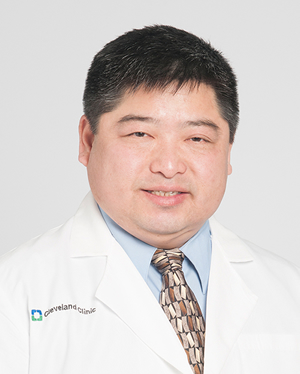 Timothy Chan合作论文数National Center for Regenerative Medicine, School of Medicine, Case Western Reserve University;Case Comprehensive Cancer Center, Case Western Reserve University;Center for Immunotherapy & Precision Immuno-Oncology, Lerner Research Institute, Cleveland Clinic6
 Nadeem Riaz合作论文数Memorial Sloan Kettering Cancer Center5
 Luc G. T. Morris合作论文数Laboratory of Experimental Cancer Immunogenomics, Memorial Sloan Kettering Cancer Center5Hosam Alkhatib合作论文数4
 Vladimir I. Makarov合作论文数4Ken-Wing Lee合作论文数Mem Sloan Kettering Canc Ctr, Human Oncol & Pathogenesis Program, 1275 York Ave, New York, NY 10021 USA4
 Brett A. Miles合作论文数4Amin Neha P合作论文数4
 Jonathan Havel合作论文数Human Oncology and Pathogenesis Program, Memorial Sloan Kettering Cancer Center4Kuo Fengshen合作论文数4
 Lisa M. Rooper合作论文数Department of Pathology, The Johns Hopkins University School of Medicine4Kim Seungwon合作论文数4
 Gypsyamber D’Souza合作论文数Bloomberg School of Public Health, Johns Hopkins University4Evan S. Wu合作论文数3Matthew E Herberg合作论文数3Tanya Troy合作论文数3Chirag Krishna合作论文数3
 Margueritta S El Asmar合作论文数Dept Med, Johns Hopkins Univ3Melina J Windon合作论文数3
 Robert Samstein合作论文数Department of Radiation Oncology, Icahn School of Medicine at Mount Sinai3Choby Garret W合作论文数3
 Hao Wang合作论文数Department of Oncology, Johns Hopkins University School of Medicine;Division of Biostatistics and Bioinformatics, Sidney Kimmel Comprehensive Cancer Center, Johns Hopkins University School of Medicine;Harvard T.H. Chan School of Public Health, Harvard University3Ian Ganly合作论文数Department of Head and Neck Surgery, Memorial Sloan Kettering Cancer Center3
 Raghvendra M. Srivastava合作论文数Department of Otolaryngology, University of Pittsburgh3
 Tim Waterboer合作论文数German Cancer Research Center (DKFZ)3Hailey Allen合作论文数2Rachna Shah合作论文数2
 Tristan Tham合作论文数2
 Douglas R Hoen合作论文数Mem Sloan Kettering Canc Ctr, Immunogen & Precis Oncol Platform, 1275 York Ave, New York, NY 10021 USA2Sviatoslav M Kendall合作论文数Human Oncol & Pathogenesis Program, Mem Sloan Kettering Canc Ctr2
 John De Almeida合作论文数Department of Otolaryngology-Head & Neck Surgery, Temerty Faculty of Medicine, University of Toronto;Institute of Health Policy, Management and Evaluation, University of Toronto;Department of Otolaryngology-Head & Neck Surgery, University Health Network;Mount Sinai Hospital2
 John Matthew Austin合作论文数Department of Otolaryngology-Head and Neck Surgery, School of Medicine, Johns Hopkins University2
 Siddhartha Yavvari合作论文数Department of Epidemiology, Johns Hopkins Bloomberg School of Public Health2
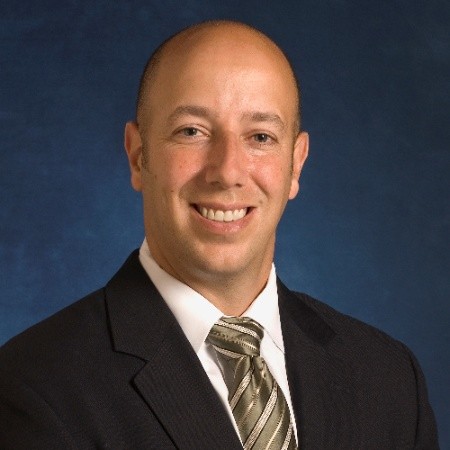 Ralph Tufano合作论文数College of Medicine, Florida State University;Head and Neck Endocrine Surgery, Sarasota Memorial Health Care System;SMH Thyroid and Parathyroid Center, Surgery Sarasota Memorial Health Care System2
 Stewart C Matthew合作论文数Department of Otolaryngology-Head and Neck Surgery, Johns Hopkins Hospital2Jennifer S. Sims合作论文数2




