Increased ribosomal biogenesis occurs during tissue hypertrophy, but whether ribosomal biogenesis is impaired during atrophy is not known. We show that hyperammonemia, which occurs in diverse chronic disorders, impairs protein synthesis as a result of decreased ribosomal content and translational capacity. Transcriptome analyses, real-time PCR, and immunoblotting showed consistent reductions in the expression of the large and small ribosomal protein subunits (RPL and RPS, respectively) in hyperammonemic murine skeletal myotubes, HEK cells, and skeletal muscle from hyperammonemic rats and human cirrhotics. Decreased ribosomal content was accompanied by decreased expression of cMYC, a positive regulator of ribosomal biogenesis, as well as reduced expression and activity of β-catenin, a transcriptional activator of cMYC. However, unlike the canonical regulation of β-catenin via glycogen synthase kinase 3β (GSK3β)-dependent degradation, GSK3β expression and phosphorylation were unaltered during hyperammonemia, and depletion of GSK3β did not prevent ammonia-induced degradation of β-catenin. Overexpression of GSK3β-resistant variants, genetic depletion of IκB kinase β (IKKβ) (activated during hyperammonemia), protein interactions, and in vitro kinase assays showed that IKKβ phosphorylated β-catenin directly. Overexpressing β-catenin restored hyperammonemia-induced perturbations in signaling responses that regulate ribosomal biogenesis. Our data show that decreased protein synthesis during hyperammonemia is mediated via a novel GSK3β-independent, IKKβ-dependent impairment of the β-catenin-cMYC axis.
Chronic liver injury due to various etiological factors including environmental carcinogens results in development of liver fibrosis. Numerous studies showed role of miRNAs in liver fibrosis. In the present study, we determined the rno-miR-183-96-182 cluster expression during hepatic fibrosis induced by diethylnitrosamine (DEN) treated Wistar rats and its association with plasma levels of circulating rno-miR-96, rno-miR-182, rno-miR-183, liver function test and lipid profile, aiming to identify their potential for histological stratification and early diagnosis of liver fibrosis. We found significant upregulation in the hepatic expression of rno-miR-183-96-182 cluster upon development of fibrosis in a DEN treated rats. Interestingly, the hepatic expression of this miRNA cluster correlates positively with the progression of fibrosis. Univariate analysis showed that hepatic expression of rno-miR-182-5p and rno-miR-183-5p and plasma activity of ALT are significant predictors of fibrosis. Multivariate logistic regression analysis revealed a panel of rno-miR-182-5p and ALT that can discriminate F2-F3 from F0-F1 (AUC = 0.87; P-value < 0.001), F4-F5-F6 from F0 to F1 (AUC = 0.981; P-value < 0.001), and F4-F5-F6 from F2 to F3 (AUC = 0.824; P-value < 0.001). A significant positive correlation of rno-miR-183-96-182 cluster members was also observed with plasma activities of ALT, AST, ALP, and levels of total cholesterol, HDLc and LDLc during fibrosis progression in DEN treated Wistar rats. Thus, it can be concluded that rno-miR-183-96-182 cluster being significantly up regulated and associated with chronic liver disease might play a role in fibrosis maintenance and progression. A panel of rno-miR-182-5p and ALT being significant predictors of fibrosis might improve histological stratification of fibrosis staging.
 Avinash Kumar合作论文数3Nicole Welch合作论文数3Srinivasan Dasarathy合作论文数3
 Mahesha H. Gangadhariah合作论文数Department of Ophthalmology and Visual Sciences, Case Western Reserve University3Annette Bellar合作论文数2
 Nalan Yurtsever合作论文数Donald and Barbara Zucker School of Medicine, at Hofstra/NorthwellUniondale2Saurabh Mishra合作论文数2Davuluri Gangarao合作论文数2
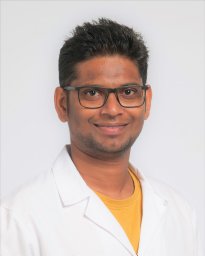 Shashi Shekhar Singh合作论文数2
 Ashim Das合作论文数Department of Histopathology, Postgraduate Institute of Medical Education and Research, Chandigarh, India2
 Jyotdeep Kaur合作论文数Department of Biochemistry, Postgraduate Institute of Medical Education and Research2Anthony J. DiDonato合作论文数1Daniel Krajcik合作论文数1Satdarshan P. Monga合作论文数1Roli Saxena合作论文数1
 Michela Giusto合作论文数1Chawla Yogesh K合作论文数1
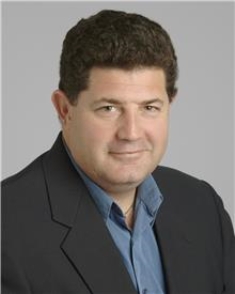 Joseph DiDonato合作论文数Department of Cellular and Molecular Medicine, Cleveland Clinic1
 Vasu Kommireddy合作论文数Department of Microbiology and Cell Biology, Indian Institute of Science1
 Yuxin Wang合作论文数Lanzhou University, Lanzhou University1
 Sashi Kant合作论文数International Centre for Genetic Engineering and Biotechnology1
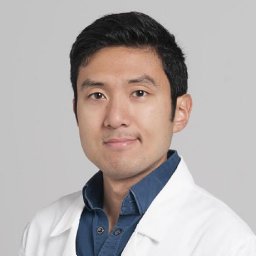 Kim Adam合作论文数1
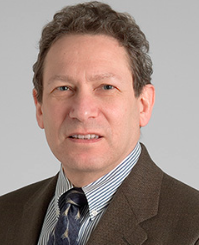 Paul L. Fox合作论文数Department of Molecular Medicine, School of Medicine, Case Western Reserve University;Case Comprehensive Cancer Center, Case Western Reserve University;Department of Cellular and Molecular Medicine, Lerner Research Institute, Cleveland Clinic1
 Uyen Tran合作论文数1
 George Stark合作论文数Cleveland Clinic Foundation1
 Belinda Willard合作论文数1Maria Hatzoglou合作论文数Departments of Nutrition, Case Western Reserve University School of Medicine1Prabar K. Ghosh合作论文数1
 Karyn Esser合作论文数School of Kinesiology, University of Illinois at Chicago1Oliver Wessely合作论文数1




