The pervasive presence of antibiotic residues in aquatic ecosystems poses a serious environmental challenge, underscoring the critical need for the development of efficient, environmentally sustainable remediation technologies. In this work, a novel MgFe layered double hydroxide/graphite carbon nitride (MgFe LDH/g-C3N4) heterostructure was successfully prepared by a simple in-situ growth and self-assembly technique for enhancement of peroxymonosulfate (PMS) activation and ciprofloxacin degradation. Compared with traditional photocatalysts and single-component materials, the MgFe LDH/g- C3N4 heterostructure exhibits remarkable advantages such as larger surface area, improved visible-light absorption, accelerated charge-carrier separation, abundant catalytic active sites and higher PMS activation efficiency. Extensive structural, morphological and optical investigations confirm the heterostructure and the strong interfacial contact between MgFe LDH and g-C3N4. The synergistic effects of photocatalysis and PMS activation led to over 92% degradation of ciprofloxacin in the optimized MgFe LDH/g-C3N4/PMS system, which was significantly higher than the findings obtained with LDH/g-C3N4 (39.7%), g-C3N4 + PMS (43.7%) and LDH + PMS (49.2%). The catalyst exhibited excellent stability with ∼85% of its degrading efficiency after four consecutive cycles and outstanding performance across a broad pH range (3−11). Furthermore, the composite displayed remarkable resistance to interference from the common constituents of water matrices, highlighting its robustness and suitability for efficient treatment of real wastewater. Mechanistic studies revealed that the near heterointerface facilitated efficient charge transfer and the generation of reactive oxygen species, resulting in boosted PMS activation and the degradation of ciprofloxacin. The results indicate that MgFe LDH/g-C3N4 heterostructures are extremely efficient and sustainable catalysts for the remediation of antibiotic-contaminated wastewater, providing a possible strategy for the development of advanced PMS-activated photocatalytic systems.
The continuous increment in dye contamination has prompted the research towards the development of visible-light-responsive photocatalytic materials. This work introduces the fabrication of nanocomposites of Ca–Fe layered double hydroxide (LDH) coupled with graphitic carbon nitride (g-C3N4) as an efficient photocatalyst for wastewater remediation. The hybrid integration of Ca–Fe LDH with g-C3N4 enables a combined adsorption–photocatalysis process for the degradation of Congo Red (CR) under visible-light irradiation. The synergistic interaction enhances light absorption, suppresses charge-carrier recombination, and enabling 93.7% degradation of CR in 60min, far exceeding the performance of individual components i.e. g- C3N4 (53%) and Ca–Fe LDH (46%) respectively. The comprehensive evaluation of key operational parameters-including catalyst dosage, solution pH, irradiation time, and initial CR concentration-was conducted to optimize the working performance of developed catalyst. The kinetic analysis, supported by scavenging experiments and mass spectrometric studies, enabled the elucidation of plausible degradation mechanism. The minimal loss in activity over four successive cycles further highlights the excellent stability and reusability of the Ca–Fe LDH/g-C3N4 nanocomposite, underscoring its promise for practical wastewater treatment applications.
Since its discovery in 1882, Rose Bengal (RB) has evolved from a vibrant textile dye into a multifaceted scientific asset with a versatile molecular platform spanning medicine, catalysis, and materials science. Initially developed for fabric coloring, RB has now become essential for a wide array of advanced technologies because of its intricate photochemical and photophysical properties. This review traces the remarkable journey of RB, emphasizing its inherent anticancer and antibacterial properties and role as a photosensitizer (PS) in contemporary cancer treatments and infectious diseases through photodynamic therapy (PDT), sonodynamic therapy (SDT), and combination therapy, where it facilitates targeted therapies by generating reactive oxygen species (ROS). The properties of RB are compared with FDA-approved and clinically explored photosensitizers currently available in the market. Promising results from RB clinical trials further underline its therapeutic potential. In addition to biomedical applications, RB contributes to enhanced drug delivery, catalysis, and microbiological applications while also demonstrating potential in sensing, solar energy conversion, and environmental remediation. Its established use in ophthalmology and emerging roles in neurodegenerative disease treatment reflect its expanding biomedical relevance. By exploring the mechanisms of action of RB and its integration into diverse systems, this review underscores its transformative potential across various disciplines, establishing RB as a pivotal agent in scientific and technological innovation.
Selenium-integrated metal-organic frameworks and their derived materials (Se-MOFs) represent a transformative class of materials that synergistically combine the structural tunability of MOFs with Se's unique electronic, catalytic, and biological properties. By confining Se within MOF architectures, Se-MOFs effectively mitigate key challenges such as aggregation, polyselenide dissolution, and limited stability, while exhibiting enhanced redox activity, electronic conductivity, catalytic efficiency, and stimuli-responsive behavior. These features enable Se-MOFs to achieve high performance in alkali-metal-selenium batteries and supercapacitors while also enhancing electrocatalytic processes like oxygen reduction, oxygen evolution, and hydrogen evolution reactions. Beyond energy applications, Se-MOFs offer tunable porosity and surface functionality for controlled drug delivery, anticancer, and antioxidant effects, alongside promising environmental remediation capabilities. This review critically surveys the design strategies, synthetic methodologies, structure-property relationships, and application-specific advantages of Se-MOFs, addressing challenges in toxicity, scalability, and functional optimization. By consolidating mechanistic insights and recent advances, it provides a roadmap for rationally designing Se-MOFs and expanding their impact across energy, catalysis, biomedical, and environmental technologies.
There has been an increase in plastic production and consumption in recent years, which has become a major global environmental challenge due to the persistence of plastics in nature. Microplastics (MPs) contamination signifies a serious environmental challenge, yet discrepancies among analytical methodologies and sample matrices continue to limit the harmonization and cross-comparability of reported data. This study investigates MPs’ extractions from the soil collected from the Sukhna Lake Watershed, Chandigarh, India. This research employs systematic sampling for soil collection by dividing a single sampling site into a 4 × 4 grid. Furthermore, the density separation method was employed for the extraction of MPs from the soil samples. The extracted MPs were comprehensively characterized using a fourier transform infrared spectroscopy (FTIR), field emission scanning electron microscope (FE-SEM), energy-dispersive X-ray Spectroscopy (EDS)-mapping, X-ray photoelectron spectroscopy (XPS), and inductively coupled plasma mass spectrometry (ICP-MS), which was used to elucidate the molecular structure, morphology, surface chemistry, and elemental composition of the MPs. The MPs were further solubilized in various solvents and analyzed using UV-visible spectroscopy. The results from the FTIR and FE-SEM demonstrated the presence of various types of plastics at the collecting site, including polyethylene, polypropylene, polyvinyl chloride, and polyethylene terephthalate in different morphologies. These techniques also confirmed that plastics had undergone prolonged interactions with the environment, enabling them to interact with contaminants. Furthermore, the results from XPS, ICP-MS and UV-Visible spectroscopy suggested the presence of organic and inorganic contaminants, including heavy metals, in the MPs. The combined results emphasize that the MPs present in the watershed can function as potential vectors for the accumulation and transport of potent and persistent contaminants. This research delivers new insights into MPs as environmentally aged, oxidized materials with mineral-organic surface coatings, highlighting their enhanced capacity to act as carriers of pollutants and their broader environmental implications.
Pangong and Tsokar Lakes, are high-altitude endorheic hypersaline lakes characterised by high salinity and extreme environmental conditions with significant ecological value. Tsokar is largely undisturbed and a Ramsar site whereas, Pangong Lake is a major tourist site. Despite their ecological importance, fungal communities in these lakes remain largely understudied. This study aimed to isolate cultivable fungi from the sediment samples of both lakes and assess their enzymatic activity. Fungal isolates were initially identified through morphological analysis, followed by molecular characterisation using multiple marker genes. For the first time, Aspergillus terreus, Aspergillus niger, and Penicillium chrysogenum were successfully isolated from lake sediments. The isolates produced extracellular enzymes, such as cellulase, amylase, and protease, and retained enzymatic activity across a broad range of pH and temperature conditions. Among them, Penicillium chrysogenum (T3) exhibited the highest enzyme activity, reaching 5.83 U/mL cellulase, 2.71 U/mL amylase, and 0.51 U/mL protease at pH 7 and 30 °C. The isolate also maintained substantial cellulase and amylase activities at 50 °C and pH 10, indicating considerable physiological adaptability. These findings demonstrate that hypersaline lake sediments harbour halotolerant fungi with considerable hydrolytic potential, showing promise for industrial enzyme applications under saline and alkaline conditions.
The increasing release of dyes and antibiotics into aquatic environments has made it imperative to urgently develop sustainable remediation strategies. Herein we present the first biosynthesis of silver nanoparticles (Ag-NPs) using the extracellular filtrate of the wood-decaying basidiomycete fungus Odontoefibula orientalis, with nanoparticle formation completed within 1h. The biosynthesized Ag-NPs were predominantly spherical, crystalline, and well dispersed with the fungal-derived extracellular metabolites. The nanoparticles displayed excellent catalytic activity with 96% methylene blue degradation in 6min, 91% rhodamine B degradation in 7min, and 73.7% tetracycline degradation in 90min in the presence of NaBH4. They also exhibited broad-spectrum antibacterial activity against Escherichia coli and Staphylococcus aureus, appreciable antioxidant activity (IC₅₀ = 45.8μg/mL), and preliminary environmental compatibility in a Vigna radiata seed germination assay. The extracellular metabolites responsible for the formation and stabilization of nanoparticles were identified through LC–MS profiling of fungal filtrate. The present study demonstrates Odontoefibula orientalis as a novel fungal platform for green synthesis of Ag-NPs and emphasizes the potential of less explored basidiomycetes for the development of multifunctional nanomaterials for environmental remediation.
The rise in fungal infections and the growing resistance of pathogenic strains to conventional antifungal agents necessitate the development of eco-friendly and effective alternatives. This study explores the green synthesis of zinc oxide nanoparticles (ZnO NPs) using Tinospora cordifolia stem extract, a medicinal plant renowned for its broad-spectrum therapeutic properties. The phytochemicals present in the extract served as both reducing and stabilizing agents, facilitating the formation of stable ZnO NPs. The synthesized nanoparticles were characterized using scanning electron microscopy (SEM), energy-dispersive X-ray spectroscopy (EDX), Fourier-transform infrared spectroscopy (FTIR), and UV-Vis spectroscopy. SEM analysis confirmed the spherical morphology of the nanoparticles with an average size of 40 nm, while EDX verified the elemental composition, revealing a high zinc content (85%) and oxygen (19%). FTIR spectra identified functional groups from plant-derived biomolecules that contributed to nanoparticle stabilization. The antifungal efficacy of ZnO NPs was evaluated against Schizophyllum commune, demonstrating a concentration-dependent inhibitory effect. At concentrations of 100 ppm, 500 ppm, and 1000 ppm, the inhibition percentages were ≈47.06%, ≈85.88%, and ≈88.24%, respectively. These findings highlight the potential of Tinospora cordifolia-mediated ZnO NPs as a sustainable antifungal agent. The study underscores the advantages of green synthesis, including cost-effectiveness, reduced toxicity, and environmental sustainability, while providing a promising avenue for biomedical applications in combating fungal infections.
The overuse of conventional plastics has raised critical ecological concerns, highlighting the need for sustainable alternatives. In this work, sorghum husk, an agro-waste, was valorized into cellulose-chitosan (CC) based biodegradable films. To enhance their performance, zinc oxide (ZnO) nanoparticles, synthesized from the waste filtrate of cellulose extraction, and charcoal were incorporated as fillers. The resulting biocomposites exhibited improved properties compared to neat CC films. Thermal stability increased markedly, with 20 % weight loss up to 800 degrees C versus 57 % in control films. Tensile strength improved from 16.4 to 19.9 MPa, while moisture content decreased significantly upon filler addition. Antioxidant activity was notably enhanced, rising from 9.6 % in CC films to 23.2 %, 31.6 %, and 72.9 % in films with ZnO nanofillers, ZnO nanocomposites, and charcoal, respectively. Seed germination tests showed that all the bioplastic films were safe for plants, promoting growth and proving to be non-toxic and highly compatible. These findings collectively underscore the potential of these cellulose-based biocomposite films as sustainable, functional, and eco-friendly alternatives for packaging and agricultural applications.
Lead (Pb²⁺) contamination poses a significant threat to human health and the environment due to its high toxicity, bioaccumulation, and persistence. The development of efficient and selective sensing mechanisms for Pb²⁺ detection is, therefore, crucial for environmental monitoring and industrial applications. In this study, iron oxide nanoparticles (FeO NPs) were synthesized using both green and chemical methods and employed as fluorescence-based sensors for the selective detection of Pb²⁺ ions in an aqueous medium. The green synthesis method utilized plant-derived extracts, resulting in FePE-NPs, while the chemically synthesized nanoparticles were designated as FeCH-NPs. Comparative analysis demonstrated that FePE-NPs exhibited superior performance, with a lower limit of detection (LOD) of 19.57 nM, compared to 29.43 nM for FeCH-NPs. The FePE-NPs also exhibited greater selectivity for Pb²⁺ over competing metal ions due to their enhanced surface functionality and biocompatibility. Characterization techniques, including UV-vis, FTIR, XRD, DLS, and FE-SEM, confirmed the successful synthesis and stability of the nanoparticles. Additionally, real water sample testing revealed high recovery rates (94–98% for FePE-NPs and 90–97% for FeCH-NPs), further validating their potential for practical applications. The study highlights the advantages of green synthesis, which not only enhances the sensing efficiency but also promotes sustainable and eco-friendly nanoparticle fabrication. The findings suggest that FePE-NPs serve as an efficient, cost-effective, and environmentally friendly sensor for detecting trace levels of lead ions in contaminated water sources, paving the way for future advancements in green nanotechnology for environmental remediation.
Water treatment procedures are increasingly utilized for resource recovery and wastewater disinfection, addressing the current challenges of clean water depletion and wastewater management. Various pollutants, including dyes, acids, pharmaceuticals, and toxic heavy metals have been released into the environment through industrial, domestic, and agricultural activities, posing serious environmental and public health risks. Addressing these issues requires the development of more effective waste treatment processes. Membrane-based treatment technologies offer significant advantages, including high efficiency, versatility, and cost-effectiveness, making them a promising solution for mitigating the impact of these pollutants. In view of this, the potential of ion exchange membranes (IEMs) is continuously increasing due to their advanced characteristics compared to conventional techniques. Anion exchange membranes (AEMs), a special class of IEMs, selectively allow anions to pass through their pores due to the positive charge on their surface. This selective passage aids in resource recovery and removing specific types of pollutants. This review covers preparation methods, modification techniques, and classification of AEMs. It offers a practical classification based on the method of synthesis and structural properties of AEMs. The water-based applications of AEMs including, electrodialysis, diffusion dialysis, and electro-electrodialysis for various wastewater treatments such as heavy metal recovery, dye removal, pharmaceutical removal, and acid separation, have been discussed in detail. Additionally, the effect of various operational parameters on the performance and SWOT (strengths, weaknesses, opportunities, and threats) analysis of AEMs in effluent treatment are presented. The review provides detailed insights into the current status, challenges, and future directions of AEM-based technologies, offering suggestions for future advancements.
A novel, effective, and environmentally sustainable strategy based on a novel electroless copper catalytic system has been used to design multi-functional cotton fabric, Cu@cotton. Highly active bimetallic Pd-Co nanoparticles fabricated via green microwave-assisted methodology served as a catalytic system for fast and effective electroless deposition of copper on cotton fabric. The structural investigations of coated cotton fabric through HighResolution Transmission Electron Microscopy (HRTEM), Field Emission Scanning Electron Microscopy (FE-SEM), X-Ray Diffraction (XRD), X-ray Photoelectron Spectroscopy (XPS), and Fourier Transform Infrared Spectroscopy (FTIR) revealed smooth and uniform deposits of copper over the fabric. The versatility of Cu@cotton was demonstrated through its catalytic reduction potential towards nitroaromatic compounds, methyl red (MR) dye in water, and antimicrobial efficacy against E. coli. Cu@cotton showed excellent stability with sustained conversion efficiency (>97 %) in all six tested cycles, indicating a promising recyclability feature for the designed catalytic system. The synthetic methodology based on electroless plating using environment-friendly catalysts and the research findings open the possibilities of fabricating textile-fiber-based catalysts for versatile, scalable, easy-to-implement, cost-effective wastewater treatment membranes and technologies.
The present study explores the synthesis of silver nanoparticles (AgNPs) using both green and chemical methods and evaluates their efficacy in the adsorptive removal of methylene blue (MB) dye from aqueous solutions. Green synthesis was carried out using bio-waste plant extract, while the chemical synthesis employed a conventional reduction approach. The synthesized nanoparticles were extensively characterized using UV-Vis spectroscopy, DLS, XRD, and FTIR to confirm their structural, morphological, and functional properties. The adsorption potential of AgNPs was assessed by varying parameters such as adsorbent dosage, initial dye concentration, pH, and contact time. Results demonstrated that over 95% MB removal was achieved within 60 minutes under visible light irradiation. The adsorption data closely followed the Langmuir isotherm model, indicating monolayer adsorption, and the kinetics were well-fitted to the pseudo-first-order model. Additionally, reusability studies confirmed the sustained efficiency of AgNPs over multiple cycles, highlighting their cost-effectiveness. Toxicity studies on bacterial and fungal strains revealed that green-synthesized AgNPs exhibited better biocompatibility, whereas chemically synthesized AgNPs displayed higher antimicrobial properties. Seed germination tests further demonstrated the environmental safety of plant-derived AgNPs. The study provides critical insights into the comparative performance of green and chemically synthesized AgNPs for dye removal applications, with the green synthesis approach offering a sustainable and eco-friendly alternative. The findings suggest that AgNPs, particularly those synthesized via green methods, hold significant potential for wastewater treatment applications.
 Savita Chaudhary合作论文数Department of Chemistry and Centre of Advanced Studies in Chemistry, Panjab University38
 Chaudhary Ganga Ram合作论文数Department of Chemistry and Centre of Advanced Studies in Chemistry, Panjab University21
 Sandeep Kumar合作论文数Department of Bio and Nano Technology, Guru Jambheshwar University of Science & Technology17
 Priyanka Sharma合作论文数16
 Ahmad Umar合作论文数Department of Chemistry, Faculty of Science and Arts, Najran University;Promising Centre for Sensors and Electronic Devices, Najran University16
 Andre Simpson合作论文数Department of Physical and Environmental Science, University of Toronto Scarborough;Environmental NMR Centre, University of Toronto Scarborough16
 Teenu Jasrotia合作论文数Dept Chem & Ctr Adv Studies Chem, Panjab Univ14
 Gurpreet Kaur合作论文数11Surinder K Mehta合作论文数Dept Chem, Panjab Univ11Raman Kumar合作论文数10Moondeep Chauhan合作论文数10Varsha Dogra合作论文数Dept Environm Studies, Panjab Univ10
 Avtar Singh合作论文数Department of Chemistry, Sri Guru Teg Bahadur Khalsa College10
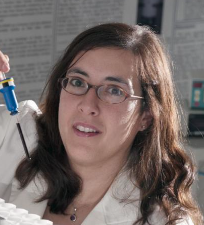 Myrna Simpson合作论文数Department of Physical & Environmental Sciences, University of Toronto Scarborough10Monette Martine合作论文数10Henry J. Stronks合作论文数10
 Jaspreet Dhau合作论文数10Werner E. Maas合作论文数10
 K. K. Bhasin合作论文数Department of Chemistry and Center of Advanced Studies in Chemistry, Panjab University10
 Denis Courtier-Murias合作论文数Department of Chemistry, University College London10Michael Fey合作论文数9Ronald Soong合作论文数Dept Phys & Environm Sci, Univ Toronto Scarborough9
 Ajeet K. Kaushik合作论文数NanoBioTech Laboratory, Barnett Applied Research Center, Departmental of Environmental Engineering, Florida Polytechnic University8Nikita Dhiman合作论文数6
 Sushma Negi合作论文数Maharaja Agrasen University6Krishnamurthy Sridevi合作论文数6Hutchins Howard合作论文数6Masoom Hussain合作论文数6Farooq Hashim合作论文数6
 Yogesh Nagpal合作论文数Department of Chemistry and Centre of Advanced Studies in Chemistry, Panjab University6
 Neeraj Dilbaghi合作论文数Department of Biotechnology, Guru Jambheshwar University6
 Bunty Sharma合作论文数Botany Department, Lucknow University6Rohit Sharma合作论文数5
 Pooja Chauhan合作论文数Ctr Adv Studies Chem, Panjab Univ5Preeti Garg合作论文数5
 Bhanjana Gaurav合作论文数Department of Bio and Nano Technology, Guru Jambheshwar University of Science and Technology5Jochem Struppe合作论文数Department of Chemistry and Biochemistry, University of California San Diego5Brian Andrew合作论文数4
 Badru Rahul合作论文数Department of Chemistry, Punjabi University4
 Shaheer Akhtar合作论文数Department of Engineering, La Trobe University;Graduate School of Energy-AI, Jeonbuk National University4
 Aman Bhalla合作论文数Department of Chemistry, Panjab University;Centre of Advanced Studies in Chemistry, Panjab University4
 Ahmed Muthanna Abdulrab合作论文数3Daizee Talukdar合作论文数3Ss Bari合作论文数3
 Vats Rajeev合作论文数College of Natural and Mathematical Sciences, the University of Dodoma3
 Thomas M. Klapötke合作论文数Department of Chemistry, Faculty of Chemistry and Pharmacy, Ludwig-Maximilians-Universität München3
 James Longstaffe合作论文数Department of Chemistry, The University of Western Ontorio3Andrew J. Baer合作论文数3
 Chander Prakash合作论文数Research Laboratory of 3D Bioprinting Technologies for Flexible Electronics, Institute of Nanotechnologies, Electronics and Equipment Engineering, Southern Federal University;Narsee Monjee Institute of Management Studies2




