Background and Objectives: Partial nephrectomy is the preferred intervention for many localized renal tumors; but intraoperative tumor localization, real-time perfusion evaluation, and vascular control optimization can be technically demanding, especially in endophytic or complex lesions. Near-infrared fluorescence (NIRF) imaging with indocyanine green (ICG) has been adopted as an intraoperative adjunct to improve visualization, support selective or super-selective clamping strategies and assist tumor to parenchyma contrast and selective vascular control. However, current evidence regarding the benefit of ICG-NIRF is often inconsistent, and a significant gap exists due to the lack of standardized intraoperative protocols, which limits the reproducibility of clinical results. This review aims to synthesize existing comparative evidence, identify the sources of methodological heterogeneity, and propose minimum criteria for the standardization of ICG use in renal surgery. Materials and Methods: A narrative review was conducted using PubMed with the terms near-infrared fluorescence, indocyanine green, and partial nephrectomy, focusing on comparative clinical studies published since 2012. Key endpoints included warm ischemia time (WIT), positive surgical margins (PSMs), perioperative outcomes, short-term renal functional measures (eGFR and or split renal function), and available oncologic follow-up. Results: ICG-NIRF enables real-time visualization of renal perfusion and vascular anatomy and may improve tumor parenchyma contrast in superficial or partially exophytic tumors, facilitating selective clamping in selected cases. Comparative cohorts and meta-analyses report small reductions in WIT (approximately 1 to 3 min) in some series, modest short-term superiority in eGFR (e.g., 4.62 mL/min at discharge or 9.26 mL/min at 1 to 3 months), no consistent differences in PSM rates (reported ranges of 0 to 11 percent across studies), major complications, or recurrence outcomes. Durable improvements in long-term renal function and consistent benefits in split renal function have not been demonstrated. Interpretation is limited by heterogeneity in ICG dosing, timing, imaging platforms, and acquisition. Conclusions: ICG-NIRF is a useful adjunct for intraoperative perfusion assessment and selective vascular control during partial nephrectomy, but current evidence does not demonstrate long-term functional or oncologic benefit over standard approaches. Further progress requires protocol standardization, quantitative fluorescence metrics, and adequately powered trials with long-term functional and oncologic endpoints, together with the development of deeper-penetrating and more tumor-specific fluorophores.
Proteolysis-targeting chimeras (PROTAC) leverage the ubiquitin-proteasome system to selectively degrade oncogenic proteins, including those previously seen as undruggable. Recent preclinical studies indicate that PROTACs may represent a novel therapeutic strategy in lymphoma and myeloma. Indeed, preclinically, PROTACs have shown high efficacy and remarkable selectivity, a favorable safety profile, and lower toxicity compared with conventional therapies. Their catalytic, reusable mechanism enables drug dosing and offers the perspective of long-term low-dose treatment. PROTACs have demonstrated their ability to overcome drug resistance by targeting and degrading overexpressed or mutant proteins that are responsible for refractory disease. This review aims to offer a comprehensive evaluation of the currently existing PROTACs that have been tested in lymphoma and myeloma to highlight the need for drug optimization and further translational research that could translate PROTACs to clinical trials.
Plasma cell myeloma (multiple myeloma) is a blood cancer characterized by the clonal proliferation of plasma cells in the bone marrow. Treatment strategies evolve year by year, new drugs getting Food and Drug Administration (FDA)-approved each year. Chimeric antigen receptor (CAR) therapies are an advanced form of immunotherapy that engineer T cells to recognize and destroy cancer cells. In recent years, adoptive cellular therapies have been successfully used to treat relapsed or refractory patients. Now, growing evidence supports their effectiveness when used earlier in treatment, even as an alternative to autologous hematopoietic stem cell transplantation. Ongoing research is expanding CAR therapy to solid tumors and enhancing safety and efficacy through innovative designs and combination strategies. In this paper, we aim to highlight the brief history and the latest advancements in CAR T-cell and NK-cell therapies for plasma cell myeloma.
Myelodysplastic syndromes (MDS) are heterogeneous hematopoietic stem cell disorders defined by ineffective hematopoiesis, multilineage dysplasia, and risk of progression to acute myeloid leukemia. Improvements have been made to identify recurrent genetic mutations and their functional roles, but translating this into preclinical models is still difficult. Traditional murine systems lack the human-specific cytokine support and microenvironmental support that is necessary to reproduce MDS pathophysiology. Humanized mouse models, particularly those incorporating human cytokines (e.g., MISTRG, NSG-SGM3, NOG-EXL), immunodeficient backgrounds, and co-transplantation strategies, have improved the engraftment and differentiation of human hematopoietic stem and progenitor cells. These models allow the study of clonal evolution, mutation-specific disease dynamics, and response to therapies in vivo. However, difficulties persist, such as limited long-term engraftment, incomplete immune reconstruction, and limited possibilities of modeling early-stage or low-risk MDS. This review presents an overview of current humanized and genetically engineered mouse models suitable for studying MDS, evaluating their capacity to replicate disease complexity, preserve clonal architecture, and support translational research. We highlight the need to develop new approaches to improve the actual methodologies and propose future directions for standardization and improved clinical relevance.
Chimeric Antigen Receptor (CAR) T cell therapy, initially developed for hematologic malignancies, has recently emerged as a promising modality for treating autoimmune diseases. This review explores the evolving role of CAR T cells in reprogramming immune tolerance and achieving durable remission in autoimmune disorders. By engineering T cells to target pathogenic B cells or autoreactive T cells, CAR T therapy offers a targeted and potentially curative approach for diseases such as systemic lupus erythematosus, multiple sclerosis, and type 1 diabetes. Early clinical trials and preclinical models have demonstrated the feasibility, safety, and efficacy of CD19-targeted CAR T cells in depleting autoreactive B cells and restoring immune homeostasis. Furthermore, next-generation CAR designs-including regulatory T cell-based CARs and antigen-specific constructs-highlight the growing precision and versatility of this platform. Despite these advances, challenges remain, including potential toxicity, antigen escape, and the need for long-term immune monitoring. This review summarizes current findings, delineates mechanistic insights, and discusses future directions for optimizing CAR T cell therapies in the context of autoimmunity.
Multiple myeloma (MM) is a blood cancer characterized by the clonal evolution of plasma cells. In 2022, there were an estimated 118 000 MM cases and 121 000 deaths worldwide. The treatment landscape of MM has undergone a dramatic transformation in recent decades, shifting from conventional chemotherapy to more targeted approaches. In order to overcome intrinsic and acquired resistance mechanisms that frequently restrict the efficacy of single-agent therapies, drug combination strategies have been developed to simultaneously target multiple pathogenetic pathways. Building on the success of immunomodulatory agents, CRBN E3 ligase modulators (CELMoDs), iberdomide (CC-220) and mezigdomide (CC-92480), have been designed as promising and more selective agents. CELMoDs demonstrate a 10–20 times higher binding capacity and they promote a more profound and rapid breakdown of Ikaros and Aiolos compared to traditional immunomodulatory agents. According to the National Cancer Institute Surveillance Program, the median survival for fit patients is greater than ten years, and the 5-year survival for the general MM patient population in the US approaches 60
The advent of immunotherapy in the treatment of cancer has opened a new dimension in the management of this complex multifaceted disease, bringing hope to many patients whose tumors have failed to respond to conventional therapies. The adoptive T cell therapy has since been extended to the treatment of several hematologic malignancies, initially in relapsed settings and more recently at the forefront of treatment due to high response rates. Despite exciting initial results, the preclinical antitumor effects of the first long-term studies show that CAR (Chimeric Antigen Receptor)-T cells have been slow to translate to the clinical setting, with early clinical trials showing suboptimal responses. The main reasons for the limited clinical performance seemed to be related to the low activation and short persistence of CAR-T cells. Thus, began a journey to improve the initial CAR structure, leading to the development of more complex constructs, which are grouped into five CAR generations. In this review, we describe the main challenges and potential solutions for the evaluation of CAR T-cell-based therapies in the preclinical setting.
Using short interfering RNA (siRNA) to reduce the overexpression of pro-inflammatory cytokines associated with colitis proved effective, but co-administration with an antioxidant could significantly enhance therapeutic outcomes. The objective of this study was to develop a colon-targeted interleukin-6 (IL-6) siRNA and ascorbic acid (AA)-loaded polymeric nanoparticulate system (siRNA_AA NPs) and to investigate whether it can attenuate inflammation through synergistic anti-inflammatory and antioxidant effect in an experimental model of induced colitis. Trimethyl chitosan (TMC) nanoparticles (NPs) were prepared and characterized, and the influence of different formulation factors on their quality characteristics was evaluated, in order to select the most promising formulation to be tested in a model of colitis induced in mice. CD1 mice (n = 36) were divided into six groups. After induction of colitis, groups were treated by oral gavage with saline solution (healthy and disease control), prednisolone (reference), siRNA NPs (reference), scramble_AA NPs (reference), and siRNA_AA NPs (test). siRNA_AA NPs proved to be effective in the treatment of induced colitis, showing the most significant gene silencing of IL-6 and IL-1β as confirmed by PCR analysis. This silencing effect surpassed that observed with the reference treatment, prednisolone. Histopathological analysis indicated the ability of siRNA_AA NPs to induce repair processes of tissue damage, thus confirming the study hypothesis. The results obtained provide an important contribution regarding the effects obtained through combined targeting of the most important pathophysiological mechanisms involved in colitis, by simultaneous administration of antioxidants and nucleic acids inhibiting inflammatory cytokines.
Lymphomas are a group of malignant proliferations of B, T or NK-lymphoid cells at different stages of maturation. While they primarily occur in lymph nodes or lymphatic tissues, they can also involve bone marrow, blood, or other organs. Despite advances in treatment, many patients experience relapse, or develop refractory disease, prompting the development of new therapies. One of the most promising innovations is represented by chimeric antigen receptors (CAR) T-cell therapy, that works by genetically modifying a patient's T lymphocytes to better target and kill their cancer cells. Currently, all FDA-approved CAR T-cell therapies target CD19 (a surface protein expressed on B lymphocytes), however, ongoing research includes CAR-Ts that address novel targets or target multiple antigens. This study aims to provide a comprehensive overview on the clinical use and therapeutic efficacy of both approved and emerging CAR-Ts in the treatment of lymphoma.
Background and aims:Non-small cell lung cancer (NSCLC) treatment is challenged by late detection and limited therapeutic options. Aberrant DNA methylation, a common epigenetic alteration in NSCLC, offers new therapeutic avenues. This study aims to evaluate the combined effects of 5-Azacytidine (5-Aza), an epigenetic modifier, and ionizing radiation (IR) on NSCLC, exploring the underlying molecular mechanisms and therapeutic potential. Methods:In this study, we examined the effects of 5-Aza combined with IR in both in vitro and in vivo models of NSCLC. Five human NSCLC cell lines were treated with 5-Aza and IR. Cell viability, colony formation, wound healing, and transwell migration assays were performed to assess treatment effects. Microarray and qPCR analyses were conducted to identify gene expression changes. Additionally, subcutaneous and orthotopic xenograft models were used to evaluate the treatment's efficacy in vivo. Results:Treatment with 5-Aza and IR resulted in significant reductions in cell viability, colony formation, and migration in NSCLC cell lines. Microarray analysis revealed significant changes in gene expression, including the upregulation of apoptosis-related genes and the downregulation of cell proliferation-related genes. In vivo studies demonstrated a notable reduction in tumor growth and metastasis in both subcutaneous and orthotopic NSCLC models following 5-Aza and IR treatment. Histological and bioluminescent imaging confirmed the therapeutic effects of the combined treatment. Conclusions:The combination of 5-Aza and IR shows promise as an effective treatment for NSCLC, enhancing apoptosis and reducing tumor growth through epigenetic modulation.
Myelodysplastic syndromes (MDS) are myeloid malignancies with heterogeneous genotypes and phenotypes, characterized by ineffective haematopoiesis and a high risk of progression towards acute myeloid leukaemia (AML). Prognosis for patients treated with hypomethylating agents (HMAs), as is azacytidine, the main drug used as frontline therapy for MDS is mostly based on cytogenetics and next generation sequencing (NGS) of the initial myeloid clone. Although the critical influence of the epigenetic landscape upon cancer cells survival and development as well on tumour environment establishment is currently recognized and approached within current clinical practice in MDS, the heterogenous response of the patients to epigenetic therapy is suggesting a more complex mechanism of action, as is the case of RNA methylation. In this sense, the newly emerging field of epitranscriptomics could provide a more comprehensive perspective upon the modulation of gene expression in malignancies, as is the proof-of-concept of MDS. We initially did RNA methylation sequencing on MDS patients (n = 6) treated with azacytidine and compared responders with non-responders. Afterwards, the genes identified were assessed in vitro and afterwards validated on a larger cohort of MDS patients treated with azacytidine (n = 58). Our data show that a more accurate prognosis could be based on analysing the methylome and thus we used methylation sequencing to differentially split high-grade MDS patients with identical demographical and cytogenetic features, between azacytidine responders and non-responders.
Acute Megakaryoblastic Leukemia (AMkL) is a rare disease that represents 5% of all reported AML cases and is diagnosed with high frequency in children with Down Syndrome and elderly people. M7-AMkL is characterized by a low overall survival and the patients have poor outcome to treatment, thus alternative treatments, such as CAR T cell therapies, are a need for better patient management.Herein, we present an evaluation of a new CAR T cell which targets CD41 marker, a specific surface antigen for M7-AMkL, in a preclinical model for AMkL using DAMI Luc2 cell line for in vitro and in vivo experiments. The performed flow cytometry evaluation showed that over 93% of the CAR T cells are eGFP positive, carrying the plasmid that permits CD41 targeting.The results highlight that the CAR T cells are inhibiting the AMkL cells with limited efficacy, with best inhibitory effect at lower effect: target ratios. The CAR T cells induced membrane damage to the targets, results sustained by the increased LDH activity, moreover TNF alpha levels were increased in the low E:T groups even after 24h. The in vivo evaluation indicates that the CAR T cells lowered the tumor size rapidly, but with limited efficacy due to the initiation of CRS.Our findings suggest that the anti CD41 CAR T cells are efficient for a limited time spawn and the better cytotoxic effect was visible in the low E:T ratio groups. However, further optimizations and evaluation are needed to improve the outcome of the anti CD41 CAR T cells.
Receptor tyrosine kinases (RTKs), a category of transmembrane receptors, have gained significant clinical attention in oncology due to their central role in cancer pathogenesis. Genetic alterations, including mutations, amplifications, and overexpression of certain RTKs, are critical in creating environments conducive to tumor development. Following their discovery, extensive research has revealed how RTK dysregulation contributes to oncogenesis, with many cancer subtypes showing dependency on aberrant RTK signaling for their proliferation, survival and progression. These findings paved the way for targeted therapies that aim to inhibit crucial biological pathways in cancer. As a result, RTKs have emerged as primary targets in anticancer therapeutic development. Over the past two decades, this has led to the synthesis and clinical validation of numerous small molecule tyrosine kinase inhibitors (TKIs), now effectively utilized in treating various cancer types. In this manuscript we aim to provide a comprehensive understanding of the RTKs in the context of cancer. We explored the various alterations and overexpression of specific receptors across different malignancies, with special attention dedicated to the examination of current RTK inhibitors, highlighting their role as potential targeted therapies. By integrating the latest research findings and clinical evidence, we seek to elucidate the pivotal role of RTKs in cancer biology and the therapeutic efficacy of RTK inhibition with promising treatment outcomes.
Acute myeloid leukemia (AML) is a malignancy in the myeloid lineage that is characterized by symptoms like fatigue, bleeding, infections, or anemia, and it can be fatal if untreated. In AML, mutations in tyrosine kinases (TKs) lead to enhanced tumor cell survival. The most frequent mutations in TKs are reported in Fms-like tyrosine kinase 3 (FLT3), Janus kinase 2 (JAK2), and KIT (tyrosine-protein kinase KIT), making these TKs potential targets for TK inhibitor (TKI) therapies in AML. With 30% of the mutations in TKs, mutated FLT3 is associated with poor overall survival and an increased chance of resistance to therapy. FLT3 inhibitors are used in FLT3-mutant AML, and the combination with hypomethylating agents displayed promising results. Midostaurin (MDS) is the first targeted therapy in FLT3-mutant AML, and its combination with chemotherapy showed good results. However, chemotherapies induce several side effects, and an alternative to chemotherapy might be the use of nanoparticles for better drug delivery, improved bioavailability, reduced drug resistance and induced toxicity. The herein study presents MDS-loaded gold nanoparticles and compares its efficacy with MDS alone, on both in vitro and in vivo models, using the FLT3-ITD-mutated AML cell line MV-4-11 Luc2 transfected to express luciferin. Our preclinical study suggests that MDS-loaded nanoparticles have a better tumor inhibitory effect than free drugs on in vivo models by controlling tumor growth in the first half of the treatment, while in the second part of the therapy, the tumor size was comparable to the cohort that was treatment-free.
The mechanism underlying podocyte dysfunction in minimal change disease (MCD) remains unknown. This study aimed to shed light on the potential pathophysiology of MCD using glomerular proteomic analysis. Shotgun proteomics using label-free quantitative mass spectrometry was performed on formalin-fixed, paraffin-embedded (FFPE) renal biopsies from two groups of samples: control (CTR) and MCD. Glomeruli were excised from FFPE renal biopsies using laser capture microdissection (LCM), and a single-pot solid-phase-enhanced sample preparation (SP3) digestion method was used to improve yield and protein identifications. Principal component analysis (PCA) revealed a distinct separation between the CTR and MCD groups. Forty-eight proteins with different abundance between the two groups (p-value ≤ 0.05 and |FC| ≥ 1.5) were identified. These may represent differences in podocyte structure, as well as changes in endothelial or mesangial cells and extracellular matrix, and some were indeed found in several of these structures. However, most differentially expressed proteins were linked to the podocyte cytoskeleton and its dynamics. Some of these proteins are known to be involved in focal adhesion (NID1 and ITGA3) or slit diaphragm signaling (ANXA2, TJP1 and MYO1C), while others are structural components of the actin and microtubule cytoskeleton of podocytes (ACTR3 and NES). This study suggests the potential of mass spectrometry-based shotgun proteomic analysis with LCM glomeruli to yield valuable insights into the pathogenesis of podocytopathies like MCD. The most significantly dysregulated proteins in MCD could be attributable to cytoskeleton dysfunction or may be a compensatory response to cytoskeleton malfunction caused by various triggers.
Receptor tyrosine kinases (RTKs) are key cell surface receptors involved in cell communication and signal transduction, with great importance in cell growth, differentiation, survival, and metabolism. Dysregulation of RTKs, such as EGFR, VEGFR, HER2 or ROR, could lead to various diseases, particularly cancers. ROR1 has emerged as a promising target in hematological malignancies. The development of ROR1 targeted therapies is continuously growing leading to remarkable novel therapeutical approaches using mAbs, antibody-drug conjugates, several small molecules or CAR T cells which have shown encouraging preclinical results. In the hematological field, mAbs, small molecules, BiTEs or CAR T cell therapies displayed promising outcomes with the clinical trials data encouraging the use of anti-ROR1 therapies. This paper aims to offer a comprehensive analysis of the current landscape of ROR1-targeted therapies in hematological malignancies marking the innovative approaches with promising preclinical and clinical. Offering a better understanding of structural and functional aspects of ROR1 could lead to new perspectives in targeting a wide spectrum of malignancies.
Lung cancer, primarily non-small cell lung carcinoma (NSCLC) and small cell lung carcinoma (SCLC), is distinguished by its high prevalence and marked mortality rates. Traditional therapeutic approaches, encompassing chemotherapy, radiation, and targeted therapies, frequently show limited efficacy due to acquired resistance and notable side effects. The objective of this review is to introduce a fresh perspective on the therapeutic strategies for lung cancer, emphasizing interventions targeting the epigenetic alterations often seen in this malignancy. This review presents the most recent advancements in the field, focusing on both past and current clinical trials related to the modulation of methylation patterns using diverse molecular agents. Furthermore, an in-depth analysis of the challenges and advantages of these methylation-modifying drugs will be provided, assessing their efficacy as individual treatments and their potential for synergy when integrated with prevailing therapeutic regimens.
Strategies to improve hematopoietic stem and progenitor cell (HSPC) mobilization from the bone marrow can have a pivotal role in addressing iatrogenic bone-marrow insufficiency from chemo(radio)therapy and overcoming peripheral blood stem cell transplantation (PBSCT) limitations such as insufficient mobilization. Granulocyte-colony stimulating factor (G-CSF) represents the standard mobilization strategy for HSPC and has done so for more than three decades since its FDA approval. Its association with non-G-CSF agents is often employed for difficult HSPC mobilization. However, obtaining a synergistic effect between the two classes is limited by different timing and mechanisms of action. Based on our previous in vitro results, we tested the mobilization potential of human chorionic gonadotropin (HCG), alone and in combination with G-CSF in vivo in a murine study. Our results show an improved mobilization capability of the combination, which seems to act synergistically in stimulating hematopoiesis. With the current understanding of the dynamics of HSPCs and their origins in more primitive cells related to the germline, new strategies to employ the mobilization of hematopoietic progenitors using chorionic gonadotropins could soon become clinical practice.
 Diana Gulei合作论文数Iuliu Hatieganu University of Medicine and Pharmacy26
 Ciprian Tomuleasa合作论文数Iuliu Hatieganu University of Medicine and Pharmacy20Diana Cenariu合作论文数University of Agricultural;Sciences and Veterinary Medicine15
 David Kegyes合作论文数13Anca Onaciu合作论文数Dept Pharmaceut Phys & Biophys, Iuliu Hatieganu Univ Med & Pharm12
 Hermann Einsele合作论文数Universitätsklinikum Würzburg11
 Ioana Berindan - Neagoe合作论文数9
 Cristian Moldovan合作论文数Dept Pharmaceut Phys & Biophys, Iuliu Hatieganu Univ Med & Pharm9
 Delia Dima合作论文数9
 Alina Tanase合作论文数9
 Adrian Bogdan Tigu合作论文数MedFuture-Research Center for Advanced Medicine, "Iuliu Hatieganu" University of Medicine and Pharmacy8
 Ancuta Jurj合作论文数8
 Mihnea Zdrenghea合作论文数Departamentul Oncologie, Iuliu Hațieganu University of Medicine and Pharmacy8Alina-Andreea Zimta合作论文数7Patric Teodorescu合作论文数7
 Gabriel Ghiaur合作论文数Department of Otolaryngology-Head and Neck Surgery, School of Medicine, Johns Hopkins University7Richard Feder合作论文数6Ioana Rus合作论文数6Catalin Constantinescu合作论文数Medfuture Research Center for Advanced Medicine, Iuliu Hatieganu University of Medicine and Pharmacy Cluj Napoca6
 Cristina Adela Iuga合作论文数6Anca Colita合作论文数Department of Pediatrics, Fundeni Clinical Institute6Vlad Cristian Munteanu合作论文数5Cristina Selicean合作论文数5Sabina Iluta合作论文数5
 Rares Drula合作论文数Res Ctr Funct Genom Biomed & Translat Med, Iuliu Hatieganu Univ Med & Pharm5
 Sergiu P. Pasca合作论文数School of Medicine, Stanford University4Alin Moldovan合作论文数4
 Bobe Petrushev合作论文数Iuliu Hatieganu University of Medicine and Pharmacy4Bogdan Tigu合作论文数3Ion Antohe合作论文数3Ciprian Jitaru合作论文数3
 Cristina Turcas合作论文数3Vlad Moisoiu合作论文数Dept Neurol, Zurich Univ Hosp3
 Radu Pirlog合作论文数Research Center for Functional Genomics, Biomedicine and Translational Medicine, "Iuliu Hatieganu" University of Medicine and Pharmacy3
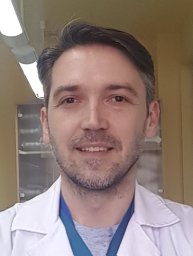 Lajos Raduly合作论文数Research Center for Functional Genomics, Biomedicine and Translational Medicine, "Iuliu Hațieganu" University of Medicine and Pharmacy3Dascalescu Angela合作论文数3
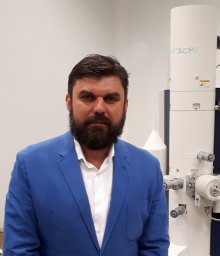 Rares Stiufiuc合作论文数Faculty of Physics, Babes-Bolyai University3
 Tudor-Eliade Ciuleanu合作论文数Iuliu Haţieganu University of Medicine and Pharmacy;Ion Chiricuta Institute of Oncology3Jon Thor Bergthorsson合作论文数Department of Pathology;University Hospital of Iceland;John F. Kennedy Institute;Department of Clinical Genetics;University Hospital;Unit of Medical Genetics;Norwegian Radium Hospital;Laboratory of Molecular Oncology;Strang Cancer Prevention Center;Department of Cell Biology;Weill Medical College, Cornell University;University Hospital of Iceland, Cornell University3Ioan Coman合作论文数County University Hospital of Cluj3
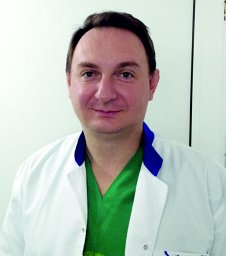 Bogdan Petrut合作论文数Clinical Municipal Hospital3Andra Marcu合作论文数2Dalma Deak合作论文数2Mirela Marian合作论文数2Richard-Ionut Feder合作论文数2Vlad Horia Schitcu合作论文数2Dana Hales合作论文数Dept Pharmaceut Technol & Biopharm, Univ Med & Pharm Iuliu Hatieganu2Grigore-Aristide Gafencu合作论文数2
 Valentina Sas合作论文数Dept Pediat, Iuliu Hatieganu Univ Med & Pharm2




