BACKGROUND:Although emerging evidence supports 3-dimensional myocardial activation during atrial fibrillation (AF), human studies remain limited. We thus characterized the endocardial and epicardial left atrial posterior wall (LAPW) in humans to assess the prevalence of asynchronous endocardial-epicardial LAPW conduction during AF.METHODS:Patients with symptomatic nonparoxysmal AF who had unsuccessful antiarrhythmic or catheter ablation therapy referred for hybrid epicardial-endocardial AF ablation and left atrial appendage ligation underwent high-density mapping of LAPW with Grid catheters, including simultaneous endocardial-epicardial mapping.RESULTS:Twenty-seven patients (19 men, median 69 years, 55% long-standing persistent AF) were included. There was significantly greater epicardial compared with endocardial LAPW bipolar voltages during AF. In areas of low endocardial bipolar voltage, normal endocardial unipolar voltage corresponded to normal epicardial bipolar voltage. Asynchronous endocardial-epicardial LAPW AF activation during simultaneous endocardial-epicardial mapping was universal. Furthermore, more rapid epicardial compared with endocardial LAPW AF activity was observed during simultaneous endocardial-epicardial mapping in AF. Conduction block between the endocardial and epicardial LAPW surfaces was also common during organized AF, with instances of isolated or multiple blocked beats, Wenckebach conduction, and sustained endocardial LAPW entrance block with ongoing epicardial AF observed. Epicardial-to-endocardial entrance block was also infrequently observed during sinus rhythm. At 12-month follow-up, freedom from atrial arrhythmias was 68%.CONCLUSIONS:Endocardial-epicardial LAPW asynchrony may be observed during human persistent AF and is characterized by: (1) greater epicardial compared with endocardial bipolar voltages, (2) more frequent epicardial-to-endocardial activation gradients during AF, and (3) conduction block commonly seen between the epicardial and endocardial surfaces during AF. Although the study was predominantly descriptive in nature, the observations suggest a dynamic 3-dimensional arrhythmogenicity of the LAPW and the potential importance of the epicardial layer, with implications for ablation therapies. Future prospective studies are required to determine the significance of these findings to clinical ablation outcomes.
Atrial fibrillation (AF) is a growing health problem that increases morbidity and mortality, and in most patients progresses to more advanced diseases over time. Recent research has examined the underlying mechanisms, risk factors, and progression of AF, leading to updated AF disease classification schemes. Although endocardial catheter ablation is effective for early-stage paroxysmal AF, it consistently achieves suboptimal outcomes in patients with advanced AF. Identification of the factors that lead to the increased risk of treatment failure in advanced AF has spurred the development and adoption of hybrid ablation therapies and collaborative heart care teams that result in higher long-term arrhythmia-free survival. Patients with non-paroxysmal AF, atrial remodeling, comorbidities, or AF otherwise deemed difficult to treat may find hybrid treatment to be the most effective option. Future research of hybrid therapies in advanced AF patient populations, including those with dual diagnoses, may provide further evidence establishing the safety and efficacy of hybrid endo-epicardial ablation as a first line treatment.
We present a 73-year-old female with history of rheumatic heart disease status post-mechanical mitral valve on warfarin, valvular atrial fibrillation, and alpha thalassemia who was admitted to an outside hospital with anterior ST-segment myocardial infarction. Coronary angiogram showed occluded left anterior descending artery (LAD) with acute thrombus status post-thrombectomy and balloon angioplasty.
Background Rotating and laser sheaths are both routinely used in transvenous lead extraction (TLE) which can lead to catastrophic complications including death. The efficacy and risk of each approach are uncertain. To perform a meta-analysis to compare success and mortality rates associated with rotating and laser sheaths. Methods We searched electronic academic databases for case series of consecutive patients and randomized controlled trials published 1998–2017 describing the use of rotating and laser sheaths for TLE. Among 48 studies identified, rotating sheaths included 1,094 patients with 1,955 leads in 14 studies, and laser sheaths included 7,775 patients with 12,339 leads in 34 studies. Patients receiving rotating sheaths were older (63 versus 60 years old) and were more often male (74% versus 72%); CRT-P/Ds were more commonly extracted using rotating sheaths (12% versus 7%), whereas ICDs were less common (37% versus 42%), p > 0.05 for all. Infection as an indication for lead extraction was higher in the rotating sheath group (59.8% versus 52.9%, p = 0.002). The mean time from initial lead implantation was 7.2 years for rotating sheaths and 6.3 years for laser sheaths ( p > 0.05). Results Success rates for complete removal of transvenous leads were 95.1% in rotating sheaths and 93.4% in laser sheaths ( p < 0.05). There was one death among 1,094 patients (0.09%) in rotating sheaths and 66 deaths among 7,775 patients (0.85%) in laser sheaths, translating to a 9.3-fold higher risk of death with laser sheaths (95% CI 1.3 to 66.9, p = 0.01). Conclusions Laser sheaths were associated with lower complete lead removal rate and a 9.3-fold higher risk of death.
The study of precision medicine that measures the effects of social, cultural, and environmental influences on health is essential to improve health outcomes. Race is a social concept used historically to divide, track, control populations, and reinforce social hierarchies. Beyond genetics, race is also a surrogate for other socioeconomic factors affecting patient outcomes. Our data analytics study aims to analyze the Electronic Medical Record (EMR) to study patients of different races in diagnosing and treating Coronary Artery Disease (CAD). We found no race discrepancies at the University of California San Francisco Medical Centers. This study opens several new hypotheses for further research in this crucial field.
Early detection plays a key role to enhance the outcome for Coronary Artery Disease. We utilized a big data analytics platform on ∼32,000 patients to trace patients from the first encounter to CAD treatment. There are significant gender-based differences in patients younger than 60 from the time of the first encounter to Coronary Artery Bypass Grafting with a p-value=0.03. This recognition makes significant changes in outcome by avoiding delay in treatment.
The development of an ontology facilitates the organization of the variety of concepts used to describe different terms in different resources. The proposed ontology will facilitate the study of cardiothoracic surgical education and data analytics in electronic medical records (EMR) with the standard vocabulary.
BackgroundWomen continue to have worse Coronary Artery Disease (CAD) outcomes than men. The causes of this discrepancy have yet to be fully elucidated. The main objective of this study is to detect gender discrepancies in the diagnosis and treatment of CAD.MethodsWe used data analytics to risk stratify ~32,000 patients with CAD of the total 960,129 patients treated at the UCSF Medical Center over an 8 year period. We implemented a multidimensional data analytics framework to trace patients from admission through treatment to create a path of events. Events are any medications or noninvasive and invasive procedures. The time between events for a similar set of paths was calculated. Then, the average waiting time for each step of the treatment was calculated. Finally, we applied statistical analysis to determine differences in time between diagnosis and treatment steps for men and women.ResultsThere is a significant time difference from the first time of admission to diagnostic Cardiac Catheterization between genders (p-value = 0.000119), while the time difference from diagnostic Cardiac Catheterization to CABG is not statistically significant.ConclusionWomen had a significantly longer interval between their first physician encounter indicative of CAD and their first diagnostic cardiac catheterization compared to men. Avoiding this delay in diagnosis may provide more timely treatment and a better outcome for patients at risk. Finally, we conclude by discussing the impact of the study on improving patient care with early detection and managing individual patients at risk of rapid progression of CAD.
Abstract Background: Cardiovascular Disease (CVD) and Coronary Artery Disease (CAD) in particular, is one of the leading causes of death, morbidity, and mortality in the United States. Notably, women continue to have worse outcomes than men. The causes of these discrepancies have yet to be fully elucidated. The main objective of this study is to detect gender discrepancies in outcome using data analytics to risk stratify ~ 32,000 patients with CAD of the total 960,129 patients treated at UCSF Medical Center during an eight years. As an implementation of clinical care, this study’s long-term goal is to improve precision diagnosis and ultimately management of CAD for both early detection and identification of patients at risk for rapid progression of the disease.Methods: We designed and implemented a multidimensional framework to trace patients from admission through treatment as a path of events. The time between events for a similar set of paths was calculated. Then the average waiting time for each step of the treatment was calculated for men and women. Finally, we applied statistical analysis to determine differences in time between diagnosis and treatment steps for men and women.Discussions: There were statistically significant gender-based differences in the common path of diagnosis and treatment of patients with CAD. The average time for women from the first visit to diagnostic Cardiac Catheterization was more than 2 months than for men (358.77 vs. 291.83 days). By contrast, the average time from diagnostic Cardiac Catheterization to treatment Cardiac Catheterization and Coronary Artery Bypass Grafting (CABG) was not significant. Women with CAD requiring revascularization have a significantly longer interval between their first physician encounter indicative of CVD and their first diagnostic cardiac catheterization compared to men. Avoiding the delay in diagnosis and treatment will provide a better outcome for patients at risk.
A 72 year-old mountain bicyclist suffered a biking accident. The following week, he presented to the emergency room with abdominal pain, where he was treated for superior mesenteric artery thrombosis and new-onset atrial fibrillation. Two months later, he presented with intermittent left scapular pain that radiated to the chest. Pharmacologic stress testing revealed a large reversible perfusion defect in the anterior wall with an ejection fraction of 41%. Left heart catheterization showed narrowing of the distal left main coronary artery and the proximal left anterior descending (LAD) and circumflex arteries, by what appeared to be external compression. Follow-up CT angiogram demonstrated two sinus of Valsalva aneurysms (SOVA) originating from the left and right coronary cusps. A transesophageal echocardiogram confirmed these findings and showed tremendous thrombus within the larger aneurysm. The patient was admitted to cardiothoracic surgery. Troponin was elevated to 0.16 μg/L, with EKG showing 1 mm ST-segment depressions in V4-6, prompting treatment for a non-ST segment myocardial infarction. He underwent complex surgery involving thrombus extraction and closure of the SOVA with pericardial patch repair, and coronary artery bypass grafting of the LAD and obtuse marginal arteries. After a prolonged ICU course in which the patient was managed for cardiogenic shock, he was discharged to a hospital equipped with a rehabilitation facility. Unfortunately, he developed profound lactic acidosis from ischemic bowel and passed away. SOVA are rare lesions that arise from congenital or acquired etiologies, such as this patient’s biking accident. Multi-modality imaging is important for quantifying size and anatomy. Unruptured SOVA can present as embolic phenomenon from thrombus, valvular regurgitation, or chest pain from compression of the coronary arteries. Rupture is a highly morbid condition, and so urgent referral to cardiothoracic surgery is recommended.
While coronary angiography is the gold standard diagnostic tool for coronary artery disease (CAD), but it is associated with procedural risk, it is an invasive technique requiring arterial puncture, and it subjects the patient to radiation and iodinated contrast exposure. Artificial intelligence (AI) can provide a pretest probability of disease that can be used to triage patients for angiography. This review comprehensively investigates published papers in the domain of CAD detection using different AI techniques from 1991 to 2020, in order to discern broad trends and geographical differences. Moreover, key decision factors affecting CAD diagnosis are identified for different parts of the world by aggregating the results from different studies. In this study, all datasets that have been used for the studies for CAD detection, their properties, and achieved performances using various AI techniques, are presented, compared, and analyzed. In particular, the effectiveness of machine learning (ML) and deep learning (DL) techniques to diagnose and predict CAD are reviewed. From PubMed, Scopus, Ovid MEDLINE, and Google Scholar search, 500 papers were selected to be investigated. Among these selected papers, 256 papers met our criteria and hence were included in this study. Our findings demonstrate that AI-based techniques have been increasingly applied for the detection of CAD since 2008. AI-based techniques that utilized electrocardiography (ECG), demographic characteristics, symptoms, physical examination findings, and heart rate signals, reported high accuracy for the detection of CAD. In these papers, the authors ranked the features based on their assessed clinical importance with ML techniques. The results demonstrate that the attribution of the relative importance of ML features for CAD diagnosis is different among countries. More recently, DL methods have yielded high CAD detection performance using ECG signals, which drives its burgeoning adoption.
OBJECTIVES The aim of this study was to assess the safety and efficacy of a new subxiphoid hybrid epicardial-endocardial atrial fibrillation (AF) ablation and left atrial appendage (LAA) ligation approach for the treatment of persistent AF. BACKGROUND Surgical hybrid ablation procedures have shown promise for maintaining sinus rhythm versus catheter ablation but are associated with increased periprocedural adverse events. METHODS Patients with symptomatic persistent AF (n=33, mean age 64 +/- 9 years, 25 men) who had antiarrhythmic drug therapy or prior catheter ablation was unsuccessful were referred for hybrid epicardial-endocardial AF ablation and LAA exclusion. LAA closure was confirmed by transesophageal echocardiographic Doppler flow and/or computed tomographic angiography 1 to 3 months post-ligation. The incidence of atrial tachycardia or AF recurrence, LAA closure, thromboembotic events, and post-operative complications were assessed. RESULTS All 33 patients underwent successful LAA ligation with epicardial ablation of the posterior left atrial watt, as welt as endocardiat pulmonary vein isolation and cavotricuspid isthmus ablation. Freedom from atrial tachycardia or AF was 91% (20 of 22 patients) at 6 months, 90% (18 of 20 patients) at 12 months, 92% (11 of 12 patients) at 18 months, and 92% (11 of 12) at 24 months. There were no acute periprocedural complications (<7 days). Thirty-day adverse events included 2 patients with pericardial effusion requiring pericardiocentesis and 1 incisional hernia repair. There were no tong-term complications, strokes, or deaths. LAA ligation was complete in 27 of 33 subjects (82%), with 6 subjects having teaks of <5 mm. CONCLUSIONS Subxiphoid hybrid epicardial-endocardial ablation with LAA ligation is feasible, safe, and effective. Future prospective studies are needed to validate these initial findings. (C) 2020 The Authors. Published by Elsevier on behalf of the American College of Cardiology Foundation.
Introduction: Cardiovascular disease (CVD) is significant cause of morbidity and mortality in the world. Cardiac regeneration technology can serve to mitigate this healthcare burden, but clinical a...
The ability to use light to stimulate mammalian cells has significantly augmented our understanding of electrically excitable tissues in health and disease, paving the way toward various novel applications in the research and therapeutic fields. Here, we demonstrate full optogenetic control of human induced pluripotent stem cell-derived cardiomyocytes (hiPSC-CM). We simultaneously introduced channelrhodopsin-2 (ChR2) and a third-generation halorhodopsin (NpHR3) into hiPSC via a polycistronic lentiviral vector. Via directed differentiation, we created opsinexpressing cardiomyocytes. To quantify the impact of photostimulation on these cells, we assessed evoked electrical and mechanical signals. With the application of blue (470 nm) and yellow (580 nm) light, we show both activation and inhibition of cardiomyocyte contractions, respectively. To illustrate the utility of our system, we have synchronized our light-sensitive cardiomyocytes with discarded primary human heart tissue, in vitro. In addition, we have created threedimensional optogenetic engineered heart muscle (o-EHM) that can be activated and inhibited with light; this offers a way to immediately and orthogonally synchronize this muscle with native heart rhythms. Our system provides insight into whether hiPSC-CM have the potential to be synchronized to recipient hearts in vivo upon therapeutic delivery, either as individual cardiomyocytes or as a component of engineered muscle.
Aims Rotating sheaths and laser sheaths are commonly used for transvenous lead extraction. This study aims to compare observed mortality between both approaches. Methods and results The Manufacturer and User Facility Device Experience database was searched from 2011 to 2016 to determine number of deaths associated with each sheath. An independent analytics firm provided estimates for number of cases done, allowing calculation of market share. A sensitivity analysis was performed to determine relative risk (RR) of mortality at the calculated market share (36% (rotating)/64% (laser)) and two others. Additional sensitivity analyses assumed underreporting of deaths associated with rotating sheaths. An estimated 50 545 extractions were performed. Thirteen deaths were associated with rotating sheaths compared to 167 with laser sheaths. Of these, 92% (rotating) and 95% (laser) were due to cardiovascular injury. At the calculated market share, the RR of death was 7.2 times greater with laser sheaths [95% confidence interval (CI) 4.1-12.7, P<0.0001]. At market share estimates of 25% (rotating)/75% (laser) and 45% (rotating)/55% (laser), the RR of death with laser sheaths was 4.3 (95% CI 2.4-7.5, P<0.0001) and 10.5 times greater (95% CI 6.0-18.5, P<0.0001), respectively. The RR of death remained significant when assuming deaths with rotating sheaths were underreported and when deaths using both sheaths were attributed to the rotating sheath. Conclusions Lead extraction with laser sheaths appears to be associated with a higher risk of mortality compared to rotating sheaths. Further studies are warranted to confirm this finding.
 Hillel Laks合作论文数David Geffen School of Medicine, University of California, Los Angeles;Cedars Sinai Medical Center;Wadsworth VA Hospital;Granada Hills Community Hospital16
 Fardad Esmailian合作论文数14
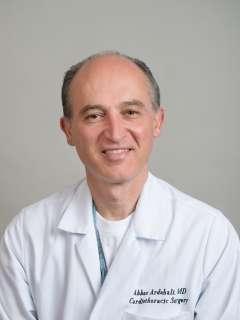 Abbas Ardehali合作论文数Division of Cardiothoracic Surgery, School of Medicine, University of California, Los Angeles14Heydarkhan-Hagvall Sepideh合作论文数12Neofytou Evgenios合作论文数Transplant and Stem Cell Immunobiology Laboratory, University Heart Center Hamburg;Department of Cardiovascular Surgery, University Heart Center Hamburg;and Cardiovascular Research Center and Department of Experimental Pharmacology and Toxicology, University Medical Center Hamburg-Eppendorf;Stanford Cardiovascular Institute and Department of Cardiothoracic Surgery, Stanford University School of Medicine;University Heart Center Hamburg, University Heart Center Hamburg11Daniel Marelli合作论文数11Katja Schenke-Layland合作论文数10
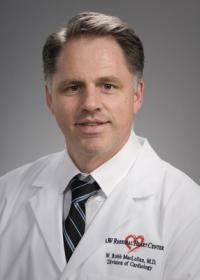 W. Robb MacLellan合作论文数Medicine Heart Institute, University of Washington;University of Washington Medical Center9
 Maryam Panahiazar合作论文数Cedars-Sinai;Department of Surgery, School of Medicine, University of California, San Francisco8
 Dexter Hadley合作论文数Penn Center for Bioinformatics, University of Pennsylvania;Genomics and Computational Biology Graduate Group, University of Pennsylvania;University of Pennsylvania, University of Pennsylvania8Sanaz Heydarkhan合作论文数8
 Bhagat Patlolla合作论文数Division of Cardiothoracic Surgery, and Cardiovascular Institute, Stanford University School of Medicine7
 Richard J. Shemin合作论文数David Geffen School of Medicine, University of California, Los Angeles7Tobias Deuse合作论文数7
 Patricia Zuk合作论文数7Mark D. Plunkett合作论文数7
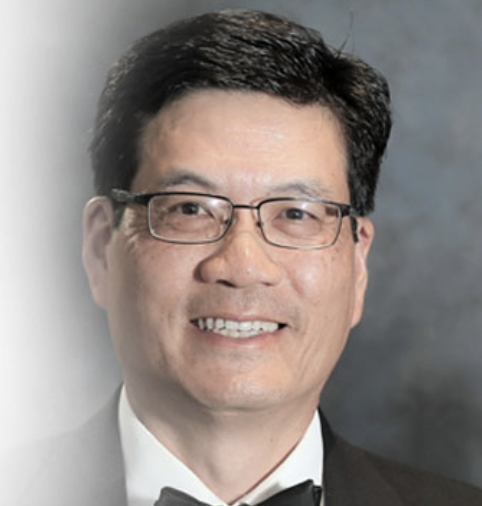 Benjamin Wu合作论文数Samueli School of Engineering, University of California, Los Angeles6
 Robert C. Robbins合作论文数Stanford University School of Medicine6Mark Plunkett合作论文数6Yorick Chern合作论文数5
 Sandro Palla合作论文数5
 Roohallah Alizadehsani合作论文数5J. A. M. Korfage合作论文数5
 Camran Nezhat合作论文数Center for Special Minimally Invasive and Robotic Surgery5
 Gabriel T Schnickel合作论文数David Geffen School of Medicine, University of California, Los Angeles5
 Vera Colombo合作论文数5T.M.G.J. van Eijden合作论文数5Robert Henry合作论文数5S YANG合作论文数5
 Katrin Engelmann合作论文数5
 Francisco José Barcellos Sampaio合作论文数Departamento De Anatomia, Universidade Do Estado Do Rio De Janeiro5Monika Valtink合作论文数5Hanna Stenhamre合作论文数5T. Van Wessel合作论文数5Marco A. Pereira-Sampaio合作论文数5
 Ga-Young Kelly Suh合作论文数Department of Mechanical Engineering, Stanford University5
 Luigi Gallo合作论文数Disorders andComplete Dentures;Dental andMaxillo-Facial Surgery;University ofZurich;Dental andMaxillo-Facial Surgery, University ofZurich5
 Hans-Werner Denker合作论文数Abteilung Anatomie5Richard H. W. Funk合作论文数5Luciano A. Favorito合作论文数5P. Brugman合作论文数5
 Dominik Fleischmann合作论文数3DQ Lab, Department of Radiology, School of Medicine, Stanford University;Department of Radiology, Stanford Hospital and Clinics5Camilla Karlsson合作论文数5
 Geerling E.J. Langenbach合作论文数Department of Functional Anatomy;Academic Center for Dentistry Amsterdam5
 Christopher K. Zarins合作论文数Department of Surgery, School of Medicine, Stanford University;Medical Center, Stanford University;Heartflow, Inc;Palo Alto VA Hospital;O’Connor Hospital;El Camino Hospital;Sequoia Hospital;Community Hospital of Monterey Peninsula5Joakim Sandstedt合作论文数5
 Christopher P. Cheng合作论文数Stanford University5Rita Gruschwitz合作论文数5




