OBJECTIVE Medulloblastoma, the most common pediatric brain malignancy, has Sonic Hedgehog (SHH) and group 3 (Myc driven) subtypes that are associated with the activity of eukaryotic initiation factor 4E (eIF4E), a critical mediator of translation, and enhancer of zeste homolog 2 (EZH2), a histone methyltransferase and master regulator of transcription. Recent drug repurposing efforts in multiple solid and hematologic malignancies have demonstrated that eIF4E and EZH2 are both pharmacologically inhibited by the FDA-approved antiviral drug ribavirin. Given the molecular overlap between medulloblastoma biology and known ribavirin activity, the authors investigated the preclinical efficacy of repur- posing ribavirin as a targeted therapeutic in cell and animal models of medulloblastoma. METHODS Multiple in vitro assays were performed using human ONS-76 (a primitive SHH model) and D425 (an aggressive group 3 model) cells. The impacts of ribavirin on cellular growth, death, migration, and invasion were quantified using proliferation and Cell Counting Kit-8 (CCK-8) assays, flow cytometry with annexin V (AnnV) staining, scratch wound assays, and Matrigel invasion chambers, respectively. Survival following daily ribavirin treatment (100 mg/kg) was assessed in vivo in immunodeficient mice intracranially implanted with D425 cells. RESULTS Compared to controls, ribavirin treatment led to a significant reduction in medulloblastoma cell growth (ONS-76 proliferation assay, p = 0.0001; D425 CCK-8 assay, p < 0.0001) and a significant increase in cell death (flow cytometry for AnnV, ONS-76, p = 0.0010; D425, p = 0.0284). In ONS-76 cells, compared to controls, ribavirin significantly decreased cell migration and invasion (Matrigel invasion chamber assay, p = 0.0012). In vivo, ribavirin significantly extended survival in an aggressive group 3 medulloblastoma mouse model compared to vehicle-treated controls (p = 0.0004). CONCLUSIONS The authors demonstrate that ribavirin, a clinically used drug known to inhibit eIF4E and EZH2, has significant antitumor effects in multiple preclinical models of medulloblastoma, including an aggressive group 3 animal model. Ribavirin may represent a promising targeted therapeutic in medulloblastoma.
Huq, Sakibul; Kannapadi, Nivedha; Casaos, Joshua BS; Lott, Tarik; Felder, Raphael; Serra, Riccardo MD; Gorelick, Noah L MD; Ruiz-Cardozo, Miguel; Ding, Andy; Cecia, Arba; Medikonda, Ravi; Ehresman, Jeff; Brem, Henry MD; Skuli, Nicolas; Tyler, Betty BA Author Information
The growing cost of medical care worldwide, particularly in oncology, has incentivized researchers and physicians to repurpose clinically used drugs to alleviate the financial burden of drug development and offer potential new therapeutics. Recent works have demonstrated anticancer properties of the FDA-approved drug ribavirin, a synthetic guanosine analogue and antiviral molecule used over the past four decades for the treatment of hepatitis C. The efficacy of ribavirin in cancer has been explored through several preclinical models and ongoing clinical trials in multiple cancers, including acute myeloid leukemia, oropharyngeal squamous cell carcinoma, and metastatic breast cancer. In this review, we summarize the role of ribavirin as an antiviral medication and focus our attention on its recent use as an antitumoral agent. We highlight current knowledge of the potential use and mechanisms of action of ribavirin in cancer. Because current therapeutics for patients with cancer still fail to cure, introducing new forms of treatment is essential. Converging evidence suggests that ribavirin represents a promising addition to a generation of newly repurposed safe and effective anticancer agents.
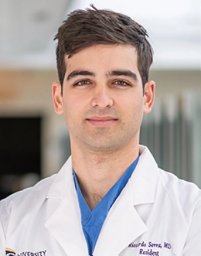 Riccardo Serra合作论文数Department of Neurosurgery, University of Maryland3
 Joshua Casaos合作论文数Department of Neurosurgery, Los Angeles (UCLA),3Nicolas Skuli合作论文数3
 Sakibul Huq合作论文数Dept Neurosurg, Johns Hopkins Univ3Noah Gorelick合作论文数3
 Betty Tyler合作论文数Departments of Neurology and Neurosurgery, School of Medicine, Biomedical Engineering3
 Henry Brem合作论文数Department of Neurosurgery, School of Medicine, The Johns Hopkins University3Tarik Lott合作论文数2Arba Cecia合作论文数2
 Nivedha V Kannapadi合作论文数2
 Miguel A Ruiz-Cardozo合作论文数Department of Neurological Surgery, Washington University2Ravi Medikonda合作论文数2
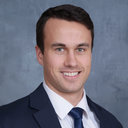 Jeff Ehresman合作论文数Sch Med, Johns Hopkins Univ2
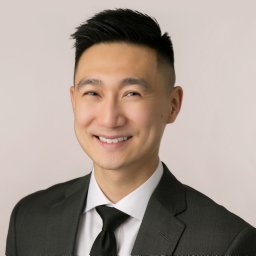 Andy S Ding合作论文数Sch Med, Johns Hopkins Univ2
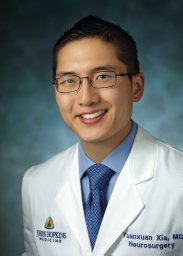 Yuanxuan Xia合作论文数Dept Neurosurg, Johns Hopkins Univ1
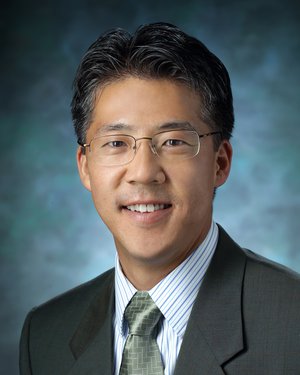 Ian Suk合作论文数Departments of Neurology and Neurosurgery, School of Medicine, Biomedical Engineering1Kast Richard E合作论文数1
 John S. Choi合作论文数jet propulsion laboratory1




