Purpose: Conducting research by physicians plays a pivotal role in enhancing the quality of education, clinical practice, and knowledge production within the healthcare system. Despite several studies conducted in this domain, the process underlying clinical research behavior among physicians has not yet been fully elucidated. Therefore, this study aimed to provide a theoretical explanation of the research behavior of physicians at medical universities. Methods: This qualitative study employed a thematic analysis approach to explore and explain the research behavior of physicians in Iranian medical universities from March 2024 to March 2025. Twenty-two physicians were selected through purposive sampling. Semi-structured interviews were conducted, and the data were analyzed using Strauss and Corbin's (1998) grounded theory approach, supported by MAXQDA 20 software. Results: The data analysis resulted in the emergence of five main categories: (1) individual factors, (2) organizational factors, (3) research-related factors, (4) factors related to the process of conducting research activities, and (5) environmental factors. The core category identified in this study was conducting clinical research, which was present throughout all stages of the clinical research behavior process. Conclusion: The research behavior of physicians is a multifaceted phenomenon influenced by various individual, organizational, research-related, and environmental factors. Hence, adopting a comprehensive and multidimensional approach is essential. The insights gained from this study can inform institutional and national policymaking aimed at improving the quantity and quality of physicians' research behavior, thereby enhancing physicians' professional contributions and advancing the research capacity of the healthcare sector.
Objective: Highly sensitized kidney transplant candidates, those with high levels of antihuman leukocyte antigens antibodies, are at increased risk of antibody-mediated graft rejection. The goal of desensitization therapy is to reduce alloantibody titers and increase the chance and success of transplantation. The proteasome inhibitor bortezomib, which acts against plasma cells, has been reported to be an effective agent in this setting. This systematic review evaluates the efficacy and safety of bortezomib-based desensitization regimens in sensitized kidney transplant recipients. Methods: A systematic search of various databases was conducted between January 2005 and July 2025. Studies that considered sensitized kidney transplant candidates treated with bortezomib-based desensitization were included, and outcomes included reduction in donor-specific antibodies (DSA), engraftment rate, graft rejection, and adverse events. Findings: A total of 21 studies involving about 185 patients were included, comprising 11 case reports, 6 case series, and 4 clinical trials or prospective studies. Overall graft success rate was 87% rejection-free outcomes 76% and no more adverse events in 81%. While most studies showed significant DSA reduction, one reported limited effectiveness. Bortezomib was generally well-tolerated, with no major adverse events in approximately 81% of studies. Mild neuropathy was noted in some cases, and treatment discontinuation occurred in 20% of patients in one trial. Conclusion: It can be concluded that bortezomib-based therapies are a potentially effective and well-tolerated option for desensitization and treatment of antibody-mediated rejection in kidney transplant candidates.
Sexual dysfunction (SD) is a common complication of opioid use disorder (OUD), and its treatment. Methadone maintenance therapy (MMT), as a cornerstone of OUD treatment, is frequently associated with SD. Buprenorphine maintenance therapy (BMT), due to its distinct pharmacology, may offer an alternative with a potentially lower risk of SD. This study aimed to synthesize the evidence on the effects of BMT on male sexual function in opioid-dependent individuals. Following PRISMA guidelines, a systematic search was conducted in PubMed, ProQuest, Web of Science, Scopus, and the Cochrane Library. This review identified 12 eligible studies for qualitative synthesis, mostly comparing BMT and MMT. Pooled data from seven studies employing the International Index of Erectile Function (IIEF) demonstrated that, compared to MMT, BMT was associated with significantly better scores in erectile function (SMD = 0.360, p < 0.001), orgasmic function (SMD = 0.22, p = 0.046), sexual desire (SMD = 0.70, p < 0.001), and intercourse satisfaction (SMD = 0.41, p = 0.001). The total IIEF score was also significantly higher for BMT (SMD: 0.807, p < 0.0001). However, no significant difference was found in the overall satisfaction. Meta-regression indicated that most IIEF scores were independent of buprenorphine dose, methadone dose, or treatment duration. The current evidence indicates that BMT is superior to MMT in preserving male sexual function, particularly desire and erectile function. These findings support the consideration of BMT as a preferred maintenance treatment for patients prioritizing sexual health and underscore the importance of routine sexual health screening in clinical management.
Background: Smartphone health applications have gained popularity among users; however, the accuracy of the health information they provide often goes unchecked, potentially compromising user safety. This highlights the need for assessing mobile health applications. While several evaluation tools exist, including the User Mobile Application Rating Scale (uMARS), there is currently no available Persian version of uMARS. This study aims to validate the Persian version of uMARS. Materials and Methods: This cross-sectional study involved students from the management and medical information science, modern medical technologies, and rehabilitation science programs at Isfahan University of Medical Sciences. Participants were selected using cluster random sampling and nonrandom quota sampling, resulting in a total of 106 undergraduate, master’s, and PhD students. Nonrandom quota sampling was then conducted among undergraduate, master’s, and PhD students from the aforementioned schools. One hundred and six students were chosen using nonrandom quota sampling. First, this questionnaire was translated by two English-Persian language expert translators and backtranslated, and this was compared with the original uMARS. After assessing face and content validity, convergent and divergent validity were assessed. To determine reliability, the Cronbach’s alpha method and test–retest was used. Results: Face, content, convergent, and divergent validity scale of uMARS was affirmed, and internal consistency for all subjective and objective quality dimensions with Cronbach’s alpha of 0.929 was affirmed. The reliability of all subscale test–retest was also acceptable. Considering calculated indicators, the Persian version of uMARS in this study has a good reliability and validity and is expected to be useful for mobile health applications as a standard tool. Conclusion: uMARS Persian version is a reliable tool to assess the quality of mobile health applications from the user’s perspective. This assessment framework offers a comprehensive evaluation of various aspects of mobile health applications, including their engagement, functionality, esthetics, information, and subjective quality.
Background:The objective is to summarize evidence from systematic reviews, scoping reviews, and meta-analyses evaluating the effects of any format of Internet-based, mobile-, or telephone-based intervention as a technology-based intervention in suicide prevention. Materials and Methods:This is an umbrella review, that followed Preferred Reporting Items for Systematic Reviews and Meta-Analyses 2020 statement guidelines. An electronic search was done on September 29, 2022. Data were extracted by reviewers and then methodological quality and risk of bias were assessed by A Measurement Tool to Assess Systematic Reviews-2. Statistical analysis was done by STATA version 17. Standard mean difference was extracted from these studies and by random effect model, the overall pooled effect size (ES) was calculated. I2 statistic was used to assess the heterogeneity between studies. For publication bias, the Egger test was used. Results:Six reviews were included in our study, all with moderate quality. The overall sample size was 24631. The ES for standard mean differences of the studies is calculated as - 0.20 with a confidence interval of (-0.26, -0.14). The heterogeneity is found as 58.14%, indicating a moderate-to-substantial one. The Egger test shows publication bias. Conclusion:Our results show that technology-based interventions are effective. We propose more rigorous randomized controlled trials with different control groups to assess the effectiveness of these interventions.
Introduction: Mobile applications during pregnancy can help pregnant women improve health care for themselves and their infants. In this regard, using valid and reliable evaluation tools is a good solution. Mobile application rating scale (MARS) is one of the valid tools in English to measure the quality of these programs, whose Persian version was validated in the field of pregnancy in this study. Methods: The cross-sectional study, the Mobile App Rating Scale (MARS) was translated into Persian and back-translated into English and compared with the original format. In the next step, the Persian version of MARS was used to evaluate 44 Persian mobile applications in the field of pregnancy. Face validity, content validity (CVR, CVI) and criterion validity (convergent and divergent) were calculated by Cronbach's alpha method and evaluators' agreement. Eleven specialists in the field of medical informatics and health information management participated in the content validity stage and two midwifery experts participated in the evaluation stage of midwifery applications. Pearson and intra-class correlation coefficient and student t-test were used in SPSS software (version 25). Results: In the content validity assessment stage, all 23 items were confirmed, and some edits needed to maintain the clarity and simplicity of the items was done. Convergent and divergent validity was confirmed. There was correlation coefficient between the score of the subscales (engagement, functionality, aesthetics, and information) with the total score of MARS from 0.85 to 0.92 for the first evaluator and from 0.77 to 0.92 for the second evaluator. There was a positive and significant relationship between the evaluators' opinion in ranking the quality of all subscales of 44 pregnancy apps. Cronbach's alpha for the whole scale was calculated to be 0.93 and 0.91 in two assessments. Conclusion: According to the indicators calculated in this study, Mobile App Rating Scale (MARS) is a valid and reliable tool in the field of pregnancy. The results of this study can be used by specialists, designers and evaluators of mobile applications in the field of pregnancy and pregnant women are its main beneficiaries.
Objectives The effects of man-made electromagnetic fields (EMFs) on the cardiovascular system have been investigated in many studies. In this regard, the cardiac autonomic nervous system (ANS) activity due to EMFs exposure, assessed by heart rate variability (HRV), was targeted in some studies. The studies investigating the relationship between EMFs and HRV have yielded conflicting results. We performed a systematic review and meta-analysis to assess the data's consistency and identify the association between EMFs and HRV measures.Content Published literature from four electronic databases, including Web of Science, PubMed, Scopus, Embase, and Cochrane, were retrieved and screened. Initially, 1601 articles were retrieved. After the screening, 15 original studies were eligible to be included in the meta-analysis. The studies evaluated the association between EMFs and SDNN (standard deviation of NN intervals), SDANN (Standard deviation of the average NN intervals for each 5 min segment of a 24 h HRV recording), and PNN50 (percentage of successive RR intervals that differ by more than 50 ms).There was a decrease in SDNN (ES=-0.227 [-0.389, -0.065], p=0.006), SDANN (ES=-0.526 [-1.001, -0.05], p=0.03) and PNN50 (ES=-0.287 [-0.549, -0.024]). However, there was no significant difference in LF (ES=0.061 (-0.267, 0.39), p=0.714) and HF (ES=-0.134 (0.581, 0.312), p=0.556). In addition, a significant difference was not observed in LF/HF (ES=0.079 (-0.191, 0.348), p=0.566).Outlook Our meta-analysis suggests that exposure to the environmental artificial EMFs could significantly correlate with SDNN, SDANN, and PNN50 indices. Therefore, lifestyle modification is essential in using the devices that emit EMs, such as cell phones, to decrease some signs and symptoms due to EMFs' effect on HRV.
Following the expansion of interdisciplinary communication among rehabilitative service providers, new techniques have been introduced for treating swallowing disorders. Kinesio taping (KT) is one of the recently noticed techniques in the rehabilitation of swallowing and feeding disorders. Given the novelty of this technique in research and practice, the present scoping review aimed to summarize the available evidence on the effects of KT on the oropharyngeal function related to swallowing, and to identify current knowledge gaps to guide future studies. The initial comprehensive search was conducted in the six databases in November 2022 and then was updated in June 2023. Studies were independently reviewed by two authors to exclude all types of reviews and study protocols, studies published only in an abstract form and also studies that used KT for improving voice and dysarthria symptoms. The methodology of the included studies was also critically appraised using Joanna Briggs Institute (JBI) standard tools by two authors. The results of the studies were categorized and reported based on their overall objectives. In final analysis, 21 articles were described. Study designs ranged from randomized control trials (RCTs) to the case reports. The effects of KT had been investigated on drooling, oral feeding skills of infants, immediate activation of swallowing muscles, and management of dysphagia in patients with stroke or cerebral palsy (CP). Although innovative approaches to use KT as a therapeutic method in swallowing disorders have been investigated in the studies, there are many methodological limitations that affected validity of the results. In general, it seems there is not enough evidence to add KT to the usual management of feeding and swallowing disorders yet. Further studies, therefore, are required to achieve more accurate conclusions in each of the objectives summarized in this study.
Purpose Radiofrequency (RF) ablation is a prevalent treatment for atrial fibrillation (AF), targeting triggers within the pulmonary vein (PV) for elimination. This study evaluated heart rate variability (HRV) parameter changes at three intervals post-RF ablation: short-term (immediately to 1 month), medium-term (1 to 6 months), and long-term (6 months to 1 year). We compared two ablation techniques: circumferential PV isolation (CPVI) and segmental PV isolation (SPVI). Methods A thorough search of databases, including PubMed, Embase, Scopus, Web of Science, and Cochrane, in 2022 yielded 835 pertinent studies. After inclusion criteria were applied, 22 studies were analyzed. Results Results showed a marked decline in HRV parameters post-AF ablation, with LF/HF as an exception. These reductions persisted in short- and long-term evaluations up to a year post-procedure. Subgroup analysis revealed significant HRV declines, with distinct LF/HF values post-SPVI. Conclusion This meta-analysis suggests the potential of decreased HRV as an indicator of autonomic denervation, necessitating further exploration to optimize therapeutic strategies and enhance patient outcomes.
BACKGROUND: Nowadays, there are hundreds of mobile applications related to sports, health and fitness. The benefits of using mobile phones in physical activity can be seen in the increasing use of mobile health applications. The purpose of this study was to design a behavioral model of acceptance and use of public health apps by Iranian users. MATERIALS AND METHODS: The present study was a qualitative and exploratory approach that was conducted based on the theme analysis method (team). The statistical population included programmers and designers of sports programs and academic specialists in the field of sports and computers. Data collection was performed through review of documents, backgrounds and semi-structured interviews. The interviews were conducted in person or by telephone and each interview lasted about 20 to 40 minutes. RESULTS: In total, 249 key points with marker codes were extracted from 14 interviews which were classified into 21 sub-themes and 6 main themes (app quality, digital literacy, social influences, facilitating conditions, intention to use, trust and accept the app. Finally, the pattern of acceptance and use of health apps by Iranian users were presented in accordance with UTAUT theory. CONCLUSION: The results of this study can help the officials of the federation, public sports boards and clubs to use information and communication technology as a media in their strategies and programs to develop sports and health at the community level. It also contributes to social vitality and improves the quality of life of individuals.
Materials and Methods: The aim of the present systematic review and meta-analysis was to evaluate the therapeutic efficacy of bosentan, a dual endothelin receptor antagonist, for systemic sclerosis (SSc) patients with digital ulcers (DUs). Methods: A systematic search of MEDLINE, Embase, Web of Science, and Scopus was done using appropriate keywords till September 2021. Weighted mean difference (WMD) as the effect of therapeutic efficacy of bosentan on continuous outcomes was an estimate. Furthermore, the pooled prevalence of diffuse SSc and limited SSc was computed. Fixed or random effects models when appropriate were used for data synthesis. Results: Totally, 469 patients, with a mean age ranging from 48.1 to 63.7 years, from 8 studies were included in the systematic review and meta-analysis. The pooled frequency of diffuse SSc and limited SSc was 56% (95% confidence interval [CI]: 39%, 73%) and 44% (95% CI: 27%, 61%). The pooled prevalence of new DUs following bosentan treatment was 21% (95% CI: 10%, 33%). The results of the meta-analysis showed a pooled mean decrease of WMD: -0.09 (95% CI: -0.020, 0.02, P= 0.10), WMD: -2.82 (95% CI: -5.91, 0.27, P= 0.07), and WMD: -6.65 (95% CI: -9.49, -3.82, P < 0.001) in mean SSc-Health Assessment Questionnaire, pain, and Rodnan score, respectively. Our meta-analysis also indicated a significant pooled decrease in the number of new DUs in SSc patients compared to placebo subjects (WMD: -0.89 [95% CI: -1.40, -0.37; P= 0.001]) and baseline values (WMD: -1.34 (95% CI: -1.95, -0.73; P < 0.001). Conclusion: Bosentan possibly is an efficacious treatment option for SSc-related DUs. Although further large-scale randomized clinical trials are required to confirm the preliminary finding and underlying mechanisms of action.
Introduction: Recently developed mobile apps for controlling COVID-19 have the potential to help fight the pandemic. But assurance regarding the quality of available apps is essential to proving their validity for usage. This study was aimed at evaluating and ranking the apps in Persian developed for COVID-19 in Iran.Material and Methods: 122 apps for COVID-19 in the Persian language were founded in the Miket, CafeBazar, ParsHub, and Charkhooneh app markets. Based on inclusion criteria, 13 apps were selected. The apps were evaluated by two independent reviewers and ranked according to a validated evaluation and ranking tool specifically for the Persian apps for information content, usability, design, ethics, security, privacy, and subjective quality. Kendall’s coefficient of concordance was used to calculate the agreement between two raters based on the mean of their scores for each app (p-value<0.05).Results: Five functional and subjective quality criteria were used. Mask was the app with the highest level of the specific score (mean score: 4.10, subjective quality: 4). The Corona test-Davoudi was the app with the lowest level of the specific score (mean score: 1.85, subjective quality: 1.50), which needs more improvement. The reviewed apps mainly need improvement for data security and privacy, requiring more technical tasks.Conclusion: There is a need for improvement, particularly in terms of privacy and data security, for Persian COVID-19 apps. Develop a valid guideline that could be effective in improving app quality. In addition, the modern technologies that have already proven successful worldwide should be considered by mobile app developers.
This study aimed to compare the non-acid nucleic blood multi-factor panels together and with mammography in terms of sensitivity, specificity, and accuracy in primary breast cancer detection (I, II, III, and IV). We systematically reviewed studies assessing non-acid nucleic blood tumor markers panels’ diagnostic value in both healthy women and patients (before any anticancer treatment) for the detection of primary breast cancer. Out of the 2358 titles initially identified, 12 studies and 9 panels were included in the network meta-analysis. Panels I (MSA + B2m) and J (GATA3 + E-cadherin) had the highest sensitivity in all stages of primary breast cancer but had no significant difference with mammography. Panels L (MSA + CA15–3) and B (M-CSF + CA15–3) had the highest specificity in all stages compared to other panels but no remarkable difference with mammography. Panels J (GATA3 + E-cadherin) and I (MSA + B2m) respectively had the highest accuracy in primary breast cancer detection but no considerable difference with mammography in terms of accuracy. Panel J, including GATA3 + E-cadherin, demonstrated a higher diagnostic value for primary breast cancer detection (I, II, III, and IV) than the rest of the panels.
Purpose Considering the high prevalence of type 1 diabetes mellitus (T1DM) together with the importance of improved physical growth and the significance of promoting healthcare quality among T1DM children, this meta-analysis aims to determine mean final height in this population group. Methods We systematically searched PubMed, EMBASE, Web of Science, Scopus, and Cochrane databases for all studies published until May 2023 and reviewed references of published articles. Meta-analytic procedures were used to estimate the effect size (mean final height Z-score) among T1DM children in a random effects model. Significance values, weighted effect sizes, 95% CIs, and tests of homogeneity of variance were calculated. The included studies consisted of data from 3274 patients. Results The mean final height Z-score for T1DM children was -0.201 ( n = 25 studies, 95% CI: -0.389, -0.013; I2 = 97%), -0.262 in males ( n = 20 studies, 95% CI: -0.539, 0.015, I2 = 97.1%), and -0.218 in females ( n = 18 studies, 95% CI: -0.436, 0, I2 = 94.2%). The non-significant negative association between age at diagnosis, HbA1c levels, and final height Z-score is suggested by the findings of the univariate meta-regression. Conclusion Our findings indicated that children with T1DM have impaired linear growth and that monitoring of growth in these patient populations is an important issue in the management of T1DM. Due to a scarcity of studies providing data on the relationship between uncontrolled diabetes (increased HbA1c) and early diagnosis and final height, further investigation is warranted to determine whether there is indeed a correlation. Consequently, any conclusion regarding the association between uncontrolled diabetes (elevated HbA1c), early diagnosis of T1DM, and the increased risk of impaired linear growth or final height remains uncertain.
To study the association of circulating β2 (B2M) and α1 microglobulins (A1M) with diabetic nephropathy (DN) progression, a meta-analysis was performed on the prospective cohort studies. Up to October 2021, a comprehensive search of the PubMed, EMBASE, Scopus, Web of Science, and Cochrane Library databases was performed. The primary outcome (progression of DN) was defined as a decrease in eGFR or the occurrence of end stage renal disease or DN-related mortality. Eligible studies were included in a pooled analysis that used either fixed-effect or random-effect models to compensate for variation in measurement standards between studies. The funnel plot and Egger's test were used to assess publication bias. The meta-analysis included 4398 people from 9 prospective trials (8 cohorts) for B2M and 3110 people from 4 prospective trials (3 cohorts) for A1M. Diabetic individuals with higher B2M levels had an increased risk for DN (relative risk [RR]: 1.81, 95% confidence interval [CI]: 1.56–2.09). Likewise, higher A1M was associated with augmented probability of DN (RR: 1.96, 95% CI: 1.46–2.62). The funnel plot and Egger’s tests indicated no publication bias for A1M. Additionally, to compensate for putative publication bias for B2M, using trim and fill analysis, four studies were filled for this marker and the results remained significant (RR: 1.62, 95% CI: 1.37–1.92). The elevated serum levels of B2M and A1M could be considered as potential predictors of DN progression in diabetic patients. Protocol registration: PROSPERO CRD42021278300.
This study is aimed at determining the best nonacid nucleic blood tumor marker panels in terms of sensitivity, specificity, and accuracy in order to detect breast cancer in early stages (I, II, and III) among eligible women for breast cancer screening. PubMed, Web of Science, Embase, Scopus, and Cochrane were systematically reviewed to assess nonacid nucleic blood tumor marker panels’ diagnostic value in women, both healthy and patient (before any anticancer treatment), for detecting breast cancer. A network meta-analysis was carried out using a Bayesian network meta-analysis to estimate combined odd ratio (OR) and 95% CI credible interval for presenting the results. Rankograms plot was drawn to rank the diagnostic value of different panels. Of the 2358 titles initially identified, 9 studies and 8 panels were included in the network meta-analysis. Panels A (MMP-9/TIMP-1) and K (TF1+TF2+TF3) had the highest sensitivity in early stages, as panel A with OR=11.61 and 95% CI (1.49-102.5) demonstrated a better function than mammography. Panels H (CA 15.3 + IL-18) and A (MMP-9/TIMP-1) had the highest specificity in early stages, but no significant difference with mammography. Panels A (MMP-9/TIMP-1) and H (CA 15.3 + IL-18) had the highest accuracy in early stages, as they significantly exhibited a higher function than mammography with OR=6.87 and 95% CI (2.07-31.35) as well as OR=3.44 and 95% CI (1.15-11.07), respectively. Panel A including MMP-9/TIMP-1 in early stages demonstrated a higher diagnostic value for breast cancer than the rest of the panels.
BACKGROUND: The expansion of pregnancy-related mobile applications has led to an increase in the usage of these applications by Iranian women, which has the potential to have a long-term impact on women's pregnancy health and, as a result, community health. The goal of this research was to investigate the state of pregnancy-related mobile applications in Iran. MATERIALS AND METHODS: This was a descriptive-applied research approach which was conducted in 2020. One hundred and fifty-seven pregnancy apps from different Iranian mobile app markets were installed and were examined in terms of the resources used and their validity, subject distribution, participation of obstetricians in the app development, apps volume, rank acquired by users and distribution of apps according to the developers. The relationship between the number of resources used and user rankings was also tested. RESULTS: A total of 157 apps were categorized into 12 subject categories based on their content. Only 1.3% of the apps were developed with the participation of obstetricians. Only 5% of the apps had used reliable information resources. Furthermore, the number of resources referenced in the studied apps did not have a significant relationship with star ratings (r = 0.03, P = 0.64), according to the Pearson correlation test. CONCLUSION: Iranian mobile applications in the field of pregnancy have grown significantly in terms of quantity, subject diversity, and user acceptance; however, the credibility of the information in these apps cannot be validated. This serves as a reminder to users to exercise caution while using such apps.
BACKGROUND: Since the beginning of the COVID-19 outbreak, a significant number of mobile health apps have been created around the world and in Iran to help consequence reduction of this emerging pandemic. OBJECTIVES: This study aimed to review the characteristics of Persian Android and iOS apps related to COVID-19 and determine their use-cases based on a reference model. METHODS: This was a cross-sectional descriptive study conducted in three main steps. First, a systematic search was conducted via Iranian mobile apps’ markets using the keywords related to COVID-19 in January 2021. Then, the retrieved apps were analyzed according to their characteristics. Finally, the use-cases of the given apps were determined and categorized based on a reference model. RESULTS: Based on our inclusion criteria, 122 apps were selected and evaluated. Most of these apps (87.7%) was free. Small proportions (5%) of reviewed apps have been developed with participation of clinical expert and half of the apps mentioned the references they used. Furthermore, about half of the apps (50.8%) were provided contact information of the developers. The studied apps were classified into four use-case major categories, including educational (98%), fulfilling a contextual need (18%), communicating, and/or sharing the information (0.83%), and health-related management (2%). CONCLUSION: The results showed that the Persian mobile apps for COVID-19 are not in a satisfying situation. Furthermore, although these apps are significant in quantity but in terms of use-cases, they are not widespread.
Background and Aim: In this study, in order to increase the visibility of articles in Scopus journals of Tehran University of Medical Sciences (TUMS), selective dissemination of information (SDI) service was presented and its impact on some citation indices was investigated. Materials and Methods: This is a semi-experimental study of two groups (pretest-posttest design with a control group). In this study, TUMS Scopus indexed journals (20 titles) were randomly divided into test and control groups and their citation indices were assessed. Then, the SDI services for test group journals were designed based on PubMedchr('39')s Alert system and presented to the universitychr('39')s top researchers for one year. Finally, the citation indices of the journals of test and control groups were reassessed and compared. For data analysis, independent t-test, paired t-test and, covariance analysis were used. Results: Comparison of mean citations as well as SJR, SNIP and CiteScore indices before and after the intervention showed no significant difference between the test and control groups. But the average CiteScore in both groups after the intervention was significantly higher than the average before the intervention. Conclusion: The results showed that the provision of the aformentioned services in the time period defined in this study had no significant effect on the citation indices. However, the valuable experiences gained in this study will undoubtedly be applicable to future research as well as services to researchers, librarians, and journal managers.
 Ziba Farajzadegan合作论文数Dept Community Med, Isfahan Univ Med Sci7
 Alireza Rahimi合作论文数5
 Mansourian Marjan合作论文数5
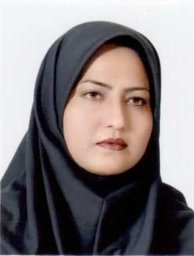 Firoozeh Zare-Farashbandi合作论文数School of Medical Management and Information Sciences, Isfahan University of Medical Sciences5
 Ghazisaeedi Marjan合作论文数Health Information Management, Tehran University of Medical Sciences4
 Akbar Hassanzadeh合作论文数Faculty of science, Urmia University4
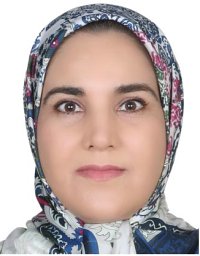 Sharareh Rostam Niakan Kalhori合作论文数4
 shafie parisa合作论文数3
 Roghayeh Ghazavi合作论文数Res & Technol, Isfahan Univ Med Sci3
 Ashrafi-Rizi Hasan合作论文数School of Medical Management and Information Sciences, Health Information Technology Research Center3
 Yasini Mobin合作论文数DMD santé, Research and development department, 51100 Reims, France.3Mahboubeh Shirvanian-Dehkordi合作论文数2
 Amir Mohamad Mozafari合作论文数Health Information Technology Research Center, Isfahan University of Medical Sciences2Khojasteh Ghasemi合作论文数Dept Biostat & Epidemiol, Isfahan Univ Med Sci2
 Mohammad Sadegh Aboutalebi合作论文数Fac Nursing & Midwifery, Isfahan Univ Med Sci2
 Raheleh Salari合作论文数Peter L Reichertz Inst Med Informat, TU Braunschweig2Eizadi-Mood Nastaran合作论文数Department of Clinical Toxicology and Forensic Medicine, Isfahan University of Medical Sciences2
 Mojgan Mortazavi合作论文数2
 Motamedi Narges合作论文数Department of Community Medicine, Isfahan University of Medical Sciences2Mokarian Fariborz合作论文数Department of Oncology, Seied-o-Shohada Hospital2
 Hamid Reza Marateb合作论文数Faculty of Engineering, University of Isfahan2Ramezan-Shirazi Mahtab合作论文数2
 Mansourian M合作论文数School of Medical Sciences, Tarbiat Modares University2
 Silva Hovsepian合作论文数2
 Payam Kabiri合作论文数Faculty of Health, Tehran University of Medical Sciences2
 Farzaneh Aminpour合作论文数Scientometry Department, Isfahan University of Medical Sciences2Marjan Ghazi Saeidi合作论文数1Saeed Karimi合作论文数1Shahrzad Ghalyan合作论文数1
 Amin Khatibi合作论文数Shahid Chamran Univ Ahvaz1
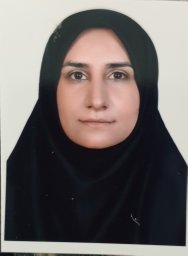 Zahra Teimouri Jervekani合作论文数Cardiovasc Res Inst, Isfahan Univ Med Sci1
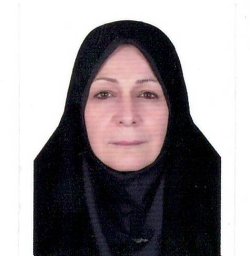 S. Heydarinejad合作论文数Shahid Chamran Univ Ahvaz1
 Rojin Chegini合作论文数Metab Liver Dis Res Ctr, Isfahan Univ1
 Maryam Heidarpour合作论文数Isfahan Endocrine and Metabolism Research Center, Isfahan University of Medical Sciences1
 Amir Roointan合作论文数Regenerat Med Res Ctr, Isfahan Univ Med Sci1
 Shiva Moein合作论文数Regenerat Med Res Ctr, Isfahan Univ Med Sci1
 Roya Riahi合作论文数Research Institute for Primordial Prevention of Non-Communicable Disease, Isfahan University of Medical Sciences1
 Azadeh Nouri合作论文数1
 Hooria Seyedhosseini Ghaheh合作论文数Dept Pharmaceut Biotechnol, Isfahan Univ Med Sci1Marsa Gholamzadeh合作论文数1
 Seyed Mohammad Ayyoubzadeh合作论文数School of Allied Medical Sciences, Tehran University of Medical Sciences1
 Nizal Sarrafzadegan合作论文数School of Population and Public Health, Faculty of Medicine, The University of British Columbia;Faculty of Medicine, Isfahan University of Medical Sciences1
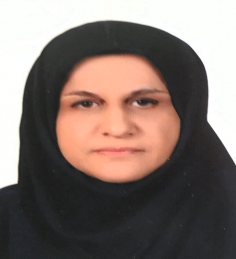 Roya Kelishadi合作论文数Department of Pediatrics, School of Medicine, Isfahan University of Medical Sciences1
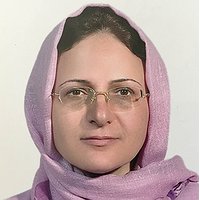 Ashraf Aminorroaya合作论文数Isfahan Endocrine & Metab Res Ctr, Isfahan Univ Med Sci1
 Hashemipour Mahin合作论文数Isfahan Endocrine & Metab Res Ctr, Isfahan Univ Med Sci1
 Alinia Tahereh合作论文数1Mirmoghtadaee Parisa合作论文数Child Hlth Promot Res Ctr, Isfahan Univ Med Sci1
 Mohammadreza Maracy合作论文数Department of Epidemiology and Biostatistics, School of Public Health, Isfahan University of Medical Sciences;Department of Community Medicine, Medical Faculty, Isfahan University of Medical Sciences1Nokhodian Zari合作论文数1




