Clinical use of oncolytic viral immunotherapies (OVIs) has been hindered by the requirement for intratumoral delivery and inconsistent activity. Here, we describe a novel, engineered strain of vaccinia virus (ASP1012) designed to overcome both limitations. ASP1012 displays improved systemic delivery even in the face of pre-existing anti-viral immunity. This is achieved through expression of the chemokine receptor CCR2, which, in turn, allows the virus to take advantage of inherent infection of lymphocytes in circulation and redirect these infected lymphocytes toward tumors expressing the chemokine CCL2, which is expressed by most solid human tumors. We have previously described potent T cell activation mediated by expression of the metabolic modulator leptin from an OVI. Here, we demonstrate significantly further increased therapeutic activity through expression of a Leptin-IL2 fusion protein and describe how this mediates changes in the tumor microenvironment leading to therapeutic activity in multiple mouse tumor models. ASP1012 expresses both CCR2 and Leptin-IL2, resulting in a therapy capable of producing complete responses in multiple mouse tumor models after intravenous delivery.
2606 Background: Our preclinical studies using ex vivo explant cultures of resected metastatic colorectal cancer (CRC) tissues and in vivo mouse models showed that the combination of interferon alpha (IFNα) with toll-like receptor-3 (TLR-3) ligands and inhibitors of prostaglandin synthesis selectively induces effector T cell-attracting chemokines (CXCL9, CXCL10, CXCL11, and CCL5) in tumor microenvironments (TME), but not in adjacent healthy tissues, allowing for their systemic application to modulate TME. The chemokine-modulating (CKM) regimen, consisting of IFNα, rintatolimod (a selective TLR3 agonist), and celecoxib (a COX-2 inhibitor), also suppresses CCL22, a Treg-attracting chemokine in the TME. Based on these preclinical data, we hypothesized that a systemic CKM regimen would be safe and effective in modulating the TME of metastatic CRC. Methods: Nine chemotherapy-naïve patients with metastatic or recurrent CRC confined to the abdomen/pelvis and expected to have a complete resection received increasing doses of IFNa2b in a Phase I study to establish a recommended phase II dose of CKM for efficacy studies. The adaptive dose-escalation evaluated IFNα2b at 5, 10, and 20 million units (MU)/m2/day IV (Monday–Friday for 1 week pre-surgery), in combination with fixed doses of rintatolimod (200 mg IV; Monday–Friday) and celecoxib (200 mg orally twice daily; Monday–Friday). Results: No dose-limiting toxicities were observed, and 20 MU/m² of IFNα2b was identified as the recommended Phase II dose. All treated patients underwent R0 resection, as planned. Common treatment-related adverse events were flu-like symptoms (chills, fever, fatigue) and transient laboratory abnormalities (anemia, leukopenia), mostly grade 1–2. Two patients (13%) developed grade 3–4 neutropenia, which resolved without sequelae. There were no unexpected perioperative complications attributable to the regimen. Preliminary analysis of resected tumor tissues showed evidence of immune modulation in CKM-treated patients: increased ratios of CD8+ CTLs to FoxP3+ Tregs, with concomitant elevation of the effector chemokines (CCL5 and CXCL10), along with reduced expression of the Treg-recruiting chemokine CCL22, compared to 77 patients undergoing upfront tumor resections. Conclusions: Neoadjuvant CKM regimen is safe and feasible in resectable metastatic CRC and is associated with improved ratios of CD8+ CTLs to FoxP3+ Tregs in the TME. Further studies combining CKM with immune checkpoint inhibitors and/or chemotherapy are warranted to evaluate the impact of preoperative TME modulation on long-term oncologic outcomes in CRC. Clinical trial information: NCT01545141 .
Immunotherapy is currently effective in less than half of patients with solid tumors, and most responders develop secondary progression. High infiltration of the tumor microenvironment (TME) with CD8+ cytotoxic T cells (CTLs) and low infiltration with regulatory T cells (Treg) predicts the patients’ responses to immunotherapy and long-term outcomes. To identify the mechanisms regulating long-term stability of CTL infiltration, we analyzed the impact of CTL-produced cytokines on the TME by co-culturing patient-isolated ascites cells with activated T cells. Unexpectedly, we observed that activated CTLs selectively induce cytotoxic T cell-attracting chemokines but not chemokines that attract T regulatory cells in ovarian cancer TME and tumor-associated myeloid cells, resulting in recruitment of additional CTLs without Tregs. This selectivity resulted from the unique dependence of CCL22 induction on both canonical and alternative NF-κB and the suppression of alternative NF-κB signaling by T cell-released IFNγ. Our data demonstrate that T cell-produced IFNγ suppresses alternative NF-κB signaling in TME-associated myeloid cells, allowing for the induction of CTL-attracting chemokines with the concomitant suppression of Treg-attracting CCL22. These novel functions of IFNγ and activated T cells in regulating the balance between canonical and alternative NF-κB signaling in myeloid cells provide new opportunities to enhance and stabilize the selective CTL influx in the TME.
Recruitment of intratumoral CD8+ cytotoxic T cells (CTLs) predicts improved outcomes in cancer patients, but the transient character of CTL effector function and regulatory T cell (Treg) influx limit long-term survival. Activated CTLs induce immunosuppression that self-limits antitumor immunity through the release of TNFα and IFNγ which activate COX2/PGE2 in myeloid-derived suppressor cells. To investigate if secondary suppression also involves chemoattraction of Tregs, we tested if activated CTLs modulate chemokine production in the tumor microenvironment (TME). Unexpectedly, CTLs selectively induced CTL-attracting chemokines CCL5 and CXCL10 but not Treg-attracting CCL22 in ovarian cancer ascites. CTL-sourced TNFα and IFNγ synergistically induced CTL attractants by TME-resident myeloid cells and monocyte-derived macrophages that resulted in selective recruitment of CTLs without Tregs. TNFα-driven induction of CCL5 and IFNγ-driven induction of CXCL10 required canonical but not alternative NF-κB signaling. In contrast, the induction of CCL22 required both canonical and alternative NF-κB. Selective production of CTL- and not Treg-attracting chemokines resulted from suppression of alternative NF-κB signaling by IFNγ. Our data indicate that activated CTLs not only kill tumor cells but also reprogram NF-κB-regulated chemokine production and selectively promote recruitment of additional effector cells, thus indicating new opportunities for enhancing cancer therapies. Suppoprted by NIH PO132714; NIH P50CA159981; NIH 5P01CA234212; NCI T32 Training Grant T32CA085183; the 2015 CRI Clinical Strategy Team Grant; NIH Shared Instrument Grant 1S10OD018048. Tumor Immunology: Cellular Responses and Tumor Microevironment (TIME)
Interplay between IFNα and COX-2/PGE2 system in the regulation of and suppressive inflammatory mediators.
PDF file - 109K, CCL22 is predominantly expressed by HLA-DR+ APC, whereas CXCL10 and CCL5 are expressed by both HLA-DR positive and negative cells
PDF file - 190K, (A-B): Combination of indomethacin, IFNa and poly-I:C induces the optimal pattern of chemokine expression in isolated cell cultures. (C-D): Combination of IFNa, poly-I:C and cyclooxygenase blockade is needed for the optimal and consistent modulation of chemokine production in metastatic colorectal cancer lesions
Background: TGFB1 mediated immune resistance is one of the major mechanisms of immune suppression utilized across multiple tumor types. Immune resistance imparted by TGFB1 is mediated through its pleiotropic effects on vasculature, fibrogenesis and regulatory/effector immune cells within the tumor microenvironment. Blockade of TGFB1 (TGFBi) will likely improve response to immunotherapy. IL-12 is a cytokine that through IFNg induction, promotes type 1 inflammatory response, M1 macrophages and effector CD8 T cell response. Combining TGFB1 blockade with IL-12 may maximize therapeutic benefits through simultaneously reducing immunosuppression and enhancing anti-tumor immune response. Current studies have developed a vaccinia-based immunotherapy, combining enhanced systemic virus delivery to CXCR3 ligand rich tumors and locally expressed IL-12 and TGFBi within the tumor microenvironment, for efficient control of multiple tumor models. Methods: An oncolytic vaccinia virus expressing CXCR3, IL-12 and a TGFB1 antagonizing mini-monomer was constructed (VET3-TGI) and the expression and function of the transgenes were confirmed. Using in vivo mouse RENCA, EMT-6 and MC38 tumor models, the functionality and therapeutic efficacy of VET-TGI were tested with comparison to control virus. Post-mortem analysis was used to analyze the impact of VET3-TGI on immune/stromal/endothelial milieu of the tumors and to determine toxicity profile. Results: VET3-TGI infected cells expressed CXCR3 and showed enhanced migration to CXCR3 ligands in vitro and improved systemic delivery to tumors expressing CXCR3 ligands in vivo, even in the face of pre-existing anti-viral immunity. IL-12 expression and TGFBi blockade of TGFB1 mediated suppression of CD8 T cell proliferation were confirmed in vitro. In vivo mouse studies using EMT6, RENCA and MC38 tumor models demonstrated potent therapeutic activity, including 100% CRs, even at doses several logs below equivalent clinical doses and in multiple models. Mechanism of activity studies suggested that the therapeutic efficacy of VET3-TGI is associated with considerable modification of the tumor microenvironment. In addition, preliminary toxicity studies demonstrated the safety of VET3-TGI in mouse models. Conclusions: VET3-TGI demonstrated an ability to reduce immunosuppression and dramatically enhance antitumor immune response leading to safe and potent therapeutic activity in multiple mouse tumor models. This data led to the selection of VET3-TGI as our lead clinical candidate. A human version of the virus is currently undergoing clinical manufacture and toxicology testing. Citation Format: Ravikumar Muthuswamy, Steve Thorne. The oncolytic virus VET3-TGI both blocks TGF-beta signaling and activates type 2 IFN responses, resulting in potent therapeutic responses in multiple mouse models [abstract]. In: Proceedings of the American Association for Cancer Research Annual Meeting 2023; Part 1 (Regular and Invited Abstracts); 2023 Apr 14-19; Orlando, FL. Philadelphia (PA): AACR; Cancer Res 2023;83(7_Suppl):Abstract nr 6789.
Supplementary Table 1, Figures 1-5 from Ability of Mature Dendritic Cells to Interact with Regulatory T Cells Is Imprinted during Maturation
PDF file - 215K, Presence of Treg and Teff markers in tumors correlate with intra-tumoral expression of Teff- and Treg-attracting chemokines
Supplementary Figure 1 from Effective Immunotherapy against Murine Gliomas Using Type 1 Polarizing Dendritic Cells—Significant Roles of CXCL10
IFNα enhances the response to TLR3 triggering by either poly-I:C or rintatolimod, but prostaglandin inhibition is selectively needed to optimize the pattern of inflammation induced by poly-I:C.
Supplementary Figure Legends 1-2 from Effective Immunotherapy against Murine Gliomas Using Type 1 Polarizing Dendritic Cells—Significant Roles of CXCL10
Dose-dependent response to rintatolimod (RINT) and poly-I:C (pIC) in macrophage cultures.
The model: Molecular separation of pro-inflammatory and suppressive pathways of dsRNA signaling in cancer TME.
dsDNA selectively mobilize CXCL10 production, rather than CCL22 and suppressive component of inflammation in mouse myeloid cells.
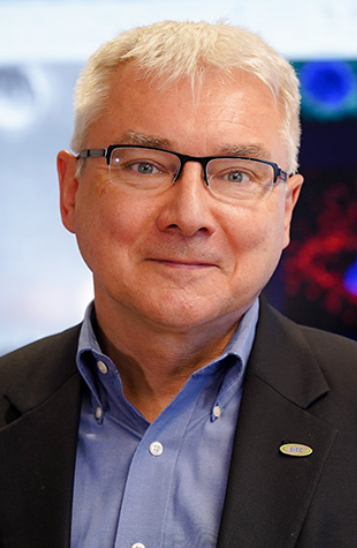 Pawel Kalinski合作论文数Department of Immunology, Roswell Park Comprehensive Cancer Center70
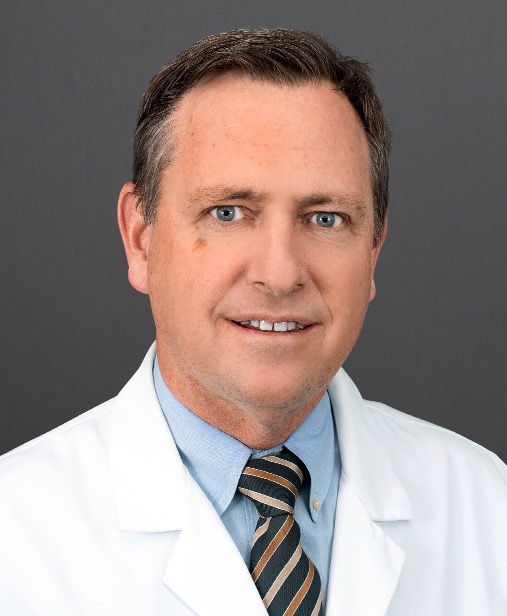 David L Bartlett合作论文数Allegheny Health Network Cancer Institute;Surgery Division, Center for Cancer Research, National Cancer Institute34
 Erik Berk合作论文数20
 Herbert Zeh III合作论文数The University of Texas Southwestern Medical Center;University of Pittsburgh;Harold C. Simmons Comprehensive Cancer Center, The University of Texas Southwestern18
 Robert Edwards合作论文数Department of Obstetrics, Gynecology & Reproductive Sciences, University of Pittsburgh;Magee-Womens Hospital, University of Pittsburgh Medical Center16
 Todd Reinhart合作论文数16Zureikat Amer H合作论文数13Julie Urban合作论文数12
 Natasa Obermajer合作论文数Faculty of Pharmacy, University of Ljubljana12The Minh Luong合作论文数11Beth A. Fallert Junecko合作论文数11
 Saumendra N. Sarkar合作论文数Canc Virol Program, Univ Pittsburgh10
 Daniel Normolle合作论文数Department of Biostatistics, School of Public Health, University of Pittsburgh9
 Robbie B. Mailliard合作论文数Division of Infectious Diseases, Department of Medicine, School of Medicine, University of Pittsburgh9Per H. Basse合作论文数9Jamie Voyten合作论文数8Brian Orr合作论文数8
 Saigopalakrishna S Yerneni合作论文数Department of Chemical Engineering, Carnegie Mellon University8
 Marie-Nicole Theodoraki合作论文数Head and Neck Cancer Center of the Comprehensive Cancer Center Ulm, Ulm University Medical Center8
 Kunle Odunsi合作论文数University of Chicago Comprehensive Cancer Center;Department of Obstetrics and Gynecology, The University of Chicago8
 Francesmary Modugno合作论文数Department of Obstetrics, Gynecology, and Reproductive Sciences, University of Pittsburgh;Department of Epidemiology, University of Pittsburgh;School of Public Health, University of Pittsburgh8Melissa J. Grimm合作论文数8
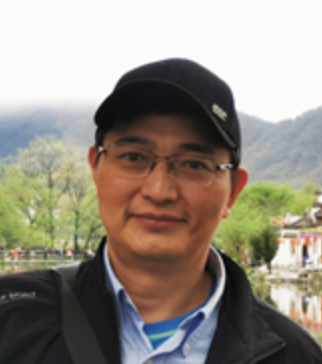 Jianwei Jiang (蒋建伟)合作论文数School of Medicine, Jinan University7Watchmaker Payal B合作论文数Department of Surgery, University of Pittsburgh7
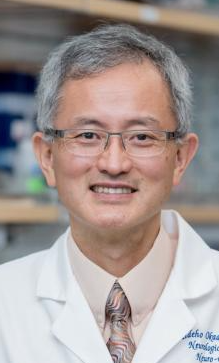 Hideho Okada合作论文数School of Medicine, University of California, San Francisco7Gary Kohanbash合作论文数Brain Tumor Program G12.a Research Pavilion at the Hillman Cancer Center, University of Pittsburgh Cancer Institute6
 Kotaro Sasaki合作论文数School of Veterinary Medicine, University of Pennsylvania5
 Eva Wieckowski合作论文数5
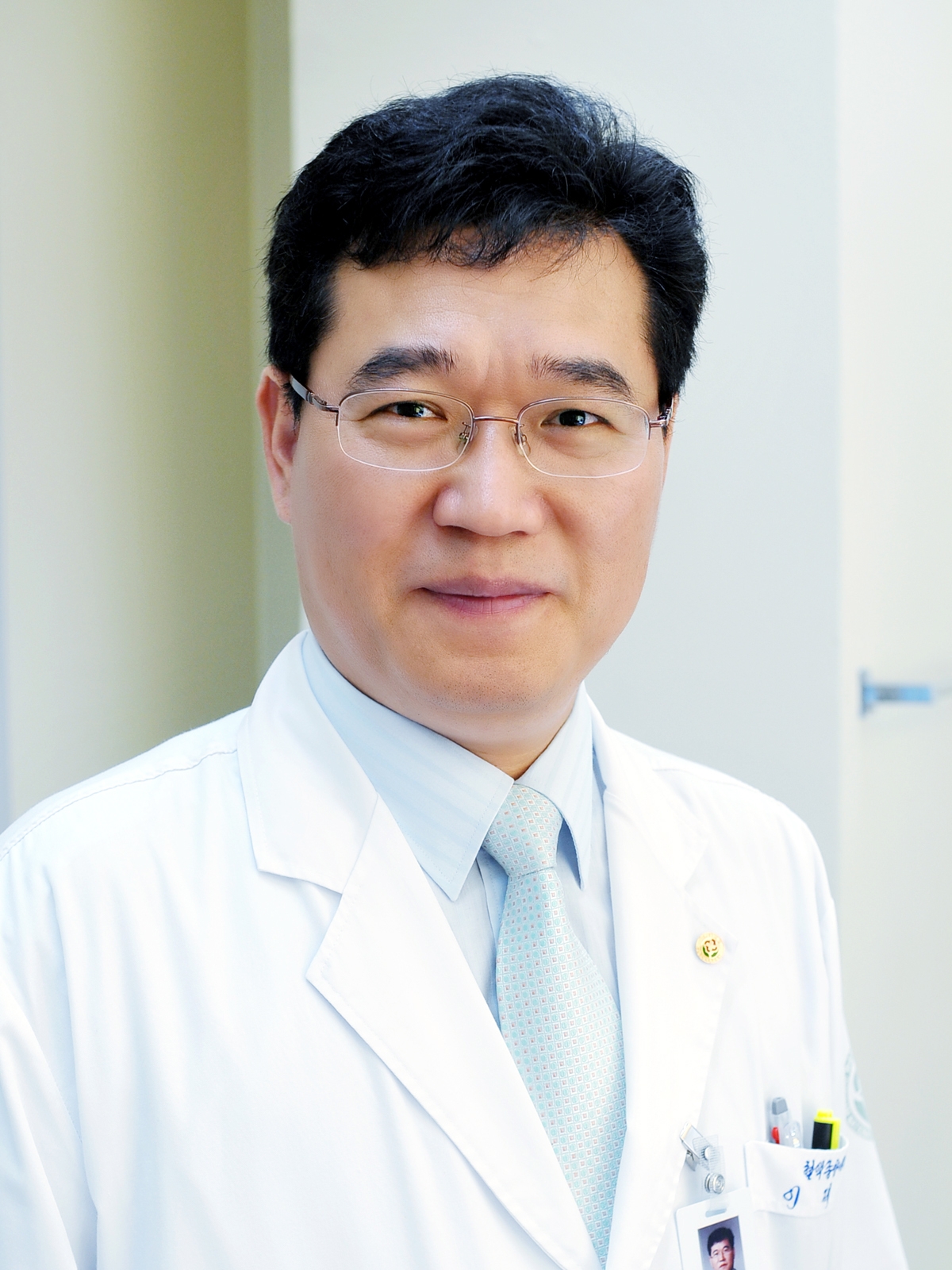 Je Jung Lee合作论文数Department of Hematology & Oncology, Chonnam National University Medical School5Jeffrey L. Wong合作论文数4
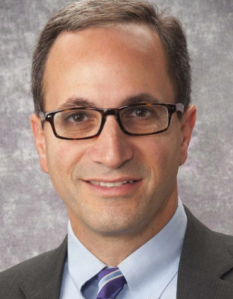 Robert L. Ferris合作论文数School of Medicine, UNC4
 Simon C. Watkins合作论文数Department of Cell Biology, School of Medicine, University of Pittsburgh;Pittsburgh Center for Interdisciplinary, University of Pittsburgh;Department of Immunology, McGowan Institute for Regenerative Medicine, University of Pittsburgh4
 William E. Gooding合作论文数University of Pittsburgh Hillman Cancer Center4Adam Giermasz合作论文数4Ryo Ueda合作论文数Keio University School of Medicine Neuroimmunology Research Group 35 Shinanomachi, Shinjuku-ku 160-8582 Tokyo Japan 35 Shinanomachi, Shinjuku-ku 160-8582 Tokyo Japan4
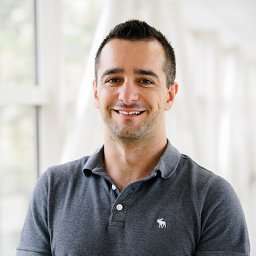 Sebastiano Battaglia合作论文数4Yvonne K Mburu合作论文数3
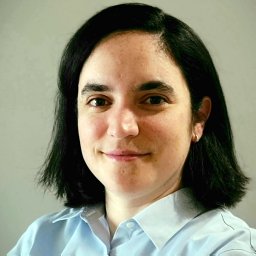 Adriana Forero合作论文数College of Medicine, The Ohio State University3LD Falo合作论文数3
 Gregory A Gibson合作论文数3Kastenhuber Edward R合作论文数Mem Sloan Kettering Canc Ctr, Sloan Kettering Inst3
 Naoki Umemura合作论文数3
 Pitchappan Ramasamy合作论文数School of Biological Sciences, Madurai Kamaraj University3
 Roshni Ravindranathan合作论文数3
 Walter J. Storkus合作论文数Department of Dermatology, School of Medicine, University of Pittsburgh;Department of Immunology, School of Medicine, University of Pittsburgh3Xinmei Zhu合作论文数3
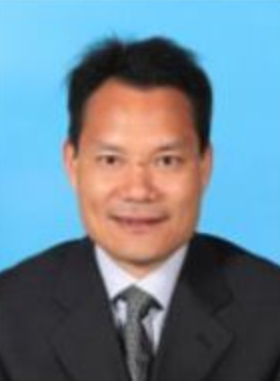 Jianzhong Zhu (朱建中)合作论文数College of Veterinary Medicine, Yangzhou University3
 Mitsugu Fujita合作论文数Department of Neurological Surgery, University of Pittsburgh School of Medicine;Brain Tumor Program, University of Pittsburgh Cancer Institute;University of Pittsburgh School of Medicine, University of Pittsburgh Cancer Institute3Yutaro Nakamura合作论文数3




