Snake robots are inherently complex nonlinear dynamical systems due to their hyper-redundant structure and the interaction of multiple degrees of freedom. Traditional control schemes often require the establishment of complex nonlinear models for snake robots, which is both time-intensive and challenging due to the difficulty in obtaining precise model parameters. This study presents a Koopman operator-based, data-driven linear model predictive control (MPC) framework tailored for the path following task of snake robots. Firstly, instead of establishing a nonlinear model, a finite-dimensional linear dynamic model is established for snake robots based on Koopman operator, using only input-output data. Secondly, a cascade control scheme is developed for the path following of snake robots including line-of-sight (LOS) guidance law, heading controller and gait pattern generator. Specifically, the heading controller is constructed using a high-dimensional linear Koopman model within an MPC framework, while a radial basis function (RBF) neural network is employed to online compensate for modeling errors and unknown disturbances. Finally, the dataset size for Koopman modeling is determined experimentally, comprising a total of 20000 input-output data pairs. The lifting function and lifting dimension are also selected experimentally. The efficacy of the Koopman model in capturing the dynamics of the snake robot is validated through experiments utilizing randomly generated control inputs. Experimental results indicate that the proposed controller achieves superior path following performance compared to the Koopman model-based MPC method, in terms of overshoot, settling time and robustness.
Omni-directional mobile manipulators (OMMs) are inherently nonlinear, strongly coupled, and multiple-input multiple-output systems, posing significant challenges in developing accurate mechanistic models due to their complexity. Koopman operator theory offers a data-driven modeling framework that leverages input-output data to characterize system dynamics, but there often exist modeling errors. In this paper, an event-triggered data-driven linear model predictive control (MPC) framework is proposed for an OMM, without using any prior knowledge of the robot system. A finite-dimensional approximate linear Koopman model is established for an OMM using input-output data. The Gaussian process regression (GPR) is employed to estimate the model's errors, while an extended state observer (ESO) is designed to estimate external disturbances. Since the introduction of GPR increases the computational burden, an event-triggered (ET) mechanism is introduced to reduce unnecessary controller recomputations and controller update frequency. Finally, comparative experiments are carried out to verify the effectiveness and performance superiority of the proposed control scheme.
Navigating complex environments and completing tasks with snake robots demand precise path following and velocity tracking. However, current solutions are hampered by challenges such as the expected model mismatch, nonaffine dynamics, safe operation and external disturbances. Addressing these issues is critical for enhancing the versatility and effectiveness of snake robots in real-world applications. This article proposes an efficient mechanism-data hybrid driven robust control architecture for snake robots, addressing critical challenges in path following with velocity tracking. Through analyzing the interplay between gait parameters and state variables, we found that the nonaffine term can be eliminated by decoupling and hierarchical control. Then, a hybrid driven model is developed by augmenting a mechanism model with both a Gaussian process, which learns the expected model mismatch from offline data, and an additive disturbance model for efficient online estimation of residual disturbances via extended state observers. Moreover, a hierarchical control architecture is designed by first formulating a path following controller using model predictive control and then designing a velocity tracking controller based on feedback linearization. The proposed controller is also computationally efficient and takes constraints into account. Extensive experimental scenarios and comparisons validate the effectiveness of the proposed control architecture and also show that the control update interval (0.02 s) is ten times faster than that in previous work.
Portrait drawing generation typically relies on CycleGAN-based methods that utilize cyclic consistency loss to facilitate unpaired image translation. However, these approaches often struggle to preserve accurate facial semantic features when processing highly abstract artistic styles, leading to contour distortions or loss of critical details in the generated portraits. In this paper, we propose an unsupervised asymmetric network for portrait drawing generation. Firstly, we introduce a perceptual cycle consistency loss, which encourages perceptual-level similarity between input photos and reconstructed images, thereby improving the fidelity of style transfer. Secondly, we design a generator architecture that integrates an autoencoder backbone with skip connections and self-attention blocks, which enhances global context modeling while preserving fine-grained facial details. Finally, we incorporate a CLIP-guided semantic perception loss, which aligns high-level semantic features between source images and generated portraits, effectively maintaining structural integrity and key identity features. Extensive experiments on benchmark datasets demonstrate that our method produces portrait drawings with higher visual quality and stronger semantic fidelity compared to state-of-the-art approaches.
Achieving precise trajectory tracking is vital for underwater navigation, particularly under the influence of environmental disturbances and model uncertainties. This study presents a nonlinear model predictive control (NMPC) strategy for a multi-joint autonomous underwater vehicle (MJ-AUV) designed to maintain accurate trajectory tracking in the presence of time-varying disturbances. To enhance robustness, a nonlinear disturbance observer (NDO) is integrated to mitigate the effects of disturbances and uncertainties. The research begins by developing a discrete-time nonlinear model for the MJ-AUV, followed by the formulation of the NDO and NMPC. Key contributions of this work include the integration of NDO to counteract the effects of environmental disturbances and model uncertainties, which are common challenges in underwater operations. In addition, the Lyapunov-based stability analysis is performed, which guarantees the asymptotic convergence of position and velocity tracking errors. Numerical simulations under random uncertainties validate the effectiveness of the proposed NDO-NMPC controller, demonstrating improved maneuverability and tracking precision for the MJ-AUV. The results confirm that the combined NDO-NMPC approach offers robust and stable control, enabling the MJ-AUV to navigate complex trajectories with high accuracy.
The operating environment of snake robots is typically complex and harsh, often subjecting their actuators to high load conditions that can lead to joint failures. This article presents an optimal robust path following control framework for snake robots operating under joint failures, based on improved lateral undulatory gait. Two joint failure scenarios are considered: free-joint failure (including head-joint free) and free-joint failure combined with an adjacent joint locked at 0(degrees). To tackle these scenarios, we develop improved gait patterns that increase the control degrees of freedom and adjust the interjoint phase shift, enhancing the adaptability of the robot. The dynamic model is rederived based on the modified gait, with simplifications made to reduce computational overhead. Model predictive control (MPC) is then applied to generate optimal control inputs while considering multiple constraints. Furthermore, to achieve robust path following control in the presence of unknown and variable friction forces and external disturbances, adaptive interaction is employed for real-time tuning of the MPC weights. Extensive simulation and experimental results, across various failure scenarios, validate the effectiveness of the proposed control architecture in enabling motion recovery and robust path following under joint failures.
In this letter, we propose a new method for visual locomotion controller in quadruped robots, aimed at enhancing their capability to traverse challenging terrain. Our approach integrates computer vision techniques with robust locomotion control to improve terrain traversal. To facilitate terrain perception, we use onboard cameras and body sensors to collect real-world visual and proprioceptor data, and utilize forward kinematics to convert joint angles into precise foot positions. This enables accurate estimation of terrain height, which serves as supervised training data for our visual motion controller. This integrated approach improves the robot's ability to anticipate and adapt to diverse terrain conditions, potentially advancing quadruped locomotion in unstructured environments. Our model is deployed on A1 robot from Unitree. Experimental results show that our proposed method can enable the robot to stably climb stairs and pass through sand, grass, snow, and uneven roads.
The accurate tracking of individual calves is essential for health monitoring. However, existing multi tracking frameworks often encounter frequent ID abnormal switching issues during occlusion. To address these challenges, we propose a novel multi-object tracking framework named YSD-BPTrack for calves in occluded environments on cattle farms in this paper. This framework mainly consists of two stages: detection and tracking. Concerning the detection phase, the DCNv4 is integrated into the YOLOv8s model to capture spatial deformation features caused by occlusion, thereby enhancing detection performance under occlusion. Additionally, the Star operation of StarNet is also applied to the model to achieve excellent detection performance with lower computational costs. Concerning the tracking stage, we first propose an innovative rematching algorithm (Rematching module) and a new trajectory removal strategy (Trajectory removal module). The Rematching module performs rematching with detection boxes utilizing extended trajectory prediction boxes in cases of occlusion, resulting in a reduced probability of ID switch errors. Moreover, the Trajectory Removal module dynamically adjusts the removal time for lost matching trajectories, which decreases the likelihood of trajectories being mistakenly removed. Specifically, our proposed novel framework achieves a HOTA (Higher Order Tracking Accuracy) of 91.6%, surpassing other frameworks in both track accuracy and efficiency. Experimental results also validate the superiority of the YSD-BPTrack, with HOTA increasing by 17.6%, MOTA (Multiple Object Tracking Accuracy) by 13.9%, MOTP (Multiple Object Tracking Precision) by 1.8%, IDF1 (Identification F1 Score) by 15.4%, and reducing parameters by 49.1%, IDSw (Identification Switches) by 88.9%, and computational overhead by 39.2% compared to the other frameworks. Overall, the proposed multi-object tracking framework has great potential to revolutionize the tracking of calves.
Accurate cattle body detection can significantly enhance the efficiency and quality of animal husbandry production. Traditional manual observation approaches are not only inefficient but also lack objectivity, while computer vision-based methods demand prolonged training periods and present challenges in implementation. To address these issues, this paper develops a novel precise cattle body detection solution, namely YOLOv5-VF-W3. By introducing the Varifocal loss, the YOLOv5-VF-W3 model can handle imbalanced samples and focus more attention on difficult-to-recognize instances. Additionally, the introduction of the WIoUv3 loss function provides the model with a wise gradient gain allocation strategy. This strategy reduces the competitiveness of high-quality anchor boxes while mitigating harmful gradients produced by low-quality anchor boxes, thereby emphasizing anchor boxes of ordinary quality. Through these enhancements, the YOLOv5-VF-W3 model can accurately detect cattle bodies, improving the efficiency and quality of animal husbandry production. Numerous experimental results have demonstrated that the proposed YOLOv5-VF-W3 model achieves superior cattle body detection results in both quantitative and qualitative evaluation criteria. Specifically, the YOLOv5-VF-W3 model achieves an mAP of 95.2% in cattle body detection, with individual cattle detection, leg detection, and head detection reaching 95.3%, 94.8%, and 95.4%, respectively. Furthermore, in complex scenarios, especially when dealing with small targets and occlusions, the model can accurately and efficiently detect individual cattle and key body parts. This brings new opportunities for the development of precision livestock farming.
Omni-directional mobile manipulators (OMMs) are typically nonlinear, strongly coupled, multiple-input and multiple-output systems, for which the development of mechanistic models is often complex and time-consuming. Koopman operator theory is a fully data-driven modeling approach that leverages input-output data to generate high-dimensional linear models, but it often has modeling errors. In this paper, a completely data-driven online learning linear model predictive control (MPC) framework is proposed for an OMM, without using any prior knowledge of the robot system. A finite-dimensional approximate linear Koopman model is established for an OMM using the input-output data. The model errors (including external disturbances) are online learned by Gaussian process regression (GPR) using the collected data and compensated for in real time within the controller. Selective forgetting and incremental inverse computation methods are employed to reduce the computational cost of online GPR. Finally, a total of 11,400 experimental data pairs are generated for Koopman modeling of an OMM prototype, utilizing randomly generated control inputs under different initial states. Then experimental tests are carried out to verify the control performances and robustness of the proposed control scheme. Note to Practitioners-Most existing control design schemes for OMMs require mechanism models. However, the modeling process for OMMs is usually time-consuming, and the resulting model is often complex with parameter uncertainties. This paper proposes a completely data-driven modeling and control scheme for OMMs without using any prior knowledge of the robot system. Based on Koopman operator, we establish a finite-dimensional approximate linear dynamic model for an OMM via the input-output experimental data. Then we propose a simple linear MPC framework for OMM, while the model errors are online learned by GPR using the collected experimental data. The computational cost of online GPR is also considered. Experimental tests demonstrate that the proposed control scheme can achieve good tracking accuracy and robust performances.
The Underwater Swimming Manipulator (USM) is a novel type of underwater robot that can autonomously and flexibly execute underwater tasks by leveraging its redundant degrees of freedom. Currently, there is a lack of motion planning methods specifically designed for USMs. In this paper, a USM with 14 degrees of freedom is introduced and a motion planning framework for it is designed. The framework consists of a path planner based on Rapidly-exploring Random Tree (RRT) and an inverse kinematics (IK) solver based on the geometric Follow-the-Leader (FTL) strategy. Then, BMA-RRT* is proposed to address the limitations of the existing MDA-RRT* algorithm. Simulation results in a 3D environment show that BMA-RRT* improves overall performance compared to MDA-RRT*, and the feasibility and efficiency of proposed framework are validated.
As critical components of mechanical equipment, bearings play a vital role in ensuring the stability and safety of equipment operation. However, traditional fault diagnosis methods face challenges such as reliance on manual experience, difficulties in standardisation, and deficiencies in real-time performance and accuracy. In recent years, fault diagnosis methods that combine vibration analysis and artificial intelligence technology have gained increasing attention. In particular, deep learning methods have become a research focus in this area due to their excellent feature extraction capabilities. This paper presents a deep learning-based bearing fault diagnosis model, SeqAttention-Net, which aims to address the problem of bearing fault detection in small sample data sets. The SeqAttention-Net model overcomes the challenges of small sample sizes by combining sequence data transformation and attention mechanisms. The model pre-processes bearing vibration signals using Fast Fourier Transform (FFT) to extract key frequency features, effectively capturing the periodic changes in fault characteristics. In addition, the model incorporates white noise into the training set to simulate the complex noise environment in industrial production, which enhances the model's generalisation ability and accuracy in detecting unknown samples. Experimental results show that SeqAttention-Net outperforms recent work in terms of accuracy, recall and F1 score. Byintegrating multi-head attention mechanisms and transformer encoder layers, the model effectively processes long-range dependencies and complex temporal relationships in sequence data, achieving accurate classification of bearing fault types.
The omnidirectional mobile robotic arm system is a highly coupled, multivariate, and highly nonlinear system. The traditional modeling approach uses Lagrange method to establish dynamic model, which suffers from issues of complex modeling, unknown model parameters, and insufficient accuracy in modeling. In this paper, a modeling method based on Koopman operator theory is proposed for this system, which is essentially a data-driven modeling method. Specifically, this paper collects data on system dynamic characteristics and transforms complex nonlinear models into high-dimensional linear models. This paper preprocesses the voltage data in the dataset based on platform characteristics and obtains the Koopman high-dimensional linear model, avoiding the complex modeling problems using Lagrange methods. Simulation has been performed, which confirms the accuracy and effectiveness of using Koopman operator theory for modeling omnidirectional mobile manipulators.
The target detection methods often utilise monitoring scenarios detected in power transmission line systems for defect detection. However, these conventional target detection techniques often falter when tasked with detecting diminutive targets akin to background elements in outdoor high-altitude power transmission line scenes. Such limitations compromise the efficacy of equipment defect detection. This research introduces a novel small target detection algorithm BP-YOLO, which leverages the BiFPN structure for bidirectional feature fusion and incorporates the BSAM attention mechanism to amplify the model’s capacity to concentrate on minute target features. The BiFPN module concurrently processes feature maps across varying scales, facilitating effective network integration to extract pixel-level feature details of diminutive targets. Given that the P2 layer is typically employed for smaller target detection, we integrate the P2 small target layer with the BiFPN structure, yielding a higher resolution feature map and thereby augmenting the model’s sensitivity to minuscule targets. Furthermore, the BSAM attention mechanism dynamically modulates the model’s focus enabling adaptive concentration on regions containing small targets. In our proprietary transmission line small-size fitting dataset, the BP-YOLO algorithm registered an average accuracy of 88.3
The multi-joint structure of our Autonomous Underwater Vehicle (AUV) enhances its maneuverability, allowing it to navigate in the underwater environment with greater flexibility. However, this added maneuverability poses challenges to the steering process. When the multi-joint AUV (MJ-AUV) performs steering maneuvers, its joints undergo rotation, leading to a change in the orientation of the cabins with respect to the overall forward heading of the vehicle. As a result, this change in orientation affects the values of the hydrodynamic reactions, including Coriolis and damping, experienced by the cabins. The dynamic interaction between the joints' rotation and the resulting change in hydrodynamic forces significantly impacts the steering performance and stability of the MJ-AUV. Understanding and addressing these effects are crucial for the development of effective control strategies that ensure precise and reliable steering in various underwater environments. Overcoming the difficulties posed by joint rotation during steering can lead to advancements in MJ-AUV navigation and expand their potential applications in complex underwater missions. This research proposes a fuzzy-based control with sliding mode control (SMC) approach for the steering of an MJAUV. The developed fuzzy-based SMC control algorithm is validated through extensive MATLAB simulations. The results demonstrate improved tracking performance and robustness in comparison to the SMC control method. Moreover, the proposed approach shows superior trajectory tracking accuracy while mitigating undesired chattering effects associated with standard SMC techniques.
High-precision dynamic model is fundamental for achieving excellent effect in path following control of snake robots. In the field of control, data are increasingly used to model dynamical systems, as it allows the direct assessment of residual model uncertainty. This paper proposes a novel model predictive path following control architecture based on a physics-data hybrid model for planar snake robots. The hybrid model integrates a physics based first principle dynamics model with an additive Gaussian process (GP) regression based residual model part. Considering the control input constraints problem, the model predictive control (MPC) method is adopted to realize the path following with velocity tracking of the snake robot. GP regression is a powerful tool for model learning due to its flexibility and inherent ability to describe uncertainty in function estimation. However, when GP regression is used to predict the residual model and the control architecture combined with MPC, it is necessary to consider the features selection according to the characteristics of the snake robot and the balance between control effect and computational complexity. Aiming at these problems, specific solutions are given in this paper. Finally, simulations for the planar snake robot are conducted to showing the performance improvements of the proposed control design compared to the typical snake robot control method.
The underwater swimming manipulator is a new type of underwater vehicle manipulator composed of an underwater snake robot and several thrusters. In this paper, trajectory tracking control is considered for the underwater swimming manipulator with system constraints and uncertainties. Firstly, a linear model predictive controller with control input constraints is designed via feedback linearization to realize the constraints on joint torque and thruster forces. Secondly, the system uncertainties are estimated in real time based on the off-line Gaussian process regression and an adaptive extended state observer, and the estimated results are applied to the closed-loop control system for compensation. Finally, the stability of the closed-loop system is proved, and the simulation shows that the proposed method can realize the high-precision trajectory tracking control of the underwater swimming manipulator and meet the actual constraints when considering the system uncertainties.
The path planning and gait control of a snake-like robot is the key to achieving the autonomous task. Although the artificial potential field method can plan the optimal path, it is easy to fall into the local optimal solution, and it does not take into account the dynamic model of the snake-like robot, which is easy to cause the snake-like robot to have problems such as motion stagnation and sideslip. Aiming at the above problems, this paper proposes a path planning and gait autonomous generation algorithm for a snake-like robot based on predictive artificial potential field (PAPF) and model predictive control (MPC). This method uses the PAPF algorithm to model the surrounding environment of the snake-like robot, which is one of the constraints of MPC. In order to make the snake-like robot generate an effective gait pattern in line with the planned path, the MPC controller is designed based on the simplified model of the snake-like robot and considering the constraints of potential field and collision. The simulation results show that the method can independently generate effective gait patterns in line with the planned path under the constraints of obstacles and collisions.
The Koopman operator theory offers a way to construct explicit control-oriented high-dimensional linear dynamical models for the original nonlinear systems, solely using the input–output data of the dynamical system. The modeling accuracy of the Koopman model largely depends on the basis functions (lifting functions), dimensionality, and data quality. However, there has not been a systematic way to solve the problems mentioned above. In this article, a Koopman-operator-based robust data-driven control framework is proposed for wheeled mobile robots, via incorporating tools from control theory, to solve the problem of modeling errors of the Koopman model. By employing an extended state observer, the modeling errors of the Koopman model, including unknown external disturbances, are online estimated and compensated in the control signal in real time. Then, sliding-mode control is used to synthesize the controller. Importantly, the method of virtual control input is proposed, to cope with the model errors arising from the rotational motion of all the mobile robots. Besides, stability analysis is conducted, and the optimal dimensionality of the Koopman model is experimentally selected. Finally, experimental tests on an omnidirectional mobile robot are carried out to verify the effectiveness of the proposed control scheme, in terms of tracking performance and robustness.
Path planning of patrol robot in substation is a complex combinatorial optimization problem. Unlike the classical TSP problem, there is no complete connectivity between the coordinates of inspection route in substation. Conventional optimization methods are difficult to solve such problems. Therefore, an improved genetic algorithm is proposed for the inspection route planning. Firstly, the working environment of the robot is modeled by using topological graph. Then, the special crossover operator, adaptive mutation operator and elimination operator are used to reverse mutation of the eliminated individuals in each generation, and the new individuals are re-added to the population. The mutation probability is adjusted with the number of iterations, thus, the continuous planning space is directly optimized. The simulation results show that compared with the simulated annealing algorithm, the traditional genetic algorithm and the improved adaptive genetic algorithm based on individual similarity (ISAGA), the average path length of the proposed algorithm is shortened by 4.9%, 8.3% and 3.1% respectively, and it has better convergence and stability, which can play a better role in the actual inspection task.
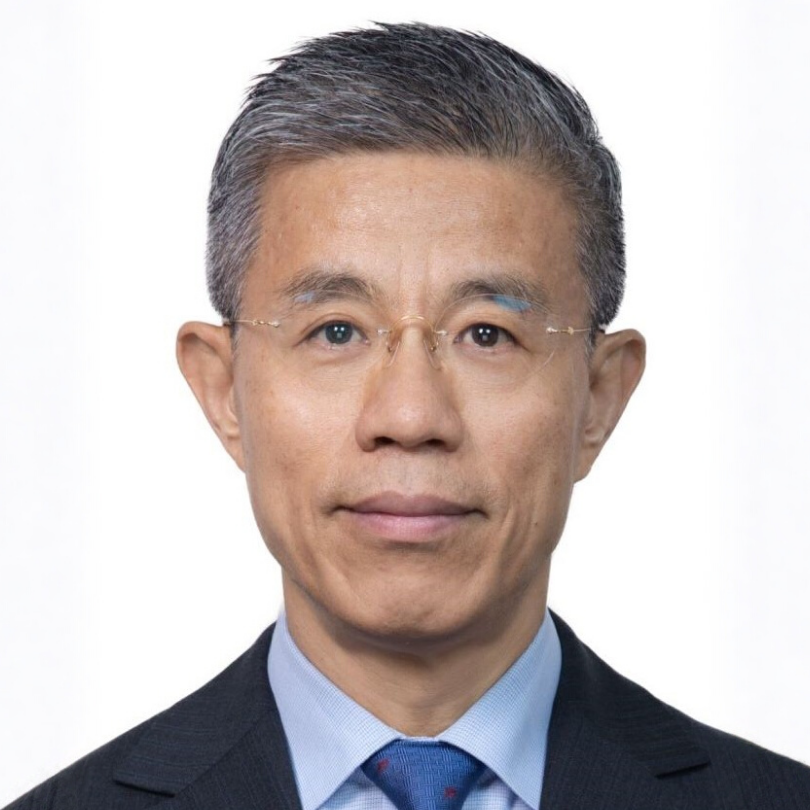 Shugen Ma (马书根)合作论文数The Hong Kong University of Science and Technology (Guangzhou);Ritsumeikan University53
 Xinshan Zhu (朱新山)合作论文数School of Electrical and Information Engineering, Tianjin University11
 Yutong Ding合作论文数8
 Xiaohan Li (李霄寒)合作论文数Walmart Global Tech8
 Lili Wu合作论文数5
 Liang Hu (胡靓)合作论文数Department of Automation, School of Intelligence Science and Engineering, Harbin Institute of Technology, Shenzhen4
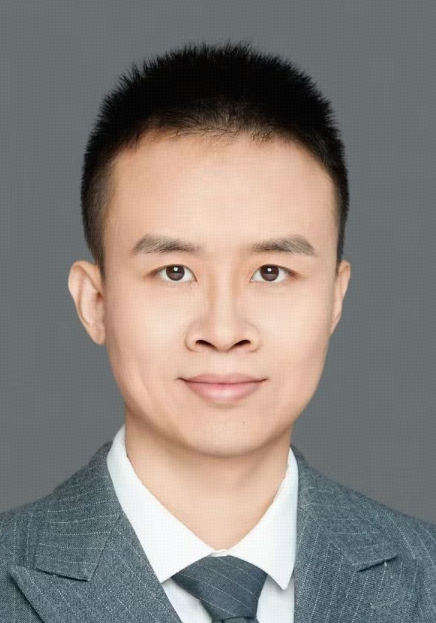 Biao Sun (孙彪)合作论文数School of Electrical and Information Engineering, Tianjin University4
 Chaoxu Mu (穆朝絮)合作论文数School of Electrical and Information Engineering, Tianjin University;School of Artificial Intelligence, Anhui University4
 Qinghao Meng (孟庆浩)合作论文数School of Electrical Automation and Information Engineering, Tianjin University4Yongchen Tang合作论文数4Dingxin Ge合作论文数4
 Chunli Li合作论文数3Zhong Huang合作论文数3Zhang Tong合作论文数3
 Wangli Hao合作论文数3Meng Han合作论文数3Takahiro Matsuno合作论文数Ritsumeikan Univ, Dept Robot, 1-1-1 Noji Higashi, Kusatsu, Shiga 5258577, Japan3
 Yi Sun合作论文数Shanghai Univ, Sch Mechatron Engn & Automat, Shanghai 200444, Peoples R China3HaoMin Chen (陈浩敏)合作论文数3FuZhong Li (李富忠)合作论文数3
 Chengjun Ding (丁承君)合作论文数河北医科大学机械工程学院3
 Wei Li合作论文数Sch Elect Engn & Automat, Tianjin Univ3Detian Kong合作论文数2Kexian Liu合作论文数2Kaijia Zhu合作论文数2Ziming Lin合作论文数2Hongbo Lu合作论文数2Xuehong Zhu (朱雪宏)合作论文数2Changlong Ye合作论文数2
 Hongjian Jiang合作论文数2Zhiyong Yuan合作论文数2
 Wendong Niu合作论文数2Dongmei Wei合作论文数2XIN Wencheng (辛文成)合作论文数2ZHANG Fan (张凡)合作论文数2
 Shan Li合作论文数Tianjin Univ, Sch Elect & Informat Engn, Tianjin 300072, Peoples R China2Mingyuan Zhang合作论文数2Wen-Jie Wang合作论文数2Yongjun Qian (钱永军)合作论文数2
 Di Sun (孙迪)合作论文数2Yu Xi (席禹)合作论文数2
 Peng Wang (王鹏)合作论文数School of Precision Instrument and Opto-electronics Engineering, Tianjin University2姚森敬合作论文数2
 Hamidreza Marvi合作论文数School for Engineering of Matter Transport and Energy, Arizona State University2Chuanlei Zhang (张传雷)合作论文数2
 Jingyi Zhang合作论文数Clinical NLP Lab, School of Medicine, Yale University2Jiajun Dong合作论文数1Shugen Mao合作论文数1




