Workforce development programs offer opportunity youth (young people between the ages of 16 and 24 who are neither enrolled in school nor participating in the labor market) important pathways to productive adulthoods. To be effective, these programs must attend to the particular needs of these youth who have typically experienced multiple forms of significant adversity. Specific features of program cultures that contribute significantly to positive youth outcomes have been identified. Yet, focused attention to what program staff actually do to cultivate this kind of program culture with opportunity youth is limited. This exploratory qualitative study sought to identify specific staff attitudes and behaviors that youth program alumni and current staff identify as contributing to the promotion of core features of a positive and effective program culture. Focus group and individual interviews were conducted with 37 program staff and 15 youth program alumni were interviewed individually. A thematic analysis of these interviews resulted in the identification of specific staff attitudes, approaches, and actions that were perceived to have contributed to the cultivation of four aspects of program culture, namely belonging, respect, high expectations, and love.
In the United States, military service members and their families move often. High rates of mobility in military-connected (MC) families means frequent school changes, which can take a toll on children. There is a nascent but growing literature on the role that school supports can play in helping MC children with school transitions. To better understand the role of school supports for MC students and families who frequently change schools, we interviewed 40 MC families with elementary and middle school aged children. Analysis of these qualitative data yielded the following themes: (a) with each move, MC parents faced navigating rocky academic transitions; (b) they also observed the heavy emotional toll on their children; (c) for both parents and students, making new social connections is critical to a successful transition; (d) even small gestures of understanding and acts of support by school staff were appreciated by MC families; and (e) most MC families, though not all, emphasized the value of military-specific school supports.
Youth mentoring programs strive to create stable, supportive relationships between adult mentors and youth mentees to promote positive youth development. Although these formal relationships always reach a conclusion, little is known about how mentees experience the endings of their relationships. This study elicits the words and perspectives of mentees to investigate the emotional reactions provoked by mentoring relationship terminations. Participants were youth (n = 72) in a prospective study of mentoring relationship development who completed a survey following the official closure of their match. Asked how they felt about the match ending, mentees more often indicated negative rather than positive emotions. Invited to give a single word describing their feelings, youth shared a range of responses (e.g., nonchalant, bittersweet, confused, shocked, sad, lonely, angry, abandoned). On an adapted Extended Grief Inventory, youth were more likely to endorse positive memories, but sizeable proportions also endorsed items from the traumatic grief subscale. Content analysis of responses to how mentees wished the ending had been different yielded themes such as wanting an explanation, a final meeting, a chance to say goodbye, a better relationship experience, or simply continuing the match. The findings, interpreted with respect to attachment theory, ambiguous loss, and disenfranchised grief, suggest mentoring relationships have meaning to youth beyond the life of the relationship and that endings can elicit strong feelings. With an ethical imperative to do no harm to youth, mentoring programs should attend to the potential for loss and grief and provide adequate support to mentees during and after relationship endings.
Military-connected (MC) students and their families endure frequent moves and other transitions and disruptions that directly impact school experiences and can take a significant emotional toll. Previous studies have provided valuable insights into the needs and experiences of MC students in the school context and schools' efforts to support MC families. However, the perspectives of teachers and counselors supporting and working with MC students are relatively understudied as are interactions among school staff and MC parents. This study sought to understand educators' and school counselors' perceptions of and efforts to support MC students and parents. Focus group interviews were conducted with 39 elementary and middle-school teachers and counselors about their experiences supporting MC students and parents. A thematic analysis resulted in the following themes: (a) distinctive characteristics, experiences, and needs of MC students and parents; (b) easing transitions by fostering connections; (c) leveraging and tailoring existing supports to meet the needs of MC students and parents; (d) the importance of communication; and (e) deployments as times of heightened support need. Findings illustrate teachers' and counselors' myriad formal and informal approaches to supporting this population and highlight the critical roles of communication with MC parents and collaboration among various school personnel, including school psychologists.
Exposure to intimate partner violence (IPV) can disrupt and impair children’s early development. Some evidence suggests that early care and education (ECE) participation may buffer some of these negative influences, but this area remains understudied. The current study draws on primary data from in-depth, semi-structured interviews with 17 IPV survivor mothers of young children and 6 ECE providers in New England to examine the ECE needs of children exposed to IPV and the supportive factors within ECE settings that can promote their resilience. Findings revealed that children’s IPV exposure tended to increase their needs from ECE providers and settings, and that ECE providers’ awareness of children’s IPV exposure and adequate understanding of IPV dynamics were important for supporting these needs. Participants reported key resilience-promoting features within ECE settings for children exposed to IPV: 1) risk focused factors, such as reduced exposure to IPV and prevention of IPV perpetrators’ unsafe contact with children, 2) resource-focused factors, including nurturance, stability, and facilitated access to therapeutic services, and 3) process-focused factors, including scaffolded opportunities to strengthen emotion regulation and social development. Results highlight the important role of high quality ECE for young children exposed to IPV and suggest its potential for promoting their resilience.
Tools that assess school supports for highly mobile, military-connected students are lacking. This study describes the development and preliminary validation of the Inventory of School Supports-Parent Report (ISS-PR). Participants were 433 parents (74% female; 62.5% White, 12% Black, 6.5% Asian, 5.5% Pacific Islander, 4% Native American, and 9.5% bi/multiracial; 19% Latinx) of students (grades 3–5) from families with an active-duty military parent. Parents completed the ISS-PR and rated: (a) how welcoming schools were toward military-connected families; (b) parent-teacher relationship quality; and (c) satisfaction with their child’s school. We created three proportional index composite scores: a 26-item school supports score, a 13-item parent-focused supports score, and a 13-item child-focused supports score. Results supported the ISS-PR’s psychometric properties: summary scores were positively linked to parent-teacher relationship quality, school welcoming, and parent satisfaction with the school. We also found evidence for test-retest reliability for parents completing the inventory with students who had either moved schools or remained in their previous schools. Future studies could use the ISS-PR to assess whether parents’ perceptions of the availability and importance of school supports for military-connected families are related to other constructs such as overall school climate, student academic performance, and socioemotional functioning. Schools could use the inventory to determine which supports could potentially have the greatest impact for military-connected families and to what extent parents are aware of the supports schools offer.
This study describes the development of a 12-item inventory of school supports for military-connected (MC) children. Participants were 444 students (grades 3 or 5) with an active-duty military parent (48% female; 57.3% White, 10.7% Black, 6.2% Native American, 5% Asian, 3.3% Pacific Islander, 17.5% bi/multiracial; 19% Latinx). Youth completed the Inventory of School Supports-Youth Report (ISS-YR) and measures of academic efficacy, parental involvement in school, school connectedness, and whether they had a non-parental supportive adult in their life. Parents reported on parent–teacher relationship quality. Confirmatory factor analyses supported a two-factor model (functional and relational support). Results psychometrically supported the ISS-YR. Scores demonstrated adequate internal consistency reliability. Results also supported the measure’s convergent and criterion validity as evidenced by positive associations with school connectedness, academic efficacy, parental school involvement, and parent–teacher relationship quality. Youth with a supportive adult in their life at and outside of school had the highest ISS-YR scores. Implications of these findings for schools’ efforts to support MC students are discussed.
Supportive relationships with non-parental adult role models (aka informal mentors) are important contributors to positive development for children. Absent from research on informal mentoring relationships are studies examining parents' role in the formation and maintenance of these relationships. In this study, we examined parents' attitudes about and experiences with their children's involvement in informal mentoring relationships in two phases. Participating in phase 1 were 161 parents of children enrolled in a formal mentoring program in Canada (ages 27-69, M = 40.25 years; 93.2 % female; 6.8 % male). Participating in phase 2 was a convenience sample of 425 parents in a midwestern state in the United States (ages 23-70, M = 44.95 years; 65.9 % female; 34.1 % male). Parents completed a one-time 20-minute online survey. Parents generally held positive attitudes towards informal mentors but also reported limited involvement in - and several barriers to - fostering children's informal mentoring relationships. Barriers ranged from not wanting to be a burden on others to believing children would rather spend time with friends. Most parents reported their child had had at least one informal mentor at some point. In both phases, frequency of their child having a mentor was related to their parents having positive attitudes toward informal mentoring and to having directly asked a nonparental adult to be an informal mentor. In phase 2, parents who reported a greater sense of community and supportive social network and higher self-efficacy for facilitating mentoring relationships were more likely to have children with informal mentoring relationships. The findings have implications for including parents in efforts to increase children's access to supportive mentoring relationships.
Understanding the extent to which youth and families experienced COVID-related stress requires accounting for prior levels of stress and other associated factors. This is especially important for military families, which experience unique stressors and may be reluctant to seek outside help. In this prospective study, we examined the role of pre-pandemic family factors in predicting parent and youth stress during the COVID-19 pandemic. Participants were 234 families with at least one active-duty parent and a 3rd or 5th-grade child. Findings revealed that preexisting factors predicted youth and family COVID-related stress. Specifically, heightened pre-pandemic parental stress and youth internalizing symptoms were significant predictors of COVID-related stress. Implications for mental health professionals and other organizations supporting military parents and families during the COVID-19 pandemic as well as other times of upheaval are discussed.
Core and capital mentoring relationships have been demonstrated to be distinct types of relationships that have different characteristics, qualities of the relationship, and are linked to different outcomes among adolescents more generally. The present study adds to this growing literature base by examining whether this typology captures well the experiences of systems-involved youth. A thematic analysis of interviews with systems-involved young people about their youth-initiated mentoring relationship indicated that capital mentoring relationships had an explicit future-oriented nature about them, with a central focus on educational and vocational goals. These mentors also provided financial literacy and life skill training. Young people in core mentoring relationships spoke of their time together quite differently, instead focusing on provision of emotional support, specifically reassurance and positive appraisal, coupled with a kin-like description of the mentor (e.g., “like a family member”). This study adds nuance to our growing understanding of the distinctions between core and capital relationships and the findings here also indicated that some mentoring relationships that were sometimes a true mix of core and capital mentoring. Also apparent from this analysis was the central role that the provision of experiential empathy played in both types of relationships.
This study investigates how the implementation of program-level practices by formal youth mentoring programs is associated with the quality of youth mentoring relationships as contexts for youth development and also examines whether this connection is mediated by the mentor-staff working alliance. Using data from mentors (n = 542) participating in multiple programs (n = 55), multilevel path models examined hypothesized direct and mediated effects. Parallel analyses were conducted with assessments of program practices from staff (n = 219). Greater exposure to program practices was associated with higher ratings of mentoring relationship satisfaction, commitment, and security and lower mentor-youth relationship negativity. The mentor-staff working alliance either partially or fully mediated these associations. Staff-reported practices predicted mentoring relationship satisfaction and commitment without mediation by the working alliance. This study suggests program practices contribute to stronger youth mentoring relationships. The findings also highlight the mentor-staff working alliance in supporting the development of positive mentoring relationships.
Objective: Interest in promoting more widespread use of evidence-based practice standards in mentoring programs is rising. To describe and better understand efforts to implement recommended standards, we studied a multilevel initiative by a national advocacy organization in which state-level affiliates guided local mentoring programs through a structured quality improvement process. Specifically, we examined organizational readiness for change among mentoring program staff and staff from the state-level affiliates charged with supporting the programs as they implemented their change process.Method: We conducted in-depth qualitative interviews with 44 staff from eight affiliates and 20 programs. Verbatim interview transcripts were coded thematically, with themes organized around perceptions of organizational change commitment and change efficacy.Results: Programs and affiliates were generally highly motivated and committed to the change process. However, when resources needed to make program changes were not available, staff were more measured in their perceptions of change efficacy and noted challenges that weakened the implementation process.Conclusions: Participant experiences illuminate challenges faced by mentoring programs seeking to implement evidence-based practice standards and the state-level affiliates tasked with supporting programs. Support for implementation processes matters greatly for achieving desired outcomes. High commitment to the Quality Mentoring System process was not always accompanied by the strong change efficacy needed.
More enduring formal youth mentoring relationships tend to be more effective, but our understanding of how such relationships develop and are sustained remains limited. This prospective, qualitative study examined the development of 67 one-to-one, community-based mentoring relationships over a 2-year period. Data included interviews with mentors, youth, and the youth's parent/guardian across multiple time-points and agency case notes. Five developmental trajectories were identified: (a) continued growth, (b) initial growth that plateaued, (c) initial growth followed by decline and then recovery, (d) initial growth followed by decline with no recovery, and (e) little to no growth or connection. Matches in the continued growth and recovery groups were more enduring and experienced by participants as meaningful connections. Factors that appeared to have contributed to these different trajectories were youth interest in the mentoring relationship, mentor empathy, flexibility, and commitment, and program support.
This Viewpoint discusses the implementation and development of youth-initiated mentoring programs in the context of the COVID-19 pandemic.
Youth purpose is defined as a life aim that is both personally meaningful and contributes to the world beyond the self. This study disaggregated other-oriented (OO) aims (i.e., purpose as defined as a life aim intended to contribute to the world) and self-oriented (SO) aims (i.e., a personally meaningful life aim without intention to contribute beyond the self) to examine the development of youth who evince various combinations of high and low OO and SO aims. In a sample of 207 adolescent girls, hierarchical cluster analysis revealed three clusters: High SO–High OO (“Self and Other-Oriented Aims”), High SO–Low OO (“Self-Oriented Aims”), and High OO–Low SO (“Other-Oriented Aims”). A MANOVA indicated that youth who reported higher levels of parental trust and communication were more likely to have OO purpose (i.e., “Self and Other-Oriented Aims” and “Other-Oriented Aims”) versus primarily SO aims (“Self-Oriented Aims”). The “Self and Other-Oriented Aims” cluster was associated with better psychosocial functioning.
 Alison L. Drew合作论文数Family Translational Research Group, New York University24
 Jean E. Rhodes合作论文数Department of Psychology, University of Massachusetts Boston;College of Liberal Arts, University of Massachusetts Boston;Center for Evidence-Based Mentoring, University of Massachusetts Boston17
 Belle Liang合作论文数Michigan State University16
 Grace Gowdy合作论文数Sociology & Social Work, North Carolina A&T State University15
 Thomas Keller合作论文数University of Washington U.S.A.12
 Timothy A Cavell合作论文数Texas A&M University11
 Carla Herrera合作论文数Department of Psychology, University of Michigan11
 Jill Walsh合作论文数Royal Brompton & Harefield NHS Fdn Trust8
 Terese J. Lund合作论文数Psychol, Wingate Univ7Jake C. Steggerda合作论文数Dept Psychol Sci, Univ Arkansas6
 Antoinette Basualdo-Delmonico合作论文数6
 John Paul Horn合作论文数California State University East Bay6
 Amy Slep合作论文数Department of Cariology and Comprehensive Care, College of Dentistry, New York University6
 Angela M. Desilva合作论文数6
 Juliann Nicholson合作论文数Sch Social Work, Boston Univ5
 Ellen R DeVoe合作论文数5Hyuny Clark-Shim合作论文数Sch Social Work, Portland State Univ4
 Stella S. Kanchewa合作论文数Dept Psychol, Univ Massachusetts4Deborah L. Tolman合作论文数4
 Sarah E. O. Schwartz合作论文数Utah State University4
 Meghan Perry合作论文数3
 Martha J McCormack合作论文数3
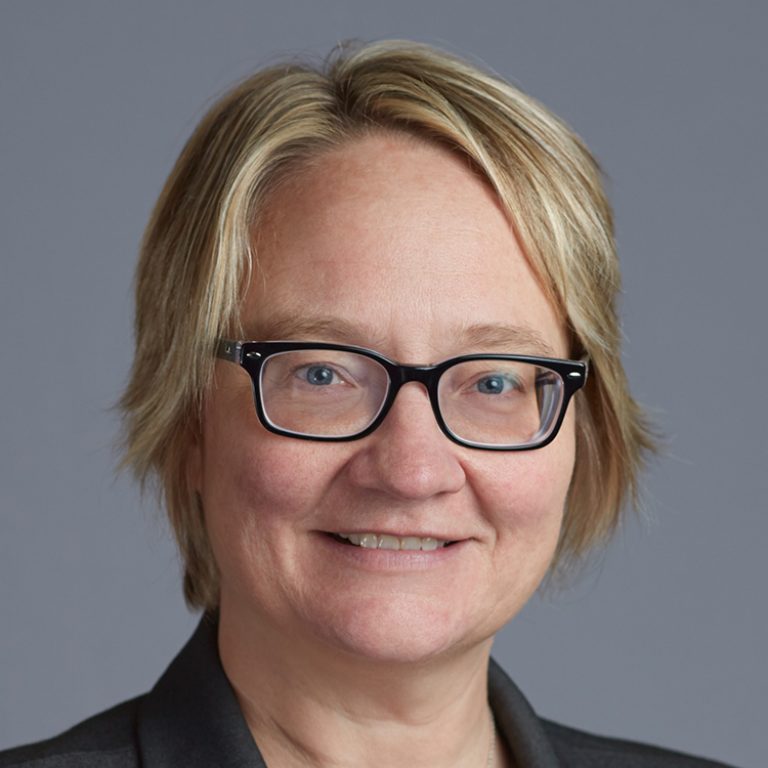 Michelle R. Munson合作论文数Silver School of Social Work, New York University3
 David DuBois合作论文数School of Public Health, University of Illinois Chicago3
 Abigail M Ross合作论文数School of Social Work, Boston University3
 Julia Meredith Pryce合作论文数Chicago School of Social Work, Loyola University3
 Michelle V. Porche合作论文数3Miriam Miranda-Díaz合作论文数2rolanda ward合作论文数2
 Meredith Scafe合作论文数2
 Allison White合作论文数2
 Daniel P Miller合作论文数2
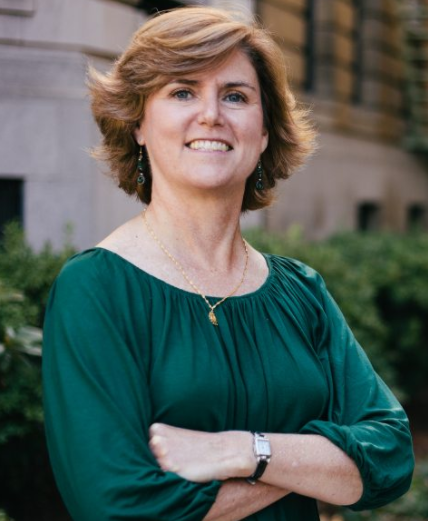 Mary Elizabeth Collins合作论文数School of Social Work, Boston University2Hewitt Amber合作论文数2
 Stark Abigail合作论文数Department of Psychiatry, Massachusetts General Hospital2Noonan Anne E合作论文数2
 Lindsey Weiler合作论文数Department of Human Development and Family Studies (HDFS),, Colorado State University2
 Deborah Belle合作论文数2
 Simon Larose合作论文数Département d’études sur l’enseignement et l’apprentissage, Université Laval2Ellen L. Lipman合作论文数2Myra Rosen-Reynoso合作论文数2Elizabeth M. Tracy合作论文数Case Western Reserve University2
 Gizem Erdem合作论文数Department of Human Development and Family Science, The Ohio State University2Kym R. Ahrens合作论文数2David Dewit合作论文数2
 Ruth Paris合作论文数School of Social Work, Boston University2Deirdre Brogan合作论文数1
 Jonathan Sepulveda合作论文数1Mavis M. Bonnar合作论文数1




