BACKGROUND:Blunt cerebrovascular injury (BCVI) poses significant risk of devastating neurologic injury following blunt trauma. Selective screening criteria miss numerous clinically relevant injuries. Early diagnosis and treatment reduce these negative sequelae. Emerging data have prompted expanded interest in universal screening; however, no consensus screening strategy exists. This review evaluates the current state of BCVI screening. METHODS:A narrative literature review was performed evaluating universal and liberalized BCVI screening criteria. A structured PubMed search was supplemented by manual review of references, trauma society abstracts, and other grey literature. Eligible studies included peer reviewed literature examining universal or liberalized BCVI screening among adult blunt trauma patients. Given the paucity of available data and relative heterogeneity in study design, findings were synthesized qualitatively. RESULTS:Eight studies were included for evaluation. Across contemporary cohorts, various screening criteria including extended Denver, Memphis, and Western Trauma Association, miss 16-79% of BCVI identified under universal or liberalized screening protocols. Universal screening studies report BCVI incidence ranging from 2.7% to 7.6%. Reported rates of contrast-associated acute kidney injury and major bleeding were low, though rarely examined. Cost-modeling suggests universal screening may be economically favorable, particularly if BCVI incidence is greater than 6%. CONCLUSIONS:Selective screening guidelines lack sufficient sensitivity to detect all clinically significant BCVI, including those of high grade. Universal or liberalized CTA screening increases detection and facilitates treatment in a timely manner, potentially reducing BCVI-associated stroke rates. Although current literature is limited and prospective studies are needed, current evidence supports strong consideration of universal or liberalized BCVI screening protocols for blunt trauma patients.
BACKGROUND:Hospital experience measured by geriatric trauma proportion (GTP) is associated with in-hospital mortality among geriatric patients. Our goal was to determine the impact of GTP on long-term survival among older trauma patients. METHODS:This was a retrospective analysis of Medicare inpatient claims (2014-2015) of geriatric trauma patients admitted in Florida. GTP was calculated by dividing the number of geriatric trauma patients by the overall adult trauma volume in each hospital. Hospitals were then categorized into tertiles of GTP. Our main outcome was mortality at 30, 90, 180, and 365 days. Multivariable regression was performed to identify the association between GTP and long-term survival. RESULTS:We included 65,763 geriatric trauma patients. As compared with hospitals in the lowest tertile, patients treated at the highest tertile were associated with lower mortality at 90 days (OR 0.90, 95%CI 0.82-0.98), 180 days (OR 0.90, 95%CI 0.83-0.97), and 365 days (OR 0.91, 95%CI 0.85-0.98). CONCLUSIONS:Higher GTP is associated with improved long-term outcomes. However, mortality following trauma among geriatric patients continues to increase for 12 months.
BACKGROUNDPneumatosis intestinalis (PI) is a rare radiographic finding that can range from being a benign process to needing emergency surgery. Sufficiently powered studies are lacking, and recommendations for management remain unclear. The purpose of this study was to identify key predictors of pathologic PI using physical examination, laboratory, and radiographic findings.METHODSA retrospective cohort study was conducted at two quaternary academic centers (2010-2020). A total of 334 consecutive patients 18 years or older with radiographic evidence of PI were identified. Patients were excluded if they pursued comfort care or if there was concurrent radiographic evidence of vaso-occlusive process. Pathologic PI was defined as presence of ischemic and/or perforated bowel on exploratory laparotomy or death prior to planned surgery.RESULTSOf the 334 patients included in our study, 91 (27%) underwent exploratory laparotomy, of which 59 (65%) had ischemic and/or perforated bowel. These latter patients and 10 other patients who died before exploratory laparotomy defined the pathologic PI cohort. A stepwise model was created for predicting pathologic disease. Significant predictors were the presence of portal venous gas, multisegment PI, vasopressor use, peritonitis, increasing leukocyte count, and end organ injury, which were used to construct a nomogram for clinical use.CONCLUSIONA nomogram score based on presence of portal venous gas, multisegment PI, vasopressor use, peritonitis, leukocytosis, and end organ injury may help predict the probability of pathologic PI and therefore can inform surgical decision making.LEVEL OF EVIDENCETherapeutic/Care Management; Level III.
INTRODUCTION:The 2022 Eastern Association for the Surgery of Trauma guidelines state there is insufficient data to recommend intensive care unit (ICU) versus non-ICU admission for patients older than 65 y with > 3 rib fractures. This study aims to identify factors leading to worse outcomes to ultimately create a new admission triage algorithm for older adult patients with rib fractures. METHODS:Patients aged 65 y or older with ≥ 3 rib fractures were identified between 2016 and 2023 using our institutional trauma database. Patient demographics, comorbidities, and injury characteristics were collected. The primary outcome was predictors of a composite negative outcome (mortality, pneumonia, and readmission to ICU). RESULTS:A total of 495 patients were included, with 340 patients admitted to the ICU and 155 patients admitted to the floor. Multivariable analysis demonstrated that frailty (odds ratio [OR]: 11.82, P < 0.001), ≥ 5 rib fractures (OR: 2.64, P = 0.04), chest tube placement (OR: 3.31, P = 0.04), and regional nerve block (OR: 4.66, P = 0.001) were all associated with worse outcomes. CONCLUSIONS:Patients with blunt thoracic trauma who are ≥ 65 y, frail, and have ≥ 5 rib fractures may benefit from ICU admission. Future studies will assess the validity of a new proposed admission triage algorithm.
OBJECTIVE:To study medical students' experiences with incivilities on the surgery clerkship DESIGN: A retrospective cross-sectional survey study based on the Workplace Incivility Scale 12 (WIS-12) that quantified the frequency of experienced incivilities, averaged the frequency of all twelve incivilities as an index, and characterized how they affected students' perceptions of surgery SETTING: A single large urban medical school affiliated with multiple quaternary level medical centers PARTICIPANTS: From October 2022 to 2023, all medical students on their surgery clerkship at 3 different medical centers received a paper survey near the end of the 12-week clerkship period. The response rate was 83% (118/144), of whom 41% self-identified as male and 38% as White. RESULTS:Ninety-seven percent of respondents experienced an incivility during the clerkship, the most frequent of which was receiving little attention for their opinions (3.07 ± 1.34, mean ± standard deviation), being interrupted (2.36 ± 1.38), and being ignored (2.27 ± 1.37). Students whose interest in a surgical career decreased by the end of the clerkship had a significantly higher index of incivility than those whose interest increased or remained stable (2.13 ± 0.86 vs. 1.70 ± 0.58 respectively, p < 0.005). Students whose perception of surgical culture worsened by the end of the clerkship had a significantly higher index compared to those whose perceptions improved or remained stable (2.12 ± 0.71 vs. 1.68 ± 0.59 respectively, p < 0.05). CONCLUSIONS:Medical students reported incivilities as nearly ubiquitous during the surgery clerkship. A higher frequency of these experiences was associated with decreased interest in surgery and worse perceptions of surgical culture. Surgical educators should track and intervene on these behaviors during the clerkship. Other specialties should study these phenomena as well.
INTRODUCTION:Prehospital tourniquet placement is not a required criterion for standard trauma team activation (TTA-S) as recommended by the American College of Surgeons Committee on Trauma. Educational campaigns such as STOP THE BLEED have led to an increase in tourniquet applications in the prehospital setting. We intend to evaluate if using extended trauma team activation (TTA-T) criteria, which includes tourniquet application, would lead to an acceptable amount of overtriage. METHODS:This was a multicenter retrospective analysis, utilizing the American Association for the Surgery of Trauma Major Extremity Trauma Tourniquet Database, comparing the overtriage rate of TTA-S criteria against the TTA-T criteria. RESULTS:A total of 1235 patients were included, with 687 meeting the TTA-S criteria and an additional 175 patients meeting the TTA-T criteria. The overtriage rate was calculated to be 21.2%, within the accepted over triage rate of 25%-35%. CONCLUSIONS:Field tourniquet application for life-threatening hemorrhage, although not an American College of Surgeons Committee on Trauma criterion for TTA, should be considered for full TTA. Utilizing this as a criterion for TTA is associated with an acceptable rate of overtriage, while also having the benefit of rapid surgical team evaluation and intervention for possible life- or limb-threatening injuries.
BackgroundPrehospital tourniquet (PHT) use has become widespread. However, whether it improves outcomes after penetrating proximal extremity trauma in urban settings remains unknown. We hypothesized that PHT improves mortality in this setting.Materials and MethodsThis was a post hoc analysis of a multicenter study of adults (18+ years) with penetrating torso and/or proximal extremity trauma from 25 urban trauma centers. Subjects were allocated via nearest neighbor propensity matching (chest, abdominal, or extremity injury, GSW vs stab, and vascular injuries) to compare similarly-injured PHT and non-PHT patients.ResultsAmong 2352 patients, 117 (4.9%) received PHT. Prehospital tourniquet patients had 22 (18.84%) arterial injuries, 8 (6.8%) venous injuries, and 92 (78.6%) non-vascular injuries. Most PHTs (86, 73.5%) were placed on-scene, and 22 (18.8%) en-route. Admission of systolic blood pressure was not different between PHT and non-PHT patients. Prehospital tourniquet did not impact survival on regression analysis. After propensity matching, 218 patients remained, who were primarily male (n = 182, 83.9%) with median (IQR) age 30 (23-39) years and new injury severity score 9 (3-17). Mortality was similar between PHT and non-PHT groups (6.4% vs 7.3%; P = 1.0). Matched comparison of patients with vascular injury showed similar mortality for PHT vs non-PHT (3.7% vs 3.7%, P = 1.00). The same was true for isolated extremity trauma (4.1% vs 0.0%, P = 0.25).ConclusionsPHT use for urban, penetrating proximal extremity trauma was not associated with decreased mortality or complications. Further research may determine whether modified tourniquet training improves outcomes, or whether immediate transport to a trauma center is more beneficial for these patients.
BACKGROUNDQuality benchmarking has recently evolved from a historical focus on short-term morbidity and mortality as the key metrics to assessing long-term outcomes. Long-term quality metrics have been shown to provide a more complete assessment of geriatric trauma care. Among these metrics, patients' average number of healthy days at home (HDAH) proports to be a useful administrative claims-based marker of patient functional status. Our goal was to determine the predictors of HDAH among injured older adults.METHODSMedicare inpatient claims (2014-2015) were used to identify all geriatric trauma patients. Patients' number of HDAH was measured from the date of discharge and calculated as the total sum of patients' time during that period less any time spent in the hospital or emergency department, step-down/rehabilitation/nursing care, home health, or after death within a 365-period after index admission. Controlling for demographic, injury severity, and hospital-level characteristics, multivariable regression analyses were performed to identify the factors associated with increased HDAH.RESULTSWe included 772,109 geriatric trauma patients. The mean age was 82.15 years (SD, 8.49 years), 68.3% were female, and 91.6% were White. The median HDAH was 351 days (interquartile range, 351-355 days). After adjusted analysis, age, Black race, Charlson Comorbidity Index (CCI), and care at a level 3/nontrauma center were associated with fewer HDAH within 365 days after discharge.CONCLUSIONThis study suggests that higher level trauma centers provide more HDAH after index admission for injured older adults. Future studies should focus on correlating HDAH with more granular but less readily accessible quality of life metrics.LEVEL OF EVIDENCEPrognostic and Epidemiological; Level III.
Introduction Emergency general surgery (EGS) patients are at increased risk for postoperative morbidity and mortality. Obesity is a risk factor for poor outcomes in this population. Our study aimed to explore the association of body mass index (BMI) with postoperative outcomes in patients requiring common EGS procedures. Methods A retrospective review of the 2018-2020 National Surgical Quality Improvement Program database identified patients undergoing four common EGS procedures: large bowel resection, small bowel resection, cholecystectomy, and appendectomy. Patients were classified by BMI: normal weight (18.5-24.9 kg/m2), obesity classes I (30-34.9 kg/m2), II (35-39.9 kg/m2), III (40-49.9 kg/m2), and IV (≥50 kg/m2). Main outcomes of interest were major adverse event (MAE) and mortality. Results From 2018 to 2020, a total of 82,540 patients underwent one of four common EGS procedures. On unadjusted analysis, obesity class IV had higher mortality rates compared to classes I-III (6.2% vs 3.1%, P < 0.001). Patients in obesity classes I-III had lower odds of MAE and death relative to those of normal weight. Compared to other patients with obesity, those in obesity class IV were at increased risk of MAE (odds ratio 1.27; 95% confidence interval 1.13-1.44) and death (odds ratio 1.69; 95% confidence interval 1.34-2.13). Conclusions Patients with varying degrees of obesity have different risk profiles following common EGS procedures. While patients in lower obesity classes had reduced odds of adverse outcomes, those with BMI ≥50 kg/m2 were particularly at greater risk for postoperative morbidity and mortality. This vulnerable population warrants further investigation and increased vigilance to ensure high-quality care.
BACKGROUND:This study updates the American Association for the Surgery of Trauma (AAST) Organ Injury Scale (OIS) for renal trauma using evidence-based criteria for bleeding control intervention. METHODS:This was a secondary analysis of a multicenter retrospective study including patients with high-grade renal trauma from seven level 1 trauma centers from 2013 to 2018. All eligible patients were assigned new renal trauma grades based on revised criteria. The primary outcome used to measure injury severity was intervention for renal bleeding. Secondary outcomes included intervention for urinary extravasation, units of packed red blood cells transfused within 24 hours, and mortality. To test the revised grading system, we performed mixed-effect logistic regression adjusted for multiple baseline demographic and trauma covariates. We determined the area under the curve (AUC) to assess accuracy of predicting bleeding interventions from the revised grading system and compared this to 2018 AAST OIS. RESULTS:Based on the 2018 OIS grading system, we included 549 patients with AAST grades III to V injuries and computed tomography scans (III, 52% [n = 284]; IV, 45% [n = 249]; and V, 3% [n = 16]). Among these patients, 89% experienced blunt injury (n = 491), and 12% (n = 64) underwent intervention for bleeding. After applying the revised grading criteria, 60% (n = 329) of patients were downgraded, and 4% (n = 23) were upgraded; 2.8% (n = 7) downgraded from grade V to IV, and 69.5% (n = 173) downgraded from grade IV to III. The revised renal trauma grading system demonstrated improved predictive ability for bleeding interventions (2018 AUC, 0.805; revised AUC, 0.883; p = 0.001) and number of units of packed red blood cells transfused. When we removed urinary injury from the revised system, there was no difference in its predictive ability for renal hemorrhage intervention. CONCLUSION:A revised renal trauma grading system better delineates the need for hemostatic interventions than the current AAST OIS renal trauma grading system. LEVEL OF EVIDENCE:Diagnostic Test/Criteria; Level III.
BackgroundThe surgery clerkship has a powerful impact on medical students’ attitudes toward surgery. The primary aim of this study was to identify factors that influence current medical student experiences during the surgery clerkship and discern if they have shifted following the COVID pandemic and with a new generation of “Zillennial” students.Materials and MethodsWe conducted a qualitative content analysis of medical student surgery clerkship evaluations from 2018 to 2022 at three clinical training sites of our medical school (n = 596). The codes and themes that emerged from the data were then compared between the pre-COVID cohort (pre-March 2020) and post-COVID (post June 2020) cohorts.ResultsOur analysis revealed four themes: clerkship factors, educator qualities, surgical culture, and student expectations. Clerkship factors included the overall clerkship organization, preparatory sessions, and having schedule flexibility. The clinical educators had a significant impact on medical student experience by setting expectations and providing actionable feedback. Surgical culture included the team dynamic and professionalism or diversity issues. Students were expected to have clear guidance for their roles, opportunities to shine, and sought meaningful learning. While the themes were consistent between both cohorts, the frequency of codes varied, with more students commenting on flexibility, neglect, and long work hours in the post-COVID cohort.ConclusionsNumerous previously unreported factors impact surgical clerkship experiences, revealing a generational shift in medical student attitudes. These results suggest that educators and their institutions must be proactive in tracking student evaluations to adapt their clerkship curriculum for an optimal educational experience and evolving student expectations.
Background: Anti-inflammatory effects of tranexamic acid (TXA) in reducing trauma endotheliopathy may protect from acute lung injury. Clinical data showing this benefit in trauma patients is lacking. We hypothesized that TXA administration mitigates pulmonary complications in penetrating trauma patients. Materials and Methods: This is a post-hoc analysis of a multicenter, prospective, observational study of adults (18+ years) with penetrating torso and/or proximal extremity injury presenting at 25 urban trauma centers. Tranexamic acid administration in the prehospital setting or within three hours of admission was examined. Participants were propensity matched to compare similarly injured patients. The primary outcome was development of pulmonary complication (ARDS and/or pneumonia). Results: A total of 2382 patients were included, and 206 (8.6%) received TXA. Of the 206, 93 (45%) received TXA prehospital and 113 (55%) received it within three hours of hospital admission. Age, sex, and incidence of massive transfusion did not differ. The TXA group was more severely injured, more frequently presented in shock (SBP < 90 mmHg), developed more pulmonary complications, and had lower survival (P < 0.01 for all). After propensity matching, 410 patients remained (205 in each cohort) with no difference in age, sex, or rate of shock. On logistic regression, increased emergency department heart rate was associated with pulmonary complications. Tranexamic acid was not associated with different rate of pulmonary complications or survival on logistic regression. Survival was not different between the groups on logistic regression or propensity score-matched analysis. Conclusions: Tranexamic acid administration is not protective against pulmonary complications in penetrating trauma patients.
The rigorous demands of medical education create circumstances that can make it challenging to maintain a healthy diet. Evaluations from students at an urban medical school in the northeast U.S. regarding their surgery clerkship highlighted the difficulty of finding healthy snacks or meals between operations and patient care obligations. In response, we implemented the Nutritional Wellness Initiative, a pilot program designed to offer accessible, healthy snacks to medical students during their surgery clerkship. We conducted a 3-month pilot program at three hospital sites and surveyed participants. Responses were compared to controls who completed their surgery rotation before initiation of the pilot program. Both groups emphasized the importance of having access to food during the workday for student wellness, with less than 50% of students in either group eating lunch daily during the surgery rotation. Of students who participated in the pilot program, 63% used the provided snacks at least once per week. This model offers one approach to improving student access to nutritious snacks during the busy surgery workday. To improve our program going forward, we have engaged the Director of Lifestyle Medicine and Wellness in the Department of Surgery to help optimize nutritional delivery and to create student education resources regarding healthy snacking habits and choices.
Background: The Stop the Bleed campaign gives bystanders an active role in prehospital hemorrhage control. Whether extending bystanders' role to private vehicle transport (PVT) for urban penetrating trauma improves survival is unknown, but past research has found benefit to police and PVT. We hypothesized that for penetrating trauma in an urban environment, where prehospital procedures have been proven harmful, PVT improves outcomes compared to any EMS or advanced life support (ALS) transport.Methods: Post-hoc analysis of an EAST multicenter trial was performed on adult patients with penetrating torso/proximal extremity trauma at 25 urban trauma centers from 5/2019-5/2020. Patients were allocated to PVT and any EMS or ALS transport using nearest neighbor propensity score matching. Univariate analyses included Wilcoxon signed rank or McNemar's Test and logistic regression.Results: Of 1999 penetrating trauma patients in urban settings, 397 (19.9%) had PVT, 1433 (71.7%) ALS transport, and 169 (8.5%) basic life support (BLS) transport. Propensity matching yielded 778 patients, distributed equally into balanced groups. PVT patients were primarily male (90.5%), Black (71.2%), and sustained gunshot wounds (68.9%). ALS transport had significantly higher ED mortality (3.9% vs 1.9%, P = 0.03). There was no difference in in-hospital mortality rate, hospital LOS, or complications for all EMS or ALS only transport patients.Conclusion: Compared to PVT, ALS, which provides more prehospital procedures than BLS, provided no survival benefit for penetrating trauma patients in urban settings. Bystander education incorporating PVT for early arrival of penetrating trauma patients in urban settings to definitive care merits further investigation.
Introduction: Emergency general surgery is a risk factor for postoperative morbidity and mortality. Patients with obesity are at greater risk for complications following ventral hernia repair (VHR). Our study aimed to determine the association of obesity with post-operative outcomes in patients requiring emergency VHR.Methods: Our retrospective study used the 2016-2020 National Surgical Quality Improvement Program database to identify patients undergoing emergency VHR. Patients were classified by body mass index (BMI): normal weight 18.5-24.9 kg/m(2), overweight 25-29.9 kg/ m(2), obesity 30-39.9 kg/m(2), morbid obesity 40-49.9 kg/m(2), and super morbid obesity (SMO) >= 50 kg/m(2). The primary outcome of interest was surgical site infection (SSI).Results: From 2016 to 2020, a total 11,593 patients underwent emergency VHR. Patients with higher BMI had increased incidences of postoperative complications. Compared to other patients with obesity, SMO patients had higher rates of SSI (11.5% versus 5.5%, P < 0.001), prolonged ventilatory support (4.0% versus 1.5%, P < 0.001), length of stay >= 4 d (52.7% versus 42.2%, P < 0.001), reoperation (6.4% versus 3.4%, P < 0.001), and readmission (11.3% versus 7.2%, P < 0.001). Super morbid obesity (SMO) patients had increased odds of SSI (odds ratio [OR] 5.55, 95% confidence interval [CI] 3.47-8.88), prolonged ventilatory support (OR 1.92, 95% CI 1.07-3.45), and reoperation (OR 1.97, 95% CI 1.26-3.09) compared to normal weight patients.Conclusions: Patients with BMI >= 50 kg/m(2) undergoing emergency VHR have increased overall incidences of SSIs, prolonged mechanical ventilation, reoperation, and read-mission, and this remains significant when compared to other patients with obesity. This population is at significant risk for postoperative morbidity, and increased vigilance in perioperative management is imperative to ensure safe, high-quality care.(c) 2023 Elsevier Inc. All rights reserved.
Resuscitation of the exsanguinating trauma patient: Prioritize circulation
 Ali Salim合作论文数Howard University,College of Medicine44
 Manuel Alejandro Castillo-Angeles合作论文数Center for Surgery and Public Health, Brigham and Women's Hospital, Boston, MA, USA.24
 Joaquim Michael Havens合作论文数Brigham and Women's Hospital24
 Stephanie Nitzschke合作论文数20
 Zara Cooper合作论文数Brigham and Women’s Hospital, Harvard Medical School18Carrick Matthew M合作论文数14Barbara U Okafor合作论文数11Olufajo Olubode合作论文数11
 Taghavi Sharven合作论文数Department of Surgery, Temple University School of Medicine11
 Robert G. Sawyer合作论文数School of Medicine, University of Virginia11Ian Schwartz合作论文数10Chris Dodgion合作论文数10
 Myers Jeremy B合作论文数10
 Mukherjee Kaushik合作论文数Department of General Surgery, Vanderbilt University Medical Center10
 Sorena Keihani合作论文数Research Institute for Endocrine Sciences, Shahid Beheshti University of Medical Science10
 Frank N Burks合作论文数10
 Nima Baradaran合作论文数Department of Urology, The Ohio State University10
 Bradley A. Erickson合作论文数Feinberg School of Medicine, Northwestern University10Sarah Majercik合作论文数10
 Scott H. Norwood合作论文数Department of Emergency Medicine,East Texas Medical Center10
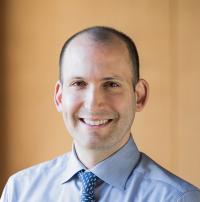 Benjamin N. Breyer合作论文数Department of Urology, University of California San Francisco10
 Brandi Miller合作论文数9
 Therese Duane合作论文数9Smith Brian P合作论文数9Nirula Raminder合作论文数9Brian Yorkgitis合作论文数Temple University Hospital9
 Sean Elliott合作论文数Department of Urology, Medical School, University of Minnesota9
 Charles H. Cook合作论文数Beth Israel Deaconess Medical Center;Harvard Medical School9Gabriel A. Brat合作论文数Division of General Pediatrics, Stanford University School of Medicine;School of Medicine, Stanford University;Lucile Packard Children's Hospital;and Center for Policy, Outcomes and Prevention and the Centers for Health Policy and Primary Care and Outcomes Research, Stanford University School of Medicine;Stanford University School of Medicine, Stanford University School of Medicine9Christine Wu合作论文数8Scott Zakaluzny合作论文数8Namias N合作论文数8
 Richard Anthony Santucci合作论文数Crane Center for Transgender Surgery8Seshadri Anupamaa合作论文数Brigham and Women's Hospital8Douglas Rogers合作论文数7Erik Desoucy合作论文数7Danielle Tatum合作论文数Dept Surg, Tulane Univ7
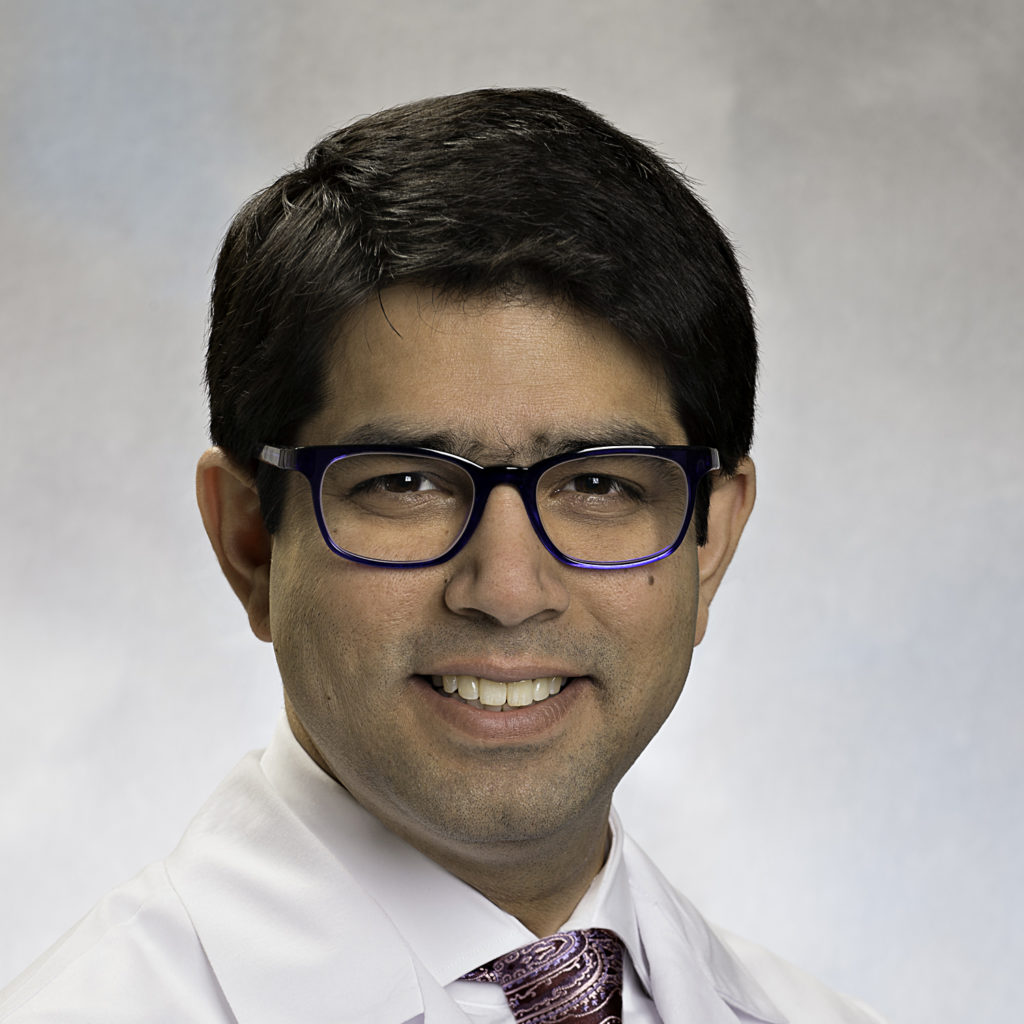 Adil Haider合作论文数Center for Surgery and Public Health, Brigham and Women’s Hospital;Department of Surgery, Brigham and Women’s Hospital;Medical School, Aga Khan University7
 Deepika Nehra合作论文数7O'Neill Patrick J合作论文数7
 James M Haan合作论文数7Saillant Noelle合作论文数7Bradley J Morris合作论文数6Christopher A. Guidry合作论文数6Joshua Piotrowski合作论文数6Timothy Hewitt合作论文数6
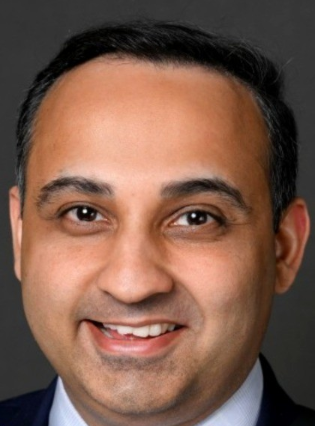 Sameer Hirji合作论文数Division of Cardiac Surgery, Brigham and Women's Hospital, Harvard Medical School;Department of Surgery, Brigham and Women's Hospital;Mass General Brigham6Fields Adam C合作论文数6Moses Rachel合作论文数Department of Urology, Dartmouth Hitchcock Medical Center6




