Introduction:Allergic and non-allergic rhinitis are chronic upper airway inflammatory diseases. Iota carrageenan is an herbal extract of red algae used as a prophylactic treatment for rhinitis in the common cold and other viral infections. This study was designed to evaluate the clinical efficacy of Iota carrageenan in the treatment of allergic and non-allergic rhinitis. Materials and Methods: 60 patients with allergic and non-allergic rhinitis clinical symptoms were randomly divided into carrageenan and placebo (control) groups. The Standard Sino-Nasal Outcome Questionnaire 22 (SNOT-22) and Rhino Juniper Mini Conjunctivitis Quality of Life Questionnaire (Mini-RQLQ) were completed for each patient before and after receiving the drug. Smear of nasal secretions and rhinomanometry were also performed for all studied participants. Results: The mean score of SNOT-22 in the study group was 43.3 and 23.7 in the first and fourth weeks after therapy. The mean score of Mini RQLQ was 36.3 and 19.3 at the same time points (P< 0.001). SNOT-22 (P= 0.002) and Mini RQLQ (P= 0.005) scores showed a statistically significant decrease in the study group compared to the control group. The decrease in the eosinophil count and rhinomanometry results following treatment in both groups was statistically insignificant. Conclusion:Our findings showed a positive effect for carrageenan over placebo in the management of both non-allergic and allergic rhinitis in symptom control. However, non-allergic rhinitis patients’ symptoms may improve better with this drug.
BACKGROUND:This study assessed whether a modified immunotherapy schedule for allergic rhinitis could be safe and efficient. Ultra-rush immunotherapy (URIT) rapidly desensitizes patients to aeroallergens.OBJECTIVE:We aimed to develop a modified URIT protocol in 3 days to achieve the target dose while observing whether it could improve this situation and decrease the time to achieve the maintenance dose.METHODS:The URIT was exercised in 21 patients with perennial allergic rhinitis. Premeditations were given to the patients 3 days prior to the immunotherapy and during the 3 days injections immunotherapy: pred nisolone, ranitidine, and Airokast/montelukast. Finally, the T cell population frequencies of patients prior to and after immunotherapy, including T helper 1, T helper 2, cytotoxic T lymphocytes, and regulatory T cells, were studied using flow cytometry. During the URIT protocol, 21 patients received 291 injections.RESULT:Six patients (28.6%) showed systemic reactions in our study. All systemic reactions occurred on the third day by the 1:1 dilution of the maintenance dose. These systemic reactions occurred in three patients after 13 injections, and the three remaining patients showed systemic reactions following the last injection. No systemic reaction was observed on the first and second day of the therapy, and the risk of systemic reaction with every injection was about 2%. Among the T cell populations, CD3+ and CD8+ cells decreased significantly.CONCLUSION:The findings emphasized that URIT, alongside premedication with a high dose of antihistamine, helped to achieve the maintenance dose and control clinical manifestations.
Background: Asthma is a common and major allergic disease in the world. We aimed to investigate the impact of supplements with vitamin D, folic acid, selenium, zinc, and copper in patients with moderate to severe asthma. Method: In this clinical trial study 70 patients above six years old with moderate to severe asthma, were divided into two groups, randomly; one group received daily Asmavit syrup, 10 ml (Asmavit, Vitabiotics Ltd, London, UK), and the other group received daily 1000 IU vitamin D3 drops (Asmavit, Vitabiotics Ltd, London, UK) for two months along with ordinary treatment for asthma. Clinical and physical examinations, immunological and biochemical tests were carried out for each patient before and after the treatment. Results: The mean age of patients was 39.9 +/- 14.7 years old, and the mean disease duration was 8.8 +/- 9.8 years. A significant increase in lung function, asthma control, and quality of life score tests was observed in both groups after the treatment (P< 0.05). There was no significant difference in cytokines expression levels before and after the treatment with vitamin D3 or Asmavit (P> 0.05). Serum levels of selenium and folic acid before treatment were correlated with disease severity, while post-treatment vitamin D levels significantly increased FEV1 (P> 0.05). Oxidative stress levels reduced in both groups, with greater reduction in the vitamin D group (P< 0.05). Conclusion: Supplements, particularly vitamin D, when combined with standard asthma treatment, may effectively improve clinical symptoms and enhance the quality of life for asthmatic patients.
Background:As a common disease among people of almost any age, allergic rhinitis has many adverse effects such as lowering the quality of life and efficiency at work or school. Considering these conditions and the collection of large amounts of data, the present research was conducted on allergic rhinitis and asthma patients' data to extract the common symptoms of these diseases using cluster analysis and the k-means algorithm.Materials and Methods:The present cross-sectional research was conducted in Mashhad city. The inclusion criteria were affliction with one or two respiratory allergy diseases diagnosed by an allergy specialist through clinical history taking and physical examination. A researcher-made checklist was used in the present study for data collection. Then, the K-means algorithm's cluster analysis model was conducted to extract clusters (WEKA software (3, 6, 9)).Results:Overall, 1,231 patients met the inclusion criteria. The result of the Cluster analysis consisted of Cluster 1 in allergic rhinitis consisted of 702 patients, and cluster 2 consisted of 382 patients.46 asthma patients were assigned to cluster 1 and 23 to cluster 2.Also, 60 asthma and allergic rhinitis patients were assigned to cluster 1 and 19 to cluster 2. The most common symptoms in all patients were rhinorrhea, sneezing, nasal congestion, and itchy nose.Conclusion:Overall, Salsola kali was the most common allergen in allergic rhinitis and asthma patients. Also, the most common symptoms in patients are rhinorrhea, sneezing, itchy nose, and nasal congestion. This study can help physicians diagnose allergic rhinitis and asthma in geographical areas with a high prevalence of Salsola kali.
Prevention and treatment of the Human T-cell leukemia virus, type 1 (HTLV-1) which was discovered nearly 40 years ago, still remain challenging. The reported high prevalence of HTLV-1 in some countries around the world triggered an open letter to the World Health Organization (WHO), urging action against HTLV-1 infection in 2018. This highlights the importance of virus elimination strategies to eradicate HTLV-1 infection. In Iran, we have documented our experiences with the virus in order to achieve and promote the possible ways to manage, control, and eliminate HTLV-1. Although there has been considerable progress apropos of HTLV-1, a series of additional challenges need to be tackled to control HTLV-1 infection in Iran.
C-X-C chemokine receptor type 4 (CXCR4), initially recognized as a co-receptor for HIV, contributes to several disorders, including the WHIM (Warts, Hypogammaglobulinemia, Infections, and Myelokathexis) syndrome. CXCR4 binds to its ligand SDF-1 to make an axis involved in the homing property of stem cells. This study aimed to employ WHIM syndrome pathogenesis as an inspirational approach to reinforce cell therapies. Wild type and WHIM-type variants of the CXCR4 gene were chemically synthesized and cloned in the pCDH-513B-1 lentiviral vector. Molecular cloning of the synthetic genes was confirmed by DNA sequencing, and expression of both types of CXCR4 at the protein level was confirmed by western blotting in HEK293T cells. Human adipose-derived mesenchymal stem cells (Ad-MSCs) were isolated, characterized, and subjected to lentiviral transduction with Wild type and WHIM-type variants of CXCR4. The presence of copGFP-positive MSCs confirmed the high efficiency of transduction. The migration ability of both groups of transduced cells was then assessed by transwell migration assay in the presence or absence of a CXCR4-blocking agent. Our qRT-PCR results showed overexpression of CXCR4 at mRNA level in both groups of transduced MSCs, and expression of WHIM-type CXCR4 was significantly higher than Wild type CXCR4 (P<0.05). Our results indicated that the migration of genetically modified MSCs expressing WHIM-type CXCR4 had significantly enhanced towards SDF1 in comparison with Wild type CXCR4 (P<0.05), while it was reduced after treatment with CXCR4 antagonist. These data suggest that overexpression of WHIM-type CXCR4 could lead to enhanced and sustained expression of CXCR4 on human MSCs, which would increase their homing capability; hence it might be an appropriate strategy to improve the efficiency of cell-based therapies.
This chapter explores social media's potential to enhance public involvement to pursue sustainable practices on an international scale across planning and development projects. Using a case-study approach, the international institutions of the World Bank, UN-Habitat, Unilever, and World Business Council for Sustainable Development are investigated. The relationship between public versus the institutions' intake on sustainability is examined. Findings identify strong public push for increased sustainability in international development and show evidence of the ways in which international institutions respond to the public. Contributing to the social media research field, it offers an alternative application to the planning profession via e-planning. This could contribute to an extended form of public engagement through social media that goes beyond the limiting geographical borders of each local community, and assesses planning and development projects for their broader sustainability implications on an international platform.
C-X-C chemokine receptor type 4 (CXCR4), initially recognized as a co-receptor for HIV, contributes to several disorders, including the WHIM (Warts, Hypogammaglobulinemia, Infections, and Myelokathexis) syndrome. CXCR4 binds to its ligand SDF-1 to make an axis involved in the homing property of stem cells. This study aimed to employ WHIM syndrome pathogenesis as an inspirational approach to reinforce cell therapies. Wild type and WHIM-type variants of the CXCR4 gene were chemically synthesized and cloned in the pCDH-513B-1 lentiviral vector. Molecular cloning of the synthetic genes was confirmed by DNA sequencing, and expression of both types of CXCR4 at the protein level was confirmed by western blotting in HEK293T cells. Human adipose-derived mesenchymal stem cells (Ad-MSCs) were isolated, characterized, and subjected to lentiviral transduction with Wild type and WHIM-type variants of CXCR4 . The presence of copGFP-positive MSCs confirmed the high efficiency of transduction. The migration ability of both groups of transduced cells was then assessed by transwell migration assay in the presence or absence of a CXCR4-blocking agent. Our qRT-PCR results showed overexpression of CXCR4 at mRNA level in both groups of transduced MSCs, and expression of WHIM-type CXCR4 was significantly higher than Wild type CXCR4 ( P <0.05). Our results indicated that the migration of genetically modified MSCs expressing WHIM-type CXCR4 had significantly enhanced towards SDF1 in comparison with Wild type CXCR4 ( P <0.05), while it was reduced after treatment with CXCR4 antagonist. These data suggest that overexpression of WHIM-type CXCR4 could lead to enhanced and sustained expression of CXCR4 on human MSCs, which would increase their homing capability; hence it might be an appropriate strategy to improve the efficiency of cell-based therapies. Keywords WHIM syndrome , mesenchymal stem cells , homing , lentiviral transduction , CXCR4 ,
Introduction: Atopic diseases are global concerns in the todays industrialized world. Allergic rhinitis is the most common allergic condition affecting 20% of individuals. This disorder is associated with remarkable morbidity and rising healthcare expenditure. Aim: Considering the anti-inflammatory properties of a plant Zataria multiflora (ZM) with the common name of Shirazi thyme, a randomized clinical trial was designed to evaluate the alleviation of the symptoms of allergic rhinitis. Material and methods: A total of 30 allergic rhinitis patients were randomly and equally assigned to experimental and control groups. Afterwards, the case group was treated with an extract of ZM and the control group with placebo for 2 months. Finally, the clinical signs and symptoms before and after the treatment according to the SNOT22 questionnaire were analysed. Results: Comparing the symptoms of allergic rhinitis and an average score of SNOT22 questionnaire between the two groups before the intervention provided some difference, which was significantly greater after the treatment. Based on this questionnaire, our patients in the ZM syrup group had lower grades than before the treatment and experienced amelioration. Conclusions: Regarding the significant effect of the ZM syrup in reducing symptoms of allergic rhinitis, its use is highly recommended. Since allergic rhinitis is a multifactorial condition, the use of herbal antioxidants along with conventional treatment would result in a more effective improvement of the disease.
This chapter explores methods for combining symbolic and sub-symbolic reasoning and learning systems to take advantage of the strengths of each approach in challenging tasks in robotics. In perception, Inductive Logic Programming (ILP) can be used to learn descriptions of classes of objects and to find relations between objects. Examples are given of perception for robots in urban search and rescue. We also describe systems for learning plans and behaviours for robots. Relational learning is used to acquire abstract model of robot actions that are then used to constrain sub-symbolic learning for low-level control. Models can be variously expressed in the classical STRIPS representation or as qualitative models. A STRIPS-like model is acquired by a robot that learns to use tools and also designs new tools. A qualitative model is constructed by a robot that learns to traverse uneven terrain in urban search and rescue. The model is refined by reinforcement learning.
The authors have removed this preprint from Research Square.
This chapter focusses on the key role played by big data and data science in evaluating scientific theories of the city, in helping us understand the real time city, and in helping us to plan better functioning cities. A crucial message is that big data on cities and data science are complementary and parallel to urban design and urban planning. While the focus in urban design and planning is on the "making" of cities, the focus in data science is developing the "understanding" of the processes and forms that make up a city. Finally, a scientific understanding should provide the evidence and information base on which planning and design decisions are shaped and enacted.
Aplikasi pengukuran telah banyak digunakan di sistem IOS maupun android. Namun, aplikasi pengukuran berbasis android tidak sebaik dengan aplikasi pengukuran berbasis sistem IOS. Beberapa orang masih meragukan keakuratan aplikasi ini karena terkadang hasil pengukuran tidak akurat dan masih banyak eror atau bug. Tujuan dari kegiatan ini adalah untuk mengembangkan aplikasi pengukuran berbasis android dengan tingkat keakuratan 90%. Apikasi pengukuran ini menerapkan AR (Augmented Reality). Proses pembuatan aplikasi menggunakan software android studio, library dan ARcore. Untuk Bahasa pemrograman yang digunakan yaitu Java Output. Pertimbangan menggunakan perangkat tersebut aplikasi pengukuran untuk smartphone berbasis Android dapat mengukur atau mengetahui dimensi benda bangun datar dan bangun ruang dengan satuan cm dan hasil pengukuran yang akurat. Kata Kunci: Augmented Reality, Android, Aplikasi, Pengukuran, Akura
BACKGROUND:Asthma is a common condition in which the patient requires self-management and teaching programs that lead to reduced prevalence and mortality. The main aim of this study was to improve the management knowledge of the disease through the use of educational tools, pamphlets and face-to-face lecture, concurrent with evaluating and comparing its effectiveness in response to treatment.MATERIALS AND METHODS:In this study, 82 asthmatic patients were enrolled. Training necessary to control the disease and use of drugs were provided to patients in one group by pamphlets (39 patients) and the other by face-to-face education (43 patients). After a month, Disease control examination and Asthma Control Test (ACT) scores were evaluated and compared.RESULTS:The mean age of participants was 39.12±14.25 years. There was no significant difference between the two groups in age, gender and education (P> 0.05) and no significant difference in asthma control between the two groups before the intervention (P = 0.065). The overall asthma control score in the pamphlet was increased from 15.43±4.99 at baseline to 20.58±4.47 in the assessment after one month education (P <0.001) and in face-to-face training an overall score was increased from 13.27±5.39 to 21.95±2.77 (P <0.001). After one month education, asthma control score was increased 5.23 ± 6.88 in pamphlets group and 8.9 ± 6.32 in face-to-face group (P = 0.014).CONCLUSION:Evaluation of both educational methods showed face-to-face training is more efficient.
Substance P (SP) is a neurotransmitter emitted from neurons that plays a role in the pathogenesis of itching conditions including chronic urticarial (CU). The present research aims to investigate the serum level of S.P among CU patients and compare them with healthy subjects and explore how it correlates with the severity of urticaria. The present research was conducted on 87 CU patients who visited the allergy clinic of Ghaem Hospital, Mashhad, Iran from October 2017 to June 2018. Besides, 86 healthy subjects were recruited as the control group. Background information of patient was collected including age, sex, duration of the disease and the co-occurrence of angioedema. S.P serum level was measured in two groups by ELISA method. In the patients group, the autologous serum skin test (ASST) was performed along with the urticaria evaluation questionnaire include Urticaria Activity Score 7 (UAS7), Urticaria Control Test (UCT) and Chronic Urticaria Quality of Life (CU-Q2OL). Among the patients, the SP serum level showed to be about two times higher than the healthy subjects (p˂0.001). SP showed to be increased as patients’ age grew (p=0.010). In patients with a positive ASST, SP level was higher (p=0.012). No correlation was found between SP and the presence of angioedema among patients. There was no correlation between the SP serum level and the scores obtained from urticaria evaluation questionnaires. SP among CU patients was higher than healthy subjects. SP was also higher among female, older and positive ASST patients. The SP value was not correlated with the severity of urticaria, angioedema. In conclusion, Using SP antagonist drugs could be a potential treatment for chronic urticaria.
Background: Synbiotics have been used in the prevention and treatment of various immunological diseases. We aimed to investigate the synergistic clinical and immunologic effects of synbiotics and subcutaneous allergen immunotherapy (SCIT) combination in patients with allergic rhinitis. Materials and Methods: Nineteen individuals with allergic rhinitis were enrolled in this single blind, placebo-controlled trial between 2015 and 2016 in Qaem Hospital, Mashhad, Iran. Patients were randomly divided into two groups: A) Immunotherapy plus one synbiotic capsule per day, and B) Immunotherapy plus placebo for two months. The Sino-nasal outcome test (SNOT-22), and mini rhinoconjunctivitis quality of life questionnaire (RQLQ) were filled by patients or their parents while intracellular expression of interlukin-4 (IL-4), interferon-gamma (IFN-gamma), and Forkhead Box P3 (FOXP3), and variations in the T helper 1 (Th1), T helper 2 (Th2) and T regulatory cells and cytotoxic T lymphocytes (CTL) frequency were examined by flow cytometry assay at baseline, after 2 and 6 months of intervention. Results: Nineteen individuals with allergic rhinitis aged between 5 and 55 years participated in this study. No significant difference in the frequency of symptoms between the two groups was observed after 2 and 6 months of intervention (p>0.05). A significant increase in the percentage of Th1 cells was recorded in group A compared to group B (p= 0.02). CTL enhancement percentage was significantly increased in group A compared to group B after 2 months (p=0.013). Conclusion: Subcutaneous Immunotherapy concomitant with synbiotics administration may have temporarily increased the percentage of Th1 cells, but no significant clinical differences were observed.
Objective(s): Coronary artery disease (CAD) is known as a life threatening disease, worldwide. In this study the role of HTLV-1 infection was evaluated on cardiac involvement in an endemic region of northeastern Iran. Materials and Methods: Serologic and molecular tests for HTLV-1 infection were carried out in subjects who had coronary angiography. A real-time PCR, TaqMan method, to quantify HTLV-1 proviral load (PVL), and routine hematological and biochemical tests were performed for study subjects. Results: Twenty nine patients were HTLV-1+CAD+ and 13 cases were HTLV-1+CAD-. Although, there were no significant differences for risk factors like FBS, HDL, triglyceride, systolic and diastolic blood pressure (Cbp, Dbp), waist circumference (WC), hip circumference (WL), cholesterol (P=0.003), and LDL (P=0.007) levels, and monocyte count (P=0.05) had meaningful differences. The mean HTLV-1 PVL in HTLV-1+CAD+ subjects was 992.62±120 which was higher compared with HTLV-1+CAD- group (406.54±302 copies/104 PBMCs). Moreover, HTLV-1 PVL in males (833±108) was lower compared with females (1218±141 copies/104 PBMCs) (P=0.05). Patients with HTLV-1-PVL of more than 500 copies/104 had more diffused atherosclerosis plaque than patients with less than 500 (OR=6.87, 95% CI=1.34-35.05; P=0.016). Furthermore, patients with diffused coronary atherosclerosis had significantly higher levels of HTLV-1 PVL than patients with middle, proximal, and normal location of coronary sclerotic lesions (P<0.05). Conclusion: Taken together, in endemic area, HTLV-1 infection, more likely is a facilitating factor for heart complications and the high HTLV-1 PVL might affect CAD manifestations.
 Farahzad Jabbari-Azad合作论文数Immunology Research Center, Mashhad University of Medical Sciences71
 Houshangh Rafatpanah合作论文数Sch Med, Mashhad Univ Med Sci42
 Ahanchian Hamid合作论文数Faculty of Medicine, Mashhad University of Medical Sciences19
 S.A.R Rezaee合作论文数Research Center for HIV/AIDS, HTLV and Viral Hepatitis, Iranian Academic Center for Education, Culture and Research (ACECR), Mashhad Branch, Mashhad, IR Iran;Medical School, Mashhad University of Medical Sciences;Medical School, Mashhad University of Medical Sciences17
 Javad Ghaffari合作论文数Department of Pediatrics;Mazandaran University of Medical Sciences;Department of Pediatrics, Mazandaran University of Medical Sciences17
 Shirkani Afshin合作论文数School of Medicine. Allergy and clinical Immunology. Department, Bushehr University of Medical Science14
 Abbas Shirdel合作论文数14
 Maryam Khoshkhui合作论文数Mashhad University of Medical Science13
 Jalil Tavakkol Afshari合作论文数Medical Toxicology Research Center, Mashhad University of Medical Sciences13
 Yousefzadeh Hadis合作论文数Student research committee, Mashhad University of Medical Sciences12
 Ali Bazarbachi合作论文数Department of Internal Medicine, American University of Beirut11
 Mahmoud Mahmoudi合作论文数Immunology Research Center, Mashhad University of Medical Sciences10
 Masoud Movahedi合作论文数Tehran University of Medical Sciences9
 Reza Amin合作论文数Namazi Hospital, Shiraz University of Medical Sciences9Mohammadreza Zandkarimi合作论文数8
 Alireza Ranjbar合作论文数8
 Nima Rezaei合作论文数Universal Scientific Education and Research Network;Karolinska Institutet;Department of Immunology, School of Medicine, Tehran University of Medical Sciences8
 Asghar Aghamohammadi合作论文数Research Center for Immunodeficiencies, Tehran University of Medical Sciences8
 Mohammad Gharagozlou合作论文数Department of Clinical Immunology and Allergy;Allergy Research Institute;Tehran University of Medical Sciences8
 Mohammad Reza Abbaszadegan合作论文数Avicenna Research Institute, Mashhad University of Medical Sciences (MUMS),8r pish namaz合作论文数7
 Mansouritorghabeh Hassan合作论文数Medical School, Mashhad university of Medical Sciences7Ronald Ross Watson合作论文数7
 Iraj Mohammadzadeh合作论文数School of Medicine, Babol University of Medical Sciences7
 Abdolreza Varasteh合作论文数Bu-Ali Research Institute, Mashhad University of Medical Sciences7
 Mohammad Fereidouni合作论文数Birjand University of Medical Sciences7Narges Valizadeh合作论文数Bu-Ali Research Center, Mashhad University of Medical Sciences7Roya Sherkat合作论文数Isfahan University of Medical Sciences7
 Toktam Moghiman合作论文数6
 Azarpazhooh Mahmoud Reza合作论文数Dept Neurol, Mashhad Univ Med Sci6
 Hamid Reza Bidkhori合作论文数Research Center for HIV/AIDS, HTLV and Viral Hepatitis, Iranian Academic Center for Education, Culture and Research (ACECR), Mashhad Branch, Mashhad, Iran. hbidkhori@gmail.com.6
 Mojgan Mohammadi合作论文数Physiology Research Centre, Kerman University of Medical Sciences6
 Gholamin Mehran合作论文数Avicenna Research Institute, Mashhad University of Medical Sciences (MUMS),6
 Nazila Ariaee合作论文数Departamnt of Biology, University of Mohaghegh Ardebili;Inflammation and Inflammatory Diseases Research Center, Mashhad University of Medical Science;University of Mohaghegh Ardebili, Mashhad University of Medical Science6
 Olivier Hermine合作论文数Hopital Necker-Enfants malades;Universite Paris Descartes;Inathéris6
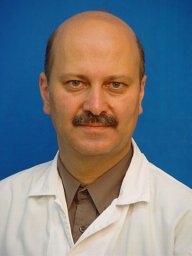 Mohammad Nabavi合作论文数Semnan University of Medical Sciences6
 Saba Arshi合作论文数Rasoul Akram Hospital;Iran University of Medical Sciences;Rasoul Akram Hospital, Iran University of Medical Sciences6R. Pishnamaz合作论文数5Alireza Shafiei合作论文数5Ghada Kchour合作论文数5f farid合作论文数5
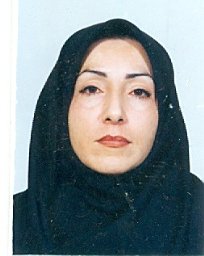 Mahnaz Sadeghi-Shabestari合作论文数Dept Immunol & Allergy, Tabriz Univ Med Sci5
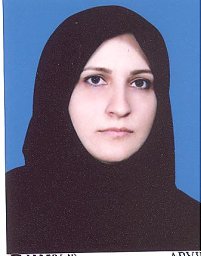 Alyasin Soheila合作论文数Allergy Research Center, Shiraz University of Medical Sciences5
 Fatemeh Behmanesh合作论文数5Rahimi Hossein合作论文数5
 Lai Yeap Foo合作论文数Industrial Research Limited5
 Mohammad reza Hedayati-moghaddam合作论文数5
 Mohammad Hassan Bemanian合作论文数Department of Pediatrics;Shahid Sadoughi Hospital;Shahid Sadoughi University of Medical Science;Shahid Sadoughi Hospital, Shahid Sadoughi University of Medical Science5
 Hassan Abolhassani合作论文数Department of Medical Biochemistry and Biophysics, Karolinska Institutet;Pan Hammarström Laboratory, Karolinska Institutet;Research Center for Immunodeficiencies, Tehran University of Medical Sciences5




