Non-HLA donor-recipient (D-R) genetic mismatches contribute to kidney allograft injury and long-term graft loss, but their clinical use is limited by the unavailability of donor DNA after transplantation. We tested whether non-invasively obtained, recipient-derived samples could be used to infer donor genotype and D-R mismatches. Genomic DNA (g-DNA) of 11 unselected kidney transplant recipients and donors underwent whole-exome sequencing (100x). Additional customized probes were added for intronic coverage (300x) of 55 targeted non-HLA genes of reported clinical relevance. Variants identified from sequencing results were compared with plasma cell-free DNA (cfDNA), urine cell-pellet DNA (U-DNA) obtained from the same recipients. Genome-wide-, exonic-, or non-synonymous exonic- mismatches in transmembrane or secreted proteins, and mismatches within target genes were benchmarked using donor g-DNA to generate mismatch scores for each D-R pair. Within each of these genomic scales of mismatch, U-DNA identified D-R mismatches significantly better than the corresponding cfDNA (P<0.001 for each comparison). U-DNA also identified gene-level mismatches in the LIMS1 gene, and correctly inferred established donor-origin risk alleles, including SHROOM3 and APOL1 . Our findings demonstrate proof-of-concept that U-DNA in tandem with recipient genome, can non-invasively infer relevant non-HLA loci/mismatches circumventing the need for the donor's genomic DNA.
Purpose: Canadian researchers have made significant contributions to the advancement of organ transplantation globally. The COVID-19 pandemic made transparent the importance of reflecting on our accomplishments and the current and future challenges that limit the lives of our patients and to celebrate individual and collective achievement. Sources of Information/Methods: On October 6, 2025, thought leaders in the field of organ transplantation assembled in Vancouver to recognize the contributions of Paul Keown, a clinician scientist and translational researcher, whose work has directly impacted thousands of transplant recipients worldwide. Key Findings: This article summarizes the invited speaker presentations and represents a unique opportunity to celebrate the past and to focus on current challenges and future opportunities to advance the field of organ transplantation.
IntroductionDonor–recipient compatibility remains a central determinant of transplant success, yet conventional antigen-level human leukocyte antigen (HLA) matching provides limited resolution for predicting alloimmune risk. Molecular matching at the eplet level, which quantifies structural motifs on HLA molecules recognized by B- and T-cells, has emerged as a promising strategy to refine immunologic risk assessment.MethodsWe conducted a scoping review of 98 studies encompassing 286,101 solid organ transplant (SOT) recipients across kidney, heart, lung, liver, pancreas, and combined grafts. Data on HLA typing approaches, eplet mismatch (epMM) algorithms, thresholds, and associations with clinical outcomes were systematically extracted and synthesized.ResultsThe majority of studies were retrospective kidney transplant cohorts, though evidence from heart, lung, and liver transplantation is expanding. Across organs, higher class II epMM burden—particularly at HLA-DQ and HLA-DR—was consistently associated with de novo donor-specific antibodies, antibody mediated rejection, and graft dysfunction. Reported epMM thresholds varied but were most robust for class II loci, while findings for class I loci were less consistent. Observed differences in epMM thresholds and effect sizes reflected both organ-specific immunobiology and methodological heterogeneity, including variation in typing resolution, mismatch algorithms, immunosuppression exposure, and study design.ConclusionEplet matching demonstrates significant potential to improve risk stratification and long-term graft outcomes across SOT. However, clinical translation is limited by inconsistent methods, equity concerns, and the absence of standardized epMM thresholds. Prospective studies, harmonized molecular typing, and integration with allocation frameworks are needed to establish the clinical utility and policy implications of molecular-level HLA matching.
The organ donation and transplantation system in the United States is governed by a unique public-private partnership, largely driven by high-caliber volunteer contributions. The system includes a Board of Directors, and multiple committees responsible for the development and implementation of transplant policies. The Organ Procurement and Transplantation Network (OPTN) is undergoing a modernization effort supported by the Securing the US OPTN Act (H.R. 2544), enacted September 22, 2023.1 This legislation is designed to improve the management and efficiency of the US organ transplantation system.2,3 Key provisions of the law include allowing the US Department of Health and Human Services to award multiple contracts or grants to operate the OPTN (previously managed by a single contractor), and removing the $7M budgetary cap.4 As part of modernization and securing the independence of a fiduciary Board of Directors, the Independent Network of Volunteers for Equitable and Safe Transplants was created to support the volunteer experts (professionals and patients). These volunteer experts have always been tasked with (1) developing organ allocation policies, (2) overseeing OPTN membership (hospitals, organ procurement organization, and others), and (3) supporting the implementation of new policies alongside a government contractor. We sought to evaluate the economic value of the volunteer hours from committee and board members. We used publicly available data including membership data on the 26 active committees and the Board of Directors (599 positions filled by 459 individual volunteers) and committee meeting schedules from June 2023 to June 2024, available on the OPTN website. During that time, 502 meetings occurred, with a mean of 23.94 participants; assuming each meeting lasted at least 1 h, this conservatively represents 12,019 volunteer hours. OPTN volunteer tasks are executive level; consequently, we valued volunteers' time at $110.95 /h. (corresponding to a $221,900 annual salary, based on the National Institutes of Health salary cap). Applying this rate to the calculated number of person-hours yields a conservative estimate of $1,333,508.10 for the annual value of this volunteer effort. However, volunteer duties extend beyond board meeting attendance. The OPTN's 2016–2017 committee volunteer engagement survey reported that volunteers annually volunteered 41,762 h of service. Applying the hourly rate to the total number of hours contributed yields an estimated value of $4,633,493.90. Even this estimate may be conservative since the survey excluded board members, who presumably contribute the most time, and this estimate is meant to give a general sense of the scope of manpower devoted to OPTN committees rather than an attempt to estimate a precise dollar figure. This level of volunteer effort is unique in the US healthcare system, and the expertise provided is invaluable. Given the high value of the volunteer effort, it is unlikely that the government could use or purchase comparable services. Moreover, the extensive involvement of numerous professionals who volunteer their time enriches the diversity of perspectives considered, thereby diminishing the influence of any single vested interest or conflict of interest in the establishment of the OPTN and its policies about organ transplantation. While restructuring the system brings major changes, federal lawmakers and administrators should understand that the minimum calculated monetary value of the volunteer effort is nearly 50% of what the government contract has heretofore provided. While we push forward to constantly improve the system for patients and the American public, the fluid nature of the field requires a volunteer network that has a broad diversity of expertise, experience, geography, sex, ethnicity, creed, and race. ACKNOWLEDGMENTS The completion of this article was conducted with funding from the National Institute of Diabetes and Digestive and Kidney Diseases for award 5R01DK132395-02, entitled "Continuous Allocation Score Design For Guaranteeing Equity and Reducing Discards in Kidney and Liver Transplantation."
BACKGROUND:Little is known about the prognostic relevance of donor-specific antibodies (DSAs) and C4d tissue deposition for acute and chronic rejection in facial vascularized composite allotransplantation. METHODS:We conducted a retrospective analysis of nine face transplant patients. Outcome measures, such as DSA positivity, were determined by the local tissue typing laboratory, whereas C4d deposition was assessed by immunostaining. Acute rejection events, occurrence of chronic rejection, and transplant-related outcomes were collected. RESULTS:Five (5/9) patients developed de novo DSAs. Among the 56 time points when rejection grade, DSA, and C4d levels were measured concurrently, 25 (44.6%) had only one positive parameter (DSA or C4d), 23 (41.1%) had two negative values, and 8 (14.3%) had both parameters positive. A trend was observed where acute rejection grades were higher at time points with both DSA positivity and C4d deposition compared with time points where both parameters were negative. Chronic rejection was observed in four patients, two of whom developed DSAs and two who did not. Among the five patients who developed de novo DSAs, graft loss occurred in one patient. The remaining four patients with de novo DSAs retained their allografts [mean follow-up: 118 (63-162) months]. CONCLUSION:We identified a potential association between DSAs and grade of acute cellular rejection. Chronic rejection was observed in four patients, with no clear association with DSA status. Only one out of five patients who developed DSAs underwent graft loss. Further studies need to explore the mechanistic role of DSAs in the setting of VCA rejection.
BACKGROUND Given the scarcity of donor organs in the United States, the ability to prolong kidney transplant graft survival is a significant public health concern. Although it has been suggested that donor-recipient race-matching could improve kidney transplant outcomes, findings of previous studies are inconsistent. Therefore, the objective of this study was to conduct a systematic review examining the relationship between Black and White donor-recipient race-matching and graft and patient survival in adult primary kidney transplant recipients. MATERIAL AND METHODS Ovid Medline and Embase literature searches were conducted from earliest index date through October 2024. The following data were extracted and summarized: study characteristics, patient population characteristics, and findings associated with graft and patient survival. Quality assessment and magnitude of effects were evaluated, and Grading of Recommendations Assessment, Development and Evaluation (GRADE) was used to determine evidence certainty. RESULTS Of 4676 citations, 7 studies met inclusion criteria. Two studies reported Black-Black donor-recipient pairings, 2 studies reported Black-White donor-recipient pairings, and 3 studies reported White-Black donor-recipient pairings were at significantly higher risk for graft failure than the reference group; however, effect magnitude was small. Studies found the relationship between race-matching and patient survival was not statistically significant. Per GRADE, evidence concerning graft and patient survival is of low certainty or quality. CONCLUSIONS Studies generally found no differences in patient survival, and although Black-Black, Black-White, and White-Black donor-recipient pairings were associated with decreased graft survival in some studies, effects were small and likely clinically irrelevant. Further investigation of modifiable factors influencing graft survival is needed.
INTRODUCTION:Rejection represents a major and common complication in vascularized composite allotransplantation (VCA). Over time, recurrent acute or chronic rejection can lead to vascular and dermal fibrosis and potentially graft loss. To date, a non-invasive monitoring tool to capture chronic graft changes among VCA recipients has not been established. This pilot study aims to assess the potential value of noninvasive skin elasticity measurements for surveillance of longitudinal fibrosis of facial allografts. METHODS:Viscoelasticity was non-invasively assessed via triplicate measurements of the transplanted facial skin on bilateral cheeks and native skin on bilateral upper arms in six face transplant recipients using the well-established Cutometer Dual MPA 580. Data were statistically compared with recipient/donor age, post-transplant years (PTYs), and cumulative rejection burden (CRB), smoking status, ethnicities, and immunosuppressive regimens. RESULTS:A significant (p < 0.05) negative linear relationship between CRB and the Cutometer parameters R2 (gross elasticity), R5 (net elasticity), and R7 (elasticity recovery) was found, which was not observed in control measurements of native skin of VCA recipients. Results were ranked into a three-level severity scale. Comparison with PTYs further revealed a significant negative linear relationship with R2 and R5 values. No statistically significant correlation was detected across R values when evaluated against recipient/donor age, smoking status, ethnicity, or immunosuppressive regimens. CONCLUSIONS:Although diagnosis and monitoring of rejection-associated degenerative skin changes currently still rely on biopsies, this exploratory study identifies skin elasticity as a promising surrogate marker for facial allograft fibrosis.
BACKGROUND LCPT (Envarsus XR®) is a common once-daily, extended-release oral tacrolimus formulation used in kidney transplantation. However, there are minimal evidence-based recommendations regarding optimal dosing and treatment in the de novo and conversion settings. MATERIAL AND METHODS Using Delphi methodology, 12 kidney transplantation experts with LCPT experience reviewed available data to determine potential consensus topics. Key statements regarding LCPT use were generated and disseminated to the panel in an online Delphi survey. Statements were either accepted, revised, or rejected based on the level of consensus, perceived strength of evidence, and alignment with clinical practice. Consensus was defined a priori as ≥75% agreement. RESULTS Twenty-three statements were generated: 14 focused on de novo LCPT use and 9 on general administration or LCPT conversion use. After 2 rounds, consensus was achieved for 11/14 of the former and 7/9 of the latter statements. In a de novo setting, LCPT was recognized as a first-line option based on its safety and efficacy compared to immediate-release tacrolimus. In particular, African Americans and rapid metabolizer populations were identified as preferred for first-line LCPT therapy. In a conversion setting, full consensus was achieved for converting to LCPT to address neurological adverse effects related to immediate-release tacrolimus and for the time required (approximately 7 days) for steady-state LCPT trough levels to be reached. CONCLUSIONS When randomized clinical trials do not replicate current utilization patterns, the Delphi process can successfully generate consensus statements by expert clinicians to inform clinical decision-making for the use of LCPT in kidney transplant recipients.
BACKGROUND:Face transplantation has emerged as a viable solution for reconstructing the most complex facial injuries. Previous work has demonstrated that surgical revisions are necessary to optimize outcomes. The authors' group has updated the previous report of revisions in their cohort, quantified and described which revisions were performed for functional, aesthetic, or mixed indications, and described the rationale, safety, and long-term outcomes of these revisions. METHODS:A retrospective analysis of the authors' 10 face transplants from April of 2009 to February of 2023 was performed. The patients' medical records, preoperative facial defects, and operative reports (index and secondary revisions) were reviewed. RESULTS:Nine patients were included. One patient underwent irreversible acute-on-chronic allograft rejection and received a second face transplant. The average number of revisions was 5.2 per patient (range, 2 to 11 procedures). The median time interval from transplantation to first revision was 4 months (range, 1 to 21 months). Median follow-up was 106 months (range, 39 to 142 months). Most interventions consisted of debulking the allograft or revising the periorbital tissues. CONCLUSIONS:In the current study, the authors report longer-term data on revision procedures needed in face transplant recipients. Patients should expect to undergo revisions for both functional and aesthetic considerations. Although the majority of revisions are performed within 2 years after transplantation, revisions can be safely performed at any time point. Shared decision-making between the patient and provider team is essential in deciding which revisions are performed and when. CLINICAL QUESTION/LEVEL OF EVIDENCE:Therapeutic, V.
Face transplantation has emerged as reconstructive option for the most challenging facial deformities. A comprehensive analysis of functional outcomes, medical complications, incidence of malignancy, and chronic rejection in face transplantation recipients over an extended follow-up period has not yet been published leaving a notable gap in the literature. We retrospectively collected data of morbidity, rejection, vasculopathy, metabolic side effects, as well as functional outcome of sensory return, facial motor function, and speech from 9 patients who underwent face transplantation at Brigham and Women’s Hospital between 2009 and 2020. The median follow-up was 120 months (54 and 154 months). Four grafts (40%) developed signs of clinical and histopathologic chronic rejection without evidence of vasculopathy on computed tomography angiograms. Sensory return assessed with Weinstein enhanced sensory testing-monofilament showed an increase in 6 patients (66.7%), and facial expression analysis showed improvement throughout the whole cohort at their most recent follow-up. Speech intelligibility was stable or increasing for 5 patients (55.6%). In conclusion, the long-term outcomes reveal promising results in terms of overall graft retention and functional recovery. Metabolic, malignant, and infectious complications, as well as graft rejection episodes, are expected to occur in this population, and some may be related to patient’s age and lifestyle.
BackgroundRecipients of Vascularized Composite Allotransplants require effective immunosuppressive therapy to prevent graft rejection. This systematic review summarizes the current body of literature on immunosuppressive regimens used in face and hand transplants while summarizing their outcome in terms of rejection, renal failure, and infections.MethodsA systematic search of electronic databases was conducted to identify relevant studies from 1998 until July 1st, 2023. We included all studies that discussed immunosuppressive strategies in face and hand transplant recipients according to PRISMA.ResultsThe standard triple maintenance therapy was mostly adjusted due to nephrotoxicity or high incidence of rejection. The most common alternative treatments utilized were sirolimus (25/91; 27.5%) or everolimus (9/91; 9.9%) following hand- and photophoresis (7/45; 15.6%), sirolimus (5/45; 11.1%) or belatacept (1/45; 2.2%) following face transplantation. Episodes of rejection were reported in 60 (65.9%) of hand- and 33 (73%) of face transplant patients respectively. Graft loss of 12 (13.2%) hand and 4 (8.9%) face transplants was reported. Clinical CMV infection was observed in 6 (6.6%) hand and 7 (15.5%) face transplant recipients.ConclusionsBased on the herein presented data, facial grafts exhibited a heightened incidence of rejection episodes and CMV infections. Facial mucosa adds complexity to the immunological graft composition highlighting the need of individualized immunosuppressive regimens and further research.
To date, little is known about the mechanisms of rejection in vascularized composite allotransplantation, particularly for antibody mediated rejection. Additionally, no clear guidelines exist for the diagnosis and management of antibody-mediated rejection in vascularized composite allotransplantation. A systematic review of electronic databases (Embase and PubMed) was conducted to evaluate the relationship of donor specific antibodies and C4d deposition in correlation with cellular rejection following hand and face transplantation reported by centers between 1998 and July 2023. We extracted data on serum donor specific antibodies at the time of biopsy proven rejection according to Banff classification and C4d staining of target tissues. Mann-Whitney U tests were performed to compare rejection grade between groups divided by status of C4d deposition and serum donor specific antibodies, and Fisher's Exact test was used to assess association between the two markers. This review adhered to PRISMA guidelines. A total of 26 patients (5 face, 21 hand) were identified and data on 90 acute rejection episodes with information on Banff grade, donor specific antibody status, and C4d deposition were available. Donor specific antibodies were found to be associated with higher rejection grade (p = 0.005). C4d was not found to be associated with higher rejection grade (p = 0.33). Finally, no significant association was found between concurrent status of the two markers (p = 0.23). These findings suggest that the presence of donor specifc antibodies may be associated with higher grades of acute cellular rejection following hand and face transplantation. More consistent reporting on rejection episodes is needed in order to better understand antibody-mediated rejection in vascularized composite allotransplantation.
In April 2023, the New York Times published an opinion piece by author and heart transplant patient, Amy Silverstein [1]. Ms. Silverstein's perspective provoked an array of responses, some of which were angry because of the perception that she lacked gratitude for the second and third chance at life she was given. However, as professionals in the transplant field, Ms. Silverstein's story resonated with us, particularly her description of what she called the "gratitude paradox" wherein solid-organ transplant patients are expected to be grateful for what they have—a new, functioning organ—and are either implicitly or explicitly discouraged from asking for more and better posttransplant treatment options [1]. While her observations were personal for us, we see parallels that are relevant for the entire healthcare community. Ms. Silverstein pointed to the conflicting emotions of her own gratitude for her two heart transplants in the wake of her terminal cancer diagnosis, a diagnosis she states likely resulted from long-term use of immunosuppression medications meant to preserve her transplanted organ, and her desire to have more life. She wasn't ungrateful in expressing that desire; she was simply being human. While the specifics of Ms. Silverstein's life are relevant to the field of transplantation, we believe the human desires she expressed should cause the entire healthcare community to pause and reflect about why we chose this calling and our inherent responsibilities. The concept of the gratitude paradox is not new. The BBC correspondent Kate Morgan explored this issue in a 2021 piece examining the complexities of gratitude for being employed in the wake of the COVID-19 pandemic [2]. She discussed the dilemma many individuals experienced between being grateful to have a job during a time of rising unemployment and feeling underpaid, undervalued, and overburdened by employers [2]. Another, more historical example is the "separate but equal" laws, colloquially known as Jim Crow laws, that pervaded American life in the post-Civil War era through the Civil Rights movement of the 1960s. Under Jim Crow, Black Americans experienced and were expected to be grateful for (or as Davis [3] describes, "agreeable and non-challenging"), segregated conditions that proved to be anything but equal. There is a prevailing attitude that certain populations, in particular those who are vulnerable, such as patients with chronic medical conditions, racial and ethnic minority groups, or individuals from poorer socioeconomic backgrounds, should be thankful for whatever benefits of progress made in achieving a better life. They are viewed as troublemakers who lack gratitude whenever they suggest the bare minimum is not enough. In our society, there is an expectation that disadvantaged and vulnerable populations should be grateful for having something that is one step above having nothing. When they qualify their gratitude by asking for more and better, there is often a backlash from those who have more because this ask provokes a defensive response: What more can we do? We submit that it is a reasonable expectation to want better outcomes from a healthcare system as advanced as the one in the United States. This viewpoint is reinforced by the emotions expressed in Amy Silverstein's opinion piece. Let us consider why we have these expectations of gratitude in the first place. As healthcare providers, our duty is to provide our patients with the best possible care available and to continually strive to do better. For example, the best medical therapy for many patients with end-stage organ disease is transplantation [4]. However, when a patient receives a solid-organ transplant, they are confronted with the lifelong burden of immunosuppression and its varied risks and adverse outcomes [5]. The uncomfortable truth for the transplant profession is that for the past 25 years, there has been only incremental progress toward improving the fate of transplant recipients. Therefore, is it really a surprise when gratitude for the miracle of transplant is tempered by a desire for better, less deleterious posttransplant treatment options? We ask our colleagues in other disciplines to be just as uncomfortably honest with themselves about where their efforts, while vigorous and well-intentioned, are not meeting the aspirations of their patients. As empathetic healthcare providers in all disciplines, we must validate the conflict patients experience; joy and gratitude for the benefits of treatment, frustration and fear when adverse effects occur, and desire for more and better care options. We must strive to offer our patients more and better life-saving and life-enhancing treatment options. The status quo simply is not good enough. We ask all of our colleagues to reflect on why it is so much easier to impose expectations of gratitude on our patients rather than offering empathy and collaboration when the desire for more and better is expressed. Moreover, we ask that the healthcare community speak in a unified voice to expose when the rigid adherence to political ideology and regulatory and policy frameworks impede progress toward improving the lives of our patients. We challenge our colleagues to reflect on the emotions experienced when reading Ms. Silverstein's article. We suggest that as a society, we project our expectations of gratitude onto others because receiving accolades for what is done is easier than confronting the limitations, inadequacies, and inequities of what is not achieved. Inherent to the profession of medicine is a sense of frustration and hopelessness because the challenges our patients face exceed our individual capacity to relieve their suffering. Therefore, we retreat behind the safe wall that is our expectation of gratitude for the minimum that is offered. The question becomes: how do we stop retreating and start relinquishing these burdensome expectations? Do we accept the status quo, or do we resist it? The profession of medicine is now at a crossroads, with external political and societal forces poised to destroy the core values of a profession whose foundation is providing service to others. We believe it is time to shift the paradigm of the gratitude paradox within our profession and to resist the larger societal forces that seek to minimize the innate desire of all people to have a better, healthier, longer life. To do so, we as individuals need to realize and accept that the experiences of those who are vulnerable and marginalized are not about the feelings their aspirations provoke within us, our expectations of gratitude, our fears of criticisms and failures. As healthcare professionals, our only task is honoring their experiences and supporting their desires for more and better. We must actively listen and work every day to become more aware and accepting of the lived experiences of our patients and their desire for a life unique to them. Our responsibility is to be their allies, advocates, and partners. It is our time to step up, rectify inequities and injustices, and overcome the gratitude paradox that is hampering progress to better healthcare for everyone. While there are many challenges to being a healthcare provider today, we are fortunate that each day we serve a higher purpose. Each day, we have the opportunity and privilege of helping our patients achieve a better life. Ms. Silverstein has done a service to all healthcare professionals, because she has reminded us that we are not here to just do enough. We are here to do the best for every patient every day. The authors have no conflicts to report. None. Data sharing not applicable to this article as no datasets were generated or analyzed during the current study.
Background. Compared with calcineurin inhibitor–based immunosuppression, belatacept (BELA)-based treatment has been associated with better renal function but higher acute rejection rates. This phase 2 study (NCT02137239) compared the antirejection efficacy of BELA plus everolimus (EVL) with tacrolimus (TAC) plus mycophenolate mofetil (MMF), each following lymphocyte-depleting induction and rapid corticosteroid withdrawal. Methods. Patients who were de novo renal transplant recipients seropositive for Epstein-Barr virus were randomized to receive BELA+EVL or TAC+MMF maintenance therapy after rabbit antithymocyte globulin induction and up to 7 d of corticosteroids. The primary endpoint was the rate of biopsy-proven acute rejection at month 6. Results. Because of an unanticipated BELA supply constraint, enrollment was prematurely terminated at 68 patients, of whom 58 were randomized and transplanted (intention-to-treat [ITT] population: n = 26, BELA+EVL; n = 32, TAC+MMF). However, 25 patients received BELA+EVL‚ and 33 received TAC+MMF (modified ITT population). In the ITT population, the 6-mo biopsy-proven acute rejection rates were 7.7% versus 9.4% in the BELA+EVL versus TAC+MMF group. The corresponding 24-mo biopsy-proven acute rejection rates were 19.2% versus 12.5% in the ITT population and 16.0% versus 15.2% in the mITT population; all events were Banff severity grade ≤IIA and similar between groups. One patient in each group experienced graft loss unrelated to acute rejection. The 24-mo mean unadjusted estimated glomerular filtration rates were 71.8 versus 68.7 mL/min/1.73 m 2 in the BELA+EVL versus TAC+MMF groups. Posttransplant lymphoproliferative disorder was reported for 1 patient in each group. No deaths or unexpected adverse events were observed. Conclusions. A steroid-free maintenance regimen of BELA+EVL may be associated with biopsy-proven acute rejection rates comparable to TAC+MMF.
In July 2022, the Scientific Registry of Transplant Recipients (SRTR) hosted an innovative, multistakeholder consensus conference to identify information and metrics desired by stakeholders in the transplantation system, including patients, living donors, caregivers, deceased donor family members, transplant professionals, organ procurement organization professionals, payers, and regulators. Crucially, patients, caregivers, living donors, and deceased donor family members were included in all aspects of this conference, including serving on the planning committee, participating in preconference focus groups and learning sessions, speaking at the conference, moderating conference sessions and breakout groups, and shaping the conclusions. Patients constituted 24% of the meeting participants. In this report, we document the proceedings and enumerate 160 recommendations, 10 of which have been highly prioritized. SRTR will use the recommendations to develop new presentations of information and metrics requested by stakeholders to support informed decision-making.
Organ allocation policies are particularly vulnerable to unintended consequences because of the role human behavior plays in the decision to accept an organ. Although unintended consequences can be theorized during the development process,1 attempts to avoid them may be incomplete or unsuccessful. More problematic is that the fear of them may cause resistance to change and paralysis of the policy-making process. Therefore, the best approach is to develop a policy with the available empirical evidence, use postimplementation monitoring to assess for the desired and undesired outcomes, and adjust it proactively. The 2014 kidney allocation system (KAS) provides an example of this approach. As demonstrated by KAS, policy changes may cause disequilibrium in the immediate postimplementation (bolus) period, which ultimately transitions to a desired steady state that reflects the policy's intended effect.2 Because of this, before judging a policy as having undesired outcomes, it is essential to ensure that the long-term effect of the policy is known. In this edition of JASN, Puttarajappa et al.3 report the initial outcomes of the first 9 months of kidney allocation under the revision to KAS that uses a 250-nm circle centered on the donor's location. Using the Scientific Registry of Transplant Recipients database, they report an early signal that the rate of kidney discards has increased following policy implementation. This is an important observation that warrants critical review; however, given many potential confounding factors, causation cannot be directly attributed to the effects of the policy, and the steady-state effects of policy may still be unclear. Additionally, it is important to recognize that the explicit intent of the policy was to reduce existing geographic disparities in access to kidney transplantation. The effect of the policy on attenuating geographic disparities was not assessed in this study. Therefore, the interpretation of potential unintended consequences of the policy should be considered in the context of the potential intended benefits, which will need to be assessed in prospective studies. The authors appropriately conclude that continued monitoring of the allocation policy for unintended negative consequences is required to develop strategies for improvement. The impetus to disseminate early observations is understandable given the potential effect of the policy and the need for timely data. However, the reader should also consider the immaturity of the policy when drawing inferences. Specifically, the results of prior allocation changes were reported after more extended periods of observation when the data indicated that equilibrium had been achieved.2,4,5 This observation aside, the authors also perform a rigorous sensitivity analysis addressing the limitations of the data available and the uncertainty of estimated effects. The reader is encouraged to consider the results carefully as well as other high-level observations when interpreting these findings. The 250-nm distribution plan for deceased donor kidneys was implemented during the severe acute respiratory syndrome coronavirus 2 pandemic and increased regulatory and media scrutiny on the practices of organ procurement organizations. Both events could influence organ allocation and affect organ utilization rates unrelated to the policy change. For example, the authors report that the new approach led to increased discards caused by "no candidate found." However, coronavirus disease may have led to this increase in discards by affecting candidate readiness for transplantation. Additionally, as the authors' data demonstrate, the increase in kidneys recovered came from donors after circulatory death. This increase in organ recovery is positive but likely due to organ procurement organizations more vigorously pursuing the recovery of donor organs, including donors after circulatory death, due to increased regulatory pressure. Given the expansion of the donor pool to include older and medically complex donors, it is reasonable to anticipate an increase in organ discards. As the system strives to recover as many organs as possible, it must also be acknowledged that more organs will be on the fringe of usability or not suitable for transplantation. Moreover, regardless of the observation of increased organ discard in this study, it is important to note that the total number of deceased donor transplants increased during the first year of the policy.6 The study reports 9 months of follow-up, which is unlikely enough time to characterize the steady-state effects of the policy. Kidney allocation uses a composite score of waiting time, human leukocyte antigen–DR matching, calculated panel-reactive antibody sliding scale points, and with the new policy, distance points. For the average allocation, waiting time is the major contributor to the score. By mandate, the new policy eliminates the boundaries of donor service areas (DSAs), which led to the existing differential waiting times. As a simplistic example, if adjacent DSAs had a 2-year difference in waiting time and waiting lists with the same composition and number of patients, it would take 1 year to reach a steady state. Patients in the DSA with longer waiting times would receive transplants, whereas those in the adjoining DSA would accumulate more waiting time until the waiting times equilibrated. At equilibrium, the variable determining the allocation would be distance points. Applying the principles of this example to areas with multiple adjacent DSAs, the expectation of >2 years to achieve a steady state is reasonable. Although the analysis of Puttarajappa et al.3 does not yet provide sufficient evidence to revise policy, it does compel the transplant community to critically consider the optimal balance between equity and efficiency in allocation policy. This study highlights potential early growing pains of the policy, and the extent to which geographic equity has been achieved will be important to complement these analyses. Although system efficiencies may be improved, it is also expected that broader sharing of organs leads to longer distances traveled and loss of organ viability. This reality necessitates critical questioning of appropriate trade-offs and requires ongoing thoughtful discussion. At what point are the improvements in equity gained through the broader sharing of organs offset by the need to minimize discards? In a system of constrained resources, can equity—offering the opportunity for transplantation to as many people as possible—be achieved without sacrificing efficiency—making use of as many donated organs as possible? This is the challenge before the transplant community as it attempts to reconcile its dual fiduciary roles to the individual patient and the larger society it serves, which may not always align. Stated succinctly, is it an absolute priority to ensure that every similarly situated patient with organ failure has an equal chance of accessing transplantation, or is this desirable only to the extent that it avoids significant donor organ loss? Although this statement is blunt, it is an important consideration in the context of the ongoing emphasis on equity in organ transplantation and is the question facing the transplant community as the model of continuous distribution of organs is implemented.7 Continuous distribution allows for candidate and organ-specific titration of equity and efficiency rather than the dichotomous trade-offs required with circles, DSA boundaries, or any categorical distance parameters. The mandate to eliminate DSA boundaries as the unit of allocation did not prescribe an alternative.8 Transplant policy makers take their direction from the National Organ Transplant Act and its rules for implementation: "the Final Rule."9,10 The legal directions are that allocation cannot be on the basis of a patient's place of residence but with qualifiers. The most notable of these qualifiers is to avoid organ wastage and promote system efficiency (Final Rule section 121.8a[8] and paragraphs [a1–a5]). Continuous distribution incorporates candidate needs, biologic factors, donor organ quality, and system efficiency to create an allocation score. This score is then overlaid on a distance scale to determine the rank order of candidates.11 Although these factors are all discrete, they are weighted in importance on the basis of community consensus. Continuous distribution does not use DSA as an allocation component; however, it does not need to be assumed that this framework requires sharing over an area >250 nm. It is possible that after implementing this approach in what is the most equitable way, postimplementation monitoring may reveal an increase in organ discards to an extent that is unacceptable. The community may respond by deciding that organs with certain characteristics should not be shared over such distances. This would conform with the Final Rule's instruction to avoid organ wastage and the requirement for equitable distribution. Additionally, the tension created by trying to minimize geographic disparities while minimizing organ wastage could incentivize investments and improvements in organ recovery and transportation. Unintended outcomes, whether short term or long term, provide the impetus for continuous improvement in organ allocation, and the fear of unintended outcomes should not paralyze the policy-making process.
 Sanjay Kulkarni合作论文数Nephrology, Internal Medicine, Yale School of Medicine, Yale University38
 D. Stewart合作论文数NYU Langone Transplant Institute31
 John J Friedewald合作论文数Nephrology and Hypertension, Department of Medicine, Feinberg School of Medicine, Northwestern University14
 William Asch合作论文数Section of Nephrology, Yale School of Medicine, Yale University;Yale New Haven Hospital14
 Peter S. Heeger合作论文数Recanati Miller Transplant Institute, Icahn School of Medicine at Mount Sinai13
 David Mulligan合作论文数Department of Surgery, Yale School of Medicine, Yale University12
 Peter Nickerson合作论文数Department of Internal Medicine, Max Rady College of Medicine, Rady Faculty of Health Sciences, University of Manitoba12
 Emilio Poggio合作论文数Department of Nephrology and Hypertension, Glickman Urological and Kidney Institute, Cleveland Clinic12
 M. Aeder合作论文数11
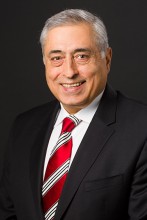 Sukru Emre合作论文数Yale New Haven Transplantation Center, Yale New Haven Hospital;School of Medicine, Yale University10
 Robert Fairchild合作论文数Robert Fairchild Laboratory, Lerner Research Institute;Department of Inflammation and Immunity, Lerner Research Institute Cleveland Clinic;Department of Molecular Medicine, School of Medicine, Case Western Reserve University10Anna Y Kucheryavaya合作论文数10
 Bohdan Pomahac合作论文数Brigham and Women's Hospital, Harvard Medical School10R. Leishman合作论文数9
 Martin Kauke合作论文数Authors contributed equally to the work.9Amy L Friedman合作论文数9David N. Rush合作论文数9Antonios Arvelakis合作论文数9Ian W. Gibson合作论文数Department of Pathology, University of Manitoba9
 Margaret Bia合作论文数Department of Medicine, Yale School of Medicine8
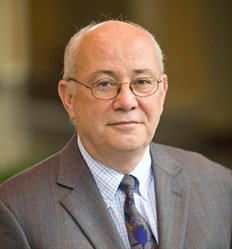 Donald E. Hricik合作论文数Case Western Reserve University;Division of Nephrology and Hypertension, University Hospitals Case Medical Center8MI LORBER合作论文数7G. Boyle合作论文数7
 David Ikle合作论文数7
 Peter Reese合作论文数Department of Biostatistics, Vanderbilt University Medical Center7
 Kenneth Newell合作论文数Department of Surgery, School of Medicine, Emory University7
 Tuomas Sandholm合作论文数Department of Computer Science, School of Computer Science, Carnegie Mellon University7Wida S. Cherikh合作论文数7
 John Gill合作论文数Division of Nephrology, Department of Medicine, Faculty of Medicine, University of British Columbia7
 Chirag R. Parikh合作论文数Bloomberg School of Public Health, Johns Hopkins University;Division of Nephrology, Johns Hopkins University School of Medicine6
 Suphamai Bunnapradist合作论文数Department of Medicine;Geffen School of Medicine, David;University of ,;David Geffen School of Medicine, University of ,6
 Jens Goebel合作论文数6Lioba Franziska Huelsboemer合作论文数5
 Masoud Barah合作论文数McCormick Sch Engn, Northwestern Univ5
 Kathryn Tinckam合作论文数Department of Laboratory Medicine and Pathobiology, Temerty Faculty of Medicine, University of Toronto5
 Daniela P Ladner合作论文数Division of Organ Transplantation, Department of Surgery, Feinberg School of Medicine, Northwestern University;Department of Medical Social Sciences, Feinberg School of Medicine, Northwestern University;National Institute of Diabetes and Digestive and Kidney Diseases, National Institutes of Health;Northwestern Medicine5
 Sanjay Mehrotra合作论文数Industrial Engineering and Management Sciences, McCormick School of Engineering and Applied Science, Northwestern University5
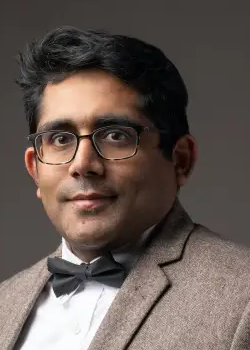 Madhav Menon合作论文数Nephrology, Internal Medicine, Yale School of Medicine, Yale University5
 Isaac Hall合作论文数CommonSpirit Health Mountain Region5Levitsky Josh合作论文数5Margaret J. Bia合作论文数5W. Asch合作论文数5C. Monstello合作论文数4Viola A Stögner合作论文数4Sam Boroumand合作论文数4N D Bridges合作论文数4Carrie Thiessen合作论文数4
 Steven G. Coca合作论文数Division of Nephrology, Icahn School of Medicine, Mount Sinai;Department of Internal Medicine, Mount Sinai4




