Valvular heart diseases (VHD) represent an important global health burden, yet no pharmacological therapy exists to prevent or slow their progression. This comprehensive review describes advances in genetic discoveries for aortic valve stenosis (AS) and mitral valve prolapse (MVP) over the past decades. Familial studies allowed the identification of a few rare monogenic forms of AS, most of which are associated with congenital bicuspid aortic valve. Large-scale genome-wide association studies (GWAS) have mapped 268 independent risk loci for AS. The genetic variants identified implicate lipid metabolism, inflammation, blood pressure regulation, and calcification as important determinants. MVP is a feature of genetic syndromes, many of them involving the TGF-β signaling pathway. Nonsyndromic monogenic causes have also been identified. Common variants at 20 loci have been associated with MVP by GWAS. Some of these variants are also linked to cardiomyopathy, left ventricular dimensions, and arrhythmias, suggesting a relationship with myocardial pathology. Mendelian randomization has moved beyond genetic associations to establish lipoprotein (a) (Lp(a)), LDL-cholesterol (LDL-C), triglycerides, systolic blood pressure (SBP), and body mass index (BMI) as causal risk factors for AS while revealing protective effects of body size-related measures in MVP. Emerging polygenic risk scores (PRS) achieved significant risk prediction for both diseases, representing promising tools for early identification of high-risk individuals before clinical manifestation. Summarizing genetic evidence from GWAS, causal inference, and risk prediction, this review provides a roadmap for future research and clinical translation, emphasizing the urgent need for prospective trials testing genetically-informed interventions for VHD prevention.
OBJECTIVE:Patients on ticagrelor who are undergoing cardiac surgery before completing guideline-recommended washout are at high risk for severe bleeding. This study evaluated whether a novel drug removal device reduces bleeding in patients operated within 2 days from ticagrelor discontinuation. METHODS:Eligible patients were randomized 1:1 to intraoperative DrugSorb-ATR or sham control. Primary safety end point was adverse events at 30 days. Efficacy was assessed by composite end points comprising bleeding events using Universal Definition of Perioperative Bleeding (UDPB) and 24-hour chest tube drainage (CTD) in the overall and isolated coronary artery bypass grafting (CABG) populations with a hierarchical win ratio (WR) method. RESULTS:In total, 140 patients were randomized; 132 had surgery and received a study device; and 92% were isolated CABG. Mean age was 65 ± 5 years, and 15% were female. The primary safety end point was met, with similar adverse events reported between groups. The primary efficacy end point was not met in the overall or CABG populations (Win ratio [WR], 1.07; 95% CI, 0.72-1.58; P = .748 and WR, 1.33; 95% CI, 0.86-2.04; P = .202 respectively). The supplementary efficacy end point was met in the CABG population (WR, 1.59; 95% CI, 1.02-2.46, P = .041) with significant reductions also shown in large CTD bleeding events (P = .016) and major bleeding, a composite of severe bleeding events or 24-hour CTD ≥1 L (P = .041). The number needed to treat to prevent a major bleed was 6. CONCLUSIONS:Intraoperative use of DrugSorb-ATR is safe in patients operated within 2 days of ticagrelor discontinuation. Although the primary end point was not met in the overall population, there were significant reductions in severe bleeding events in the prespecified CABG population.
Symptomatic aortic stenosis (AS) is often treated surgically with aortic valve replacement using stented or stentless prostheses. While stentless valves offer potential hemodynamic benefits, a robust synthesis of the evidence regarding clinical outcomes is needed. This systematic review and meta-analysis assessed the effectiveness and safety of both valve types. This study followed the PRISMA guidelines and was prospectively registered in PROSPERO (CRD42025636952). We systematically searched PubMed, Cochrane Library, Scopus, and Web of Science up to December 2024, with a search update in May 2025. We included both randomized and non-randomized studies. The outcomes were early and overall mortality rates, stroke, pacemaker implantation, endocarditis, postoperative atrial fibrillation, total reoperation, severe prosthesis-patient mismatch, hospital stay, cardiopulmonary bypass time, cross-clamp time, and hemodynamic parameters, including postoperative mean aortic valve gradient, left ventricular mass and left ventricular mass index, and left ventricular ejection fraction. A random-effects model with odds ratios (ORs) and mean differences (MDs) was employed. After screening 1,385 records, 20 studies were included, involving 3,940 participants with AS. Studies were first analyzed by design (randomized and non-randomized), and then pooled. There were no significant differences in all-cause mortality rates either early (OR = 1.04, 95
Aortic valve stenosis (AS) is the most prevalent form of valvular heart disease in developed countries. However, a limited understanding of its molecular pathogenesis has hindered the development of an approved pharmacological therapy. Currently, the only effective treatment is aortic valve replacement once the disease becomes severe. This review synthesizes our current understanding of AS with a multiomics approach, which integrates findings from genomics, transcriptomics, proteomics, and metabolomics to construct a systems-level view of AS. Recent landmark studies in 2025 have exponentially expanded the known genetic architecture of AS, identifying over 240 risk loci through massive multiancestry meta-analyses and deep learning–derived imaging phenotypes. Genomics has identified key genetic risk loci, most notably LPA , and established that the genetic framework of AS is distinct from that of atherosclerosis. Transcriptomics, particularly at the single-cell level, has revealed cellular heterogeneity within the valve, identifying specific profibrocalcific cell populations and highlighting pathogenic processes such as endothelial-to-mesenchymal transition. This discipline has also revealed the role of noncoding RNAs, such as H19 , in regulating osteogenic programs. Proteomics has identified effector proteins and candidate circulating biomarkers, including Matrix Metalloproteinase-12 as a marker of progression and Complement C1q TNF-Related Protein 1 as a potential causal factor. Additionally, proteomics has uncovered a novel link between AS and amyloidogenesis. Metabolomics has mapped the metabolic reprogramming that fuels AS, identifying procalcific metabolites such as lysophosphatidic acid and linking them to genetic risk factors. These omics domains reveal cohesive pathogenic pathways, such as the Lp(a)-autotaxin-LysoPA axis. This comprehensive molecular characterization has revolutionized our understanding of AS, reframing it as an active, genetically influenced disease and paving the way for the development of targeted pharmacotherapies and precision diagnostics.
The purpose of the present study is to evaluate the use of an abbreviated version of the Creyos Research battery and assess the feasibility of using this remote method to measure neuropsychological performance among cardiac surgery patients before and after their operation. We conducted a pilot and feasibility observational study of patients ≥ 18 years old who were scheduled to undergo open heart surgery at two tertiary care hospitals in London and Hamilton, Canada between January 2022 and November 2024. Feasibility outcomes included estimations of digital testing usability, recruitment, and retention rates. Remote cognitive assessment was conducted via the Creyos Research battery, a digital cognitive assessment platform consisting of 12 tasks that collectively assess multiple domains of cognition including reasoning ability, verbal processing skills and memory. Patients also completed demographic, psychological and clinical health questionnaires pre- and post-operatively. Remote administration of cognitive testing was feasible; 94
Background: Cardiopulmonary bypass (CPB) is routinely used in cardiac surgery to provide a still, bloodless operative field; however, optimal temperature during CPB remains uncertain. Hypothermia is traditionally employed for presumed end-organ protection, though conclusive supporting evidence is lacking. Normothermia is increasingly considered a viable alternative. Objective: To compare operative characteristics between hypothermic (<35 °C) and normothermic (≥35 °C) cardiopulmonary bypass in patients undergoing on-pump cardiac surgery without circulatory arrest. Methods: We conducted a prospective cohort study using data from the TheRAPy trial, designed to evaluate the effect of retrograde autologous priming of the CPB circuit on postoperative transfusion requirements. The trial prospectively collects detailed information on CPB conduct, including temperature management. Adult patients undergoing on-pump cardiac surgery without circulatory arrest at two centres were included and stratified according to CPB temperature strategy. Results: A total of 668 patients (26% female; mean age 65±11 years) were included. 368 (55%) patients underwent hypothermic CPB, 286 (43%) underwent normothermic CPB, and 14 (2%) had no recorded temperature. The most common procedures were isolated coronary artery bypass grafting (CABG; hypothermic: 166 [25%], normothermic: 191 [29%]), CABG with single valve procedure (hypothermic: 52 [8%], normothermic: 22 [3%]), and other cardiac surgeries (hypothermic: 121 [18%], normothermic: 61 [9%]). Operative time was longer in the hypothermic group compared with the normothermic group (287±100 vs. 250±79 minutes, p<0.001), as were CPB time (143±74 vs. 108±48 minutes, p<0.001) and aortic cross-clamp time (109±58 vs. 82±40 minutes, p<0.001). Conclusions: In patients undergoing on-pump cardiac surgery without circulatory arrest, hypothermic CPB was used in over half of cases and was associated with longer operative, CPB, and aortic cross-clamp times compared with normothermic CPB. Further research is needed to understand factors influencing temperature management decisions and determine whether hypothermia improves postoperative outcomes to inform evidence-based care.
OBJECTIVES:We aimed to determine whether high-sensitivity cardiac troponin I (hs-cTnI) thresholds associated with increased 30-day mortality isolated coronary artery bypass grafting (CABG) differed between those undergoing off-pump (OPCAB) and on-pump (ONCAB) CABG. METHODS:We conducted a subanalysis of patients who underwent isolated CABG in the Vascular Events in Surgery Patients Cohort Evaluation (VISION) Cardiac Surgery Study. Cox regression was used to determine the hazard ratios (HRs) for mortality based on postoperative day 1 log-transformed hs-cTnI adjusted by EuroSCORE II, with OPCAB versus ONCAB as an interaction term. HRs were modelled as a function of hs-cTnI, and the lowest troponin associated with HR ≥ 1.00 was identified for each group. RESULTS:Of the original VISION cohort, 6505 patients underwent isolated CABG (OPCAB = 1141, ONCAB = 5364). Median hs-cTnI after CABG was 2446 ng/L (interquartile range [IQR] 1164-5654), and lower after OPCAB (640 ng/L [264-1689]) than ONCAB (2972 ng/L [1536-6448], P < .001). There were no differences in 30-day mortality between OPCAB and ONCAB (1.7% vs 1.4%, P = .5). Increased log-peak hs-cTnI was associated with greater mortality after CABG (adjusted HR = 1.7 [95% CI, 1.4-2.1]). The hs-cTnI threshold associated with HR ≥ 1.00 for isolated CABG was 6549 ng/L (95% CI, 3609-8381). OPCAB versus ONCAB had a significant interaction effect on the association between hs-cTnI and mortality (interaction P = .002). The hs-cTnI threshold associated with mortality after OPCAB was ≥4708 ng/L (95% CI, 581-7177), compared to ≥6806 ng/L (95% CI, 4001-13 993) after ONCAB. CONCLUSIONS:The clinically significant hs-cTnI threshold after CABG associated with an increased risk of 30-day mortality above the baseline is substantially higher than defined by current guidelines, but lower in patients undergoing OPCAB compared to ONCAB.
BACKGROUND:In the Left Atrial Appendage Occlusion Study (LAAOS) III, the risk of ischemic stroke in patients with atrial fibrillation was lower with surgical left atrial appendage (LAA) occlusion plus anticoagulation than with anticoagulation alone. OBJECTIVES:Because of the added benefit of LAA occlusion, we hypothesized that, despite anticoagulation, the LAA can contain thrombi that act as a source of emboli. METHODS:We examined LAA specimens from 57 participants in the LAAOS III trial using histologic and immunohistochemical analysis to determine the prevalence of thrombosis and describe potential risk factors for its development. RESULTS:One LAA contained a large thrombus in its lumen. Microthrombi containing red blood cells and leukocytes, and staining for fibrin, were evident in 21 of 57 (37%) LAA specimens. The microthrombi were localized in the trabecular crypts and stained for von Willebrand factor. A layer of fibrin was observed on the endocardial wall in 58% of specimens in association with adherent leukocytes that stained for tissue factor. CONCLUSIONS:Despite only a brief interruption of anticoagulant therapy before surgery, fibrin microthrombi and endocardial fibrin deposition are common in LAA. These findings suggest a persistent local thrombogenic potential during perioperative interruption of anticoagulation.
PURPOSE OF REVIEW:Of patients undergoing coronary artery bypass grafting (CABG), 10-20% have preexisting atrial fibrillation (AF), which remains undertreated at the time of surgery. With rapidly evolving data, interest and enthusiasm for concomitant surgical management of AF have grown concurrently. This review summarizes the contemporary evidence, techniques, and approaches for surgical management of AF in patients undergoing CABG and proposes tailored operative strategies for these patients at the time of surgery. RECENT FINDINGS:Concomitant surgical management of AF at the time of CABG is underutilized, with only 30-40% of eligible patients receiving concomitant AF treatment. Surgeons can offer a spectrum of options to concurrently treat AF, from left atrial appendage occlusion (LAAO) to a full biatrial Cox-maze iteration without significant additional perioperative risk. Contemporary large-scale observational analyses suggest concomitant surgical ablation improves rhythm outcomes and is associated with improved survival, and lower risk of stroke long-term. SUMMARY:Concomitant LAAO is essential. Ablation techniques can be tailored based on the patient's burden of AF, clinical complexity, and surgeon expertise. A robust randomized trial is needed to convince clinicians to expand adoption.
OBJECTIVES:Surgical left atrial appendage closure (LAAC) is recommended as a concomitant procedure during cardiac surgery in patients with atrial fibrillation to reduce stroke risk, but the methods and criteria used to evaluate procedural success remain poorly standardized. This systematic review aims to identify and describe the imaging modalities, evaluation criteria, and validation methods used to assess the success of surgical LAAC. METHODS:A systematic literature search was conducted in Embase, MEDLINE, and the Cochrane Library. Clinical studies reporting intraoperative or postoperative evaluation of surgical LAAC were included. Data were extracted on imaging modality, timing of assessment, criteria for procedural success, measurement techniques, validation efforts, and reported success rates. RESULTS:Eighty studies comprising 7517 patients and 10 375 imaging examinations were included. Transesophageal echocardiography was the most frequently used imaging modality (83%), primarily for intraoperative assessment, while cardiac computed tomography was used in 44% of studies for postoperative evaluation. Seventeen different definitions of procedural success were identified. The most commonly applied definitions were absence of persistent flow between the left atrium and LAA and a residual stump length <10 mm. The overall procedural success rate across all modalities, timings, and criteria was 92.8%. Success rates were highest intraoperatively (96.8%) and declined with increasing postoperative time. CONCLUSIONS:There is substantial heterogeneity in the evaluation of procedural success following surgical LAAC. The lack of standardized imaging protocols and success definitions limits comparability across studies and interpretation of reported clinical outcomes. Establishing uniform evaluation criteria is essential to improve reproducibility and to clarify the relationship between technical success and clinical benefit. PROSPERO REGISTRATION NUMBER:Prospective Register of Systematic Reviews in Health and Social Care (PROSPERO) registration number: CRD42024617540.
Clinicians presume a relationship between the management of blood pressure during cardiac surgery and postoperative morbidity and mortality. With limited evidence to inform practice, we surveyed Canadian cardiac anesthesiologists, perfusionists, and cardiac surgeons. We sought to solicit information to inform a trial evaluating the blood pressure management approach on outcomes after cardiac surgery. We iteratively developed a survey assessing the lowest and highest blood pressures respondents would target, the narrowest feasible blood pressure range to achieve, the range of blood pressure observed in clinical practice, and factors influencing targeted blood pressure before, during, and after cardiopulmonary bypass (CPB). We contacted leads from every Canadian hospital providing cardiac surgery to distribute the survey via a computerized link. We used a modified Dillman approach to optimize response rate. Responses were analyzed descriptively. Of 819 clinicians surveyed, 532 (65
OBJECTIVES:Systemic inflammatory response syndrome (SIRS) is a common complication following cardiopulmonary bypass (CPB), associated with increased mortality. We assessed the relationship between indexed oxygen delivery (DO2i) during CPB and SIRS. METHODS:We conducted a prospective observational study at 2 institutions. The primary end-point was clinically-defined SIRS 12 hours after surgery. The secondary end-point was a composite outcome comprising death, TIA/stroke, renal replacement therapy, bleeding, mechanical circulatory support, or intensive care unit (ICU) stay >96 hours. The primary analysis modelled DO2i in multivariable logistic regression. Linearity was assessed with restricted cubic splines, knot-sensitivity, quintiles, and piecewise fits. The optimal ROC-derived threshold was explored. Patients above and below the threshold were matched 1:1 by propensity score. Structural equation modelling (SEM) assessed mediation between DO2i, SIRS, and outcomes. RESULTS:Of 1154 patients screened, 908 were analysed; 221 (24.3%) developed SIRS. Median DO2i was lower in the SIRS group (274 vs 302 mL/min/m2, P < .001). DO2i was inversely associated with SIRS (aOR 0.798; 95% CI 0.750-0.850, P < .001, per +10 mL/min/m2). In the secondary analysis, DO2i ≤293 mL/min/m2 was identified as threshold (sensitivity 62%, specificity 74%). Propensity score matched 390 patient pairs, with higher SIRS incidence in the low-DO2i group (33.3% vs 14.4%; P < .001). The composite outcome occurred more frequently in the low-DO2i cohort (17.7% vs 8.2%; P < .001). SEM showed mediation by SIRS, accounting for 46.2% of the DO2i effect on outcomes (OR 1.052; 95% CI 1.036-1.067; P < .001). CONCLUSIONS:Low DO2i during CPB predicts SIRS and adverse outcomes. Goal-directed perfusion to reduce inflammation warrants evaluation in randomized trials.
OBJECTIVE:Societal guidelines recommend vitamin K antagonists (VKAs) for patients with atrial fibrillation with recent biological valve implantation, but the safety and efficacy of direct oral anticoagulants (DOACs) in this setting remain uncertain, especially in the early postoperative period. This substudy of the Left Atrial Appendage Occlusion Study (LAAOS) III trial aimed to compare thromboembolic and bleeding outcomes in patients discharged on VKAs versus DOACs after bioprosthesis implantation or mitral valve repair. METHODS:A total of 2645 patients were included, with 461 discharged on DOACs and 2184 on VKAs. Patients with mechanical valves or isolated coronary surgery were excluded. The primary end point was stroke or systemic thromboembolism. Major bleeding was a secondary end point. Cox proportional hazard models adjusted for time-dependent covariates and clinical factors (eg, age, previous stroke, left atrial appendage occlusion) were applied to assess outcomes. RESULTS:Patients discharged on DOACs were older, mostly male, and had lower rates of rheumatic heart disease than those on VKAs. During follow-up, no significant differences were observed in thromboembolic (hazard ratio, 0.754; 95% confidence interval, 0.496-1.145; P = .185) or major bleeding events (hazard ratio, 0.760; 95% confidence interval, 0.601-1.153; P = .197) between groups. A nonsignificant trend toward worse outcomes was noted for patients who discontinued or switched anticoagulation. CONCLUSIONS:In this large cohort of patients after mitral and/or aortic bioprosthesis implantation or mitral valve repair within the LAAOS III, DOACs showed similar thromboembolic and bleeding risks as VKAs, suggesting they may be a safe alternative.
OBJECTIVES:The impact of diagnosis and management of ascending thoracic aortic aneurysm (ATAA) on patients' quality of life (QoL) is not well characterized. This study aims to compare QoL with surgery versus surveillance in patients with moderate ATAAs. METHODS:Treatment In Thoracic Aortic aNeurysm: Surgery versus Surveillance is a multicentre randomized trial for patients with ATAA between 5.0 and 5.4 cm and includes a registry of patients who underwent either surgery or surveillance. From May 2019 to December 2022, 157 patients from 15 centres were enrolled in the surveillance (n = 105) or surgery (n = 52) registry and completed baseline and follow-up 36-item short form survey (SF-36) for QoL assessment. The primary outcomes were changes in physical component summary and mental component summary (MCS) scores. Propensity matching was performed to adjust for baseline differences. RESULTS:Patients in the surveillance arm were older and had higher prevalence of hypertension, dyslipidaemia, and atrial fibrillation (all P < 0.05). The overall mean duration between baseline and follow-up SF-36 questionnaire was 13.2 ± 3.6 months. After propensity match, compared to scores at baseline, patients in the surgery arm experienced significantly greater improvement in scores in MCS (4.1 ± 10.9 vs 0.1 ± 7.7; P = 0.04), general health (7.2 ± 17.6 vs -0.7 ± 14.5; P = 0.02), and mental health (9.5 ± 17.5 vs 1.4 ± 13.4; P = 0.01). CONCLUSIONS:In a multicentre, prospective, non-randomized comparison of patients with moderate ATAAs, surgical treatment was associated with improvement in mental components of QoL at 1 year compared to surveillance.
Importance:Delirium is common after cardiac surgery and associated with adverse outcomes. Intraoperative benzodiazepines may increase postoperative delirium but restricting intraoperative benzodiazepines has not yet been evaluated in a randomized trial. Objective:To determine whether an institutional policy of restricted intraoperative benzodiazepine administration reduced the incidence of postoperative delirium. Design, Setting, and Participants:This pragmatic, multiperiod, patient- and assessor-blinded, cluster randomized crossover trial took place at 20 North American cardiac surgical centers. All adults undergoing open cardiac surgery at participating centers during the trial period were included through a waiver of individual patient consent between November 2019 and December 2022. Intervention:Institutional policies of restrictive vs liberal intraoperative benzodiazepine administration were compared. Hospitals (clusters) were randomized to cross between the restricted and liberal benzodiazepine policies 12 to 18 times over 4-week periods. Main Outcomes and Measures:The primary outcome was the incidence of delirium within 72 hours of surgery as detected in routine clinical care, using either the Confusion Assessment Method-Intensive Care Unit or the Intensive Care Delirium Screening Checklist. Intraoperative awareness by patient report was assessed as an adverse event. Results:During the trial, 19 768 patients (mean [SD] age, 65 [12] years; 14 528 [73.5%] male) underwent cardiac surgery, 9827 during restricted benzodiazepine periods and 9941 during liberal benzodiazepine periods. During restricted periods, clinicians adhered to assigned policy in 8928 patients (90.9%), compared to 9268 patients (93.2%) during liberal periods. Delirium occurred in 1373 patients (14.0%) during restricted periods and 1485 (14.9%) during liberal periods (adjusted odds ratio [aOR], 0.92; 95% CI, 0.84-1.01; P = .07). No patient spontaneously reported intraoperative awareness. Conclusions and Relevance:In intention-to-treat analyses, restricting benzodiazepines during cardiac surgery did not reduce delirium incidence but was also not associated with an increase in the incidence of patient-reported intraoperative awareness. Given that smaller effect sizes cannot be ruled out, restriction of benzodiazepines during cardiac surgery may be considered. Research is required to determine whether restricting intraoperative benzodiazepines at the patient level can reduce the incidence of postoperative delirium. Trial Registration:ClinicalTrials.gov Identifier: NCT03928236.
 Emilie Belley-Cote合作论文数Faculty of Health Sciences, McMaster University;Hamilton General Hospital;Population Health Research Institute190
 Philip Devereaux合作论文数Michael G. DeGroote Institute for Pain Research and Care, Faculty of Health Sciences, McMaster University;Division of Cardiology, McMaster University95
 Andre Lamy合作论文数Department of Surgery, McMaster University77
 McIntyre William F合作论文数Kingston General Hospital, Queen's University60
 John Eikelboom合作论文数Population Health Research Institute;Department of Medicine, Faculty of Health Sciences, McMaster University;Hamilton General Hospital51
 Jeffrey Sean Healey合作论文数Department of Health Research Methods, Evidence, and Impact, Faculty of Health Sciences, McMaster University;Department of Medicine, Faculty of Health Sciences, McMaster University;Population Health Research Institute51
 Jessica Spence合作论文数Section of Neurosurgery, University of Manitoba Winnipeg43
 Salim Yusuf合作论文数Medical School, McMaster University;Population Health Research Institute, Hamilton Health Sciences36
 Graham R McClure合作论文数35
 Amit Garg合作论文数Department of Epidemiology and Biostatistics, Schulich School of Medicine & Dentistry, Western University33
 Saurabh Gupta合作论文数30
 Stuart J. Connolly合作论文数Population Health Research Institute, McMaster University;Faculty of Health Sciences, McMaster University27
 Jessica Vincent合作论文数27Peter A. Kavsak合作论文数26
 Daniel I. Sessler合作论文数Department of Outcomes Research, Cleveland Clinic;University of Texas Health Science Center in Houston23Ali Alsagheir合作论文数Department of Surgery, McMaster University22
 Domenico Paparella合作论文数GVM Care & Res, St Maria Hosp22David Conen合作论文数Department of Internal Medicine, University Hospital Basel22
 Cyril David Mazer合作论文数Department of Anesthesiology and Pain Medicine, Temerty Faculty of Medicine, University of Toronto21
 Iqbal Haider Jaffer合作论文数21
 Chirag R. Parikh合作论文数Bloomberg School of Public Health, Johns Hopkins University;Division of Nephrology, Johns Hopkins University School of Medicine20
 Gordon Guyatt合作论文数Departments of Medicine, Faculty of Health Sciences, McMaster University20
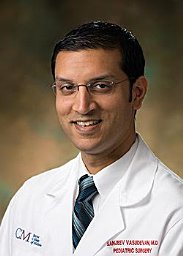 Sanjeev A. Vasudevan合作论文数Baylor Coll Med19
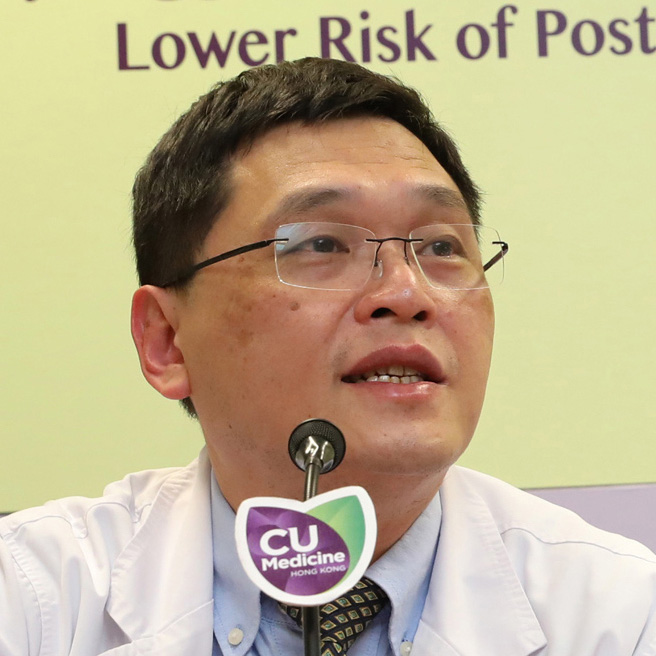 Matthew T. V. Chan合作论文数Department of Anaesthesia and Intensive Care, Faculty of Medicine, The Chinese University of Hong Kong;Prince of Wales Hospital19
 Stephen Fremes合作论文数Department of Surgery, Temerty Faculty of Medicine, University of Toronto;Sunnybrook Research Institute;Sunnybrook Health Sciences Centre;Institute for Clinical Evaluative Studies18Kevin Teoh合作论文数18Shirley Pettit合作论文数Department of Clinical Epidemiology and Biostatistics, McMaster University18
 Michael Hugh Mcgillion合作论文数17Yannick Le Manach合作论文数Pitié-Salpêtrière Hospital, University Paris 617
 Deborah Cook合作论文数Faculty of Health Sciences, McMaster University16
 Srinathan Sadeesh K合作论文数Dept Surg, Univ Manitoba14
 Villar Juan Carlos合作论文数autonomous university of bucaramanga14Borges Flávia Kessler合作论文数Hospital de Clínicas de Porto Alegre14
 Bruce Biccard合作论文数Groote Schuur Hospital;University of Cape Town;South African Perioperative Research Group;University of KwaZulu-Natal14
 Francois Lamontagne合作论文数Department of Biostatistics and Clinical Epidemiology, McMaster University;Department of Medicine, University of Sherbrooke;McMaster University, University of Sherbrooke14Kevin J. Um合作论文数13Arjun Pandey合作论文数Michael G. DeGroote School of Medicine, McMaster University13Chew Yin Wang合作论文数13
 Mark Crowther合作论文数Department of Medicine, Faculty of Health Sciences, McMaster University;Department of Pathology & Molecular Medicine, Faculty of Health Sciences, McMaster University13
 Lehana Thabane合作论文数Department of Health Research Methods, Evidence, and Impact, Faculty of Health Sciences, McMaster University;Michael G. DeGroote Cochrane Canada Centre, Faculty of Health Sciences, McMaster University;St. Joseph's Healthcare Hamilton13
 Denis Xavier合作论文数St John's Medical College and Research Institute13
 Andrea Kurz合作论文数Anesthesiology Institute, Cleveland Clinic13
 Rakesh Arora合作论文数12Nazari Dvirnik合作论文数12Shun Fu Lee合作论文数12
 Otavio Berwanger合作论文数The George Institute for Global Health;Imperial College London12
 Alistair Royse合作论文数Department of Surgery, Melbourne Medical School, Faculty of Medicine, Dentistry and Health Sciences, The University of Melbourne11Mrkobrada Marko合作论文数11
 Roshanov Pavel S合作论文数London Health Sciences Centre, Western University11




