Alzheimer disease is a neurodegenerative pathology-modifying mitochondrial metabolism with energy impairments where the effects of biological sex and DNA repair deficiencies are unclear. We investigated the therapeutic potential of dietary ketosis alone or with supplemental nicotinamide riboside (NR) on hippocampal intermediary metabolism and mitochondrial bioenergetics in older male and female wild-type (Wt) and 3xTgAD-DNA polymerase-beta-deficient (3xTg/POL beta+/-) (AD) mice. DNA polymerase-beta is a key enzyme in DNA base excision repair (BER) of oxidative damage that may also contribute to mitochondrial DNA repair. Metabolic alterations imparted by ketosis and/or NR were assessed in 16 male and female groups, 4 Wt and 4 AD. At 73 weeks of age, mice were divided into: (A) carbohydrate diet (Carb); (B) Carb diet with NR (Carb-NR); (C) Ket diet (Ket); and (D) Ket diet with NR (Ket-NR) groups and remained on their respective treatments for 12 weeks. Mice were euthanized and hippocampi were rapidly removed and frozen. Glycolytic and TCA cycle intermediates were determined by quantitative GC-MS and the ratios of the mitochondrial free [NADox]/[NADHred] and coenzyme ubiquinone (CoQ/CoQH2) couples and the Gibbs free energy of the Complex I-II system of the electron transport chain (ETC) (triangle Gmitochondrial ComplexI-II '$$ \Delta {G}_{\mathrm{mitochondrial}\ \mathrm{Complex}\ \mathrm{I}-\mathrm{II}}<^>{\prime } $$) were calculated from selected metabolites. Mice in Groups C and D had elevated blood ketones (1-2 mM). In most groupings, male mice had higher concentrations of TCA cycle intermediates than females. Moreover, higher concentrations of fumarate in Wt males were associated with elevations in the Delta G ' of Complex I-II compared to females. In Wt males, NR treatments were associated with elevated concentrations of alpha-ketoglutarate and malate and linked to increased energy of Complex I-II. In AD males, both NR treatment and dietary ketosis restored the Delta G ' of Complex I-II, where the ratio of the CoQ/CoQH2 couple was oxidized and the [NADox]/[NADHred] couple was reduced. In AD females, only mice in the Ket diet group had a sufficiently reduced [NADox]/[NADHred] couple to restore the free energy profile. image
Parkinson's disease (PD) is a progressive, neurodegenerative disease characterized by motor dysfunction and dopamine deficits. The MitoPark (MP) mouse model of PD recapitulates several facets of Parkinson's disease, including gradual development of motor deficits, which enables the study of potential therapeutic interventions. One therapeutic strategy involves decreasing the mitochondrial metabolic load by inducing ketosis and providing an alternative energy source for neurons, leading to decreased neuronal oxidative stress. Thus, we hypothesized that administration of a ketone ester-enriched diet (KEED) would improve motor and dopamine release deficits in MP mice. Motor function (rotarod and open field tests), dopamine release (fast-scan cyclic voltammetry), tissue dopamine levels (gas chromatography-mass spectrometry) and dopamine neurons and axons (immunofluorescence) were assessed in MP, and control mice fed either the standard or a KEED. When started on the ketone diet before motor dysfunction onset, MP mice had improved motor function relative to standard diet (SD) MP mice. While the KEED did not preserve dopamine neurons or striatal dopamine axons, dopamine release in ketone diet MP mice was greater than SD MP mice but less than control mice. In a follow-up experiment, we began the ketone diet after motor dysfunction onset and observed a modest preservation of motor function in ketone diet MP mice relative to SD MP mice. The improvement in motor dysfunction indicates that a KEED or ketone supplement may have a beneficial effect on delaying motor deficit progression in Parkinson's disease.
Background Heart failure is responsible for approximately 65% of deaths in patients with type 2 diabetes mellitus. However, existing therapeutics for type 2 diabetes mellitus have limited success on the prevention of diabetic cardiomyopathy. The aim of this study was to determine whether moderate elevation in D‐β‐hydroxybutyrate improves cardiac function in animals with type 2 diabetes mellitus. Methods and Results Type 2 diabetic (db/db) and their corresponding wild‐type mice were fed a control diet or a diet where carbohydrates were equicalorically replaced by D‐β‐hydroxybutyrate‐(R)‐1,3 butanediol monoester (ketone ester [KE]). After 4 weeks, echocardiography demonstrated that a KE diet improved systolic and diastolic function in db/db mice. A KE diet increased expression of mitochondrial succinyl‐CoA:3‐oxoacid‐CoA transferase and restored decreased expression of mitochondrial β‐hydroxybutyrate dehydrogenase, key enzymes in cardiac ketone metabolism. A KE diet significantly enhanced both basal and ADP‐mediated oxygen consumption in cardiac mitochondria from both wild‐type and db/db animals; however, it did not result in the increased mitochondrial respiratory control ratio. Additionally, db/db mice on a KE diet had increased resistance to oxidative and redox stress, with evidence of restoration of decreased expression of thioredoxin and glutathione peroxidase 4 and less permeability transition pore activity in mitochondria. Mitochondrial biogenesis, quality control, and elimination of dysfunctional mitochondria via mitophagy were significantly increased in cardiomyocytes from db/db mice on a KE diet. The increase in mitophagy was correlated with restoration of mitofusin 2 expression, which contributed to improved coupling between cytosolic E3 ubiquitin ligase translocation into mitochondria and microtubule‐associated protein 1 light chain 3–mediated autophagosome formation. Conclusions Moderate elevation in circulating D‐β‐hydroxybutyrate levels via KE supplementation enhances mitochondrial biogenesis, quality control, and oxygen consumption and increases resistance to oxidative/redox stress and mPTP opening, thus resulting in improvement of cardiac function in animals with type 2 diabetes mellitus.
The myocardium is metabolically flexible and can use fatty acids, glucose, lactate/pyruvate, ketones, or amino acids to fuel mechanical work. However, impaired metabolic flexibility is associated with cardiac dysfunction in conditions including diabetes and heart failure. The mitochondrial pyruvate carrier (MPC) is required for pyruvate metabolism and is composed of a hetero-oligomer of two proteins known as MPC1 and MPC2. Interestingly, MPC1 and MPC2 expression is downregulated in failing human hearts and in a mouse model of heart failure. Mice with cardiac-specific deletion of MPC2 (CS-MPC2-/-) exhibited loss of both MPC2 and MPC1 proteins and reduced pyruvate-stimulated mitochondrial respiration. CS-MPC2-/- mice exhibited normal cardiac size and function at 6-weeks old, but progressively developed cardiac dilation and contractile dysfunction thereafter. Feeding CS-MPC2-/- mice a ketogenic diet (KD) completely prevented or reversed the cardiac remodeling and dysfunction. Other diets with higher fat content and enough carbohydrate to limit ketosis also improved heart failure in CS-MPC2-/- mice, but direct ketone body provisioning provided only minor improvements in cardiac remodeling. Finally, KD was also able to prevent further remodeling in an ischemic, pressure-overload mouse model of heart failure. In conclusion, loss of mitochondrial pyruvate utilization leads to dilated cardiomyopathy that can be corrected by a ketogenic diet.
Because of a decreased sensitivity toward insulin, a key regulator of pyruvate dehydrogenase (PDH), Alzheimer’s patients have lower brain glucose utilization with reductions in Tricarboxylic Acid (TCA) cycle metabolites such as citrate, a precursor to n-acetyl-aspartate. In the 3xTgAd mouse model of Alzheimer’s disease (AD), aging mice also demonstrate low brain glucose metabolism. Ketone metabolism can overcome PDH inhibition and restore TCA cycle metabolites, thereby enhancing amino acid biosynthesis. A ketone ester of d-β-hydroxybutyrate was incorporated into a diet (Ket) and fed to 3xTgAd mice. A control group was fed a calorically matched diet (Cho). At 15 months of age, the exploratory and avoidance-related behavior patterns of the mice were evaluated. At 16.5 months of age, the animals were euthanized, and their hippocampi were analyzed for citrate, α-ketoglutarate, and amino acids. In the hippocampi of the Ket-fed mice, there were higher concentrations of citrate and α-ketoglutarate as well as higher concentrations of glutamate, aspartate and n-acetyl-aspartate compared with controls. There were positive associations between (1) concentrations of aspartate and n-acetyl-aspartate (n = 14, R = 0.9327), and (2) α-ketoglutarate and glutamate (n = 14, R = 0.8521) in animals maintained on either diet. Hippocampal n-acetyl-aspartate predicted the outcome of several exploratory and avoidance-related behaviors. Ketosis restored citrate and α-ketoglutarate in the hippocampi of aging mice. Higher concentrations of n-acetyl-aspartate corresponded with greater exploratory activity and reduced avoidance-related behavior.
The myocardium is metabolically flexible; however, impaired flexibility is associated with cardiac dysfunction in conditions including diabetes and heart failure. The mitochondrial pyruvate carrier (MPC) complex, composed of MPC1 and MPC2, is required for pyruvate import into the mitochondria. Here we show that MPC1 and MPC2 expression is downregulated in failing human and mouse hearts. Mice with cardiac-specific deletion of Mpc2 (CS-MPC2−/−) exhibited normal cardiac size and function at 6 weeks old, but progressively developed cardiac dilation and contractile dysfunction, which was completely reversed by a high-fat, low-carbohydrate ketogenic diet. Diets with higher fat content, but enough carbohydrate to limit ketosis, also improved heart failure, while direct ketone body provisioning provided only minor improvements in cardiac remodelling in CS-MPC2−/− mice. An acute fast also improved cardiac remodelling. Together, our results reveal a critical role for mitochondrial pyruvate use in cardiac function, and highlight the potential of dietary interventions to enhance cardiac fat metabolism to prevent or reverse cardiac dysfunction and remodelling in the setting of MPC deficiency. Impaired myocardial metabolic flexibility is associated with cardiac dysfunction in diabetes and heart failure. McCommis et al. reveal a critical role for mitochondrial pyruvate use in cardiac function, and use dietary interventions to enhance cardiac fat metabolism in dilated cardiomyopathy.
Epidemiological studies suggest that insulin resistance accelerates progression of age-based cognitive impairment, which neuroimaging has linked to brain glucose hypometabolism. As cellular inputs, ketones increase Gibbs free energy change for ATP by 27% compared to glucose. Here we test whether dietary changes are capable of modulating sustained functional communication between brain regions (network stability) by changing their predominant dietary fuel from glucose to ketones. We first established network stability as a biomarker for brain aging using two large-scale (n = 292, ages 20 to 85 y; n = 636, ages 18 to 88 y) 3 T functional MRI (fMRI) datasets. To determine whether diet can influence brain network stability, we additionally scanned 42 adults, age < 50 y, using ultrahigh-field (7 T) ultrafast (802 ms) fMRI optimized for single-participant-level detection sensitivity. One cohort was scanned under standard diet, overnight fasting, and ketogenic diet conditions. To isolate the impact of fuel type, an independent overnight fasted cohort was scanned before and after administration of a calorie-matched glucose and exogenous ketone ester (d-β-hydroxybutyrate) bolus. Across the life span, brain network destabilization correlated with decreased brain activity and cognitive acuity. Effects emerged at 47 y, with the most rapid degeneration occurring at 60 y. Networks were destabilized by glucose and stabilized by ketones, irrespective of whether ketosis was achieved with a ketogenic diet or exogenous ketone ester. Together, our results suggest that brain network destabilization may reflect early signs of hypometabolism, associated with dementia. Dietary interventions resulting in ketone utilization increase available energy and thus may show potential in protecting the aging brain.
Impaired mitochondrial function and aberrant neuronal network activity are believed to be early events in the pathogenesis of Alzheimer's disease (AD), but how mitochondrial alterations contribute to aberrant activity in neuronal circuits is unknown. In this study, we examined the function of mitochondrial protein deacetylase sirtuin 3 (SIRT3) in the pathogenesis of AD. Compared with AppPs1 mice, Sirt3-haploinsufficient AppPs1 mice (Sirt3+/−AppPs1) exhibit early epileptiform EEG activity and seizure. Both male and female Sirt3+/−AppPs1 mice were observed to die prematurely before 5 months of age. When comparing male mice among different genotypes, Sirt3 haploinsufficiency renders GABAergic interneurons in the cerebral cortex vulnerable to degeneration and associated neuronal network hyperexcitability. Feeding Sirt3+/−AppPs1 AD mice with a ketone ester-rich diet increases SIRT3 expression and prevents seizure-related death and the degeneration of GABAergic neurons, indicating that the aggravated GABAergic neuron loss and neuronal network hyperexcitability in Sirt3+/−AppPs1 mice are caused by SIRT3 reduction and can be rescued by increase of SIRT3 expression. Consistent with a protective role in AD, SIRT3 levels are reduced in association with cerebral cortical Aβ pathology in AD patients. In summary, SIRT3 preserves GABAergic interneurons and protects cerebral circuits against hyperexcitability, and this neuroprotective mechanism can be bolstered by dietary ketone esters. SIGNIFICANCE STATEMENT GABAergic neurons provide the main inhibitory control of neuronal activity in the brain. By preserving mitochondrial function, SIRT3 protects parvalbumin and calretinin interneurons against Aβ-associated dysfunction and degeneration in AppPs1 Alzheimer's disease mice, thus restraining neuronal network hyperactivity. The neuronal network dysfunction that occurs in Alzheimer's disease can be partially reversed by physiological, dietary, and pharmacological interventions to increase SIRT3 expression and enhance the functionality of GABAergic interneurons.
Nucleotide coenzymes dot the map of metabolic pathways providing energy to drive the reactions of the pathway and play an important role in regulating and controlling energy metabolism through their shared potential energy, which is widely unobserved due to the paradox that the energy in the coenzyme pools cannot be determined from the concentration of the coenzyme couples. The potential energy of the nucleotide couples in the mitochondria or the cytoplasm is expressed in the enzyme reactions in which they take part. The energy in these couples, [NAD+]/[NADH], [NADP+]/[NADPH], [acetyl CoA]/[CoA], and [ATP]/[ADP]x[Pi], regulates energy metabolism. The energy contained in the couples can be altered by suppling energy equivalents in the form of ketones, such as, D-β-hydroxybutyrate to overcome insulin resistance, to restore antioxidants capacity, to form potential treatments for Alzheimer's and Parkinson's diseases, to enhance life span, and to increase physiological performance. © 2019 IUBMB Life, 71(5):565-579, 2019.
Heart failure (HF) accounts for ∼65% of deaths in patients with type 2 diabetes (T2D). However, existing therapeutics for T2D have limited impact on the prevention of diabetic cardiomyopathy. Since ketone bodies can be a more efficient energy substrate in diabetics, we examined whether moderate elevation of the ketone body beta-hydroxybutyrate would improve cardiac performance in hearts of T2D animals. Here, 10-wk-old male control (WT) and diabetic (db/db) mice were fed a ketogenic diet containing D-beta-hydroxybutyrate-(R)-1,3 butanediol monoester (ketone ester, KE replacing equicaloric amounts of carbohydrate) for 4 weeks and several parameters of cardiac function were measured in vivo. Diets contained equal amounts of fat, protein, and micronutrients. The KE groups were fed ad libitum, whereas the control diet groups were pair-fed to the KE group. We found that the KE diet prevented a gradual decline in both diastolic and systolic cardiac function and restored heart dimensions in diabetic animals. Accordingly, we observed an almost 2-fold increase in succinyl-CoA:3-oxoacid-CoA transferase (SCOT) expression, a key enzyme in KB metabolism. Using novel genetically-encoded oxidative stress and redox sensors, we determined that diabetic mice on KE diet had increased resistance to oxidative stress. Furthermore, there was significant improvement in mitochondrial electron coupling and energetics with KE diet. In contrast, WT mice on the KE diet, when subjected to ascending aortic constriction (AAC) to induce HF, had a decreased survival rate compared to AAC animals on control diet, and corresponding sham controls. We determined that HF myocytes had decreased expression of SCOT and enhanced formation of the ketone body polymer, poly-beta-hydroxybutyrate, leading to enhanced mPTP formation. Therefore, high KE diets may have radically different mechanistic effects on cardiac function in control, diabetic and HF animals.
Brown adipose tissue (BAT) is proposed to maintain thermal homeostasis through dissipation of chemical energy as heat by the uncoupling proteins (UCPs) present in their mitochondria. The recent demonstration of the presence of BAT in humans has invigorated research in this area. The research has provided many new insights into the biology and functioning of this tissue and the biological implications of its altered activities. Another finding of interest is browning of white adipose tissue (WAT) resulting in what is known as beige/brite cells, which have increased mitochondrial proteins and UCPs. In general, it has been observed that the activation of BAT is associated with various physiological improvements such as a reduction in blood glucose levels increased resting energy expenditure and reduced weight. Given the similar physiological functions of BAT and beige/ brite cells and the higher mass of WAT compared to BAT, it is likely that increasing the brite/beige cells in WATs may also lead to greater metabolic benefits. However, development of treatments targeting brown fat or WAT browning would require not only a substantial understanding of the biology of these tissues but also the effect of altering their activity levels on whole body metabolism and physiology. In this review, we present evidence from recent literature on the substrates utilized by BAT, regulation of BAT activity and browning by circulating molecules. We also present dietary and pharmacological activators of brown and beige/brite adipose tissue and the effect of physical exercise on BAT activity and browning.
The precursor cells for metabolically beneficial beige adipocytes can alternatively become fibrogenic and contribute to adipose fibrosis. We found that cold exposure or β3-adrenergic agonist treatment of mice decreased the fibrogenic profile of precursor cells and stimulated beige adipocyte differentiation. This fibrogenic-to-adipogenic transition was impaired in aged animals, correlating with reduced adipocyte expression of the transcription factor PRDM16. Genetic loss of Prdm16 mimicked the effect of aging in promoting fibrosis, whereas increasing PRDM16 in aged mice decreased fibrosis and restored beige adipose development. PRDM16-expressing adipose cells secreted the metabolite β-hydroxybutyrate (BHB), which blocked precursor fibrogenesis and facilitated beige adipogenesis. BHB catabolism in precursor cells, mediated by BDH1, was required for beige fat differentiation in vivo. Finally, dietary BHB supplementation in aged animals reduced adipose fibrosis and promoted beige fat formation. Together, our results demonstrate that adipocytes secrete a metabolite signal that controls beige fat remodeling.
Cell membrane potential and inorganic ion distributions are currently viewed from a kinetic electric paradigm, which ignores thermodynamics. The resting membrane potential is viewed as a diffusion potential. The 9 major inorganic ions found in blood plasma (Ca2+, Na+, Mg2+, K+, H+, Cl-, HCO3-, H2PO4-, and HPO42-) are distributed unequally across the plasma membrane. This unequal distribution requires the energy of ATP hydrolysis through the action of the Na+-K+ ATPase. The cell resting membrane potential in each of 3 different tissues with widely different resting membrane potentials has been shown to be equal to the Nernst equilibrium potential of the most permeant inorganic ion. The energy of the measured distribution of the 9 major inorganic ions between extra- and intracellular phases was essentially equal to the independently measured energy of ATP hydrolysis, showing that the distribution of these 9 major ions was in near-equilibrium with the ΔG' of ATP. Therefore, thermodynamics does appear to play an essential role in the determination of the cell resting membrane potential and the inorganic ion distribution across the plasma membrane.-Veech, R. L., King, M. T., Pawlosky, R., Bradshaw, P. C., Curtis, W. Relationship between inorganic ion distribution, resting membrane potential, and the ΔG' of ATP hydrolysis: a new paradigm.
The extension of life span by caloric restriction has been studied across species from yeast and C aenorhabditis elegans to primates. No generally accepted theory has been proposed to explain these observations. Here, we propose that the life span extension produced by caloric restriction can be duplicated by the metabolic changes induced by ketosis. From nematodes to mice, extension of life span results from decreased signaling through the insulin/insulin‐like growth factor receptor signaling (IIS) pathway. Decreased IIS diminishes phosphatidylinositol (3,4,5) triphosphate (PIP 3 ) production, leading to reduced PI3K and AKT kinase activity and decreased forkhead box O transcription factor (FOXO) phosphorylation, allowing FOXO proteins to remain in the nucleus. In the nucleus, FOXO proteins increase the transcription of genes encoding antioxidant enzymes, including superoxide dismutase 2, catalase, glutathione peroxidase, and hundreds of other genes. An effective method for combating free radical damage occurs through the metabolism of ketone bodies, ketosis being the characteristic physiological change brought about by caloric restriction from fruit flies to primates. A dietary ketone ester also decreases circulating glucose and insulin leading to decreased IIS. The ketone body, d ‐β‐hydroxybutyrate ( d ‐βHB), is a natural inhibitor of class I and IIa histone deacetylases that repress transcription of the FOXO3a gene. Therefore, ketosis results in transcription of the enzymes of the antioxidant pathways. In addition, the metabolism of ketone bodies results in a more negative redox potential of the NADP antioxidant system, which is a terminal destructor of oxygen free radicals. Addition of d ‐βHB to cultures of C. elegans extends life span. We hypothesize that increasing the levels of ketone bodies will also extend the life span of humans and that calorie restriction extends life span at least in part through increasing the levels of ketone bodies. An exogenous ketone ester provides a new tool for mimicking the effects of caloric restriction that can be used in future research. The ability to power mitochondria in aged individuals that have limited ability to oxidize glucose metabolites due to pyruvate dehydrogenase inhibition suggests new lines of research for preventative measures and treatments for aging and aging‐related disorders. © 2017 The Authors IUBMB Life published by Wiley Periodicals, Inc. on behalf of International Union of Biochemistry and Molecular Biology, 69(5):305–314, 2017
The etiology of traumatic brain injury involves opening of the mitochondrial permeability transition pore resulting in cessation of mitochondrial ATP synthesis by the electron transport system with conversion of the energy of the electron transport system from ATP synthesis to heat production causing an increase in brain temperature. Treatment of TBI can be directed to closing of the mitochondrial permeability transition pore by administration of cyclosporine, which binds cyclophilin, a specific protein component of the pore, or by provision of ketone bodies, whose metabolism increases the energy of ATP hydrolysis with closing of the mitochondrial pore.
In patients with Alzheimer's disease (AD) and in a triple transgenic (3xTgAD) mouse model of AD low glucose metabolism in the brain precedes loss of memory and cognitive decline. The metabolism of ketones in the brain by-passes glycolysis and therefore may correct several deficiencies that are associated with glucose hypometabolism. A dietary supplement composed of an ester of D-beta-hydroxybutyrate and R-1,3 butane diol referred to as ketone ester (KE) was incorporated into a rodent diet and fed to 3xTgAD mice for 8 months. At 16.5 months of age animals were killed and brains dissected. Analyses were carried out on the hippocampus and frontal cortex for glycolytic and TCA (Tricarboxylic Acid) cycle intermediates, amino acids, oxidized lipids and proteins, and enzymes. There were higher concentrations of D-beta-hydroxybutyrate in the hippocampus of KE-fed mice where there were also higher concentrations of TCA cycle and glycolytic intermediates and the energy-linked biomarker, N-acetyl aspartate compared to controls. In the hippocampi of control-fed animals the free mitochondrial [NAD(+)]/[NADH] ratio were highly oxidized, whereas, in KE-fed animals the mitochondria were reduced. Also, the levels of oxidized protein and lipids were lower and the energy of ATP hydrolysis was greater compared to controls. 3xTgAD mice maintained on a KE-supplemented diet had higher concentrations of glycolytic and TCA cycle metabolites, a more reduced mitochondrial redox potential, and lower amounts of oxidized lipids and proteins in their hippocampi compared to controls. The KE offers a potential therapy to counter fundamental metabolic deficits common to patients and transgenic models.
Cellular mechanisms to protect against and repair radiation damage depend on reducing equivalents from oxidative metabolism. Two recent studies explored compounds (ex. Ex‐Rad and TP‐508) with efficacy in preventing injury or reducing its severity but neither takes advantage of cellular metabolism to this end. We report for the first time that a novel ketone body ester (KE) protects against injury and death in cells and animals exposed to several types of radiation.The unique metabolism of ketone bodies shifts biochemical set points, particularly of the NADP/H system which is essential to cellular antioxidant function and oxidative damage repair. Additionally, the demonstrated activity of the ketone bodies as histone deacetylase inhibitors and enhancers of DNA repair may make these compounds uniquely suited to combat radiation injury.We show that addition of KE to culture media provides significant protection to cultured osteoblasts against γ‐radiation lethality when administered before or after radiation. KE significantly attenuated gamma radiation induced chromosomal injury in an escalating dose model (60–70% reduction). Ketone ester supplementation also significantly reduced proton radiation induced γH2Ax foci, a marker of double stranded DNA breaks, and overall proton radiation lethality. KE protection extends to other radiation types, with an average dose reducing factor of 30%.In vivo confirmation of these findings is ongoing, but preliminary data indicates that many bone marrow chromosomal damage markers were attenuated by 50% when KE was administered by gavage 24 hours after γ‐radiation exposure. Importantly, the reticulocyte/erythrocyte ratio in bone marrow, a marker of erythrogenesis and an important indicator for survival at the radiation exposure level studied was significantly rescued by KE.Support or Funding InformationFunding was provided by the NIH/NIAAA, Department of Defense and Defense Medical Research and Development Program
The carbohydrate-response element-binding protein (ChREBP) is a glucose-responsive transcription factor that plays an essential role in converting excess carbohydrate to fat storage in the liver. In response to glucose levels, ChREBP is regulated by nuclear/cytosol trafficking via interaction with 14-3-3 proteins, CRM-1 (exportin-1 or XPO-1), or importins. Nuclear localization of ChREBP was rapidly inhibited when incubated in branched-chain α-ketoacids, saturated and unsaturated fatty acids, or 5-aminoimidazole-4-carboxamide ribonucleotide. Here, we discovered that protein-free extracts of high fat-fed livers contained, in addition to ketone bodies, a new metabolite, identified as AMP, which specifically activates the interaction between ChREBP and 14-3-3. The crystal structure showed that AMP binds directly to the N terminus of ChREBP-α2 helix. Our results suggest that AMP inhibits the nuclear localization of ChREBP through an allosteric activation of ChREBP/14-3-3 interactions and not by activation of AMPK. AMP and ketone bodies together can therefore inhibit lipogenesis by restricting localization of ChREBP to the cytoplasm during periods of ketosis.
Deficits in cerebral glucose utilization in Alzheimer’s disease (AD) arise decades before cognitive impairment and accumulation of amyloid plaques and neurofibrillary tangles in brain. Addressing this metabolic deficit has greater potential in treating AD than targeting later disease processes – an approach that has failed consistently in the clinic. Cerebral glucose utilization requires numerous enzymes, many of which have been shown to decline in AD. Perhaps the most important is pyruvate dehydrogenase (PDH), which links glycolysis with the Krebs cycle and aerobic metabolism, and whose activity is greatly suppressed in AD. The unique metabolism of ketone bodies allows them to bypass the block at pyruvate dehydrogenase and restore brain metabolism. Recent studies in mouse genetic models of AD and in a human Alzheimer’s patient showed the potential of ketones in maintaining brain energetics and function. Oral ketone bodies might be a promising avenue for treatment of Alzheimer’s disease.
 M. Todd King合作论文数29
 Kieran Clarke合作论文数Department of Physiology, Anatomy and Genetics, Division of Medical Sciences, University of Oxford;TdeltaS27Robert J. Pawlosky合作论文数Human Nutrition Research Center U.S. Department of Agriculture22Yoshihiro Kashiwaya合作论文数16
 Richard A. Hawkins合作论文数Rosalind Franklin University of Medicine and Science13B. J. Song合作论文数10Jp Casazza合作论文数9
 Shireesh Srivastava合作论文数7MT KING合作论文数7NW CORNELL合作论文数6Rc Nielsen合作论文数6Al Miller合作论文数6William Curtis合作论文数6
 C. Robert Valeri合作论文数Naval Blood Research Laboratory6d veloso合作论文数5Rl Harris合作论文数5Y Kashiwaya合作论文数5Dong Hwan Sohn合作论文数5William L. Gitomer合作论文数5
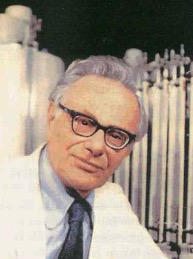 Hans Adolf Krebs合作论文数University of Oxford5Geoffrey P Dobson合作论文数5
 Patrick Bradshaw合作论文数School of Public Health, University of California, Berkeley4
 Andrew J Murray合作论文数Department of Physiology, Development and Neuroscience, University of Cambridge4
 Kosaku Uyeda合作论文数4Tae-Lin Huh合作论文数4Theodore B. Vanitallie合作论文数4D Gates合作论文数4
 Jeremy Robertson合作论文数Department of Chemistry, University of Oxford;Brasenose College, University of Oxford4J W Lawson合作论文数3ME FELVER合作论文数3C. Bergman合作论文数3Ga Cook合作论文数3Reed B Y合作论文数3
 Walter Schaffer合作论文数3King Michael Todd合作论文数3
 Robert W. Guynn合作论文数3
 Britton Chance合作论文数University of Pennsylvania3
 Mark P. Mattson合作论文数The Solomon H. Snyder Department of Neurology, School of Medicine, Johns Hopkins University;Sanders-Brown Research Center on Aging, University of Kentucky3Janet V. Passonneau合作论文数Washington3
 George Kunos合作论文数Laboratory of Physiologic Studies, National Institute on Alcohol Abuse and Alcoholism, National Institutes of Health3Shoko Nioka合作论文数3Emma J. Carter合作论文数3
 Kirill Tchabanenko合作论文数3Joseph P. Casazza合作论文数3
 Pete Cox合作论文数3M. R. Lakshmanan合作论文数3Kwang Sik Park合作论文数3Vittal Shivva合作论文数2




