The 18-kDa mitochondrial translocator protein (TSPO) has been shown to modulate mitochondrial function and the cardiac response to pressure overload. We have previously shown that conditional knockout of TSPO limited the development of heart failure in the murine model of transverse aortic constriction (TAC). In this study, we hypothesized that similar protection could be achieved by a ligand of TSPO, Ro5-4864 (Ro5), in an in-vivo model of pressure-overload induced heart failure. To test this hypothesis, C57/BL6J mice had TAC or sham surgery, with daily 0.1 mg/kg Ro5 or saline intra-peritoneal injection for 8 weeks, with echocardiographic measurement of left ventricular (LV) size and function. Cardiac tissue protein expression was then analyzed by LC/MS. Markers of inflammation were quantified via western blot. Isolated murine cardiomyocytes were co-treated with 25 µM H2O2 and 2.5 µg Ro5 to investigate oxidative stress. The results of these experiments showed that Ro5-4864 significantly prevented the TAC-induced decline in LV function, as well as the associated increases in natriuretic peptide A and collagen alpha-1 (XII) expression observed in saline-treated animals. Ro5-4864 also reduced oxidative stress and activated the Nrf2 pathway, likely due to decreased p62 accumulation secondary to enhanced mitophagy and restoration of autophagic flux. These in vivo findings were supported by complementary in vitro experiments in cardiomyocytes, where Ro5 attenuated oxidative stress induced by exogenous H2O2. In conclusion, these results indicate that Ro5-4864 mitigates the development of pressure overload induced heart failure in mice, suggesting that pharmacologic modulation of the TSPO represents a promising therapeutic strategy for the prevention or treatment of heart failure. KEY POINTS: This study employed Ro5-4864, a ligand of the mitochondrial translocator protein (TSPO), to test the hypothesis that pharmacologic inhibition of TSPO could limit the development of heart failure in a murine model of transverse aortic constriction (TAC). Ro5-4864 preserved left ventricular function after TAC and limited the biochemical markers of heart failure and fibrosis. Proteomic analysis showed a significant effect of Ro5 on markers of immune activation, oxidative stress and inflammation. Ro5-4864 increased the expression of Nrf2, a transcription factor that induces cytoprotective proteins such as NQO1 and SOD2, coupled with regulators of Nrf2 such as p62 and Keap1. These data establish a foundation for further development of anti-inflammatory interventions in heart failure.
A 60-year-old man with a history of heart failure received a diagnosis of left ventricular noncompaction (LVNC) and cardiac sarcoidosis (CS). Fluorodeoxyglucose positron emission tomography and cardiac magnetic resonance defined the contribution of each uncommon condition to his heart failure. This case illustrates the role of imaging to aid diagnosis in the rare concurrence of LVNC and CS.
Background: How the human body coordinates cerebral blood flow (CBF) and multi-organ inflammation during recovery of an acute myocardial infraction (AMI) is difficult to study and poorly understood. This is in part due to a lack of noninvasive measuring techniques for both blood flow (BF) and total-body (TB) inflammation per organ in treated survivors. Conventional PET imaging can either resolve organ-specific BF or tissue inflammation with a singular tracer injection but not both. Hypothesis: We hypothesize that early kinetics and delayed static images from a single tracer injection for PET scans will simultaneously evaluate and connect, for the first time, CBF abnormalities and remote vascular (i.e. aorta) and/or solid organ inflammation at a singular time point. Methods: Here, we expand our prior work on multiparametric TB-PET with high-temporal resolution dynamic imaging (1-2 s/frame for the first ~2 mins of scanning) for CBF modeling with a no-flow radiotracer (i.e. 18 F-FDG) based on early vascular transit time (VTT) in the gray and white matter, brainstem, and cerebellum. The whole aorta, by target–to–blood pool ratio (TBR) at 40-60 min, and solid organs, by standardized uptake value (SUV) at 60-90 min, were evaluated for inflammation based on glucose uptake. Result: Eleven revascularized survivors (~10 days post event) and 22 non-AMI subjects were studied. CBF was primarily reduced, when compared to controls, in subcortical gray matter (0.353 vs. 0.434 mL/min/cm 3 , p=0.0121) with a lesser reduction trend in cortical gray matter (0.414 vs. 0.449, p= 0.0677). This was accompanied by a gray matter subcortical increase in mean VTT (6 vs. 4.3 sec, p=0.0121) and to a lesser extend a cortical increase (5.5 vs. 4.5 sec, p=0.0253). The TBR and SUVs of extra-cardiac, non-cerebral organs were increased 1.9 vs. 1.23, p<0.0001 in the whole aorta, 2.9 vs. 2.2 p=0.0435 in the bone marrow and 3.1 vs. 2.1 p=0.0015 in the spleen respectively. Conclusion: When simultaneously evaluating extra-cardiac organs in survivors, we found a widespread pattern of multi-organ inflammation and a restricted-to-regional hypoperfusion of subcortical > cortical gray matter using dynamic and static total-body 18 F-FDG PET/CT imaging per organ, per patient and with a singular non-flow tracer injection. Hence, future longitudinal PET imaging on AMI survivors as shown offers a unique opportunity to unravel the complex process of recovery and the multiorgan contribution to resilience post MI.
Screening trials for cardiovascular disease have not demonstrated a reduction in all-cause mortality. The Danish Cardiovascular Screening trial (DANCAVAS) involved men aged 65-74 years old who were randomized to an invitation to undergo screening or not. While the 5-year interim analysis did not show a statistically significant benefit in the primary outcome of all-cause mortality, HR 0.95 (CI 0.90-1.00), a sub-group analysis of men age 65-69 did show a lower hazard ratio of 0.89 (CI 0.83-0.96). Given the widening difference between screened and un-screened participants, as well as the benefit in younger subjects, it is likely that the next analysis will demonstrate a statistically-significant benefit of screening. In this commentary we argue why this trial will almost certainly become one of the most influential screening trials and why heeding its most important lesson, the use of coronary artery calcium scoring, has the potential to save countless lives.
Aim: Reperfusion after myocardial ischemia causes cellular injury, in part due to changes in mitochondrial Ca2+ handling, oxidative stress, and myocyte energetics. We have previously shown that the 18-kDa translocator protein of the outer mitochondrial membrane (TSPO) can modulate Ca2+ handling. Here, we aim to evaluate the role of the TSPO in ischemia/reperfusion (I/R) injury.Methods: Rabbit ventricular myocytes underwent simulated acute ischemia (20 min) and reperfusion (at 15 min, 1 h, and 3 h) in the absence and presence of 50 μM PK11195, a TSPO inhibitor. Cell death was measured by lactate dehydrogenase (LDH) assay, while changes in mitochondrial Ca2+, membrane potential (ΔΨm), and reactive oxygen species (ROS) generation were monitored using confocal microscopy in combination with fluorescent indicators. Substrate utilization was measured with Biolog mitochondrial plates.Results: Cell death was increased by ~200% following I/R compared to control untreated ventricular myocytes. Incubation with 50 μM PK11195 during both ischemia and reperfusion did not reduce cell death but increased mitochondrial Ca2+ uptake and ROS generation. However, application of 50 μM PK11195 only at the onset and during reperfusion effectively protected against cell death. The large-scale oscillations in ΔΨm observed after ~1 h of reperfusion were significantly delayed by 1 μM cyclosporin A and almost completely prevented by 50 μM PK11195 applied during 3 h of reperfusion. After an initial increase, mitochondrial Ca2+, measured with Myticam, rapidly declined during 3 h of reperfusion after the initial transient increase. This decline was prevented by application of PK11195 at the onset and during reperfusion. PK11195 prevented a significant increase in succinate utilization following I/R and succinate-induced forward-mode ROS generation. Treatment with PK11195 was also associated with a significant increase in glutamate and a decrease in leucine utilization.Conclusion: PK11195 administered specifically at the moment of reperfusion limited ROS-induced ROS release and cell death, likely in part, by a shift from succinate to glutamate utilization. These data demonstrate a unique mechanism to limit cardiac injury after I/R.
Background Heart failure is responsible for approximately 65% of deaths in patients with type 2 diabetes mellitus. However, existing therapeutics for type 2 diabetes mellitus have limited success on the prevention of diabetic cardiomyopathy. The aim of this study was to determine whether moderate elevation in D‐β‐hydroxybutyrate improves cardiac function in animals with type 2 diabetes mellitus. Methods and Results Type 2 diabetic (db/db) and their corresponding wild‐type mice were fed a control diet or a diet where carbohydrates were equicalorically replaced by D‐β‐hydroxybutyrate‐(R)‐1,3 butanediol monoester (ketone ester [KE]). After 4 weeks, echocardiography demonstrated that a KE diet improved systolic and diastolic function in db/db mice. A KE diet increased expression of mitochondrial succinyl‐CoA:3‐oxoacid‐CoA transferase and restored decreased expression of mitochondrial β‐hydroxybutyrate dehydrogenase, key enzymes in cardiac ketone metabolism. A KE diet significantly enhanced both basal and ADP‐mediated oxygen consumption in cardiac mitochondria from both wild‐type and db/db animals; however, it did not result in the increased mitochondrial respiratory control ratio. Additionally, db/db mice on a KE diet had increased resistance to oxidative and redox stress, with evidence of restoration of decreased expression of thioredoxin and glutathione peroxidase 4 and less permeability transition pore activity in mitochondria. Mitochondrial biogenesis, quality control, and elimination of dysfunctional mitochondria via mitophagy were significantly increased in cardiomyocytes from db/db mice on a KE diet. The increase in mitophagy was correlated with restoration of mitofusin 2 expression, which contributed to improved coupling between cytosolic E3 ubiquitin ligase translocation into mitochondria and microtubule‐associated protein 1 light chain 3–mediated autophagosome formation. Conclusions Moderate elevation in circulating D‐β‐hydroxybutyrate levels via KE supplementation enhances mitochondrial biogenesis, quality control, and oxygen consumption and increases resistance to oxidative/redox stress and mPTP opening, thus resulting in improvement of cardiac function in animals with type 2 diabetes mellitus.
BACKGROUND:Heart disease continues to be the leading cause of death in the US, and the number of people with cardiovascular disease (CVD) is rising. CVD is more prevalent among military veterans than nonveterans, and veteran status is associated with higher risk of incident heart disease after controlling for socioeconomic status, other medical diseases, depression, and lifestyle. Many patients seeking care in the Veterans Health Administration, including those who undergo cardiac catheterization, meet the criteria for multimorbidity (defined as ≥ 2 chronic diseases).OBSERVATIONS:The Heart Disease Reversal Program (HDRP) is a novel interdisciplinary, multicomponent lifestyle program at the US Department of Veterans Affairs (VA) Sacramento VA Medical Center. This program is a streamlined adaptation of behavioral/lifestyle interventions aimed at promoting partial reversal (regression) of atherosclerotic heart disease and achievement of comprehensive cardiovascular risk reduction. HDRP was developed and implemented within a VA behavioral medicine clinic and successfully adapted for delivery through videoconferencing during the COVID-19 pandemic. Patient satisfaction survey data indicate a very high level of patient acceptability. We found direct-to-patient clinical outreach an effective method for launching a disease reversal program.CONCLUSIONS:Beyond the clinical benefits to patients, there is significant value and benefit added to the health care system by offering an intervention within the disease reversal paradigm. Efforts of the health care team to reverse a disease can be considered the highest aim of medicine and health care.
Introduction: For more than two decades, the peripheral mitochondrial translocator protein (TSPO) was considered to play a major role in mPTP formation, cholesterol transport, and steroidogenesis. However, recent genetic studies have questioned these previously established functions of TSPO, and therefore, the exact molecular mechanism of TSPO action remains unclear. We have previously demonstrated that TSPO expression was significantly upregulated in heart failure (HF) induced by transverse aortic constriction (TAC) in mice, and cardiac-specific conditional knockout (KO) of TSPO limited the development of pressure overload induced HF (Thai, Sci Reports, 2018, 8(1):16213). However, the exact mechanism of this protection has not been elucidated. Objective: Determine the mechanism of TSPO KO protection against pressure-overload HF. Methods and Results: We examined protein profiles in hearts from 4 experimental groups (WT sham, KO sham, WT TAC and KO TAC) using liquid chromatography-mass spectrophotometry. Our data revealed major changes in NADH:ubiquinone oxidoreductase subunit AB1 of the mitochondrial complex I (NDUFAB1), mitochondrial acyl-CoA binding protein (ACBP), mitochondrial long-chain specific acyl-CoA dehydrogenase (ACADL), and mitochondrial D-2-hydroxyglutarate dehydrogenase between KO and WT animals, with more modest changes in cytoskeletal and collagen associated proteins. Since NDUFAB1 and ACBP participate in free fatty acids (FFA) synthesis and ACADL is an important enzyme in FFA oxidation (FAO) pathway, we tested whether TSPO modulates FFA biosynthesis and oxidation.We measured changes in FAO in WT and TSPO KO mice under sham and TAC conditions and found that TSPO KO significantly increased fatty acid consumption and oxidation. Conclusion: Since HF is characterized by a shift in metabolism from FFA to less efficient glycolysis, thereby resulting in energetic failure, contractile dysfunction and cell death, the recovery of FFA metabolism by TSPO inhibition may be an effective drug target for HF.
Background Diabetic foot ulcers (DFUs) are the most common cause of leg amputations and their management is extremely challenging. Despite many advances and expensive therapies, there has been little success in improving outcomes of DFUs. In prior work our laboratory has examined the effects of beta-adrenergic antagonists (βAAs) on skin and skin-derived cells. We have shown that βAAs enhance the rate of keratinocyte migration, promote angiogenesis, and hasten wound healing in scratch wounds in vitro, in animal wound models, and in anecdotally reported cases of chronic wounds that healed successfully after topical application of the βAA timolol. Thus, we propose to test timolol directly on DFUs to determine if it improves healing above the current standard of care (SOC). This study will examine the efficacy and safety of topically applied beta-antagonist Timoptic-XE® (timolol maleate ophthalmic gel forming solution) in subjects with DFUs. Methods/design This is a phase two, randomized, double-blinded, controlled, and parallel-group clinical trial with two treatment arms, SOC plus topical Timoptic-XE® and SOC plus a non-biologically active gel (hydrogel, as placebo drug). Study subjects with a DFU will be selected from the Veterans Affairs Northern California Health Care System (VANCHCS). Study duration is up to 31 weeks, with three phases (screening phase for two weeks, active phase for up to 12 weeks, with an additional second consecutive confirmatory visit after 2 weeks, and follow-up phase comprising monthly visits for 4 months). Subjects will apply daily either the topical study drug or the placebo on the foot ulcer for 12 weeks or until healed, whichever comes first. Measurements of wound size and other data will be collected at baseline, followed by weekly visits for 12 weeks, and then a monthly follow-up period. Discussion This is a clinical translation study, moving the investigators’ pre-clinical laboratory research into a translational study in which we will analyze clinical outcomes to assess for safety and estimate the efficacy of a topical beta-antagonist in healing of DFUs. The results from this trial may establish new treatment paradigms and safety profile for DFU treatment. Trial registration ClinicalTrials.gov, NCT03282981 . Registered on June 14th, 2018.
Ophthalmic timolol solution is increasingly being repurposed as a topical therapeutic for a variety of dermatologic diseases, including pyogenic granulomas, infantile hemangiomas, and chronic wounds. There are no published guidelines or protocols for use in these indications in adults, and the dermatologic community may not be familiar with adverse events that have been extensively documented relating to its ophthalmic use. We review the evidence available relating to adverse events to topical timolol use to evaluate its safety in dermatologic applications and to alert clinicians to screening and monitoring that is needed when repurposing this drug for dermatologic use. The majority of serious adverse events associated with ophthalmic timolol were reported in the first 7 years of use, between 1978 and 1985, of which most common were cardiovascular and respiratory events, but also included 32 deaths. The available evidence suggests that ophthalmic timolol safety profiling may have been incomplete prior to widespread use. Recent clinical trials for dermatologic indications have focused on documenting efficacy and have not had rigorous monitoring for potential adverse events. Topical timolol may be safe and effective for the treatment of various dermatologic conditions in patients whose medical histories have been carefully reviewed for evidence of pre-existing cardiac or pulmonary disease and are monitored for potential adverse events. Despite the wide use of timolol in ophthalmologic practice, safe dermatologic repurposing requires recognition of the potential for facilitated systemic absorption though the skin and appreciation of its history of adverse events.
To the Editor: Timolol is a nonselective beta-adrenergic receptor antagonist approved by the US Food and Drug Administration for the treatment of wide-angle glaucoma. Early studies reported adverse events (AEs) of transient changes in heart rate and blood pressure, and subsequent reports of more than 3000 AEs included 450 serious AEs and 32 deaths1 (Table I), primarily respiratory and cardiovascular events.1
SUMMARY: The following case report documents the personal story of a 65 year-old male veteran of the US Navy who participated in an interdisciplinary lifestyle intervention called the Heart Disease Reversal Program at his local Department of Veterans Affairs (VA) Medical Center. After having two heart attacks within 62 days and feeling demoralized, he adopted a whole-food, plant-based (WFPB) diet, as defined by Dr. Caldwell Esselstyn. His story suggests that patients with multimorbidity, including autoimmune diseases that limit physical activity, may find the WFPB diet to be a feasible and effective treatment for severe angina and comprehensive cardio-metabolic risk reduction.
Heart failure (HF) accounts for ∼65% of deaths in patients with type 2 diabetes (T2D). However, existing therapeutics for T2D have limited impact on the prevention of diabetic cardiomyopathy. Since ketone bodies can be a more efficient energy substrate in diabetics, we examined whether moderate elevation of the ketone body beta-hydroxybutyrate would improve cardiac performance in hearts of T2D animals. Here, 10-wk-old male control (WT) and diabetic (db/db) mice were fed a ketogenic diet containing D-beta-hydroxybutyrate-(R)-1,3 butanediol monoester (ketone ester, KE replacing equicaloric amounts of carbohydrate) for 4 weeks and several parameters of cardiac function were measured in vivo. Diets contained equal amounts of fat, protein, and micronutrients. The KE groups were fed ad libitum, whereas the control diet groups were pair-fed to the KE group. We found that the KE diet prevented a gradual decline in both diastolic and systolic cardiac function and restored heart dimensions in diabetic animals. Accordingly, we observed an almost 2-fold increase in succinyl-CoA:3-oxoacid-CoA transferase (SCOT) expression, a key enzyme in KB metabolism. Using novel genetically-encoded oxidative stress and redox sensors, we determined that diabetic mice on KE diet had increased resistance to oxidative stress. Furthermore, there was significant improvement in mitochondrial electron coupling and energetics with KE diet. In contrast, WT mice on the KE diet, when subjected to ascending aortic constriction (AAC) to induce HF, had a decreased survival rate compared to AAC animals on control diet, and corresponding sham controls. We determined that HF myocytes had decreased expression of SCOT and enhanced formation of the ketone body polymer, poly-beta-hydroxybutyrate, leading to enhanced mPTP formation. Therefore, high KE diets may have radically different mechanistic effects on cardiac function in control, diabetic and HF animals.
Contact-based cardiac motion detection using Quadrature Doppler radar faces a challenge of the I/Q-formed non-arc constellation. In this work, a hypothesis is brought forward that such complicated constellation originates from not one, but two moving targets. The dual-motion model may very well explain that contact-based Doppler radar detects both atrium and ventricle motions during cardiac cycles. In this work, dual-motion simulation and phantom measurements are presented, verifying that the atrial-ventricular motions are the reason that I/Q baseband signals transcribe a complex non-arc constellation. It offers the first evidence that contact-based Doppler radar measures actual heart motion.
Heart failure (HF) is characterized by abnormal mitochondrial calcium (Ca 2+ ) handling, energy failure and impaired mitophagy resulting in contractile dysfunction and myocyte death. We have previously shown that the 18-kDa mitochondrial translocator protein of the outer mitochondrial membrane (TSPO) can modulate mitochondrial Ca 2+ uptake. Experiments were designed to test the role of the TSPO in a murine pressure-overload model of HF induced by transverse aortic constriction (TAC). Conditional, cardiac-specific TSPO knockout (KO) mice were generated using the Cre- lox P system. TSPO-KO and wild-type (WT) mice underwent TAC for 8 weeks. TAC-induced HF significantly increased TSPO expression in WT mice, associated with a marked reduction in systolic function, mitochondrial Ca 2+ uptake, complex I activity and energetics. In contrast, TSPO-KO mice undergoing TAC had preserved ejection fraction, and exhibited fewer clinical signs of HF and fibrosis. Mitochondrial Ca 2+ uptake and energetics were restored in TSPO KO mice, associated with decreased ROS, improved complex I activity and preserved mitophagy. Thus, HF increases TSPO expression, while preventing this increase limits the progression of HF, preserves ATP production and decreases oxidative stress, thereby preventing metabolic failure. These findings suggest that pharmacological interventions directed at TSPO may provide novel therapeutics to prevent or treat HF.
Aim: Aging and heart failure (HF) are each characterized by increased mitochondrial damage, which may contribute to further cardiac dysfunction. Mitophagy in response to mitochondrial damage can improve cardiovascular health. HF is also characterized by increased formation and consumption of ketone bodies (KBs), which may activate mitophagy and provide an endogenous mechanism to limit the adverse effects of mitochondrial damage. However, the role of KBs in activation of mitophagy in aging and HF has not been evaluated.Methods: We assessed mitophagy by measuring mitochondrial Parkin accumulation and LC3-mediated autophagosome formation in cardiomyocytes from young (2.5 months), aged (2.5 years), and aged rabbits with HF (2.5 years) induced by aortic insufficiency and stenosis. Levels of reactive oxygen species (ROS) generation and redox balance were monitored using genetically encoded sensors ORP1-roGFP2 and GRX1-roGFP2, targeted to mitochondrial or cytosolic compartments, respectively.Results: Young rabbits exhibited limited mitochondrial Parkin accumulation with small (~1 μm2) puncta. Those small Parkin puncta increased four-fold in aged rabbit hearts, accompanied by elevated LC3-mediated autophagosome formation. HF hearts exhibited fewer small puncta, but many very large Parkin-rich regions (4–5 μm2) with completely depolarized mitochondria. Parkin protein expression was barely detectable in young animals and was much higher in aged and maximal in HF hearts. Expression of mitofusin 2 (MFN2) and dynamin-related protein 1 (DRP1) was reduced by almost 50% in HF, consistent with improper fusion-fission, contributing to mitochondrial Parkin build-up. The KB β-hydroxybutyrate (β-OHB) enhanced mitophagy in young and aging myocytes, but not in HF where β-OHB further increased the number of cells with giant Parkin-rich regions. This β-OHB effect on Parkin-rich areas was prevented by cell-permeable TAT-MP1Gly peptide (thought to promote MFN2-dependent fusion). Basal levels of mitochondrial ROS were highest in HF, while cytosolic ROS was highest in aged compared to HF myocytes, suggesting that cytosolic ROS promotes Parkin recruitment to the mitochondria.Conclusion: We conclude that elevated KB levels were beneficial for mitochondrial repair in the aging heart. However, an impaired MFN2-DRP1-mediated fusion-fission process in HF reduced this benefit, as well as Parkin degradation and mitophagic signaling cascade.
 Ravichandran Ramasamy合作论文数Department of Biochemistry and Molecular Pharmacology, Grossman School of Medicine, New York University28
 Michael Weiner合作论文数School of Medicine, University of California, San Francisco20
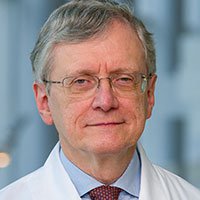 Ron Peshock合作论文数The University of Texas Southwestern Medical Center14
 Barry Massie合作论文数University of California San Francisco13
 RW PARKEY合作论文数11
 Phung N. Thai合作论文数School of Medicine, University of California, Davis;Cardiovascular Research Institute, University of California, Davis Health11
 Gary Schwartz合作论文数10
 Elena N. Dedkova合作论文数Rush University Medical Center10Jose Katz合作论文数9B Massie合作论文数8
 Donald M. Bers合作论文数Department of Pharmacology, School of Medicine, University of California, Davis8
 Jumilka Garcia合作论文数7J Gober合作论文数7
 Dieter J Meyerhoff合作论文数Department of Radiology and Biomedical Imaging, University of California, San Francisco;San Francisco Veterans Affairs Medical Center7L Wang合作论文数6
 Xiyuan Lu合作论文数6S.A. Camacho合作论文数6Joel R. Gober合作论文数6J.T. Willerson合作论文数6N Trueblood合作论文数5Heather Clifton合作论文数5S Steinman合作论文数5CR Malloy合作论文数5
 Jie Zheng (郑劼)合作论文数Department of Physiology and Membrane Biology, School of Medicine, University of California, Davis5Linlin Ma合作论文数5Gennady Cherednichenko合作论文数5E Prussel合作论文数4S D Trocha合作论文数4Na Trueblood合作论文数4Ja Lundmark合作论文数4
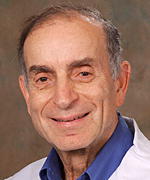 Ezra A. Amsterdam合作论文数Department of Internal Medicine, UniversityofCalifornia,Davis4
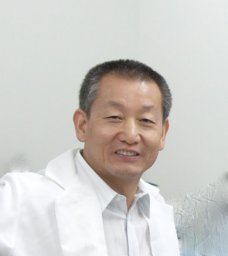 Lianguo Wang合作论文数4
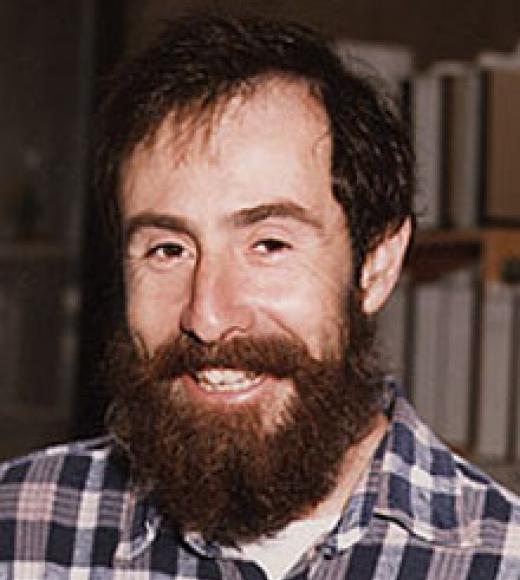 Bruce Hammock合作论文数Department of Entomology and Nematology, College of Agricultural & Environmental Sciences, University of California ,Davis;NIEHS-UCD Superfund Basic Research Program;U.C. Davis Medical School Comprehensive Cancer Center;EicOsis, LLC.4Matt Eaton合作论文数4Steven D. Correa合作论文数4
 Craig Malloy合作论文数Advanced Imaging Research Center, The University of Texas Southwestern Medical Center;Department of Internal Medicine, The University of Texas Southwestern Medical Center;Department of Radiology, The University of Texas Southwestern Medical Center4
 J. David Symons合作论文数University of Utah4
 Donald B Twieg合作论文数Department of Biomedical Engineering, School of Engineering, University of Alabama at Birmingham4H Gursahani合作论文数3P. RICHARD VULLIET合作论文数3Ramanjot Kaur合作论文数3Kaitlyn West合作论文数3Pv Kulkarni合作论文数3Lj Carr合作论文数3Ja Wisneski合作论文数3Lm Buja合作论文数3Anthony Gallegos合作论文数3Tchanque-Fossuo Catherine N合作论文数3Lee Bo Hyun合作论文数From the Department of Physiology and Membrane Biology, University of California School of Medicine;Kunming Institute of Zoology, Chinese Academy of Sciences;and Institute for Molecular Bioscience, University of Queensland;Chinese Academy of Sciences, University of Queensland3




