Pectin-chitosan hydrogels with blends of low (50-190 kDa) and medium (310-395 KDa) molecular weight (MW) chitosan (LC and MC, respectively) were developed, and their characteristics were investigated before and after the encapsulation of an aqueous strawberry extract. The pectin to total chitosan mass ratio, the composition of the strawberry extract and the MW of chitosan greatly affected the interactions between pectin and chitosan at different pH values. More specifically, blends of low and medium MW chitosan improved the stability of the strawberry-gels in acidic conditions compared to their corresponding MC-gels, showed better flow and texture profiles, as well as slower release of phenolic compounds during in vitro digestion compared to the only stable LC-gel. Therefore, by manipulating the length range of chitosan chains would allow the formation of pectin-chitosan hydrogels with improved properties for the development of functional food products.
This study evaluated the feed digestibility of diets including autotrophic Chlorella (C.) vulgaris in 252 male broilers (Ross 308), comparing unprocessed biomass (trial 1) and pulsed electric field (PEF) processed biomass (trial 2) at inclusion levels up to 20%. In trial 2, performance and meat color were also evaluated. Each trial included seven treatments (0%, 1%, 2%, 5%, 10%, 15%, and 20% (%w/w on dry matter (DM)) C. vulgaris) with six replicates (three birds per replicate) per treatment. Data were analyzed using linear, quadratic, and broken-line models. Control feeds without microalgae inclusion achieved a crude protein digestibility of 82.04 ± 1.42% (trial 1) and 81.63 ± 1.90% (trial 2), while feed with 20% non-processed microalgae inclusion only had a protein digestibility of 66.96 ± 1.16% (trial 1) and feed with PEF processed microalgae at 20% had a protein digestibility of 72.75 ± 0.34% (trial 2). In general, increasing inclusion levels of C. vulgaris impaired nutrient digestibility, significantly reducing crude protein, crude fat, gross energy, and crude ash digestibility (p < 0.001). Broken-line models identified critical inclusion thresholds beyond which digestibility declined significantly, i.e., at 10% for crude protein, 12.53% for crude fat, and 9.26% for gross energy in unprocessed microalgae feeds (trial 1). For PEF-processed microalgae, only a broken line fit was obtained for gross energy, with a breakpoint at 5% (trial 2). Furthermore, a significant linear decrease in body weight (BW) (p < 0.001), average daily gain (ADG) (p < 0.001), average daily feed intake (ADFI) (p = 0.006), and relative and absolute breast filet weight was observed as microalgae inclusion level increased (trial 2). Color parameters also changed significantly with increasing microalgae inclusion level: L* showed a significant linear decrease (p = 0.029), b* and a* showed a significant linear increase (p < 0.001) (trial 2). This research advances the exploration of sustainable protein alternatives, highlighting the potential of microalgae in broiler feed and the benefits of processing methods such as PEF to enhance nutrient utilization.
The broiler industry is facing increasing challenges due to the intensification of production and the associated rise in intestinal health issues. Chlorella vulgaris, a nutrient-rich microalga, may offer a sustainable antibiotic alternative to support gut health through its bioactive compounds. In this study, a dose-response trial was conducted to evaluate the health-promoting potential of microdoses (0-2%) of autotrophically grown C. vulgaris in broiler diets. Broilers were subjected to a mild Eimeria challenge to mimic industrial conditions and to induce stress in the intestinal tract. No significant linear relations were found between C. vulgaris inclusion level and intestinal histomorphology parameters. However, antioxidant capacity showed a trend toward linear increases with increasing algae inclusion. Feed viscosity increased significantly with C. vulgaris inclusion in the starter phase and fecal viscosity on day 23 showed a positive linear relation. A linear increase in breast meat redness (a*) and yellowness (b*) was observed on days 16 and 23. Body weight development and organ growth (bursa and spleen) were not significantly affected. In conclusion, while inclusion of C. vulgaris at microdose levels did not significantly alter intestinal morphology or growth performance, trends in antioxidant capacity, meat color, and spleen growth suggest potential health-promoting effects.
The demand for sustainable animal production is increasing. Microalgae such as Chlorella and Spirulina show promise as sustainable and functional ingredients in animal (poultry) feed. However, little is known about consumer perceptions regarding the use of algae in broiler diets and potential effects of algae on chicken meat. Residents of Flanders (Belgium) were surveyed to evaluate consumer knowledge, attitudes and willingness to buy chicken meat produced with algae-supplemented feed. Demographic data were collected, and both descriptive and inferential statistics were applied to assess influencing factors (n = 275 respondents who purchase chicken meat). While most respondents (69.6%) had tasted macroalgae (seaweed), only 11.4% and 24.6% indicated having tasted Chlorella and Spirulina before, respectively. Health, taste and safety were the most important drivers for consuming algae. Meat quality was the most important factor when purchasing chicken meat, while organic production was least valued. Regarding algae-fed chicken, 72.5% expressed willingness to purchase meat labeled as such, and 83.7% would buy algae-fed chicken regardless of its color. Sustainability beliefs significantly influenced willingness to accept a yellower meat color (β = 0.42 to 0.66, p < 0.001). Educational level and age also played a role, with higher-educated consumers showing greater acceptance. The influence of age was also related to the price of the meat, with consumers over 30 expressing a greater willingness to pay more than young people (under 30). Despite limited general knowledge about microalgae, the consumers surveyed are open to the idea of algae-fed chicken meat, particularly when it is framed as more sustainable. Clear ingredient labeling and consumer education may further support market acceptance.
Microalgae have potentially beneficial effects on animal health and nutritional value when added to feed. Crucial hereby is that intracellular bio-active molecules are released in the intestinal tract. Digestibility of Chlorella vulgaris and its impact on total digestibility of broiler feed is a first step in assessing its characteristics as feed supplement. Different methods could be used to increase the digestibility of the algae. Among other, pulsed electric field (PEF) and freezing to disrupt autotrophic (A) and heterotrophic (H) Chlorella vulgaris cells was assessed to increase their availability followed by in-vivo trials. In these trials effect of algae type (A and H) and effect of PEF-processing was evaluated on the apparent nutrient digestibility. Pulsed electric field showed to have a disruption efficiency of 83.90% and 79.20% for heterotrophic and autotrophic C. vulgaris respectively. Freezing C. vulgaris only showed efficiencies ranging from 3.86 to 11.58%. In the in-vivo trials, microscopic counting of intact C. vulgaris cells showed an increase in digested intact C. vulgaris cells of PEF-processed C. vulgaris compared to nonprocessed cells ranging from 12.16% to 15.20%. Autotrophic C. vulgaris had a higher digestibility compared to heterotrophic C. vulgaris, with an increase of 7.29, 9.44, and 17.29% in digestibility of C. vulgaris in the 1, 2, and 5% feed respectively. Feeds with PEF-processed C. vulgaris showed no significant increase in digestibility compared to nonprocessed C. vulgaris supplemented feeds. The 5% C. vulgaris feeds showed lower fat digestibility than the 1 and 2% and control feeds. Protein digestibility was lower for all C. vulgaris feeds compared to the control feed. There was a significant linear decreasing effect (P < 0.001) for all digestibility parameters. Except for crude ash digestibility, which first lowered for the 1 and 2% feeds, but then increased at 5% inclusion. Considering this study, including low dosages of 1 and 2% of C. vulgaris in broiler feed does not compromise its digestibility.
In this work, we present a compact, bifunctional chip-based sensor setup that measures the temperature and electrical conductivity of water samples, including specimens from rivers and channels, aquaculture, and the Atlantic Ocean. For conductivity measurements, we utilize the impedance amplitude recorded via interdigitated electrode structures at a single triggering frequency. The results are well in line with data obtained using a calibrated reference instrument. The new setup holds for conductivity values spanning almost two orders of magnitude (river versus ocean water) without the need for equivalent circuit modelling. Temperature measurements were performed in four-point geometry with an on-chip platinum RTD (resistance temperature detector) in the temperature range between 2 °C and 40 °C, showing no hysteresis effects between warming and cooling cycles. Although the meander was not shielded against the liquid, the temperature calibration provided equivalent results to low conductive Milli-Q and highly conductive ocean water. The sensor is therefore suitable for inline and online monitoring purposes in recirculating aquaculture systems.
This review explores the effects of the inclusion of microalgal biomass in feed on the health of poultry (broilers and laying hens). Microalgae have emerged as a promising feed additive, valued not only for their rich nutritional profile, but also for their bioactive substances. Bioactive compounds, such as phenolics, polyunsaturated fatty acids, oligosaccharides and carotenoids, exhibit antioxidant, anti-inflammatory, antibacterial, and antiviral functions, which hold promise for promoting poultry health. With the ban on prophylactic antibiotic use in feed, microalgal biomass emerges as an innovative feed additive to enhance growth performance and prevent health issues in poultry. This review extensively explains the critical health parameters of poultry, including histology of the intestinal tract, intestinal permeability, immunity, antioxidant status and prebiotic effects on the intestinal microbiome. Furthermore, it offers valuable insights into the inclusion of microalgae in poultry feed, promoting these health parameters. It concludes with suggestions for further research and practical recommendations on how to improve poultry health using microalgal biomass.
Carotenoids, with their diverse biological activities and potential pharmaceutical applications, have garnered significant attention as essential nutraceuticals. Microalgae, as natural producers of these bioactive compounds, offer a promising avenue for sustainable and cost-effective carotenoid production. Despite the ability to cultivate microalgae for its high-value carotenoids with health benefits, only astaxanthin and β-carotene are produced on a commercial scale by Haematococcus pluvialis and Dunaliella salina, respectively. This review explores recent advancements in genetic engineering and cultivation strategies to enhance the production of lutein by microalgae. Techniques such as random mutagenesis, genetic engineering, including CRISPR technology and multi-omics approaches, are discussed in detail for their impact on improving lutein production. Innovative cultivation strategies are compared, highlighting their advantages and challenges. The paper concludes by identifying future research directions, challenges, and proposing strategies for the continued advancement of cost-effective and genetically engineered microalgal carotenoids for pharmaceutical applications.
The growing demand of seafood alternatives is driven by concerns on overfishing, marine pollutants and animal welfare in aquaculture and fisheries. Currently, the availability of non-animal-based seafood flavorings on the market is limited, and animal-based seafood flavorings conflict with vegetarian and vegan criteria.The aim of this study is to explore the use of Tetraselmis chuii as a seafood flavoring in a vegetable broth. The flavor of the T. chuii broth was compared with a broth containing vegan fish flavoring based on a yeast extract and two broths containing white fish and lobster flavorings. To evaluate the different broths, the study employs a combination of sensory evaluation by a trained panel, chemical flavor analysis for aroma and umami characteristics, and consumer acceptability tests.Our results indicate that T. chuii effectively imparts a fish and shellfish flavor to the broth, which is less intense compared to the white fish and lobster flavorings. Nevertheless, consumers are equally positive of the aroma and flavor of the T. chuii broth and the animal-based seafood flavorings broths. The chemical flavor analysis of the T. chuii broth identifies volatile organic compounds (VOCs) such as dimethyl sulfide, methanethiol, trimethylamine, and 4-heptenal (Z), which collectively contribute to its distinct seafood aroma.Consumer preference tests show a preference for the seafood aroma of the T. chuii broth over the vegan fish flavoring broth, attributed to the meaty-like off-odor originating from specific VOCs of the yeast extract. In contrast, the vegan fish flavoring broth exhibits a stronger umami taste which is explained by elevated levels of free glutamate and guanosine-5′-monophosphate.This study highlights the potential of T. chuii as innovative seafood flavoring agent to enhance the sensory experience of seafood alternatives, contributing to the ongoing development of sustainable and flavorful non-animal alternatives in the food industry.
Chitin/chitosan and collagen are two of the most important bioactive compounds, with applications in the pharmaceutical, veterinary, nutraceutical, cosmetic, biomaterials, and other industries. When extracted from non-edible parts of fish and shellfish, by-catches, and invasive species, their use contributes to a more sustainable and circular economy. The present article reviews the scientific knowledge and publication trends along the marine chitin/chitosan and collagen value chains and assesses how researchers, industry players, and end-users can bridge the gap between scientific understanding and industrial applications. Overall, research on chitin/chitosan remains focused on the compound itself rather than its market applications. Still, chitin/chitosan use is expected to increase in food and biomedical applications, while that of collagen is expected to increase in biomedical, cosmetic, pharmaceutical, and nutritional applications. Sustainable practices, such as the reuse of waste materials, contribute to strengthen both value chains; the identified weaknesses include the lack of studies considering market trends, social sustainability, and profitability, as well as insufficient examination of intellectual property rights. Government regulations, market demand, consumer preferences, technological advancements, environmental challenges, and legal frameworks play significant roles in shaping both value chains. Addressing these factors is crucial for seizing opportunities, fostering sustainability, complying with regulations, and maintaining competitiveness in these constantly evolving value chains.
Dried Tetraselmis chuii biomass has potential as flavoring agent for the development of plant-based seafood alternatives because of its seafood-like aroma and strong umami taste. Depending on the cultivation conditions, microalgae can adapt their metabolism, resulting in a change in biochemical composition. The aim of this study was to assess if the flavor of T. chuii could be modified by changing the nitrogen (N) supply in the cultivation medium in order to maximize the potential of T. chuii as flavoring agent. The sensory evaluation by a trained panel showed that the T. chuii biomass obtained from N starved cultivation conditions (N-deplete) is characterized by a significantly stronger odor intensity and earthy-like off-odor compared to T. chuii biomass obtained from N sufficient cultivation conditions (N-replete). The analysis of volatile organic compounds (VOCs) using SPME-GC–MS showed that these odor features of N-deplete biomass are attributed to an increased formation of odor-active VOCs including 2,3-butanedione, 3-methylbutanal, 3-methylbutanol and sulfur-containing dimethyl sulfide and dimethyl disulfide. In contrast, the T. chuii N-replete biomass possessed a significantly stronger taste intensity, umami and salty taste compared to the T. chuii N-deplete biomass. The higher umami is attributed to the significantly higher free glutamic acid (Glu) and adenosine monophosphate (AMP) concentrations in N-replete biomass compared to N-deplete biomass. This study illustrates that flavor and palatability of microalgae biomass is strongly affected by cultivating conditions and modifying these conditions can be an important tool in the development of plant-based seafood alternatives.
Aquaculture has been one of the fastest-growing food production systems sectors for over three decades. With its growth, the demand for alternative, cheaper and high-quality feed ingredients is also increasing. Innovation investments on providing new functional feed alternatives have yielded several viable alternative raw materials. Considering all the current feed ingredients, their circular adaption in the aquafeed manufacturing industry is clearly of the utmost importance to achieve sustainable aquaculture in the near future. The use of terrestrial plant materials and animal by-products predominantly used in aquafeed ingredients puts a heavily reliance on terrestrial agroecosystems, which also has its own sustainability concerns. Therefore, the aquafeed industry needs to progress with functional and sustainable alternative raw materials for feed that must be more resilient and consistent, considering a circular perspective. In this review, we assess the current trends in using various marine organisms, ranging from microorganisms (including fungi, thraustochytrids, microalgae and bacteria) to macroalgae and macroinvertebrates as viable biological feed resources. This review focuses on the trend of circular use of resources and the development of new value chains. In this, we present a perspective of promoting novel circular economy value chains that promote the re-use of biological resources as valuable feed ingredients. Thus, we highlight some potentially important marine-derived resources that deserve further investigations for improving or addressing circular aquaculture.
Seafood is a major food source worldwide, but it is prone to fraudulent activities such as species substitution. DNA barcoding is currently the most used tool to identify processed seafood, but remains expensive, time-consuming, and requires heavy and expensive lab equipment and expert knowledge. Here we compared the Nucleospin (R) Food kit with a dipstick-based, a paramagnetic bead-based, and an alkaline-based DNA extraction method on tissue of common sole (Solea solea). The alkaline-based method was the most reliable and cheapest, with the lowest hands-on time. A S. solea-specific loop-mediated isothermal amplification (LAMP) assay was designed using the cytochrome b (cytb) gene with a limit of detection (LOD) of 0.1 ng. The alkaline-based DNA extraction and LAMP was validated using ten sole fillets under different preservation conditions (fresh, frozen, and ethanol stored), and ten previously identified sole dishes. A combination of the alkaline-based DNA extraction and the LAMP assay detects common sole in seafood products within an hour in the field, and at a cost of less than half a euro. The method developed in this study is applicable in large-scale audits of sole products. Similar methods may emerge for other seafood species allowing seafood fraud studies in labs short on resources.
Microalgae and cyanobacteria are diverse groups of organisms with great potential to benefit societies across the world. These organisms are currently used in food, feed, pharmaceutical and cosmetic industries. In addition, a variety of novel compounds are being isolated. Commercial production of photosynthetic microalgae and cyanobacteria requires cultivation on a large scale with high throughput. However, scaling up production from lab-based systems to large-scale systems is a complex and potentially costly endeavor. In this review, we summarise all aspects of large-scale cultivation, including aims of cultivation, species selection, types of cultivation (ponds, photobioreactors, and biofilms), water and nutrient sources, temperature, light and mixing, monitoring, contamination, harvesting strategies, and potential environmental risks. Importantly, we also present practical recommendations and discuss challenges of profitable large-scale systems associated with economical design, effective operation and maintenance, automation, and shortage of experienced phycologists.
Adding microalgae into food could strongly influence the flavor of the final product which is the key factor for consumer acceptation. To assist food processors in the development of tasteful food products containing microalgae, it is necessary to understand the impact of processing and storage on the flavor of freshly harvested microalgae biomass. In this study, the effect of commonly used drying techniques (freeze-drying, spray drying and thin-layer oven drying) and cell disruption (high pressure homogenization) on the sensory quality of fresh Nannochloropsis sp. biomass was investigated. Furthermore, the impact of storage on the flavor properties of intact (non-disrupted) and disrupted Nannochloropsis paste was examined. Sensory evaluation by a trained panel indicated that the flavor of Nannochloropsis was not affected by freeze-drying. Whereas thin-layer oven drying at 60 degrees C resulted in a strong bitter taste and a musty odor. This odor is positively correlated with volatile organic compounds (VOCs) including Strecker aldehydes that arise from the Strecker degradation in the course of the Maillard reaction. Spray drying reduced the odor intensity and grassy odor of Nannochloropsis which could be attributed to the loss of several VOCs including esters, saturated alcohols and dimethyl sulfide. Furthermore, cell disruption of Nannochloropsis using high pressure homogenization resulted in intense grassy and fish oil odors features due to high amounts of fatty acid-derived unsaturated aldehydes, ketones and alcohols. Finally, dark storage of fresh intact and disrupted Nannochloropsis paste at ambient temperature strongly impacts the volatile profile due to the rapid formation of several VOCs, which negatively impact the palatability of the Nanno-chloropsis biomass. Our results provide the basis to be applied in downstream food processing of harvested Nannochloropsis biomass in order to maintain or optimize the flavor properties for specific food products.
This article provides an overview on the broad topic of biogenic amines (BAs) that are a persistent concern in the context of food quality and safety. They emerge mainly from the decomposition of amino acids in protein-rich food due to enzymes excreted by pathogenic bacteria that infect food under inappropriate storage conditions. While there are food authority regulations on the maximum allowed amounts of, e.g., histamine in fish, sensitive individuals can still suffer from medical conditions triggered by biogenic amines, and mass outbreaks of scombroid poisoning are reported regularly. We review first the classical techniques used for selective BA detection and quantification in analytical laboratories and focus then on sensor-based solutions aiming at on-site BA detection throughout the food chain. There are receptor-free chemosensors for BA detection and a vastly growing range of bio- and biomimetic sensors that employ receptors to enable selective molecular recognition. Regarding the receptors, we address enzymes, antibodies, molecularly imprinted polymers (MIPs), and aptamers as the most recent class of BA receptors. Furthermore, we address the underlying transducer technologies, including optical, electrochemical, mass-sensitive, and thermal-based sensing principles. The review concludes with an assessment on the persistent limitations of BA sensors, a technological forecast, and thoughts on short-term solutions.
A massive amount of crustaceans and bivalves are consumed each year, leading to millions of tons of processing side streams from the seafood industry. Considering the current trend of (bio)circular and zero-waste food production, crustacean and bivalve processing side streams (CBPS) seem a promising and emerging resource for producing high-value-added products. This paper highlights the general composition of CBPS with high commercial values, namely, protein, lipids, carotenoids, minerals and chitins. The extraction strategies of these fractions, including conventional chemical and environmentally friendly methods, are also discussed. This review presents and summarises CBPS as raw materials for developing fast time-to-market products complying with specific EU regulations, including animal feeds, bio-pesticide/stimulants, and cosmetic ingredients. This paper also provides insights into challenges of applying CBPS as raw materials to generate products for human consumption.
Rhodomonas salina is a microalgal species, belonging to the cryptophytes, and is widely used as aquaculture feed because of its high nutritional profile and phycoerythrin content. This study investigated the effect of pH on the growth, biochemical composition, and taste of R. salina when cultivated on a semi-large scale under natural light conditions. Two tubular photobioreactors (200 L) were used for the cultivation of R. salina with sunlight as the only illumination source. Two different pH setpoints were applied, 7 and 8.5. Optimal temperature and nutrient conditions were applied, according to previous research findings. The results demonstrated that the productivity of R. salina was higher at pH 7, 0.06–0.14 gdry weight L−1 day−1, compared to pH 8.5, 0.03–0.12 gdry weight L−1 day−1. It was found that protein and total fatty acid concentrations were higher in the biomass that was produced at pH 8.5, 33.7% and 12.3% of dry weight, respectively, while at pH 7, the protein content was 31.9% and the total fatty acids 8.8% of dry weight. The phycoerythrin concentration, like protein, was higher at pH 8.5, 2.7% of dry weight, compared to pH 7, 1% of dry weight. The free amino acid and nucleotide profile of R. salina was affected by the pH, resulting in increased equivalent umami concentration at pH 7. For the sensory evaluation, an expert panel on algae flavors evaluated the effect of pH on the taste of R. salina, reporting that the biomass that was produced at pH 7 had more umami flavor than the biomass that was produced at pH 8.5, which was evaluated as more bitter.
The aroma and taste of eight different phototrophic microalgae species were investigated and compared with five seaweeds to evaluate their potential as flavor ingredients in plant-based seafood alternatives. To assess their performance, commercial seafood flavoring products were used as a reference during the sensory evaluation and their chemical odor-active and taste-active profiles were compared with those of the algae. Stronger seafood odor and taste were observed in microalgae Rhodomonas salina, Tetraselmis chui and Phaeodactylum tricornutum compared to seaweeds which could be explained by the presence of important seafood aroma compounds (dimethylsulfide, fatty acids-derived compounds and trimethylamine) and taste compounds (glutamic acid, alanine, arginine and 5′-ribonucleotides). R. salina has potential as a plant-based seafood flavoring because of its crab aroma. P. tricornutum possess a high umami taste and shellfish flavor, however, its bitterness could be undesirable. T. chui is less bitter and characterized by high umami and seafood (crab, fishy) flavor, however, it possesses a slightly higher grassy odor.
 Ronny Blust合作论文数Department of Biology, University of Antwerp34
 Devriese Lisa合作论文数21Mehta Jaytry合作论文数16
 Kris Hostens合作论文数Biology Department, Ghent University15Bekaert K合作论文数14
 Elsa Rouah-Martin合作论文数14
 Filip Volckaert合作论文数Faculty of Science, Katholieke Universiteit Leuven14
 Bavo De Witte合作论文数Faculty of Bioscience Engineering, Ghent University14Van Dorst Bieke合作论文数13Wim De Coen合作论文数12
 Sarah De Saeger合作论文数Department of Bio-analysis, Faculty of Pharmaceutical Sciences, Universiteit Gent;Centre of Excellence in Mycotoxicology and Public Health, Universiteit Gent11
 Marie-Louise Scippo合作论文数Département De Sciences Des Denrées Alimentaires, Faculté De Médecine Vétérinaire, University of Liege10Caroline Vanparys合作论文数8Bert Coleman合作论文数7
 Antonio Carlos Marques合作论文数7Katleen Raes合作论文数Department of Animal Production, Ghent University7
 Kit Granby合作论文数Department of Food Chemistry, Danish Institute for Food and Veterinary Research7
 Arnaud Huvet合作论文数Laboratoire des Sciences de l'Environnement Marin, Universite de Bretagne Occidentale7
 Philippe Soudant合作论文数6
 Marc Heyndrickx合作论文数6Evelyne Delezie合作论文数6
 Lucie Novoveská合作论文数Ocean4Biotech6Filip Van Immerseel合作论文数6
 Griet Vandermeersch合作论文数6
 Dick Vethaak合作论文数Microplastics and Human Health Consortium, Utrecht University;Vrije Universiteit Amsterdam6
 V. Barbosa合作论文数Center for Marine Sciences, University of Algarve6
 Yvan Larondelle合作论文数Louvain Institute of Biomolecular Science and Technology, Université Catholique de Louvain;Faculté des Bioingénieurs, Université Catholique de Louvain6
 Marlen Vasquez合作论文数Department of Civil and Environmental Engineering, University of Cyprus6Michiel J. J. Kotterman合作论文数6
 Patrick Wagner合作论文数5Marleen Maras合作论文数5
 Dumas Deconinck合作论文数Laboratory of Biodiversity and Evolutionary Genomics, KU Leuven5Alice Tediosi合作论文数5lies vansteenbrugge合作论文数5
 Maes Thomas合作论文数Centre for Environment, Fisheries and Aquaculture Science (Cefas), Lowestoft Laboratory, Pakefield Road, Lowestoft NR33 0HT, UK.5
 Walter Fiers合作论文数Laboratory of Molecular Biology, University of Ghent5W.M. De Coen合作论文数5
 Orhan Tufan Eroldoğan合作论文数Dept Aquaculture, Cukurova Univ5
 Margarita Fernandez合作论文数5
 Ana Rotter合作论文数Department of Biotechnology and Systems Biology, National Institute of Biology5
 Susana P Gaudencio合作论文数5
 Luc Pussemier合作论文数5
 Jane Debode合作论文数Institute for Agricultural and Fisheries Research;Laboratory of Microbiology, Ghent University;Institute for Agricultural and Fisheries Research, Ghent University5
 Giovanna Cristina Varese合作论文数Department of Plant Biology, University of Turin5
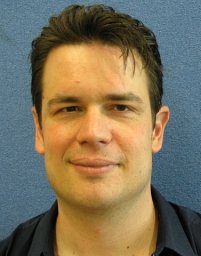 Gregory Maes合作论文数Biogenomics;MindCapture5
 Soren Laurentius Nielsen合作论文数Department of Environmental, Social and Spatial Change, Roskilde University5
 Peter Dubruel合作论文数5
 Freddy Dardenne合作论文数Laboratorium of Ecophysiology, Biochemistry and Toxicology, University of Antwerp5Yves-Jacques Schneider合作论文数5




