Purpose:Medical care in battlefield and austere environments may require minimally trained personnel to perform complex diagnostic procedures such as ultrasound. We present a mixed reality (MR) guidance system that uses predictive anatomical modeling to assist novice operators in acquiring the extended Focused Assessment with Sonography in Trauma (eFAST). Approach:A morphable anatomical atlas of the torso was constructed from 180 CT scans using automated segmentation, deformable registration, and regression-based mapping between internal anatomy and external anthropometry. The atlas was integrated with a portable ultrasound system and an MR headset with probe tracking to provide subject-specific holographic guidance during scanning. System accuracy was validated using imaging phantoms and evaluated in a study involving 16 novice operators performing six-window eFAST examinations using both conventional ultrasound and MR guidance across four healthy volunteers. Ultrasound images were graded by an expert clinician, and operator workload was assessed using the NASA Task Load Index. Results:Atlas performance showed high segmentation accuracy (Dice score 0.93 ± 0.04 ) and in-atlas prediction errors below 10 mm using six anthropometric measures. Phantom testing demonstrated end-to-end image localization accuracy of 2.2 ± 0.6 mm . MR guidance was associated with a nonsignificant increase in correct-window acquisition (48% to 60%) and a significant improvement in diagnostic sufficiency (13% to 25%) while reducing perceived cognitive workload. Conclusions:These results demonstrate the feasibility of anatomically informed MR guidance to support ultrasound acquisition by novice users and highlight its potential for trauma diagnostics in resource-limited or austere environments.
Split Hopkinson Pressure Bars are used to study dynamic material response in uniaxial compression, tension or torsion. Modifications of traditional test techniques have permitted the successful measurement of highly elastic soft biological tissue properties. Testing biological materials, specifically brain material, using the modified Split Hopkinson Pressure Bar method is effective in characterizing the tissue response at strain levels and strain rates that are greater than traditional tissue testing modalities. The high strain rate material properties are of particular interest for use in constitutive models that govern material response and injury predictions for computational models of the human body exposed to dynamic impact events. Since the use of viable brain material is critical, and the viability largely depends on post mortem interval, harvesting fresh, non-frozen brain tissue is critical. In this paper, we present the shear response of fresh human brain tissue under high rate loading. The investigated strain rates ranged from 25 to 248 strain/s. Specimen were prepared from various orientations and locations within the brain across two specimen. The average elastic modulus was 13.0 ± 10 kPa computed across all trials. The response was also characterized based on specimen, loading rate, and strain level to analyze contributing factors. This information is critical for targeting surrogate material properties and generating parameters for computational model constitutive equations.
Diabetes mellitus is a chronic condition that occurs either when the pancreas can no longer produce sufficient insulin or when the body cannot process the insulin it does produce. The emerging absolute or relative deficiency of insulin results in a loss of glucose homeostasis, which causes hyperglycemia. Symptoms of high glucose levels include polydipsia, polyuria, polyphagia, blurred vision, tiredness, and loss of weight. This chapter presents an innovative insulin advisory system that aims to provide superior decision support compared to current insulin bolus calculators without increasing the burden to people with type 1 diabetes mellitus and clinicians. Insulin bolus calculators are simple decision support systems that consist of a relatively simple formula and use subject-specific metabolic parameters to calculate an insulin dose for a meal. Case-based reasoning is an artificial intelligence technique, which has been extensively applied in medicine.
Multimodal sensory feedback from upper-limb prostheses can increase their function and usability. Here we show that intuitive thermal perceptions during cold-object grasping with a prosthesis can be restored in a phantom hand through targeted nerve stimulation via a wearable thin-film thermoelectric device with high cooling power density and speed. We found that specific regions of the residual limb, when thermally stimulated, elicited thermal sensations in the phantom hand that remained stable beyond 48 weeks. We also found stimulation sites that selectively elicited sensations of temperature, touch or both, depending on whether the stimulation was thermal or mechanical. In closed-loop functional tasks involving the identification of cold objects by amputees and by non-amputee participants, and compared with traditional bulk thermoelectric devices, the wearable thin-film device reliably elicited cooling sensations that were up to 8 times faster and up to 3 times greater in intensity while using half the energy and 1/600th the mass of active thermoelectric material. Wearable thin-film thermoelectric devices may allow for the non-invasive restoration of thermal perceptions during touch. Intuitive thermal perceptions during cold-object grasping with a prosthesis can be restored in a phantom hand through targeted nerve stimulation via a wearable thin-film thermoelectric device with high cooling power density and speed.
Objective. Validating the ability for advanced prostheses to improve function beyond the laboratory remains a critical step in enabling long-term benefits for prosthetic limb users. Approach. A nine week take-home case study was completed with a single participant with upper limb amputation and osseointegration to better understand how an advanced prosthesis is used during daily activities. The participant was already an expert prosthesis user and used the Modular Prosthetic Limb (MPL) at home during the study. The MPL was controlled using wireless electromyography (EMG) pattern recognition-based movement decoding. Clinical assessments were performed before and after the take-home portion of the study. Data was recorded using an onboard data log in order to measure daily prosthesis usage, sensor data, and EMG data. Main results. The participant’s continuous prosthesis usage steadily increased ( p = 0.04, max = 5.5 h) over time and over 30% of the total time was spent actively controlling the prosthesis. The duration of prosthesis usage after each pattern recognition training session also increased over time ( p = 0.04), resulting in up to 5.4 h of usage before retraining the movement decoding algorithm. Pattern recognition control accuracy improved (1.2% per week, p < 0.001) with a maximum number of ten classes trained at once and the transitions between different degrees of freedom increased as the study progressed, indicating smooth and efficient control of the advanced prosthesis. Variability of decoding accuracy also decreased with prosthesis usage ( p < 0.001) and 30% of the time was spent performing a prosthesis movement. During clinical evaluations, Box and Blocks and the Assessment of the Capacity for Myoelectric Control scores increased by 43% and 6.2%, respectively, demonstrating prosthesis functionality and the NASA Task Load Index scores decreased, on average, by 25% across assessments, indicating reduced cognitive workload while using the MPL, over the nine week study. Significance . In this case study, we demonstrate that an onboard system to monitor prosthesis usage enables better understanding of how prostheses are incorporated into daily life. That knowledge can support the long-term goal of completely restoring independence and quality of life to individuals living with upper limb amputation.
For nearly 60 years the Johns Hopkins University Applied Physics Laboratory (APL) has collaborated with Johns Hopkins Medicine (JHM) to study pressing health and health care problems and develop innovative solutions. Early accomplishments in ophthalmology, neurophysiology, oncology, and cardiology led to better understanding of and new and improved treatments for various conditions. Today, through its National Heath Mission Area, APL is furthering its partnership with JHM to apply rigorous data analysis and systems engineering practices to the diagnosis and treatment of disease. The collaboration leverages the institutions' systems engineering and medical expertise to create a learning health system that will speed the translation of knowledge to practice while enabling new discoveries through the development and application of advanced analytic tools. This article briefly describes how the partnership has revolutionized health and health care and is poised to continue to do so.
Objective. Full restoration of arm function using a prosthesis remains a grand challenge; however, advances in robotic hardware, surgical interventions, and machine learning are bringing seamless human-machine interfacing closer to reality. Approach. Through extensive data logging over 1 year, we monitored at-home use of the dexterous Modular Prosthetic Limb controlled through pattern recognition of electromyography (EMG) by an individual with a transhumeral amputation, targeted muscle reinnervation, and osseointegration (OI). Main results. Throughout the study, continuous prosthesis usage increased (1% per week, p < 0.001) and functional metrics improved up to 26% on control assessments and 76% on perceived workload evaluations. We observed increases in torque loading on the OI implant (up to 12.5% every month, p < 0.001) and prosthesis control performance (0.5% every month, p < 0.005), indicating enhanced user integration, acceptance, and proficiency. More importantly, the EMG signal magnitude necessary for prosthesis control decreased, up to 34.7% (p < 0.001), over time without degrading performance, demonstrating improved control efficiency with a machine learning-based myoelectric pattern recognition algorithm. The participant controlled the prosthesis up to one month without updating the pattern recognition algorithm. The participant customized prosthesis movements to perform specific tasks, such as individual finger control for piano playing and hand gestures for communication, which likely contributed to continued usage. Significance. This work demonstrates, in a single participant, the functional benefit of unconstrained use of a highly anthropomorphic prosthetic limb over an extended period. While hurdles remain for widespread use, including device reliability, results replication, and technical maturity beyond a prototype, this study offers insight as an example of the impact of advanced prosthesis technology for rehabilitation outside the laboratory.
Individuals with upper extremity (UE) amputation abandon prostheses due to challenges with significant device weight-particularly among myoelectric prostheses-and limited device dexterity, durability, and reliability among both myoelectric and body-powered prostheses. The Modular Prosthetic Limb (MPL) system couples an advanced UE prosthesis with a pattern recognition paradigm for intuitive, non-invasive prosthetic control. Pattern recognition accuracy and functional assessment-Box & Blocks (BB), Jebsen-Taylor Hand Function Test (JHFT), and Assessment of Capacity for Myoelectric Control (ACMC)-scores comprised the main outcomes. 10 participants were included in analyses, including seven individuals with traumatic amputation, two individuals with congenital limb absence, and one with amputation secondary to malignancy. The average (SD) time since limb loss, excluding congenital participants, was 85.9 (59.5) months. Participants controlled an average of eight motion classes compared to three with their conventional prostheses. All participants made continuous improvements in motion classifier accuracy, pathway completion efficiency, and MPL manipulation. BB and JHFT improvements were not statistically significant. ACMC performance improved for all participants, with mean (SD) scores of 162.6 (105.3), 213.4 (196.2), and 383.2 (154.3), p = 0.02 between the baseline, midpoint, and exit assessments, respectively. Feedback included lengthening the training period to further improve motion classifier accuracy and MPL control. The MPL has potential to restore functionality to individuals with acquired or congenital UE loss.
Restoring the sense of touch is a critical component for a closed-loop prosthetic limb. In an upper limb amputee, we explored regions on the residual limb that elicited sensory activation of the phantom hand through either physical touch or targeted transcutaneous electrical nerve stimulation (tTENS). We found that sensory sites on the residual limb responded to either physical touch or tTENS, but typically not both. Further, some regions of the phantom hand were only activated with one of the stimulation modalities, such as the thumb or wrist. Interestingly, some locations on the phantom hand could be activated with either physical touch or tTENS but at different locations on the residual limb. Our work helps highlight potential differences in perceived location of sensory feedback depending on the stimulation modality.
OBJECTIVE:A major challenge for controlling a prosthetic arm is communication between the device and the user's phantom limb. We show the ability to enhance phantom limb perception and improve movement decoding through targeted transcutaneous electrical nerve stimulation in individuals with an arm amputation.APPROACH:Transcutaneous nerve stimulation experiments were performed with four participants with arm amputation to map phantom limb perception. We measured myoelectric signals during phantom hand movements before and after participants received sensory stimulation. Using electroencephalogram (EEG) monitoring, we measured the neural activity in sensorimotor regions during phantom movements and stimulation. In one participant, we also tracked sensory mapping over 2 years and movement decoding performance over 1 year.MAIN RESULTS:Results show improvements in the participants' ability to perceive and move the phantom hand as a result of sensory stimulation, which leads to improved movement decoding. In the extended study with one participant, we found that sensory mapping remains stable over 2 years. Sensory stimulation improves within-day movement decoding while performance remains stable over 1 year. From the EEG, we observed cortical correlates of sensorimotor integration and increased motor-related neural activity as a result of enhanced phantom limb perception.SIGNIFICANCE:This work demonstrates that phantom limb perception influences prosthesis control and can benefit from targeted nerve stimulation. These findings have implications for improving prosthesis usability and function due to a heightened sense of the phantom hand.
Injury due to underbody loading is increasingly relevant to the safety of the modern warfighter. To accurately evaluate injury risk in this loading modality, a biofidelic anthropomorphic test device (e.g., dummy) is required. Finite element model counterparts to the physical dummies are also useful tools in the evaluation of injury risk, but require validated constitutive material models used in the dummy. However, material model fitting can result in models that are over-fit: they match well with the data they were trained on, but do not extrapolate well to new loading scenarios. In this study, we used a hierarchical approach. Material models created from coupon-level tests were evaluated at the component level, and then verified using blinded component and whole body (WB) tests to establish a material model of the anthropomorphic test device (ATD) neck that was not over-fit. Additionally, a combined metric is introduced that incorporates the well-known correlation analysis (CORA) score with peak characteristics to holistically evaluate the material model performance. A Bergstrom Boyce material model fit to one loop of combined compression and tension experimental data performed the best within the training datasets. Its combined metric scores were 2.51 and 2.18 (max score of 3) in a constrained neck and head neck setup, respectively. In the blinded evaluation including flexed, extended, and WB simulations, similar combined scores were observed with 2.44, 2.26, and 2.60, respectively. The agreement between the combined scores in the training and validation dataset indicated that model was not over-fit and can be extrapolated into untested, but similar loading scenarios.
Despite advances in the capabilities of robotic limbs, their clinical use by patients with motor disabilities is limited because of inadequate levels of user control. Our Johns Hopkins University Applied Physics Laboratory (APL) team and collaborators designed an augmented reality (AR) control interface that accepts multiple levels of user inputs to a robotic limb using noninvasive eye tracking technology to enhance user control. Our system enables either direct control over 3-D endpoint, gripper orientation, and aperture or supervisory control over several common tasks leveraging computer vision and intelligent route-planning algorithms. This system enables automation of several high-frequency movements (e.g., grabbing an object) that are typically time consuming and require high degrees of precision. Supervisory control can increase movement accuracy and robustness while decreasing the demands on user inputs. We conducted a pilot study in which three subjects with Duchenne muscular dystrophy completed a pick-and-place motor task with the AR interface using both traditional direct and newer supervisory control strategies. The pilot study demonstrated the effectiveness of AR interfaces and the utility of supervisory control for reducing completion time and cognitive burden for certain necessary, repeatable prosthetic control tasks. Future goals include generalizing the supervisory control modes to a wider variety of objects and activities of daily living and integrating the capability into wearable headsets with mixed reality capabilities.
Impact biomechanics research in occupant safety predominantly focuses on the effects of loads applied to human subjects during automotive collisions. Characterization of the biomechanical response under such loading conditions is an active and important area of investigation. However, critical knowledge gaps remain in our understanding of human biomechanical response and injury tolerance under vertically accelerated loading conditions experienced due to underbody blast (UBB) events. This knowledge gap is reflected in anthropomorphic test devices (ATDs) used to assess occupant safety. Experiments are needed to characterize biomechanical response under UBB relevant loading conditions. Matched pair experiments in which an existing ATD is evaluated in the same conditions as a post mortem human subject (PMHS) may be utilized to evaluate biofidelity and injury prediction capabilities, as well as ATD durability, under vertical loading. To characterize whole body response in the vertical direction, six whole body PMHS tests were completed under two vertical loading conditions. A series of 50th percentile hybrid III ATD tests were completed under the same conditions. Ability of the hybrid III to represent the PMHS response was evaluated using a standard evaluation metric. Tibial accelerations were comparable in both response shape and magnitude, while other sensor locations had large variations in response. Posttest inspection of the hybrid III revealed damage to the pelvis foam and skin, which resulted in large variations in pelvis response. This work provides an initial characterization of the response of the seated hybrid III ATD and PMHS under high rate vertical accelerative loading.
Abstract. Objectives:. Ankle fracture treatment involves reduction of the bone fragments and stabilization of the joint by reversing the mechanics of injury. For posterior malleolar fracture however, the true mechanism is not understood, leading to a lack of consistent guidance on how to best treat this injury. Methods:. Fifteen cadaver ankles were subjected to fracture loading that replicated the Lauge-Hansen pronation-external rotation mechanism. An axial load was applied to each specimen, which was mounted on a materials testing machine, and the foot was rotated externally to failure. Digital video cameras recorded the failure sequence of specific anatomic structures. Results:. Posterior malleolar fracture occurred in 7 specimens. Of these, 1 was an intra-articular fracture, another was a fracture involving the entire posterior tibial margin consisting of 2 fragments: that of the posterior tubercle and that of the posteromedial margin of the tibial plafond, with the former judged to be a consequence of avulsion by the posterior inferior tibiofibular ligament and the latter a consequence of axial loading from the talus. In the remaining 5 specimens, the posterior malleolar fracture was a small extra-articular avulsion fracture. Conclusions:. Fractures at the posterolateral corner of the distal tibia were shown to be avulsion fractures attributed to the posterior inferior tibiofibular ligament and produced by external rotation of the talus. A fracture involving the entire posterior tibial margin consisting of 2 fragments can be produced by a combination of avulsion by the posterior inferior tibiofibular ligament and axial loading from the talus.
ABSTRACT Introduction This article presents a unique case study of an individual with congenital limb loss and long-time (>56 years) body-powered prosthesis use, who was able to control a sophisticated robotic upper-limb prosthesis using surface electromyography signals and pattern recognition (PR) algorithms. This case demonstrates that individuals with congenital limb amputation are able to learn unique strategies to intuitively control a dexterous prosthetic limb. Materials and Methods After completing four training sessions using a virtual integration environment, a single subject participated in 12 in-laboratory clinical training sessions using the modular prosthetic limb (MPL)—a novel multiple–degree-of-freedom dexterous upper-limb prosthesis prototype. Baseline assessments were made with her body-powered prosthesis, as well as a two-site direct-control myoelectric Bebionic she had recently received. Functional assessments with the MPL were conducted during sessions 6 and 12. Outcome measures included timed box and blocks (BB) test, Assessment of Capacity for Myoelectric Control (ACMC), Jebsen-Taylor Hand Function Test (JTHFT), Trinity Amputation and Prosthesis Experience Scale, Upper Extremity Functional Scale (UEFS), and NASA Task Load Index. Results The subject was able to control two independent wrist degrees of freedom and up to three independent hand grasps of the MPL, using an array of surface electrodes. Improvements in the BB and ACMC were observed, although the total time to complete the JTHFT stayed relatively the same from weeks 6 to 12, using the MPL. While her enpoint perceived funcitonal ability with the MPL was 58% compared with 83% with her personal myoelectric prosthesis (12 hours of use vs 4–5 weeks of use as denoted on the UEFS); the subject reported short length of training, a long-term body-powered prosthetic user with congenital limb loss was able to demonstrate objective improvements in control of a dexterous prosthetic hand over a 12-week period of in-laboratory training, achieving intuitive independent control of a variety of simultaneous individual wrist motions and grasp patterns using PR. Conclusions This case demonstrates that even individuals with congenital amputation may be considered as candidates for upper-limb PR-controlled myoelectric prosthetic devices using surface electrodes.
This review focuses on the cutting edge of surgery and technologies following upper extremity loss. A range of technologies will be reviewed with the common theme of bionics.
In this work, we investigated the use of noninvasive, targeted transcutaneous electrical nerve stimulation (TENS) of peripheral nerves to provide sensory feedback to two amputees, one with targeted sensory reinnervation (TSR) and one without TSR. A major step in developing a closed-loop prosthesis is providing the sense of touch back to the amputee user. We investigated the effect of targeted nerve stimulation amplitude, pulse width, and frequency on stimulation perception. We discovered that both subjects were able to reliably detect stimulation patterns with pulses less than 1 ms. We utilized the psychophysical results to produce a subject specific stimulation pattern using a leaky integrate and fire (LIF) neuron model from force sensors on a prosthetic hand during a grasping task. For the first time, we show that TENS is able to provide graded sensory feedback at multiple sites in both TSR and non-TSR amputees while using behavioral results to tune a neuromorphic stimulation pattern driven by a force sensor output from a prosthetic hand.
 Mehran Armand合作论文数Department of Otolaryngology-Head and Neck Surgery, School of Medicine, Johns Hopkins University17Andrew C. Merkle合作论文数15
 Matthew S. Fifer合作论文数Dept. of Biomed. Eng., Johns Hopkins Univ.;c;Dept. of Biomed. Eng., Johns Hopkins Univ.11
 Matthew S. Johannes合作论文数Pratt School of Engineering, Duke University11
 R. Jacob Vogelstein合作论文数10
 Paul F Pasquina合作论文数Department of Physical Medicine & Rehabilitation, School of Medicine, Uniformed Services University9
 Yoshito Otake合作论文数Institute for High Dimensional Medical Imaging, Jikei University School of Medicine9
 Brock A. Wester合作论文数9
 Russell Taylor合作论文数Department of Computer Science, Whiting School of Engineering, Johns Hopkins University;Department of Mechanical Engineering, Whiting School of Engineering, Johns Hopkins University;Laboratory for Computational Sensing and Technology, Johns Hopkins University;NSF Engineering Research Center for Computer-Integrated Surgical Systems and Technology, Johns Hopkins University8
 Jyri Lepisto合作论文数8Courtney W. Moran合作论文数7Tsao Jack W合作论文数7
 Kapil D. Katyal合作论文数7a s iwaskiw合作论文数6Simon C Mears合作论文数6
 Luke E. Osborn合作论文数Department of Biomedical Engineering, Case Western Reserve University;School of Medicine, Case Western Reserve University;School of Engineering, Case Western Reserve University;Human Fusions Institute6
 K Ott合作论文数6
 Michael Dennis Mays Kutzer合作论文数Appl Phys Lab, Johns Hopkins Univ6a c wickwire合作论文数5
 Connor Owen Pyles合作论文数Appl Phys Lab, Johns Hopkins Univ5
 Hotson Guy合作论文数Department of Electrical and Computer Engineering, Johns Hopkins University5
 David P. Mcmullen合作论文数Medical Center, Duke University5
 Ryan J. Murphy合作论文数Milton S. Eisenhower Research Center, The Johns Hopkins University Applied Physics Laboratory5Alexis C. Wickwire合作论文数4Demetropoulos Constantine K合作论文数4
 Nitish V. Thakor合作论文数Department of Biomedical Engineering, School of Medicine, Johns Hopkins University;Department of Electrical and Computer Engineering, Whiting School of Engineering, Johns Hopkins University;National University of Singapore4Haraguchi Naoki合作论文数4
 Perry Briana N合作论文数Department of Physical Medicine and Rehabilitation, Walter Reed National Military Medical Center4
 Peter Kazanzides合作论文数Department of Computer Science, Whiting School of Engineering, Johns Hopkins University;Laboratory for Computational Sensing and Robotics, Johns Hopkins University4James D. Beaty合作论文数4
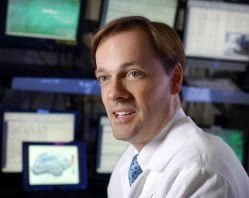 Nathan E. Crone合作论文数Department of Neurology, Johns Hopkins School of Medicine4
 Michael J. Zeher合作论文数4Stuart Harshbarger合作论文数4E Basafa合作论文数3LM Voo合作论文数3Jared M. Wormley合作论文数3A. S. Iwaskiw合作论文数3Albert Chi合作论文数3
 Kristin E. Yu合作论文数3
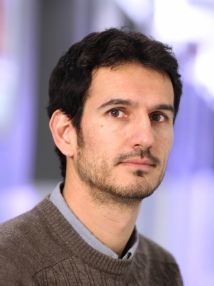 Pau Herrero合作论文数Department of Electrical and Electronic Engineering, Faculty of Engineering, Imperial College London3
 Ott Anna合作论文数Cambridge Graphene Ctr, Univ Cambridge3
 Nick Oliver合作论文数Department of Metabolism, Digestion and Reproduction, Faculty of Medicine, Imperial College London;University College London3Reddy M合作论文数3Kaj Tallroth合作论文数3James M. Burck合作论文数3
 Pantelis Georgiou合作论文数Department of Electrical and Electronic Engineering, Faculty of Engineering, Imperial College London;ProtonDx3
 Sliman J Bensmaia合作论文数Comm Computat Neurosci, Univ Chicago3
 Matthew P. Para合作论文数3Francesco Tenore合作论文数Johns Hopkins University3




