Background and Study Aim: Teaching instrumental music is also an area of application of INNOAGON's unique methods, means and tools. The basis of such an assumption is the premise of the health effects of many years of practice of instrumental musicians. It is estimated that a musician plays an instrument for over half a century on average, and many stage musicians after the age of 50 almost constantly use the services of masseurs and even orthopaedists. The aim of the work is to recommend an empirically verified method of monitoring health, mental, motor and artistic indicators during violin lessons (sessions). Material and Methods: The original Quantitative and Qualitative Evaluation of the Musician's Psychomotor Exertion During the Session method includes the measurement of: heart rate (HR), sense of pain (on a scale of 0 to 10), motivation (on a scale of 1 to 10) and motorartistic effect (on a scale of 1 to 25). First, the music teacher (August 2024), under the guidance of an expert in measuring and documenting physical exertion, self-assessed several of her own violin playing sessions, also documenting the remaining indicators in the above-mentioned document. From 10.09.2024 to 12.11.2024, she observed 9 lessons (sessions) of a nine-year-old third-grade violin student (Lucy) at a first-degree state music school. The student, with 33 months of experience in music education, took second place in two national competitions (December 2024) and received international awards in a hybrid competition of violinists in her age group. The violin teacher has over thirty years of teaching experience (51 as a practicing musician). Based on the available complementary research methodology recommendations, the authors compared the documented indicators of the student with observations of the sessions of a teacher who was intersubjectively considered a model. Results: The similarities of the effort only concern the intensity zones (borderline of low and moderate) and respecting the warm-up based on psychomotor tasks without the violin and bow. Differences: the main part of the student sessions each time included two complexes of violin specific tasks (the first one, in the initial phase, was also an extension of the warm-up, but based on specific to violin playing), while the teacher's 4. The similarities of monitoring health indicators concern the pain experienced during the psychomotor activity, while the differences concern HR before the effort. The documented motivation for the student's psychomotor activities differs from the teacher's model. The teacher assessed her own motor and artistic indicators higher than the student's. The positively correlated indicators of the student's musical complexes of psychomotor tasks are very high (r = 0.805, p<0.01). The teacher assessed the range and tempo of movement the highest in herself (M = 22.25 points), and the student's power (M = 20.33 points). Conclusions: The conjunction of the results of these pioneering observations with the most general mission of innovative agonology, i.e. oriented towards promotion, prevention and therapy encompassing all dimensions of health (apart from the seemingly distant survival thread) is an evidence-based argument that this science meets social expectations.
Background and Study Aim: Conclusions about the modifying effect of a specific combat sport on general physical fitness make sense if the compared groups of athletes are similar primarily in terms of the following variables: gender, age, training length, weekly training load (number, duration, and intensity of training sessions). The cognitive aim of this study is to answer the question: does long-term training in combat sports modify the overall physical fitness of young men in a pronounced way? Material and Methods: Three groups of combat sports athletes, in each n = 24 men and in each range of age 19 to 22 years: ju-jitsu (body height 172.25 +/- 4.8 cm, range 163 to 179 cm, body mass 69.98 +/- 7.98 kg, range 58.6 to 84.1 kg, training experience 3 to 5 years); karate kyokushin (body height 177.96 +/- 8.01 cm, range 163 to 197 cm, body mass 77.71 +/- 9.31 kg, range 57.8 to 103.6 kg, training experience 3 to 5 years); taekwondo ITF (body height 179.08 +/- 5.62 cm, range 167 to 19 1cm, body mass 76.92 +/- 7.35 kg, range 64.4 to 92.2 kg, training experience 3 to 5 years). The reference group (the most homogeneous) consisted of military cadets (n = 24), who had received one year of hand-to-hand combat training as part of their university military studies (age 19.8 years, body height 178.2 +/- 6.5 cm, range 163 to 186 cm, body mass 75 +/- 6.8 kg, range 71 to 95 kg). General physical fitness was measured by the International Physical Fitness Test (IPFT). Identification criteria were based on the recommendations of Tadeusz Ulatowski on the basis of results addressed to athletes: overall score (IPFT 8 trial total points) outstanding level 641 and more points, high level 561 to 640-, medium level 481 to 560-, low level 401 to 480-, very low level 400 and less points. Results: In terms of mean score, taekwondo ITF training has the strongest impact on shaping overall physical fitness (M = 529.9 points, range 486 to 605), while annual military training based significantly on hand-to-hand fighting exercises has the least (M = 484 points, range 433 to 521). The difference is statistically significant (p<0.01). Also, the mean score of karate kyokushin athletes (527.5 points) is significantly higher (p<0.001) than that of military cadets, similarly ju-jitsu athletes (M = 500.46 points), p<0.05. A statistically significant difference (p<0.001) also applies to the results of karate kyokushin athletes vs ju-jitsu and taekwondo athletes vs ju-jitsu. The ranking of the assessed motor skills of military cadets begins with the score of trial sit ups (M = 70.88 points), ends with 50 m dash (M = 50 points); taekwondo athletes, respectively: hand grip (M =74.91 points), sit ups (M = 59.41 points); karate kyokushin athletes bend trunk (M = 70.04 points), 50 m dash (M = 62.21 points); ju-jitsu athletes bent arm hang (M = 64.5 points), 50 m dash (M = 61.04 points). Only among military cadets 2.08% of individual trials diagnosed at a very low level (50 and less points). Conclusions: The modifying effect of multi-year training of individual combat sports on general physical fitness was found, with the results providing significant evidence that systematic training of at least 2 years shapes individual motor abilities to at least a low level. The empirical set -up used can provide a methodological basis for a comparative study of the effects of long-term training of any sport (systematic physical activity) in adult men, if the researchers used (or will use) the International Physical Fitness Test.
Background and Study Aim: A wrestling match is characterised by a short, intense, intermittent effort lasting 6 minutes in total for the senior group (1 match = 2 x 3 minutes round), making the need to play 4-5 matches a day during a wrestling tournament an additional element of this effort. The aim of this study is knowledge about the effectiveness of tournament bouts of athletes competing in Greco-Roman wrestling using the example of the World Championships (WSC) in Oslo 2021. Material and Methods: Study involved a total of 171 wrestling matches played during the World Championships. Video clips of the matches were obtained from the United World Wrestling (UWW) official web site. The video clips were downloaded to a PC as MP4 files using the screen recording function, Competitors were assigned to three different weight categories groups: light (up to 60kg, 67kg), medium (up to 77kg, 87kg), heavy (up to 97kg, 130kg). Results: Athletes in the light categories group undertook more technical actions in the standing position than athletes in the other weight categories groups: light categories (2.04 +/- 1.4 actions), medium (1.14 +/- 1.27 actions) and heavy (1.35 +/- 1.35 actions). In the bout in the horizontal position, significant differences were recorded between the light categories group (2.53 +/- 1.89 actions) and the medium (1.89 +/- 1.51 actions) and also between the medium (1.89 +/- 1.51 actions) and heavy (0.95 +/- 1.13) categories groups. Conclusions: Greco-Roman wrestling matches shows variation according to weight categories groups. Athletes in the light categories group were significantly more likely to successfully perform technical actions in the standing position and the horizontal position than athletes in the medium and heavy categories groups. Therefore, coaches could aim to create specific training programmes for wrestlers taking into account the dynamics of technical actions of different weight groups.
Background and Study Aim: Kickboxing is one of the most popular martial arts in the world. A typical kickboxing fight consists of 3 rounds lasting from 2 to 3 minutes with a minute break between rounds. Kickboxing is combat sport where two types of fights occur: light-contact (tatami sports) and full contact (ring sports). The aim of this study was knowledge about the available information of body composition, body fat percentage, and aerobic and anaerobic per-formance indicators of kickboxers based on research from the last 10 years (with one exception, that formed the basis for subsequent research, using a systematic review an meta-analysis). Material and Methods: The systematic review followed the Preferred Reporting Items for Systematic Review and Meta Analysis (PRISMA). Monitored indicators were somatotype and body fat percentage through skin measurement and bioimpedance analysis, aerobic performance by measuring VO2max, anaerobic performance through Wingate test. A systematic search was conducted using Web of Sciences, Scopus. A total of 109 studies were screened and 15 were included in the meta-analysis. The inclusion criteria were: the study was published in 2010-2021, observational studies, the average age of the athletes involved in the study was 22 +/- 5 years, written in English. Data extracted from studies included 285 male athletes (age: 22 +/- 5 years; height: 175 +/- 6.7 cm; weight: 71 +/- 8.6 kg). The sample size, average and standard deviation of the selected characteristics of kickboxers were extracted from each selected study. Results: Successful male kickboxers have been shown to have a low body fat percentage. In terms of somatotype, the mesomorphic component predominates in men kickboxers. Studies have shown high levels of maximal an-aerobic performance of kickboxers. Conclusions: These results could by an essential objective basis for evaluating some of kickboxers' physical characteristics and for trainers who could benefit from them when developing optimal training plans and setting training goal.
Background and Study Aim: Survival competencies should be one of the most elementary practical human skills. However, these competencies are not common both among contemporary young people and qualified adults. In 2020, societies around the world faced a new threat. This time it was a health-related threat - the Covid-19 pandemics. Lockdown, which was commonly used as one of the most important measures to fight the virus, has brought everyone before a new challenge - how to survive isolation. The main aim of the study was to provide the knowledge about attitudes of students towards survival competences before and after lockdown and whether isolation modifies these attitudes. Material and Methods: Forty-four students (20 females, 24 males) of the University of Rzeszow took part in a questionnaire survey and an observation of survival classes conducted by the author. The first group ("before", BF code: 9 women, 12 men) was evaluated in 2019, while the second one was surveyed in 2020. one year after the Covid-19 lockdown ("after", AF code: 11 women, 12 men). In the questionnaire, the students stated i.a. the level of their survival competences, their motivation for the class, and their interest in this type of training. Their actual competences among Five Basic Survival Skills were assessed during a direct observation. Results: Both groups declared to have comparable, relatively low competencies related to survival skills. Group AF declared to be more motivated to participate in classes and to have a significantly greater demand for survival training As far as competences among Five Basic Survival Skills are concerned, the group AF obtained higher results. Students in the AF group claimed that lockdown had significantly contributed to their interest in survival competency courses. Conclusions: As far as competences among Five Basic Survival Skills are concerned, the group AF obtained higher results. Students in the AF group claimed Isolation of students due to Covid-19 lockdown has increased their awareness of how necessary survival skills are. It has also substantially raised their motivation to participate in classes, thereby positively impacting effectiveness and interest in such trainings.
Background and Study Aim: Estimation of mental health and even more so of social health, in a simple but reliable manner in particular, is one of the most difficult methodological challenges. In our opinion, the authors of M&SH Questionnaire have been equal to this challenge The purpose of the work is to empirically verify the reliability of the M&SH Questionnaire. Material and Methods: The M&SH Questionnaire consists of 12 statements (or questions) informing about hypothetical situations with the respondent participation. Mental health (MH Index) is estimated based on six statements: aggressiveness (arithmetic mean of the result of 2 descriptive/verbal simulations); one sense of fear; one stress coping skills; tolerance (arithmetic mean of the result of 2 simulations). Social health (SH Index) based on: respecting lair play" rules (arithmetic mean of the result of 2 descriptive/verbal simulations); respecting supreme values ((arithmetic mean of the result of 3 simulations); responsibility (one simulation). The result of each respondent's declaration is based on five-point scale (conventional points, which simplifies statistical analysis): 5 (declared answer indicates a very high level of mental and/or social development); 1 (the opposite of such a conclusion); 4, 3, 2 remain in the middle. The test-retest method was used 14 days apart. Results: The M&SH Questionnaire reliability confirmed the following very highest and highest correlations (test divided by retest) of empirical indicators: r = 0.902 for kindness; r = 0.858 for aggressiveness (when the simulated attack is directed at the respondent); r = 0.853 for sense of fear; r = 0.815 for stress coping skills; r = 0.803 for responsibility; r = 0.797 for RSV Index of M&SH. Mental health profiles are highly correlated between test retest (r = 0.772) and also social health r = 0.770. Conclusions: The test-retest results are empirical evidence that the M&SH questionnaire meets the methodological criteria of the tool intended for simulation tests. The recommendation of M&SH for research on youth (from 16 years old) and adults is justified, especially as part of the application the Profile of Sense of Positive Health and Survival Abilities (SPHSA).
Background and Study aim: Survival school and SERE (Survival, Evasion, Resistance, Escape) have been gaining more and more importance in Polish military aviation for over 20 years. The aim of this research was to answer the question whether in the period of 20 years there was a change in the awareness, knowledge and skills pertaining to survival of Polish military pilots. Material and Methods: In 1997, fifty military pilots at the age of 23-41 were surveyed, while in 2018, ninety military pilots at the age of 26-52. An anonymous questionnaire was used to conduct the research. Results: The research conducted in 2018 showed that at least 74% of the Polish military pilots had a sufficient level of "survival awareness". A sufficient level of "knowledge of survival" was found among 40% of the respondents, whereas 43% had "survival skills". In comparison to the results obtained 20 years ago, there was only a significant difference in "survival awareness". Fulfilling the criteria of isolation, was only true for 22% of the Polish military pilots, whereas in 2018 the proportion amounted to 23%. Conclusions: It was demonstrated on the conducted research that just like 20 years ago, only every fifth Polish military pilot is prepared to operate in isolation at least to a sufficient degree. Education and training activities in the Air Force over the past 20 years have only contributed to the increase in "survival awareness" of the military pilots.
The problem and Aim. The article presents selected issues concerning the theory of fencing. To consider the directions and importance of each component in the selection of training methods, forms of training means in the sport, determined by the following factors: the structure of discipline, the importance of mobility, movement habits, content and essence of tactics. A description is made of the "algebra of conflict" and its tactical use in combat fencing. In a conflict game using white weapons, the mobility of contestants, their technical skills, resources of sensory-motor habits, their quality of perception and manifestations of reaction, tactical skills, emotions, speed of thinking and decision-making, mental strength and the mutual opposing desire to hit the enemy and win the fencing bout, come together on a broad front. The fight takes place in rapidly changing tactical situations, with limited time required to understand the intentions of the enemy. A fencing duel takes place against the background of two major, demanding, changing positions which divide attention between tactical tasks - anticipation and deception to avoid hits and to hit the opponent. To achieve those objectives, in the modern sport, fencing coaches use long-term development of technical skills in conjunction with teaching and improvement of tactical fighting. At every level of sports training, the choice of teaching tactics methods helps to achieve outstanding sports results.Method. The study is based on observations and reflections that are available in the literature (content analysis of literature).Results and conclusions. The most important skills in a fencing bout are: the ability to transfer habits from training lessons to tournament bouts and a comprehensive synthesis (combining together technique, signs of reaction, agility, tactical skills and psychological processes). In addition, in training, a large variety of fencing actions are recommended, combined with skilful directing of one's emotions, shaping resistance to emergency states and adaptation to fighting with opponents. The presented elements of tactics raise its importance in the training of a fencer. In a fencer's training, it is very important to use tactics by formation of self-reliance, initiative, and the ability to master one's emotions, speedy and accurate assessment of the tactical situation and the ability to take immediate decisions.
Background & Study Aim: Loss of balance is a common cause of the fall, which could result in body injury or even death. The aim of the study was the relationship between the body balance disturbation tolerance skills and susceptibility to injured during the fall of young women and men. Material & Methods: Two non-apparatus tests were studied 51 students of the 4th year in the field of tourism and recreation (27 women, 24 men, aged 22). Rotational Test (RT - non-apparatus version) measures the body balance disturbation tolerance skills (BBDTS). RT consists of six tasks (consecutive jumps with body rotation of 360 degrees alternately to the right and to the left). The overall result is the sum of the six tasks and includes 0 to 18 stipulated points. Criteria of an individual level of BBDTS are as follows: very high (0-1), high (2-3), average (4-9), low (10-12), very low (13-15), insufficient (16-18). The susceptibility test to the body injuries during the fall (STBIDF) - total points is a general indicator of the susceptibility to body injuries during the fall (SBIDF): low (0), average (1-3), high (4-8), very high (9-14). Relatively for particular body parts (SBPIDF): low (0), average (1), high (2-6). Results: In total, 50% of men and 33% of women were diagnosed as very high and high BBDTS. On average, 37% of women and 29% of men, while low and very low 30% women and 21% men. Almost 75% of the surveyed women and men were characterized by low or average SBIDF, and 7% of women and 8% very high risk of injury when falling. A statistically significant relationship SBIDF with the high BBDTS was found (men r = 0.639, p<0.01; women r = 0.583, p<0.01). Conclusions: Easy to use non-apparatus tests can be used in broadly understood, continuous fall prevention and injuries prevention (including also necessary education). These three occurrences related to the cause-effect relationship. Unfortunately, despite the unique achievements of Polish scientists, they still remain beyond the perception of the entities responsible for public health.
The use of scythes in hand-to-hand fighting against regular enemy soldiers is an original Polish martial arts dating back to the turn of the 18th and 19th century. The goal of this review is to study three issues: (1) general knowledge about the historical context in which the so-called battle scythe was used by Polish peasants and about effectiveness of this weapon; (2) use of this original martial arts and the memory of heroic deeds performed by Bartosz Glowacki troop in order to brace patriotic, moral and physical values, in particular among Polish youth at the turn of 19th and 20th century, being an important part of the strategy adopted in order to regain independence; (3) description of motor properties exhibited during scythe fencing as an original form of martial art training. It is believed that scythe could have been used in 1036-1037 during the peasant uprising. It was used during a fight at Orsza in 1514 and certainly during the Battle of Obertyn in 1531. In the 17th century, shepherds and the Zaporozhian Cossacks fought using scythes. Bartosz Glowacki troop proved that fighting with this original weapon is effective during the Battle of Racfawice (one of the first battles that took place during the Kosciuszko Uprising against Russia on 4 April 1794). "Bartoszowe Troops" which followed patriotic traditions and made scythe fencing more attractive supported the independence aspirations exhibited by the rural youth. Together with the Polish Riflemen's Association founded by Jozef Pilsudskiw, the "Falcon" Polish Gymnastic Society and the Polish Rifle Squads, these troops formed Polish paramilitary movement established at the Austrian Partition before the First World War. Documentation preserved allows us to reconstruct this unique martial art regarding its motor properties. Similarities in this respect (also taking weapon length into account) may be noticed in the case of naginata (one of the Japanese budo arts), Portuguese jogo do pau, elements of Chinese wushu or Indian kalripayat. Fortifying contemporary martial arts with various techniques using original weapons the basic application of which did or does not involve armed combat (such as scythe in this article) may have broad application in cultural diversity and health promotion. In spite of appearances, health-related training based on selected martial arts combined with martial arts bibliotherapy and other methods of innovative agonology may have a positive impact on all health dimensions (somatic, mental, social health) and increase the attractiveness of survival ability.
Background & Study Aim: Martial arts involvement among children and adolescents has been described in many controversial terms. The study of the effects of martial arts training on youth show lot of contrasting images. While some refer to enhanced personal and social opportunities for those that participate in martial arts, others warn against increased levels of aggressiveness and antisocial behaviour among its participants after trainings. The aim of this study are the psychological and social effects of martial arts training of children and youth in the evaluation of coaches and parents or caregivers.Material & Methods: The research was conducted on group of 47 sensei (coaches) and 137 parents or caregivers of children training karate. Among sensei group there was a division due to the size of the club: small up to 200 members (53%) and large from 200 members including (47%). Research tool was the original questionnaire survey consisting of two part: A Survey for Sensei (coaches) and Survey B for parents or caregivers of children who regularly train karate.Results: More than half of respondents do not notice problems with self-discipline and concentration (57%). In addition, the size of the clubs do not differentiate substantially this opinion. The majority of respondents noticed significant changes in behaviour of children (72%). The size of the club influences this phenomenon. Much more often, changes in children are declared by the sensei of big resorts (86%). The study revealed that the parents or caregivers of girls pointed out most frequently (33%) self-defence as the item, which they associate the concept of martial arts. Among parents or caregivers of male training groups martial arts are associated with individual development (46%).Conclusions: The participation of children in karate training has a positive effect on their behaviour, regardless of gender. Positive exposure on behaviour of karate training groups is more clearly visible in large clubs (more than 200 members). The most common reasons for taking karate training is to develop character and positive impact of physical activity on training groups' development therefore karate like other martial arts should be recommended as optimal form of health-related training for children and youth or part of PE.
Background & Study Aim: The dynamics of interest, especially in wealth societies, of the extreme forms of physical activity (EFPA) is overtaking a rational organizational solutions, technological and as well as technological and educational aimed at providing an optimal safety for participants. Mountain environment is attractive for people all year, regardless of nationality, age, gender, health status and other personal virtues. However, there are not reasonably using the resources of people who can pursue their passions of life in mountain rescue services in the professional course or as volunteer. The aim of the research is knowledge of the preferred forms of extreme physical activity of students of different faculties in terms of their willingness to specialize in the widely understood mountain rescue.Material & Methods: We analysed declarations 424 students of the University of Rzeszow (Poland) divided into: life sciences (n = 219), humanities, social and arts sciences (n = 115), technical sciences (n = 90).Results: Willingness to work or to volunteer in the rescue services (but not everyone with EFPA experience) declared 183 students (43% of 424), including the most numerous: 134 (61% of 219) life sciences; 39 (31% of 125) humanities, social and arts sciences; 13 (14% of 90) technical sciences. Leaders of ranking students (in %), who declared willingness to work or to volunteer in the rescue services (but not everyone with EFPA experience) are: emergency medical care 90% (38 of 42); tourism and recreation 67% (81 of 121); (pedagogy 61% (23 of 38). The leader still among 72 students who declared EFPA are: 15 students of emergency medical care; 12 ex aequo tourism and recreation; physics; 10 physical education.Conclusions: According to the criteria of the Bologna Declaration of flexible studying the research findings are making the possibility of creating on the course of emergency medical care the specialty advanced mountain rescue. They are empirically reasonable grounds to create on universities and colleges the multidirectional inter units classes for potential groups of volunteers not only mountain rescue.
Background & Study Aim: Large application potential of extreme forms of physical activity (EFPA) is confirmed in daily media reports. However, one of the basic assumptions of the Bologna Declaration is to give students freedom to select classes and university at which they will be held. The main objectives of the study was to obtain data on perception and preferences of academic youth from various faculties regarding EFPA and on the other hand data on students' knowledge about criteria of the Bologna Declaration in order to estimate any barriers to the implementation of EFPA to the education system.Material & Methods: The study involved 402 students from Rzeszow University, Poland. The average age of students amounted to 21.8 years. Students represented three groups of sciences: G1 - humanistic and social sciences (n = 115); G2 - exact science and engineering (n = 90); G3 - life sciences (n = 179). The study involved the use of questionnaire developed by the authors. EFPA was identified on the basis of three criteria: threat to health or life (C1), coordination difficulty (C2), body burden with high level of effort (C3).Results: Respondents pointed out to C1 as the most significant criterion to identify EFPA (78%), whereas they indicated C2 and C3 no more frequently than 30%. Knowledge about EFPA is obtained mainly from media (84%), from personal relations with other people (28%) and from their own physical activity only in 16%. Only 6% declared that they freely select classes during the studies, whereas 18% reported that they know, and 76% that they do not know the assumptions of BD and resulting application possibilities.Conclusions: Negligible knowledge of students about the assumptions of Bologna Declaration is a substantial barrier hindering the possibility of applying EFPA. This also implies limited possibility of monitoring such expectations from students and hinders implementations.
Background & Study Aim: Various forms of extreme physical activity, most often referred to as ‘extreme sports’, have become very popular for many years. The aim of this paper is to define the term ‘extreme forms of physical activity’. Materials & Methods: The Delphi method has been applied. Research procedure is based on the experience of ten experts, specializing in solving difficult or extremely difficult issues or having documented scientific achievements in this area of human activity. Results: The first stage of the research procedure (applied Delphi method) has revealed high consensus of experts on the main assumptions and premises of the study. High level of consensus among the experts has been demonstrated on the following issues: main premises 90%; main assumptions 90%; the definition of the term ‘extreme forms of physi cal activity’ 80%. Conclusions: Applied procedure to determine the definition of extreme forms of physical activity with use of the Delphi method is an empirical evidence of the applicability of this procedure in systematizing key terms of numerous specialised disciplines and specialties in sport sciences (those already explored and those which will be developed in the future).
Background One of the simplest, synthetic criteria for evaluation the candidate's qualifications for employment as a teacher of a particular subject is the quality of bachelor's or master's thesis. This recommendation can be deduced from the main arrangements of the European Qualifications Framework (EQF). The aim of study is to answer three questions: (1) Is the type of school a significant differentiating factor preferred by students of subject matter and type of bachelor thesis? (2) Is certain subject matter of bachelor theses particularly dominate in the preferences of students? (3) Do students regardless of the type of school definitely prefer one of possible forms of graduation - writing and the defence of bachelor thesis or graduation exam?Material/Methods: Randomization was based on intentional selection. 176 graduates from Faculty of Physical Education, University of Rzeszow (UR) were examined and 86 graduates from Faculty of Physical Education, Pawel Wlodkowic University College in Plock (UC), who completed first cycle physical education studies in Poland in 2008-2010. The period of functioning each of these faculties did not exceed ten years. An anonymous questionnaire was used in the own elaboration.Results: UC graduates prefer subject matter of bachelor theses specific to the education of physical education: 59% concerns to the biological basis of human development (dominate Kinesiology, Anatomy, Anthropology) and 27% of managing this development (dominate the methodology of physical education, sport theory.) Furthermore 62% of them as the proper form of completion of the studies point out writing and the defence of bachelor thesis, and 65% that it should be an empirical work, 7% declare theoretical. UR graduates prefer subject matter of bachelor theses which are not qualify directly to the competence of the physical education teacher (27%) or qualify indirectly i.e. history (17%); writing and the defence of bachelor thesis considered respectively 62% of them, 17% point out graduation exam. Empirical works prefer a 52%, and theoretical 48% respectively. The difference of statements between graduates of both types of higher schools is statistically significant.Conclusions: Students preferences are primarily determined by scientific interests and research achievements of the promoters of their theses, and are related to the internal regulations of higher schools.
Mergers and acquisitions (MA) are one of the most important phenomenons influencing dynamics of the world economy growth. At the same time, big number of acquisitions turns out to be unsuccessful which induces one to examine reasons for failures and factors having influence on success of MA. In the article an attempt to systematize researchersí and specialists-practitionersí opinions on factors that play a key role in acquisition success was made, as complexity of MA processes causes that only actions resulting from reliable analysis, that are afterwards well planned and carried out may bring results expected by the entities.
 maria sierpinska合作论文数Univ Econ & Human Sci Warsaw4Marta Niewczas合作论文数3Litwiniuk Artur合作论文数2Bartlomiej Barczynski合作论文数2
 Jerzy Kulasa合作论文数2Roman M. Kalina合作论文数1Andrzej Chodala合作论文数1Leon Andrzej Krzemieniecki合作论文数1Elżbieta Waszkiewicz合作论文数1Renata Grzywacz合作论文数1
 Kristina Nema合作论文数1Dan Badea合作论文数Sports & Motor Performance Dept, Natl Univ Phys Educ & Sports1Milan Duricek合作论文数1Gabriel Szajna合作论文数1
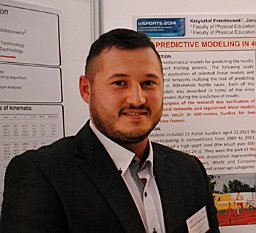 Krzysztof Przednowek合作论文数Faculty of Physical Education, Akademia Wychowania Fizycznego imienia Jerzego Kukuczki w Katowicach1
 Pavel Ruzbarsky合作论文数Fac Sports, Univ Presov1
 Artur Kruszewski合作论文数1
 Łukasz Rydzik合作论文数Institute of Sports Sciences, University of Physical Education1Karol Gorner合作论文数Fac Sports, Univ Presov1Wojciech Czarny合作论文数Univ Rzeszow, Fac Phys Educ, Rzeszow, Poland1
 Tomas Peric合作论文数1
 Ambroży Tadeusz合作论文数Department of Gymnastics and Dance, University School of Physical Education1
 Andrzej Tomczak合作论文数Department of Physical Education and Sport, General Staff of the Polish Armed Forces;Faculty of Physical Education and Sport in Biala Podlaska;Faculty of Physical Education and Sport, in Biala Podlaska1Stanisław Zaborniak合作论文数Institute of Physical and Health Education, University of Rzeszów1
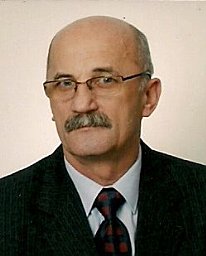 Roman Maciej Kalina合作论文数1




