As the management of inguinal hernias have evolved over hundreds of years, so too has our paradigm of what constitutes the "best repair." To best answer what the ideal inguinal hernia repair is, the authors take an in-depth look at considerations to the patient, the provider, and the health care system.
OBJECTIVE:Surgical complications have substantial impact on healthcare costs. We propose an analysis of the financial impact of postoperative complications.SUMMARY OF BACKGROUND DATA:Both complications and preoperative patient risk have been shown to increase costs following surgery. The extent of cost increase due to specific complications has not been well described.METHODS:A single institution's American College of Surgeons National Surgical Quality Improvement Program data was queried from 2012 to 2018 and merged with institutional cost data for each encounter. A mixed effects multivariable generalized linear model was used to estimate the mean relative increase in hospital cost due to each complication, adjusting for patient and procedure-level fixed effects clustered by procedure. Potential savings were calculated based on projected decreases in complication rates and theoretical hospital volume.RESULTS:There were 11,897 patients linked between the 2 databases. The rate of any American College of Surgeons National Surgical Quality Improvement Program complication was 11.7%. The occurrence of any complication resulted in a 1.5-fold mean increase in direct hospital cost [95% confidence interval (CI) 1.49-1.58]. The top 6 most costly complications were postoperative septic shock (4.0-fold, 95% CI 3.58-4.43) renal insufficiency/failure (3.3-fold, 95% CI 2.91-3.65), any respiratory complication (3.1-fold, 95% CI 2.94-3.36), cardiac arrest (3.0-fold, 95% CI 2.64-3.46), myocardial infarction (2.9-fold, 95% CI 2.43-3.42) and mortality within 30 days (2.2-fold, 95% CI 2.01-2.48). Length of stay (6.5 versus 3.2 days, P < 0.01), readmission rate (29.1% vs 3.1%, P < 0.01), and discharge destination outside of home (20.5% vs 2.7%, P < 0.01) were significantly higher in the population who experienced complications.CONCLUSIONS:Decreasing complication rates through preoperative optimization will improve patient outcomes and lead to substantial cost savings.
Currently, there is a relative paucity of literature regarding the management of symptomatic congenital diaphragmatic hernia of the foramen of Morgagni in the adult. This study aims to describe our unique surgical technique and outcomes in adult patients undergoing laparoscopic repair of symptomatic Morgagni hernia. This is a retrospective review of adult patients from 2003 to 2020 who underwent a laparoscopic Morgagni hernia repair at our institution. All patients underwent a similar laparoscopic approach, utilizing the surgical principles of reduction of intra-abdominal contents, complete resection of the hernia sac, followed by primary repair of the hernia defect and mesh reinforcement with permanent mesh if the primary repair was subjectively under tension. The study population consisted of 12 consecutive patients with a Morgagni hernia. Patients presented with a variety of symptoms attributed to the hernia, including pain 83% (n = 10), respiratory symptoms and shortness of breath 58% (7), and gastrointestinal obstruction 25% (3). Other complaints included: nausea 33% (4), reflux 50% (6), early satiety 8% (1), palpitations 16% (2), a gurgling sensation in the chest 8% (1), and weight loss 8% (1). Primary repair was possible in all patients following complete reduction of hernia contents including the hernia sac. Mesh reinforcement was used in 5 of 12 patients. Average surgical operative time was 93 (± 37) min. Median length of stay was 1.3 days (range 0.5–5.5 days). At a median follow-up of 10.9 months (IQR 8.0–41.5 months), all symptoms attributed to the hernia had resolved. No recurrences were identified. Adults with symptomatic Morgagni hernia should undergo surgical repair. A laparoscopic approach utilizing the surgical principles of reduction of intra-abdominal contents, complete resection of the hernia sac, followed by primary repair of the hernia defect (when possible), with or without mesh reinforcement can be performed safely and effectively.
Background: Procedure-based opioid-prescribing guidelines have reduced the amount of opioids prescribed after surgery; however, many patients are still overprescribed opioids. The 24-h predischarge opioid consumption (PDOC) metric has been proposed to guide patient-centered prescribing. Materials and methods: This is a single-institution, retrospective study of patients who underwent major abdominal surgery. We assessed the correlation between inpatient opioid use and discharge prescriptions using morphine milligram equivalents (MMEs). The adequacy of discharge prescriptions for individual patients was assessed using 2 models, one assuming constant opioid use (based on 24-h PDOC) and the other assuming a linear taper. Results: Of 596 included patients, gastric bypass and colectomy were the most common operations. Median length of stay was 3.5 d. Inpatient opioid use and discharge prescriptions were weakly correlated (r = 0.35). Patients with no opioid use 24 h before discharge (n = 133, 22.3%) were frequently discharged with opioid prescriptions. Patients with high opioid use (24-h PDOC >60 MME) were often discharged with prescriptions that would have lasted <48 h (164/200, 82%). Assuming constant opioid use, discharge prescriptions would have lasted patients a median of 5.1 d. With linear opioid tapering, 440 (72.9%) patients would have had leftover pills. A theoretical discharge prescription of 4 times 24-h PDOC would reduce the median prescription by 130 MMEs and allow a linear taper for 97.6% of patients. Conclusions: At our institution, opioid prescribing was rarely patient-centered, with little correlation between patient's inpatient opioid use and discharge prescriptions. This leads to overprescribing for most patients and underprescribing for others. (C) 2021 Elsevier Inc. All rights reserved.
Objective: Value is defined as health outcomes important to patients relative to cost of achieving those outcomes: Value = Quality/Cost. For inguinal hernia repair, Level 1 evidence shows no differences in long-term functional status or recurrence rates when comparing surgical approaches. Differences in value reside within differences in cost. The aim of this study is to compare the value of different surgical approaches to inguinal hernia repair: Open (Open-IH), Laparoscopic (Lap-IH), and Robotic (R-TAPP). Methods: Variable and fixed hospital costs were compared among consecutive Open-IH, Lap-IH, and R-TAPP repairs (100 each) performed in a university hospital. Variable costs (VC) including direct materials, labor, and variable overhead ($/min operating room [OR] time) were evaluated using Value Driven Outcomes, an internal activity-based costing methodology. Variable and fixed costs were allocated using full absorption costing to evaluate the impact of surgical approach on value. As cost data is proprietary, differences in cost were normalized to Open-IH cost. Results: Compared to Open-IH, VC for Lap-IH were 1.02X higher (including a 0.81X reduction in cost for operating room [OR] time). For R-TAPP, VC were 2.11X higher (including 1.36X increased costs for OR time). With allocation of fixed cost, a Lap-IH was 1.03X more costly, whereas R-TAPP was 3.18X more costly than Open-IH. Using equivalent recurrence as the quality metric in the value equation, Lap-IH decreases value by 3% and R-TAPP by 69% compared to Open-IH. Conclusions: Use of higher cost technology to repair inguinal hernias reduces value. Incremental health benefits must be realized to justify increased costs. We expect payors and patients will incorporate value into payment decisions.
Objective: Surgical complications have substantial impact on healthcare costs. We propose an analysis of the financial impact of postoperative complications. Summary of Background Data: Both complications and preoperative patient risk have been shown to increase costs following surgery. The extent of cost increase due to specific complications has not been well described. Methods: A single institution’s American College of Surgeons National Surgical Quality Improvement Program data was queried from 2012 to 2018 and merged with institutional cost data for each encounter. A mixed effects multivariable generalized linear model was used to estimate the mean relative increase in hospital cost due to each complication, adjusting for patient and procedure-level fixed effects clustered by procedure. Potential savings were calculated based on projected decreases in complication rates and theoretical hospital volume. Results: There were 11,897 patients linked between the 2 databases. The rate of any American College of Surgeons National Surgical Quality Improvement Program complication was 11.7%. The occurrence of any complication resulted in a 1.5-fold mean increase in direct hospital cost [95% confidence interval (CI) 1.49–1.58]. The top 6 most costly complications were postoperative septic shock (4.0-fold, 95% CI 3.58–4.43) renal insufficiency/failure (3.3-fold, 95% CI 2.91–3.65), any respiratory complication (3.1-fold, 95% CI 2.94–3.36), cardiac arrest (3.0-fold, 95% CI 2.64–3.46), myocardial infarction (2.9-fold, 95% CI 2.43–3.42) and mortality within 30 days (2.2-fold, 95% CI 2.01–2.48). Length of stay (6.5 versus 3.2 days, P < 0.01), readmission rate (29.1% vs 3.1%, P < 0.01), and discharge destination outside of home (20.5% vs 2.7%, P < 0.01) were significantly higher in the population who experienced complications. Conclusions: Decreasing complication rates through preoperative optimization will improve patient outcomes and lead to substantial cost savings.
Primary esophageal angiosarcoma is an extremely rare cancer. Thus, evidence-based guidance on diagnosis and treatment is lacking. The current workup and management is extrapolated from other esophageal and angiosarcoma pathology. We describe a case report that depicts unique diagnostic and therapeutic challenges. (C) 2021 by The Society of Thoracic Surgeons
Savarise, Mark T. MD, MBA FACS; Savarise, Yvonne PT, DPT; Buhavac, Milos MBBS; Blumhagen, Jessica MD; Edward Glasgow, Robert MD, FACS; Marcus, Robin PT, PhD; Magel, John S. PT, PhD Author Information
Background: Postoperative overprescribing is common, and many patients will have excess medications. An effective method to encourage disposal is lacking. We hypothesized that a convenient home disposal kit will result in more appropriate disposal of excess opioids. Materials and methods: We conducted a single-center prospective observational pilot study to evaluate the effectiveness of a postoperative opioid disposal kit. Patients in the intervention group received an opioid disposal kit and educational handout before discharge from the hospital. At the first follow-up visit, patients completed a survey in which they reported the remaining amount of pain medications from their original prescription and their plan for the excess medication. Patients were asked about risk factors for chronic opioid use. We used multivariable Poisson regression to identify independent factors associated with an increased likelihood of appropriate opioid disposal. Results: The survey was offered to 904 patients with a response rate of 91.7%. After excluding those with missing data, 571 patients were included in the study. Overall, 83 (14.5%) patients never filled an opioid prescription, and 286 (60.0%) patients had tablets remaining at the time of the follow-up visit. Among those with tablets remaining, 52 received a home disposal kit, whereas 234 patients with tablets remaining did not. Patients who received the kit were more likely to dispose of opioid medications (54.9% versus 34.8%, relative risk = 1.8, 95% CI 1.3-2.5). No confounders were identified during multivariable analysis that increased a patient's likelihood of disposing excess medications. Conclusions: The provision of a convenient home disposal kit postoperatively increased patient-reported opioid disposal. (C) 2019 Elsevier Inc. All rights reserved.
The aim of this study was to understand factors associated with refusal of local therapy in esophageal cancer and compare the overall survival (OS) of patients who refuse therapies with those who undergo recommended treatment. National Cancer Database data for patients with non-metastatic esophageal cancer from 2006 to 2013 were pooled. T1N0M0 tumors were excluded. Pearson’s Chi-square test and multivariate logistic regression analyses were used to assess demographic, clinical, and treatment factors. After propensity-score matching with inverse probability of treatment weighting, OS was compared between patients who refused therapies and those who underwent recommended therapy, using Kaplan–Meier analyses and doubly robust estimation with multivariate Cox proportional hazards modeling. In total, 37,618 patients were recommended radiation therapy (RT) and/or esophagectomy; we found 1403 (3.7%) refused local therapies. Specifically, 890 of 18,942 (4.6%) patients refused surgery and 667 of 31,937 (2.1%) refused RT. Older patients, females, those with unknown lymphovascular space invasion, and those uninsured or on Medicare were more likely to refuse. Those with squamous cell carcinoma, N1 disease, higher incomes, living farther from care, and those who received chemotherapy were less likely to refuse. Five-year OS was decreased in patients who refused (18.1% vs. 27.6%). The survival decrement was present in adenocarcinoma but not squamous cell carcinoma. In patients who received surgery or ≥ 50.4 Gy RT, there was no OS decrement to refusing the other therapy. We identified characteristics that correlate with refusal of local therapy. Refusal of therapy was associated with decreased OS. Patients who received either surgery or ≥ 50.4 Gy RT had no survival decrement from refusing the opposite modality.
BACKGROUND: High value care (HVC), maximizing quality while minimizing cost, has become a major focus of surgical practice. Effective education in healthcare value concepts is critical during residency to ensure graduates are able to deliver high value surgical care and participate in interprofessional teams to improve the system. STUDY DESIGN: An HVC curriculum was implemented at a single academic medical center. Sixty-six residents from general surgery, plastic surgery, otolaryngology, and urology completed the curriculum over 3 academic years (2016 to 2019). The 1-year curriculum taught residents the concepts of HVC before participating in a value improvement project the following year. Residents' knowledge of value was assessed pre- and post-participation using a validated assessment tool, the Quality Improvement Knowledge Application Tool Revised (QIKAT-R), and a curriculum-specific assessment tool. The overall success of the program was evaluated by assessing residents' skills in completing value improvement projects using a novel scoring rubric. RESULTS: After completing the program, residents expressed improved confidence in their ability to complete a value improvement project. Residents also demonstrated improved knowledge on the curriculum-specific assessment (4.7/13 to 10.9/13) and the scenario assessment using the QIKAT-R tool (8.5/27 to 16.4/27). As the program underwent iterative improvements each year, the quality of the residents' projects also improved, as assessed by the novel scoring rubric. CONCLUSIONS: Multimodal assessment demonstrated improvement in residents' objective knowledge of HVC principles, residents' ability to design and lead clinical value improvement projects, and residents' confidence they could use HVC principles in their current and future practice.
Background We evaluated quality of life among bariatric surgery patients using patient-reported outcomes (PROs). We hypothesized that physical function would improve after bariatric surgery. Methods We prospectively collected PROs beginning in December 2015. We used the validated Patient-Reported Outcomes Measurement Information System (PROMIS) instruments because of their broad applicability and ability to use computer-adapted technology to survey. Measures are repeated at clinic visits, both pre- and postoperatively. Data were reviewed through February 2018. Data were analyzed comparing pre- and postop physical function PRO (PF PRO) by procedure: laparoscopic Roux-en-Y gastric bypass (LRYGB) or sleeve gastrectomy (LSG). Additional variables were included in an adjusted linear mixed-effects regression model in order to isolate the effect of surgery on PF PRO over time. Results This cohort included 279 bariatric surgery patients. The mean follow-up time was 1.5 years after surgery. The procedure groups were similar in terms of age and race but differed by gender and preoperative BMI. The PF-PRO measure showed significant improvement following surgery for both procedures. Conclusion Patient-reported physical function improved significantly after bariatric surgery. There was no significant difference between procedures.
Diagnosing traumatic diaphragmatic rupture (TDR) due to penetrating rib fractures is challenging because the lesions are often too small to be detected and may present years after injury. Patients with delays in diagnosis of TDR rarely present with orthopaedic-related complaints of pain. We report the case of a 52-year-old female who presented with chronic left shoulder pain following a motor vehicle accident (MVA). In addition to left-side lower rib fractures, she also sustained a left-sided splenic laceration, pneumothorax, and two-part upper humerus fracture. Fracture treatment was percutaneous pinning; the other injuries were treated nonoperatively. Her shoulder pain could not be attributed to shoulder or neck pathology. Twenty years after the MVA, she began experiencing episodes of left-sided abdominal pain and nausea. A CT scan obtained two years later revealed a diaphragm hernia, which was repaired laparoscopically. Unique aspects of this case include (1) presentation to an orthopaedic surgeon with a chief complaint of chronic shoulder pain; (2) at 22 years, this is the fourth longest case of a delay in diagnosis of TDR; and (3) the unique symptom of ipsilateral referred shoulder pain, which immediately improved after hernia repair.
Morrow, Ellen H. MD, FACS; Locke, Amy MD; Call, Megan PhD; Webber, David MBA; Werner, Whitney MBA, MHA; Ray, David M. MBA; Glasgow, Robert E. MD, FACS; Finlayson, Samuel R.G. MD, MPH, FACS Author Information
Jacobs, Alexandra MEd; Stokes, Sean MD; Huang, Lyen C. MD, MPH; Glasgow, Robert E. MD, FACS; Brooke, Benjamin S. MD, PhD, FACS Author Information
Although early postoperative complications of hiatal dissection and fundoplication are well described, risks of sleeve gastrectomy (SG) or gastric bypass (RYGB) combined with hiatal dissection (HD) have not been established.
Esophageal cancer is the sixth leading cause of cancer-related deaths worldwide. Squamous cell carcinoma is the most common histology in Eastern Europe and Asia, and adenocarcinoma is most common in North America and Western Europe. Surgery is a major component of treatment of locally advanced resectable esophageal and esophagogastric junction (EGJ) cancer, and randomized trials have shown that the addition of preoperative chemoradiation or perioperative chemotherapy to surgery significantly improves survival. Targeted therapies including trastuzumab, ramucirumab, and pembrolizumab have produced encouraging results in the treatment of patients with advanced or metastatic disease. Multidisciplinary team management is essential for all patients with esophageal and EGJ cancers. This selection from the NCCN Guidelines for Esophageal and Esophagogastric Junction Cancers focuses on recommendations for the management of locally advanced and metastatic adenocarcinoma of the esophagus and EGJ.
Background Oesophageal cancer (OC) survival rates have improved since the widespread adoption of neoadjuvant chemoradiation therapy (NACRT) followed by oesophagectomy (trimodality therapy). Unfortunately, the overall prognosis for patients with locally advanced disease remains poor. In this study, we sought to assess the effect of adjuvant chemotherapy (AC) in patients treated with trimodality therapy. Methods Using the National Cancer Database we retrospectively identified 6785 patients with locally advanced (cT1b-T4a, N0-N+, M0) OC who were treated with trimodality therapy from 2006 to 2014. Patients were separated based on receipt of AC (n=463), as well as clinical and pathological lymph node involvement. Overall survival (OS) between groups was compared using the Kaplan-Meier method and Cox proportional hazard modelling. Results Based on multivariate analysis, AC was associated with a statistically significantly reduced risk of death (HR 0.77, p<0.001). Subgroup analysis revealed that AC was associated with reduced risk of death compared with NACRT alone in the cN+/pN0 (median OS 64 vs 43 months; p=0.019) and the cN+/pN+ (median OS 27 vs 22 months; p=0.010) groups, but not in the cN0/pN0 (median OS 48 vs 49 months; p=0.253) or cN0/pN+ (median OS 31 vs 24 months; p=0.077) groups. Conclusion AC following trimodality therapy may improve survival in patients with locally advanced OC. Patients who undergo lymph node downstaging may be the most likely to benefit from AC. Prospective studies are needed to confirm this finding.
 Sean J. Mulvihill合作论文数21
 Samuel R. G. Finlayson合作论文数School of Medicine, University of Utah11Eric T. Volckmann合作论文数10
 Vivian E. Strong合作论文数Department of Surgery, Memorial Sloan-Kettering Cancer Center10
 Mary F. Mulcahy合作论文数Division of Hematology and Oncology, Department of Medicine, Feinberg School of Medicine, Northwestern University9
 Ellen Morrow合作论文数9
 Varghese Thomas合作论文数9
 Jaffer A. Ajani合作论文数Department of Gastrointestinal Medical Oncology, Division of Cancer Medicine, The University of Texas MD Anderson Cancer Center9Jennwood Chen合作论文数8
 David H. Ilson合作论文数Weill Cornell Medical College;Memorial Sloan Kettering Cancer Center8Hans Gerdes合作论文数8Courtney L Scaife合作论文数8David M. Ray合作论文数7
 Anna Ibele合作论文数7Brooke Benjamin S合作论文数7Michael D. Rollins合作论文数7
 Sean M. Stokes合作论文数6
 Rajesh N Keswani合作论文数Gastroenterology and Hepatology, Department of Medicine, Feinberg School of Medicine, Northwestern University6
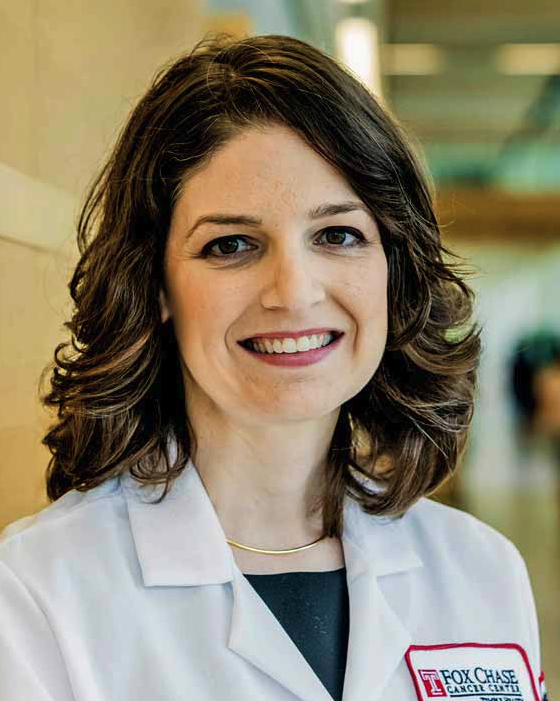 Crystal S. Denlinger合作论文数Department of Hematology/Oncology, Fox Chase Cancer Center;National Comprehensive Cancer Network6
 John C. Fang合作论文数Division of Gastroenterology, Hepatology and Nutrition, University of Utah Health6Lawrence Kleinberg合作论文数Department of Radiation Oncology, Johns Hopkins Hospital6
 Khaldoun Almhanna合作论文数Lifespan Cancer Institute, Rhode Island Hospital5
 Prajnan Das合作论文数Department of Gastrointestinal Radiation Oncology, Division of Radiation Oncology, The University of Texas MD Anderson Cancer Center;Department of Radiation Oncology, The University of Texas MD Anderson Cancer Center5
 James Alan Hayman合作论文数Department of Radiation Oncology, University of Michigan5
 Wayne L. Hofstetter合作论文数Department of Thoracic and Cardiovascular Surgery, Division of Surgery, The University of Texas MD Anderson Cancer Center5
 Thomas Anthony D'Amico合作论文数Department of Surgery, School of Medicine, Duke University5
 Cameron Wright合作论文数Mass General Research Institute, Massachusetts General Hospital;Division of Thoracic Surgery, Massachusetts General Hospital;Harvard Medical School, Harvard University4
 Angela Presson合作论文数Division of Epidemiology, Department of Internal Medicine, School of Medicine, University of Utah;Department of Pediatrics, School of Medicine, University of Utah4
 Mary Kay Washington合作论文数Department of Pathology, Microbiology and Immunology, Vanderbilt University Medical Center;School of Medicine, Vanderbilt University4Zhang Chong合作论文数4
 Mark B Orringer合作论文数University of Michigan Medical School4
 Charles S. Fuchs合作论文数Genentech and Roche;EvolveImmune Therapeutics4
 Walter Scott合作论文数4
 Matthew A Firpo合作论文数School of Medicine, The University of Utah4
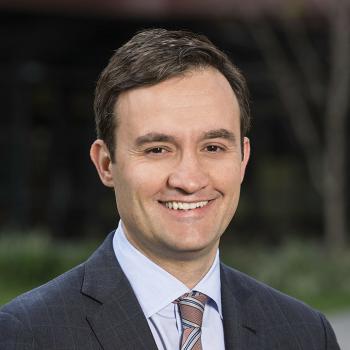 George A. Poultsides合作论文数Division of General Surgery, School of Medicine, Stanford University4
 A. Craig Lockhart合作论文数Division of Hematology & Oncology, Hollings Cancer Center, Medical University of South Carolina4Heidi H. Jackson合作论文数4
 Christopher G. Willett合作论文数Department of Radiation Oncology, Duke University School of Medicine;Duke Cancer Institute, Duke University4Kristen Hilden合作论文数4
 W. Michael Korn合作论文数Department of Surgery, University of California, San Francisco;Center for Molecular Oncology, University of California, San Francisco4James A. Posey合作论文数3ROBERT H. LURIE COMPREHENSIVE合作论文数3Hema Sundar合作论文数3
 Huang Lyen C合作论文数Department of Surgery, Stanford University School of Medicine3
 Joseph Chao合作论文数City of Hope Comprehensive Cancer Center3
 Lawrence W. Way合作论文数Department of Surgery, Division of General Surgery, University of California San Francisco3
 David J. Bentrem合作论文数Feinberg School of Medicine, Northwestern University3
 Stephen Leong合作论文数Division of Medical Oncology, University of Colorado Cancer Center3Leigh Neumayer合作论文数3




