Understanding the relationship between animal performance and temperature is a pressing issue in the face of climate change because it has implications for changes to distribution, population dynamics and species interactions. We used accelerometers to build a thermal performance curve (TPC) for a large marine predator, the great hammerhead (Sphyrna mokarran), to explain this species' catch rates and thermal habitat use in the wild. Analysis of performance data captured by accelerometers deployed on nine sharks estimated great hammerheads have a thermal optimum (Topt) of 29.3°C. However, the TPC had a low activation energy compared with those of other large sharks, enabling high performance across a relatively broad temperature range. Analysis of catch data from surveys off the Gulf coast of Florida showed most sharks were caught in months where sea surface temperatures average 29-30°C, when large teleost prey are abundant. Satellite telemetry data showed sharks encountered average daily minimum and maximum temperatures below our estimated Topt, 24.7±1.6°C and 26.5±1.7°C, respectively. Relatively low activation energy (0.38±0.07 eV) likely enables great hammerheads to take advantage of seasonal prey pulses during both summer and winter by maintaining high performance outside Topt. While activity-based TPCs can provide a mechanistic link to migration patterns and relative abundance, they may also explain the ability of some predators to take advantage of seasonal, fast-moving prey at the lower limits of optimal thermal conditions.
Abstract Background Biologging and telemetry have transformed our understanding of marine megafauna movement ecology. Yet, methodological constraints continue to limit data quality and deployment duration. Devices recording whale shark (Rhincodon typus) behaviours and movements have been used for decades, but they remain challenging to deploy and vary in success. Recently, spring-loaded clamp-based systems have emerged as one of the most widely used approaches to attach electronic tags to the fins of this globally endangered species. Currently, however, no consensus guidelines exist as to how to optimise this approach, potentially leading to continued underperforming deployments limiting analysis potential. Here, we synthesise experiences with clamp-based tagging worldwide through a targeted survey of whale shark researchers. We explore performance and challenges with a view to propose current best practices in the field. Results Whale shark researcher responses to the survey highlighted clamp-based systems as a practical and more widely applicable approach than drill-based methods, which are often used to secure tags to other large sharks. They also noted that clamps have greater retention potential and are suitable for a wider range of tags compared to dart-based methods, but are still constrained by design, placement, and deployment conditions. Researchers used a variety of materials and designs to build their own clamps, often facilitated by direct collaboration with each other or key manufacturers. Clamps produced highly variable outcomes, ranging from successful long-term satellite transmissions over 200 days and short-term biologging for 48 h at 20 Hz, to premature detachment and cases of fin damage. For long-term clamps, changes in position on the fin allowed for more stable satellite transmissions over time. Some clamp designs achieved data quantity and quality close to that of drilled deployments, demonstrating their potential to rival traditional methods while offering a less invasive approach. Results emphasised the ongoing need for technological refinement and rigorous evaluation of clamp performance and associated impacts. Conclusions Based on collective insights, we present a unified approach to clamp design and positioning, and identify key priorities for advancing this attachment technology, such as aiming for positions b-2 and c-2 on the fin and ensuring the clamp bridge distance (always between 30 and 50 mm) and tension are matched to shark size. Optimising clamp systems could substantially improve our ability to generate high-quality, long-duration movement data while minimising tagging impacts on the animal where possible. This could enhance ecological and conservation research outcomes for endangered whale sharks, with broader implications for tagging other large-bodied marine megafauna.
Context The white shark (Carcharodon carcharias) is a large, highly migratory, apex predator typically found in coastal, continental shelf and pelagic environments of temperate and subtropical waters worldwide. In the western North Atlantic (WNA), white sharks have been studied for decades through catch data and other observations along the US Atlantic coast.Aims Beginning in 2012, OCEARCH has coordinated a comprehensive, long-term study of this population that includes tagging sharks with satellite-linked and acoustic tags to track their movements, understand their life history, and map their critical habitats.Methods Tagging occurred between Nova Scotia, Canada, and Jacksonville, Florida, USA, on the Atlantic coast. Four life stages (young-of-the-year, juvenile, subadult, adult) were tagged, showing the migratory cycles of this WNA population from age zero through maturity.Key results A combination of satellite-linked and acoustic tags showed all four life stages enter the Gulf of Mexico (GoM) through the Straits of Florida and use this habitat primarily during the overwintering period. Of 92 white sharks tagged, 57 (62.0%) showed activity in the GoM or the Straits of Florida, spending most of their time (91.2%) in epipelagic waters and moving mainly from the Florida Keys north along the outer West Florida Shelf. Specific areas of extensive habitat use and evidence of philopatry were identified, particularly in the Pulley Ridge area off south-western Florida. Some animals crossed into the western GoM and into Mexican coastal waters; movements along the northern coast of Cuba were also noted.Conclusions These tagging results clearly demonstrated the importance of this region as an overwintering habitat for white sharks, particularly in shelf edge waters of the eastern GoM, and indicated a more widespread and persistent use of the GoM by this recovering species than previously known.Implications Our results demonstrated the wide-ranging nature of the WNA white shark population and the faunal connectivity between Atlantic Canada and the GoM, including territorial waters of other nations. Continued monitoring of this population, fine-scale analysis of movements in critical habitats, and further research on the drivers of migration are needed for science-based policy to conserve this vulnerable species.
Projected redistribution of marine species due to ocean warming may undermine current conservation efforts. Yet, there have been few studies on how ocean warming may alter migration timing. Across 5 years of acoustic telemetry data (2018–2022), we determined environmental drivers of southward migration timing for 6 migratory shark species from summer habitats in the Northwest Atlantic Ocean. We then forecasted how migratory timing from 3 regions, between the New England shelf and Mid‐Atlantic Bight, would respond under future sea surface temperatures (SSTs). Photoperiod and SST were strong predictors of southern migration in sharks, but the strength of these effects varied latitudinally. Overall, we found delayed departure dates from summer habitats under future elevated SSTs, indicating prolonged residency in northern habitats (median = ∼12 days). Sandbar sharks ( Carcharhinus plumbeus ) exhibited the largest delay in the onset of southern migrations (median = 29 days), whereas sand tiger sharks ( Carcharias taurus ) and white sharks ( Carcharodon carcharias ) exhibited the smallest delay (median = 1 day). Delays in migration timing of coastal shark species may alter local ecosystem dynamics and challenge current management strategies. These findings illustrate the utility of collaborative data‐sharing networks to expand understanding of broadscale animal movements and contribute to effective species management under a changing climate.
The scalloped hammerhead Sphyrna lewini and the great hammerhead S. mokarran are large, coastal to semi-oceanic shark species common to waters of the US east coast where they are regularly taken in commercial and recreational fisheries, particularly the bottom longline fishery. High rates of hooking mortality and low rates of population growth are believed to have caused severe declines in the US Atlantic populations of these species. The objective of this study was to determine the physiological stress induced by bottom longline capture in both S. lewini and S. mokarran. Physiological stress was quantified using the blood biochemical indicators glucose, lactate, pH, haematocrit, sodium, potassium, calcium, chloride and magnesium, which have been demonstrated to indicate physiological stress in elasmobranchs. Each shark captured was assigned a condition factor, which was compared with the stress parameters and time on hook to quantify stress induced by different longline hook times. In S. lewini, the physiological stress parameters lactate, pH, sodium and chloride scaled with hook time, whereas in S. mokarran, only lactate was affected by hook time. In both species, water temperature affected lactate and glucose levels, as well as sodium and pH levels in S. lewini and magnesium levels in S. mokarran. These data will be useful for estimating post-release mortality of S. lewini and S. mokarran from measurements taken at the time of capture, and quantifying the physiological stress response to longline capture in both species to the Atlantic bottom longline fishery.
Many shark populations are in decline around the world, with severe ecological and economic consequences. Fisheries management and marine protected areas (MPAs) have both been heralded as solutions. However, the effectiveness of MPAs alone is questionable, particularly for globally threatened sharks and rays (‘elasmobranchs’), with little known about how fisheries management and MPAs interact to conserve these species. Here we use a dedicated global survey of coral reef elasmobranchs to assess 66 fully protected areas embedded within a range of fisheries management regimes across 36 countries. We show that conservation benefits were primarily for reef-associated sharks, which were twice as abundant in fully protected areas compared with areas open to fishing. Conservation benefits were greatest in large protected areas that incorporate distinct reefs. However, the same benefits were not evident for rays or wide-ranging sharks that are both economically and ecologically important while also threatened with extinction. We show that conservation benefits from fully protected areas are close to doubled when embedded within areas of effective fisheries management, highlighting the importance of a mixed management approach of both effective fisheries management and well-designed fully protected areas to conserve tropical elasmobranch assemblages globally. A survey of sharks and rays on coral reefs within 66 marine protected areas across 36 countries showcases that the conservation benefits of full MPA protection to sharks almost double when accompanied by effective fisheries management.
During elasmobranch ontogeny, increasing body size has been proposed to result in a tradeoff between increased sensitivity and decreased spatial resolution of the electrosensory system, but this hypothesis has not previously been tested. Further, the sensitivity of the electrosensory system has not been examined in any large sharks. In the present study, we examined the behavioral electrosensitivity of large (likely adult) sandbar sharks to prey-simulating electric fields, compared with previously published results for small (juvenile) sandbar sharks. We found that the large sandbar sharks, which were approximately three times larger than the small juveniles previously tested, had lower minimum (0.002 nV/cm) and median (0.5 nV/cm) response thresholds. These represent the lowest sensitivity thresholds of any elasmobranch studied to date. Since electric field detection plays an important role in feeding behavior, increases in sensitivity of the electrosensory system and the corresponding increase in electric field detection distance with growth may be linked to ontogenetic dietary changes.
Shark fishing is increasingly regulated in the Caribbean region. We present new information on the characteristics, landings, species composition, and size composition of the shark fishery of Puerto Rico, a U.S. Caribbean territory, and discuss current regulatory issues. Sharks are mainly landed in a small-scale targeted fishery operating in territory jurisdiction (coast to 17 km) that supplies local demand for inexpensive fish. There are at least 16 species caught: a small number of large Tiger (Galeocerdo cuvier) and Blacktip (Carcharhinus limbatus) sharks and many small but adult Sharpnose sharks (Rhizopriodon spp.) accounted for >80% of landed weight. The catch of Sharpnose sharks was significantly skewed to males. Juvenile Scalloped Hammerhead sharks (Sphyrna lewini) were the second -most caught species but accounted for a small proportion of the landed weight and value given their small size. Differences between territory and U.S. federal regulations (17 km -370 km jurisdiction) leads to legal territory landings of federally prohibited species, especially Scalloped Hammerhead sharks, which might undermine the conservation potential of federal regulations. Scalloped Hammerhead sharks are also listed under the U.S. Endangered Species Act (ESA) making ongoing catches more problematic from a legal perspective. Scalloped Hammerhead shark catch reduction could have minimal livelihood impacts because of their low value, which presents an opportunity for stakeholders to engage on catch reduction measures. This study provides new details on how and why different shark species are caught in Puerto Rico, which could facilitate better management that protects threatened species and maintains livelihoods for people.
Climate change is shifting animal distributions. However, the extent to which future global habitats of threatened marine megafauna will overlap existing human threats remains unresolved. Here we use global climate models and habitat suitability estimated from long-term satellite-tracking data of the world's largest fish, the whale shark, to show that redistributions of present-day habitats are projected to increase the species' co-occurrence with global shipping. Our model projects core habitat area losses of >50% within some national waters by 2100, with geographic shifts of over 1,000 km (similar to 12 km yr(-1)). Greater habitat suitability is predicted in current range-edge areas, increasing the co-occurrence of sharks with large ships. This future increase was similar to 15,000 times greater under high emissions compared with a sustainable development scenario. Results demonstrate that climate-induced global species redistributions that increase exposure to direct sources of mortality are possible, emphasizing the need for quantitative climate-threat predictions in conservation assessments of endangered marine megafauna.
A global survey of coral reefs reveals that overfishing is driving resident shark species toward extinction, causing diversity deficits in reef elasmobranch (shark and ray) assemblages. Our specieslevel analysis revealed global declines of 60 to 73% for five common resident reef shark species and that individual shark species were not detected at 34 to 47% of surveyed reefs. As reefs become more shark-depleted, rays begin to dominate assemblages. Shark-dominated assemblages persist in wealthy nations with strong governance and in highly protected areas, whereas poverty, weak governance, and a lack of shark management are associated with depauperate assemblages mainly composed of rays. Without action to address these diversity deficits, loss of ecological function and ecosystem services will increasingly affect human communities.
Anthropogenic practices have increased metal contamination in marine ecosystems. Most sharks have long lifespans, occupy an important ecological position at the top of marine food webs, and can accumulate metals. However, reference levels of metal contaminants in the tissues of sharks, particularly, apex predators such as the white shark (Carcharodon carcharias), are lacking. In this study, concentrations of copper (Cu), cadmium (Cd), nickel (Ni), lead (Pb), silver (Ag), and zinc (Zn) were measured in the muscle tissue of white (n = 42) and tiger (Galeocerdo cuvier; n = 3) sharks. Metal exposure in various species, including sharks, has been correlated with increased oxidative stress. Therefore, the main objectives of this study were to assess metal accumulation and antioxidant enzyme activity (superoxide dismutase (SOD), catalase (CAT), and glutathione peroxidase (GPx)) in the muscle tissue of the population of white sharks and tiger sharks inhabiting the Western North Atlantic. The measured parameters were qualitatively compared between species. The small sample size of tiger sharks (collected from only one site) limited statistical analyses, therefore, white sharks were the primary focus of this study. Differences in tissue metal (Cu, Cd, Ni, and Zn) concentrations and antioxidant enzyme activities were detected based on collection site, with significant positive correlations between Cd and enzymes, SOD and CAT, and Zn and enzymes, SOD and GPx in C. carcharias. Differences in Ni concentration were detected based on sex, with females having higher Ni levels. Additionally, plasma osmolality was not correlated with tissue metal concentrations; however, osmolality decreased with increasing length in C. carcharias. This study is the first to report baseline levels of Cu, Zn, Cd, Ni, Ag, and Pb in muscle of North Atlantic white sharks and provides new insights into oxidative stress responses of these sensitive species to metal contaminants.
Many species of sharks and their relatives show a strong affinity to coral reefs and add high value to reef fisheries and tourism. Despite the economic and ecological importance of these elasmobranchs to reef systems, a recent study found no sharks on almost 20% of surveyed coral reefs around the world. In this chapter, we review relevant information on the elasmobranchs of Cuba’s coral reefs and their fisheries, biology, and ecology, including new data collected as part of several multinational collaborative projects in Cuba. Many elasmobranch species are considered endangered or threatened in various parts of the world, but their legal protection in Cuba is very limited. Cuban stakeholders who utilize elasmobranchs are diverse, necessitating strong coordination among several sectors for sound management. Status and trends of elasmobranch populations in Cuba are uncertain, but population levels appear to be low and decreasing, likely due to overfishing. Movement patterns of these populations include the Wider Caribbean Region and beyond. Cuban marine protected areas do not seem to play a significant role in elasmobranch protection, except in the Jardines de la Reina National Park, but even in this park sharks and rays are threatened. We discuss research topics and management options that include marine protected areas, traditional and modern fisheries tools, and non-consumptive tourism, all with positive examples in Cuba where stakeholders and government must work together for conservation and sustainable use of elasmobranch resources.
Length at life stages of the white shark Carcharodon carcharias is not well known for most of the 9 populations of this species, including in the western North Atlantic (WNA). We analyzed length and maturity data by sex for 87 white sharks with sizes ranging 138-501 cm total length (TL), captured, studied, and released by OCEARCH during 2012-2022, off the US and Canadian Atlantic coasts. A binary logistic regression was used to estimate the length-at-maturity (L50) for the WNA white shark with a Bayesian statistical framework using a Markov chain Monte Carlo method for numerical integration. Different trials using noninformative and informative priors were tested. The posterior probability distribution for L50, steepness of the model (φ), and 95% credible intervals (CI) of the logistic model for females were L50 = 411.3 cm TL (CI: 390.8-432.6 cm TL) and φ = 10.5 (CI: 5.7-17.8) and for males were L50 = 334.9 cm TL (CI: 321.2-348.2 cm TL) and φ = 7.5 (CI: 4.2-12.4). These L50 values are somewhat smaller than previously reported sizes-at-maturity for both sexes of this species. An ordinal logistic regression allowed us to determine the probability of being in the various life stages (young-of-the-year, juvenile, and adult) at a particular size. Estimating the length at any life-history stage of white sharks along with age estimates is useful for determining the reproductive value of the population and ultimately for estimating the relative contribution (elasticity) of vital rates to population growth.
The age, growth, and maturity of bonnetheads, Sphyrna tiburo, inhabiting estuarine and coastal waters of the U.S. Gulf of Mexico (GOM) were investigated. Based on results of a concurrent population genetics study, two populations were examined, the eastern GOM and western GOM. Vertebrae were collected and aged from 1081 females and 811 males ranging in size 261–1060 mm and 227–898 mm fork length (FL), respectively. The von Bertalanffy growth model provided the best fit to length-at-age data. Eastern GOM von Bertalanffy parameters (length parameters in mm FL) were L∞ = 844, k = 0.23, to = -1.99, and Lo = 310 for females and L∞ = 680, k = 0.39, to = -1.44, and Lo = 294 for males. Western GOM von Bertalanffy parameters were L∞ = 1005, k = 0.20, to = -1.81, and Lo = 298 for females and L∞ = 807, k = 0.30, to = -1.44, and Lo = 285 for males. Maximum observed age was similar between populations with an overall maximum of 17.1 years for females, and 12.1 years for males. Length and age at 50
BACKGROUND:Sharks play essential roles in ocean food webs and human culture, but also face population declines worldwide due to human activity. The relationship between sharks and the microbes on and in the shark body is unclear, despite research on other animals showing the microbiome as intertwined with host physiology, immunity, and ecology. Research on shark-microbe interactions faces the significant challenge of sampling the largest and most elusive shark species. We leveraged a unique sampling infrastructure to compare the microbiomes of two apex predators, the white (Carcharodon carcharias) and tiger shark (Galeocerdo cuvier), to those of the filter-feeding whale shark (Rhincodon typus), allowing us to explore the effects of feeding mode on intestinal microbiome diversity and metabolic function, and environmental exposure on the diversity of microbes external to the body (on the skin, gill).RESULTS:The fecal microbiomes of white and whale sharks were highly similar in taxonomic and gene category composition despite differences in host feeding mode and diet. Fecal microbiomes from these species were also taxon-poor compared to those of many other vertebrates and were more similar to those of predatory teleost fishes and toothed whales than to those of filter-feeding baleen whales. In contrast, microbiomes of external body niches were taxon-rich and significantly influenced by diversity in the water column microbiome.CONCLUSIONS:These results suggest complex roles for host identity, diet, and environmental exposure in structuring the shark microbiome and identify a small, but conserved, number of intestinal microbial taxa as potential contributors to shark physiology.
Knowledge of the three-dimensional movement patterns of elasmobranchs is vital to understand their ecological roles and exposure to anthropogenic pressures. To date, comparative studies among species at global scales have mostly focused on horizontal movements. Our study addresses the knowledge gap of vertical movements by compiling the first global synthesis of vertical habitat use by elasmobranchs from data obtained by deployment of 989 biotelemetry tags on 38 elasmobranch species. Elasmobranchs displayed high intra- and interspecific variability in vertical movement patterns. Substantial vertical overlap was observed for many epipelagic elasmobranchs, indicating an increased likelihood to display spatial overlap, biologically interact, and share similar risk to anthropogenic threats that vary on a vertical gradient. We highlight the critical next steps toward incorporating vertical movement into global management and monitoring strategies for elasmobranchs, emphasizing the need to address geographic and taxonomic biases in deployments and to concurrently consider both horizontal and vertical movements.
REPLYING TO A. V. Harry & J. M. Braccini Nature https://doi.org/10.1038/s41586-021-03463-w (2021) Our global analysis1 estimated the overlap and fishing exposure risk (FEI) using the space use of satellite-tracked sharks and longline fishing effort monitored by the automatic identification system (AIS). In the accompanying Comment, Harry and Braccini2 draw attention to two localized shark–longline vessel overlap hotspots in Australian waters, stating that 47 fishing vessels were misclassified as longline and purse seine vessels in the Global Fishing Watch (GFW)3 2012–2016 AIS fishing effort data product that we used. This, they propose2, results in misidentifications that highlight fishing exposure hotspots that are subject to an unexpected level of sensitivity in the analysis and they suggest that misidentifications could broadly affect the calculations of fishing exposure and the central conclusions of our study1. We acknowledged in our previously published paper1 that gear reclassifications were likely to occur for a small percentage of the more than 70,000 vessels studied, however, here we demonstrate that even using much larger numbers of vessel reclassifications than those proposed by Harry and Braccini2, the central results and conclusions of our paper1 do not change.
Elasmobranchs (sharks, skates and rays) are of broad ecological, economic, and societal value. These globally important fishes are experiencing sharp population declines as a result of human activity in the oceans. Research to understand elasmobranch ecology and conservation is critical and has now begun to explore the role of body-associated microbiomes in shaping elasmobranch health. Here, we review the burgeoning efforts to understand elasmobranch microbiomes, highlighting microbiome variation among gastrointestinal, oral, skin, and blood-associated niches. We identify major bacterial lineages in the microbiome, challenges to the field, key unanswered questions, and avenues for future work. We argue for prioritizing research to determine how microbiomes interact mechanistically with the unique physiology of elasmobranchs, potentially identifying roles in host immunity, disease, nutrition, and waste processing. Understanding elasmobranch–microbiome interactions is critical for predicting how sharks and rays respond to a changing ocean and for managing healthy populations in managed care.
Bycatch mortality is a major factor contributing to shark population declines. Post-release mortality (PRM) is particularly difficult to quantify, limiting the accuracy of stock assessments. We paired blood-stress physiology with animal-borne accelerometers to quantify PRM rates of sharks caught in a commercial bottom longline fishery. Blood was sampled from the same individuals that were tagged, providing direct correlation between stress physiology and animal fate for sandbar (Carcharhinus plumbeus, N = 130), blacktip (C. limbatus, N = 105), tiger (Galeocerdo cuvier, N = 52), spinner (C. brevipinna, N = 14), and bull sharks (C. leucas, N = 14). PRM rates ranged from 2% and 3% PRM in tiger and sandbar sharks to 42% and 71% PRM in blacktip and spinner sharks, respectively. Decision trees based on blood values predicted mortality with >67% accuracy in blacktip and spinner sharks, and >99% accuracy in sandbar sharks. Ninety percent of PRM occurred within 5 h after release and 59% within 2 h. Blood physiology indicated that PRM was primarily associated with acidosis and increases in plasma potassium levels. Total fishing mortality reached 62% for blacktip and 89% for spinner sharks, which may be under-estimates given that some soak times were shortened to focus on PRM. Our findings suggest that no-take regulations may be beneficial for sandbar, tiger, and bull sharks, but less effective for more susceptible species such as blacktip and spinner sharks.
The Straits of Florida comprise an important migratory route for apex predators moving among the Gulf of Mexico, Atlantic Ocean, and Caribbean Sea. Off Cuba's northwestern coast, various gear types are used by Cuban fishers, including small-scale pelagic longlines. We report here the results of a 2011-2019 monitoring program for the longline fleet based in Cojimar, Cuba. This fleet comprises 134 small vessels targeting mostly swordfish (family Xiphiidae), billfishes (family Istiophoridae), tunas (family Scombridae), and sharks (class Chondrichthyes) within 20 km of Cuba's coast. Most operations are nocturnal with 11-12-h sets comprising an average of 56 hooks on 6,643 m of mainline. Five orders, eight families, and 18 species of sharks were documented in this fishery. Two carcharhinids (Silky Shark Carcharhinus falciformis and Oceanic Whitetip Shark C. longimanus) and two lamnids (Longfin Mako Isurus paucus and Shortfin Mako I. oxyrinchus) were the most abundant shark species caught, with shark CPUE averaging 1.98 sharks/trip (SD = 0.938). Catch abundance showed seasonal differences, with Silky Sharks and Longfin Makos more common in winter and Oceanic Whitetip Sharks more common in summer and autumn. Bimodal size structure in some species suggests multiple life stages utilizing the area, while the predominance of young sharks in species including the Oceanic Whitetip Shark suggests the importance of the area as juvenile habitat, possibly as a pupping and/or nursery ground. This characterization of the Cuban longline fishery is an important step forward for Cuba's National Plan of Action for Sharks and demonstrates the potential impacts that small-scale fisheries can have on vulnerable sharks.
 John P. Tyminski合作论文数20
 Philip J. Motta合作论文数Department of Biology, Harte Research Institute for Gulf of Mexico Studies19
 Yannis P. Papastamatiou合作论文数Department of Zoology;University of Hawaii at Manoa;Department of Zoology, University of Hawaii at Manoa11
 Demian Chapman合作论文数Guy Harvey Research Institute and Oceanographic Center, Nova Southeastern University11M.Laura Habegger合作论文数Department of Integrative Biology, University of South Florida10
 Michael L. Berumen合作论文数ARC Centre of Excellence for Coral Reef Studies Townsville, James Cook University of North Queensland10
 Mark G. Meekan合作论文数Australian Institute of Marine Science9
 Alistair Dove合作论文数Department of Parasitology, The University of Queensland9John J. Morris合作论文数8
 Chris Fischer合作论文数8
 Christoph a Rohner合作论文数Mozambique Centre for Spatial Environmental Research, The University of Queensland8Cochran Jesse E M合作论文数Red Sea Research Center, King Abdullah University of Science and Technology8
 Gonzalo Araujo合作论文数Large Marine Vertebrates Research Institute Philippines;Physalus NGO, Large Marine Vertebrates Project Philippines;Large Marine Vertebrates Project Philippines, Large Marine Vertebrates Research Institute Philippines8
 Simon James Pierce合作论文数Department of Structural and Functional Biology, University of Insubria8
 Amy Lang合作论文数University of A8Alexei Ruiz-Abierno合作论文数8
 Jayne M. Gardiner合作论文数Department of Integrative Biology, University of South Florida8
 Braun Camrin D合作论文数Joint Program in Oceanography/Applied Ocean Science and Engineering, Massachusetts Institute of Technology-Woods Hole Oceanographic Institution7
 Alex Hearn合作论文数University of California , Davis7
 J. Fernando Márquez-Farías合作论文数Centro Regional de Investigación Pesquera de Mazatlán, Instituto Nacional de la Pesca.7
 Gregory B. Skomal合作论文数*Martha's Vineyard Research Station, Commonwealth of Massachusetts7Jonathan R. Green合作论文数6Adam Barnett合作论文数6
 Luciana C. Ferreira合作论文数Australian Institute of Marine Science, University of Western Australia6
 Simon Thorrold合作论文数Woods Hole Oceanographic Institution6
 Macena B C L合作论文数6
 Bond Mark E合作论文数School of Marine and Atmospheric Sciences, SUNY Stony Brook6Newton Alisa L合作论文数6Thums Michele合作论文数Australian Institute of Marine Science6
 Brooks Edward J合作论文数6
 Mahmood S. Shivji合作论文数Guy Harvey Research Institute and Oceanographic Center;Nova Southeastern University;Guy Harvey Research Institute and Oceanographic Center, Nova Southeastern University6
 Melita Samoilys合作论文数CORDIO East Africa6
 Eric Clua合作论文数6
 Nicholas M. Whitney合作论文数University of Hawaii Zoology Department6
 Nigel E. Hussey合作论文数university of windsor6Bradley M. Wetherbee合作论文数Department of Biological Sciences;University of Rhode Island;Department of Biological Sciences, University of Rhode Island6
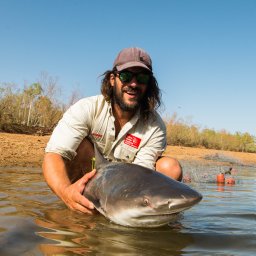 Adrian C. Gleiss合作论文数Institute of Environmental Sustainability, University of Wales6David Rowat合作论文数6
 Nuno Queiroz合作论文数The Laboratory, Marine Biological Association of the United Kingdom6
 Lara L. Sousa合作论文数5
 Heather Marshall合作论文数5Rafael de la Parra合作论文数5
 Alessandro Ponzo合作论文数Large Marine Vertebrates Research Institute Philippines5
 Kathryn Flowers合作论文数Dept Biol Sci, Florida Int Univ5
 Royale S Hardenstine合作论文数Red Sea Global5
 David Sims合作论文数School of Ocean and Earth Science, University of Southampton;Marine Biological Association Lab, University of Southampton5
 Katya G. Abrantes合作论文数james cook university5
 Tristan L Guttridge合作论文数Bimini Biol Field Stn Fdn5Kim Bassos-Hull合作论文数5




