Although sharks are important for marine ecosystems, they still suffer culling campaigns after human fatalities. A case study from the Caribbean shows how the rapid use of several complementary and reproducible forensic techniques not only allowed the confirmation of the species implicated in the bite but also the accurate assessment of the size of the animal. Six non-lethal fishing sessions led to the capture of several shark individuals that were released after either being eliminated due to their unsuitable size or the absence of human remains in their stomach. Such an ecologically responsible risk management can contribute to shark conservation.
Shark sanctuaries can be an effective tool for maintaining relatively high abundances of reef-associated sharks. Legally protecting sharks within a sanctuary, however, may not be sufficient without adequate knowledge of regulation, compliance and/or ownership within the protected area. This may be especially true in large and remote areas. Through 300 interviews on six islands representing a gradient of globalization, we evaluated stakeholder knowledge and perceptions of the world's largest shark sanctuary of French Polynesia. We also captured their knowledge of traditional stories about sharks. Overall, only 26 % of the people interviewed were aware of the specific rules of the sanctuary. There was also little knowledge of ecologic, economic, and cultural value of sharks, including concerning ancestral Traditional Ecological Knowledge. Taken together, these results suggest that the efficacy of the sanctuary might be improved through efforts to better educate stakeholders about the specific goals and protections afforded to sharks by the sanctuary and by connecting the broader population with cultural connections of Polynesians with sharks.
Shark tourism has been rising exponentially over the past decades. This is particularly true for dive operators that make use of artificial provisioning to attract the animals, increasing the likelihood of encounters for participants. However, this practice is often deemed controversial as previous research has pointed out positive as well as negative consequences of such activities which are often highly case-dependent. In this review, we investigate to which extent these anthropogenic-based activities have contributed to different disciplines within shark related science and discuss its potential future role. We demonstrate its scientific contribution especially in the fields of behavior and social dynamics of large shark species, which are usually elusive and difficult to access in the wild. Additionally, touristic shark feeding sites have benefitted the application and testing of novel methods and technologies. Recent research direction shows that one of the greatest benefits might be the regular access to the same individuals over time, allowing a shift from population-based towards individual-based research. This will advance our understanding of inter- and intra-individual differences and its underlying principles as we will be able to dive deeper into shark personalities, social interactions and their mechanisms.
Remote reefs offer insights into natural coral dynamics, influenced by regional environmental factors and climate change fluctuations. Clipperton Atoll is the eastern tropical Pacific’s most isolated reef, where coral reef growth and life strategies have been poorly studied so far. Recognizing the coral species’ growth response might help understand ecological dynamics and the impacts of anthropogenic stressors on coastal reefs. The present study evaluates annual coral growth parameters of the most abundant coral reef-building species, Porites australiensis, Porites arnaudi, Porites lutea, and Porites lobata. The results showed that during 2015–2019, corals exhibited the lowest annual linear extension (0.65 ± 0.29 cm yr−1), skeletal density (1.14 ± 0.32 g cm−3), and calcification rates (0.78 ± 0.44 g cm−2 yr−1) for the genera along the Pacific. Differences in growth patterns among species were observed, with Porites lutea and Porites lobata showing a higher radial extension, developing massive-hemispherical morphologies, and acting as structural stabilizers; meanwhile, P. arnaudi and P. australiensis exhibited more skeletal compaction but also with a high plasticity on their morphologies, contributing to benthic heterogeneity. These differences are particularly important as each species fulfills different ecological functions within the reef, contributing to the ecosystem balance and enhancing the relevance of the massive species in the physical structure of remote reef systems, such as Clipperton Atoll.
Marine wildlife tourism is known to affect target species across multiple spatial and temporal scales, from short-term behavioral responses to changes in relative abundance and habitat use patterns. However, despite a growing number of population-, community-, and group-level studies, a limited number of them have focused their research on individual responses to wildlife tourism, particularly on free-ranging cetaceans. Between 2018 and 2020, we investigated the behavioral responses of 20 non-provisioned bottlenose dolphins (Tursiops truncatus) to recreational scuba divers in Rangiroa Atoll, French Polynesia, to understand whether these individuals that had been repeatedly exposed to scuba diving tourism on at least one year exhibited temperament traits along the ‘shyness-boldness’ axis. We also considered potential variation in boldness in relation to sex, age, and tourist-site fidelity. The study documented individual differences in the dolphins’ boldness. There was no variation in boldness according to sex and tourist-site fidelity, but age significantly influenced the dolphins’ boldness with immature dolphins being bolder than mature individuals. The more extreme case of boldness involved four dolphins that tolerated repeated physical interactions with scuba divers. In Rangiroa, scuba diving tourism promotes repeated intrusive interactions with dolphins that might make bold individuals particularly vulnerable to collateral threats associated with human activities. It is therefore crucial to consider individual variation in the dolphins’ behavioral responses to tourism to implement optimal tourism management measures. We suggest in the discussion recommendations to help minimize the risks for both the dolphins and humans associated with repeated close interactions.
Many shark populations are in decline around the world, with severe ecological and economic consequences. Fisheries management and marine protected areas (MPAs) have both been heralded as solutions. However, the effectiveness of MPAs alone is questionable, particularly for globally threatened sharks and rays (‘elasmobranchs’), with little known about how fisheries management and MPAs interact to conserve these species. Here we use a dedicated global survey of coral reef elasmobranchs to assess 66 fully protected areas embedded within a range of fisheries management regimes across 36 countries. We show that conservation benefits were primarily for reef-associated sharks, which were twice as abundant in fully protected areas compared with areas open to fishing. Conservation benefits were greatest in large protected areas that incorporate distinct reefs. However, the same benefits were not evident for rays or wide-ranging sharks that are both economically and ecologically important while also threatened with extinction. We show that conservation benefits from fully protected areas are close to doubled when embedded within areas of effective fisheries management, highlighting the importance of a mixed management approach of both effective fisheries management and well-designed fully protected areas to conserve tropical elasmobranch assemblages globally. A survey of sharks and rays on coral reefs within 66 marine protected areas across 36 countries showcases that the conservation benefits of full MPA protection to sharks almost double when accompanied by effective fisheries management.
Context Strandings are an important source of information for estimating marine mammal biodiversity, particularly in data-sparse ocean basins such as Oceania.Aims Here, we report on knowledge acquired from 218 stranding events recorded in the waters of New Caledonia (1877–2022).Methods We investigated spatio-temporal distribution, stable isotope signatures, trace element concentrations, biometry measurements, genetic diversity, and diet, for the four most commonly stranded taxa (dugongs, 35% of events; sperm whales, 19%; Delphinidae, 18%; pygmy and dwarf sperm whales, 14%).Key results Beginning in 1991, reports of stranding events increased (183 events, 322 individuals, 20 species from seven families: Dugongidae, Physeteridae, Delphinidae, Kogiidae, Ziphiidae, Balaenopteridae, Otariidae), with hotspots identified on the west coast (Bourail, Ouano, Nouméa) and in Prony Bay. Causes of death were not determined in 84% of stranding events, but were identified in the majority of expert-led necropsies (24 of 29 individuals from 10 species). Yet, valuable information regarding the impact of anthropogenic activities was gathered for some species of concern, such as the endangered dugong (28% human-caused). Since 2016, training and outreach have been provided to rangers, veterinarians, and various public safety officers to support their engagement in the scientific monitoring of marine mammal strandings. A website (www.rescue.ird.nc) was developed to facilitate standardised data collection and storage, and to provide public access to stranding records.Conclusion Although the number of individuals reported here remains modest, this study provides new information on poorly documented species in New Caledonia.Implications Long-term monitoring of strandings can help design effective conservation measures.
It is widely accepted that populations of terrestrial predators sometimes contain "problem individuals" that repeatedly attack humans, yet this phenomenon has never been demonstrated in sharks. Here, we present photographic and genetic evidence of individuals in populations of tiger Galeocerdo cuvier and oceanic whitetip Carcharhinus longimanus sharks that (1) demonstrated atypical behavior compared to the rest of the population, (2) engaged in repeated agonistic behavior directed toward humans, and (3) bit, or attempted to bite humans in probable foraging attempts. These case studies provide some of the first evidence for the existence of "problem individuals" among sharks. The percentage of fatalities due to the same shark individual are not known, so we recommend systematic swabbing of shark bite victims wounds to better understand the importance of this phenomenon and the possibility of identifying these animals. Environmentally conscientious management options for problem individuals range from prohibiting ocean activities (e.g., swimming and surfing) in their habitats to selectively removing the individual, although the latter would be challenging in the marine environment.
The aim of this study was to investigate the impact of breath-hold diving strategies regarding loss of consciousness (LOC). Three international competitions were examined through video in constant weight diving with (CWT) or without (CNF) fins. We analysed three breath-hold parameters (time, speed, and movements count) for the following phases: active descent, passive descent, turning, and ascent. Divers who had LOC during CNF were slower in the active descent phase, faster in the passive descent phase with a longer turn, and slower in the ascent phase than divers who did not have LOC. They also had lower amplitude and higher frequency. Men were deeper (72.9 m vs. 56.3 m) for a longer dive time (181.1 s vs. 154.6 s), faster, with a greater amplitude than women. In CWT, divers with an LOC had longer dive times (197 s vs. 167 s) with a faster active descent phase. Men had lower amplitude and greater frequency than women. This is the first study showing that breath-hold divers undergoing an LOC event shown differences in efficiency during CWT and CNF regarding velocities, amplitudes, and frequencies. In conclusion, our results suggest that the speed parameter during active descent phase influence the LOC.
Populations of sharks, including those inhabiting coral reefs, have experienced dramatic global declines. Setting appropriate targets for restoring reef shark populations requires estimates of expected relative abundances in the absence of intense fishing. It is therefore important to identify factors that drive the carrying capacity of sharks in relatively intact reef systems and to determine whether expected shark abundance varies according to easy to assess variables. These variables could then be used by managers for setting restoration targets, or prioritizing resource allocation, for particular areas in the absence of detailed data. French Polynesia, the world’s largest shark sanctuary, provides a model system for addressing this question. We used baited remote underwater video surveys to assess relative abundance of sharks on 35 reefs across the broad geographic range of French Polynesia. Boosted regression tree models revealed that relative abundance of sharks varied significantly with island geomorphology. Overall, relative shark abundances at high islands were nearly 3 times lower than on atolls, and among atoll geomorphology types, open atolls had abundances nearly 20% higher than closed atolls. Island group, temperature, and net primary productivity had more limited effects. Human pressure (measured as market gravity) was not a significant factor. Although species-specific patterns varied, our findings suggest that environmental factors, particularly island geomorphology, should be taken into account when setting shark abundance recovery targets. Using this easy to assess factor can facilitate the allocation of conservation effort and improve assessments of species recovery efforts for islands in the Indo-Pacific region.
Intra-population heterogeneity in the behavioural response of predators to changes in prey availability caused by human activities can have major evolutionary implications. Among these activities, fisheries, while extracting resources, also provide new feeding opportunities for marine top predators. However, heterogeneity in the extent to which individuals have responded to these opportunities within populations is poorly understood. Here, we used 18 years of photo-identification data paired with statistical models to assess variation in the way killer whale social units within a subantarctic population (Crozet Islands) interact with fisheries to feed on fish caught on fishing gear (i.e., depredation behaviour). Our results indicate large heterogeneity in both the spatial and temporal extents of depredation across social units. While some frequently depredated on fishery catches over large areas, others sporadically did so and in small areas consistently over the years. These findings suggest that killer whale social units are exposed to varying levels of impacts of depredation, both negative (potential retaliation from fishers) and positive (food provisioning), on their life history traits, and may explain the contrasted demographic patterns observed within the declining population at Crozet but also potentially within the many other killer whale populations documented depredating on fisheries catches worldwide.
Marine megafauna feeding on fishery catches (depredation) or being incidentally caught on fishing gear (bycatch) have become important issues. Their socioeconomic and conservation stakes have been increasingly studied across the world fisheries. They remain understudied in the Pacific Ocean, where longline tuna fisheries reported such interactions. In this study, we provide the first assessment of bycatch and depredation by sharks and odontocetes on longlines in French Polynesia between 2000 and 2018, using data from observers reporting, captains’ logbooks, questionnaires and additional monitoring by authors during three fishing trip. We found that less than 2% of the catch had been depredated, and that shark depredation was more common than odontocete depredation. Shark bycatch was important (20,000 sharks annually, 0.5 shark every 1000 hooks) and odontocete bycatch seemed low (13 occurrences in 18 years), though we identified clear reporting flaws. We discuss the range of uncertainty associated with our assessment, based on the current reporting systems, and the potential consequences of depredation and bycatch on tuna fisheries, as well as on shark and odontocete populations in French Polynesia.
There is growing evidence of the important role learning plays in shark foraging, but few studies have examined the relationship between learning and foraging behavior in free-living settings. We addressed this knowledge gap by experimentally contrasting responses of blacktip reef Carcharhinus melanopterus and sicklefin lemon Negaprion acutidens sharks to an olfactory-only feeding stimulus-baited remote underwater video stations (BRUVS)-that was either spatially randomized (as a control) or offered repeatedly at the same location in the lagoon of Tetiaroa, French Polynesia. Relative to their response to the randomized BRUVS, blacktip reef sharks appeared to sensitize to the repeated treatment, exhibiting increasing relative abundance upon introduction of the cue (maximum number of individuals of a species observed on any frame of a video [MaxN] at deployment) and decreasing arrival times as the experiment progressed. By contrast, sicklefin lemon shark responses were either consistent across control and treatment BRUVS over time or suggested habituation (as evidenced by declining MaxN in response to the spatially repeated exposure). Accordingly, our findings advance our understanding of shark cognition by highlighting that sensitized learning responses to stable feeding cues can develop even when the olfactory attractant is not accompanied by a reward, while also indicating that shark responses to these cues can be species-specific. They also suggest that, for at least some shark species, olfactory cues alone could lead to learned responses that confound non-invasive efforts to monitor shark populations and communities (e.g. with BRUVS) and drive spatial behavior with the potential to affect both ecotourism and negative human-shark interactions.
The effects of the COVID-19 lockdown on wildlife aggression toward humans have received little attention. Records from French Polynesia show that the annual average of about five shark bites on humans from 2009 to 2019 increased significantly to 15 in 2020, despite the virtual absence of humans from the marine environment during a six-week curfew in April-May 2020. Bites then returned to baseline levels in 2021 (N = 4), 2022 (N = 5), and 2023 (N = 2). Most bites in 2020 occurred just after the lockdown and were attributed to gray reef sharks, Carcharhinus amblyrhynchos, displaying territoriality rather than self-defense or predatory behaviours. This temporary increase in shark bites suggests that natural territorial behavior, typically suppressed by continued human presence, reemerged during the Anthropause, providing new insights into shark risks for ocean users and the management of human-predator interactions.
Elevated sea surface temperatures are causing an increase in coral bleaching events worldwide, and represent an existential threat to coral reefs. Early studies of Mesophotic Coral Ecosystems (MCEs) highlighted their potential as thermal refuges for shallow-water coral species in the face of predicted 21(st) century warming. However, recent genetic evidence implies that limited ecological connectivity between shallow- and deep-water coral communities inhibits their effectiveness as refugia; instead MCEs host distinct endemic communities that are ecologically significant in and of themselves. In either scenario, understanding the response of MCEs to climate change is critical given their ecological significance and widespread global distribution. Such an understanding has so far eluded the community, however, because of the challenges associated with long-term field monitoring, the stochastic nature of climatic events that drive bleaching, and the paucity of deep-water observations. Here we document the first observed cold-water bleaching of a mesophotic coral reef at Clipperton Atoll, a remote Eastern Tropical Pacific (ETP) atoll with high coral cover and a well-developed MCE. The severe bleaching (>70 % partially or fully bleached coral cover at 32 m depth) was driven by an anomalously shallow thermocline, and highlights a significant and previously unreported challenge for MCEs. Prompted by these observations, we compiled published cold-water bleaching events for the ETP, and demonstrate that the timing of past cold-water bleaching events in the ETP coincides with decadal oscillations in mean zonal wind strength and thermocline depth. The latter observation suggests any future intensification of easterly winds in the Pacific could be a significant concern for its MCEs. Our observations, in combination with recent reports of warm-water bleaching of Red Sea and Indian Ocean MCEs, highlight that 21(st) century MCEs in the Eastern Pacific face a two-pronged challenge: warm-water bleaching from above, and cold-water bleaching from below.
Identifying the species of shark responsible for a bite on humans is both complex and important for understanding and managing the shark risk. Depending on the species, tiny teeth may or may not be present in the symphyseal space at the junction of the upper and lower half-jaws. In the case of bites, these tiny teeth (if present) often leave specific marks that may enable species to be quickly and reliably distinguished. We first present the anatomo-morphological characteristics of the jaws of the three most traumatogenic species for humans which are the white, tiger, and bull sharks. The white shark has no symphyseal teeth, while the tiger and bull sharks do. On the basis of three confirmed real case studies involving those species, we then show that for the white shark, the wide symphyseal space between the first two teeth of each jaw usually leads to wounds including the presence of (quite) large flesh flaps, without any tooth imprint. Conversely, wounds following bites made by the tiger and bull sharks will generally leave characteristic small imprints of symphyseal teeth, especially in the case of incomplete or superficial bites. Although not systematic, this diagnostic approach provides fast, reliable, and clean results. The discrimination between two species with symphyseal teeth can then be made on the basis of complementary anatomic information such as jaw curvature and details linked to the anatomy of the teeth themselves, as well as the ecological context.
This study aimed to determine a typical profile of elite breath-hold divers (BHDs), in relation to loss of consciousness (LOC) and episodic memory. Forty-four BHDs were evaluated during a world championship with anthropometric and physiological measurements, psychosociological factors and memory assessment. Seventy-five percent of the BHDs had at least one LOC with the predominance being men (p < 0.05). Thirty six percent of BHDs presented a low-risk profile and 64% a high-risk profile with no particular psychological pattern. Stepwise multiple linear regression showed that body fat, years of BH practice, age and forced vital capacity explained a significant amount of the variance of LOC for all BHDs (F(4,39) = 16.03, p < 0.001, R-2 = 0.622, R-Adjusted(2) = 0.583). No correlation was found between resting physiological parameters and their training or depth performances. In conclusion, anthropometric data, pulmonary factors and breath-holding experience were predictive of LOC in elite BHDs, with men taking more risks. BHDs episodic memory was not impaired.
Shark conservation can be achieved through a combination of spatial protections, traditional fisheries regulations, and shark-based tourism development. The effectiveness of these approaches depends on stakeholder perception of the animals, and on the personal impacts legislation will have. We assessed stakeholder attitudes towards sharks in the French Polynesia sanctuary using the perception of (i) the risk that sharks pose to humans and (ii) the practice of shark feeding to support ecotourism. Despite few bites locally, about 50% of the people believed that sharks are potentially dangerous. Furthermore, 74% of people held a negative opinion about provisioning as potentially increasing the risk of bites or having negative effects on sharks. When crossed with the lack of compliance with the regulations of the sanctuary and the feeding, these results suggest the importance of local political decision-making to better integrate validated scientific data. These results could improve shark conservation and support for current efforts.
Although many animal species demonstrate individual personalities, studying these traits in wild sharks has proven challenging. Past research focused mainly on captive or juvenile sharks. Our ethological study of 31 wild adult bull sharks ( Carcharhinus leucas ) utilized an artificial provisioning site, amassing 2813 observations over 651 dives from October 2015 to January 2018 (27 months). Behavioural traits, including boldness-shyness and aggressiveness-placidity, were assessed using an ad hoc ethogram and an influencing factors table. This innovative approach not only allowed us to characterize individual shark behaviours but also to quantify their changes over time. Our findings suggest that adult bull sharks likely possess distinct personalities, spanning from extreme shyness to pronounced boldness, with varying levels of plasticity among individuals. Further exploration of shark personalities holds promise for advancing our comprehension of human–shark interactions and refining the management of potential aggressive behaviours exhibited by large shark species toward humans.
Recent studies suggest sharks cognitive abilities are comparable to other vertebrates such as mammals and birds, but we still know relatively little about the long-term memory capacity of sharks. We took advantage of the COVID-19 anthropause to determine whether bull sharks conditioned at a provisioning ecotourism site in Fiji would remember the site after an 18-month hiatus in shark feeding activities. We hypothesized that if bull sharks remembered the food rewards associated with divers at the site, they would return to the reactivated site more rapidly than the original recruitment process that occurred when the site was first established in, 2015. We assumed that original recruitment to the newly established site represent a period of learning and conditioning, whereas a significantly faster recolonization of the site would imply memory recall of the original conditioning. We monitored bull shark abundance at the site for three years (1018 dives) from its original establishment in 2015 until all feeding and diving activities were ceased for 18 months in December, 2020. When shark feeding resumed, we documented bull sharks returning to the site over a three-week period (45 dives beginning June 22, 2022) and compared observed abundances with modelled predictions assuming no interruption to provisioning. Results revealed a rapid return to ‘business as usual’, suggesting that bull sharks still remembered the food reward conditioning despite an 18-month hiatus in provisioning. This supports the existence of long-lasting cognitive capacities in this species and highlights their relevance for managing activities that could disrupt their natural ecology.
 Serge Planes合作论文数École Pratique des Hautes Études;Centre de Biologie et d'Ecologie Tropicale et Méditerranéenne, Université de Perpignan24
 Johann Mourier合作论文数LabEx “CORAIL” — USR 3278 CNRS-EPHE-UPVD, Centre de Recherche Insulaire et Observatoire de l'Environnement (CRIOBE), BP 1013 — 98 729, Papetoai, Moorea, French Polynesia18
 Carl G. Meyer合作论文数11
 Bond Mark E合作论文数School of Marine and Atmospheric Sciences, SUNY Stony Brook10
 Clementine Seguigne合作论文数9
 Braun Camrin D合作论文数Joint Program in Oceanography/Applied Ocean Science and Engineering, Massachusetts Institute of Technology-Woods Hole Oceanographic Institution9
 Mark G. Meekan合作论文数Australian Institute of Marine Science9
 Simon Thorrold合作论文数Woods Hole Oceanographic Institution8
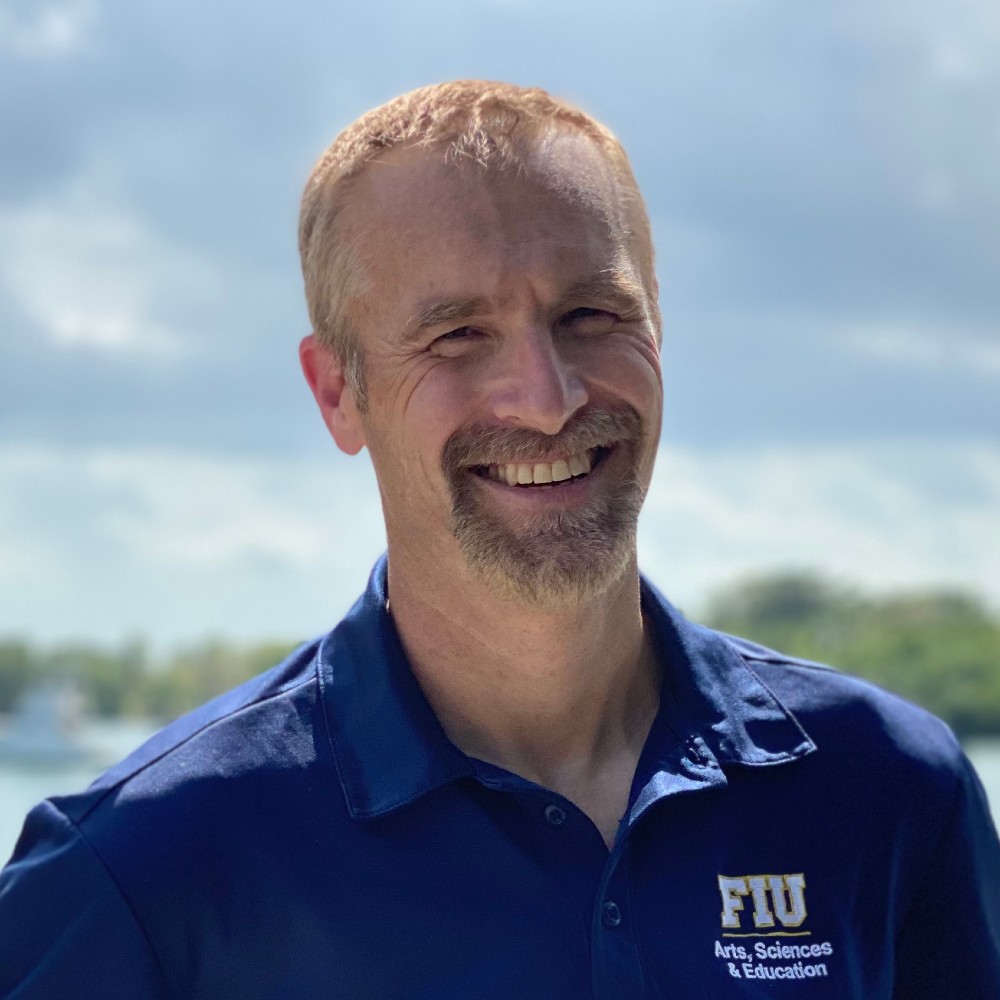 Michael Heithaus合作论文数Department of Biological Sciences, College of Arts, Sciences & Education, Florida International University8Pascal Nicolas合作论文数8
 Michael L. Berumen合作论文数ARC Centre of Excellence for Coral Reef Studies Townsville, James Cook University of North Queensland8
 Demian Chapman合作论文数Guy Harvey Research Institute and Oceanographic Center, Nova Southeastern University8Nicolas Buray合作论文数7
 Edgar Mauricio Hoyos Padilla合作论文数7Cochran Jesse E M合作论文数Red Sea Research Center, King Abdullah University of Science and Technology7
 Thomas Vignaud合作论文数7
 Melita Samoilys合作论文数CORDIO East Africa7
 Yannis P. Papastamatiou合作论文数Department of Zoology;University of Hawaii at Manoa;Department of Zoology, University of Hawaii at Manoa7
 Angelique Brathwaite合作论文数6
 David Sims合作论文数School of Ocean and Earth Science, University of Southampton;Marine Biological Association Lab, University of Southampton6
 Carlos M. Duarte合作论文数Biological and Environmental Science and Engineering Division, King Abdullah University of Science and Technology6
 Graeme Hays合作论文数School of Life and Environmental Sciences, Faculty of Science Engineering and Built Environment, Deakin University;Centre for Marine Science, Deakin University6
 Neil Hammerschlag合作论文数Rosenstiel School of Marine and Atmospheric Science;University of Miami;Rosenstiel School of Marine and Atmospheric Science, University of Miami6
 Mahmood S. Shivji合作论文数Guy Harvey Research Institute and Oceanographic Center;Nova Southeastern University;Guy Harvey Research Institute and Oceanographic Center, Nova Southeastern University6
 Victor M. Eguiluz合作论文数Department of Complex Systems, Instituto de Fisica Interdisciplinar y Sistemas Complejos6
 Tristan L Guttridge合作论文数Bimini Biol Field Stn Fdn6
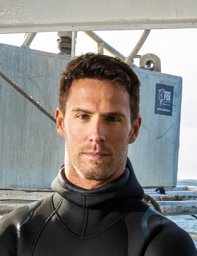 Charlie Huveneers合作论文数Graduate School of the Environment;Macquarie University;Graduate School of the Environment, Macquarie University6Robert E. Hueter合作论文数6
 Nuno Queiroz合作论文数The Laboratory, Marine Biological Association of the United Kingdom6
 Pamela Carzon合作论文数5
 Luciana C. Ferreira合作论文数Australian Institute of Marine Science, University of Western Australia5
 Cesar Penaherrera合作论文数MigraMar5
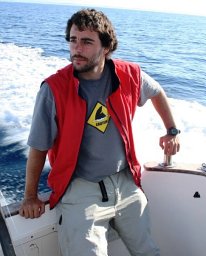 Gonzalo Mucientes合作论文数Blue Ecol Assoc, Vigo, Spain5
 Chris Fischer合作论文数5Alexander Filous合作论文数5
 Robert James Lennox合作论文数Lab Freshwater Ecol & Inland Fisheries, NORCE Norwegian Res Ctr5
 Austin J Gallagher合作论文数Leonard & Jayne Abess Ctr Ecosyst Sci & Policy, Univ Miami5Thums Michele合作论文数Australian Institute of Marine Science5
 Daly Ryan合作论文数Department of Zoology &Entomology, Rhodes University;Port Elizabeth Museum at Bayworld;Department of Zoology & Entomology, Rhodes University5
 Ana M M Sequeira合作论文数The Environment Institute and School of Earth and Environmental Sciences, The University of Adelaide5
 Brooks Edward J合作论文数5
 Bonnie J Holmes合作论文数5
 Alex Hearn合作论文数University of California , Davis5
 Pierre Legendre合作论文数Département de Sciences Biologiques, Faculté des Arts et des Sciences, Université de Montréal5
 Eduardo Espinoza合作论文数5
 Randall Arauz合作论文数Programa Restauración de Tortugas Marinas5
 James T Ketchum合作论文数5
 Jeremy J. Kiszka合作论文数National de la Chasse;Direction de l'Agriculture et de la Forêt;National de la Chasse, Direction de l'Agriculture et de la Forêt5
 Nigel E. Hussey合作论文数university of windsor5




