PURPOSE:Up to 87% of individuals with myelomeningocele (MMC) develop shunt-dependent hydrocephalus, and ventriculoperitoneal shunts (VPS) significantly increase lifetime morbidity. This study aimed to identify risk factors, incidence, and timing of VPS placement to improve outcomes and guide family counseling. METHODS:A retrospective review of 125 patients who underwent postnatal MMC closure at Children's National Hospital between 1998 and 2022 was conducted. Primary outcomes were VPS placement and age at insertion. VPS and shunt-free cohorts were compared using Mann-Whitney U, Welch's t-test, and Fisher's exact test (α = 0.05). Subanalysis examined patients shunted within 2 weeks versus 2 weeks-2 months. Youden's index determined optimal cutoffs for hydrocephalus (HCP) and frontal-occipital horn ratio (FOHR). RESULTS:Sixty-nine percent of MMC patients received VPS. Among shunted patients, 16% received VPS at closure, 61% within 2 weeks, and 94% within 2 months; no shunts were placed after 1 year. Mean follow-up was 10.7 years. Higher FOHR (p < 0.0001) and HCP (p = 0.01) at birth predicted VPS placement, though only FOHR predicted earlier insertion (0.55 vs 0.48; p = 0.0003). Optimal predictive thresholds were FOHR > 0.48 and HCP > 50%. CONCLUSION:In this cohort, 69% of MMC patients developed shunt-dependent hydrocephalus. Elevated FOHR at birth predicted earlier VPS placement, and FOHR > 0.48 and HCP > 50% were predictive of VPS need. These measures may aid in family counseling and early identification of patients requiring shunting.
ObjectiveTo investigate the impact of sociodemographic factors on the surgical management and outcomes of patients with non-syndromic craniosynostosis, with a focus on delays in diagnosis and intervention.DesignRetrospective cohort study.SettingTertiary pediatric hospital.PatientsThree hundred seventy-three non-syndromic patients who underwent primary craniosynostosis surgery between 2013 and 2023.Main Outcome MeasuresPrimary outcomes included age at first specialty appointment, age at diagnosis, age at surgery, and type of surgery (CVR, open cranial vault remodeling; or ES + HT, endoscopic suturectomy + helmet therapy). Secondary outcomes included postoperative complications, need for additional craniofacial procedures, and length of hospital stay.ResultsPatients undergoing CVR were older at the time of specialty appointments (median 6.6 vs. 1.9 months, P < 0.001), diagnosis (median 8.1 vs. 2.1 months, P < 0.001), and surgery (median 11.3 vs. 2.9 months, P < 0.001) compared to those undergoing ES + HT. When controlling procedure type and sociodemographic variables, private insurance was a predictor of earlier diagnosis (β=-3.06, 95% CI [-5.97, -0.16], P = 0.039) and earlier surgical intervention (β=-3.55, 95% CI [-6.67, -0.42], P = 0.026). Independent predictors of longer hospital stay included Hispanic ethnicity (β=0.45, 95% CI [0.03, 0.87], P = 0.035) and higher national Area Deprivation Index (ADI) score (β=0.014, 95% CI [0.008, 0.021], P < 0.001). After multivariable adjustment, complication rates and the need for additional craniofacial procedures did not differ significantly between ES + HT and CVR.ConclusionPatients with public insurance were more likely to experience a delay in diagnosis and, consequently, underwent a more invasive CVR procedure than privately insured patients. Hispanic ethnicity and higher ADI were associated with longer hospitalizations.
ObjectiveCraniosynostosis, the premature fusion of cranial sutures, affects 5.2 cases per 10,000 live births and can result in impaired neurodevelopment if not treated early, often necessitating surgery. The absence of efficient screening tools for pediatricians during routine visits contributes to unnecessary referrals, treatment delays, and increased healthcare costs. Through machine learning (ML)-based identification of single-suture craniosynostosis and the affected suture, we aim to assist pediatric providers in the early differentiation of synostotic and nonsynostotic cranial conditions using head volume analysis.Design/MethodsHead volumes were collected via photogrammetry or CT. Volumes represented as 3D points were augmented to address data imbalance, and statistical shape modeling was used alongside Principal Component Analysis and an XGBoost ML model to predict head shapes. Three models were trained and evaluated using 10-fold cross-validation: Model-1 identifying synostosis from nonsynostotic shapes, Model-2 identifying the synostotic suture, Model-3 classifying across synostotic and nonsynostotic head shapes.ParticipantsFive hundred seventy-one subjects (158 normal, 281 deformational plagiocephaly/brachycephaly, 132 single-suture craniosynostosis-including metopic, sagittal, coronal, and lambdoid).ResultsModel-1 identified craniosynostosis from nonsynostotic deformities and healthy controls with an average accuracy of 97.8 ± 1.8%, sensitivity of 98.1 ± 2.3%, and specificity of 96.9 ± 1.1%. Model-2 performed with an average sensitivity of 86.1 ± 12.3% and a specificity of 96.8 ± 2.7%. Model-3 had average sensitivity of 76.8 ± 15.9% and specificity of 97.8 ± 1.7%ConclusionWe developed and evaluated an ML approach that reliably differentiates between synostotic and nonsynostotic head shapes, and distinguishes between types of synostotic sutures, including metopic, sagittal, coronal, and lambdoid.
The optimal timing for surgical intervention in single-suture craniosynostosis (SSC) remains debated, despite advances in minimally invasive and open reconstructive approaches. This work integrates Children’s National Medical Center (CNMC) institutional data with current literature to clarify age-related outcomes and guide timing recommendations. Published series from CMNC were analyzed and outcomes included perioperative morbidity, morphometric correction, intracranial pressure, and revision rates. Findings were contextualized with recent systematic reviews and multicenter data. Early endoscopic repair (≤ 4 months) yielded superior morphometric gains, lower blood loss, and shorter hospital stays. O’Brien et al. demonstrated a 2–4-month “sweet spot” for sagittal synostosis1, while Lajthia et al. confirmed excellent outcomes for metopic deformities in the same age range2. Open reconstruction at 9–12 months achieved durable aesthetic correction with low complication rates3. Delayed presentations were associated with elevated intracranial pressure but benefited from surgical decompression4. Meta-analyses corroborate these trends. CNMC’s experience and global evidence converge on an early-infancy window (2–4 months) as optimal for endoscopic repair. Open cranial vault reconstruction remains effective for older infants or complex anatomy. Surgical timing should balance biological potential, institutional resources, and neurodevelopmental opportunity.
BACKGROUND:In children with Chiari type I malformation and syringomyelia, neurosurgical posterior fossa decompression (PFD) provides clinical improvement, but whether duraplasty (incising the dura and placing a dural graft) improves outcomes is unclear. METHODS:We conducted a multicenter, cluster-randomized, controlled trial of PFD with duraplasty (PFD-D) as compared with PFD alone. Persons 21 years of age or younger with cerebellar tonsillar ectopia of at least 5 mm and a maximum syrinx diameter of 3.0 to 9.9 mm were enrolled at 38 centers. Centers were cluster-randomized: all the participants within each center underwent the same intervention. The primary outcome was surgical complications within 6 months. Secondary outcomes were clinical improvement, syrinx reduction, and repeat decompression at 10 to 24 months and the change in overall health-related quality of life at 6 to 24 months. RESULTS:A total of 162 participants were included in the trial, of whom 78 were assigned to undergo PFD-D and 84 to undergo PFD alone. The percentage of participants with complications within 6 months was 14% with PFD-D and 6% with PFD (adjusted odds ratio, 2.59; 95% confidence interval [CI], 0.86 to 7.84; P = 0.11). At 24 months, the percentage of participants with clinical improvement was 58% with PFD-D and 46% with PFD; the mean (±SD) syrinx reduction was 3.08±2.33 mm and 1.22±1.79 mm, respectively; and the percentage of participants with repeat decompression was 3% and 14%. Changes in health-related quality of life were similar in the two groups. CONCLUSIONS:The percentage of participants with surgical complications did not differ significantly between those who underwent PFD-D and and those who underwent PFD alone. Larger trials are needed to determine the relative benefits and risks of these two procedures. (Funded by the Patient-Centered Outcomes Research Institute and others; ClinicalTrials.gov number, NCT02669836.).
The pediatric neurosurgical literature supports the placement of a ventricular access device (VAD) in the premature infant with posthemorrhagic ventricular dilatation as a temporizing measure prior to definitive diversionary shunting. However, there is an absence of data identifying the clinical utility and significance of VADs left in situ at the time of permanent shunt placement. The potential risks of leaving an initial VAD at the time of definitive contralateral cerebral spinal fluid (CSF) diversion and the benefits of a concomitant VAD in these patients with regard to potential life-saving or temporizing aspirations are not well documented. Retrospective cohort review of premature infants (< 37 weeks gestational age) treated for PHH at a tertiary pediatric neurosurgery center from January 2005 to December 2021. Patients were grouped by whether a previously placed VAD was retained during permanent shunt insertion. Outcomes measured: number and outcome of VAD taps, shunt revisions, shunt infections. Statistical comparison between the two groups; p < 0.05 considered significant. Seventy-two premature patients (gestational age < 37 weeks) were identified. This cohort included 40 (55.55
OBJECTIVE:Intrathecal baclofen (ITB) pumps (ITBPs) are commonly used to provide symptomatic relief and facilitate patient care for children with spasticity. Unfortunately, patients are at long-term risk for device-related infections. Removal of infected pumps can require complicated, prolonged hospital stays for systematic reduction of preexisting high doses of ITB. The management strategy for ITBP infections has not been clearly defined. In this study, the authors sought to determine whether immediate reimplantation after wound washout is a viable strategy when managing ITBP infections rather than the more standard-of-care approach of removal and delayed reimplantation. METHODS:A retrospective review was performed for patients who underwent ITBP placement at Children's National Hospital from 1999 to 2023 (24 years) with subsequent infection requiring removal and reimplantation. Demographics, timing of reimplantation, and outcomes were collected. Statistical analysis was performed with unpaired t-tests. RESULTS:Over 24 years, 356 baclofen pump implantation surgeries were performed with an overall infection rate of 9.8%. Seven patients underwent ITBP removal and delayed reimplantation, and 16 underwent washout with immediate reimplantation followed by extended intravenous antibiotic therapy. There was a statistically significant decrease/wean in ITB dose prior to surgery in the delayed group compared with the immediate reimplantation group (dose decreased by a mean of 209.1 vs 15.6 μg/day, p = 0.01) with a resultant increase in preoperative length of stay for baclofen weaning (2.57 vs 1.19 days), overall hospital stay (mean 13.14 vs 7.63 days), and postoperative baclofen withdrawal (42.9% vs 6.3%, p = 0.03). There was a significantly increased risk of reinfection in the immediate reimplantation cohort (63% vs 14%, p = 0.03). However, 33% of the patients with successful immediate reimplantation were able to maintain their current baclofen dose and did not require a prolonged ICU stay. Eighty percent of patients who experienced reinfection after immediate reimplantation chose final removal, while 86% of patients who underwent delayed reimplantation still have an existing ITBP. CONCLUSIONS:There is a lower risk of reinfection with removal and delayed reimplantation of ITBPs, and more patients in this cohort ultimately maintained their device. However, for patients on high ITB doses, immediate reimplantation in select cases may help to shorten hospital stays and prevent dangerous baclofen withdrawals and is successful for long-term pump utilization (without infection) one-third of the time.
Tethered cord release (TCR) is typically well tolerated in children, but cerebrospinal fluid (CSF) leaks can occur postoperatively, with rates as high as 33
Programmable cerebrospinal fluid (CSF) shunt valves permit noninvasive adjustment of opening pressure but remain vulnerable to inadvertent setting changes when exposed to magnetic fields. This study evaluated the incidence, direction, and clinical significance of MRI-associated setting changes across six contemporary programmable valve models at both 1.5-T and 3-T field strengths. All brain MRI scans performed between October 2023 and October 2025 in patients with cranially implanted programmable valves at a single tertiary pediatric center were prospectively documented using a standardized pre- and post-MRI valve-check protocol. Valve type, magnet strength, and setting changes were recorded, and statistical analyses incorporated Fisher’s exact testing and mixed-effects logistic regression to account for repeated scans. A total of 240 MRI examinations were performed in 87 patients. Overall, 64/240 scans (26.7
The impact of generalized hypermobility spectrum disorder (G-HSD) on the management of patients with a Chiari malformation type 1 (CM1) is poorly understood and is subject of continued controversy. The authors present a series of patients with G-HSD to demonstrate clinical course and outcomes of operative management and the importance of differentiating symptoms of a Chiari malformation from the often multiple and varied manifestations of G-HSD. This study was conducted using prospectively collected data from patients evaluated for CM1 at a large tertiary pediatric neurosurgery clinic between April 2010 and September 2022. Patients diagnosed with G-HSD under 21-years of age were included. A total of 43 patients with G-HSD were included in this study of which 30 (69.8
Lipomyelomeningoceles and recurrent tethered cord syndrome (TCS) represent a significant challenge in the management of these complex patients, necessitating an understanding of the risk factors that predict recurrence after initial surgical intervention. Retrospective review was performed on pediatric patients with complex spinal lipomas who underwent tethered cord release by six attending surgeons at a single institution from 1996-2023. Demographics, operative, and long-term outcomes were collected. Lipomas were classified as transitional, dorsal, and caudal subtypes. Simple filum lipomas were excluded. Variables were analyzed for predictors of tethered cord recurrence. 104 patients with complex spinal lipoma underwent an initial tethered cord release. The median age was 6 months (1-284) and 51% were male. 83% of patients were asymptomatic and treated in a prophylactic manner. Lipoma subtype was transitional in 50%, dorsal in 40%, and 10% caudal. Gross or near total resection was achieved in 32% of cases. Intraoperative laser assistance was used in 67%. Average operative time was 167 minutes and estimated blood loss 13 mL. Surgical complications occurred in 12% of cases. Over 85 months (7 years) of mean follow-up (1-228), 17% of patients underwent a repeat operation for recurrent tethered cord syndrome 80 months (8-186) after initial surgery. Risk factors associated with recurrence included transitional subtype (p=0.003), surgical complications (p=0.003) and length of follow-up (p<0.0001). Age at presentation, symptomatic presentation, use of intraoperative laser, and extent of resection were not associated with recurrence risk. Transitional lipomas are more likely to retether over time. Prioritizing the reduction of surgical complications, rather than achieving complete resection, is more effective at reducing recurrence risk. Extended follow-up time in the recurrent cohort underscores the importance of long-term follow-up in these patients.
OBJECTIVE Endoscopic sagittal suturectomy (ESS) is commonly offered for sagittal craniosynostosis in infants, but the optimal timing of surgery remains controversial, with many clinicians only offering ESS surgery before 3 months of age. This study investigated whether patient age predicts craniometric correction and, more specifically, whether patients > 3 months of age at surgery manifest less correction. The effects of age on blood transfusion were also investigated. METHODS A single-center retrospective review identifying patients with sagittal craniosynostosis who underwent ESS between 2009 and 2023 at Children’s National Medical Center was performed. The authors stratified patients by age groups to compare outcomes and transfusion rates. Additionally, receiver operating characteristic (ROC) area under the curve (AUC) analysis was performed to identify optimal age cutoffs. RESULTS In total, 107 patients were included. Stratifying age group by 0–2 months, 2–3 months, and > 3 months revealed that the > 3-month age group was less likely to achieve the target cephalic index (CI) at the final follow-up (48.8% vs 61.5% vs 25.0%, p = 0.031) and had less mean percentage CI change at the 6-month follow-up (17% ± 8% vs 18% ± 8% vs 12% ± 6%, p = 0.011), helmet discontinuation (18% ± 9% vs 18% ± 8% vs 12% ± 6%, p = 0.008), 1-year follow-up (15% ± 9% vs 17% ± 7% vs 10% ± 7%, p = 0.005), and final follow-up (14% ± 9% vs 15% ± 7% vs 8% ± 7%, p = 0.004). There were no differences in outcomes between groups when stratified as 0–2 months versus > 2 months of age. The only difference in outcomes between groups when stratified as 0–3 months versus > 3 months of age was the mean percentage change in CI at helmet removal (18% ± 8% vs 15% ± 7%, p = 0.044). Patients requiring transfusion were likely to be younger (median age 2 vs 3 months, p = 0.028). ROC curve analysis identified an age cut-point of 3.75 months as optimal for achieving the target CI correction at the final follow-up (AUC 0.58) and 2.75 months for transfusion avoidance (AUC 0.65). CONCLUSIONS Patients > 3 months of age may benefit from ESS for sagittal craniosynostosis. Further investigation is warranted to identify the optimal age for surgery and to investigate other variables influencing outcomes.
Reconstruction of cranial defects using autologous calvarial grafts offers long-term advantages over alloplastic alternatives, especially in pediatric patients. However, the effectiveness of this method has been questioned for larger defects. This study evaluates outcomes after cranial reconstructions with fresh autologous calvarial grafts in pediatric patients. Medical records of pediatric patients who underwent cranioplasty with fresh autologous calvarial grafts at our institution over 10 years (2012-2022) were reviewed. The area of the bone defect and degree of postoperative osseus healing was determined clinically or by using 3-dimensional computed tomography (CT) when available. Secondary outcomes, including complications, unanticipated readmissions, and reoperation rates, were assessed. Twenty-seven patients, with a median age of 9.8 years at the time of reconstruction, were included. There were no infections, cerebrospinal fluid leaks, readmissions, or reoperations reported. At a median of 51 months postoperatively, only one patient (3.7%) exhibited a clinically appreciable bone defect. Postoperative CT, obtained at a median of 24 months, was available for thirteen patients (48.1%). These patients had a median bone healing rate of 84.1%. Incomplete bone healing correlated with larger initial defects (median: 24; IQR: 20-40.6 cm2 vs. 260.4; IQR: 198-302 cm2; P=0.002] and a higher number of previous craniofacial procedures (P=0.032). Cranioplasty using fresh autologous bone graft is safe and effective, with a median clinical bone healing rate of 96.3% and radiographic bone healing rate of 84.1%. Patients with a higher number of previous cranial procedures and a larger initial defect size are at higher risk of incomplete bone healing.
Craniosynostosis is a pediatric condition in which one or more cranial sutures fuse prematurely, which may result in characteristic skull shape deformities, facial asymmetry, and can cause increased intracranial pressure, visual impairment, and cognitive deficits. Currently, accurate diagnosis of disease has heavily relied on computed tomography (CT) and magnetic resonance imaging (MRI). These procedures usually have drawbacks such as exposure to ionizing radiation and being expensive and time-consuming, making regularly performing these procedures unlikely. Short-wave infrared (SWIR) imaging has been used as a totally non-invasive technique to realize deeper penetration depths through tissues than visible wavelengths. We have designed a prototype device which utilizes SWIR to penetrate the scalp, so that morphological patterns of the cranial suture fusion can be evaluated by pediatricians in real time and with high resolution. The device was tested using a gelatin-based skin phantom and the 1951 USAF resolution test chart for spatial resolution and skin penetration, with an optical penetration of similar to 2.25 mm and a resolution of 1 mm at 2 mm thickness, using a 940 nm light source. With the incidence of craniosynostosis being estimated to be around 1 in 2100-2500 live births, and early detection of the condition being critical as to allow less invasive treatments, we anticipate that this method can assist pediatricians in evaluating craniosynostosis with higher penetration depth and resolution compared to that of traditional visual examination, facilitating the earlier detection of craniosynostosis.
INTRODUCTION: Diffuse intrinsic pontine glioma (DIPG) is the leading cause of mortality amongst pediatric neuro-oncologic diseases. Sonodynamic therapy with MR-guided focused ultrasound (MRgFUS) is being investigated in multiple clinical trials. METHODS: Twelve patients with DIPG were treated from August 2022-April 2024 as part of a dose-escalation protocol with SDT in a multicenter Phase 1/2 clinical trial (NCT05123534). MRgFUS was combined with the prodrug SONALA-001 (5-ALA iv) to activate its metabolite, protoporphyrin IX, and thereby induce apoptosis within tumor cells. Treatment is delivered every 4 weeks for up to 12 treatments. RESULTS: Patient ages ranged from 3-23 years and 60% were male. Twelve patients underwent a total of 45 SDT treatments (range: 2-9). When enrolled, median tumor volume was 1,337 cm3 (range: 310-2078 cm3) and duration since diagnosis was 5 months. SONALA-001 doses tested were 5 mg/kg and 10 mg/kg. Delivered ultrasonic acoustic energy ranged from 190-444 joules/cm3. After 6 months of median follow-up (range: 2-18), 2 partial responses occurred, and 9 of 12 patients had stable or improved baseline symptoms (Lansky Status), including improved mobility and diplopia. One adverse clinical event included a small non-operative epidural hematoma secondary to a stereotactic frame pin. There have been no grade 3 or worse treatment-related adverse events or dose-limiting toxicities. Ten patients are alive a median of 11 months after diagnosis; 2 have deceased; 4 have discontinued treatment. Maximum percent tumor volume changes throughout treatment ranged from a -68% reduction to over 100% enlargement. CONCLUSIONS: Preliminary analysis of twelve pediatric patients treated with SDT for DIPG demonstrates acceptable safety outcomes and promising clinical results. Additional patient enrollment and longer follow-up times are required to determine efficacy.
Transcranial focused ultrasound (FUS) non-invasively transmits acoustic energy across the skull, resulting in biological effects. Although early studies focused on adult movement disorders, transcranial FUS is now being explored for pediatric patients as well. Here, we review the emerging applications of transcranial FUS in pediatric neurosurgery and explore the unique considerations for this patient population. A scoping review was conducted using PRISMA-ScR guidelines. A total of 20 studies were included. Six clinical investigations reported the outcomes of 22 individual patients, ten of whom underwent thermal ablation of brain tumors or lesions. Eleven patients underwent sonodynamic therapy of brainstem tumors without adverse effects, and one patient underwent blood–brain barrier (BBB) opening prior to the infusion of doxorubicin. Preclinical studies further explored the use of low-intensity FUS to transiently disrupt the BBB and improve the delivery of therapeutic agents to diffuse midline gliomas or medulloblastomas. This review highlights the growing interest in expanding transcranial FUS to pediatric neurosurgical patients. In parallel to ongoing work in the adult neurosurgical community, pediatric neurosurgical applications of this novel technology will continue to expand, but will require conscious and intentional efforts to optimize its use given the unique features of the pediatric population.
Endoscopic sagittal suturectomy (ESS) is commonly indicated for craniosynostois in infants, but optimal timing of surgery remains controversial with many clinicians only offering ESS before 3 months of age. A single center retrospective review of patients with sagittal craniosynostosis that underwent ESS between 2009-2023 at Children’s National Medical Center was performed. Patients were stratified by age to compare outcomes and transfusion rates. Receiver operating curve (ROC) area under the curve (AUC) analysis identified optimal age cutoffs based on outcomes and transfusions. 107 patients were included. Stratifying age by 0-2 months, 2-3 months, and >3 months for analysis reveals the >3 months group was less likely to achieve target cephalic index (CI) at final follow up (48.8% v 61.5% v 25.0%, p = 0.031) and less mean percentage CI change at 6 month follow-up (17 ± 8% v 18 ± 8 % v 12 ± 6%, p = 0.011), at helmet discontinuation (18 ± 9% v 18 ± 8% v 12 ± 6%, p = 0.008), 1 year follow-up (15 ± 9% v 17 ± 7% v 10 ± 7%, p = 0.005), and final follow-up (14 ± 9% v 15 ± 7% v 8 ± 7%, p = 0.004). The only differences in CI outcomes between groups when stratified as 0-3 months versus >3 months is mean percentage change in CI at helmet removal (18 ± 8% versus 15 ± 7%, p = 0.044). The results of the study suggest patients over 3 months of age may still benefit from ESS for correction of isolated sagittal craniosynostosis. Further investigation with larger datasets is warranted to better identify the optimal age for surgical correction, and to investigate other variables influencing craniometric outcomes.
INTRODUCTION:Pineal region tumors have historically been challenging to treat. Advances in surgical techniques have led to significant changes in care and outcomes for these patients, and this is well demonstrated by our single institution's experience over a 17-year-period in which the evolution of diagnosis, treatment, and outcomes of pineal tumors in pediatric patients will be outlined. METHODS:We retrospectively collected data on all pediatric patients with pineal region lesions treated with surgery at Children's National Hospital (CNH) from 2005 to 2021. Variables analyzed included presenting symptoms, presence of hydrocephalus, diagnostic and surgical approach, pathology, and adverse events, among others. IRB approval was obtained (IRB: STUDY00000009), and consent was waived due to minimal risk to patients included. RESULTS:A total of 43 pediatric patients with pineal region tumors were treated during a 17-year period. Most tumors in our series were germinomas (n = 13, 29.5%) followed by pineoblastomas (n = 10, 22.7%). Twenty seven of the 43 patients (62.8%) in our series received a biopsy to establish diagnosis, and 44.4% went on to have surgery for resection. The most common open approach was posterior interhemispheric (PIH, transcallosal) - used for 59.3% of the patients. Gross total resection was achieved in 50%; recurrence occurred in 20.9% and mortality in 11% over a median follow-up of 47 months. Endoscopic third ventriculostomy (ETV) was employed to treat hydrocephalus in 26 of the 38 patients (68.4%) and was significantly more likely to be performed from 2011 to 2021. Most (73%) of the patients who received an ETV also underwent a concurrent endoscopic biopsy. No difference was found in recurrence rate or mortality in patients who underwent resection compared to those who did not, but complications were more frequent with resection. There was disagreement between frozen and final pathology in 18.4% of biopsies. CONCLUSION:This series describes the evolution of surgical approaches and outcomes over a 17-year-period at a single institution. Complication rates were higher with open resection, reinforcing the safety of pursuing endoscopic biopsy as an initial approach. The most significant changes occurred in the preferential use of ETVs over ventriculoperitoneal shunts. Though there has been a significant evolution in our understanding of and treatment for these tumors, in our series, the outcomes for these patients have not significantly changed over that time.
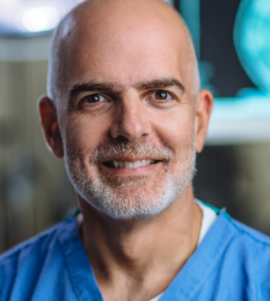 John Socrates Myseros合作论文数Children’s National Hospital72
 Gary F. Rogers合作论文数53Suresh N. Magge合作论文数46Chima Oluigbo合作论文数39
 Roger J. Packer合作论文数Gilbert Family Neurofibromatosis Institute, Children’s National Hospital, University of Pennsylvania;School of Medicine and Health Sciences, George Washington University;University of Virginia37Albert K. Oh合作论文数32
 Syed Rashidul Hasan合作论文数29Chima O. Oluigbo合作论文数26Nirali Patel合作论文数21Boyajian Michael J合作论文数20Deki Tsering合作论文数Childrens Natl Hlth Syst, Div Neurosurg, Washington, DC USA17Yaun Amanda L合作论文数16
 Lindsay Kilburn合作论文数14William D. Gaillard合作论文数14
 Daniel Donoho合作论文数Department of Neurosurgery, Brigham and Women’s Hospital, BTM 4, 60 Fenwood Road, Boston, MA 02115, USA14
 Francesco T. Mangano合作论文数Division of Pediatric Neurosurgery, Cincinnati Children's Hospital Medical Center;Department of Neurosurgery, University of Cincinnati;College of Medicine, University of Cincinnati12
 Mitchel Seruya合作论文数12Matthew D. Smyth合作论文数Epilepsy Research Laboratory, University of California at San Francisco12
 Gerald Arthur Grant合作论文数Department of Neurosurgery, School of Medicine, Stanford University;Department of Neurosurgery, Duke University12
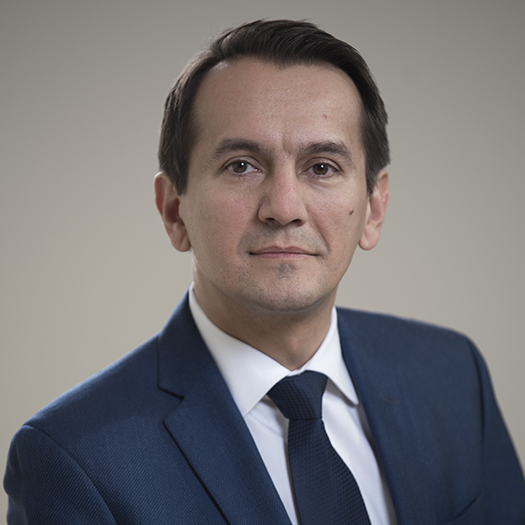 Marius George Linguraru合作论文数Precision Medical Imaging Laboratory, Sheikh Zayed Institute for Pediatric Surgical Innovation, Children's National Hospital;School of Medicine and Health Sciences, George Washington University;PediaMetrix Inc.;National Institutes of Health12
 Antonio R. Porras合作论文数DTIC, Universitat Pompeu Fabra12Kelsi Chesney合作论文数11
 Esperanza Mantilla Rivas合作论文数Division of Plastic and Reconstructive Surgery, 8404Children's National Hospital11
 Nathan R Selden合作论文数Dept Neurol Surg, Oregon Hlth & Sci Univ11Matthew F. Sacino合作论文数10Mark Iantosca合作论文数10Tae Sung Park合作论文数10
 Cormac O. Maher合作论文数Department of Adult Neurosurgery, Stanford University10
 James T. Goodrich (詹姆斯•古德里奇)合作论文数Montefiore Health System10
 Stephanie Greene合作论文数10Durham Susan R合作论文数10
 Strahle Jennifer M合作论文数Department of Neurosurgery, University of Michigan10
 P. David Adelson合作论文数Department of Emergency Medicine, College of Medicine - Tucson, University of Arizona;Children's Neuroscience Institute10
 Chern Joshua J合作论文数10John C. Wellons合作论文数Pediatric Neurosurgery Children’s Hospital10
 Douglas L. Brockmeyer合作论文数Division of Pediatric Neurosurgery, Primary Children's Hospital, University of Utah10
 Tord D Alden合作论文数St. Louis Children's Hospital, Washington University School of Medicine10
 Richard C. E. Anderson合作论文数10John Ragheb合作论文数10Jeffrey R. Leonard合作论文数10
 Brent R O'Neill合作论文数10Daniel E. Couture合作论文数9
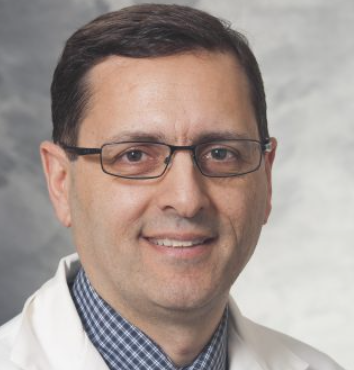 Bermans Iskandar合作论文数Department of Neurological Surgery, School of Medicine and Public Health, University of Wisconsin-Madison9
 Jeffrey P. Greenfield合作论文数Neurological Surgery, Weill Cornell Medicine, Cornell University9
 Hankinson Todd C合作论文数School of Medicine, University of Colorado Anschutz Medical Campus9
 Chevis Shannon合作论文数American Society for Reproductive Medicine9
 Johnston James M合作论文数9Daniels David J合作论文数9
 Richard G. Ellenbogen合作论文数Department of Radiology, University of Washington;Department of Neurological Surgery, School of Medicine, University of Washington;Department of Global Health, University of Washington9




