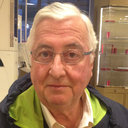
During the 1995 Christmas season, Robert L. Replogle, MD (Fig 1), then The Society of Thoracic Surgeons (STS) Vice President, was on holiday with his family on Grand Cayman Island. The youngest Replogle daughter, a junior in college at the time, was working on a research paper. From the vacation condo, she linked to her college library over the phone for access to the entire library resources. Impressed, Dr Replogle asked his daughter how she did this, and she showed him the "Internet" and the "World Wide Web." He immediately recognized that the possibilities for education would be enormous, particularly for a field like thoracic surgery where the "students" are widely distributed rather than in a lecture hall.
Blood viscosity is dependent on the shear rate at which it is measured. Reversible red cell aggregation is largely a function of fibrinogen-red cell interaction at normal hematocrits. Red cell aggregation is the basis for the anomalous rheological behavior of blood, since a considerable fraction of the shear stress applied to blood flowing at low shear rates is required to break up the aggregates accounting for the greater shear stress required to produce a given shear rate of low magnitude. Erythrocyte sedimentation rate is also a measure of red cell aggregation and has been used as an indicator of the "suspension stability" of blood. The tendency for red cell aggregation is greatest during periods of low flow states and is maximum when the blood is standing still. At
Blood viscosity is dependent on the shear rate at which it is measured. Reversible red cell aggregation is largely a function of fibrinogen-red cell interaction at normal hematocrits. Red cell aggregation is the basis for the anomalous rheological behavior of blood, since a considerable fraction of the shear stress applied to blood flowing at low shear rates is required to break up the aggregates accounting for the greater shear stress required to produce a given shear rate of low magnitude. Erythrocyte sedimentation rate is also a measure of red cell aggregation and has been used as an indicator of the "suspension stability" of blood. The tendency for red cell aggregation is greatest during periods of low flow states and is maximum when the blood is standing still. At
My mother is 102 years old, and in her lifetime air travel, space exploration, effective pharmaceutical treatment of infection, computers, the Internet, nuclear energy, and the complete history of surgical treatment of heart disease have occurred!Cardiac surgery has evolved entirely in this century from the suture of a laceration of the ventricle by Rein-----to the technical tour de force of a double switch operation by Imai.Most of the progress has occurred in the
Objective To determine whether hospital discharge alone represents a good outcome for patients who had prolonged intensive care after cardiac surgery by studying their postdischarge survival and functional outcome. The secondary objective is to estimate the proportion of intensive care unit (ICU) resources used by the long-stay (≥10 initial consecutive ICU days) patients and to identify preoperative patient characteristics that are associated with a prolonged ICU stay and hospital and long-term survival. Design Inception cohort study. Setting The Cleveland Clinic Foundation, a tertiary care, academic teaching institution. Patients Cardiac surgery patients with an initial ICU stay of 10 or more consecutive days. Interventions Data were collected daily during hospitalization on every adult who underwent coronary artery bypass graft and/or valve surgery at one institution in 1993. Discharged patients who spent >10 initial consecutive days in the ICU after surgery were contacted by telephone to determine vital status and functional capacity using the Duke Activity Status Index. Total ICU and total hospital direct costs were obtained for each patient. Measurements and Main Results The primary outcome measurements were ICU length of stay, hospital mortality, after-surgery and postdischarge mortality and functional capacity, and relative resource utilization. Of the 2,618 cardiac surgery patients who met the inclusion criteria, 142 (5.4%) had an initial ICU length of stay of 10 or more consecutive days. Of these, 47 (33.1%) died in the hospital. Ninety-four of the 95 discharged patients were followed up (median follow-up, 30.6 months), and 44 of the 94 (46.8%) died during the follow-up period. The median Duke Activity Status Index for the 50 survivors was 26 out of a possible 58.2. The 142 long-stay patients used 50% of the total ICU days and 48% of the total ICU direct cost for all 2,618 patients. Conclusions Many survivors of prolonged intensive care die soon after hospital discharge and many longer term survivors have a poor functional state. Therefore, hospital discharge is an incomplete measure of outcome for these patients, and longer follow-up is more appropriate. The relatively small number of patients who require prolonged intensive care consumes a disproportionate amount of the total ICU and total hospital direct cost.
Analysis of published reports indicates that ischemic mitral insufficiency is associated with higher operative mortality (10-30%) than is nonischemic mitral valve procedures. Probable incremental risk factors include emergency operation, acute myocardial infarction, hemodynamic instability, poor left ventricular function, pulmonary hypertension, advanced age, and renal failure. Early valve repair or replacement with myocardial revascularization improves survival in patients with circulatory insufficiency due to acute postinfarction mitral regurgitation. Although the technique of repair of nonacute ischemic mitral insufficiency is not standardized, repair with revascularization is preferred. Preliminary data suggest that long-term results are primarily related to the severity of left ventricular dysfunction.
This study was designed to evaluate the feasibility of using laser tissue welding in aortocoronary bypass operation. Simulated aortocoronary bypass operations were performed on 10 dog hearts supported by extracorporeal circulation. Distal anastomoses between internal mammary artery and coronary artery were achieved using the laser technique, which includes four stay sutures of 7-0 polypropylene and tissue welding between the stays by the laser at a power level of 65 mW. Short-term luminal patency was 100% without stenosis by angiography. Microscopy and histology showed that CO2 laser caused medial change resulting in fusion with preservation of normal intimal morphology. The aortocoronary bypass operation using a CO2 laser is technically feasible, and this technique may open up a new method for patients with small peripheral coronary artery obstruction and for pediatric patients with certain conditions (eg, Kawasaki disease).
This study was designed to compare anastomoses performed with a carbon dioxide laser and conventional anastomoses performed with 7-0 polypropylene suture. In each of 80 rabbits, the divided left carotid artery was anastomosed by a continuous suture technique and the right carotid was anastomosed with a carbon dioxide laser. In each of 40 additional rabbits, both end-to-end and end-to-side laser anastomoses were performed on the same carotid artery. The laser technique involved the placement of three stay sutures (end-to-end technique) or four stay sutures (end-to-side technique) of 7-0 polypropylene and an everting laser seal at a power level of 65 mW. The 1-year overall patency rate was 98% (78/80) in laser anastomoses, 79% (63/80) in suture anastomoses, and 95% (38/40) in combined end-to-end and end-to-side laser anastomoses. Microscopic findings in laser anastomoses demonstrated degeneration of collagen and protein in the adventitia and media, but much less intimal injury than in suture anastomoses, with reendothelialization beginning earlier (within 7 days after anastomosis as compared with 2 to 4 weeks). The tissue tensile strength at 1 hour was less in laser anastomoses than in suture anastomoses, but the laser anastomoses still withstood an intraluminal pressure load of 380 mm Hg. Laser anastomosis improved the microscopic and histologic appearance of the intimal layer, allowing for rapid early reendothelialization and resulting in excellent patency rates.
Cardiac failure remains a life-threatening complication for certain patients undergoing intracardiac repair. Despite improvements in surgical techniques, methods of myocardial protection, and postoperative care, patients are frequently at risk to develop postoperative low output syndrome. Approximately 1% of cardiac surgical patients cannot be weaned from extracorporeal circulation in spite of adequate volume loading, the use of inotropic support, and initiation of intraaortic balloon pumping. In these cases, ventricular assist devices (VAD) can mechanically aid the failing heart and reverse the low output state. The concept of mechanical support for the failing left ventricle was first proposed by Clauss et al. in 1961. By 1968, Kantrowitz and associates had developed and refined the first intraaortic balloon pump (IABP). Through the efforts of Moulopolous and others, this device evolved into the present-day intraaortic balloon pump (IABP). Clinical evidence for the efficacy of left ventricular assist devices (LVAD) remained questionable until 1980, when the National Heart, Blood and Lung Institute evaluated short-term LVADs by comparing various types of mechanical aids. This report focused attention primarily on the failing left ventricle (LV). As the use of inotropic support, intraaortic balloon pumping, and LVADs improved, a small group of patients emerged who could not be separated from extracorporeal circulation due to a failing right ventricle. The failing right ventricle emerged as a unique clinical entity similar to postcardiotomy left ventricular failure that also benefited from mechanical cardiac assistance. Current therapy at major centers incorporating mechanical assist devices is based on the premise that the low output state will allow the failing heart to recover from a reversible injury. The frequent occurrence of postcardiotomy ischemia may be due to several factors such as poor myocardial protection, overdistension of the LV, emboli, coronary spasm or technical problems. Whatever the etiology, the end product of cardiac failure is a demand for oxygen consumption that cannot be met, thus leading to cardiac demise.
The effect of 2 to 10 hours of tourniquet ischemia on the microcirculation of the tenuissimus muscle in 29 cats was studied by in vivo microscopy and electron microscopy. After release of the tourniquet there was immediate reperfusion and hyperemia in all muscles. Arterioles of 20 micron increased in diameter by 50% and venules of 35 micron by 30%. If the ischemia had lasted for 8 hours or more, reocclusion of flow occurred after 3 to 55 minutes. Platelet thromboembolism, sticking of leukocytes, and red cell aggregation seem to cause the occlusion.
Cardiac (or myocardial) failure, a major health problem, can be defined using physiologic criteria that consider the adequacy of O2delivery relative to the body's O2 requirements. In clinical terms, cardiac failure may be described in terms of its chronicity or the extent to which signs and symptoms of right- versus left-sided heart failure are dominant. Congestive heart failure is a clinical syndrome that consists of a constellation of signs and symptoms that arise from congested organs and hyppperfused tissues. Acute cardiac failure occurs because of a decrease in myocardial contractility that can be offset by the Frank-Starling mechanism. In chronic cardiac failure dilatation and myocardial hypertrophy serve to restore ventricular function. Other compensatory responses that are invoked include a salt avid kidney, which mediates an expansion of the intravascular space, and the activation of the adrenergic nervous and renin-angiotensin-aldosterone systems and an increase in circulating arginine vasopressin. The management of acute and chronic cardiac failure can be derived from an understanding of the pathophysiologic mechanisms responsible for their appearance and include improving cardiac performance, as well as the distribution of systemic blood flow to tissues based on physiologic priorities and moment to moment variations in O2 requirements.
In this report, 24 patients with partial anomalous pulmonary venous return were reviewed. Six of the eight patients with left-sided drainage were repaired without extracorporeal circulation by anastomosing the left-sided vein to the left atrium. Symptoms resolved in five of the six. Two of the eight were surgically repaired by using extracorporeal circulation, one of whom died in the operating room from complicated associated anomalies. Of the 16 patients with right-sided partial anomalous pulmonary venous return, all were repaired by using extracorporeal circulation and by placing a Dacron or pericardial patch to direct the venous drainage into the left atrium. Eight of these patients were restudied and had post-repair QP/QS of 1.0. Repair of partial anomalous pulmonary venous return can be accomplished with minimal morbidity and a low mortality-both of which are often related to associated anomalies.
Cardiac tamponade is an important complication after cardiac surgery, yet little has been published on the echocardiographic diagnosis of this situation. The two-dimensional echocardiograms of 11 patients who required surgical relief of cardiac tamponade complicating cardiac surgery were therefore reviewed. Four had nonloculated pericardial effusions surrounding both ventricles. The other seven patients had a loculated posterior pericardial effusion; in three of these the effusion altered left ventricular posterior wall contour so that it was concave toward the effusion in the long-axis view; in two, a strikingly abnormal motion of the left ventricular posterior wall was noted, such that the width of the posterior pericardial space diminished in systole and widened abruptly in early diastole. The quantity of pericardial contents (fluid, blood or clot) evacuated surgically was smaller than usually encountered in patients with tamponade due to various "medical" conditions. Thus, unlike tamponade with other pericardial effusions, tamponade after cardiac surgery is due to a pericardial effusion that is smaller in volume, often loculated posteriorly and associated with certain unique two-dimensional echocardiographic features.
Seven patients with congenital heart disease palliated by Fontan surgery (F) underwent cardiac catheterization (CC), treadmill exercise (TE), and pulmonary function (PF) tests. CC revealed absent right atrial-pulmonary pressure gradient, normal pulmonary pressures and mild arterial desaturation (82–93%). LV endiastolic volume (cm3/M2), stroke volume (m1/M2), output (L/m/M2) and ejection fraction pre/post surgery were: 90.6/78.3, 53.1/42.1, 4.94/3.78, and 0.59/0.53, respectively (all p=NS). TE protocol used steady rate (3 mph) and increasing grade (0% through 5, 10, 15, 20, 22.5, 25 and finally 27.5% at 4 mph) up to exhaustion (TE max). Minute ventilation (VE), tidal volume (TV), respiratory rate (RR), oxygen consumption (VO2), blood pressure and heart rate (HR) were measured q 1 min and compared to those of 50 normal (NL) subjects. TE max by F was 20% incline. Althouah VO2, TV and HR were appropriate for exercise level, RR and VE were outside 2 SD of NL at each workload. Values during TE max were lower than those of NL: VO2=69%, TV=85%, HR=83%, RR=81%, VE=85%. PF tests revealed (% of NL): forced vital capacity=82%, peak expiratory flow=104%, forced expiratory volume=85%, pulmonary diffusing capacity=73%. F patients have abnormal PF and exercise capacity despite “good” resting hemodynamics. These may be related to inadequate cardiac function during effort and reduced pulmonary perfusion.
Hemostasis in complex liver injuries remains a problem despite improvements in operative techniques including debridement, suturing or packing. To evaluate fibrin sealant (FS), a new biodegradable hemostatic agent in combination with porcine collagen for sealing of liver injuries, three series of experiments were performed in 132 rats. In series I, 18 rats had a 10-mm in diameter and 2-mm in depth punch defect to the left lateral lobe. In the FS group (n = 9), bleeding was treated by insertion of an FS-soaked piece of collagen of equal size which was firmly attached to a plastic disk with wire anchor. In the control group (n = 9), collagen alone was inserted. Fifteen minutes after the insertion the lobe was excised and pull-off experiments were performed with simultaneous script chart recording. There was a highly significant difference in the adhesion to the liver surface (85.6 +/- 7.1 in the FS group versus 24.8 +/- 2.6 g/cm2 in the control group, P less than 0.001). In series II, 42 anticoagulated rats (Coumadin, PT 27.5% +/- 1.3) with lobectomy or liver rupture were placed in three groups (n = 14). Group I was treated with FS, group II with FS and collagen, and group III with catgut sutures which served as controls. Fourteen days later 12 rats of group I, 13 of group II, and 7 of group III were alive yielding 85.7, 92.8, and 50% overall survival rates, P less than 0.05 groups I and II versus group III. In series III, 72 non-anticoagulated rats were treated identically to series II and examined morphologically at 1, 7, 28, and 56 days.(ABSTRACT TRUNCATED AT 250 WORDS)
Sinus node (SN) and atrioventricular node (AVN) function were evaluated in 49 patients with secundum type atrial septal defect (ASD). Automaticity and conduction system function were assessed by intracardiac recording of the AH and HV intervals at rest, corrected SN recovery time, sinoatrial conduction time, AVN refractory period and the ability of the AVN to conduct rapidly paced atrial beats to the ventricles. Electrophysiologic abnormalities were found in 41 % of the 34 patients who were studied before surgery. However, no preoperative abnormalities were present in children younger than 2.5 years. If only children older than 2.5 years were analyzed, the incidence of conduction abnormalities was similar for the patients studied before operation (62%) and those studied after operation (71 % ). The size and ejection fractions of the right and left ventricles, the magnitude of shunt flow and the size of the ASD did not differ between the patients with and those without electrophysiologic abnormalities. AVN dysfunction was present in 40% of the patients who were studied after surgical repair. While this frequency was more than twice the preoperative incidence of AVN dysfunction, it was not statistically significant. The data suggest that patient age is the major factor that influences the presence of conduction system dysfunction in patients with ASD.
Hemorrhage remains a problem in patients undergoing cardiovascular surgery. To evaluate fibrin sealant, a completely biodegradable hemostatic agent, three series of experiments were performed in mongrel dogs. In series I, 18 dogs had a 7 cm interposition of knitted Dacron (water porosity 1500 ml/min/cm2) in the descending aorta. In group A, all prostheses were treated with fibrin sealant and in group B by blood preclotting. Measurements of blood loss demonstrated 1.29 +/- 0.26 ml/min in group A as compared with 30.16 +/- 2.85 ml/min in group B (p less than .001). In series II, six dogs of each group were compared for thrombogenicity and platelet survival by using indium-111-labeled autologous platelets. According to Goldman et al., the thrombogenicity index was calculated. The mean thrombogenicity index for group A was 0.23 +/- 0.02 in contrast to 0.33 +/- 0.05 for group B (p greater than .05). Mean platelet survival was 5.59 +/- 0.23 days in group A in contrast to 5.34 +/- 0.05 days in group B (p greater than .05). In series III, the gluing potential was investigated by creating four types of injuries: four dogs had an aortic stab wound 3 to 5 mm, six dogs received a 10 to 15 mm stab wound to the left ventricle, seven dogs had a 3 cm laceration of the left atrial appendage, and four dogs had bilateral division of their carotid arteries. Wounds of the aorta and left atrial appendage were treated by partial clamping and the sole use of fibrin sealant, the carotid arteries were repaired by four simple sutures and fibrin sealant, and the left ventricular stab wounds were treated by the combined use of heterologous collagen and fibrin sealant without suture.(ABSTRACT TRUNCATED AT 250 WORDS)
 Ra Arcilla合作论文数16Charles D. Campbell合作论文数15
 R. Arcilla合作论文数10C Y Lin合作论文数9Takanashi Y合作论文数9Og Thilenius合作论文数8R Arcilla合作论文数8JJ LAMBERTI合作论文数8Joachim Laas合作论文数8CD CAMPBELL合作论文数7H Kundler合作论文数6
 Edward W. Merrill合作论文数Department of Chemical Engineering, Massachusetts Institute of Technology6J. Lamberti合作论文数6
 Constantine E Anagnostopoulos合作论文数6) underwent 45 minutes of occlusion, group 4 (n 6) underwent 20 minutes of6James M. Levett合作论文数5Jg Losman合作论文数4Charles Campbell合作论文数4R Mathew合作论文数4O Thilenius合作论文数4Seymour Glagov合作论文数4Hernan M. Reyes合作论文数4Allen I. Midell合作论文数4Frank C. Seifert合作论文数4
 Heinz G Jakob合作论文数4WL SCHEY合作论文数3RA LEVINSKY合作论文数3P Meus合作论文数3K KAMPMAN合作论文数3AB GAZZANIGA合作论文数3R Sulayman合作论文数3R Pick合作论文数3C Campbell合作论文数3Vitullo D合作论文数3Otto G. Thilenius合作论文数3
 Jorge A Wernly合作论文数3Steven M. Pinsky合作论文数3Pipit Chiemmongkoltip合作论文数3Wolfgang Schraut合作论文数3Ernest Byrom合作论文数3David G. Ruschhaupt合作论文数3Ruth L. Pick合作论文数3UY RYO合作论文数2Cy Lin合作论文数2S Bharati合作论文数2M Lev合作论文数2I KIM合作论文数2F Sebening合作论文数2J Alsadir合作论文数2




