PURPOSE:Nelitolimod (previously SD-101) is a toll-like receptor 9 agonist. We assessed whether intratumoral nelitolimod plus pembrolizumab potentiates antitumor activity in patients with advanced melanoma who had not previously received anti-PD-1/PD-L1 therapy. PATIENTS AND METHODS:Patients with advanced melanoma who were naïve to anti-PD-1/PD-L1 therapy received either nelitolimod 2 mg injected into 1 to 4 lesions or nelitolimod 8 mg injected weekly into a single lesion for 4 weekly doses and then every 3 weeks. Pembrolizumab 200 mg was administered intravenously every 3 weeks. RESULTS:Forty-five patients received nelitolimod 2 mg and 41 patients received nelitolimod 8 mg per injection. The objective response rate (ORR) was 76% in the 2-mg group and 49% in the 8-mg group. In those with distant metastases, ORRs in both treatment groups were similar to the overall ORRs. In the 2-mg group, treatment responses were similar in those with PD-L1-positive tumors and those with PD-L1-negative tumors. The progression-free survival rate at 18 months (landmark) was 62% in the 2-mg group and 40% in the 8-mg group. Forty-four patients (100%) in the 2-mg group and 37 patients (95%) in the 8-mg group experienced a treatment-related adverse event with either drug; overall, 31 patients (37%) had a grade 3 or 4 treatment-related adverse event related to either study drug. CONCLUSIONS:In patients with anti-PD-1/PD-L1 treatment-naïve advanced melanoma, nelitolimod plus pembrolizumab induced objective responses, including in PD-L1-negative tumors. The treatment combination warrants further study in advanced melanoma.
All treatment-emergent adverse events that occurred in {greater than or equal to}10% of patients regardless of relationship with ALRN-6924 (no grade 4 treatment-emergent adverse events occurred in {greater than or equal to}10% of patients; no grade 5 events were observed). G1, grade 1; G2, grade 2; G3, grade 3; CTCAE, Common Terminology Criteria for Adverse Events.
Caption: The efficacy evaluable population was defined as those patients who met all the eligibility criteria: 1) received at least one dose of ALRN-6924 at a dose level at least 0·8 mg/kg per infusion; 2) were TP53 wild type or indeterminate (as assessed by the central laboratory or local laboratory, if not assessed by the central laboratory); and 3) had at least one post-baseline evaluation or exhibited clinical or objective progression as determined by the investigator.
Table S2 shows TP53 Status and Concordance Between Local and Central Laboratory Results
Supplementary Data from Adjuvant Pembrolizumab versus IFNα2b or Ipilimumab in Resected High-Risk Melanoma
Table S1- Tumor response by RECIST criteria. Table S2- Treatment details and reasons for discontinuation.
PURPOSE Combination programmed cell death protein 1/cytotoxic T-cell lymphocyte-4–blockade and dual BRAF/MEK inhibition have each shown significant clinical benefit in patients with BRAFV600-mutant metastatic melanoma, leading to broad regulatory approval. Little prospective data exist to guide the choice of either initial therapy or treatment sequence in this population. This study was conducted to determine which initial treatment or treatment sequence produced the best efficacy. PATIENTS AND METHODS In a phase III trial, patients with treatment-naive BRAFV600-mutant metastatic melanoma were randomly assigned to receive either combination nivolumab/ipilimumab (arm A) or dabrafenib/trametinib (arm B) in step 1, and at disease progression were enrolled in step 2 to receive the alternate therapy, dabrafenib/trametinib (arm C) or nivolumab/ipilimumab (arm D). The primary end point was 2-year overall survival (OS). Secondary end points were 3-year OS, objective response rate, response duration, progression-free survival, crossover feasibility, and safety. RESULTS A total of 265 patients were enrolled, with 73 going onto step 2 (27 in arm C and 46 in arm D). The study was stopped early by the independent Data Safety Monitoring Committee because of a clinically significant end point being achieved. The 2-year OS for those starting on arm A was 71.8% (95% CI, 62.5 to 79.1) and arm B 51.5% (95% CI, 41.7 to 60.4; log-rank P = .010). Step 1 progression-free survival favored arm A ( P = .054). Objective response rates were arm A: 46.0%; arm B: 43.0%; arm C: 47.8%; and arm D: 29.6%. Median duration of response was not reached for arm A and 12.7 months for arm B ( P < .001). Crossover occurred in 52% of patients with documented disease progression. Grade ≥ 3 toxicities occurred with similar frequency between arms, and regimen toxicity profiles were as anticipated. CONCLUSION Combination nivolumab/ipilimumab followed by BRAF and MEK inhibitor therapy, if necessary, should be the preferred treatment sequence for a large majority of patients.
PDF file 80K, Angiogenic factor concentrations in the plasma and urine before and after Peg-IFN treatment
In the original version of this article (1), author Loren D. Walensky is mistakenly omitted from the author list. This error has been corrected in the latest online HTML and PDF versions of the article and the authors' contributions and disclosures have been updated as necessary. The authors regret this error.
Abstract We conducted a randomized phase III trial to evaluate whether adjuvant pembrolizumab for one year (647 patients) improved recurrence-free survival (RFS) or overall survival (OS) in comparison with high-dose IFNα-2b for one year or ipilimumab for up to three years (654 patients), the approved standard-of-care adjuvant immunotherapies at the time of enrollment for patients with high-risk resected melanoma. At a median follow-up of 47.5 months, pembrolizumab was associated with significantly longer RFS than prior standard-of-care adjuvant immunotherapies [HR, 0.77; 99.62% confidence interval (CI), 0.59–0.99; P = 0.002]. There was no statistically significant association with OS among all patients (HR, 0.82; 96.3% CI, 0.61–1.09; P = 0.15). Proportions of treatment-related adverse events of grades 3 to 5 were 19.5% with pembrolizumab, 71.2% with IFNα-2b, and 49.2% with ipilimumab. Therefore, adjuvant pembrolizumab significantly improved RFS but not OS compared with the prior standard-of-care immunotherapies for patients with high-risk resected melanoma. Significance: Adjuvant PD-1 blockade therapy decreases the rates of recurrence, but not survival, in patients with surgically resectable melanoma, substituting the prior standard-of-care immunotherapies for this cancer. See related commentary by Smithy and Shoushtari, p. 599. This article is highlighted in the In This Issue feature, p. 587
We conducted a randomized phase 3 trial to evaluate whether adjuvant pembrolizumab for one year (648 patients) improved recurrence-free survival (RFS) or overall survival (OS) in comparison to high-dose interferon alfa-2b for one year or ipilimumab for up to three years (655 patients), the approved standard-of-care adjuvant immunotherapies at the time of enrollment for patients with high-risk resected melanoma. At a median follow-up of 47.5 months, pembrolizumab was associated with significantly longer RFS than prior standard-of-care adjuvant immunotherapies (hazard ratio [HR] 0.77; 99.62% confidence interval [CI] 0.59-0.99; P=0.002). There was no statistically significant association with OS among all patients (HR, 0.82; 96.3% CI 0.61-1.09; P=0.15). Proportions of treatment-related adverse events of grades 3 to 5 were 19.5% with pembrolizumab, 71.2% with interferon alfa-2b, and 49.2% with ipilimumab. Therefore, adjuvant pembrolizumab significantly improved RFS but not OS compared to the prior standard-of-care immunotherapies for patients with high-risk resected melanoma.
PurposePrior studies have mixed conclusions about the efficacy and central nervous system (CNS) toxicity profile of combining radiosurgery with anti-programed cell death 1 (PD-1) immune checkpoint inhibition (ICI) for brain metastases. This study evaluates the safety and efficacy of combined radiosurgery and anti-PD-1 ICI for melanoma, non-small cell lung cancer (NSCLC), and renal cell carcinoma (RCC) brain metastases (BM).Methods and MaterialsForty-one patients with 153 radiation naïve melanoma BM and 33 patients with 118 BM of NSCLC and RCC origin from 2014 through 2019 received radiosurgery and either anti PD-1 receptor inhibition or anti PD-L1 inhibition targeting the PD-1 ligand with less than 4 months separating either therapy. Similar to Radiation Therapy Oncology Group 9005, high-grade CNS toxicity was defined as irreversible grade 3 or any grade 4/5 neurologic event. Salvage resection revealing necrosis and viable tumor was considered grade 4 toxicity and local failure. An increase in greatest cross-sectional diameter of 25% on contrasted magnetic resonance imaging was designated as a local failure.ResultsMedian follow-up was 10 months (range, 1-41 months). Local control was estimated to be 90.3% at 1 year. Distant control was 38.8% at 1 year, and neither local nor distant control were significantly influenced by limiting steroids to the day of treatment (P = .55, .52 respectively). One-year freedom from high-grade toxicity was 90.4% for patients and 94.6% for tumors. Though melanoma accounted for 41 (55%) patients and 153 (56%) tumors, it accounted for all high-grade toxicities (P = .03). These patients had some combination of high tumor burden, aggressive steroid taper, and treatment with ipilimumab.ConclusionsStereotactic radiosurgery combined with anti-PD-1 ICI appears to result in a high rate of local tumor control and a low rate of high-grade CNS toxicity, comparable to historical series with radiosurgery alone. High-grade toxicity is more likely in melanoma than RCC and NSCLC. Coming prospective studies will shed light on further questions about treatment timing, steroids, and response.
Purpose: We describe the first-in-human dose-escalation trial for ALRN-6924, a stabilized, cell-permeating peptide that disrupts p53 inhibition by mouse double minute 2 (MDM2) and MDMX to induce cell-cycle arrest or apoptosis in TP53-wild-type (WT) tumors. Patients and Methods: Two schedules were evaluated for safety, pharmacokinetics, pharmacodynamics, and antitumor effects in patients with solid tumors or lymphomas. In armA, patients received ALRN-6924 by intravenous infusion once-weekly for 3 weeks every 28 days; arm B was twice-weekly for 2 weeks every 21 days. Results: Seventy-one patients were enrolled: 41 in arm A (0.16-4.4 mg/kg) and 30 in arm B (0.32-2.7 mg/kg). ALRN-6924 showed dose-dependent pharmacokinetics and increased serum levels of MIC-1, a biomarker of p53 activation. The most frequent treatment-related adverse events were gastrointestinal side effects, fatigue, anemia, and headache. In arm A, at 4.4 mg/kg, dose-limiting toxicities (DLT) were grade 3 (G3) hypotension, G3 alkaline phosphatase elevation, G3 anemia, and G4 neutropenia in one patient each. At the MTD in arm A of 3.1 mg/kg, G3 fatigue was observed in one patient. No DLTs were observed in arm B. No G3/G4 thrombocytopenia was observed in any patient. Seven patients had infusion-related reactions; 3 discontinued treatment. In 41 efficacy-evaluable patients with TP53-WT disease across both schedules the disease control rate was 59%. Two patients had confirmed complete responses, 2 had confirmed partial responses, and 20 had stable disease. Six patients were treated for >1 year. The recommended phase 2 dose was schedule A, 3.1 mg/kg. Conclusions: ALRN-6924 was well tolerated and demonstrated antitumor activity.
Introduction:RP1 and RP2 are novel, enhanced potency oncolytic versions of HSV1 engineered to express human GM-CSF and the gibbon ape leukemia virus membrane R- glycoprotein (GALV-GP R-), providing constitutive fusion activity and increased immunogenic cell death. RP2 further expresses an anti-CTLA-4 antibody-like molecule. Murine versions of RP1 and RP2 exhibited synergy in combination with anti-mouse-PD-1 leading to enhanced regression of both injected and un-injected tumors in mice (Thomas et al JITC 2019). RP1 and RP2 are currently being evaluated in clinical trials in a range of solid tumors alone and combined with anti-PD1 therapy, where deep and durable responses have been demonstrated (SITC 2020). Here we present biomarker data from the Phase 1/2 clinical trial of RP1 alone and combined with nivolumab (NCT03767348) and from the Phase 1 portion of the clinical trial with RP2 alone (NCT04336241). Methods: In the Phase 1/2 studies tumor biopsies and peripheral blood mononuclear samples (PBMCs) were collected at screening and at D43 for biomarker analysis, after combination therapy with nivolumab for RP1 and following single agent treatment for RP2. Immunohistochemistry (IHC) was performed for CD8 (SP57 clone, Ventana) and for PD-L1 (28-8 clone, pharmDx assay). Gene expression was analysed using NanoString to assess effects on a range of genes. The tumor inflammation signature score (TIS) was also calculated. Results:Preliminary Phase 1/2 biomarker data from paired tumor biopsies include the following: Immunohistochemistry for CD8 and PD-L1 (n=30) indicated robust and increased infiltration of CD8+ T cells and PD-L1 expression, both after combined treatment with RP1 and nivolumab and after single agent RP2 across different tumor types, and including reversal of T cell exclusion following prior combined treatment with ipilimumab and nivolumab in melanoma. Gene expression analysis (n=15) demonstrated a significant increase in the expression levels of genes associated with innate and adaptive immune activation and genes previously reported to be associated with responsiveness to anti-PD1 therapy, particularly CD8, CXCL9, CD27 and TIGIT, as well as consistently increased TIS. Conclusion:Consistent with the pre-clinical data, preliminary clinical biomarker data indicate substantial increase in CD8 T cell infiltration and PD-L1 expression, as well as increased TIS score in the majority of patients treated with RP2 alone or RP1 and nivolumab combination. Particularly marked effects were seen in some patients with clinical responses which occurred independent of both baseline PD-L1 and prior anti-PD1 therapy status, which suggests potential broad utility of the RP1/2 treatment approach in igniting an anti-tumor immune response. Tumor mutation burden analysis and T cell receptor sequencing are currently underway and further updates of the dataset will be presented. Citation Format: Kevin J. Harrington, Francesca Aroldi, Joseph J. Sacco, Mohammed M. Milhem, Brendan D. Curti, Ari M. Vanderwalde, Scott Baum, Adel Samson, Anna C. Pavlick, Jason A. Chesney, Jiaxin Niu, Terence D. Rhodes, Tawnya L. Bowles, Robert Conry, Anna Olsson-Brown, Douglas E. Laux, Pablo Nenclares, Lavita Menezes, Alex Deterding, Victoria Roulstone, Joan Kyula, Suzanne Thomas, Praveen K. Bommareddy, Selda Samakoglu, Andrea Pirzkall, Robert S. Coffin, Mark R. Middleton. Clinical biomarker studies with two fusion-enhanced versions of oncolytic HSV (RP1 and RP2) alone and in combination with nivolumab in cancer patients indicate potent immune activation [abstract]. In: Proceedings of the American Association for Cancer Research Annual Meeting 2021; 2021 Apr 10-15 and May 17-21. Philadelphia (PA): AACR; Cancer Res 2021;81(13_Suppl):Abstract nr LB180.
10039 Background: S1320 is a phase 2 randomized clinical trial presented at the 2020 AACR Annual Meeting in April demonstrating that continuous dosing of dabrafenib and trametinib yields longer PFS than intermittent dosing of these agents in patients with BRAFV600E/K melanoma. Here we look at the association between prior exposure to ICB and PFS in patients randomized to either intermittent or continuous dosing on S1320. Methods: Patients without disease progression after 8 weeks of dabrafenib and trametinib were randomized 1:1 to proceed with intermittent therapy (3-week-off, 5-week-on) or to stay on the continuous daily dosing schedule. The design called for 206 randomized patients with the primary outcome of PFS. Response assessments were made using RECIST v1.1 at 8-week intervals. A post-hoc analysis assessed differences in PFS in the pool of all randomized patients based on prior exposure to anti-PD1 antibodies, a randomization stratification factor. Kaplan-Meier estimates and multivariable Cox regression models (controlling for pre-randomization age, Zubrod performance status, LDH, unknown primary, M-Stage) were used to evaluate the association between this stratification factor and PFS. Results: Of 242 patients treated on study, 105 were randomized to continuous dosing, 101 to intermittent dosing, and 36 were not randomized due to disease progression at 8 weeks or other factors. 37% of the 242 enrolled and 37% of the 206 randomized patients had previously been treated with ICB. Among all randomized patients, there were no differences in baseline characteristics comparing patients with and without prior immune checkpoint inhibitor exposure: age median 62 vs 59, LDH elevation 37% vs 39%,, stage IVB/C 73% vs 64%, Zubrod performance status 0, 57% vs 58%. PFS was longer in patients with prior ICB exposure (hazard ratio = 0.60, 95% confidence interval 0.41,-0.98, median = 6 vs 9 months from randomization, 8 vs 11 months from starting treatment). There was no difference in the association between prior ICB exposure and PFS between arms (interaction p-value = 0.62). Conclusions: In patients without early progression on dabrafenib and trametinib, PFS was longer with prior to exposure to ICB . Although the groups had similar baseline characteristics and rates of randomization, these results could still be influenced by non-controlled factors influencing clinicians’ decisions to start a patient on immune versus targeted therapy. Clinical trial information: NCT02196181.
Background: BRAF and MEK inhibitors yield objective responses in the majority of BRAFV600E/K mutant melanoma patients, but acquired resistance limits response durations. Preclinical data suggests that intermittent dosing of these agents may delay acquired resistance by deselecting tumor cells that grow optimally in the presence of these agents. S1320 is a randomized phase 2 clinical trial designed to determine whether intermittent versus continuous dosing of dabrafenib and trametinib improves progression-free survival (PFS) in patients with advanced BRAFV600E/K melanoma. Methods: All patients received continuous dabrafenib and trametinib for 8-weeks after which non-progressing patients were randomized to receive either continuous treatment or intermittent dosing of both drugs on a 3-week-off, 5-week-on schedule. Unscheduled treatment interruptions of both drugs for > 14 days were not permitted. Responses were assessed using RECIST v1.1 at 8-week intervals scheduled to coincide with on-treatment periods for patients on the intermittent dosing arm. Adverse events were assessed using CTCAE v4 monthly. The design assumed exponential PFS with a median of 9.4 months using continuous dosing, 206 eligible patients and 156 PFS events. It had 90% power with a two-sided α = 0.2 to detect a change to a median with an a priori hypothesis that intermittent dosing would improve the median PFS to 14.1 months using a Cox model stratified by the randomization stratification factors. Results: 242 patients were treated and 206 patients without disease progression after 8 weeks were randomized, 105 to continuous and 101 to intermittent treatment. 70% of patients had not previously received immune checkpoint inhibitors. There were no significant differences between groups in terms of baseline patient characteristics. The median PFS was statistically significantly longer, 9.0 months from randomization, with continuous dosing vs. 5.5 months from randomization with intermittent dosing (p = 0.064). There was no difference in overall survival between groups (median OS = 29.2 months in both arms p = 0.93) at a median follow up of 2 years. 77% of patient treated continuously discontinued treatment due to disease progression vs. 84% treated intermittently (p = 0.34). Conclusions: Continuous dosing with the BRAF and MEK inhibitors dabrafenib and trametinib yields superior PFS compared with intermittent dosing. Support: NIH/NCI grants CA180888, CA180819, CA180820 Citation Format: Alain Algazi, Megan Othus, Adil Daud, Roger Lo, Janice Mehnert, Thach-Giao Truong, Robert Conry, Kari Kendra, Gary Doolittle, Joseph I. Clark, Michael Messino, Dennis F. Moore, Christopher Lao, Bryan A. Faller, Rangaswamy Govindarajan, Amy Harker-Murray, Luke Dreisbach, James Moon, Kenneth Grossman, Antoni Ribas. SWOG S1320: Improved progression-free survival with continuous compared to intermittent dosing with dabrafenib and trametinib in patients with BRAF mutated melanoma [abstract]. In: Proceedings of the Annual Meeting of the American Association for Cancer Research 2020; 2020 Apr 27-28 and Jun 22-24. Philadelphia (PA): AACR; Cancer Res 2020;80(16 Suppl):Abstract nr CT013.
 Albert F Lobuglio合作论文数27
 David T. Curiel合作论文数Department of Radiation Oncology, School of Medicine, Washington University in St. Louis20
 John M. Kirkwood合作论文数Division of Malignant Hematology and Medical Oncology, Department of Medicine, School of Medicine, University of Pittsburgh;Department of Pathology, School of Medicine, University of Pittsburgh16Svetlana B. McKee合作论文数14
 Mansoor Saleh合作论文数Department of Hematology and Oncology, Aga Khan University;Cancer Centre, Aga Khan University14
 Douglas B. Johnson合作论文数Vanderbilt Institute for Infection, Immunology and Inflammation, Vanderbilt University Medical Center;Division of Hematology, Vanderbilt University Medical Center;Division of Oncology, Vanderbilt University Medical Center;School of Medicine, Vanderbilt University13
 Ahmad Tarhini合作论文数Moffitt Cancer Center;University of South Florida11Muhamad B Khazaeli合作论文数10D L Barlow合作论文数9Ki Y Chung合作论文数9
 Judy Wang合作论文数9Ulrich G. Steidl合作论文数9
 Vincent Guerlavais合作论文数Aileron Therapeut, Cambridge, MA 02139 USA9
 Patel Manish合作论文数9Moore S E合作论文数9Goel Sanjay合作论文数9
 Funda Meric-Bernstam合作论文数Division of Cancer Medicine, Department of Investigational Cancer Therapeutics, University of Texas MD Anderson Cancer Center9Jeffrey R. Infante合作论文数From the Department of Pediatrics and the Department of Health Policy and Epidemiology, University of Florida College of Medicine9Albert Lobuglio合作论文数9
 Gerald Falchook合作论文数Sarah Cannon Research Institute at HealthONE;Presbyterian St Lukes Medical Center;North Suburban Medical Center;Rocky Mountain Hospital for Children9Theresa V. Strong合作论文数Department of Medicine, University of Alabama at Birmingham9
 Manuel Aivado合作论文数9
 David S Hong合作论文数Department of Investigational Cancer Therapeutics, Division of Cancer Medicine, The University of Texas MD Anderson Cancer Center9David Allen Annis合作论文数9
 Geoffrey Shapiro合作论文数Center for Cancer Therapeutic Innovation, Dana-Farber Cancer Institute;Harvard Medical School9Vojislav Vukovic合作论文数8
 Milhem Mohammed M合作论文数Holden Comprehensive Cancer Center, University of Iowa Hospitals and Clinics8Rabinowits Guilherme合作论文数8
 Kari L Kendra合作论文数The James Cmoprehensive Cancer Center, The Ohio State University8
 Todd M. Bauer合作论文数TriStar Centennial Medical Center, TriStar Health;Sarah Cannon Cancer Institute8
 Gurudatta Naik合作论文数Comprehensive Cancer Center, University of Alabama at Birmingham;National Cancer Institute, National Institutes of Health8
 Zeynep Eroglu合作论文数8
 Antoni Ribas合作论文数Jonsson Comprehensive Cancer Center;Parker Institute for Cancer Immunotherapy Center, University of California Los Angeles8Sandra J. Lee合作论文数Department of Biostatistical Science, Dana-Farber Cancer Institute8Thach-Giao Truong合作论文数7
 Georgina Long合作论文数Faculty of Medicine and Health, The University of Sydney;Melanoma Institute Australia7
 Jennifer De Los Santos合作论文数Department of Radiation Oncology, Washington University St. Louis;School of Medicine, Washington University St. Louis6Megan Othus合作论文数6Brian C. Westbrook合作论文数5Sheryl Treichel合作论文数5F Loechel合作论文数5Pauline Funchain合作论文数Cleveland Clin, Taussig Canc Ctr5
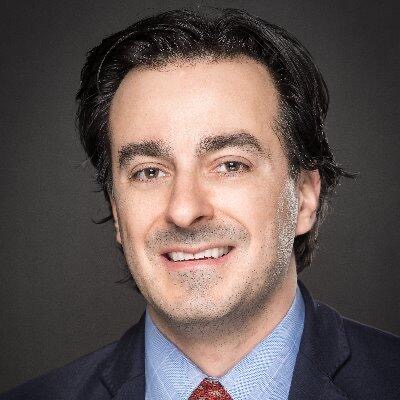 Christopher Hoimes合作论文数Department of Medicine, School of Medicine, Duke University;Center for Prostate and Urologic Cancers, Duke Cancer Institute5
 Jeffrey A Sosman合作论文数Division of Hematology and Oncology, Department of Medicine, Feinberg School of Medicine, Northwestern University5
 Adil Daud合作论文数Department of Medicine, University of California San Francisco;School of Medicine, University of California San Francisco;Helen Diller Family Comprehensive Cancer Center, University of California San Francisco5Grossmann Kenneth F合作论文数5Janssen Robert S合作论文数5Lev V. Demidov合作论文数5
 John Fiveash合作论文数Department of Radiation Oncology, Heersink School of Medicine, The University of Alabama at Birmingham;O'Neal Comprehensive Cancer Center, Heersink School of Medicine, The University of Alabama at Birmingham5




