Tree growth and longevity trade-offs fundamentally shape the terrestrial carbon balance. Yet, we lack a unified understanding of how such trade-offs vary across the world’s forests. By mapping life history traits for a wide range of species across the Americas, we reveal considerable variation in life expectancies from 10 centimeters in diameter (ranging from 1.3 to 3195 years) and show that the pace of life for trees can be accurately classified into four demographic functional types. We found emergent patterns in the strength of trade-offs between growth and longevity across a temperature gradient. Furthermore, we show that the diversity of life history traits varies predictably across forest biomes, giving rise to a positive relationship between trait diversity and productivity. Our pan-latitudinal assessment provides new insights into the demographic mechanisms that govern the carbon turnover rate across forest biomes.
PREMISE:Widespread associations between selfing rate and floral size within and among taxa suggest that these traits may evolve in concert. Does this association develop immediately because of shared genetic and/or developmental control, or stepwise with selection shaping the evolution of one trait following the other? If the former, then association ought to appear within and across selfing populations. We explore this fundamental question in three populations of the mixed-mater Collinsia verna where autonomous selfing (AS) ability has been shown to be under selection by the pollination environment.METHODS:We grew clonal replicates of C. verna in a controlled environment to characterize broad-sense genetic correlations among traits within populations and to assess whether divergence in mating system and floral traits among these populations is consistent with their previously observed selection pressures.RESULTS:As predicted by their respective pollination environments, we demonstrate significant genetic divergence among populations in AS ability. However, patterns of divergence in floral traits (petal, stamen, and style size, stigmatic receptivity, and stigma-anther distance) were not as expected. Within populations, genetic variation in AS appeared largely independent from floral traits, except for a single weak negative association in one population between flower size and AS rate.CONCLUSIONS:Together, these results suggest that associations between selfing rate and floral traits across Collinsia species are not reflected at microevolutionary scales. If C. verna were to continue evolving toward the selfing syndrome, floral trait evolution would likely follow stepwise from mating system evolution.
The avifauna of Guam was devastated by the introduction of the Brown Treesnake, and the restoration of native birds would need to address the problem with eradication or suppression of BTS. With eradication of the snake unlikely in the near term, and suppression capabilities limited to specific finite areas, key information for reintroductions is how low BTS abundance will likely need to be for each bird species to be re-established based on their vulnerability to BTS predation. Here, we estimate vulnerability, which can no longer be measured directly, so biologists who are familiar with one or more of seven Guam birds were surveyed to obtain their knowledge and produce quantitative vulnerability estimates. As is typical of birds adapted to islands devoid of predators, respondents judged that our focal species exhibit few predator avoidance and tolerance traits, leaving body size as the prime determinant of vulnerability. Respondent opinion also holds that any behavior that reduces the likelihood of an encounter by BTS, e.g., roosting/nesting in palm crowns, cavity nesting, and in particular urban dwelling, substantially reduces vulnerability. Our results can help inform species-specific decisions about when it may be safe to consider the release of birds on Guam depending on the relative vulnerability of each species to predation by BTS.
AbstractThe brown treesnake (BTS) (Boiga irregularis) invasion on Guåhan (in English, Guam) led to the extirpation of nearly all native forest birds. In recent years, methods have been developed to reduce BTS abundance on a landscape scale. To help assess the prospects for the successful reintroduction of native birds to Guåhan following BTS suppression, we modeled bird population persistence based on their life history characteristics and relative sensitivity to BTS predation. We constructed individual‐based models and simulated BTS predation in hypothetical founding populations for each of seven candidate bird species. We represented BTS predation risk in two steps: risk of being encountered and risk of mortality if encountered. We link encounter risk from the bird's perspective to snake contact rates at camera traps with live animal lures, the most direct practical means of estimating BTS predation risk. Our simulations support the well‐documented fact that Guåhan's birds cannot persist with an uncontrolled population of BTS but do indicate that bird persistence in Guåhan's forests is possible with suppression short of total eradication. We estimate threshold BTS contact rates would need to be below 0.0002–0.0006 snake contacts per bird per night for these birds to persist on the landscape, which translates to an annual encounter probability of 0.07–0.20. We simulated the effects of snake‐proof nest boxes for Sihek (Todiramphus cinnamominus) and Såli (Aplonis opaca), but the benefits were small relative to the overall variation in contact rate thresholds among species. This variation among focal bird species in sustainable predation levels can be used to prioritize species for reintroduction in a BTS‐suppressed landscape, but variation among these species is narrow relative to the required reduction from current BTS levels, which may be four orders of magnitude higher (>0.18). Our modeling indicates that the required predation thresholds may need to be lower than have yet been demonstrated with current BTS management. Our predation threshold metric provides an important management tool to help estimate target BTS suppression levels that can be used to determine when bird reintroduction campaigns might begin and serves as a model for other systems to match predator control with reintroduction efforts.
Despite the ubiquity of nonlinear functional relationships in nature we tend to characterize mechanisms in science using more tractable linear functions. In demographic modeling, transfer function analysis is used to calculate the nonlinear response of population growth rate to a theoretical perturbation of one or more matrix elements. This elegant approach is not yet popular in ecology. Inconveniently, using transfer function without care can produce erroneous results without warning. We used a large matrix projection model database to explore the potential pitfalls to be avoided in using transfer function analysis. We asked a fundamental population control question, what matrix element perturbation would be needed to reach a minimum goal of replacement population growth? We then tracked instances in which transfer function yields erroneous output and explored these cases in detail to measure how frequently it occurs. We developed a phylogenetically-corrected mixed effects logistic regression model in a Bayesian framework to test the effect of species traits and the identity of matrix elements on the probability that transfer function yields errors. We found in 16% of cases the transfer function yielded erroneous outcomes. These errors were more likely when perturbing demographic stasis and also for shrubs more than any other life form. Errors in transfer function analysis were often due to perturbing matrix elements beyond their biological limits, even when this is still mathematically correct. To use transfer function analysis properly in demographic modeling and avoid erroneous results, input must be carefully selected to include only a biologically admissible set of perturbations.
Despite widespread evidence that biological invasion influences both the biotic and abiotic soil environments, the extent to which these two pathways underpin the effects of invasion on plant traits and performance remains unknown. Leveraging a long-term (14-year) field experiment, we show that an allelochemical-producing invader affects plants through biotic mechanisms, altering the soil fungal community composition, with no apparent shifts in soil nutrient availability. Changes in belowground fungal communities resulted in high costs of nutrient uptake for native perennials and a shift in plant traits linked to their water and nutrient use efficiencies. Some plants in the invaded community compensate for the disruption of nutritional symbionts and reduced nutrient provisioning by sanctioning more nitrogen to photosynthesis and expending more water, which demonstrates a trade-off in trait investment. For the first time, we show that the disruption of belowground nutritional symbionts can drive plants towards alternative regions of their trait space in order to maintain water and nutrient economics.
Environmental conditions impose restrictions and costs on reproduction. Multiple reproductive options exist when increased reproductive costs drive plant populations toward alternative reproductive strategies. Using 4 years of demographic data across a deer impact gradient, where deer alter the abiotic environment, we parameterize a size-dependent integral projection model for a sexually labile and unpalatable forest perennial to investigate the demographic processes driving differentiation in the operational sex ratio (OSR) of local populations. In addition to a relative increase in asexual reproduction, our results illustrate that nontrophic indirect effects by overabundant deer on this perennial result in delayed female sex expression to unsustainably large plant sizes and lead to more pronounced plant shrinkage following female sex expression, effectively increasing the cost of reproduction. Among plants of reproductive age, increased deer impact decreases the size-dependent probability of flowering and reduces reproductive consistency over time. This pattern in sex expression skews populations toward female-biased OSRs at low deer impact sites and male-biased OSRs at intermediate and high deer impact sites. While this shift toward a male-biased OSR may ameliorate pollen limitation, it also decreases the effective population size when coupled with increased asexual reproduction. The divergence of reproductive strategies and reduced lifetime fitness in response to indirect deer impacts illustrate the persistent long-term effects of overabundant herbivores on unpalatable understory perennials.
PREMISE:Declines in reproductive capabilities with increasing age are common across the tree of life. However, in plants, mating system traits have rarely been tested for signs of senescence. Since reproduction is often resource limited, we might expect outcrossing and selfing taxa to allocate these resources differently, especially as a plant ages. Compared with selfers, outcrossers are expected to produce showy, rewarding flowers that attract pollinators and high-quality pollen that can successfully compete for ovules. Yet, this resource-intensive strategy of outcrossers may result in declines in floral allocation and pollen performance metrics, relative to selfers. METHODS:To explore age-related changes in reproduction, we measured flower size and pollen germinability over the flowering period for multiple populations of an annual sister species pair, Collinsia linearis (outcrosser) and C. rattanii (selfer), in a growth chamber experiment. RESULTS:We found that flower size decreased significantly with age in both species. The outcrosser expressed a significant and dramatic (88%) decline in pollen germinability with age, while the selfer's pollen germinability decline was non-significant and low (17%). CONCLUSIONS:Our results support the idea that the higher total cost of reproduction in outcrossers can deplete available resources more rapidly than in selfers, manifesting as a decline in male performance with plant age.
Successfully reintroducing rare plant populations to recover historical community composition may require multiple efforts and greater lengths of time than is typically devoted by researchers. To improve the probability of successful colonization and to learn about the life history of the regionally endangered mahogany mistletoe (Phoradendron rubrum) in the Florida Keys, United States, we conducted sequential augmentations for 10 years across two host tree sizes, two seed sources, and six recipient sites. Long-term monitoring for 13 years revealed that sowing fresh seeds in dry periods from introduced versus wild plants onto small diameter trees (<20 cm diameter at breast height [dbh]) that had branch diameters 15-20 mm resulted in the greatest colonization success. An average of 38.7% of seeds germinated and 23.8% survived to 2015. Plant development was quite slow. Seeds required over 100 days to germinate, 1.6 years for cotyledon emergence, and over 4.7 years to produce fruit. We detected first recruitment nearly 8 years after installation. Population growth improved following multiple attempts and expanded spatial extent as is predicted by theory. Portions of the life cycle are undetectable and thus could give false indications of reintroduction success or failure. Achieving and documenting unequivocal success of this reintroduction has required over a decade.
Organisms in the wild have cryptic life stages that are sensitive to changing environmental conditions and can be difficult to survey. In this study, I used mark-recapture methods to repeatedly survey Anaea aidea (Nymphalidae) caterpillars in nature, then modeled caterpillar demography as a hidden Markov process to assess if temporal variability in temperature and density influence the survival and growth of A. aidea over time. Individual encounter histories result from the joint likelihood of being alive and observed in a particular stage, and I have included hidden states by separating demography and observations into parallel and independent processes. I constructed a demographic matrix containing the probabilities of all possible fates for each stage, including hidden states, e.g., eggs and pupae. I observed both dead and live caterpillars with high probability. Peak caterpillar abundance attracted multiple predators, and survival of fifth instars declined as per capita predation rate increased through spring. A time lag between predator and prey abundance was likely the cause of improved fifth instar survival estimated at high density. Growth rates showed an increase with temperature, but the preferred model did not include temperature. This work illustrates how state-space models can include unobservable stages and hidden state processes to evaluate how environmental factors influence vital rates of cryptic life stages in the wild.
Surviving inhospitable periods or seasons may greatly affect fitness. Evidence of this exists in the prevalence of dormant stages in the life cycles of most insects. Here I focused on butterflies with distinct seasonal morphological types (not a genetic polymorphism) in which one morphological type, or form, delays reproduction until favorable conditions return, while the other form develops in an environment that favors direct reproduction. For two butterflies, Anaea aidea and A. andria, I tested the hypothesis that the development of each seasonal form involves a differential allocation of resources to survival at eclosion. I assayed differences in adult longevity among summer and winter forms in either a warm, active environment or a cool, calm environment. Winter form adults lived 40 times longer than summer form but only in calm, cool conditions. The magnitude of this difference provided compelling evidence that the winter form body plan and metabolic strategy (i.e. resource conservatism) favor long term survival. This research suggests that winter form adults maintain lowered metabolic rate, a common feature of diapause, to conserve resources and delay senescence while overwintering.
Population viability analyses for butterflies typically use metapopulation models, but for endemic species with no redundancy among subpopulations, we need to understand local population dynamics. However, little is known about the sensitivity of butterfly population vital rates and viability to disturbances such as fire. We fit quadratic models to monthly butterfly count data (1999–2014) to estimate an annual population density index that represents density during peak abundance each year. Relative population growth rate was estimated using a time series of the population density index, and population dynamics parameters r 0 and K were estimated by fitting relative growth rates (RGRs) to density independent and dependent models that include the effects of fire. Population models were simulated 20 and 100 years into the future to evaluate the sensitivity of extinction probability to density dependent dynamics and fire. Although the density independent model had the highest relative likelihood, density dependent models produced population trajectories with behavior more congruent with data from the Anaea troglodyta floridalis population. The absence of fire increased sensitivity of RGR to density, and the occurrence of fire buffered this sensitivity by increasing carrying capacity. Extinction risk was most sensitive to the inclusion of density dependent dynamics. Density dependent models provided a more optimistic outlook relative to density independent models (8 vs. 66 % probability of extinction in 20 years). Our simulations suggest that improving carrying capacity would provide the best buffer to extinction for this endangered endemic butterfly.
of a dissertation at the University of Miami. Dissertation supervised by Professor Carol C. Horvitz and Joyce Maschinski. No. of pages in text. (161) Butterfly populations are in decline in Florida. An example is the Florida leafwing, Anaea troglodyta floridalis (Nymphalidae), a species endemic to the pine rocklands in South Florida. I used viability analysis of population dynamics and extinction risk to evaluate the sensitivity of A. t. floridalis to disturbances such as fire. Using an annual population density index estimated from monthly count data over 15 years, I estimated a time series of relative population growth rates. To these relative growth rates I fit density independent and density dependent population dynamics models and estimated both intrinsic growth rate (r0) and carrying capacity (K) in response to fire. Projecting density independent and density dependent population models into the future by simulations indicated that the density dependent model was the more appropriate and also provided a more optimistic viability prediction. Sensitivity of relative growth rate to density increased in the absence of fire, but this sensitivity decreased when fires occurred due to post-fire increase in carrying capacity. While my analysis suggested that improving carrying capacity would reduce the extinction risk for this endangered endemic butterfly, I cannot say for sure how to improve carrying capacity. Carrying capacity in butterflies is generally a function of either predator or host plant abundance, and I addressed this issue using two common leafwings, A. aidea and A. andria, as proxies for the endangered leafwing. In an unusual application of mark-recapture methods, I repeatedly surveyed 510 A. aidea caterpillars in their natural environment for one month in the spring. I asked how the probability of surviving and growing varied across that month, and tested for the effect of temperature on growth and the effect density on survival. In mark-recapture, the demographic process is partially “hidden” due to imperfect detection, so I modeled caterpillar demography as a hidden Markov process using Bayesian procedures. With data on survival and development of individuals during each 3-day time step, I modeled the entire process of juvenile development as a column stochastic Markov process. The stage of each individual alive at time t identifies a particular column, which contains all possible fates (dead or alive and which stage they would be in) for individuals in that stage 3 days later. These columns together describe the entire juvenile demographic process (from egg to pupa) as a stage-structured matrix model that contains the probabilities of surviving and growing for each stage after a 3-day time step. Using two multinomial probability functions, I estimated the joint likelihood of being alive and observed in a particular stage at each time step given the demographic matrix, the probability of being observed, and the individual’s stage at the previous time step. During this survey, caterpillar densities increased to a maximum then declined as individuals either died or pupated. I observed both live and dead caterpillars with high probability, and was able to determine the cause of death for most corpses encountered. The abundance of caterpillars attracted multiple insect and arachnid predators, and survival declined as per capita predation rate increased over time. Survival of fifth instars improved at high density, with density scaled by the size of all caterpillars on a host plant, but this is arguably an artifact resulting from the time lag between predator and prey abundance. The most likely model showed that survival of fifth instars declined over the growing season while early instars (first to fourth) had constant high survival. Similarly, the most likely model supported time-invariant stage-specific growth rates, despite a compelling relationship between growth rates and temperatures. This stage-structured matrix model represented the recruitment process as a progression of individuals from egg to pupa through all juvenile stages, which are absent in most studies of butterfly demography. This work not only demonstrated that predator abundance affected Anaea population dynamics, but it also showed that predation may play a role in density dependence. Insect herbivores commonly feed on multiple plants throughout their geographic range, but feed locally on only one or a few plants. I asked how specialized were the diets of Anaea aidea (tropical) and Anaea andria (temperate). Rearing almost 300 caterpillars in the lab on controlled diets of one of five Croton host plants, I evaluated the performance of caterpillars in terms of survival to pupation, development time, pupa mass, and adult size. Both leafwings showed a moderate ability to feed on multiple Croton, but tended to perform best on their local host. Even though each leafwing was capable of surviving to pupation on non-local hosts and local non-hosts, either growth or development time was less than ideal compared with the local host. The tropical leafwing performed well on all but one Croton in this experiment and performed better on its local host compared with the temperate leafwing on its local host. The temperate leafwing’s local host, C. argyranthemus was a poor host for both leafwings, and C. monanthogynus (non-local host for the temperate leafwing and local non-host for the tropical leafwing) was a suitable host for both species. The results of this experiment and my experience with this system indicated to me that the endangered Florida leafwing might be restricted to a single host only because there are no suitable Croton nearby. I argue that the Florida leafwing could potentially feed successfully on other species of Croton, particularly those known as hosts of other Anaea in the Caribbean. Further experimental work would be needed to test this hypothesis and to determine if there would be management implications of finding alternative hosts. Surviving inhospitable periods or seasons may greatly affect fitness. Evidence of this exists in the prevalence of dormant stages in the life cycles of most insects. Here I focused on butterflies with distinct seasonal morphological types in which one morphological type, or form, delays reproduction until favorable conditions return, while the other form develops in an environment that favors direct reproduction. For two butterflies, Anaea aidea and A. andria, I tested the hypothesis that the development of each seasonal form involves a differential allocation of resources to survival at eclosion. I assayed differences in adult longevity among summer and winter forms in either a warm, active environment or a cool, calm environment. Winter form adults lived 40 times longer than summer form but only in calm, cool conditions. The magnitude of this difference provided compelling evidence that the winter form body plan and metabolic strategy favor long term survival. Neither adult feeding nor reserve size appeared to be the main cause, leaving resource conservatism as the primary explanation. This research suggests that winter form adults maintain lowered metabolic rate, a common feature of diapause, to conserve resources and delay senescence while overwintering. Seasonal climatic fluctuations affect the life history of most organisms. Leafwing butterflies have a complex life cycle that is characterized by there being multiple generations within a year, distinct seasonal forms of adults, and relatively long-lived adults who feed on nitrogen-rich sources. During a single year, the stage structure of the population changes seasonally as do the probabilities of survival and growth and the amount of reproduction. This section addresses the question: when the fates of individuals depend on both life stage and season, how do life stage transitions within each season contribute to population dynamics evaluated over the entire seasonal cycle? I combined demographic rates estimated for the tropical leafwing in the field and in the laboratory to construct a periodic stage-structured matrix model that encapsulates the progression of the population through each seasonal phase along with the demography within each phase. I used a megamatrix form of the periodic matrix model. This approach is distinct from compiling a series of annual matrices as the particular products of the single phase matrices, which is the more commonly utilized approach. I show that these two approaches to the problem are equivalent and that the analytical properties of the megamatrix provide the seasonal population dynamic properties of interest. My results show that stable stage structure, reproductive value, and elasticity all changed seasonally, highlighting the importance to annual dynamics of different life stages in different seasons. Using elasticity of the annual growth rate to demographic rates for each stage and season, I found that overwinter survival of adults has the largest overall effect on average annual dynamics. During the breeding season, from spring to fall, reproduction and growth have the largest effect. This research is the first application of a periodic megamatrix to model seasonal butterfly population dynamics. With this approach I demonstrated that the importance of each life stage depends on season, and my results suggest which selection pressures maintain two distinct seasonal forms and life histories in leafwing butterflies, Anaea.
The Florida leafwing is an endemic butterfly which is distributed in South Florida and the lower Keys. Stage-structured population models are a useful tool for the management and conservation of Florida leafwing. In this work we use a discrete-time periodic control system for describing a leafwing population. One of the main differences between this model and classical stage-structured models is that in the current model we can alter the number of adults contributing to eggs production. This allows us to control the population. The solution of the problem is obtained using invariant formulations of positive periodic systems.
Cossatot leafcup, Polymnia cossatotensis [Asteraceael, is an endemic of the Interior Highlands region of Arkansas. Polymnia cossatotensis was discovered in 1988 and is known only from four sites in Polk and Montgomery Counties of western Arkansas. Because of its extreme rarity, P. cossatotensis is listed as G1 and is considered critically imperiled. We visited Polymnia cossatotensis populations from 8 August to 11 August 2006 where we recorded general site characteristics and associated species, collected soil samples, and established population sizes using line transects. The estimated number of individuals for the species is 33,765 plants of which 33,719 are located in just two of the populations. Our findings emphasize the conservation value of these two largest populations.
 Susan Kalisz合作论文数Department of Ecology and Evolutionary Biology, College of Arts and Sciences, University of Tennessee4
 Shane R Siers合作论文数USDA, Natl Wildlife Res Ctr3
 Lalasia Bialic-Murphy合作论文数University of Tennessee at Knoxville3
 Eben H. Paxton合作论文数Southwest Biological Science Center;Colorado Plateau Research Station;Northern Arizona University;Southwest Biological Science Center, Northern Arizona University3
 Morgan D. Roche合作论文数Department of Ecology and Evolutionary Biology, University of Tennessee Knoxville2
 Carol C. Horvitz合作论文数Department of Biology, University of Miami2Jorcely Barroso合作论文数1
 Nadir Carolina Pallqui Camacho合作论文数1Johnnie L. Gentry合作论文数1George D. Gann合作论文数1Verginia Wortel合作论文数1
 Camila Farrapo合作论文数1
 Luciana F. Alves合作论文数1
 Ben Hur Marimon-Junior合作论文数1
 Juliana Schietti合作论文数1Karla Maria Pedra de Abreu合作论文数1Lidiany Carolina Arantes da Silva合作论文数1
 Sandra Cristina Muller合作论文数1Miguel Gama Reis合作论文数1Geertje van der Heijden合作论文数1
 Peter van der Meer合作论文数1
 Karina Melgaço合作论文数School of Geography, University of Leeds1
 Fernanda Ancelmo de Oliveira合作论文数Universidade Estadual de Campinas1
 Katia Zanini合作论文数Dept Ecol, Univ Fed Rio Grande do Sul1
 Gustavo Schwartz合作论文数1
 Marcelo Brilhante de Medeiros合作论文数1
 Julen Astigarraga合作论文数Universidad de Alcala1Joice Klipel合作论文数1
 Kauane Bordin合作论文数Corresponding author.1Vitor de Andrade Kamimura合作论文数1Johan van den Hoogen合作论文数1
 Edmar Almeida de Oliveira合作论文数Univ Estado Mato Grosso1
 Luis Valenzuela Gamarra合作论文数Jardin Bot Missouri, Oxapampa, Peru1Zorayda Restrepo Correa合作论文数Fdn Con Vida, Socioecosistemas & Cambio Climat, Medellin, Colombia1Victor Chama Moscoso合作论文数Jardin Bot Missouri, Oxapampa, Peru1
 Everton Cristo Almeida合作论文数Instituto de Biodiversidade e Floresta, Universidade Federal do Oeste do Pará, Pará, Brazil.1Guido Pardo合作论文数Univ Autonoma Beni, Campus Univ,Ave Ejercito Nacl, Riberalta, Beni, Bolivia1
 Jose Luis Camargo合作论文数INPA, Projeto Dinam Biol Fragmentos Florestais, Av Andre Araujo 2936, BR-69067375 Manaus, AM, Brazil1Casimiro Mendoza合作论文数Univ Mayor San Simon, Unidad Acad Trop, Escuela Ciencias Forestales, Sacta, Bolivia1
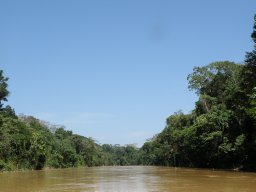 Isau Huamantupa合作论文数Univ Nacl San Antonio Abad Cusco, Cuzco, Peru1Julio Serrano合作论文数Univ Andes, Inst Invest Desarrollo Forestal, INDEFOR, Merida, Venezuela1Paulo Morandi合作论文数Univ Estado Mato Grosso, Campus Nova Xavantina,Caixa Postal 08, BR-78690000 Nova Xavantina, MG, Brazil1Joeri A. Zwerts合作论文数1Daniel A Malagon合作论文数1
 Vinícius Andrade Maia合作论文数Dept Ciencias Florestais, Univ Fed Lavras1
 Steven T Cassidy合作论文数University of Florida1
 Simone Matias Reis合作论文数Environm Change Inst, Univ Oxford1Olaf Bánki合作论文数Naturalis Biodiversity Center1
 Jose Luis Marcelo Pena合作论文数Universidad Nacional de Jaén1




