BACKGROUND:The modified Brain Injury Guidelines (mBIG) are an established protocol to triage traumatic brain injury with intracranial hemorrhage (ICH) while reducing resource utilization. However, mBIG do not differentiate between isolated and combined intracranial hemorrhage (cICH). This study evaluated whether patients with multiple ICH subtypes require different triage. METHODS:We performed a retrospective study of adult patients classified as mBIG 1 or mBIG 2 at two Level I trauma centers January 1, 2017, to June 30, 2023. Patients with cICH (≥2 subtypes) were compared with isolated ICH. Primary outcome was clinical deterioration, defined as new focal neurologic findings, pupillary examination changes or Glasgow Coma Scale score of <13 as compared with initial presentation. Secondary outcomes included radiographic progression, neurosurgical consultation, neurosurgical intervention, number of head computed tomography, hospital and intensive care unit length of stay, and readmission. RESULTS:Among 844 patients, 251 (29.7%) had cICH. Compared with isolated, cICH patients had higher Injury Severity Score (14.3 vs. 11.8, p < 0.001), longer intensive care unit length of stay (1 vs. 0, p < 0.001), and greater radiographic progression (20.3% vs. 11.3%, p = 0.002). However, clinical deterioration (1.0% vs. 2.6%, p = 0.252), neurosurgical intervention (0.4% vs. 0.2% p = 0.507), and readmission (5.2% vs. 3.7%, p = 0.413) were rare and did not differ between groups. CONCLUSION:While cICH is associated with more radiographic progression and resource utilization compared with isolated ICH, it is not associated with higher occurrence of clinical deterioration or neurosurgical intervention. These findings support continued use of mBIG for isolated and cICH with escalation of care reserved for neurological deterioration or other high-risk features. LEVEL OF EVIDENCE:Therapeutic/Care Management; Level IV.
BACKGROUND:Appropriate chemical prophylaxis can reduce the risk of venous thromboembolism (VTE) in trauma patients. A system-wide VTE clinical practice guideline (CPG) and electronic health record (EHR)-based VTE prophylaxis order set were implemented. The CPG provided guidelines based on bleeding risk, recommended earlier initiation of chemical prophylaxis, and favored low-molecular-weight heparin (LMWH). The purpose of this study was to evaluate the impact of VTE CPG and prophylaxis order set on the rate of VTE. METHODS:A retrospective review was performed on trauma patients 15 years or older admitted to three trauma centers between July 2018 and December 2021. Exclusion criteria included burn injury, readmission, length of stay <2 days, and withdrawal of care. The VTE CPG and EHR order set were implemented in November 2020, and a pre-implementation/postimplementation (POST) comparison was conducted. RESULTS:A total of 12,479 patients were included. There were no differences in age, sex, and Injury Severity Score. The POST group had a higher usage of LMWH (64.0 vs. 67.5%, p < 0.01), a lower rate of no prophylaxis (17.2 vs. 12.5%, p < 0.01), and a shorter time to prophylaxis (29.4 vs. 25.9 hours, p < 0.01). The rates of VTE (1.6 vs. 1.0%, p < 0.01) and deep vein thrombosis (1.1 vs. 0.7%, p = 0.03) were lower in the POST group. There was no difference in the rate of pulmonary embolism (0.6 vs. 0.4%, p = 0.06). The POST group had a higher mortality (0.7 vs. 1.1%, p = 0.03) on univariable analysis, but there were no differences between groups on adjusted analysis. Independent predictors of VTE were longer time to VTE prophylaxis, higher Injury Severity Score, ventilator-associated pneumonia, and longer hospital length of stay. Use of LMWH and postintervention period were protective from VTE. CONCLUSIONS:The implementation of a system-wide VTE CPG and EHR-based prophylaxis order set were associated with a reduced incidence of VTE in trauma patients without an associated mortality difference. LEVEL OF EVIDENCE:Prognostic and Epidemiological; Level IV.
BACKGROUND:Patients undergoing elective procedures at altitudes >4000 ft have higher deep venous thrombosis (DVT) rates compared to those performed at ≤ 1000 ft. DESIGN:We reviewed the American College of Surgeons Trauma Quality Improvement Program (TQIP) database from 2014 to 2019. Adults are divided into LOW (<1001 ft) or HIGH (>4000 ft) altitude treatment with DVT rates compared by multivariable regression analysis as well as using a 2:1 propensity matched model. RESULTS:Risk-adjusted odds ratio (OR) for DVT at high altitude was 1.53 [95 % CI 1.42-1.64]. In patients with an Injury Severity Score (ISS) ≥ 16, the DVT rate was 1.10 % (LOW) vs 1.59 % (HIGH); risk-adjusted OR for DVT at high altitude with ISS ≥ 16 was 1.67 [1.53-1.83]. Under the propensity matched model, DVT rates at higher altitude had an OR of 1.59 [1.46-1.74]. CONCLUSION:Following traumatic injury, DVT rates are increased in higher altitude treatment facilities compared to their low elevation peers.
BACKGROUND:The primary treatment for locoregional recurrent/persistent differentiated thyroid cancer (DTC) is repeated lymph node dissection; however, there are limited reports on the safety and long-term efficacy of multiple operations. METHODS:Patients who underwent a cervical lymph node dissection between 1998 and 2022 were included in this study. Demographics, initial thyroid surgery, subsequent lymph node dissections, follow up information, and response to therapy were acquired. RESULTS:After one, two, three and four re-operations, 112/314 (35.7 %), 16/79 (20.3 %), 3/25 (12 %), and 0/3 (0 %) patients (p < 0.001) had an excellent response, respectively, resulting in a cumulative rate of 41.7 % (131/314). The risk for permanent hypoparathyroidism (2.9 %) or recurrent laryngeal nerve injury (2.2 %) was 5.1 % (14/272). This was higher in patients undergoing re-operative central neck dissection (CNDx) (8.7 %, 10/114) versus those who did not undergo a previous CNDx (2.5 %, 4/158, p < 0.02). CONCLUSIONS:Surgery remains the primary treatment for recurrent/persistent DTC, however, the likelihood of an excellent response decreases with additional operations. The risk of permanent complications is low but is more likely to occur during redo CNDx.
INTRODUCTION:Hepatic angioembolization is highly effective for hemorrhage control in hemodynamically stable patients with traumatic liver injuries and contrast extravasation. However, there is a paucity of data regarding the specific location of angioembolization within the hepatic arterial vasculature and its implications on patient outcomes. METHODS:A post-hoc analysis of a multicenter prospective observational study across 23 centers was performed. Adult patients undergoing main hepatic artery angioembolization or segmental hepatic artery angioembolization within 8 hours of arrival were included. The primary outcome was liver-related complications, defined as perihepatic fluid collection, bile leak/biloma, pseudoaneurysm, hepatic necrosis, and/or hepatic abscess. Secondary outcomes were liver-related complication interventions, length of stay, and mortality. RESULTS:A total of 55 patients underwent hepatic angioembolization, with 23 (41.8%) undergoing main hepatic artery angioembolization and 32 (58.2%) receiving segmental hepatic artery angioembolization. Both groups were comparable in age, vitals, mechanism of injury, liver injury grade distribution, and injury severity score (all P > .05). The main hepatic artery angioembolization group had greater rates of overall liver-related complications (65.2% vs 31.2%, P = .039), specifically perihepatic fluid collection (26.1% vs 6.3%, P = .040) and bile-leak/biloma (34.8% vs 12.5%, P = .048). Main hepatic artery angioembolization had greater rates of 2 or more liver-related complications (47.8% vs 9.4%, P = .001) and readmission within 30 days (30.4% vs 9.4%, P = .046). No significant differences were observed in hospital length of stay and mortality (all P > .05). CONCLUSIONS:Main hepatic artery angioembolization is associated with increased rates of liver-related complications, multiple liver-related complications, and readmission within 30 days compared with segmental hepatic artery angioembolization. Thus, main hepatic artery angioembolization should be reserved for use only when segmental hepatic artery angioembolization is not feasible, albeit with significantly increased morbidity.
BACKGROUND:As more operations are performed on older adults, risk assessment for postoperative complications is important to inform patients and providers, especially because older patients have higher complication rates compared with younger patients. The Surgical Risk Preoperative Assessment System, a universal, parsimonious surgical risk calculator, has not yet been evaluated for accuracy in the older patient population. METHODS:Data from the American College of Surgeons National Surgical Quality Improvement Program participant use file, 2009-2018, were used to develop the Surgical Risk Preoperative Assessment System models, and data from 2019 to 2020 were used to test the models in all, older, and younger patients. Multiple logistic regression was used with the Surgical Risk Preoperative Assessment System variables (operation Current Procedural Terminology code, American Society of Anesthesiologists class, functional health status, surgeon specialty, emergency status, inpatient or outpatient, and patient age) as independent variables and 12 common postoperative complications as dependent variables. C-indices, Brier scores, and Hosmer-Lemeshow calibration graphs were used for model evaluation. RESULTS:Developmental and testing data had sample sizes of 6,924,709 and 1,929,287, respectively. In the testing data, 37.7% of patients were older. The mean c-index across all outcomes for older patients was 0.800 vs 0.846 for younger patients. The c-index was good to fair (≥0.70) for 11 of the 12 assessed outcomes for the older group. The average Brier score was slightly higher (worse) for older versus younger patients (0.036 vs 0.019). Hosmer-Lemeshow graphs showed good calibration between older and younger patients. CONCLUSIONS:The performance of the Surgical Risk Preoperative Assessment System was slightly worse in older versus younger patients but was clinically acceptable.
BACKGROUND: Prior studies evaluating observation versus angioembolization (AE) for blunt liver injuries (BLT) with contrast extravasation (CE) on computed tomography imaging have yielded inconsistent conclusions, primarily due to limitations in single-center and/or retrospective study design. Therefore, this multicenter study aims to compare an observation versus AE-first approach for BLT, hypothesizing decreased liver-related complications (LRCs) with observation. METHODS: We conducted a post hoc analysis of a multicenter, prospective observational study (2019-2021) across 23 centers. Adult patients with BLT + CE undergoing observation or AE within 8 hours of arrival were included. The primary outcome was LRCs, defined as perihepatic fluid collection, bile leak/biloma, pseudoaneurysm, hepatic necrosis, and/or hepatic abscess. A multivariable logistic regression analysis was used to evaluate risk factors associated with LRCs. RESULTS: From 128 patients presenting with BLT + CE on imaging, 71 (55.5%) underwent observation-first and 57 (45.5%) AE-first management. Both groups were comparable in age, vitals, mechanism of injury, and shock index (all p > 0.05), however the AE group had increased frequency of American Association for the Surgery of Trauma Grade IV injuries (51.0% vs. 22.0%, p = 0.002). The AE cohort demonstrated increased rates of in-hospital LRCs (36.8% vs. 12.7%, p = 0.038), emergency department representation (25.0% vs. 10.0%, p = 0.025), and hospital readmission for LRCs (12.3% vs. 1.4%, p = 0.012). However, the two cohorts had similar mortality rates (5.7% vs. 5.3%, p = 0.912). After adjusting for age, ISS, and grade of liver injury, an AE-first approach had a similar associated risk of LRCs compared with observation-first management (odds ratio, 1.949; 95% confidence interval, 0.673-5.643; p = 0.219). CONCLUSION: Patients with blunt liver injury and CE undergoing an observation-first approach were associated with a similar adjusted risk of LRCs and rate of mortality compared with AE-first approach. Overall, this calls for reevaluation of the role of routine AE in blunt liver trauma patients with CE. Future prospective randomized trials are needed to confirm these findings.
Background: Parathyroidectomy remains the only definitive cure for primary hyperparathyroidism (PHPT). In rare cases, ectopic hyperfunctioning glands are located in the mediastinum, necessitating a thoracic surgical approach. The objective of this project was to review a single high-volume institutional experience of this presentation, with specific attention to the use of a robotic-assisted thoracic surgery (RATS) approach. Methods: This was a single-center, 5-year retrospective cohort study. All patients who underwent RATS mediastinal mass resection (MMR) for PHPT at the University of Colorado Anschutz Medical Campus were targeted for inclusion. Patient cases were reviewed for demographics, history, operative data, laboratory values, and postoperative course. Results: Eight patients underwent RATS-MMR for PHPT between 2018-2023. Median [interquartile range] operative time was 178 [138-213] minutes, and length of stay was 2.0 [1.5-2.0] days. One patient experienced post-operative chylothorax requiring dietary modification. There were no other 30-day complications or readmissions. Final pathology confirmed intrathymic parathyroid tissue in all patients. All patients achieved cure of PHPT. Conclusions: The robotic-assisted approach has low morbidity and associated hospital length of stay and can be safely used to cure PHPT. As this is a rare pathology with an infrequently utilized surgical approach, it is important to critically discuss the diagnostic evaluation and operative course, aimed at educating the thoracic surgeon who may encounter and assist in the management of these patients.
BACKGROUND:High-grade liver injuries with extravasation (HGLI + Extrav) are associated with morbidity/mortality. For low-grade injuries, an observation (OBS) first-strategy is beneficial over initial angiography (IR), however, it is unclear if OBS is safe for HGLI + Extrav. Therefore, we evaluated the management of HGLI + Extrav patients, hypothesizing IR patients will have decreased rates of operation and mortality. METHODS:HGLI + Extrav patients managed with initial OBS or IR were included. The primary outcome was need for operation. Secondary outcomes included liver-related complications (LRCs) and mortality. RESULTS:From 59 patients, 23 (39.0%) were managed with OBS and 36 (61.0%) with IR. 75% of IR patients underwent angioembolization, whereas 13% of OBS patients underwent any IR, all undergoing angioembolization. IR patients had an increased rate of operation (13.9% vs. 0%, p = 0.049), but no difference in LRCs (44.4% vs. 43.5%) or mortality (5.6% vs. 8.7%) versus OBS patients (both p > 0.05). CONCLUSION:Over 60% of patients were managed with IR initially. IR patients had an increased rate of operation yet similar rates of LRCs and mortality, suggesting initial OBS reasonable in appropriately selected HGLI + Extrav patients.
Background Patients with isolated traumatic subarachnoid hemorrhage (iTSAH) are managed according to the modified Brain Injury Guidelines (mBIG) class. The current study aimed to describe patients with iTSAH and analyze their clinical outcomes. Methods A retrospective analysis was performed on trauma patients with iTSAH. Exclusion criteria were Glasgow Coma Scale (GCS) < 13 and pre-injury antiplatelet/anticoagulant use. Results 276 patients were identified over the 8-year study period. The median number of head CT scans was 2. Neurosurgery consultation was obtained in 80.4% of patients. A total of 19 (8.6%) patients had radiographic progression. Six (2.2%) patients had neurologic deterioration. No patients required operative intervention or readmission. No deaths were related to iTSAH. Conclusions There were no patients with iTSAH that required neurosurgical consultation despite a subset of patients having radiographic or neurologic progression. These patients may not require repeat head CT scan or neurosurgical consult, necessitating a change of SAH definitions in the mBIG.
Background Thyroid cancer has an overall favorable prognosis, but no pre-operative biochemical marker has been shown to distinguish between low and high-risk disease or predict response to therapy. Methods We retrospectively reviewed 162 patients that underwent thyroid surgery for thyroid cancer between 2006 and 2022 in whom a pre-operative thyroglobulin level (Tg) was measured. We subdivided patients into low, intermediate and high-risk thyroid cancer and based on their response to therapy per ATA guidelines. Results We showed that as pre-operative Tg level increased, patients were more likely to have high-risk disease (p < 0.01). We found a linear association between the primary tumor size and high-risk histology with pre-operative Tg (p < 0.01). Pre-operative Tg level was significantly associated with response to therapy following initial surgical management. Specifically, as pre-operative Tg increases, patients were less likely to achieve an excellent response (p < 0.01). Conclusions Our retrospective analysis demonstrated that pre-operative Tg is significantly associated with ATA structural risk of recurrence and response to therapy and may have the potential to guide initial therapy and follow-up management.
This important Western Trauma multicenter study found minimal benefit from embolization of liver injuries following the finding of blush on CT. Embolization carried a higher rate of complications with more drain placements and longer LOS. INTRODUCTION The management of liver injuries in hemodynamically stable patients is variable and includes primary treatment strategies of observation (OBS), angiography (interventional radiology [IR]) with angioembolization (AE), or operative intervention (OR). We aimed to evaluate the management of patients with liver injuries with active extravasation on computed tomography (CT) imaging, hypothesizing that AE will have more complications without improving outcomes compared with OBS. METHODS This is a prospective, multicenter, observational study. Patients who underwent CT within 2 hours after arrival with extravasation (e.g., blush) on imaging were included. Exclusion criteria included cirrhosis, nontraumatic hemorrhage, transfers from outside facilities, and pregnancy. No hemodynamic exclusion criteria were used. The primary outcome was liver-specific complications. Secondary outcomes include length of stay and mortality. Angioembolization patients were compared with patients treated without AE. Propensity score matching was used to match based on penetrating mechanism, liver injury severity, arrival vital signs, and early transfusion. RESULTS Twenty-three centers enrolled 192 patients. Forty percent of patients (n = 77) were initially OBS. Eleven OBS patients (14%) failed nonoperative management and went to IR or OR. Sixty-one patients (32%) were managed with IR, and 42 (69%) of these had AE as an initial intervention. Fifty-four patients (28%) went to OR+/− IR. After propensity score matching (n = 34 per group), there was no difference in baseline characteristics between AE and OBS. The AE group experienced more complications with a higher rate of IR-placed drains for abscess or biloma (22% vs. 0%, p = 0.01) and an increased overall length of stay (p = 0.01). No difference was noted in transfusions or mortality. CONCLUSION Observation is highly effective with few requiring additional interventions. Angioembolization was associated with higher rate of secondary drain placement for abscesses or biloma. Given this, a trial of OBS and avoidance of empiric AE may be warranted in hemodynamically stable, liver-injured patient with extravasation on CT. LEVEL OF EVIDENCE Therapeutic/Care Management; Level II.
Background: Thyroid hormone replacement with levothyroxine (LT4) is a recommended treatment for patients undergoing thyroidectomy. The starting LT4 dose is frequently calculated based on the patient's weight. However, the weight-based LT4 dosing performs poorly in clinical practice, with only ∼30% of patients achieving target thyrotropin (TSH) levels at the first thyroid function testing after treatment initiation. A better way to calculate the LT4 dose for patients with postoperative hypothyroidism is needed. Methods: In this retrospective cohort study we used demographic, clinical, and laboratory data for 951 patients after thyroidectomy and several regression and classification machine learning methods to develop an LT4 dose calculator for treating postoperative hypothyroidism targeting the desired TSH level. We compared the accuracy with the current standard-of-care practice and other published algorithms and evaluated generalizability with fivefold cross-validation and out-of-sample testing. Results: The retrospective clinical chart review showed that only 285/951 (30%) patients met their postoperative TSH goal. Obese patients were overtreated with LT4. An ordinary least squares regression based on weight, height, age, sex, calcium supplementation, and height:sex interaction predicted prescribed LT4 dose in 43.5% of all patients and 45.3% of patients with normal postoperative TSH (0.45-4.5 mIU/L). The ordinal logistic regression, artificial neural networks regression/classification, and random forest methods achieved comparable performance. LT4 calculator recommended lower LT4 doses to obese patients. Conclusions: The standard-of-care LT4 dosing does not achieve the target TSH in most thyroidectomy patients. Computer-assisted LT4 dose calculation performs better by considering multiple relevant patient characteristics and providing personalized and equitable care to patients with postoperative hypothyroidism. Prospective validation of LT4 calculator performance in patients with various TSH goals is needed.
Introduction: Patients with small volume intracranial hemorrhage (ICH) are categorized as modified Brain Injury Guidelines (mBIG) 1 and are managed with a 6-h emergency department (ED) observation period. The current study aimed to describe the mBIG 1 patient population and determine the utility of the ED observation period. Methods: A retrospective analysis was performed on trauma patients with small volume ICH. Exclusion criteria were Glasgow Coma Scale (GCS) < 13 and penetrating injuries. Results: 359 patients were identified over the 8-year study period. The most common ICH was SDH (52.7%) followed by SAH (50.1%). Two patients (0.56%) had neurologic deterioration, but neither had radiographic progression. Overall, 14.3% of the cohort had radiographic progression; none required neurosurgical intervention. Four patients (1.1%) had readmission related to TBI from the index admission. Conclusion: There were no patients with small volume ICH that required neurosurgical intervention despite a small subset of patients having radiographic or clinical deterioration. Patients who meet the mBIG 1 criteria may be managed safely without an ED observation period. (c) 2023 Elsevier Inc. All rights reserved.
Background: Prehospital identification of shock in trauma patients lacks accurate markers. Low end tidal carbon dioxide (ETCO2) correlates with mortality in intubated patients. The predictive value of ETCO2 obtained by nasal capnography cannula (NCC) is unknown. We hypothesized that prehospital ETCO2 values obtained by NCC and in-line ventilator circuit (ILVC) would be predictive of mortality. Methods: This was a prospective, observational, multicenter study. ETCO2 values were collected by a NCC or through ILVC. AUROCs were compared with prehospital systolic blood pressure (SBP) and shock index (SI). The Youden index defined optimal cutoffs. Results: Of 550 enrolled patients, 487 (88.5%) had ETCO2 measured through an NCC. Median age was 37 (27-52) years; 76.5% were male; median ISS was 13 (5-22). Mortality was 10.4%. Minimum prehospital ETCO2 signif-icantly predicted mortality with an AUROC of 0.76 (CI 0.69-0.84; Youden index = 22 mmHg), outperforming SBP with an AUROC of 0.68; (CI 0.62-0.74, p = 0.04) and shock index with an AUROC of 0.67 (CI 0.59-0.74, p = 0.03). Conclusion: Prehospital ETCO2 measured by non-invasive NCC or ILVC may be predictive of mortality in injured patients.
BACKGROUND:Unplanned hospital admission after intended outpatient surgery is an undesirable outcome. We aimed to develop a prediction model that estimates a patient's risk of conversion from outpatient surgery to inpatient hospitalization. METHODS:This was a retrospective analysis using the American College of Surgeons National Surgical Quality Improvement Program database, 2005 to 2018. Conversion from outpatient to inpatient surgery was defined as having outpatient surgery and >1 day hospital stay. The Surgical Risk Preoperative Assessment System was developed using multiple logistic regression on a training dataset (2005-2016) and compared to a model using the 26 relevant variables in the American College of Surgeons National Surgical Quality Improvement Program. The Surgical Risk Preoperative Assessment System was validated using a testing dataset (2017-2018). Performance statistics and Hosmer-Lemeshow plots were compared. Two high-risk definitions were compared: (1) the maximum Youden index, and (2) the cohort above the tenth decile of risk on the Hosmer-Lemeshow plot. The sensitivities, specificities, positive predictive values, negative predictive values, and accuracies were compared. RESULTS:In all, 2,822,379 patients were included; 3.6% of patients unexpectedly converted to inpatient. The 6-variable Surgical Risk Preoperative Assessment System model performed comparably to the 26-variable American College of Surgeons National Surgical Quality Improvement Program model (c-indices = 0.818 vs. 0.823; Brier scores = 0.0308 vs 0.0306, respectively). The Surgical Risk Preoperative Assessment System performed well on internal validation (c-index = 0.818, Brier score = 0.0341). The tenth decile of risk definition had higher specificity, positive predictive values, and accuracy than the maximum Youden index definition, while having lower sensitivity. CONCLUSION:The Surgical Risk Preoperative Assessment System accurately predicted a patient's risk of unplanned outpatient-to-inpatient conversion. Patients at higher risk should be considered for inpatient surgery, while lower risk patients could safely undergo operations at ambulatory surgery centers.
John H. and Cynthia H. Schultz Professor and Division Chief, GI Trauma and Endocrine Surgery Vice Chair of Finance, Department of Surgery, University of Colorado School of Medicine Associate Chief Medical Officer for Perioperative Services University of Colorado Hospital Presidential Address of the 51st Annual Meeting of the Western Trauma Association. Correspondence: Robert McIntyre Jr., MD, 12631 E 17th Ave Box C313, Aurora, CO 80045. Email [email protected]. Office Phone: 303-724-2728, Office Fax: 303-724-2733
Introduction: Neighborhood measures of social vulnerability encompassing multiple sociodemographic factors can be used to quantify disparities in outcomes. We hypothesize patients with high Social Vulnerability Index (SVI) are at increased risk of morbidity following colectomy. Methods: We used local 2012-2017 National Surgical Quality Improvement Program (NSQIP) data to study colectomy patients, examining associations between SVI and postoperative outcomes. Results: We included 976 patients from five hospitals. High SVI (>75th percentile) was associated with increased postoperative morbidity on unadjusted analysis (OR 1.84, 95% CI 1.35-2.52, p < 0.001); this association persisted after adjusting for demographics and comorbidities (OR 1.63, 95% CI 1.15-2.31, p = 0.005). The association with SVI was not significant after adjusting for perioperative risk modifiers such as emergent presentation (OR 1.37, 95% CI 0.95-1.98, p = 0.10). Conclusions: High social vulnerability is associated with increased postoperative complications. This effect appears mediated by perioperative risk factors, suggesting potential to improve outcomes by facilitating timely surgical intervention.
BACKGROUND Geriatric trauma rates are increasing, yet trauma centers often struggle to provide autonomy regarding decision making to these patients. Advance care planning can assist with this process. Currently, there are limited data on the impact of advance directives (ADs) in elderly trauma patients. The purpose of this study was to evaluate the prevalence of preinjury AD in geriatric trauma patients and its impact on outcomes, with the hypothesis that ADs would not be associated with an increase in mortality. METHODS A multicenter retrospective review was conducted on patients older than 65 years with traumatic injury between 2017 and 2019. Three Level I trauma centers and one Level II trauma center were included. Exclusion criteria were readmission, burn injury, transfer to another facility, discharge from emergency department, and mortality prior to being admitted. RESULTS There were 6,135 patients identified; 751 (12.2%) had a preinjury AD. Patients in the AD+ group were older (86 vs. 77 years, p < 0.0001), more likely to be women (67.0% vs. 54.8%, p < 0.0001), and had more comorbidities. Hospital length of stay and ventilator days were similar. In-hospital mortality occurred in 236 patients, and 75.4% of them underwent withdrawal of care (WOC). The mortality rate was higher in AD+ group (10.5% vs. 2.9%, p < 0.0001). No difference was seen in the rate of AD between the WOC+ and WOC– group (31.5% vs. 39.6%, p = 0.251). A preinjury AD was identified as an independent predictor of mortality, but not a predictor of WOC. CONCLUSION Despite a high WOC rate in patients older than 65 years, most patients did not have an AD prior to injury. As the elderly trauma population grows, advance care planning should be better integrated into geriatric care to encourage a patient-centered approach to end-of-life care. LEVEL OF EVIDENCE Prognostic and epidemiological, level IV.
 Da Fullerton合作论文数45
 Anirban Banerjee合作论文数Department of Surgery, School of Medicine, University of Colorado35Christopher D. Raeburn合作论文数30
 Alden H. Harken合作论文数UCSF-East Bay Department of Surgery27
 Ernest E Moore合作论文数Denver Health Medical Center;Trauma Research Center, Department of Surgery, School of Medicine, University of Colorado Denver;Denver General Hospital23
 Daniel R. Meldrum合作论文数School of Medicine, Indiana University21Thomas J. Schroeppel合作论文数21
 Brett C Sheridan合作论文数20J Agrafojo合作论文数19
 Denis Bensard合作论文数Department of Surgery, Denver Health Medical Center19
 Clay Cothren Burlew合作论文数Department of Surgery, School of Medicine, University of Colorado;Department of Surgery-GI, Trauma, and Endocrine Surgery, School of Medicine, University of Colorado19E J Pulido合作论文数17BD Shames合作论文数17
 Velopulos Catherine G合作论文数Department of Surgery, Johns Hopkins University School of Medicine17Xianzhong Meng合作论文数16Franklin L. Wright合作论文数University of Colorado Denver & Health Sciences Center16Shane Urban合作论文数University of Colorado15Heather Carmichael合作论文数Dept Surg, Univ Colorado Anschutz13
 Craig H. Selzman合作论文数Division of Cardiothoracic Surgery, University of Utah13
 Frederick A Moore合作论文数Department of Surgery, College of Medicine, University of Florida;University of Florida Health13
 Hunter B. Moore合作论文数University of Vermont School of Medicine12
 Maria Angela Sauaia合作论文数Department of Health Systems, Management and Policy, University of Colorado Denver11Michael S. Truitt合作论文数10
 Erik D Peltz合作论文数10
 Michael B. Yaffe合作论文数Koch Institute for Integrative Cancer Research, Massachusetts Institute of Technology;Beth Israel Deaconess Medical Center9
 Warren Dorlac合作论文数9Jeffry Nahmias合作论文数8
 Daniel S. Talmor合作论文数Department of Anesthesia, Critical Care and Pain Medicine, Beth Israel Deaconess Medical Center;Harvard Medical School8Julie A. Dunn合作论文数8
 Robert A. Meguid合作论文数The Johns Hopkins University School of Medicine8
 Peter K. Moore合作论文数Department of Mathematics, Southern Methodist University8Ar Hahn合作论文数7
 Michael Bronsert合作论文数7
 Bryan R Haugen合作论文数Division of Endocrinology, Metabolism and Diabetes, School of Medicine, University of Colorado7
 Davis James W合作论文数School of Medicine, University of San Francisco7
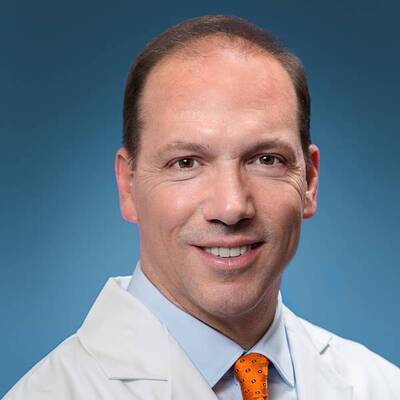 Walter Biffl合作论文数Department of Surgery, School of Medicine, University of Colorado;Boulder Community Hospital;Denver Health Medical Center;Scripps Memorial Hospital La Jolla7David A. Partrick合作论文数7
 Michael W. Cripps合作论文数UCSF-East Bay, Children’s Hospital of Oakland Research Institute7Eric M. Campion合作论文数7Fabia Gamboni-Robertson合作论文数7Aimee LaRiccia合作论文数6Janice Wang合作论文数6Stephanie Vega合作论文数6Heather M Grossman Verner合作论文数6Jennifer Rodriquez合作论文数6
 Negin Hajizadeh合作论文数6Calkins C M合作论文数6
 Jason Samuels合作论文数College of Medicine, University of Oklahoma College of Medicine6
 Charles Dinarello合作论文数Division of Infectious Diseases, School of Medicine, University of Colorado Denver - Anschutz Medical Campus;University of Colorado Health Sciences Center6




