Point-of-care ultrasound (POCUS) is changing the practice of nearly all specialties and is increasingly being incorporated as a bedside tool by more gastroenterologists and hepatologists. POCUS is most often used to answer focused diagnostic questions, supplement the traditional physical examination, and guide performance of invasive bedside procedures. This review describes several common POCUS applications used in gastroenterology and hepatology, as well as some novel applications that warrant further investigation.
Accurate and rapid detection of venous organ congestion, especially congestive hepatopathy, is essential to reduce morbidity and mortality. The Venous Excess Ultrasound Score is an emerging point-of-care ultrasound examination that can grade severity of venous organ congestion using spectral Doppler evaluation of the hepatic, portal, and intrarenal veins, but its utility in congestive hepatopathy is unknown. We report a case of acute liver injury where Venous Excess Ultrasound Score supported a diagnosis of congestive hepatopathy and guided management, leading to a favorable outcome.
Background Lack of experienced faculty to supervise internal medicine (IM) residents is a significant barrier to establishing a medical procedure service (MPS). Aim Describe the development and 10-year outcomes of an MPS led by IM chief residents. Setting University-based IM residency program affiliated with a county and Veterans Affairs hospital. Participants Categorical IM interns ( n =320) and 4 th -year IM chief residents ( n =48) from 2011 to 2022. Program Description The MPS operated on weekdays, 8 am–5 pm. After training and sign-off by the MPS director, chief residents trained and supervised interns in ultrasound-guided procedures during a 4-week rotation. Program Evaluation From 2011 to 2022, our MPS received 5967 consults and 4465 (75%) procedures were attempted. Overall procedure success, complication, and major complication rates were 94%, 2.6%, and 0.6%, respectively. Success and complication rates for paracentesis ( n =2285) were 99% and 1.1%, respectively; 99% and 4.2% for thoracentesis ( n =1167); 76% and 4.5% for lumbar puncture ( n =883); 83% and 1.2% for knee arthrocentesis ( n =85); and 76% and 0% for central venous catheterization ( n =45). The rotation was rated 4.6 out of 5 for overall learning quality. Discussion A chief resident–led MPS is a practical and safe approach for IM residency programs to establish an MPS when experienced attending physicians are unavailable.
OBJECTIVES:The purpose of this study was to determine current use, training needs, and barriers to point-of-care ultrasound (POCUS) use among anesthesiologists in practice.DESIGN:Multicenter, prospective, observational study.SETTING:Anesthesiology departments in the Veterans Affairs Healthcare System in the United States.PARTICIPANTS:Chiefs of staff and chiefs of anesthesiology departments.INTERVENTIONS:A web-based survey was conducted between June 2019 and March 2020. Chiefs of staff answered questions about facility-level POCUS use, training, competency, and policies. Anesthesiology chiefs responded to a follow-up survey with specialty-specific POCUS questions. The results of the 2020 survey were compared with a similar survey conducted by the authors' group in 2015.MEASUREMENTS AND MAIN RESULTS:All chiefs of staff (n = 130) and 77% of anesthesiology chiefs (n = 96) completed the survey. The most common POCUS applications used were central and peripheral vascular access (69%-72%), peripheral nerve blocks (66%), and evaluation of cardiac function (29%-31%). Compared with 2015, there was a statistically significant increase in desire for training (p = 0.00015), but no significant change in POCUS use (p = 0.31). Training was most desired for volume-status assessment (52%), left ventricular function (47%), pneumothorax (47%), central line placement (40%), peripheral nerve blocks (40%), and pleural effusion (40%). The most common barriers to POCUS use were lack of funding for training (35%), trained providers (33%), and training opportunities (28%).CONCLUSIONS:A significant increase in desire for POCUS training was seen among anesthesiologists practicing in the Veterans Affairs healthcare system since 2015, and lack of training continues to be a top barrier for POCUS use among anesthesiologists.
BACKGROUND: More primary care providers (PCPs) have begun to embrace the use of point-of-care ultra-sound (POCUS), but little is known about how PCPs are currently using POCUS and what barriers exist. In this prospective study, the largest systematic survey of POCUS use among PCPs, we assessed the cur-rent use, barriers to use, program management, and training needs for POCUS in primary care.METHODS: We conducted a prospective observational study of all VA Medical Centers (VAMCs) between June 2019 and March 2020 using a web-based survey sent to all VAMC Chiefs of Staff and Chiefs of pri-mary care clinics (PCCs).RESULTS: Chiefs of PCCs at 105 VAMCs completed the survey (82% response rate). Only 13% of PCCs currently use POCUS, and the most common applications used were bladder and musculoskeletal ultra-sound. Desire for POCUS training exceeded current use, but lack of trained providers (78%), ultrasound equipment (66%), and funding for training (41%) were common barriers. Program infrastructure to sup-port POCUS use was uncommon, and only 9% of VAMCs had local policies related to POCUS. Most PCC chiefs (64%) would support POCUS training.CONCLUSIONS: Current use of POCUS in primary care is low despite the recent growth of POCUS training in Internal Medicine residency programs. Investment in POCUS training and program infrastructure is needed to expand POCUS use in primary care and ensure adequate supervision of trainees.Published by Elsevier Inc. This is an open access article under the CC BY-NC-ND license (http:// creativecommons.org/licenses/by-nc-nd/4.0/) center dot The American Journal of Medicine (2023) 136:592-595
The purpose of this study was to determine current use, training needs, and barriers to point-of-care ultrasound (POCUS) use among anesthesiologists in practice.Multicenter, prospective, observational study.Anesthesiology departments in the Veterans Affairs Healthcare System in the United States.Chiefs of staff and chiefs of anesthesiology departments.A web-based survey was conducted between June 2019 and March 2020. Chiefs of staff answered questions about facility-level POCUS use, training, competency, and policies. Anesthesiology chiefs responded to a follow-up survey with specialty-specific POCUS questions. The results of the 2020 survey were compared with a similar survey conducted by the authors' group in 2015.All chiefs of staff (n = 130) and 77% of anesthesiology chiefs (n = 96) completed the survey. The most common POCUS applications used were central and peripheral vascular access (69%-72%), peripheral nerve blocks (66%), and evaluation of cardiac function (29%-31%). Compared with 2015, there was a statistically significant increase in desire for training (p = 0.00015), but no significant change in POCUS use (p = 0.31). Training was most desired for volume-status assessment (52%), left ventricular function (47%), pneumothorax (47%), central line placement (40%), peripheral nerve blocks (40%), and pleural effusion (40%). The most common barriers to POCUS use were lack of funding for training (35%), trained providers (33%), and training opportunities (28%).A significant increase in desire for POCUS training was seen among anesthesiologists practicing in the Veterans Affairs healthcare system since 2015, and lack of training continues to be a top barrier for POCUS use among anesthesiologists.
BACKGROUND: Point-of-care ultrasound (POCUS) has become an integral part of critical care medicine for procedural guidance, bedside diagnostics, and assessing response to treatment. Multiple critical care societies recommend POCUS use, and POCUS training has been a requirement for critical care fellowship since 2012. Yet, current practice patterns of POCUS use in ICUs are not well known. RESEARCH QUESTION: This study aimed to characterize current POCUS use, training needs, and barriers to use among intensivists. STUDY DESIGN AND METHODS: A prospective observational study of all Veterans Affairs (VA) medical centers was conducted between June 2019 and March 2020 using a web-based survey of all chiefs of staff and ICU chiefs. These data were compared with those from a similar survey conducted in 2015. RESULTS: Chiefs of staff and ICU chiefs from 130 VA medical centers were surveyed with 100% and 83% response rates, respectively. At least one physician currently uses POCUS in 93% of ICUs, and 62% of individual physicians were estimated to be using POCUS. The most common POCUS applications were procedural guidance (59%), cardiac ultrasound (55%), and thoracic ultrasound (56%). Most chiefs (57%) reported teaching POCUS to trainees in their ICU. The most frequently reported barriers to POCUS use were lack of trained providers (48%), lack of funding for training (45%), lack of training opportunities (37%), and lack of image archiving (34%). From 2015 through 2020, POCUS use increased across most applications and an increase in desire for training was seen. INTERPRETATION: POCUS use increased across VA ICUs between 2015 and 2020, but significant gaps remain. Without a deliberate investment in POCUS training and infrastructure for physicians in practice, institutions are unlikely to benefit fully from standardized POCUS use in ICUs.
BackgroundPoint-of-care ultrasound (POCUS) can aid geriatricians in caring for complex, older patients. Currently, there is limited literature on POCUS use by geriatricians. We conducted a national survey to assess current POCUS use, training desired, and barriers among Geriatrics and Extended Care ("geriatric") clinics at Veterans Affairs Medical Centers (VAMCs).MethodsWe conducted a prospective observational study of all VAMCs between August 2019 and March 2020 using a web-based survey sent to all VAMC Chiefs of Staff and Chiefs of geriatric clinics.ResultsAll Chiefs of Staff (n=130) completed the survey (100% response rate). Chiefs of geriatric clinics ("chiefs") at 76 VAMCs were surveyed and 52 completed the survey (68% response rate). Geriatric clinics were located throughout the United States, mostly at high-complexity, urban VAMCs. Only 15% of chiefs responded that there was some POCUS usage in their geriatric clinic, but more than 60% of chiefs would support the implementation of POCUS use. The most common POCUS applications used in geriatric clinics were the evaluation of the bladder and urinary obstruction. Barriers to POCUS use included a lack of trained providers (56%), ultrasound equipment (50%), and funding for training (35%). Additionally, chiefs reported time utilization, clinical indications, and low patient census as barriers.ConclusionsPOCUS has several potential applications for clinicians caring for geriatric patients. Though only 15% of geriatric clinics at VAMCs currently use POCUS, most geriatric chiefs would support implementing POCUS use as a diagnostic tool. The greatest barriers to POCUS implementation in geriatric clinics were a lack of training and ultrasound equipment. Addressing these barriers systematically can facilitate implementation of POCUS use into practice and permit assessment of the impact of POCUS on geriatric care in the future.
Point-of-care ultrasound (POCUS) is rapidly becoming ubiquitous across healthcare specialties. This is due to several factors including its portability, immediacy of results to guide clinical decision-making, and lack of radiation exposure to patients. The recent growth of handheld ultrasound devices has improved access to ultrasound for many clinicians. Few studies have directly compared different handheld ultrasound devices among themselves or to cart-based ultrasound machines. We conducted a prospective observational study comparing four common handheld ultrasound devices for ease of use, image quality, and overall satisfaction. Twenty-four POCUS experts utilized four handheld devices (Butterfly iQ+™ by Butterfly Network Inc., Kosmos™ by EchoNous, Vscan Air™ by General Electric, and Lumify™ by Philips Healthcare) to obtain three ultrasound views on the same standardized patients using high- and low-frequency probes. Data were collected from 24 POCUS experts using all 4 handheld devices. No single ultrasound device was superior in all categories. For overall ease of use, the Vscan Air™ was rated highest, followed by the Lumify™. For overall image quality, Lumify™ was rated highest, followed by Kosmos™. The Lumify™ device was rated highest for overall satisfaction, while the Vscan Air™ was rated as the most likely to be purchased personally and carried in one’s coat pocket. The top 5 characteristics of handheld ultrasound devices rated as being “very important” were image quality, ease of use, portability, total costs, and availability of different probes. In a comparison of four common handheld ultrasound devices in the United States, no single handheld ultrasound device was perceived to have all desired characteristics. POCUS experts rated the Lumify™ highest for image quality and Vscan Air™ highest for ease of use. Overall satisfaction was highest with the Lumify™ device, while the most likely to be purchased as a pocket device was the Vscan Air™. Image quality was felt to be the most important characteristic in evaluating handheld ultrasound devices.
BACKGROUND:Point-of-care ultrasound (POCUS) can reduce procedural complications and improve the diagnostic accuracy of hospitalists. Currently, it is unknown how many practicing hospitalists use POCUS, which applications are used most often, and what barriers to POCUS use exist. OBJECTIVE:This study aimed to characterize current POCUS use, training needs, and barriers to use among hospital medicine groups (HMGs). DESIGN, SETTING, AND PARTICIPANTS:A prospective observational study of all Veterans Affairs (VA) medical centers was conducted between August 2019 and March 2020 using a web-based survey sent to all chiefs of HMGs. These data were compared to a similar survey conducted in 2015. RESULT:Chiefs from 117 HMGs were surveyed, with a 90% response rate. There was ongoing POCUS use in 64% of HMGs. From 2015 to 2020, procedural POCUS use decreased by 19%, but diagnostic POCUS use increased for cardiac (8%), pulmonary (7%), and abdominal (8%) applications. The most common barrier to POCUS use was lack of training (89%), and only 34% of HMGs had access to POCUS training. Access to ultrasound equipment was the least common barrier (57%). The proportion of HMGs with ≥1 ultrasound machine increased from 29% to 71% from 2015 to 2020. An average of 3.6 ultrasound devices per HMG was available, and 45% were handheld devices. CONCLUSION:From 2015 to 2020, diagnostic POCUS use increased, while procedural use decreased among hospitalists in the VA system. Lack of POCUS training is currently the most common barrier to POCUS use among hospitalists.
BACKGROUND:Point-of-care ultrasound (POCUS) training has been increasing among internal medicine (IM) residency programs, but few programs can provide longitudinal training due to barriers such as lack of trained faculty.AIM:Describe the development of a longitudinal POCUS track for IM residents using local and external resources, including a national POCUS certificate program.SETTING:University-based IM residency program affiliated with a public and veterans affairs hospital.PARTICIPANTS:Twelve IM residents from 2018 to 2021.PROGRAM DESCRIPTION:Residents complete a national POCUS certificate program by attending live courses and completing online modules, an image portfolio, and final knowledge/skills assessments. Locally, residents participate in 1-month procedure and diagnostic POCUS rotations and provide peer-to-peer POCUS teaching of residents and medical students.PROGRAM EVALUATION:The POCUS track increased residents' use and comfort with diagnostic and procedural applications. All residents rated being satisfied or very satisfied with the track and would recommend it to prospective applicants (100%). The most commonly reported barriers to utilizing POCUS per residents were time constraints (83%), lack of available ultrasound equipment (83%), and lack of trained faculty (58%).DISCUSSION:IM residency programs with limited faculty expertise in POCUS can leverage external resources to provide longitudinal POCUS training to its residents.
Background Many institutions are training clinicians in point-of-care ultrasound (POCUS), but few POCUS skills checklists have been developed and validated. We developed a consensus-based multispecialty POCUS skills checklist with anchoring references for basic cardiac, lung, abdominal, and vascular ultrasound, and peripheral intravenous line (PIV) insertion. Methods A POCUS expert panel of 14 physicians specializing in emergency, critical care, and internal/hospital medicine participated in a modified-Delphi approach to develop a basic POCUS skills checklist by group consensus. Three rounds of voting were conducted, and consensus was defined by ≥ 80% agreement. Items achieving < 80% consensus were discussed and considered for up to two additional rounds of voting. Results Thirteen POCUS experts (93%) completed all three rounds of voting. Cardiac, lung, abdominal, and vascular ultrasound checklists included probe location and control, basic machine setup, image quality and optimization, and identification of anatomical structures. PIV insertion included additional items for needle tip tracking. During the first round of voting, 136 (82%) items achieved consensus, and after revision and revoting, an additional 21 items achieved consensus. A total of 153 (92%) items were included in the final checklist. Conclusions We have developed a consensus-based, multispecialty POCUS checklist to evaluate skills in image acquisition and anatomy identification for basic cardiac, lung, abdominal, and vascular ultrasound, and PIV insertion.
ABSTRACT Abdominal lymphangiomas are benign vascular neoplasms of the lymphatic vessels. Most are believed to be congenital, and they rarely present in the abdomen in adults. Omental lymphangiomas, in particular, are especially rare and can masquerade as malignancy, which requires further invasive workup. We report the case of an otherwise healthy man with abdominal discomfort, ascites, and a presentation initially concerning for malignancy. However, imaging and pathologic analyses later elucidated the lesion as an omental lymphangioma requiring different management. Treatment options are either resection or sclerotherapy, and the prognosis is generally excellent.
The burden of cardiovascular disease within the United States is profound, with large volumes of economic and academic resources being utilized to treat patients with cardiovascular diseases. Myocardial infarctions (MI) represent one of the most acute forms of cardiovascular pathology, with a profound mortality rate if prompt treatment and medical attention is not sought out after. While elements of changes in clinical practice and the spurring of new guidelines are responsible for improved health outcomes within year to year, the appraisal of trends in clinical outcomes allows for the scrutiny of methodology in approaching the patient with MI.
Background There is a significant impact of influenza on individuals, families, and societies both economically and clinically. This significant impact is a result of hospital admissions, medication expenses, side effects, secondary bacterial infections, and more days off from work or other forms of reduced productivity for the patients or their caretakers. Our objective is to present the trends in the rate of hospital discharges per 100,000 population from the years 1993 through 2015, the mean age, and the inpatient mortality rate. Methods This is a retrospective study utilizing the National Inpatient Sample (NIS) from 1993 through 2015. Discharges due to influenza from 1993 to 2015 were identified, and the rate of discharges per 100,000 population, inpatient mortality, and mean age of discharged patients were trended. Linear regression was used to assess if the deviation from horizontal was statistically significant for the trends of the rate of discharges per 100,000 population, mean age, and percentage of the inpatient mortality. Result The mean age and inpatient mortality vary from year to year. The linear regression analysis for the trends was not statistically significant, and for the percentage of the inpatient mortality, the deviation from horizontal was not significant, P-value 0.75 and F-value: 0.09. Similarly, for the mean age, the deviation from horizontal was not significant with a P-value of 0.97 and an F-value of 0.001. However, the linear regression analysis for the rate of discharges per 100,000 population was remarkable for a statistically significant deviation from the horizontal with a P-value of 0.0002 and an F value of 19.5. Conclusion Recent advancements in influenza detection have made the detection feasible, quick, and cost-effective. However, the role of these advanced modalities on the outcome is still controversial. Our analysis revealed a significant increase in the rate of discharges due to influenza, but there was no significant change in the parentage of the inpatient mortality over the years between 1993 - 2015. Advanced influenza virus detection tests are now recommended in both outpatient (including emergency department) and inpatient admissions. The recent increase in inpatient admissions could be due to better detection modalities. However, no change in the percentage of inpatient mortality makes the impact of these detection tests on the outcome questionable. A further prospective study is warranted to assess the impact of these tests on the outcome.
The original and most widely accepted applications for point-of-care ultrasound (POCUS) are in the settings of trauma, shock, and bedside procedures. Trauma was the original setting for the introduction of POCUS and has been standardized under the four-plus view examination called the Focused Assessment with Sonography in Trauma (FAST). This examination was found to be especially practice changing for achieving rapid diagnoses in critically ill patients who are too unstable for the delays and transportation inherent in more advanced imaging with computed tomography. This application was broadened from the critically ill trauma patient to any critically ill patient, particularly the patient in undifferentiated shock. Although the Focused Assessment with Sonography in Trauma examination originally focused on sources of hemorrhage causing hypovolemic shock, POCUS also can quickly differentiate cardiogenic, obstructive, and distributive shock and help identify the more specific etiology such as massive pulmonary emboli, pericardial tamponade, and pneumothoraces. By expediting diagnosis, POCUS facilitates faster definitive treatment of life-threatening conditions. In pursuing treatment, US continues to serve a role in the form of visually guiding many procedures that were previously done blindly. US guidance of procedures has improved the safety of central line insertion, thoracentesis, and paracentesis, and has an emerging role in lumbar puncture. Experience in bedside US is becoming a vital tool in the clinician's bedside assessment and management, filling a void between the stethoscope and the more advanced studies and interventions available through radiology. Understanding the strengths and limitations of US enables clinicians to identify the appropriate situations in which they can apply this tool confidently.
 Soni Nilam J合作论文数Department of Medicine, University of Texas Health Science Center15
 Michael J. Mader合作论文数9Zahir Basrai合作论文数7Elizabeth K Haro合作论文数7
 Harald Sauthoff合作论文数Division of Pulmonary, Critical Care and Sleep Medicine, Department of Medicine, New York University7
 Jeremy Boyd合作论文数6Christopher K Schott合作论文数6Jason P. Williams合作论文数6Rahul Khosla合作论文数6
 Wetherbee Erin E合作论文数6D. Resop合作论文数6Brian Bales合作论文数5Brandy Drum合作论文数4Edward O'Brien合作论文数4
 Brian Lucas合作论文数Cornell Institute for Public Affairs, College of Human Ecology, Cornell University4
 Aws Alameri合作论文数3Abdulrahman Museedi合作论文数3Kevin C. Proud合作论文数3
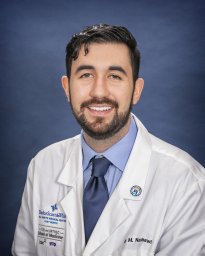 Mouhamed Nashawi合作论文数Div Med Cardiol, UT Hlth San Antonio3
 Abdullah Ghali合作论文数Department of Orthopedics, Baylor College of Medicine3LoPresti Charles M合作论文数3Jane O’Rorke合作论文数2Nagasri Shankar合作论文数2Minh-Phuong T. Le合作论文数2Lily Kuo合作论文数2Ariadna Perez Sanchez合作论文数1Adam Vinall合作论文数1Patricia I. Wathen合作论文数1Jessica L Koehler合作论文数1Linda Kurian合作论文数1Jessica Solis-McCarthy合作论文数1Christopher Gelabert合作论文数1Megan Freeman合作论文数1Raj Sehgal合作论文数1David Schrift合作论文数1Sandra Sanchez-Reilly合作论文数1
 Carolina Candotti合作论文数1Brandon Boesch合作论文数1Jason Phillips合作论文数1Gordon Johnson合作论文数1Gabriel Ortiz-Jaimes合作论文数1Amber L Bowman合作论文数1Jenna Dumovich合作论文数1HASAN BAHER合作论文数1Lara Voigt合作论文数1
 Maya Gogtay合作论文数1Anna Maw合作论文数1
 Mustafa Al Qaysi合作论文数Rosalind Franklin Univ1
 Karthik Vadamalai合作论文数1




