Supplementary Figure S3 shows the HAllA analysis illustrating associations between OTU expression and metabolite levels in unaffected lobes.
The use of inhaled corticosteroids (ICs) could influence the respiratory microbiota. In animals with asthma it is, however, difficult to separate the immunomodulatory effects of ICs from their indirect effects via improvement of ventilation. Our objective was to determine if ICs alter the pulmonary microbiota independently from their effects on lung function, using a blinded, controlled trial in an experimental model of asthma exacerbation in horses. We treated horses with severe asthma with either bronchodilators alone, or in combination with ICs. Twelve horses in exacerbation received long-acting β2-agonist (LABA, salmeterol) or ICs/LABA (fluticasone/salmeterol) by inhalation, for 2 weeks. Lung function and bronchoalveolar lavages (BAL) were performed before and after treatment. 16S rRNA gene quantification and sequencing were performed on BAL fluid, using digital droplet PCR and the Illumina MiSeq platform. Data were processed using the software package mothur v. 1.44.2. In the LABA group, pulmonary bacterial load and the relative abundance of Actinobacteria and Verrucomicrobia phyla decreased with treatment (p < 0.05 for both), and β-diversity differed from baseline (p = 0.007). The relative abundance of families and genera belonging to the Bacteroidetes phylum increased with ICs/LABA (p < 0.05). Lung function significantly improved with both treatments, suggesting that treatment-related differences in pulmonary microbiota could be attributed in part to medication, not solely to change in ventilation. However, it is not clear if these changes are positive or detrimental to the lung environment. Furthermore, lung function following treatment was not perfectly identical between groups.
Supplementary Figure S11 shows the effects of stearic acid treatment on viability of cancerous (H2122, H358), non-cancerous (BEAS2B), and monocytic (THP1) cells.
BACKGROUND:To enhance biological understanding of ARDS, pneumonia, and sepsis and to accelerate therapeutic development in these areas, the National Institutes of Health developed the ARDS, Pneumonia, and Sepsis (APS) Consortium. RESEARCH QUESTION:Is the APS Consortium study rapidly generating data and biospecimens from a large cohort of critically ill adults with ARDS, pneumonia, and sepsis that will facilitate phenotyping of these syndromes? STUDY DESIGN AND METHODS:The APS Consortium Phenotyping Study is a multicenter, longitudinal, prospective, observational cohort study aimed at enrolling 4,000 critically ill adults with ARDS, pneumonia, sepsis, or a combination thereof over 4 years. Data and biospecimens are collected to characterize many aspects of each participant's chronic health, acute illness, and long-term recovery to facilitate phenotyping, that is, subclassifying ARDS, pneumonia, and sepsis into precise biologically based subsets with shared pathophysiologic characteristics. Feasibility of the study was assessed by evaluating the first 1,000 participants in terms of recruitment pace, participant characteristics, biospecimen collection, and proportion with confirmed ARDS, pneumonia, and sepsis based on expert adjudication. RESULTS:The first 1,000 participants were recruited ahead of schedule in < 13 months. Median age was 64 years, 75% received vasopressors, 50% received invasive mechanical ventilation, and 25% died in the hospital within 4 weeks of enrollment. Biospecimen collection rates were high, with 99% of participants with blood samples, 98% with upper respiratory swabs, 37% with lower respiratory samples, 80% with urine samples, and 65% with gastrointestinal samples. Expert adjudication resulted in 40% classified with ARDS, 52% classified with pneumonia, and 89% classified with sepsis. INTERPRETATION:The APS Consortium Phenotyping Study is producing a cohort of critically ill adults with ARDS, pneumonia, and sepsis with high severity of disease and a rich set of data and biospecimens. The study will continue to full enrollment of 4,000 participants. CLINICAL TRIAL REGISTRATION:ClinicalTrials.gov; No.: NCT06521502; URL: www. CLINICALTRIALS:gov.
The lung microbiome field has matured into a promising area of translational research. Emerging evidence from the past decade, including studies of COVID pneumonia, indicates a role for respiratory microbiota in pneumonia pathogenesis. Here, the authors discuss areas of investigation that will be essential to refine an ecology-based conceptual framework of pneumonia pathogenesis, which will ultimately guide the development of microbiome-targeted diagnostics and therapeutics for pneumonia management.
Supplementary Figure S2 shows the agar layer setup used in the anchorage-independent colony formation assay.
Supplementary Figure S10 shows association plots between cytokines and metabolites in unaffected lobes.
Supplementary Figure S4 shows the correlations between microbial abundance and metabolite presence using Spearman’s rank correlation in affected and unaffected lobes.
Supplementary Figure S9 shows association plots between microbial taxa (OTUs) and cytokines in unaffected lobes.
Supplementary Figure S8 shows association plots between microbial taxa (OTUs) and metabolites in unaffected lobes.
Supplementary Figure S5 shows principal component analyses indicating separation between tumor and unaffected lobes, including elbow plots, PCA training, and loading distributions for PC1 and PC2.
Supplementary Figure S13 shows the percentage distribution of cytokine-producing cells in untreated and stearic acid–stimulated THP1-derived macrophages.
Host-respiratory microbiome interplay is vital to lung homeostasis. Systemic inflammatory response syndrome (SIRS) is an intense alteration in host status that necessitates rapid microbiome adaptation to avoid respiratory complications. Using longitudinal multi-omic data from patients with SIRS, we confirm that the respiratory microbiome, blood metabolome, and immune cells form a dynamic metasystem and define a metacluster with distinct T/B cell trafficking, anaerobic bacteria, high tyrosine metabolism, and low fatty acid biosynthesis. This metacluster status can serve to classify the severity of alterations in host-lung microbiome interactions as moderate or severe and to predict pneumonia and mortality. We demonstrate the robustness of these findings in an independent, randomized controlled trial and propose that interferon-γ treatment may benefit patients with severe metacluster alterations but harm those with moderate alterations. Our study supports the concept of the host-respiratory microbiome as a dynamic metasystem, in which specific alterations are associated with pneumonia and responses to interferon-γ treatment.
BACKGROUND Sepsis encompasses considerable biological and clinical heterogeneity. Previously, 2 phenotypes (“hyperinflammatory” and “hypoinflammatory”) have been consistently identified within sepsis via latent class analysis. These phenotypes differ in their biological features, clinical outcomes, and therapeutic responses to interventions. Prior studies of sepsis heterogeneity have focused primarily on the host response. Here, we investigate the potential influence of the causative pathogen on sepsis heterogeneity and pathobiology. METHODS We performed a retrospective observational analysis of 8,280 critically ill patients with sepsis to identify associations between pathogen characteristics and the hyperinflammatory and hypoinflammatory patient phenotypes. We also performed controlled murine and swine modeling of sepsis and lung injury and a secondary analysis of 449 patients enrolled in the EUPHRATES randomized controlled trial. RESULTS Pathogen characteristics (pathogen identity, burden, virulence, and anatomic site of infection) were strongly and independently associated with the previously reported phenotypes. In a cohort of critically ill patients with sepsis, infection with gram-negative pathogens, primarily Enterobacterales spp. (e.g., Escherichia coli , Klebsiella pneumoniae ), was strongly associated with the hyperinflammatory phenotype. The hyperinflammatory phenotype was also independently associated with increased pathogen burden, virulence, and initial anatomic site of infection. In controlled murine and swine modeling, both the identity and burden of the pathogen provoked key biological features of the hyperinflammatory phenotype. Among patients with sepsis, the prognostic value of lactate clearance varied substantially by phenotype. In a secondary analysis of a randomized trial of polymyxin B hemoadsorption (which removes circulating endotoxin), hypoinflammatory patients experienced worse survival. CONCLUSIONS Our results demonstrate the central importance of pathogen features in the clinical and biological heterogeneity of sepsis. Future studies of sepsis pathobiology and heterogeneity should expand their scope beyond the host response, as understanding pathogen-host interactions will be crucial in the development of precision therapeutic strategies to improve patient outcomes. TRIAL REGISTRATION EUPHRATES trial NCT01046669. FUNDING 5P30AG024824, IK2CX002766, R01HL144599, K24HL159247, R01HL158626, R01HL173531, R35GM142992, R35GM145330, R35GM136312, K23HL166880, R35HL140026.
Supplementary Figure S6 shows association plots between microbial taxa (OTUs) and metabolites in tumor lobes.
Lung cancer is the leading cause of cancer-related deaths. The human microbiome plays an important role in regulating response to cancer therapeutics, outcomes, and biological processes. However, little is known about the interplay between the lung microbiome and other biological processes in cancer. In an exploratory pilot study, we collected bronchoalveolar lavage fluid and brushings from 20 patients with early-stage lung cancer and performed microbial sequencing, untargeted metabolomics, and cytokine analysis. In addition, we employed computational and machine learning approaches to identify integrated microbial-immunometabolic pathways. Finally, we performed preliminary mechanistic studies to confirm our findings. Previously, we published that upper airway microbiota were selectively enriched in tumor-affected lobes. In the present study, we demonstrate that enrichment of protumorigenic cytokines and specific fatty acids is associated with tumor-affected lobes. Finally, we find that long-chain fatty acid stimulation of macrophages leads to neoplastic transformation of lung epithelial cells. Therefore, the findings of this study identify a perturbed fatty acid-macrophage axis that is a potential biomarker of early-stage lung cancer and will lead to the development of novel therapeutic agents. PREVENTION RELEVANCE:This study identifies a lung microbiome-driven immunometabolic axis involving stearic acid and MIP1β in tumor-affected lobes of patients with early-stage lung cancer. These localized microbial and cytokine-metabolite signatures may serve as biomarkers for early detection and provide targets for preventive strategies in high-risk individuals undergoing lung cancer screening.
Supplementary Table S1. Forward and reverse primer sequence for CCL3/ MIP1α, CCL4/MIP1β, and β-Actin. Primer sequences were curated from PrimerBank
 Tetsu Kobayashi合作论文数Dept Pulm & Crit Care Med, Mie Univ63Corina N D'Alessandro-Gabazza合作论文数Mie Univ, Grad Sch Med, Dept Immunol, Tsu, Mie, Japan57
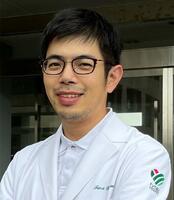 Taro Yasuma (安間太郎)合作论文数Mie University Graduate School of Medicine55
 Gary B. Huffnagle合作论文数Department of Microbiology & Immunology, Medical School, University of Michigan;College of Literature, Science, and the Art, University of Michigan40Hajime Fujimoto合作论文数34Osamu Taguchi合作论文数Center for Physical and Mental Health, Mie University;Department of Pulmonary and Critical Care Medicine, Mie University33John R. Erb Downward合作论文数30Yukihiko Adachi合作论文数29Masaaki Toda合作论文数28Hsiang Jung-Cheng合作论文数25
 Michael William Sjoding合作论文数Division of Pulmonary and Critical Care, Department of Internal Medicine, Medical School, University of Michigan25Nicole R. Falkowski合作论文数23Osamu Hataji合作论文数22O Taguchi合作论文数21Kota Nishihama合作论文数Department of Diabetes, Metabolism and Endocrinology, Mie University Graduate School of Medicine, Tsu, Japan21Yutaka Yano合作论文数18Yoshiyuki Takei合作论文数18
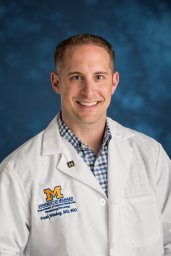 Frank Weinberg合作论文数Department of Computer Sciences, University of Kaiserslautern17Atsuro Takeshita合作论文数Mie Univ, Fac & Grad Sch Med, Dept Immunol, Edobashi 2-174, Tsu, Mie 5148507, Japan16
 Nithya Ramnath合作论文数Division of Hematology and Oncology, Department of Internal Medicine, Medical School, University of Michigan-Ann Arbor16
 Reddy Rishindra M合作论文数Department of Surgery, University of Michigan16
 Achreja Abhinav合作论文数16
 Srinadh Choppara合作论文数Laboratory of Molecular Cancer Biology and Epigenetics, National Centre for Cell Science, Ganeshkhind Road, Pune 411007, India15Fujiwara Kentaro合作论文数15
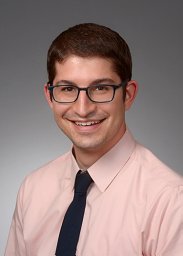 Weinberg Samuel E合作论文数Feinberg School of Medicine, Northwestern University15
 Mohan Aradhana合作论文数15
 Deepak Nagrath合作论文数Department of Biomedical Engineering, University of Michigan;Department of Chemical Engineering, University of Michigan15
 Alicia Hulbert合作论文数University of Illinois Cancer Center;Department of Surgery, College of Medicine, University of Illinois at Chicago15Y Yano合作论文数14Fei Yang合作论文数Univ Texas MD Anderson Canc Ctr, Houston, TX 77030 USA14
 Kathleen Stringer合作论文数Department of Clinical Pharmacy, College of Pharmacy, University of Michigan-Ann Arbor14Valeria Fridman D'Alessandro合作论文数Mie Univ, Fac & Grad Sch Med, Dept Immunol, Edobashi 2-174, Tsu, Mie 5148507, Japan13Rishi Chanderraj合作论文数Division of Infectious Diseases, Department of Internal Medicine, Medical School, University of Michigan-Ann Arbor13
 Hallie C Prescott合作论文数Division of Pulmonary & Critical Care Medicine, Department of Internal Medicine, University of Michigan Medical School;Institute for Healthcare Policy and Innovation, University of Michigan;Ann Arbor Veterans Affairs Healthcare System13Masahiro Naito合作论文数13
 W. E. (William Esco) Moerner合作论文数Department of Chemistry, Stanford University13
 Takeshi Oka (岡武史)合作论文数Departments of Astronomy and Astrophysics, Physical Sciences Division, University of Chicago;Enrico Fermi Institute, Physical Sciences Division, University of Chicago13H Shiku合作论文数12tiankou xiu (修 田口)合作论文数12H Wada合作论文数12
 Kentaro Ito合作论文数12
 Junhua Yu (于俊华)合作论文数12Yoichi Nishii合作论文数12Jeffrey T. Petty合作论文数12Y Sumida合作论文数11Haruko Saiki合作论文数11Tomohito Okano合作论文数Mie Univ, Grad Sch Med, Dept Pulm & Crit Care Med, Tsu, Mie, Japan11
 Fernando J Martinez合作论文数NewYork-Presbyterian Hospital;Division of Pulmonary and Critical Care Medicine, Weill Cornell Medical College, Cornell University11
 Ranjan Piyush合作论文数School of Biology, Georgia Institute of Technology11




