Alterations in energy intake (EI) and exercise energy expenditure (EEE) may increase low energy availability (LEA) risk in Division II female collegiate athletes. Chronic LEA can transition to problematic LEA, leading to Relative Energy Deficiency in Sport (REDs). The purpose of this study was to assess the current severity and prevalence of REDs using the REDs Clinical Assessment Tool 2 (CAT2) and the Female Athlete Triad Cumulative Risk Assessment tool (FAT CRA) in Division II collegiate female ball sport athletes. Twenty-seven female athletes (volleyball, soccer, basketball, and rugby) at Central Washington University were included. Participants reported demographics; history of injuries, depression, and eating disorders (EDs); Eating Disorder Examination Questionnaire (EDE-Q), Low Energy Availability in Females Questionnaire (LEAF-Q) and dual X-ray absorptiometry (DXA) of the lumbar spine, hips, and whole body to determine REDs risk using the REDs CAT2 Tool and Triad risk using the FAT CRA. 85.2% (n=23) of athletes had no or low risk of REDs, while 15% (n=4) had a mild risk. An elevated EDE-Q score had a higher prevalence in the yellow group (p<0.001), and global and shape concern were strongly associated with (rs (25) = 0.61, p<0.001), (rs (25) = 0.6, p<0.001) an increased REDs risk. In this cohort of athletes, REDs risk was low, with an elevated EDE-Q global score serving as the most prevalent primary indicator contributing to risk for REDs. Our findings suggest that disordered eating risk may be just as influential as physiological markers in identifying athletes at risk for REDs.
Research Objectives To explore the impact of a Work-Integrated-Learning (WIL) initiative using a podcast as a tool for undergraduate students in health and rehabilitation sciences. Design Pilot survey-based study. Students were recruited and randomized to control or WIL group. WIL group participated in a 12-week podcast internship, engaging in research, content development, social media management, and podcast production. The control group continued with their academic course work. They completed an online survey assessing self-efficacy, confidence, satisfaction, and learning engagement. Setting Health Sciences department at Central Washington University, USA Participants Undergraduate Students from a Health Sciences department Interventions Participants received training in research methods, health communication, podcasting (editing, recording, production), and social media engagement. Students contributed to content development, research, podcast recording, and audience engagement. The podcast, featuring health professionals, covered topics like healthy practices, kinesiology, rehabilitation, nutrition, sports, and public health. Main Outcome Measures Satisfaction was assessed using the Student Outcomes Survey. Self-efficacy was evaluated using the Educational Self-Efficacy Scale, and learning engagement was measured with the Learning Engagement Scale. Qualitative feedback was also gathered through open-ended questions. Results The Student Outcomes Survey showed increased satisfaction in the Podcast WIL group. At baseline assessment, 66.66% of control participants agreed their training developed problem-solving skills, compared to 100% of the Podcast WIL group. The Podcast WIL group also reported higher satisfaction in teamwork, communication, and work planning, with 100% reporting overall training satisfaction, compared to 83.33% of the control group. Self-efficacy levels increased after the podcast-based WIL experience. At baseline, 83.33% of the control group were confident in completing assigned work, and this dropped to 66.66% in the final assessment. In WIL group, 100% were confident in completing work at the final assessment, compared to 50% at baseline. In learning engagement, 100% of the Podcast WIL group agreed they were inspired by health sciences content in the final assessment, compared to 83.33% in the control group. Conclusions This study demonstrates the feasibility of using podcasts in health and rehabilitation science education through Work-Integrated-Learning. Positive outcomes in satisfaction, self-efficacy, and learning engagement suggest podcast-based WIL initiatives can effectively develop digital literacy and communication skills. Future research with larger samples is needed to assess long-term benefits.
Objectives To analyze the prevalence of Health Sciences students using podcasts or social medias as educational strategy. Design A survey-based study. An anonymous survey (Google Forms) was distributed among undergraduate and graduate students in the Health Sciences Department at Central Washington University (Ellensburg, Washington) over a 3-week period. The department offers a variety of undergraduate and graduate programs including Clinical Physiology, Exercise Sciences, Nutrition, Paramedicine, Public Health, Integrative Human Physiology, and Physical Rehabilitation Therapy. The questionnaire included 12 questions including age, year in school, intended major, podcast or social medias usage for educational purposes in Health Sciences. Average time to complete the survey was 5 minutes. Setting Online based research. Participants were invited via electronic information and in-person advertises in several classes. Participants Undergraduate and graduate students of any age and sex of the Health Sciences department at CWU were eligible to participate on the survey. Interventions An anonymous survey (Google Forms). Main Outcome Measures Podcast and social media usage for health science education. Results Out of 114 college age students (20.76±3.1y) that participated on the survey 52 (45%) identified as women and 62 (55%) identified as man. Eighty-four students (74%) reported to listen to podcast however, only 43 (37%) of students are using podcast for educational purposes. Only 6 students (5%) reported using educational podcasts with daily frequency, 13 (11%) monthly. Eighty-nine students (79%) reported that they would listen to a podcast that complemented their studies if there was one available. Students also reported on usage other educational resources, including YouTube (n=78; 70%) for supplement their studies. Social medias were also reported as educational resources including Instagram (n=39; 34%) and 31 people (27%) reported using TikTok for studying. Facebook and X had low numbers of students that reported using these platforms for educational use, Facebook had a reported 3 people (2.7%) and X showed 8 people (7.1%). Conclusions We found that most Health and Rehabilitation Sciences students do listen to podcasts. However, only half of those students listen for educational purposes. YouTube was the most common platform used as additional educational resource and there is a need for more educational podcasts reported by students. Disclosures none.
Introduction: Running is characterized by high physiological demands with an emphasis on body weight, which may lead to a greater risk of developing low energy availability (LEA) and/or disordered eating (DE). The prevalence of LEA among recreational runners has not been well defined, and this population may lack the ability to distinguish between nutrition resources that are evidence-based or not. Purpose: This study investigated (a) the prevalence of those at risk for LEA, menstrual dysfunction (MD), and risk of DE and (b) compared the risk of DE, training volume, and body weight dissatisfaction between female recreational runners at risk for LEA versus not at risk for LEA. Methods: Female recreational endurance runners (n = 1,923) completed an online questionnaire that included the Low Energy Availability in Females Questionnaire to evaluate LEA risk and MD, and the Disordered Eating Screening Assessment to evaluate DE risk and body weight dissatisfaction. Results: 53.04% of participants are at risk for LEA, 42.5% are at risk for DE, and 61.7% reported MD. Conclusions: The current study suggests that recreational runners are at an increased risk for LEA and DE. Furthermore, DE, MD, training volume, and weight dissatisfaction may be associated with LEA in recreational runners. These findings highlight the need for education and preventative measures around LEA, MD, and DE among recreational female runners.
Previous research suggests a high prevalence of low energy availability (LEA) and stress fractures (SF) among competitive female endurance athletes. However, much less is known about these issues among recreational female runners. This study aimed to assess the prevalence and number of self-reported SF and risk of LEA among noncompetitive, recreationally active female runners, aged 18 - 25 years. Additionally, it compared characteristics between females with a history of multiple SF vs. one or no SF, and between those 'at risk' vs. 'not at risk' of LEA. Female recreational runners (n=485) completed an online survey that included the Low Energy Availability in Females Questionnaire (LEAF-Q) and the Disordered Eating Screening Assessment (DESA-6). Thirty-three percent of participants reported ≥ 2 SF. Eighty-two percent of the ≥ 2 SF group were classified as 'at risk' of LEA (LEAF-Q score ≥ 8). In addition, ≥ 2 SF was associated with higher total LEAF-Q score, self-reported intentional food restriction for weight loss, and self-reported current eating disorder while weekly exercise duration was inversely associated with ≥ 2 SF. In conclusion, one-third of participants had multiple SF with a majority (82%) of this group classified as 'at risk' of LEA. Screening tools such as the LEAF-Q and DESA-6 are useful tools to identify characteristics associated with multiple SF in this demographic, especially questions regarding food restriction and the presence of a current or previous eating disorder.
Caffeine has documented hypoalgesic effects during exercise. However, there is a lack of research focusing on caffeine's potential analgesic effects to ameliorate delayed onset muscle soreness. A placebo controlled randomized cross-over trial was carried out to determine if 5 mg/kg of body weight (mg/kgBW) of caffeine attenuates muscle pain and improves 5 k running performance following delayed onset muscle soreness. Prior to participating, eleven runners (9 male; 2 female; age, 24.5 +/- 6.3 years; height, 173.6 +/- 7.8 cm; body mass, 66.3 +/- 7.5 kg; BMI, 23.18 kg/m(2) +/- 1.6; VO2max 61.0 +/- 6.1 ml/kg/min(-1)), were asked to discontinue supplement use for 72 hours and abstain from caffeine consumption for 48 hours. Participants performed a 30-minute downhill run on a treadmill set at -10% grade at 70% VO2max to induce delayed onset of muscle soreness. Participants then returned 48 hours after to complete a 5 k time trial run where they consumed either 5 mg/kgBW of caffeine or a placebo. Rate of perceived exertion and heart rate were taken every two minutes during the trial. There was no detectable statistical difference between 5 k performance between caffeine (1074.9 +/- 119.7 sec) or placebo (1053.8 +/- 86.8 sec) (p = .41). Algometer readings were similar between both treatments for muscle soreness in the rectus femoris (p = .791) and the vastus medialis oblique (p = .371). Muscle soreness ratings were found to be greater in the caffeine condition compared to the placebo condition (p = .030). There was no effect of treatment on rating of perceived exertion between conditions (p = .574). The present study suggests that caffeine is not effective at reducing muscle soreness, rating of perceived exertion, or improving running performance in a time trial in the presence of muscle soreness.
Montmorency Cherry Juice (MCJ) may improve acute exercise recovery by attenuating inflammation and oxidative stress. However, the anti-inflammatory effects of MCJ on monocyte responses following resistance exercise have not been explored. Seven resistance-trained males (age: 22.9 ± 4.1 yrs; height: 1.8 ± 0.1 m; weight: 81.7 ± 13.2 kg) participated in this study. Participants completed a placebo-controlled crossover design, drinking either MCJ or placebo beverages, 7 days prior to completing an acute bout of unilateral resistance exercise. Statistical significance was assessed using a withinsubjects repeated measures ANOVA; alpha level p ≤ 0.05. Main effects for time were observed for changes in classical and intermediate monocytes (p ≤ 0.05), but no significant treatment effects were observed for monocyte subtypes p > 0.05. Classical monocytes (CD14+ CD16-) increased and peaked 24 hr post-exercise (placebo 1.14 ± 0.04 and MCJ 1.06 ± 0.06-fold). Intermediate monocytes peaked 48 hr post-exercise increasing 1.82 ± 0.41 and 2.01 ± 0.80- fold. Nonclassical monocytes peaked post-exercise (placebo 1.17 ± 0.31 and MCJ 1.02 ± 0.20-fold). Peak pain visual analog scale (VAS) occurred post-exercise for MCJ (3.63 ± 2.01-fold) and 72 hr post-exercise for placebo (4.26 ± 3.46- fold). IL-6 and pressure pain threshold (PPT) peaked 24 hr post-exercise (IL-6 placebo 3.83 ± 1.01- and MCJ 6.43 ± 3.43-fold) and (PPT placebo 86.37 ± 3.95% and MCJ 82.81 ± 2.90% of pressure needed at pre-exercise). Our data suggests MCJ consumption does not decrease muscle soreness, IL-6, or monocyte subset responses following a high-intensity resistance exercise protocol in resistance-trained males.
(1) Background: The purpose of this study was to examine the symptoms of low energy availability (LEA) and risk of relative energy deficiency in sport (RED-S) symptoms in para-athletes using a multi-parameter approach. (2) Methods: National level para-athletes (n = 9 males, n = 9 females) completed 7-day food and activity logs to quantify energy availability (EA), the LEA in Females Questionnaire (LEAF-Q), dual energy X-ray absorptiometry (DXA) scans to assess bone mineral density (BMD), and hormonal blood spot testing. (3) Results: Based on EA calculations, no athlete was at risk for LEA (females < 30 kcal·kg−1 FFM·day−1; and males < 25 kcal·kg−1 FFM·day−1; thresholds for able-bodied (AB) subjects). Overall, 78% of females were “at risk” for LEA using the LEAF-Q, and 67% reported birth control use, with three of these participants reporting menstrual dysfunction. BMD was clinically low in the hip (<−2 z-score) for 56% of female and 25% of male athletes (4) Conclusions: Based on calculated EA, the risk for RED-S appears to be low, but hormonal outcomes suggest that RED-S risk is high in this para-athlete population. This considerable discrepancy in various EA and RED-S assessment tools suggests the need for further investigation to determine the true prevalence of RED-S in para-athlete populations.
Athletes with cervical level spinal cord injuries (SCI) have an impaired ability to thermoregulate during exercise, leading to an increased core temperature (Tcore) due to a decrease in sweat response. Elevated Tcore may result in premature onset of fatigue and decreased athletic performance. Therefore, precooling techniques that decrease Tcore before exercise may increase the storage capacity for metabolic heat production, thereby delaying the time before reaching a critically high Tcore. The purpose of this study was to investigate the effects of pre-exercise ice slurry ingestion as a precooling method in elite athletes with SCI during a wheelchair rugby match simulation. Employing a field-based, counterbalanced-design, participants were administered 6.8 g/kg of room temperature (PLB) or ice slurry (IS) beverage during a 20-minute precooling period, before engaging in a 50 and 60 minute on-court training session on day 1 and 2, respectively. Physiological measures, including Tcore and heart rate, and perceptual measures including gastrointestinal and thermal comfort, and rating of perceived exertion, were monitored throughout precooling (minutes 10, 20) and exercise (minutes 10-60). IS had a large effect on Tcore at the midpoint of exercise on day 1 (minute 30) (ES=0.73) and 2 (minute 40) (ES=1.17). Independent samples T-tests revealed significant differences in the perception of thermal comfort between IS and PLB at the midpoint of exercise on day 1 (minute 30) (p=0.04), but not day 2 (minute 40) (p=0.05), indicating that IS may help participants to feel cooler during exercise. Although further research is warranted, pre-exercise ice slurry ingestion may provide an effective means for delaying an increase in Tcore in some athletes with SCI during a wheelchair rugby match.
Iron depletion, with or without anemia, is of concern to endurance athletes given increased iron loss risk factors such as sweating, foot strike hemolysis, menstrual blood loss, and gastrointestinal bleeding. However, little is known regarding the impact of training volume on iron status, fatigue, and recovery in endurance athletes. PURPOSE: To observe iron status and its subsequent effects on aerobic capacity and perceived fatigue and recovery in distance runners over a cross-country season. METHODS: Male (n=10, age 19±1 yr, height 179±4 cm, weight 67±7 kg) and female (n=4, age 20±1.5 yr, height 164±6 cm, weight 57±3 kg) division II collegiate cross-country runners completed a complete blood count, ferritin level, maximal oxygen uptake test (VO2max), and a three-day food record pre-season (August 2019) and post-season (November 2019). Survey data regarding average weekly mileage, fatigue (visual analog scale, 0-100 mm), and recovery (scale from 0, very poorly recovered - 10, very well recovered) were taken at baseline then monthly for a total of four assessments. RESULTS: Pre-season hemoglobin concentrations were 15.6±0.8 g/dl (males), 13.7±0.3 g/dl (females), and ferritin levels were 67.4±25.7 ng/ml (males), 56.8±44.4 ng/ml (females). Pre-season VO2max was 64.1±2.4 ml·kg-1·min-1 for males and 52.6±2.9 ml·kg-1·min-1 for females. Weekly mileage remained similar across pre-season (51±17 mi), month 1 (56±7 mi), and month 2 (53±7 mi). Perceived fatigue increased significantly from pre-season (26±9 mm) to month one (59±15 mm) (p < 0.001), then decreased at month two (50±22 mm, p = 0.23). Perception of recovery decreased significantly from pre-season (7±1) to month one (5±2) (p < 0.05), then increased at month two (6±2, p = 0.45). Post-season iron status and VO2max data will be evaluated following season completion. CONCLUSIONS: Relationships between iron status, VO2max, and perceived fatigue and recovery will be assessed following completion of the competitive season.
The main purposes of this review were to provide a qualitative description of nine investigations in which sweat losses were estimated by participants following exercise and to perform a quantitative analysis of the collective data. Unique estimations (n = 297) were made by 127 men and 116 women after a variety of exercise modalities in moderate to hot environmental conditions. Actual sweat loss exceeded estimated sweat loss (p < 0.001) for women (1.072 ± 0.473 vs. 0.481 ± 0.372 L), men (1.778 ± 0.907 vs. 0.908 ± 0.666 L) and when all data were combined (1.428 ± 0.806 vs. 0.697 ± 0.581 L), respectively. However, estimation accuracy did not differ between women (55.2 ± 51.5%) and men (62.4 ± 54.5%). Underestimation of 50% or more of sweat losses were exhibited in 168 (54%) of estimation scenarios with heavier sweaters displaying a higher prevalence and trend of greater underestimations in general. Most modern guidelines for fluid intake during and between training bouts are based on approximate sweat loss estimation knowledge. These guidelines will likely have minimal efficacy if greater awareness of how to determine sweat losses and accurate recognition of sweat losses is not increased by coaches and athletes.
Montmorency tart cherry juice (MC) has been shown to enhance exercise recovery following high intensity exercise by decreasing inflammation and oxidative stress. Methodologies for previous studies involving MC consumption as a recovery aid utilize a pre-load dosage strategy involving a 3-7 day loading phase prior to strenuous exercise. No consistent rationale has been provided for dosage strategies, therefore a pre-load strategy may be unnecessary for proposed benefits. PURPOSE: To investigate whether acute consumption of MC following a bout of strenuous exercise is equally as effective as consuming MC pre and post exercise on markers of recovery. METHODS: Healthy resistance-trained males (n=10, age, height, mass: 25.30±8.08 years, 179.81±10.84 cm, 90.95±18.04 kg) and females (n=8, age, height, mass: 25.63±3.85 years, 165.89±3.46 cm, 70.98±8.54 kg) were randomized into two groups that consumed 30 mL of MC twice per day for three days following exercise (no-preload; NPL) or six consecutive days beginning three days prior to strenuous exercise (pre-load; PL). Participants completed a squatting exercise protocol designed to induce muscle damage and reported to the lab immediately post-exercise, 24, 48 and 72-h later to assess recovery indices including: serum creatine kinase (CK), the Adapted Brief Assessment of Mood (BAM+) survey, pressure-pain threshold (PPT), countermovement jump height (CMJ) and the Wingate anaerobic test (WAnT). RESULTS: Serum CK peaked at 24-h in the NPL and PL group as compared to baseline (410.56±253.90, 778.17±780.95 U/L, respectively) (p<0.05). Perceived recovery (BAM+) was lowest at 48-h in the NPL and PL group (45.16±25.59, 35.96±29.67 mm, respectively) (p<0.05). PPT of the vastus medialis muscle was lowest at 48-h in the NPL and PL group (5.99±1.34, 5.36±0.84 kg-force, respectively) (p<0.05). CMJ performance was lowest at 24-h in the NPL and PL group as compared to baseline (94.28±5.29, 88.94±11.74%, respectively) (p<0.05). No differences were found between the NPL and PL groups for all recovery indices. CONCLUSIONS: These results suggest no additional benefits of a pre-load strategy when using MC as a post-exercise recovery aid following high-intensity, muscle-damaging exercise. These findings could have implications for dosage strategies currently used by athletes.
Individuals with spinal cord injury (SCI) have thermoregulatory inhibition, increasing the risk for heat related complication during exercise. Studies have examined cooling methods within this population, however many strategies are impractical. PURPOSE:To compare the effects of ad libitum use of two practical cooling methods: ice slurry (IS) and artificial sweat (SB), on performance and perceptual measures in recreationally trained athletes with SCI. METHODS: Recreational wheelchair basketball (WB) and rugby (WR) athletes with SCI (n=5; age 32.8±12.0 y; playing 3.2±1.9 y; BMI 25.0±8.1 kg/m2; peak oxygen consumption [VO2peak] 19.6±3.5 ml/kg/min) completed three lab visits; a familiarization, and two cooling trials in a climate controlled chamber (30.1±0.2°C, 51.7±2.0% relative humidity). Following familiarization, participants were assigned to IS or SB with an isocaloric, isovolumetric control beverage (CON). Participants completed an arm ergometry game simulation consisting of four quarters (four minutes of active recovery (A1,A2,A3,A4) and a 15-s sprint (S1,S2,S3,S4)). The assigned ad lib cooling method was available during programed rest after each sprint. IS and CON were split into two 3.4g/kg boluses provided 10-min prior to exercise and during passive rest. Peak power output (W), perceived exertion (RPE), and thermal sensation (TS) were collected every four and five min. RESULTS: W (mean±SD) was greater during sprints with SB than IS, respectively (S1: 93.6±57.8W, 85.9±53.5W; S2: 97.1±53.2W, 86.5±40.8W; S3: 99.1±57.0W, 90.9±48.9W; S4: 96.5±51.2W, 90.6±47.7W). TS (mean±SD) was similar across all exercise for both SB and IS, respectively: S1: 5.2±1.1, 5.4±0.5; S2: 6.0±1.0, 6.2±0.8; S3: 6.4±0.9, 6.4±0.6; S4: 6.8±1.1, 6.8±0.5; A1: 5.0±0.7, 5.4.0±0.5; A2: 5.4±1.1, 6.0±1.0; A3: 6.2±0.8, 6.6±0.9; A4: 6.6±0.9, 6.6±0.6. RPE (mean±SD) was similar for SB and IS, respectively, with SB trending higher at the end of exercise: S1: 12.4±1.6, 12.4±2.0; S2: 14.2±1.6, 13.8±1.6; S3: 15.6±0.9, 13.8±1.3; S4: 15.4±1.5, 14.6±1.1; A1:10.2±1.8, 11.0±2.5; A2: 11.8±0.8, 12.4±1.8; A3: 13.4±2.5, 12.8±1.3; A4: 14.0±1.4, 13.2±1.5. CONCLUSIONS: Implementation of SB yielded a greater power output and RPE than IS, but similar TS outcomes. Athletes may use either cooling method based on comfort and availability.
Chocolate milk is an effective recovery beverage following endurance exercise. The purpose of this study was to determine its efficacy, compared to a traditional sports drink, for recovery from intermittent, tournament-style exercise through measures of performance, perception, and rehydration. On 2 days, 7 days apart, female collegiate volleyball players completed an exercise session, rested for 2 h, and repeated the exercise. Participants consumed one of two recovery beverages in a randomized, counterbalanced crossover design. The volume of chocolate milk (CM) was calculated to meet the post-exercise carbohydrate recommendation (1.0 g carbohydrate·kg body weight−1·h−1), and the sports drink (carbohydrate-electrolyte beverage; CE) was matched for volume. The beverages had similar effects on performance and perception variables; no significant differences were noted between treatments. Total urine volume collected over the 2-h recovery period was significantly lower for CM than CE (CM: M = 217, SD = 115 ml vs. CE: M = 412, SD = 245 ml; Z = 2.60, p = .009; r = −.58), and when total fluid consumed during recovery was compared to urine output as a percent retained, a significant difference was seen between CM and CE (CM: 79.7% vs. CE: 61.4%; t[9] = −3.34, p = .009; d = 1.06). Thus, it was concluded that chocolate milk is as effective as a traditional sports drink for females recovering from intermittent exercise with a short (2 h) recovery period, and that chocolate milk may be more beneficial than a sports drink for achieving rehydration post-exercise.
Caffeine, an adenosine receptor antagonist, has documented hypo-analgesic effects during exercise. However, there is currently a lack of research focusing specifically on the potential analgesic effects of caffeine on delayed onset muscle soreness. PURPOSE: The purpose of this study was to determine whether 5 mg/kg of caffeine attenuates muscle pain and improves 5k running performance following exercise-induced muscle soreness. METHODS: The subjects (n=11) included nine males and two females who were apparently healthy adults (height: 175.9 ± 8.4cm, body mass: 69.2 ± 7.5 kg, age: 24.5 ± 6.3 years, body fat: 8.5 ± 4.7%, VO2max 63.6 ± 6.1ml*kg-1*min-1). Prior to participating, the subjects were asked to discontinue supplement use for 72 hours and abstain from caffeine consumption for 48 hours. Participants first performed an introductory testing and familiarization session to gain an understanding of the procedures. The study included a 30-minute downhill run on a treadmill set at -10% grade and 70% VO2max to induce delayed onset of muscle soreness. Participants then returned 48 hours after to complete a 5k time trial run where they consumed either 5 mg/kg of caffeine (CAFF) or placebo (PLB). Rating of perceived exertion (RPE) and heart rate (HR) were taken every two minutes during the trial. RESULTS: There was no detectable statistical difference between 5k performance between trials (p = .67) for CAFF (1036.2 ± 92.6 sec) vs. PLB (1043.4 ± 91.9 sec). Algometer readings were similar between CAFF and PLB trials for rectus femoris (RF) muscle soreness (p = .216) and vastus medialis oblique (VMO) muscle soreness (p = .679). There was no difference detected between CAFF and PLB trials for muscle weakness or tenderness (p = .824). There were also no differences between trials for RPE (p=.818). CONCLUSIONS: The present study does not suggest that caffeine is effective at reducing muscle soreness, RPE or improving performance during exercise when DOMS is present.
Rugby union players are at risk for dehydration due to the high physiologic demand of the sport (~7.5 MJ/game). Dehydration could be due to lack of knowledge of fluid lost during activity. Therefore, the purpose of this study was to observe the hydration status and sweat loss estimations of male and female university rugby union players over three consecutive training sessions. Body mass, urine specific gravity (USG), and self-reported thirst scores were recorded pre and post training sessions. Sweat loss estimations were recorded post training session. After estimations, participants were shown his or her actual sweat loss in hopes of improving estimations over the three sessions. Paired t-tests were used to determine significance between pre and post training USG, thirst level and body mass for each day. A general linear mixed-effect model was used to determine significance of the difference between variables within gender and within days. Mean body mass changes did not exceed 2% lost for either gender on any of the three training sessions. Males significantly underestimated sweat loss by ~81% (p<0.01) after session one and improved estimations to ~36% after session three, however still significantly underestimated (p<0.01). Females also significantly underestimated sweat loss by ~64% on day one (p<0.01), and also improved estimations to ~60% on day three, however, still significantly underestimated (p<0.01). Results indicate that, on average, the participants remained in a euhydrated state throughout the training sessions. Findings also show that through education participants can improve perceptions of sweat loss to remain in euhydrated state.
 Kelly Pritchett合作论文数48J M Green合作论文数19
 Phil Bishop合作论文数Department of Kinesiology, University of Alabama17John R. Mclester合作论文数9Elizabeth Broad合作论文数8Thad Crews合作论文数6James M. Green合作论文数6
 Charles P Katica合作论文数5
 Ali M. Al-Nawaiseh合作论文数5Tucker D C合作论文数5p j wickwire合作论文数4Vince Nethery合作论文数4
 Andrew Del Pozzi合作论文数4Lauren Stark合作论文数3Melissa A Lacroix合作论文数3Kelly L. Kerr合作论文数3Yang Zhang合作论文数3ben combs合作论文数3Colin R. Carriker合作论文数High Point Univ3
 Abigail Larson合作论文数3
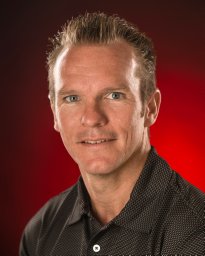 Green Michael S合作论文数Dept. of Kinesiology and Health Promotion, Troy University3Henry N. Williford合作论文数3
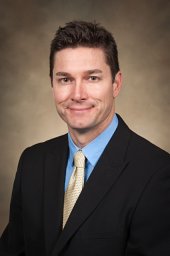 Michael R. Esco合作论文数Auburn University Montgomery;Department of Physical Education and Exercise Science;Department of Physical Education and Exercise Science, Auburn University Montgomery3J Wickwire合作论文数3Tyler D. Martin合作论文数3Kathleen R Connor合作论文数2
 Makenzie Schoeff合作论文数2Leo J. D'Acquisto合作论文数2Amber Green合作论文数2Todd T. Thornley合作论文数2Jerusalem Tesfaye合作论文数2Akef Taifour合作论文数2Devin Drummer合作论文数2Tim Burnham合作论文数2Stephanie Campbell合作论文数2Katherine Mitchell合作论文数USARIEM, Natick, MA USA2Mo'ath F Bataineh合作论文数Dept Sport Rehabil, Hashemite Univ2
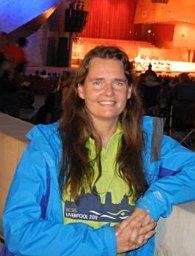 Roemer Karen合作论文数Department of Nutrition, Exercise, and Health Sciences, Central Washington University2
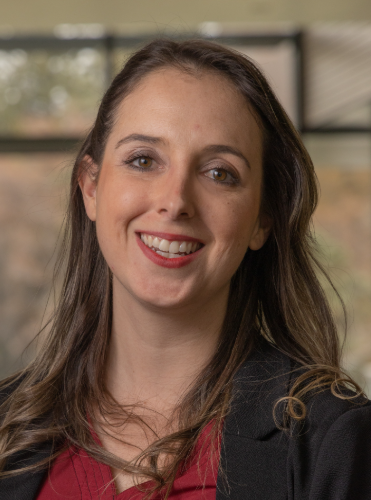 Ana Paula Freire合作论文数Departamento de Ciências da Saúde, Central Washington University;UNOESTE2Peschek Katelyn合作论文数2Ogan Dana合作论文数2Gee David L合作论文数2Gendle Shawn合作论文数2
 Eric K O'Neal合作论文数2Catalina Casaru合作论文数2Vincent Nethery合作论文数2
 Lawrence W Judge合作论文数2
 Ryan Perkins合作论文数2




