AIM:To investigate the relationship between nursing ethical leadership style, work environment (workload, interpersonal conflicts) and patients' objective nursing-sensitive outcomes (accidental falls, pressure ulcers, nosocomial infections, restraints and deaths). DESIGN:Nationwide multicentre cross-sectional multilevel survey. METHODS:Validated self-report scales were used to assess nurses' perceptions of ethical leadership, workload and interpersonal conflict. Nursing staffing and objective patient' nursing-sensitive outcomes were measured at the ward level. Descriptive and inferential analyses were conducted. Structural equation modelling examined the relationships among these variables based on Donabedian's conceptual framework. RESULTS:Data from 2349 nurses across 158 wards in 25 Italian acute care hospitals were analysed. The multilevel model showed an excellent fit. Ethical leadership was negatively associated with both workload and interpersonal conflict. Workload was significantly linked to higher rates of pressure ulcers, falls and deaths in patients. Ethical leadership was indirectly associated with improved patient outcomes through reduced workload. CONCLUSION:Head nurses' ethical leadership has a pivotal role in shaping the work environment and enhancing nursing-sensitive outcomes by reducing workload and fostering positive interpersonal dynamics. These findings emphasise the need for healthcare organisations to invest in ethical leadership development as a critical strategy for improving care quality and promoting better patient outcomes. IMPACT:These findings emphasise the need for healthcare organisations to invest in ethical leadership development as a critical strategy for improving care quality and promoting safer, more effective patient outcomes. REPORTING METHOD:The study adhered to The Strengthening the Reporting of Observational Studies in Epidemiology checklist. NO PATIENT OR PUBLIC CONTRIBUTION:This study did not include patient or public involvement. WHAT DOES THIS PAPER CONTRIBUTE TO THE WIDER GLOBAL CLINICAL COMMUNITY?: Cultivating moral values and principles in leadership enables leaders to effectively communicate these values to their staff. Addressing unethical behaviours, fostering open dialogue about organisational ethics, and supporting leaders in the ethical decision-making process contribute to a healthier nurses' work environment. Healthcare organisations investing in the development and promotion of ethical leaders improve care quality. PROTOCOL REGISTRATION:The study was registered in the research registry (www.researchregistry.com) under the record number (researchregistry7418), following a published protocol.
It is widely accepted that employee wellbeing is a pressing concern for HRM. Poor workplace wellbeing bears substantial societal costs; it is one of the roots of grand challenges of wellbeing and decent work. Enhancing sustainable employee wellbeing is therefore a way for HRM to contribute to the common good (CGHRM). There is a lack of understanding of how to practice CGHRM. Furthermore, existing HRM/wellbeing models lack attention to employee agency and fail to fully reflect the dynamics of the workplace. As such, their explanatory value is limited. To address this gap, drawing on Social Cognitive Theory (SCT) as a middle-range theory and incorporating insights from multi-disciplinary research, we provide a theoretically grounded account of the explanatory mechanism of reciprocal determinism through which a HRM system of practices shapes sustainable employee wellbeing. Our framework highlights the interplay between the theorized causal mechanisms, CGHRM values and principles and an HRM system of practices, offering a dynamic, socially embedded, and agentic explanation. An applied example of a CGHRM system of practices for wellbeing illustrates the theorized mechanism. Our conceptualization and framework underscore the benefit of middle-range theorizing and a focus on explanatory mechanisms, which are largely overlooked in HRM research to date. We further suggest that middle-range theorizing can advance the field and help bridge the “knowing-versus-doing-gap”.
Background:Despite extensive research on workplace aggression, far less attention has been paid to how regulatory frameworks structure its prevention and management. Although national policies establish legal duties and guidance, it remains unclear how prevention is conceptualised, how responsibilities and interventions are articulated for different actors (perpetrators, targets and bystanders), and the extent to which policy aligns with contemporary evidence. Aims and objectives:This study conducts a systematic policy mapping review of UK statutory and non-statutory documents addressing workplace aggression. Using a multi-actor, multi-level prevention framework, we examine how policies define workplace aggression, structure monitoring, and distribute primary, secondary and tertiary prevention across perpetrators, targets, and bystanders. Findings:We screened 8,413 documents and analysed 57 eligible policies. The mapping reveals a fragmented policy landscape characterised by definitional inconsistencies, uneven monitoring guidance, limited attention to digital forms of aggression and an imbalanced prevention portfolio. Prevention efforts are comparatively concentrated on targets and post-incident responses, with limited articulation of bystander-focused and tertiary strategies, and relatively little structured primary prevention targeting perpetrators beyond normative statements such as zero-tolerance. These patterns suggest a predominantly reactive orientation within current policy approaches. Discussion and conclusion:By systematically applying a multi-actor framework across the full policy corpus, this study moves beyond descriptive review to provide a diagnostic account of prevention coverage within a mature regulatory system. The framework offers a practical tool for policy makers and organisations to audit gaps, strengthen prevention portfolios and stage implementation.
When employees engage in potentially harmful behavior, organizations and societies rely on others to voice these issues. We propose that workaholism, a way that some individuals develop to deal with and thrive in today's intense and demanding work environment, reduces these individuals' intention to engage in moral voice and increases employee silence. Drawing on social-cognitive theory of morality, we propose that this occurs because workaholism, being driven by an inner compulsion to working extensively, disengages moral self-regulation which, in turn, affects both the activation of moral behavior (i.e., voice intentions) and the inhibition of immoral behavior (i.e., employee silence). Further, based on social-cognitive theory's premise that moral behavior is jointly regulated by personal and social standards, we propose that a context that endorses this inner pressure to work (i.e., climate of self-interest) strengthens the relationship between workaholism and moral disengagement. Findings from two three-wave time-lagged studies of Italian and UK employees suggest that workaholism-but not workload-is associated with moral disengagement and indirectly with more silence and less moral voice intention. Additionally, Study 2's moderated-mediation model showed that perceived climate of self-interest moderates the relationship between workaholism and moral disengagement and revealed dimension-specific effects of workaholism.
This article explores possible subversions of heteronormativity through transgender performativity in the workplace. Drawing on insights from Judith Butler we focus on how employees construct (un)intelligible subject positions that can create 'moments' of subversion, which go against the disciplinary, powerful and normative gender binary. We explore this possibility through an analysis of qualitative material generated through encounters with 11 Italian trans workers. Our analysis shows that subversion manifests in diverse ways according to how individual performativities combine with organisational context. Within this diversity we highlight three moments of subversion: subversion through intrigue; subversion through incongruence; and subversion through betrayal. We argue that where transgender identity contrasts strongly with gender norms, subversion is most intense. The subversion of strongly heteronormative working contexts is difficult as moments of subversion are unpredictable, varied and can come at personal cost, but are necessary in order to accommodate different gender identities.
While considerable attention has been devoted to understanding how individual characteristics influence unethical actions, far less research has examined the role of social and organisational processes. We introduce the concept of organisational moral disengagement (OrgMD), drawing on Bandura’s moral agency theory, to explain how unethicality may be fostered in organisations. OrgMD is a multilevel construct, capturing perceptions of the mechanisms through which morality can be suspended in an organisation allowing unethical practices to flourish. Using four empirical studies, we validated OrgMD at both individual and organisational levels. The first three studies were conducted at individual level (Study 1: two waves, 301 workers; Study 2: two waves, 297 workers; Study 3: 297 workers), while the fourth adopted a multilevel design (3050 workers nested in 113 organisations). OrgMD, although highly correlated with personal moral disengagement, emerges as a distinct construct that operates both at individual and organisational levels. We show that when members perceive their organisation to be morally disengaged, they are more likely to engage in unethical pro-organisational behaviour and silence. The concept of OrgMD advances understanding of the social processes through which unethical organisational activities can be normalised as acceptable in organisations.
Moral self-efficacy refers to individuals' beliefs in their capability to effectively mobilise motivation, cognitive resources and strategic actions to achieve moral performance particularly in challenging situations. We adopt the conceptualization of moral self-efficacy that encompasses both self-reflective and behavioural components. The self-reflective dimension pertains to one's perceived capability to reflect on past moral lapses, while the behavioural dimension involves one's perceived capability to regulate future moral conduct. The study aims to explore moral self-efficacy as a "dynamic" process unfolding over time, focusing on the reciprocal influence between its self-reflective and behavioural dimensions in hindering the development of moral disengagement. Utilising a three-wave design with a sample of 1308 employees (50% females) at Time 1 results of a structural equation model support the hypothesized interplay between self-reflective and behavioural moral self-efficacy over time. In addition, our findings partly support our hypothesized relationships between moral self-efficacy dimensions and moral disengagement: self-reflective moral self-efficacy directly and negatively influenced the development of moral disengagement over time, while behavioural moral self-efficacy negative influenced it only indirectly through self-reflective moral self-efficacy.
Moral disengagement plays an important role in the routinization of counterproductive work behavior (CWB) as a key mediator. What remains unclear are the factors that could attenuate the power of moral disengagement in this process. Building on social-cognitive theory, we hypothesize the moderating role of moral self-efficacy and suggest the importance of two different dimensions: self-reflective and behavioral moral self-efficacies. While the former should buffer the CWB-moral disengagement path over time, the latter should buffer the moral disengagement-CWB path. After presenting the psychometric properties of the moral self-efficacy scale in two independent samples (Study 1: United Kingdom, N = 359; Study 2: Italy, N = 1308), we test the posited multi-wave moderated-mediated model. Results from a structural equation model supported our hypotheses. Results demonstrate that the routinization of CWB through the mediation of moral disengagement over time is conditionally influenced by the two moral self-efficacy dimensions. Employees high in capability to look back and question the assumptions that affected their behavior (i.e., self-reflective moral self-efficacy) are less likely to morally disengage as a result of previous engagement in CWB. Employees high in capability to morally self-regulate (i.e., behavioral moral self-efficacy) are less likely to engage in CWB as a result of their moral disengagement. Results of the conditional indirect effect suggest that previous engagement in CWB is not translated in future engagement in CWB for those individuals high in both moral self-efficacy dimensions.
OBJECTIVE:Work is a key domain of life in which gender inequality can manifest, yet gender is rarely the explicit focus of research seeking to understand exposure to stressors. We investigated this research gap in two studies.METHODS:Study 1 was a systematic review of the relationship between gender and key stressors (e.g., high demands, poor support, lack of clarity and control). From a total of 13,376,130 papers met our inclusion criteria. Study 2 was a cross-sectional study that included 11,289 employees nested within 71 public organisations (50.6% men). Through a latent profile analysis, we investigated the profiles of stressors separately from men and women.RESULTS:The systematic review revealed that, for all stressors, a significant proportion of studies found no significant gender differences, and the review found mixed evidence of greater exposure for both men and women. The results of Study 2 revealed that both genders could be optimally represented by three psychosocial risk profiles reflecting medium, low and high stressors. The results also showed that while the shape of profiles was similar for both genders, men had a higher probability than women of being in the virtuous (i.e., low stressors) profile, and the opposite pattern emerged for the average profile (i.e., medium levels of stressors). Men and women displayed the same likelihood of being classified in the at-risk profile (i.e., high levels of stressors).CONCLUSION:Gender differences in exposure to stressors are inconsistent. Although the literature on gender role theory and the gendering of work suggests different exposures to stressors in men and women, we find little empirical support for this.
This article aims to conceptualize, for the first time, an implicit form of moral disengagement and investigate its role in relation to cheating behavior. In line with the implicit social-cognition models, we argue that the implicit moral disengagement would represent an unintentional, automatic, and less accessible form of the mechanisms bypassing the moral self-regulatory system. We anticipate that in situations implying on-the-spot decisions and where individuals might suffer no consequences for the misconduct, the implicit moral disengagement would predict the actual behavior while the explicit moral disengagement would predict self-reported conduct. The results of three empirical studies provide support for the theorization of an implicit moral disengagement and its assessment through a newly developed implicit measurement procedure using the relational responding task. Results of the structural equation models, including both implicit and explicit moral disengagement, demonstrated that only the implicit one was associated with the actual misconduct.
In this study, we focused on four work self-efficacy dimensions and their relationship with wellbeing during the COVID-19 pandemic. We adopted a person-centered approach and investigated whether individuals with different work self-efficacy profiles would have different wellbeing experiences at 6 and 12 months from the beginning of the pandemic. Data were collected in the UK across three waves (January 2020, October 2020 and January 2021) on a sample of 393 full-time employees. Results showed that being in two at-risk profiles significantly increases the likelihood of experiencing lower wellbeing during the pandemic. In particular, the probability of belonging to the Profile 3 "low self-efficacy but high empathic" significantly increased the risk of lower wellbeing in the shorter and longer timeframe. In addition, the probability of belonging to the Profile 2 "high assertive and task self-efficacy but low emotional" also significantly increased the risk of lower wellbeing in the longer timeframe.
Organizations increasingly adopt health and wellbeing programmes (HWPs), yet little is known about the underlying processes or boundary conditions that may influence the effectiveness of these initiatives on employee outcomes such as wellbeing and job satisfaction. In a 3-year study, we adopted a social exchange approach to examine: (1) the role of relational context in mediating the links between employee engagement with HWPs and wellbeing and job satisfaction over time and (2) whether organizational prioritization of HWPs moderates the relationship between engagement with HWPs and quality of relationships at work. The results of our multilevel and longitudinal structural equation model (N = 7,785 UK employees, nested within 64 organizations) showed that the more employees engage with HWPs, the better the quality of co-worker relationships, the less they experience bullying over time and the better their longer-term wellbeing and job satisfaction. Against expectations, organizational prioritization of HWPs did not moderate the link between HWPs engagement and perceived co-worker relationship quality. Theoretical and practical implications of the study are discussed.
Between 2020-21, BAPIO through its arms length Institute for Health Research (BIHR) and partners in the Alliance for Equality for Healthcare Professions, undertook a comprehensive, thematic synthesis of differential attainment as affecting the lifecycle of a health professional from entry to exit in the profession. This was followed by a series of consensus building workshops involving the triumvirate of grassroots professionals, their representative organisations, stakeholder agencies and academics. The consensus recommendations were published in 2021, as the Bridging the Gap 2021 report. One of the six domains in this report consisted of recommendations relating to professionalism and fitness to practise for the regulator and employing organisations. The report also provided a deep understanding of the onboarding, acculturation and differential treatment of international medical graduates, who make up approximately 40% of doctors and 1 in 5 of the UK healthcare workforce. The report acknowledged the overwhelming inherent existence of ubiquitous institutional bias and incivility, its impact on the health and wellbeing of the workforce, hindrance of workforce development from the failure to recognise diversity and ultimate impact on patients that are at the centre of everything that healthcare professionals stand for. The GMP guidance from the GMC UK aspires to describe and embody the letter and spirit of the values and behaviours that define the professionalism expected from doctors in the UK. The medical professionals (doctors and Physician associates) are required to provide evidence against domains of GMP during yearly appraisals and the five-year revalidation to continue to hold the licence to practise in the UK. The GMP thereby serves as a framework against which to determine if a regulated professional has deviated significantly from the expected high standards of professionalism. Therefore, GMP is routinely referenced by the public, employing organisations and by the GMC UK, when doctors are referred to the regulator for appropriate investigation and possible sanctions. Although the GMC UK is often at pains to point out that GMP is not a set of rules, however, as any practising doctor will be aware, especially those at the sharp end of the GMC’s disciplining arm, the Medical Practitioners Tribunal Service, GMP is often the standard that determines whether or not a registered doctor has deviated away from what is expected of them. However, there is growing evidence that the GMP, in its current format, fails to properly reflect diversity amongst the medical profession and patients nor demonstrate sensitivity to the interpretation of values or behaviours through the lens of culture or diversity intelligence. The GMP does not take into account the shared responsibility and collaborative healthcare in multi-professional teams. The GMP does not sufficiently reflect that doctors are working in and for large organisations, where those in leadership and management positions must have accountability. The leaders are responsible for developing and creating functioning teams, provide the optimum working environment, with the tools to perform their intended roles (education and training) and be held accountable for delivering on the requirements of equality, diversity, inclusion and fairness for all patients and professionals, as reinforced by the NHS Constitution and the Equality Act 2010. The resulting unfairness in how healthcare organisations treat regulated professionals, in particular doctors and the differential referral to the regulator is in part due to the format and content of the current GMP, which embodies a set of standards conceived and crafted more than a decade ago, and therefore appears to be significantly outdated in transforming the modern, diverse healthcare landscape. In this workshop, doctors from across the profession worked with psychologists and academics in reviewing the GMC UK’s redraft of the GMP. In doing so, they suggested amendments and inclusions necessary, so that the proposed GMP 2022, demonstrates progress to a culture of fairness, social justice, diversity and inclusion. The recommended amendments and inclusions to the GMP from this workshop are presented under three broad themes: 1) working with colleagues, 2) working with patients and for those 3) doctors in leadership or management positions. The workshop participants reflected the perception that the GMP appeared to overtly support people in authority, and is open to be interpreted pejoratively and utilised for punitive action, to thereby provide grounds for deviating from the aspiration of a ‘blameless culture of learning’ that is the hallmark of a modern organisation. That the proposed GMP did not reflect the diversity of the medical professionals nor their patients and therefore needed to be more explicit and unequivocal in every section in order to achieve dignity, respect and value to embed equality, diversity and inclusion in the profession and in healthcare. The workshop recommended that Responsible Officers and the regulator demonstrate robustly and transparently in their processes - fairness, diversity intelligence, accountability and an independent assessment of the impact of their referrals/decisions on the morale, wellbeing of the regulated professionals. This paper summarises the extensive discussions and presents the amendments that will aid the architects of the new GMP to truly address the palpable shortcomings of the current GMP. The recommendations take into account modern societal transformation, the healthcare space that doctors function within, reflects the considerable diversity of our communities and professionals. This paper offers an opportunity to capture the wide-ranging views from the profession and academics to help right the many wrongs that have plagued the relationship of the regulator with the medical profession. The workshop acknowledged the efforts of the GMC UK and its outreach ambassador in actively seeking out contributions from voluntary professional organisations and their vast membership in helping shape the new GMP, which we hope will be fit for a modern, post-pandemic just society in the UK and serve as an exemplar for the standards expected from the profession, across the globe.
 Claudio Barbaranelli合作论文数University of Rome “La Sapienza”42
 Marinella Paciello合作论文数Inter-University Center for Research on the Origins of Prosocial and Antisocial Motivation, University of Rome40Alvaro Rosaria合作论文数33
 Carlo Tramontano合作论文数Department of Psychology, University of Rome “La Sapienza”,33
 Ercole Vellone合作论文数School of Nursing Viale, “Tor Vergata” University Hospital32Alessandro Sili合作论文数18
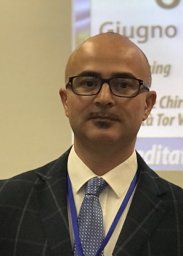 Francesco Zaghini合作论文数14a sili合作论文数13Valerio Ghezzi合作论文数12
 Farnese Maria Luisa合作论文数12
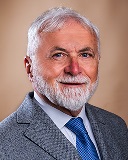 Gennaro Rocco合作论文数Centre of Excellence for Nursing Scholarship OPI12
 Valentina Biagioli合作论文数11
 Barbara Riegel合作论文数School of Nursing, University of Pennsylvania10
 Antonello Cocchieri合作论文数Department of Biomedicine and Prevention, Tor Vergata University10Matteo Ronchetti合作论文数9
 D'Agostino Fabio合作论文数University of Rome Tor Vergata9
 Gian Vittorio Caprara合作论文数Universita di Santiago de Compostela;Inter-University Center for the Research on the Origin of Prosocial and Antisocial Motivations9
 Heather K. Spence Laschinger合作论文数School of Nursing, Faculty of Health Sciences, Western University7Michele Vecchione合作论文数Univ Roma La Sapienza7
 Irene Skovgaard-Smith合作论文数7
 Cesarina Prandi合作论文数6Robert A.R. Bywater合作论文数6francesco avallone合作论文数5F Avallone合作论文数5
 Harleah G Buck合作论文数Sch Nursing, Penn State Univ5
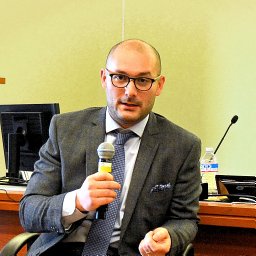 Rosario Caruso合作论文数IRCCS Policlinico San Donato, University of Milan5mario gualandri合作论文数4
 Sondra Badolamenti合作论文数4
 Victoria Vaughan Dickson合作论文数Rory Meyers College of Nursing, New York University4Reid Griffith Fontaine合作论文数4
 Rosalind H. Searle合作论文数Open University4AK Powell合作论文数3A. Paplomatas合作论文数3
 Jos M Latour合作论文数3Ivan Marzocchi合作论文数3
 Giampiera Bulfone合作论文数Infermieristica, Università degli Studi di Udine3
 Tiny Jaarsma合作论文数Division of Nursing Sciences and Reproductive Health, Department of Health, Medicine and Caring Sciences, Linköping University;Department of Social and Welfare Studies, Faculty of Health Sciences, Linköping University3Spatola Carlo F合作论文数3
 Di Tecco Cristina合作论文数3G.S Taylor合作论文数3
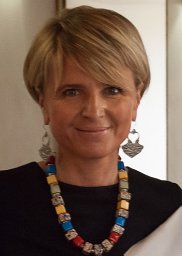 Alvisa Palese合作论文数Dept Med Sci, Univ Udine3
 Mamoona Arshad合作论文数2Giovanni Piras合作论文数2Carlo Turci合作论文数2Cloé Gendronneau合作论文数2
 Chiara Guglielmetti合作论文数2Andrea Bobbio合作论文数Dept Philosophy Sociol Educ & Appl Psychol, Univ Padua2
 Rachel Nayani合作论文数2
 Martina Fiori合作论文数2




