Background The engineering of Saccharomyces cerevisiae for the use of xylose is fundamental to improving fermentation performance in the production of second-generation ethanol (2G) via pentose fermentation. For this, one of the main strategies involves expressing heterologous xylose transporters to ensure efficient uptake of this sugar. However, due to the intrinsic non-specificity of sugar transporters, competition occurs between sugars (e.g., xylose and glucose), leading to reduced pentose transport efficiency and lower ethanol productivity. This study aimed to develop and characterize sugar transporters with lower affinity for glucose, while maintaining the ability to transport xylose, through genetic improvement of Trichoderma reesei transporters for heterologous expression in S. cerevisiae. To this end, alignments were made to find motifs described as important for xylose transport, and phosphorylation sites were predicted to achieve the objective. Based on these predictions, the transporters were modeled and docked with glucose and xylose. The transporters with the desired phenotype were expressed in S. cerevisiae strains for characterization. Drop assays and aerobic fermentation trials were performed to confirm the predicted profile. In silico analysis shows that two mutations in Str3 (Tr62380) exhibited a promising phenotype. For Tr82309, which has not yet been characterized, it was decided to proceed with characterizing the wild transporter. Results Drop assays revealed qualitative differences in growth phenotypes among the tested transporters. Docking was used strictly as a qualitative, hypothesis-generating tool to prioritize mutations for experimental testing and was not intended to predict transport kinetics or substrate affinity. The mutants of Str3 (Tr62380) did indeed lose their natural affinity for hexoses. Additionally, Tr82309 showed limited activity in liquid assays but supported growth at higher xylose concentrations in solid medium, suggesting condition-dependent functionality rather than confirmed substrate specificity. In the aerobic fermentation assay, only Str3 (Tr62380)_WT exhibited high efficiency in the uptake of sugars from the medium; mutations inserted in Str3 (Tr62380) reduced the ability to transport sugars, primarily glucose. Phosphorylation mimetics provided in vivo evidence that post-translational modification can influence the substrate utilization profile of sugar transporters. Conclusions Docking served as a qualitative screening step to guide the selection of mutations for experimental validation. We also present phosphorylation sites as a new target for engineering studies of sugar transporters. However, experimental validation is indispensable. In summary, our findings provide a rational framework for the engineering of glucose-insensitive xylose transporters, enabling more efficient co-fermentation in biorefineries.
This study assesses the antimicrobial activity and physical alterations of alginate impression material in the presence of silver nanoparticle (AgNP) solutions. The samples were assigned to five groups according to the type of alginate and solution: (JW) Jeltrate + distilled water; (JCHX) Jeltrate + 0.2% chlorhexidine digluconate; (JAgNP_0.2%) Jeltrate + 0.2% AgNP; (JAgNP_1%) Jeltrate + 1% AgNP; and (AW) Avagel + distilled water. AgNPs were synthesized from the fungus Trichoderma reesei. Fifty impressions were made (n=10) from a matrix, from which plaster models were fabricated. Surface detail reproduction and dimensional stability were analyzed under a light microscope. Surface detail reproduction was achieved by replicating a 50µm line on the plaster model. Dimensional stability was calculated from measurements of X' and X'' in the matrix and plaster models. The antimicrobial effect was assessed independently by measuring the formation of zones of inhibition around the alginate molds (n=3) in agar medium containing Streptococcus mutans and Candida albicans. Dimensional stability values were subjected to the ANOVA and Tukey's post-hoc test (α=0.05). JCHX showed the highest dimensional stability and differed significantly from the other groups (p<0.05). A 50µm line was reproduced in the plaster for all tested groups, regardless of the impression material and antimicrobial solution. AgNPs incorporated into the alginate mixture did not produce dimensional changes in the alginate mold. AW and JCHX exhibited antimicrobial potential, as evidenced by bacterial inhibition. Jeltrate or Avagel, regardless of AgNP concentration, did not demonstrate antimicrobial activity.
Second-generation (2G) bioethanol production, derived from lignocellulosic biomass, has emerged as a sustainable alternative to fossil fuels by addressing growing energy demands and environmental concerns. Fungal sugar transporters (STs) play a critical role in this process, enabling the uptake of monosaccharides such as glucose and xylose, which are released during the enzymatic hydrolysis of biomass. This mini-review explores recent advances in the structural and functional characterization of STs in filamentous fungi and yeasts, highlighting their roles in processes such as cellulase induction, carbon catabolite repression, and sugar signaling pathways. The review also emphasizes the potential of genetic engineering to enhance the specificity and efficiency of these transporters, overcoming challenges such as substrate competition and limited pentose metabolism in industrial strains. By integrating the latest research findings, this work underscores the pivotal role of fungal STs in optimizing lignocellulosic bioethanol production and advancing the bioeconomy. Future prospects for engineering transport systems and their implications for industrial biotechnology are also discussed.
Recent research has revealed the calcium signaling significance in the production of cellulases in Trichoderma reesei. While vacuoles serve as the primary calcium storage within cells, the function of vacuolar calcium transporter proteins in this process remains unclear. In this study, we conducted a functional characterization of four vacuolar calcium transport proteins in T. reesei. This was accomplished by the construction of the four mutant strains ∆trpmc1, ∆tryvc1, ∆tryvc3, and ∆tryvc4. These mutants displayed enhanced growth when subjected to arabinose, xylitol, and xylose. Furthermore, the mutants ∆trpmc1, ∆tryvc1, and ∆tryvc4 showed a reduction in growth under conditions of 100 mM MnCl2, implying their role in manganese resistance. Our enzymatic activity assays revealed a lack of the expected augmentation in cellulolytic activity that is typically seen in the parental strain following the introduction of calcium. This was mirrored in the expression patterns of the cellulase genes. The vacuolar calcium transport genes were also found to play a role in the expression of genes involved with the biosynthesis of secondary metabolites. In summary, our research highlights the crucial role of the vacuolar calcium transporters and, therefore, of the calcium signaling in orchestrating cellulase and hemicellulase expression, sugar utilization, and stress resistance in T. reesei.
Background In hematologic cancers, including leukemia, cells depend on amino acids for rapid growth. Anti-metabolites that prevent their synthesis or promote their degradation are considered potential cancer treatment agents. Amino acid deprivation triggers proliferation inhibition, autophagy, and programmed cell death. l -lysine, an essential amino acid, is required for tumor growth and has been investigated for its potential as a target for cancer treatment. l -lysine α-oxidase, a flavoenzyme that degrades l -lysine, has been studied for its ability to induce apoptosis and prevent cancer cell proliferation. In this study, we describe the use of l -lysine α-oxidase (LO) from the filamentous fungus Trichoderma harzianum for cancer treatment. Results The study identified and characterized a novel LO from T. harzianum and demonstrated that the recombinant protein (rLO) has potent and selective cytotoxic effects on leukemic cells by triggering the apoptotic cascade through mitochondrial dysfunction. Conclusions The results support future translational studies using the recombinant LO as a potential drug for the treatment of leukemia.
The production of bioethanol from lignocellulosic biomass requires the efficient conversion of glucose and xylose to ethanol, a process that depends on the ability of microorganisms to internalize these sugars. Although glucose transporters exist in several species, xylose transporters are less common. Several types of transporters have been identified in diverse microorganisms, including members of the Major Facilitator Superfamily (MFS) and Sugars Will Eventually be Exported Transporter (SWEET) families. Considering that Saccharomyces cerevisiae lacks an effective xylose transport system, engineered yeast strains capable of efficiently consuming this sugar are critical for obtaining high ethanol yields. This article reviews the structure–function relationship of sugar transporters from the MFS and SWEET families. It provides information on several tools and approaches used to identify and characterize them to optimize xylose consumption and, consequently, second-generation ethanol production.
RESUMO Introdução: As mulheres estão cada vez mais buscando ser fisicamente ativas e até escolhendo o esporte como sua atividade profissional, pois, nos últimos anos, o número de atletas olímpicas de verão equiparou-se ao dos homens. Devido a essa crescente participação feminina nos esportes, o estudo sobre as diferenças entre homens e mulheres tem se tornado cada vez mais relevante no âmbito acadêmico. Objetivo: Uma revisão sobre esse assunto, estimulando mais pesquisas e fazendo com que o conhecimento chegue a mais mulheres constitui o principal objetivo desta revisão da literatura. Métodos: O desenho do estudo foi uma revisão narrativa retrospectiva da relação entre mamas e atividade física, exercícios e esportes. Resultados: Várias diferenças antropométricas e fisiológicas foram estabelecidas; entretanto, o volume e a forma da mama feminina são peculiares, mas ainda pouco estudados. A especificidade das mamas femininas é um fator que pode prejudicar o desempenho esportivo e contribuir para afastar as mulheres da prática de atividade física. Conclusão: As possíveis condições das mamas femininas no esporte são mastalgia induzida pelo exercício, lesão mamária, lesão do mamilo, gravidez e muitas outras. Entendemos que são necessários mais estudos para compreender a fisiopatologia, a prevenção e o tratamento. Nível de Evidência II; Revisão Narrativa Retrospectiva.
Background Trichoderma reesei is an organism extensively used in the bioethanol industry, owing to its capability to produce enzymes capable of breaking down holocellulose into simple sugars. The uptake of carbohydrates generated from cellulose breakdown is crucial to induce the signaling cascade that triggers cellulase production. However, the sugar transporters involved in this process in T. reesei remain poorly identified and characterized. Results To address this gap, this study used temporal membrane proteomics analysis to identify five known and nine putative sugar transporters that may be involved in cellulose degradation by T. reesei . Docking analysis pointed out potential ligands for the putative sugar transporter Tr44175. Further functional validation of this transporter was carried out in Saccharomyces cerevisiae . The results showed that Tr44175 transports a variety of sugar molecules, including cellobiose, cellotriose, cellotetraose, and sophorose. Conclusion This study has unveiled a transporter Tr44175 capable of transporting cellobiose, cellotriose, cellotetraose, and sophorose. Our study represents the first inventory of T. reesei sugar transportome once exposed to cellulose, offering promising potential targets for strain engineering in the context of bioethanol production.
As we conclude this Special Issue on fungal biology and interactions, it is only appropriate to reflect on the remarkable progress our scientific community has made in unraveling the mysteries of the fungal kingdom [...]
Purpose The main structure of the fungal cell wall (CW) consists of crosslinked glucans, chitin, and glycoproteins. This structure is responsible for the cell shape. It also provides osmotic and physical protection to cells. However, sophisticated CW remodeling is required for fungal morphogenesis and reproduction. This requires remarkable dynamism of the fungal CW, which must combine contrasting properties, such as elasticity and stiffness. Different fungal species assemble their CWs in different ways. Extracellular vesicles (EVs) are a general term for cell-derived bilayered phospholipid membrane particles that enter the extracellular environment. EVs have a wide variety of origins, sizes, cargos, membrane compositions, and biological functions. Recent advances in this emerging field have contributed to the construction of a solid knowledge base that is rapidly evolving into the formulation of applied tools, including drug delivery systems and vaccine prototypes.
ABSTRACT Introduction: The women are increasingly seeking to be physically active or even choose sports as their professional activity as in the years, the number of Summer Olympic athletes has equaled that of men. Due to this growing female participation in sports, the study of female and male differences has become increasingly relevant in the involvement of the academic world. Objective: A review on this subject, stimulating more research, and making knowledge reach more women is a major objective of this literature review. We understand that more studies are needed to understand pathophysiology, prevention, and treatment. Methods: The study design was a retrospective narrative review of the relationship between breasts and physical activity, exercise, and sports. Results: Several anthropometric and physiological differences have been established; however, the volume and shape of the female breast is peculiar but still little studied. The specificity of female breasts are conditions that can exert sports performance and contribute to distancing women from physical activity practice. Conclusion: Possible conditions of female breasts in sports are exercise-induced mastalgia, breast injury, nipple injury, pregnancy, and many others. We understand that more studies are needed to understand pathophysiology, prevention, and treatment. Level of Evidence II; Retrospective Narrative Review.
Concern over environmental impacts has spurred many efforts to replace fossil fuels with biofuels such as ethanol. However, for this to be possible, it is necessary to invest in other production technologies, such as second generation (2G) ethanol, in order to raise the levels of this product and meet the growing demand. Currently, this type of production is not yet economically feasible, due to the high costs of the enzyme cocktails used in saccharification stage of lignocellulosic biomass. In order to optimize these cocktails, the search for enzymes with superior activities has been the goal of several research groups. For this end, we have characterized the new β-glycosidase AfBgl1.3 from A. fumigatus after expression and purification in Pichia pastoris X-33. Structural analysis by circular dichroism revealed that increasing temperature destructured the enzyme; the apparent Tm value was 48.5 °C. The percentages of α-helix (36.3%) and β-sheet (12.4%) secondary structures at 25 °C were predicted. Biochemical characterization suggested that the optimal conditions for AfBgl1.3 were pH 6.0 and temperature of 40 °C. At 30 and 40 °C, the enzyme was stable and retained about 90% and 50% of its activity, respectively, after pre-incubation for 24 h. In addition, the enzyme was highly stable at pH between 5 and 8, retaining over 65% of its activity after pre-incubation for 48 h. AfBgl1.3 co-stimulation with 50–250 mM glucose enhanced its specific activity by 1.4-fold and revealed its high tolerance to glucose (IC50 = 2042 mM). The enzyme was active toward the substrates salicin (495.0 ± 49.0 U mg−1), pNPG (340.5 ± 18.6 U mg−1), cellobiose (89.3 ± 5.1 U mg−1), and lactose (45.1 ± 0.5 U mg−1), so it had broad specificity. The Vmax values were 656.0 ± 17.5, 706.5 ± 23.8, and 132.6 ± 7.1 U mg−1 toward p-nitrophenyl-β-D-glucopyranoside (pNPG), D-(-)-salicin, and cellobiose, respectively. AfBgl1.3 displayed transglycosylation activity, forming cellotriose from cellobiose. The addition of AfBgl1.3 as a supplement at 0.9 FPU/g of cocktail Celluclast® 1.5L increased carboxymethyl cellulose (CMC) conversion to reducing sugars (g L−1) by about 26% after 12 h. Moreover, AfBgl1.3 acted synergistically with other Aspergillus fumigatus cellulases already characterized by our research group—CMC and sugarcane delignified bagasse were degraded, releasing more reducing sugars compared to the control. These results are important in the search for new cellulases and in the optimization of enzyme cocktails for saccharification.
The aim of the present work was to perform the co-culture between Trichoderma longibrachiatum LMBC 172, a mesophilic fungus, with Thermothelomyces thermophilus LMBC 162, a thermophilic fungus, by submerged fermentation in a bioreactor. There was an increase in protein production, reaching the value of 35.60 ± 3.76 µg/ml at 72 h. An increase in the amount of proteins of 27.5
A parede celular do fungo é responsável pela proteção, forma e comunicação intracelular. Essas variedades funcionais, estão relacionadas à sua composição tendo como principais componentes glicanas e quitinas que podem ser variáveis de acordo com a espécie e gênero do fungo. O gênero Trichoderma está entre os mais estudados atualmente, devido a sua importância para a agricultura por ser efetivo contra patógenos de plantas. Neste estudo foram utilizados os isolados de Trichoderma, Trichoderma harzianum selvagem, Trichoderma harzianum mutante (Δepl1), Trichoderma asperellum e Trichoderma reesei e os fitopatógenos Sclerotinia sclerotiorum, Rhizoctonia solani e Fusarium oxysporum. O perfil de açúcares presentes na parede dos isolados de Trichoderma foi determinado por cromatografia líquida de alta eficiência (CLAE) revelando que estes apresentaram o mesmo perfil de mesmo perfil de glicose, oriunda de glucanas, e oligossacarídeos de quitobiose como pentacetil e diacetil bem como a N-acetilglicosamina presentes na estrutura de quitinas. Durante a interação com os fitopatógenos todos os isolados de Trichoderma apresentaram elevação de glucanas e quitinas. A atividade de glucanases e quitinases na interação de isolados de Trichoderma com os fitopatógenos mostrou que, durante a interação com os fitopatógenos, os isolados de Trichoderma apresentaram respostas diferentes dessas enzimas e que Trichoderma asperellum foi o que apresentou melhor atividade das enzimas avaliadas. Este trabalho mostrou a dinâmica existente de glucanas, quitinas e das enzimas degradadoras da parede celular de fitopatógenos, glucanases e quitinases, e que, essas alterações estão intimamente relacionadas com a composição da parede celular de fitopatógenos definindo-os bons candidatos como agentes no biocontrole.
The fungus Trichoderma reesei is an essential producer of enzymes that degrade lignocellulosic biomass to produce value-added bioproducts. The cellulolytic system of T. reesei is controlled by several transcription factors (TFs) that efficiently regulate the production of these enzymes. Recently, a new TF named Azf1 was identified as a positive regulator of cellulase expression. Here, we investigated novel regulatory functions of Azf1 by its overexpression. In the mutant strain OEazf1, overexpression of azf1 was achieved under both repression and induction conditions. Although azf1 was more abundant in transcript and protein, overexpression of this TF did not activate transcription of the cellulase gene in the presence of the repressor glucose, suggesting that Azf1 may be subject to posttranslational regulation. In cellulose, the expression of swo, encoding the accessory protein swollenin, and the β-glucosidases cel1a, cel1b, cel3b, and cel3g increases in the early stages of cultivation. The increased production of these β-glucosidases increases the hydrolysis rate of cellobiose and sophorose, which activates carbon catabolite repression (CCR) and causes repression of cellulase genes and the regulator Xyr1 in the later stages of cultivation. Moreover, overexpression of azf1 led to increased cellulase activity in T. reesei during long-term cultivation in cellulose and sugarcane bagasse. Our results provide new insights into the mechanisms regulating Azf1 and novel genes that are important targets of this TF. This work contributes to a better understanding of the complex mechanisms regulating cellulase expression in T. reesei. It will contribute to the development of strains with higher production of these essential enzymes.
As mulheres buscam cada vez mais serem fisicamente ativas ou até mesmo escolhem o esporte como sua atividade profissional, visto que nos últimos anos, o número de atletas Olímpicas tem se igualado ao dos homens. Devido essa crescente participação feminina no esporte, o estudo das diferenças entre mulheres e homens tem se tornado cada vez mais relevante no meio acadêmico. Existem diversas diferenças antropométricas e fisiológicas já bem estabelecidas, porém o formato e volume da mama feminina é uma peculiaridade, mas ainda pouco estudada. As especificidades da mama feminina são condições que podem comprometer o rendimento no esporte e até mesmo contribuir para que a mulher se distancie da prática de exercício físico. Podemos citar como possíveis condições das mamas femininas no esporte: Mastalgia induzida pelo exercício físico, lesão das mamas, lesão dos mamilos, problemas das mamas relacionados ao período da gestação e puerpério, mastalgia relacionada ao ciclo menstrual, entre outras. Revisar sobre o assunto, estimulando mais pesquisas sobre o tema e fazendo que o conhecimento alcance mais mulheres é um grande objetivo dessa revisão da literatura. Entendemos que mais estudos são necessários para compreender a fisiopatologia, formas de prevenção e o tratamento dessas complicações. Nível de Evidência II; Revisão Narrativa Retrospectiva.
The aim of the present study was to synthesize and evaluate the biological and mechanical properties of a polymeric gel associated with silver nanoparticles. The gels were composed of a Chitosan-Xanthan (CX) polyelectrolytic biopolymer complex associated or not with silver nanoparticles (Agnano), which were grouped into the following groups: G1) Gel CX; G2) CX Gel + 5% Agnano; G3) CX Gel + 2.5% Agnano; 4) CX Gel + 1.25% Agnano. The characterization of nanoparticles was performed through dynamic light scattering analysis, and gels through rheological analysis. The antimicrobial activity for Streptococcus mutans was performed by the inhibition halo method. The results obtained from DLS showed a Zeta potential of -30 mV and particle size approximately 100 nm. The rheological analysis shows that all groups had viscosity between 5 and 6.5 Pa, and with increasing shear stress the viscosity of all groups was decreased. For the analysis of antimicrobial activity, the antimicrobial potential was observed only for the CX gel containing 5% Agnano. Thus, it is concluded that the gel containing 5% Agnano is promising for use in orthodontic patients with a high rate of bacterial plaque and can be used to prevent white spot lesions during and after treatment.
Trichoderma reesei is a saprophytic fungus that produces large amounts of cellulases and is widely used for biotechnological applications. Cerato-platanins (CPs) are a family of proteins universally distributed among Dikarya fungi and have been implicated in various functions related to fungal physiology and interaction with the environment. In T. reesei, three CPs are encoded in the genome: Trire2_111449, Trire2_123955, and Trire2_82662. However, their function is not fully elucidated. In this study, we deleted the Trire2_123955 gene (named here as epl2) in the wild-type QM6aΔtmus53Δpyr4 (WT) strain and examined the behavior of the Δepl2 strain compared with WT grown for 72 h in 1% cellulose using RNA sequencing. Of the 9143 genes in the T. reesei genome, 760 were differentially expressed, including 260 only in WT, 214 only in Δepl2, and 286 in both. Genes involved in oxidative stress, oxidoreductase activity, antioxidant activity, and transport were upregulated in the Δepl2 mutant. Genes encoding cell wall synthesis were upregulated in the mutant strain during the late growth stage. The Δepl2 mutant accumulated chitin and glucan at higher levels than the parental strain and was more resistant to cell wall stressors. These results suggest a compensatory effect in cell wall remodeling due to the absence of EPL2 in T. reesei. This study is expected to contribute to a better understanding of the role of the EPL2 protein in T. reesei and improve its application in biotechnological fields.
Women are increasingly seeking to be physically active or even choose sports as their professional activity as in the years, the number of Summer Olympic athletes has equaled that of men. Due to this growing female participation in sports, the study of female and male differences has become increasingly relevant in the involvement of the academic world. Several anthropometric and physiological differences have been established; however, the volume and shape of female breasts are peculiar and still little studied. The specificity of female breasts are conditions that can exert sports performance and contribute to distancing women from physical activity practice. Possible conditions of female breasts in sports are exercise-induced mastalgia, breast injury, nipple injury, pregnancy, and many others. A review on this subject, stimulating more research, and making knowledge reach more women is a major objective of this literature review. We understand that more studies are needed to understand pathophysiology, prevention, and treatment. Level of Evidence II; Retrospective Narrative Review.
Microorganisms, such as fungi and bacteria, are crucial players in the production of enzymatic cocktails for biomass hydrolysis or the bioconversion of plant biomass into products with industrial relevance. The biotechnology industry can exploit lignocellulosic biomass for the production of high-value chemicals. The generation of biotechnological products from lignocellulosic feedstock presents several bottlenecks, including low efficiency of enzymatic hydrolysis, high cost of enzymes, and limitations on microbe metabolic performance. Genetic engineering offers a route for developing improved microbial strains for biotechnological applications in high-value product biosynthesis. Sugarcane bagasse, for example, is an agro-industrial waste that is abundantly produced in sugar and first-generation processing plants. Here, we review the potential conversion of its feedstock into relevant industrial products via microbial production and discuss the advances that have been made in improving strains for biotechnological applications.
 Cirano Ulhoa合作论文数24
 Renato Graciano De Paula合作论文数24
 Amanda Cristina Campos Antonieto合作论文数20
 Steindorff Andrei Stecca合作论文数Department of Cellular Biology, University of Brasilia (UNB),17
 Monteiro Valdirene Neves合作论文数17
 Karoline M. V. Nogueira合作论文数17
 Rafael Silva-Rocha合作论文数Consejo Superior de Investigaciones Cientificas, Centro Nacional de Biotecnologia16Pedersoli Wellington Ramos合作论文数12
 Gustavo Goldman合作论文数Institute for Advanced Study, Technische Universitat Munchen;School of Pharmaceutical Sciences of Ribeirão Preto, University of São Paulo11
 Persinoti Gabriela F合作论文数Ribeirao Preto Medical School, University of Sao Paulo11
 Fausto Almeida合作论文数Faculdade de Medicina de Ribeirão Preto, Universidade de São Paulo10
 Vijai Kumar Gupta合作论文数School of Biotechnology, Dublin City University10Cláudia Batista Carraro合作论文数9dos Santos Castro Lílian合作论文数9
 David Maues合作论文数7
 Andre Damasio合作论文数Departamento de Bioquímica e Biologia Tecidual, Instituto de Biologia, Universidade Estadual de Campinas;UpDairy6
 Marina Campos Rocha合作论文数Centro de Ciências Biológicas e da Saúde, Universidade Federal de São Carlos6
 Maria de Lourdes Teixeira de Moraes Polizeli合作论文数Departamento de Biologia, Universidade de São Paulo6Iran Malavazi合作论文数Faculdade de Ciências Farmacêuticas de Ribeirão Preto, Universidade de São Paulo6
 Eriston Vieira Gomes合作论文数6
 Lucas Matheus Soares Pereira合作论文数5
 Iasmin Cartaxo Taveira合作论文数5
 Mariana Do Nascimento Costa合作论文数Faculdade de Zootecnia e Engenharia de Alimentos (FZEA),, Universidade de São Paulo (USP)5Letícia Harumi Oshiquiri合作论文数Ribeirão Preto Medical School, University of São Paulo5
 Robert H. Mach合作论文数Department of Radiology, Perelman School of Medicine, University of Pennsylvania5Ries Laure Nicolas Annick合作论文数Faculdade de Ciências Farmacêuticas de Ribeirão Preto, Universidade de São Paulo5
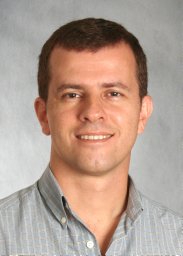 Murillo Lobo Junior合作论文数Embrapa Arroz & Feijao5
 Astrid Mach-Aigner合作论文数Faculty of Technical Chemistry, TU Wien5
 Patrícia Alves de Castro合作论文数Departamento de Ciências Farmacêuticas, University of São Paulo;Faculdade de Ciências Farmacêuticas de Ribeirão Preto, University of São Paulo5Alinne Costa Silva合作论文数4Tathiana Rebizzi Parmigiano Moreno合作论文数4Rosângela Passarela Faroni合作论文数4
 Liliane Fraga Ribeiro合作论文数4Douglas Christian Borges Lopes合作论文数4
 Lilian P Silva合作论文数Fac Ciencias Farmaceut Ribeirao Preto, Univ Sao Paulo4
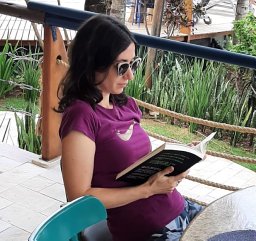 Guazzaroni María-Eugenia合作论文数FFCLRP, Univ Sao Paulo4
 Fabyano Alvares Cardoso Lopes合作论文数Department of Biochemistry and Molecular Biology, Federal University of Goiás4Eliane F. Noronha合作论文数Centro de Analises Proteômicas e Bioquímicas, UCB4
 Eduardo Ramirez Asquieri合作论文数4
 Nilce M. Martinez-Rossi合作论文数Faculdade de Medicina de Ribeirão Preto, Universidade de São Paulo4Vanessa Mendes合作论文数3Marcela Suriani Ribeiro合作论文数3Emanuelle Neiverth de Freitas合作论文数3
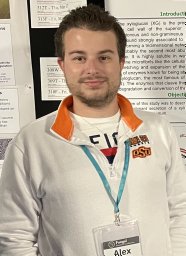 Alex Graça Contato合作论文数Dept Microbiol & Mol Genet, Oklahoma State Univ3
 Santiago Gutiérrez合作论文数Campus of Ponferrada, University of Leon;s.gutierrez@unileon.es.;Molecular Biology, University of Leon3
 Pabline M. Vieira合作论文数3
 Roque-Barreira Maria Cristina合作论文数Dept Biol Celular & Mol & Bioagentes Patogen, Univ Sao Paulo3Brandão R M S S合作论文数3Colabardini Ana Cristina合作论文数3




