Rationale & objectiveAdvanced age is a major risk factor for CKD development, which has high heterogeneity in disease progression. Acute kidney injury (AKI) hospitalization rates are increasing especially amongst older adults. Previous AKI epidemiologic analyses have focused on hospitalized populations which may bias results towards sicker populations. This study examined the association between AKI and incident kidney failure with replacement therapy (KFRT) while evaluating age as an effect modifier of this relationship.Study designRetrospective cohort study.Setting & participants24,133 Veterans ≥65 years with incident CKD stage 4 from 2011 to 2013.ExposuresAKI, AKI severity, and age.OutcomesKFRT and death.Analytical approachThe Fine-Gray competing risk regression was used to model AKI and incident KFRT with death as a competing risk. A Cox regression was used to model AKI severity and death.ResultsDespite a non-significant age interaction between AKI and KFRT, a clinically relevant combined impact of AKI and age on incident KFRT was observed. When compared to our oldest age group without AKI, those 65-74 with AKI had the highest risk of KFRT (sHR: 14.9, 95% CI: 12.7, 17.4) whereas those ≥85 with AKI had the lowest (sHR: 1.71, 95% CI: 1.22, 2.39). Once Veterans underwent KFRT, their risk of death increased by 44%. A 2-fold increased risk of KFRT was observed across all AKI severity stages. However, the risk of death increased with worsening AKI severity.LimitationsOur study lacked generalizability, was restricted to ever use of medications, and used inpatient SCr labs to define AKI and AKI severity.ConclusionsIn this national cohort, advanced age was protective against incident KFRT but not death. This is likely explained by the high frequency of deaths observed in this population (51.1%). Nonetheless, AKI and decreasing age are substantial risk factors for incident KFRT.
Journal of the American Society of Nephrology 33(11S):p 489-490, November 2022. | DOI: 10.1681/ASN.20223311S1489d
In a subgroup of 337 participants (mean age 64 +/- 9 years; 45% women) from the SPRINT (Systolic Blood Pressure Intervention Trial), where participants were randomly assigned to intensive treatment (target systolic blood pressure <120 mm Hg) versus standard treatment (<140 mm Hg), we examined the effect of intensive blood pressure lowering on indexes of aortic stiffness. Carotid-femoral pulse wave velocity, a validated global measure of aortic stiffness, was measured by echo-guided Doppler at baseline and 18-month follow-up visit. Aortic elastance, distensibility, and compliance were measured by cardiac magnetic resonance imaging. During follow-up, the intensive treatment produced a mean between-group reduction in systolic blood pressure of 12.7 mm Hg (95% CI, 11.1-14.3 mm Hg). During follow-up, intensive treatment significantly attenuated the increase in carotid-femoral pulse wave velocity compared with standard treatment (adjusted follow-up least square mean=9.0 m/s [95% CI, 8.7-9.3] versus 10.0 m/s [9.6-10.3]; P<0.001), an effect that persisted even after adjusting for mean arterial pressure. Intensive treatment also decreased the aortic elastance index (least square mean, 1.38 mm Hg/mL per m(2) [95% CI, 1.34-1.41] versus 1.48 mm Hg/mL per m(2) [95% CI, 1.44-1.51], P=0.002) compared with standard treatment. No significant between-group differences were observed for aortic distensibility and compliance. We conclude that intensive treatment significantly attenuated increases in carotid-femoral pulse wave velocity and aortic elastance index. Attenuation of increases in aortic stiffness may be one of the mechanisms contributing to the benefit of intensive blood pressure treatment observed in SPRINT. Registration: URL: ; Unique identifier: NCT01206062.
BACKGROUND:Patients with stage 1 systolic hypertension have increased risk of cardiovascular disease (CVD) events.METHODS:Using Cox models, we assess the effect of targeting an intensive SBP goal of less than 120 mmHg compared with standard SBP goal of less than 140 mmHg on the risk of CVD events in adults with stage 1 systolic hypertension with diabetes mellitus enrolled in Action to Control Cardiovascular Risk in Diabetes Blood Pressure trial (ACCORD BP) (n = 1901) and without diabetes mellitus enrolled in Systolic Blood Pressure Intervention Trial (SPRINT) (n = 3484) that used identical SBP goal interventions.OUTCOMES:In ACCORD BP, the primary composite CVD outcome was the first occurrence of myocardial infarction, stroke, or CVD mortality. In SPRINT, the primary composite CVD outcome was the first occurrence of myocardial infarction, other acute coronary syndrome, stroke, heart failure, or CVD mortality.RESULTS:In SPRINT, targeting an intensive SBP goal significantly reduced the risk of the primary CVD outcome [hazard ratio 0.75 (95% confidence interval, 0.58-0.98); events 1.78 vs. 2.37%/year]. In ACCORD BP, the relationships of SBP goal with the primary CVD outcome was modified by the glycemia goal intervention (interaction P = 0.039). In the standard glycemia subgroup (A1c target 7-7.9%), intensive SBP goal significantly reduced the risk of the primary CVD outcome [hazard ratio 0.61 (0.40-0.94); events 1.63 vs. 2.56%/year]. In the intensive glycemia subgroup (A1c target <6%), the risk of the primary CVD outcome was not significantly different between groups [hazard ratio 1.20 (0.76-1.89); events 1.91 vs. 1.60%/year].CONCLUSION:Targeting an intensive SBP goal significantly reduced the risk of CVD events in patients with stage 1 systolic hypertension without diabetes and with diabetes on standard glycemia goal.
OBJECTIVESConcern about falling is common among older hypertension patients and could impact decisions to intensify blood pressure therapy. Our aim was to determine whether intensive therapy targeting a systolic blood pressure (SBP) of 120 mm Hg is associated with greater changes in concern about falling when compared with standard therapy targeting an SBP of 140 mm Hg.DESIGNSubsample analysis of participants randomized to either intensive or standard therapy in the Systolic Blood Pressure Intervention Trial (SPRINT).SETTINGApproximately 100 outpatient sites.PARTICIPANTSA total of 2313 enrollees in SPRINT; participants were all age 50 or older (mean = 69 y) and diagnosed with hypertension.MEASUREMENTSConcern about falling was described by the shortened version of the Falls Efficacy Scale International as measured at baseline, 6 months, 1 year, and annually thereafter.RESULTSConcern about falling showed a small but significant increase over time among all hypertension patients. No differences were noted, however, among those randomized to intensive vs standard therapy (P = .95). Among participants younger than 75 years, no increase in concern about falling over time was noted, but among participants aged 75 years and older, the mean falls self‐efficacy score increased by .3 points per year (P < .0001). No differences were observed between the intensive and standard treatment groups when stratified by age (P = .55).CONCLUSIONIntensive blood pressure therapy is not associated with increased concern about falling among older hypertension patients healthy enough to participate in SPRINT. J Am Geriatr Soc 68:614–618, 2020
BACKGROUND:Chronic kidney disease (CKD) has been associated with higher incidence of complications after total joint arthroplasty (TJA) but the incidence, risk factors and outcomes of acute kidney injury (AKI) in this setting remains insufficiently understood. METHODS:We assessed the impact of baseline CKD on the risk of developing AKI after TJA performed between 1/2012 and 12/2016 in a single-center, retrospective cohort study. CKD was defined by estimated glomerular filtration rate <60 mL/min/1.73 m2 on 2 separate occasions within 3 months prior TJA. AKI was defined using a modified Kidney Disease: Improving Global Outcomes criteria based on serum creatinine (sCr) only to assess the severity of AKI. Complete AKI recovery was defined as the lowest post-AKI sCr within 20% of pre-AKI sCr values and partial recovery if within 30%, all within 90 days after TJA. RESULTS:Twenty-four percent of the 1,212 subjects undergoing TJA had pre-existing CKD. The overall incidence of AKI in the CKD subjects was 30%; of these, 55% had stage-1 AKI, 1% had stage-2 AKI and 44% had stage-3 AKI. AKI was more common in African Americans, those with diabetes or heart failure, requiring perioperative transfusions or receiving diuretics before surgery. While 82% of the AKI subjects achieved complete recovery of kidney function, 4% had only partial recovery and 14% did not reach a post-AKI sCr level within 30% of pre-AKI values. The incidence (P < 0.001) but not the severity (P = 0.202) of AKI correlated with stages of baseline CKD. CONCLUSIONS:The presence of CKD was associated with a high incidence of AKI after TJA. In these subjects, more than half the cases of AKI were of mild degree and had a favorable outcome. However, 18% of them did not have complete recovery of kidney function. Stages of baseline CKD were associated with increased incidence but not severity of AKI after TJA.
Background The Systolic BP Intervention Trial (SPRINT) found that intensive versus standard systolic BP control (targeting <120 or <140 mm Hg, respectively) reduced the risks of death and major cardiovascular events in persons with elevated cardiovascular disease risk. However, the intensive intervention was associated with an early decline in eGFR, and the clinical implications of this early decline are unclear. Methods In a post hoc analysis of SPRINT, we defined change in eGFR as the percentage change in eGFR at 6 months compared with baseline. We performed causal mediation analyses to separate the overall effects of the randomized systolic BP intervention on the SPRINT primary cardiovascular composite and all-cause mortality into indirect effects (mediated by percentage change in eGFR) and direct effects (mediated through pathways other than percentage change in eGFR). Results About 10.3% of the 4270 participants in the intensive group had a >= 20% eGFR decline versus 4.4% of the 4256 participants in the standard arm (P<0.001). After the 6-month visit, there were 591 cardiovascular composite events during 27,849 person-years of follow-up. The hazard ratios for total effect, direct effect, and indirect effect of the intervention on the cardiovascular composite were 0.67 (95% confidence interval [95% CI], 0.56 to 0.78), 0.68 (95% CI, 0.57 to 0.79), and 0.99 (95% CI, 0.95 to 1.03), respectively. All-cause mortality results were similar. Conclusions Although intensive systolic BP lowering resulted in greater early decline in eGFR, there was no evidence that the reduction in eGFR owing to intensive systolic BP lowering attenuated the beneficial effects of this intervention on cardiovascular events or all-cause mortality.
Introduction: Approximately 17.3 million adults have systolic blood pressure (SBP) between 130 and 139 mmHg in the USA, and they have increased risk of cardiovascular disease (CVD). Hypothesis: In ...
The Journal of Clinical HypertensionVolume 20, Issue 2 p. 342-344 COMMENTARYFree Access Creatine kinase, sodium retention, and blood pressure: Is there a link? Roberto Pisoni MD, Roberto Pisoni MD Division of Nephrology, Department of Medicine, Medical University of South Carolina, Charleston, SC, USA Medical Services, Ralph H. Johnson VA Medical Center, Charleston, SC, USASearch for more papers by this authorMehrdad Hamrahian MD, Mehrdad Hamrahian MD Division of Nephrology, Department of Medicine, Thomas Jefferson University, Pennsylvania, PA, USASearch for more papers by this authorTibor Fülöp MD, Corresponding Author Tibor Fülöp MD tiborfulop.nephro@gmail.com fulopt@musc.edu orcid.org/0000-0002-3346-7040 Division of Nephrology, Department of Medicine, Medical University of South Carolina, Charleston, SC, USA Medical Services, Ralph H. Johnson VA Medical Center, Charleston, SC, USA Correspondence Tibor Fülöp, MD, Department of Medicine, Division of Nephrology, Medical University of South Carolina and the Ralph H. Johnson VA Medical Center, Charleston, SC, USA. Email: tiborfulop.nephro@gmail.com or fulopt@musc.eduSearch for more papers by this author Roberto Pisoni MD, Roberto Pisoni MD Division of Nephrology, Department of Medicine, Medical University of South Carolina, Charleston, SC, USA Medical Services, Ralph H. Johnson VA Medical Center, Charleston, SC, USASearch for more papers by this authorMehrdad Hamrahian MD, Mehrdad Hamrahian MD Division of Nephrology, Department of Medicine, Thomas Jefferson University, Pennsylvania, PA, USASearch for more papers by this authorTibor Fülöp MD, Corresponding Author Tibor Fülöp MD tiborfulop.nephro@gmail.com fulopt@musc.edu orcid.org/0000-0002-3346-7040 Division of Nephrology, Department of Medicine, Medical University of South Carolina, Charleston, SC, USA Medical Services, Ralph H. Johnson VA Medical Center, Charleston, SC, USA Correspondence Tibor Fülöp, MD, Department of Medicine, Division of Nephrology, Medical University of South Carolina and the Ralph H. Johnson VA Medical Center, Charleston, SC, USA. Email: tiborfulop.nephro@gmail.com or fulopt@musc.eduSearch for more papers by this author First published: 22 January 2018 https://doi.org/10.1111/jch.13177Citations: 3AboutSectionsPDF ToolsRequest permissionExport citationAdd to favoritesTrack citation ShareShare Give accessShare full text accessShare full-text accessPlease review our Terms and Conditions of Use and check box below to share full-text version of article.I have read and accept the Wiley Online Library Terms and Conditions of UseShareable LinkUse the link below to share a full-text version of this article with your friends and colleagues. Learn more.Copy URL Share a linkShare onFacebookTwitterLinkedInRedditWechat Creatine kinase (CK), also known as creatine phosphokinase, is the central regulatory enzyme of energy metabolism and is reported to be a potential causal factor in primary hypertension (HTN). It consists of a dimer molecule and can be present in 3 distinct isoenzymes (MM, MB, and BB). CK is expressed by various tissues and cell types, including muscle, brain, and kidney and its concentration parallels to the metabolic and energy demands of the tissues. The skeletal muscle has the highest concentration of CK of all the tissues.1 At these locations, CK fuels high-energy demanding processes such as Na+/K+-ATPase at cell membranes and myosin kinase at the contractile proteins in the skeletal muscles. CK does so by catalyzing the production of high-energy adenosine triphosphate (ATP) via the transfer of a phosphoryl group from creatine phosphate (the major storage reservoir of energy during muscle rest) to adenosine diphosphate. Clinically, CK is widely used to detect muscle injury.2 If the serum CK activity is high, the isoenzyme distribution is usually assessed. A high serum CK-MB activity is suggestive of cardiac muscle injury and is still used to assess acute myocardial injury under select circumstances. In resting subjects without overt muscle damage, serum CK activity is considered a measure of tissue CK activity.3 Substantial evidence linking serum (systemic) and tissue CK activity to blood pressure (BP) has emerged over the last two decades, linking high tissue CK activity to a greater risk of HTN. High tissue CK precedes the onset of hypertension and antihypertensive therapy lowers high tissue CK in animal models.4 CK inhibition lowers blood pressure in spontaneously hypertensive rats and decreases human vascular contractility.5, 6 Serum CK activity after rest has been independently associated with blood pressure (BP) levels in a random sample of a multiethnic population in the Netherlands.7 These data were replicated in another cross-sectional population study from Norway.8 The latter group of investigators also demonstrated this effect during a longitudinal follow-up, though the relationship was substantially weakened by obesity, as expressed by body mass index (BMI).9 It has been speculated that a relative predominance of muscle fiber type with higher CK phenotype (muscle fiber type II) may be a biological factor predisposing to both HTN and obesity. Moreover, CK activity after rest is hypothesized to be a predictor of failure of HTN treatment.10 There is no evidence regarding HTN directly causing increased CK activity by decreasing its clearance or damaging endothelial or cardiac cells.11 In addition, normal CK isoenzymes have been detected in subjects with higher CK values and uncomplicated HTN. Thus, available evidence from animal and human studies has raised the question about a possible causal relationship between CK and BP. How could CK activity cause or contribute to an increased BP? It has been hypothesized that high tissue CK activity, whether induced or constitutive, could generate a greater ATP buffer capacity and subsequently increase cardiac contractility, vascular resistance, and sodium retention as well as decrease nitric oxide bioavailability.12 At the level of the kidney, high activity of CK, that is located near the basolateral Na+/K+-ATPase, might provide increased availability of ATP necessary for sodium reabsorption. Sodium intake is a major determinant of blood pressure with higher sodium intake being associated with higher BP values and an increased cardiovascular risk,13 especially in salt sensitive individuals. Factors involved in inter-individual sodium retention and subsequent intravascular volume expansion and increased BP are not completely understood. In this current paper, featured in this journal, Brewster et al14 explored, for the first time, the potential association between plasma CK activity and sodium retention after a high sodium intake in 60 healthy men, aged 18-50. The study population was half Caucasian (European) and half of African Continental ancestry. These inclusion criteria were chosen based on known higher CK activity in men versus women and in subjects from African ancestry versus Caucasians.15 The participants were normotensive or (8 out of 60) with uncomplicated and untreated essential primary HTN. Subjects with secondary forms of HTN, with diseases, or taking medications that could affect plasma CK activity were excluded from the study. In particular, hypothyroidism, a known cause of both elevated CK and a risk factor for HTN, was excluded by a careful medical history evaluation and thyroid stimulated hormone testing. Study participants were asked to avoid heavy exercise for 3 days prior to obtaining baseline serum CK activity. They were then assigned to a low sodium (LS) intake (<50 mmol of sodium daily) for 7 days, followed by 3 days of high sodium (HS) intake (>200 mmol of sodium daily), under the supervision of a dietician. The primary outcome was to assess predictors of urinary sodium excretion after a HS diet. Baseline, LS, and HS period variables for body weight, sitting BP, heart rate, and 24-hour urinary sodium excretion were studied. Twenty-four hour urine collections at the end of the LS diet (day 7) and HS diet (day 10) periods confirmed patients' adherence to diet. High sodium intake led to a significant increase in systolic blood pressure (SBP) and weight as compared to when the subjects were on low sodium intake. Plasma CK activity was inversely correlated with the 24-hour urinary sodium excretion after high sodium intake. In particular, sodium excretion was 260.4 mmol/24 h after high sodium intake in the high CK tertile versus 415.2 mmol/24 h in the low CK tertile (P < .001). African ancestry was strongly inversely correlated with urinary sodium excretion and directly correlated with CK activity, as shown previously.7 However, ancestry and age did not fully explain the correlation between CK activity and sodium retention. Participants in the high tertile of CK activity experienced a smaller increase in both SBP and diastolic blood pressure (DBP) when exposed to high sodium intake than those in the low tertile of CK. Thus, they were seemingly less sensitive in terms of BP response. This fact is in conflict with the same subjects retaining more sodium after high sodium intake. Whether this is due to chance, because of the relatively small sample size, or to the use of a less accurate method of BP measurement (office BP instead of 24-hour ambulatory BP monitoring) is unknown. If this finding is confirmed, it would suggest that the increased renal sodium reabsorption is not the sole mechanism by which CK activity may contribute to BP. As the authors pointed out,14 the association between resting plasma CK activity and sodium retention does not imply any causal relationship, but it certainly adds up to the available findings linking CK activity and BP. Future studies should clarify if there is an association between renal tissue CK and urinary sodium excretion to confirm the assumption that the standardized plasma activity of CK reflects its cellular function. It would also be important to assess the plasma aldosterone and renin activity in the subjects exposed to high sodium intake and see if they differ in CK activity. Recently emerging "gold standard" methods of volume assessment, such as bioimpedance monitoring, would add additional valuable information in future studies, including the ability to assess fluid spaces, volume expansion, and defining the relative proportions of fat and muscle volumes of the subjects,16, 17 moving beyond the current definitions of obesity, such as BMI and waist circumference. It would also be of interest to investigate if the association between resting CK activity and sodium retention is only limited to acute changes in sodium intake, as investigated in the current paper by Brewster et al.14 In addition, it would be interesting to see the effects of diuretic use on the CK activity of subjects exposed to a high sodium diet. Last, the best way to define a causal relationship between CK activity and urinary sodium excretion would be to repeat this experiment assessing BP and urinary sodium excretion after a high sodium diet before and after administering beta-guanidinopropionic acid, a CK inhibitor that is now available for human use.18 We are looking forward to more studies offering a better understanding on this new and exciting area of clinical HTN. As it was pointed out in an editorial by Dr. Pickering almost a decade ago in this journal, "genetically determined variations in muscle fiber composition could well be of considerable importance in furthering our understanding of the deadly combination of HTN, obesity, and type 2 diabetes",19 our understanding continues to evolve on this subject. ACKNOWLEDGMENTS We sincerely appreciated the assistance of Mr. Attila Lénárt-Muszka during grammar review. DISCLOSURES AND CONFLICT OF INTEREST STATEMENT The authors alone are responsible for the content and writing of the paper. The authors have read and understood the journal's policy on disclosing conflicts of interest and declare that they have none to report. This study did not receive any research funding. REFERENCES 1Wallimann T, Wyss M, Brdiczka D, Nicolay K, Eppenberger H. Intracellular compartmentation, structure and function of creatine kinase isoenzymes in tissues with high and fluctuating energy demands: the 'phosphocreatine circuit' for cellular energy homeostasis. Biochem J. 1992; 281(Pt 1): 21. 2Wolf PL. Abnormalities in serum enzymes in skeletal muscle diseases. Am J Clin Pathol. 1991; 95: 293- 296. 3West-Jordan JA, Martin PA, Abraham RJ, Edwards RH, Jackson MJ. Energy dependence of cytosolic enzyme efflux from rat skeletal muscle. Clin Chim Acta. 1990; 189: 163- 172. 4Jin X, Xia L, Wang LS, et al. Differential protein expression in hypertrophic heart with and without hypertension in spontaneously hypertensive rats. Proteomics. 2006; 6: 1948- 1956. 5Karamat FA, Oudman I, Haan YC, et al. Creatine kinase inhibition lowers systemic arterial blood pressure in spontaneously hypertensive rats: a randomized controlled trial. J Hypertens. 2016; 34: 2418- 2426. 6Brewster LM, Taherzadeh Z, Volger S, et al. Ethnic differences in resistance artery contractility of normotensive pregnant women. Am J Physiol Heart Circ Physiol. 2010; 299: H431- H436. 7Brewster LM, Mairuhu G, Bindraban NR, Koopmans RP, Clark JF, van Montfrans GA. Creatine kinase activity is associated with blood pressure. Circulation. 2006; 114: 2034- 2039. 8Johnsen SH, Lilleng H, Wilsgaard T, Bekkelund SI. Creatine kinase activity and blood pressure in a normal population: the Tromso study. J Hypertens. 2011; 29: 36- 42. 9Johnsen SH, Lilleng H, Bekkelund SI. Creatine kinase as predictor of blood pressure and hypertension. Is it all about body mass index? A follow-up study of 250 patients. J Clin Hypertens. 2014; 16: 820- 826. 10Oudman I, Kewalbansingh PV, van Valkengoed I, et al. Creatine kinase is associated with failure of hypertension treatment. J Hypertens. 2013; 31: 1025- 1031. 11Oostenbroek R, Willems G, Boumans M, Soeters P, Hermens W. Liver damage as a potential source of error in the estimation of myocardial infarct size from plasma creatine kinase activity. Cardiovasc Res. 1985; 19: 113- 119. 12Taherzadeh Z, Karamat FA, Ankum WM, et al. The effect of creatine kinase inhibition on contractile properties of human resistance arteries. Am J Hypertens. 2016; 29: 170- 177. 13Meneton P, Jeunemaitre X, de Wardener H, MacGregor G. Links between dietary salt intake, renal salt handling, blood pressure, and cardiovascular diseases. Physiol Rev. 2005; 85: 679- 715. 14Brewster LM, Oudman I, Nannan Panday RV, et al. Creatine kinase and renal sodium excretion in African and European men on a high sodium diet. J Clin Hypertens. 2018; https://doi.org/10.1111/jch.13182. 15Brewster LM, Clark JF, van Montfrans GA. Is greater tissue activity of creatine kinase the genetic factor increasing hypertension risk in black people of sub-Saharan African descent? J Hypertens. 2000; 18: 1537- 1544. 16Tapolyai M, Faludi M, Reti V, Lengvarszky Z, Szarvas T, Berta K. Dialysis patients' fluid overload, antihypertensive medications, and obesity. ASAIO J. 2011; 57: 511- 515. 17Tapolyai M, Faludi M, Dossabhoy NR, et al. Diuretics and bioimpedance-measured fluid spaces in hypertensive patients. J Clin Hypertens (Greenwich). 2014; 16: 895- 899. 18Karamat FA, Horjus DL, Haan YC, et al. The acute effect of beta-guanidinopropionic acid versus creatine or placebo in healthy men (ABC-Trial): a randomized controlled first-in-human trial. Br J Clin Pharmacol. 2017; 83: 2626- 2635. 19Pickering TG. Muscular hypertension: is creatine kinase responsible for hypertension in blacks? J Clin Hypertens. 2008; 10: 73- 76. Citing Literature Volume20, Issue2February 2018Pages 342-344 ReferencesRelatedInformation
Intensive systolic blood pressure (SBP) control improved outcomes in SPRINT (Systolic Blood Pressure Intervention Trial). Our objective was to expand on reported findings by analysis of baseline characteristics, primary outcomes, adverse events, follow-up blood pressure, and medication use differences by baseline SBP (tertile 1 [T1], <132; tertile 2 [T2], 132-145; and tertile 3 [T3], >145 mm Hg). Participants with higher baseline SBP tertile were more often women and older, had higher cardiovascular risk, and lower utilization of antihypertensive medications, statins, and aspirin. Achieved SBP in both treatment arms was slightly higher in T2 and T3 compared with T1 and fewer in the T3 groups achieved SBP targets compared with T1 and T2 groups. The primary composite outcome with intensive versus standard SBP treatment was reduced by 30% in T1, 23% in T2, and 17% in T3 with no evidence of an interaction (P=0.77). Event rates were lower in the intensive arm, and there was no evidence that this benefit differed by SBP tertile. There was no difference in the hazard for serious adverse events in any of the 3 tertiles. Medication utilization differed across the SBP tertiles at baseline with a lesser percentage of diuretics and angiotensin-converting enzyme inhibitors/angiotensin receptor blocker drugs in the higher tertiles-a finding that reversed during the trial. The beneficial effects of intensive SBP lowering were not modified by the level of baseline SBP. Within the parameters of this population, these findings add support for clinicians to treat blood pressure to goal irrespective of baseline SBP.
BACKGROUND:To determine if the effects of intensive lowering of systolic blood pressure (goal of less than 120 mmHg) versus standard lowering (goal of less than 140 mmHg) upon cardiovascular, renal, and safety outcomes differed by gender. METHODS:Nine thousand three hundred and sixty-one men and women aged 50 years or older with systolic blood pressure of 130 mmHg or greater, taking 0-4 antihypertensive medications, and with increased risk of cardiovascular disease, but free of diabetes, were randomly assigned to either a systolic blood pressure target of less than 120 mmHg (intensive treatment) or a target of less than 140 mmHg (standard treatment). The primary composite outcome encompassed incident myocardial infarction, heart failure, other acute coronary syndromes, stroke, or cardiovascular-related death. All-cause mortality, renal outcomes, and serious adverse events were also assessed. RESULTS:Compared with the standard treatment group, the primary composite outcome in the intensive treatment group was reduced by 16% [hazard ratio 0.84 (0.61-1.13)] in women, and by 27% in men [hazard ratio 0.73 (0.59-0.89), P value for interaction between treatment and gender is 0.45]. Similarly, the effect of the intensive treatment on individual components of the primary composite outcome, renal outcomes, and overall serious adverse events was not significantly different according to gender. CONCLUSION:In adults with hypertension but not with diabetes, treatment to a systolic blood pressure goal of less than 120 mmHg, compared with a goal of less than 140 mmHg, resulted in no heterogeneity of effect between men and women on cardiovascular or renal outcomes, or on rates of serious adverse events.ClinicalTrials.gov number, NCT01206062.
Background: In individuals with a low diastolic blood pressure (DBP), the potential benefits or risks of intensive systolic blood pressure (SBP) lowering are unclear. Methods: SPRINT (Systolic Blood Pressure Intervention Trial) was a randomized controlled trial that compared the effects of intensive (target <120 mm Hg) and standard (target <140 mm Hg) SBP control in 9361 older adults with high blood pressure at increased risk of cardiovascular disease. The primary outcome was a composite of cardiovascular disease events. All-cause death and incident chronic kidney disease were secondary outcomes. This post hoc analysis examined whether the effects of the SBP intervention differed by baseline DBP. Results: Mean baseline SBP and DBP were 139.7±15.6 and 78.1±11.9 mm Hg, respectively. Regardless of the randomized treatment, baseline DBP had a U-shaped association with the hazard of the primary cardiovascular disease outcome. However, the effects of the intensive SBP intervention on the primary outcome were not influenced by baseline DBP level ( P for interaction=0.83). The primary outcome hazard ratio for intensive versus standard treatment was 0.78 (95% confidence interval, 0.57–1.07) in the lowest DBP quintile (mean baseline DBP, 61±5 mm Hg) and 0.74 (95% confidence interval, 0.61–0.90) in the upper 4 DBP quintiles (mean baseline DBP, 82±9 mm Hg), with an interaction P value of 0.78. Results were similar for all-cause death and kidney events. Conclusions: Low baseline DBP was associated with increased risk of cardiovascular disease events, but there was no evidence that the benefit of the intensive SBP lowering differed by baseline DBP. Clinical Trial Registration: URL: https://www.clinicaltrials.gov . Unique identifier: NCT01206062.
Background: Lowering systolic blood pressure (SBP) reduces cardiovascular disease morbidity and mortality; however, appropriate SBP targets, especially by race/ethnicity remain uncertain. Methods and Results: We examined the effects of an intensive SBP goal (<120 mm Hg) compared to the current recommendation (< 140 mmHg) on cardiovascular disease (CVD) outcomes in racial-ethnic groups in SPRINT (Systolic Blood Pressure Intervention Trial). High-risk non-diabetic patients with hypertension (N = 9,361; 30% Black; 11% Hispanic), 50 years and older were enrolled at 102 clinical sites across the U.S. and Puerto Rico. Primary outcome was a composite of the first occurrence of a myocardial infarction, acute coronary syndrome, stroke, decompensated heart failure, or CVD death. Average ± SD post-baseline SBP across race/ethnic groups ranged from 134.7±0.1 to 135.5±0.2 mmHg in the standard arm compared to 119.9±0.4 to 122.6±0.2 in the intensive arm. Intensive vs. standard arm hazard ratios [HRs] (95% CI) for the primary outcome were 0.70 (0.57-0.86), 0.71 (0.51-0.98), 0.62 (0.33-1.15) in Non-Hispanic Whites, Non-Hispanic Blacks, and Hispanics respectively. CVD mortality HRs were 0.49 (0.29-0.81), 0.77 (0.37-1.57), and 0.17 (0.01-1.08) with all-cause mortality HRs 0.61 (0.47-0.80), 0.92 (0.63-1.35), and 1.58 (0.73-3.62). Tests for interaction were not statistically significant after adjustment for multiple comparisons. Conclusion: Regardless of racial/ethnic origin, there are cardiovascular benefits from treating to a SBP target of < 120 mmHg compared to <140 mmHg.
BACKGROUND Treating to a lower blood pressure (BP) may increase acute kidney injury (AKI) events. STUDY DESIGN Data for AKI resulting in or during hospitalization or emergency department visits were collected as part of the serious adverse events reporting process of the Systolic Blood Pressure Intervention Trial (SPRINT). SETTING & PARTICIPANTS 9,361 participants 50 years or older with 1 or more risk factors for cardiovascular disease. INTERVENTIONS Participants were randomly assigned to a systolic BP target of <120 (intensive arm) or <140mmHg (standard arm). OUTCOMES & MEASUREMENTS Primary outcome was the number of adjudicated AKI events. Secondary outcomes included severity of AKI and degree of recovery of kidney function after an AKI event. Baseline creatinine concentration was defined as the most recent SPRINT outpatient creatinine value before the date of the AKI event. RESULTS There were 179 participants with AKI events in the intensive arm and 109 in the standard arm (3.8% vs 2.3%; HR, 1.64; 95% CI, 1.30-2.10; P<0.001). Of 288 participants with an AKI event, 248 (86.1%) had a single AKI event during the trial. Based on modified KDIGO (Kidney Disease: Improving Global Outcomes) criteria for severity of AKI, the number of AKI events in the intensive versus standard arm by KDIGO stage was 128 (58.5%) versus 81 (62.8%) for AKI stage 1, 42 (19.2%) versus 18 (14.0%) for AKI stage 2, and 42 (19.2%) versus 25 (19.4%) for AKI stage 3 (P=0.5). For participants with sufficient data, complete or partial resolution of AKI was seen for 169 (90.4%) and 9 (4.8%) of 187 AKI events in the intensive arm and 86 (86.9%) and 4 (4.0%) of 99 AKI events in the standard arm, respectively. LIMITATIONS Trial results are not generalizable to patients with diabetes mellitus or without risk factors for cardiovascular disease. CONCLUSIONS More intensive BP lowering resulted in more frequent episodes of AKI. Most cases were mild and most participants had complete recovery of kidney function. TRIAL REGISTRATION Registered at ClinicalTrials.gov with study number NCT01206062.
Orthostatic changes in systolic blood pressure (SBP) impact cardiovascular outcomes. In this study, we aimed to determine the pattern of orthostatic systolic pressure changes in participants enrolled in the SBP Intervention Trial (SPRINT) at their baseline visit before randomization and sought to understand clinical factors predictive of these changes. Of the 9323 participants enrolled in SPRINT, 8662 had complete data for these analyses. The SBP after 1 minute of standing was subtracted from the mean value of the three preceding seated SBP values. At the baseline visit, medical history, medications, anthropometric measures, and standard laboratory testing were undertaken. The mean age of SPRINT participants was 68 years, two-thirds were male, with 30% black, 11% Hispanic, and 55% Caucasian. The spectrum of SBP changes on standing demonstrated that increases in SBP were as common as declines, and about 5% of participants had an increase, and 5% had a decrease of >20 mm Hg in SBP upon standing. Female sex, taller height, more advanced kidney disease, current smoking, and several drug classes were associated with larger declines in BP upon standing, while black race, higher blood levels of glucose and sodium, and heavier weight were associated with more positive values of the change in BP upon standing. Our cross-sectional results show a significant spectrum of orthostatic SBP changes, reflecting known (eg, age) and less well-known (eg, kidney function) relationships that may be important considerations in determining the optimal target blood pressure in long-term outcomes of older hypertensive patients.
 Piero Ruggenenti合作论文数Department of Renal Medicine, Clinical Research Center for Rare Diseases “Aldo e Cele Daccò”, Mario Negri Institute for Pharmacological Research in Bergamo;Division of Nephrology and Dialysis, Azienda Ospedaliera Papa Giovanni XXIII;Nephrology Specialty School, University of Florence8
 Ruth Campbell合作论文数8
 Suzanne Oparil合作论文数Comprehensive Cardiovascular Center, Heersink School of Medicine, University of Alabama at Birmingham8
) Giuseppe Remuzzi合作论文数Mario Negri Institute for Pharmacological Research IRCCS8Stephen P. Glasser合作论文数6
Giuseppe Remuzzi合作论文数Mario Negri Institute for Pharmacological Research IRCCS8Stephen P. Glasser合作论文数6 David Calhoun合作论文数6
 William Cushman合作论文数Department of Preventive Medicine, University of Tennessee Health Science Center;College of Medicine, University of Tennessee6
 William E. Haley合作论文数School of Aging Studies, College of Behavioral and Community Sciences, University of South Florida;Department of Internal Medicine, University of South Florida;College of Nursing, University of South Florida4
 Maria Czarina Acelajado合作论文数4Vasilios Papademetriou合作论文数Georgetown University Medical Center;U.S. Department of Veterans Affairs4
 Paul K. Whelton合作论文数Celia Scott Weatherhead School of Public Health & Tropical Medicine, Tulane University4
 Tibor Fulop合作论文数University of Mississippi Medical Center4Andrea Remuzzi合作论文数4
 Tanja Dudenbostel合作论文数Vascular Biology and Hypertension Program, University of Alabama at Birmingham4
 Srinivasan Beddhu合作论文数Beddhu Lab, School of Medicine, University of Utah4
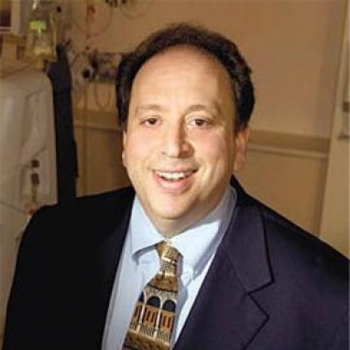 Glenn M. Chertow合作论文数Division of Nephrology, School of Medicine, Stanford University;Center for Primary Care and Outcomes Research, Stanford University4
 Barry I. Freedman合作论文数School of Medicine, Wake Forest University4
 Lisa Gren合作论文数3
 Capri Foy合作论文数Division of Public Health Sciences, Wake Forest University School of Medicine3Tolwani Ashita J合作论文数3
 Michael V. Rocco合作论文数Section of Nephrology, Department of Internal Medicine, School of Medicine, Wake Forest University3
 Alfred K. Cheung合作论文数Department of Internal Medicine, University of Utah Hospital & Clinics3
 Gabriel Contreras合作论文数Kidney Disease and Hypertension Study Group3
 James Lash合作论文数Division of Nephrology, College of Medicine, University of Illinois at Chicago3Jamie P. Dwyer合作论文数3Mehrdad Hamrahian合作论文数2Sara Zamanian合作论文数2Claudio Ronco合作论文数2Danira Medunjanin合作论文数2
 Christine M. Olney合作论文数2James R Powell合作论文数2Jackson T Wright合作论文数2
 Karim Soliman合作论文数Department of Critical Care Medicine, School of Medicine, Queen's University2
 Bruce Molitoris合作论文数George M. O'Brien Kidney Translational Core Center, Medical School, University of Michigan-Ann Arbor2
 Dalane W. Kitzman合作论文数Congdon Heart and Vascular Center, Atrium Health Wake Forest Baptist;Clinical and Translational Science Institute, Wake Forest School of Medicine;Department of Medicine, Wake Forest School of Medicine2
 John Pearce合作论文数College of Public Health, University of Georgia2Uchino Shigehiko合作论文数Jikei University School of Medicine2
 John B. Kostis合作论文数Department of Medicine, New Jersey Medical School, Rutgers, The State University of New Jersey;Cardiovascular Institute, Rutgers Robert Wood Johnson Medical School, Rutgers, The State University of New Jersey;Robert Wood Johnson University Hospital2Umanath Kausik合作论文数2
 John A Kellum合作论文数Department of Medicine, School of Medicine, University of Pittsburgh;Department of Critical Care Medicine, School of Medicine, University of Pittsburgh2
 Jan N. Basile合作论文数Medical University of South Carolina2Kostis William J合作论文数2
 Michel Chonchol合作论文数Division of Renal Diseases and Hypertension, School of Medicine, University of Colorado2
 Paul L. Kimmel合作论文数Division of Kidney, Urologic, & Hematologic Diseases, National Institute of Diabetes and Digestive and Kidney Diseases, National Institutes of Health;Division of Renal Diseases and Hypertension, The George Washington University2
 Jiang He (何江)合作论文数School of Medicine, Tulane University;Translational Science Institute, Tulane University2
 Addison A Taylor合作论文数2
 Rinaldo Bellomo合作论文数Australian and New Zealand Intensive Care Research Centre, School of Public Health and Preventative Medicine, Monash University2
 Karen Chandler Johnson合作论文数Department of Preventive Medicine, The University of Tennessee Health Science Center2Guo Wei合作论文数2




