Muscle wasting is associated with chronic diseases and cancer. Elucidation of the biological mechanism involved in the process of muscle mass loss and cachexia may help identify therapeutic targets. We hypothesized that l-carnitine treatment may differentially revert muscle fiber atrophy and other structural alterations in slow- and fast-twitch limb muscles of rats bearing the Yoshida ascites hepatoma. In soleus and gastrocnemius of tumor-bearing rats (10(8) AH-130 Yoshida ascites hepatoma cells inoculated intraperitoneally) with and without treatment with l-carnitine (1 g/kg body weight for 7 days, intragastric), food intake, body and muscle weights, fiber typing and morphometry, morphological features, redox balance, autophagy and proteolytic, and signaling markers were explored. Levels of carnitine palmitoyl transferase were also measured in all the study muscles. l-Carnitine treatment ameliorated the atrophy of both slow- and fast-twitch fibers (gastrocnemius particularly), muscle structural alterations (both muscles), and attenuated oxidative stress, proteolytic and signaling markers (gastrocnemius). Despite that carnitine palmitoyl transferase-1 levels increased in both muscle types in a similar fashion, l-carnitine ameliorated muscle atrophy and proteolysis in a muscle-specific manner in cancer-induced cachexia. These data reveal the need to study muscles of different fiber type composition and function to better understand whereby l-carnitine exerts its beneficial effects on the myofibers in muscle wasting processes. These findings also have potential clinical implications, since combinations of various exercise and muscle training modalities with l-carnitine should be specifically targeted for the muscle groups to be trained.
Purpose: The CASC-IN score has been designed with two very clear objectives: first, as a means to quantitatively assess pre-cachexia in cancer patients, and second, as a tool to discriminate the patients where cachexia staging is relevant. From this point of view, the CASC-IN tool is tightly linked with the so-called CAchexia SCOre (CASCO) previously described1 and validated2 by our research team. The results presented here classify a population of cancer patients into non-cachectic, precachectic or cachectic. Patients and Methods: An observational prospective case-control study has been performed and a total of 179 carcinoma patients and 117 age-matched control subjects were included. All the participants in the study were recruited at the Department of Medical Oncology (University of Cagliari, Cagliari, Italy) from June 2011 to September 2014. 179. Results: Using the mentioned patient's groups in the cancer group, --patients affected by a different tumour types-- the frequencies observed have been non-cachectic: 58 (32.4%), pre-cachectic: 7 (3.9%) and cachectic: 114 (63.7%). Conclusion: It is concluded that CASC-IN can be satisfactorily used for both assessing cachectic and precachectic cancer patients. It constitutes the only available tool for the classification of pre-cachectic patients.
BACKGROUND:Mini-trampoline rebounding exercise (MRE) is becoming a very popular form of fitness training. Despite awareness of this activity worldwide, a limited number of studies have systematically investigated the health effects correlated with MRE training. The aim of our study was to evaluate manifold health outcomes after 12 weeks of an MRE program in a group of overweight Italian women.METHODS:Eighteen overweight women (age 38.05±10.5 years, BMI: 27.6±2.1 kg/m2) were enrolled in this study. Functional profile, strength, body composition, quality of life and pain intensity were assessed at baseline and after 12 weeks of MRE.RESULTS:Significant improvements were observed in the measurements of anthropometric profile and body composition (circumferences, fat mass, lean and muscular mass). Both a significant decrease in systolic and diastolic blood pressure values (from 128/80.5 to 123/71 mmHg, P<0.05) and an improvement in lipid and glucose profiles were observed. At maximal exercise testing, an increase in work capacity (from 104 to 123 watts, P=0.003) and VO2max (from 15.4 to 16.9 mL/kg/min, P=0.04) was found. SF-36 showed positive changes in four of the eight items as well as in the Mental Component Summary. With regard to the Brief Pain Inventory-SF, a decrease in both pain severity and the pain interference score was detected.CONCLUSIONS:MRE appears feasible to ensure positive effects on overall health and can be proposed to populations that could greatly benefit from training programs, such as overweight women.
Kaposi sarcoma herpesvirus (KSHV), also known as human herpesvirus 8, is the causative agent of Kaposi sarcoma; this malignant angiosarcoma is usually treated with conventional antitumor agents that can control disease evolution, but do not clear the latent KSHV episome that binds to cellular DNA. Some commercial antibacterial sulfonamides were tested for the ability to suppress latent KSHV. Quantitative PCR (qPCR) and cytofluorometry assays were used for detecting both viral DNA and the latency factor LANA (latency-associated nuclear antigen) in BC3 cells, respectively. The capacity of sulfonamides to impair MDM2–p53 complex formation was detected by an enzyme-linked immunosorbent assay method. The analysis of variance was performed according to one-way analysis of variance with Fisher as a post hoc test. Here we show that sulfonamide antibiotics are able to suppress the KSHV latent state in permanently infected BC3 lymphoma cells and interfere with the formation of the MDM2–p53 complex that KSHV seemingly needs to support latency and to trigger tumor cell transformation. These findings detected a new molecular target for the activity of sulfonamides and offer a new potential perspective for treating KSHV-induced lymphoproliferative diseases.
The CAchexia SCOre (CASCO) was described as a tool for the staging of cachectic cancer patients. The aim of this study is to show the metric properties of CASCO in order to classify cachectic cancer patients into three different groups, which are associated with a numerical scoring. The final aim was to clinically validate CASCO for its use in the classification of cachectic cancer patients in clinical practice. We carried out a case -control study that enrolled prospectively 186 cancer patients and 95 age-matched controls. The score includes five components: (1) body weight loss and composition, (2) inflammation/metabolic disturbances/immunosuppression, (3) physical performance, (4) anorexia, and (5) quality of life. The present study provides clinical validation for the use of the score. In order to show the metric properties of CASCO, three different groups of cachectic cancer patients were established according to the results obtained with the statistical approach used: mild cachexia (15 ≤ × ≤ 28), moderate cachexia (29 ≤ × ≤ 46), and severe cachexia (47 ≤ × ≤ 100). In addition, a simplified version of CASCO, MiniCASCO (MCASCO), was also presented and it contributes as a valid and easy-to-use tool for cachexia staging. Significant statistically correlations were found between CASCO and other validated indexes such as Eastern Cooperative Oncology Group (ECOG) and the subjective diagnosis of cachexia by specialized oncologists. A very significant estimated correlation between CASCO and MCASCO was found that suggests that MCASCO might constitute an easy and valid tool for the staging of the cachectic cancer patients. CASCO and MCASCO provide a new tool for the quantitative staging of cachectic cancer patients with a clear advantage over previous classifications.
BACKGROUND: The aim of this paper was to investigate the cardiovascular effects, body composition, quality of life and pain after a 12 week Zumba (R) fitness program in a group of overweight women through an observational study, community physical activity program involving twenty-seven overweight women (38.9 +/- 9.7 years).METHODS: Cardiometabolic profile, body composition, quality of life and pain were assessed after a 12-week Zumba (R) fitness program.RESULTS: Significant improvements in body weight and BMI (71.5 vs. 74.2 kg, 28.02 vs. 29.1 kg/m(2)), in circumferences (ann: 27.9 vs. 30.3, waist: 80.1 vs. 83.9, hip: 102 vs. 107.4 cm), in fat and muscular mass (25.2 vs. 26.9, 34.4 vs. 27.2 kg), in intracellular (19 vs. 17.5 kg), and in extracellular water (14.9 vs. 16.8 kg) were recorded. A decrease in blood pressure was observed (118.3/69.4 vs. 125/75.5 mmHg). Cardiovascular response to the maximal exercise test showed a decrease in heart rate and in systolic blood pressure with an increase of work (118.9 vs. 116.7 watt). SF-36 showed variations in physical functioning (99.4 vs. 92.8) and in the limitation on the emotional role (88.9 vs. 66.6). With regards the Brief Pain Inventory-SF, a decrease in pain severity and pain interference score was seen (0.5 vs. 1.6, 0.06 vs. 0.5)CONCLUSIONS: Results demonstrate that Zumba (R) fitness can be an effective way to obtain beneficial health effects and that it can also be recommended for overweight women.
The cancer anorexia-cachexia syndrome (CACS) is considered a multifactorial syndrome that leads a general decline of the cancer patient conditions, prognosis and survival, and characterized by progressive loss of body mass and functional impairment, due to marked energy metabolism imbalance and immunological disorders. It is the cause of death in almost one out of five advanced cancer patients. CACS is also accompanied with loss of quality of life, reduced response and tolerance to anticancer therapies and affected outcome. This condition arises by acute-chronic inflammation, hypercatabolism and resulting in an increased energy expenditure, anorexia and negative caloric balance. Although the international scientific community has reached some important findings in last years regarding CACS, a precise definition agreement for CACS in order to a precise patients assessment is still lacking. In light of the advances in pathogenesis and evaluation of CACS, as well as those reached in the therapy, this review aims to draft a list of key points that could be useful for the oncologist to recognize the different signs and symptoms of this syndrome, in order to evaluate and stage the cancer patients in attempt to target an early multimodal pharmacological-nutritional treatment strategy to improve his outcome and his quality of life.
La sindrome da anoressia e cachessia neoplastica (CACS) è una sindrome multifattoriale associata al cancro in stadio avanzato di malattia che comporta uno scadimento generale delle condizioni del paziente oncologico. La CACS è caratterizzata da progressiva perdita di massa corporea e riduzione delle capacità funzionali, con conseguente peggioramento della qualità di vita, ridotta tolleranza alle terapie antineoplastiche e con negativo impatto sulla prognosi. Tale condizione, contraddistinta da alterazioni immunologiche e metaboliche che si originano in risposta al cancro, comporta una condizione di marcato ipercatabolismo e di infiammazione acuta-cronica, generando un quadro di aumentata spesa calorica a fronte di anoressia e bilancio calorico negativo. A oggi, la CACS è causa di decesso di almeno un paziente oncologico su cinque. Alla luce dei progressi della ricerca nello studio della patogenesi della CACS, come pure di quelli ottenuti nella terapia, questa rassegna verte a portare all’attenzione dell’oncologo medico le recenti evidenze utili per riconoscere, inquadrare e stadiare tale sindrome, per poter istituire una strategia terapeutica farmaco-nutrizionale in maniera più precoce e mirata possibile, nel tentativo del miglioramento dei sintomi e della qualità di vita del paziente.
High density lipoproteins (HDLs) play a crucial role in removing excess cholesterol from peripheral tissues. Although their concentration is lower during conditions of high cell growth rate (cancer and infections), their involvement during cell proliferation is not known. To this aim, we investigated the replicative cycles in synchronised Swiss 3T3 fibroblasts in different experimental conditions: i) contact-inhibited fibroblasts re-entering cell cycle after dilution; ii) scratch-wound assay; iii) serumdeprived cells induced to re-enter G1 by FCS, HDL or PDGF. Analyses were performed during each cell cycle up to quiescence. Cholesterol synthesis increased remarkably during the replicative cycles, decreasing only after cells reached confluence. In contrast, cholesteryl ester (CE) synthesis and content were high at 24 h after dilution and then decreased steeply in the successive cycles. Flow cytometry analysis of DiO-HDL, as well as radiolabeled HDL pulse, demonstrated a significant uptake of CE-HDL in 24 h. DiI-HDL uptake, lipid droplets (LDs) and SR-BI immunostaining and expression followed the same trend. Addition of HDL or PDGF partially restore the proliferation rate and significantly increase SR-BI and pAKT expression in serum-deprived cells. In conclusion, cell transition from G0 to G1/S requires CE-HDL uptake, leading to CE-HDL/SR-BI pathway activation and CEs increase into LDs.
BACKGROUND:Several studies have clearly shown that physical exercise can reduce the progression of motor symptoms in Parkinson's Disease (PD). However, little is known about the effects of a Nordic Walking (NW) program in PD patients.OBJECTIVE:To determine the effects of a NW program on motor and non-motor symptoms, functional performances and body composition in PD patients.METHODS:Twenty PD patients (16M, 4F, 67.3±7.8 years) were enrolled and randomly assigned to NW group (NWg, n = 10) and Control group (Cg, n = 10). The training consisted in 2 sessions per week for 12 weeks. Training effects were assessed by functional and instrumental tests and motor and non-motor symptoms were assessed by UPDRS-III, Hoehn and Yahr scale, PD Fatigue Scale, Beck Depression Inventory-II, Starkstein Apathy Scale, and Non-Motor Symptoms Scale.RESULTS:Significant changes in resting HR, in walked distance (p < 0.05), and in lower limbs muscles strength (p < 0.005) were observed in NWg. Both balance abilities and safety with mobility were increased (p < 0.005). Significant variations in some circumferences and body composition were registered. Finally, a significant improvement in motor and non-motor symptoms was detected: UPDRS-III, HY scale, PFS-16, BDI-II, SAS, NMSS.CONCLUSIONS:A tailored exercise program including NW proved to be an effective way to improve daily activities and both motor and non-motor symptoms in PD patients.
Aim. Several studies have shown that strategies of health promotion, such as fitness programs, may improve quality of life in individuals with spinal cord injuries (SCI). However, the effects of specific adapted physical activity (APA) programs is almost unexplored. The aim of this paper was to evaluate the effects of an APA program on body composition, cardiovascular and fitness profile in SCI individuals with paraplegia.Methods. Sixteen men with SCI paraplegia were enrolled. We studied the anthropometric, glucidic and lipid profile,. body composition, strength and energy expenditure, depression levels and QoL.Results. A significant reduction in fat mass and lipid profile was observed (P<0.05) with a significant increase in muscle strength and in arm circumference (P<0.05). The total daily energy expenditure and the number of the movements carried out in a typical day were significant increased (P<0.05). With regard to QoL and depression a significant improvement was registered.Conclusion. These findings support the use of APA as an effective strategy for health promotion, probably decreasing the risk of cardiovascular disease in people with SCI.
Objectives. - Lack of physical activity predisposes people to chronic diseases including diabetes mellitus, obesity, and coronary artery diseases. Identifying forms of physical activity is warranted for prevention of these chronic diseases. Daily exercise has also been considered a significant contributing factor in the management of type 2 diabetes. Nordic Walking is shown to be easy to teach and learn, simple and adaptable to subjects with diabetes and metabolic syndrome. Nordic Walking allows training of about 90% of body muscles in the active propulsion phase, thus increasing energy expenditure by 30 to 50%. Aim of our study was to evaluate the effects of Nordic Walking structured training in a group of female patients with type 2 diabetes, looking at changes in anthropometric, metabolic and bioelectrical variables pre- and post-activities. A follow-up of 6 months after the end of the program was also performed.Equipment and methods. - Twenty women with type 2 diabetes, aged 40-65 years, were enrolled. The participants were randomized in two groups: (1) 10 women in the Nordic Walking active group, (2) 10 women receiving counseling alone to perform physical activity (control group).Results. - Results show that diabetic women involved in a 12-week structured Nordic Walking program obtain a significant reduction in HbA(1c) (-0.7%), BMI (-0.8 kg.m(-2)) and body weight (-2.4 kg), and a significant increase in HDL cholesterol (+5.8 mg.dL(-1)). Also Handgrip strength was significantly improved (+4.3 kg). At follow-up all changes returned to baseline values.Conclusions. - Our study shows that a supervised Nordic Walking program determines a significant improvement in metabolic and anthropometric parameters in women with type 2 diabetes. (C) 2014 Elsevier Masson SAS. All rights reserved.
e20700 Background: An effective treatment for cancer cachexia requires an early recognition of its development by the identification of a staging system. The CAchexia SCOre (CASCO) has been conceived to fulfill the existing gap in the classification of cachectic cancer patients. Methods: CASCO includes 5 main different factors: 1) body weight and lean body mass loss; 2) anorexia; 3) inflammatory, immunological, and metabolic disturbances; 4) physical performance; and 5) quality of life. The scoring scale goes from 0 to 100: mild cachexia (< 25), moderate (> 26 and < 50), severe (> 51 and < 75), and terminal phase (> 76 and ≤100). The score also defines a condition known as pre-cachexia (no lean body weight loss and the sum of the other 4 factors more than 25). Results: 169 cancer patients with tumors at different sites referring at the Department of Medical Oncology, University University of Cagliari, Italy were enrolled. The utilization of CASCO resulted in the following percentages: 36% non-cachectic; 8% pre-cachectic; 8% mild; 32% moderate; 15% severe and 1% terminal phase. Conclusions: CASCO is an useful tool for the identification of pre-cachectic patients, and classification and staging of cachexia according to its main defining components, including laboratory and patient-centered variables. CASCO could allow for a more adequate multidimensional approach for cancer cachexia.
 Clelia Madeddu合作论文数Department of Medical Oncology, University of Cagliari67Giovanni Mantovani合作论文数Università degli Studi di Cagliari52
 Antonio Macciò合作论文数Department of Medical Oncology, University of Cagliari41
 Elena Massa合作论文数35Giorgia Antoni合作论文数20Mariele Dessì合作论文数19
 Giorgio Astara合作论文数16Filomena Panzone合作论文数14
 Giulia Gramignano合作论文数13
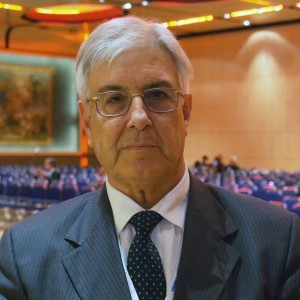 Giuseppe Mercuro合作论文数Dipartimento di Scienze Mediche e Sanità Pubblica, University of Cagliari12G Gramignano合作论文数11
 Francisco J. Lopez-Soriano合作论文数10Mr Lusso合作论文数10
 Sílvia Busquets合作论文数Dept Bioquim & Biomed Mol, Univ Barcelona10
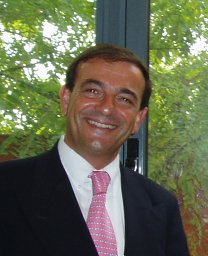 Argilés Josep M合作论文数Canc Res Grp, Univ Barcelona9Christian Cadeddu合作论文数8
 Alessandra Piras合作论文数6Francesca Maria Tanca合作论文数5Orpí Marcel合作论文数5
 Lucia Cugusi合作论文数Department of Medical Sciences, University of Cagliari5
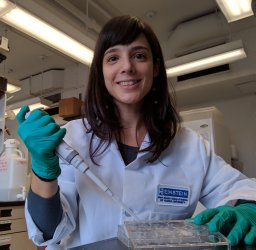 Míriam Toledo合作论文数Cancer Research Group, Universitat de Barcelona5Laura Deiana合作论文数5Cau Maria Chiara合作论文数4Betancourt Angelica合作论文数4
 Francesco Marrosu合作论文数Dept. of Cardiovascular and Neurological Sciences, University of Cagliari4
 Sebastiano Banni合作论文数Dipartimento di Biologia Sperimentale, Università di Cagliari4
 Paolo Contu合作论文数4
 Paolo Solla合作论文数4M.C. Cau合作论文数3Sabrina Uda合作论文数3Silvia Gabba合作论文数3Joana Coutinho合作论文数3Raquel Martínez合作论文数3
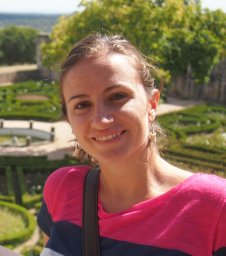 Sirisi Sònia合作论文数Secc Fisiol, Univ Barcelona3Omoto Itaru合作论文数3
 Fabrizio Angius合作论文数Department of Biomedical Sciences and Technologies, University of Cagliari3
 Martino Deidda合作论文数Department of Cardiovascular and Neurological Sciences, University of Cagliari3Luca Ferreli合作论文数3Carla Spiga合作论文数3Maria Collu合作论文数Dipartimento di Neuroscienze “B.B. Brodie”,, Università di Cagliari3Barbara Batetta合作论文数3Susumu Uda合作论文数2G Lamonica合作论文数2
 Ilaria Laccu合作论文数2Carlo Floris合作论文数2Laura Orgiano合作论文数2RR Bonatesta合作论文数2Me Manconi合作论文数2




