Context Recent declines in small game hunting participation are concerning because of the resulting decline in conservation funding generated from hunting. Combatting hunting participation declines requires understanding what impacts hunters’ satisfaction. Literature on hunter satisfaction has primarily focused on big game hunters, elements of which may not apply to small game hunters. Aims The objective of this study was to assess the impact of various harvest and non-harvest factors on Tennessee small game hunters’ satisfaction. Methods After the 2019–2020 small game hunting season ended, a sample of 15 115 Tennessee hunters and trappers was asked to participate in a mix-mode questionnaire related to their expectations, harvest, motivations, constraints, and satisfaction. Key results In total, 3994 individuals responded to the questionnaire and 1440 reported they participated in the 2019–2020 hunting and trapping season, 634 of which hunted small game. A path analysis showed that small game hunters’ seasonal satisfaction was influenced by expectations, appreciative motivations, structural and interpersonal constraints, satisfaction with the number of game animals seen and harvested, use of public land, and harvest success. Conclusion Various activity-related factors significantly impact small game hunters’ seasonal satisfaction. Implications These findings shed light on the various factors that influence small game hunters’ seasonal satisfaction and could help wildlife agencies develop programming to help retain current small game hunters. To improve small game hunters’ seasonal satisfaction, we suggest agencies focus on addressing structural constraints, fostering realistic expectations, and providing opportunities to fulfil appreciative motivations.
Journal Article The Hair Scale Identification Guide to Terrestrial Mammalian Carnivores of Canada Get access J. Kestler 2022. The Hair Scale Identification Guide to Terrestrial Mammalian Carnivores of Canada. Pelagic Publishing, London. ISBN: 978-1-78427-282-1 (paper), 80 pp. $45. Roger D Applegate Roger D Applegate 168 Gilman Road, Bangor, ME 04401, USA e-mail: rdapple52@yahoo.com https://orcid.org/0000-0002-4620-1380 Search for other works by this author on: Oxford Academic Google Scholar Journal of Mammalogy, gyad072, https://doi.org/10.1093/jmammal/gyad072 Published: 20 July 2023 Article history Received: 13 May 2023 Accepted: 11 June 2023 Published: 20 July 2023
Understanding how livestock grazing strategies of native warm season grasses (NWSG) can impact facultative grassland bird nesting can provide insight for conservation efforts. We compared pre and post treatment effects of rotational grazing (ROT) and patch-burn grazing (PBG) for facultative grassland bird species nest success and nest-site selection on NWSG pastures at three Mid-South research sites. We established 14, 9.7 ha NWSG pastures and randomly assigned each to either ROT or PBG and monitored avian nest-site selection and nest success, 2014–2016. We collected nesting and vegetation data in 2014, before treatment implementation, as an experimental pre-treatment. We implemented treatments across all research sites in spring 2015. We used a step-wise model selection framework to estimate treatment effect for ROT or PBG on avian nest daily survival rate (DSR) and resource selection function (RSF) at the temporal scale and within-field variables. Daily survival rates were 0.93% (SE = 0.006) for field sparrow (Spizella pusilla), 0.96% (SE = 0.008) for red-winged blackbird (Agelaius phoeniceus), and 0.92% (SE = 0.01) for indigo bunting (Passerina cyanea). Model support for PBG treatment and vegetation height were indicated as negative and positive influences for field sparrow DSR, respectively. Red-winged blackbirds’ DSR were negatively influenced by ROT while vegetation height positively affected DSR, and DSR for indigo bunting did not differ among treatments. Combined RSF models indicated nest-site selection for all species was positively related to vegetation height and only weakly associated with other within-field variables. We provide evidence that ROT and/or PBG effects vary by species for DSR for these three facultative grassland birds, and vegetation characteristics affected their nest-site selection in the Mid-South USA. A lack of disturbance in Mid-South grasslands can lead to higher successional stages (i.e., mix shrub-grassland), but some combination of ROT, PBG, and unburned/ungrazed areas can provide adequate nesting habitat on small pasture lands (∼1.8 –7.8 ha) for various facultative grassland birds and potentially offer the opportunity to simultaneously maintain livestock production and grassland bird nesting habitat.
The Journal of Wildlife ManagementEarly View e22286 LETTER TO THE EDITOR Bobwhites are not waterfowl. Federal collaboration welcomed: a reply to Martin et al. (2022) Christopher K. Williams, Corresponding Author Christopher K. Williams ckwillia@udel.edu orcid.org/0000-0001-9210-3127 University of Delaware, 531 South College Street, Newark, DE, 19716 USA Correspondence Christopher K. Williams, 531 South College Street, Room 250 Townsend Hall, Department of Entomology and Wildlife Ecology, University of Delaware, Newark, DE 19716, USA. Email: ckwillia@udel.eduSearch for more papers by this authorRoger D. Applegate, Roger D. Applegate 168 Gilman Road, Bangor, ME, 04401 USASearch for more papers by this author Christopher K. Williams, Corresponding Author Christopher K. Williams ckwillia@udel.edu orcid.org/0000-0001-9210-3127 University of Delaware, 531 South College Street, Newark, DE, 19716 USA Correspondence Christopher K. Williams, 531 South College Street, Room 250 Townsend Hall, Department of Entomology and Wildlife Ecology, University of Delaware, Newark, DE 19716, USA. Email: ckwillia@udel.eduSearch for more papers by this authorRoger D. Applegate, Roger D. Applegate 168 Gilman Road, Bangor, ME, 04401 USASearch for more papers by this author First published: 26 June 2022 https://doi.org/10.1002/jwmg.22286Read the full textAboutPDF ToolsRequest permissionExport citationAdd to favoritesTrack citation ShareShare Give accessShare full text accessShare full-text accessPlease review our Terms and Conditions of Use and check box below to share full-text version of article.I have read and accept the Wiley Online Library Terms and Conditions of UseShareable LinkUse the link below to share a full-text version of this article with your friends and colleagues. Learn more.Copy URL Share a linkShare onFacebookTwitterLinked InRedditWechat No abstract is available for this article. Early ViewOnline Version of Record before inclusion in an issuee22286 RelatedInformation
Declines in native warm season grasslands have been linked to grassland bird population decline due to habitat loss including conversion to non-native grasses. Rotational grazing (ROT) and patch-burn grazing (PBG) are two possible tools to restore native warm-season grasses (NWSG) on working-lands in the Mid-South USA and thus aid in the recovery of grassland bird populations. This project compares ROT, PBG, and before treatment implementation to assess their effects on grassland-associated bird species. At three research sites between KY and TN, 14-10 ha NWSG pastures were established and randomly assigned 7 pastures each to ROT and PBG treatment and monitored avian relative abundance during the breeding season from 2014 to 2017. Avian call count data and vegetation characteristics were collected in 2014 and treated as a before treatment year. Following 2014, ROT and PBG treatments were implemented across each respective research site. We used the open N-mixture model framework to estimate avian relative abundance related to year, treatments, research site, and landscape and within-field variables. Avian species richness and diversity were calculated for each treatment, research site, and year. Landscape variables, within-field variables, and research sites exerted more influence on relative abundance than ROT or PBG. Grassland-associated bird species relative abundance and species richness/diversity were affected by habitat disturbances (both ROT and PBG) but varied by species and site. Field sparrows [Spizella pusina] had the highest increase in relative abundance (9.68 +/- 1.24 birds/point count location or 1.77 ha) while northern cardinals [Cardinalis cardinalis] exhibited a significant decrease in relative abundance (3.44 +/- 1.54 birds/point count location) following treatment implementation on specific research sites. Species diversity and richness did not differ between ROT and PBG treatments. However, a site and year difference were observed for both estimates. Using ROT and/or PBG to create habitat disturbances can alter within-field variables (i.e., vegetation height) which, taken into context with landscape variables, could impact grassland bird populations and diversity depending on grassland bird species habitat requirements. Our research provided the baseline information for ROT and PBG impacts on grassland birds in the east/southeastern USA. However, we believe future research should focus on breeding and annual fecundity to better understand how populations will change over time and how working lands conservation might aid this conservation effort without a reduction in livestock productivity.
Between March 2019 and February 2020, Asian long-horned ticks (Haemaphysalis longicornis Neumann, 1901) were discovered and collected for the first time in one middle and seven eastern Tennessee counties, facilitated by a newly developed passive and collaborative tick-surveillance network. Network collaborators included federal, state, county, university, and private resource personnel working with companion animals, livestock, and wildlife. Specimens were collected primarily from dogs and cattle, with initial detections of female adult stage ticks by stakeholders associated with parasitology positions (e.g., entomologists and veterinary parasitologists). Initial county tick detections were confirmed with morphological and molecular identifications, and then screened for the presence of animal-associated pathogens (Anaplasma marginale, Babesia species, Ehrlichia species, and Theileria orientalis), for which all tests were negative. Herein, we describe the identification and confirmation of these tick specimens as well as other results of the surveillance collaboration.
ABSTRACTIn this paper we ask whether we should we re‐examine the future of upland gamebird management and greater federal oversight and partnerships in the twenty‐first century. Management for waterfowl in North America has been successful because of the 1918 Migratory Bird Treaty Act (MBTA) and the subsequent 1986 North American Waterfowl Management Plan (NAWMP). Although the MBTA included most migratory and non‐migratory species, upland gamebirds, including the northern bobwhite (Colinus virginianus; bobwhite), were excluded and retained under state control. Although many waterfowl populations have been increasing, bobwhite populations have declined precipitously during much of the period. Excluding non‐migratory gamebirds from the MBTA meant that the multistate coordinating efforts that made the MBTA successful for increasing the management of waterfowl have not been applied. The National Bobwhite Conservation Initiative (NBCI) has made a strong effort to unite states within the bobwhite range but does not have the federal anchoring and financial support that were given to states by the MBTA and NAWMP and currently integrate adaptive harvest, habitat management, and financial partnerships to acquire and manage wetlands that support waterfowl production. The NBCI Coordinated Implementation Program (CIP) is designed to serve the function of developing and monitoring habitat for bobwhites but is entirely voluntary and dependent entirely on state and non‐governmental organization (NGO) funds, lacking federal grants and Federal Duck Stamp funds. To catch up with the successes of waterfowl, we discuss the implications of increasing coordination, partnerships, and funding mechanisms between the federal government, state governments, and NGOs to provide common landscape‐level population monitoring and modeling, adaptive harvest regulations, habitat management goals, and a national upland gamebird stamp. © 2021 The Wildlife Society.
The Journal of Wildlife Management (JWM) Editor-in-Chief, P. R. Krausman, invited the lead author of this editorial to convene other senior and mid-career scientists to assess the good, bad, and ugly aspects of publication in JWM relative to similar journals. The 15 authors have considerable experience and are well published in JWM and other journals. The number of years of experience will go unreported here, but the number of papers published in JWM by each author ranges from 2 to 37, with a median of 13. We therefore bring a broad perspective to this editorial. What are the positive aspects of publishing in JWM? What are the negatives of doing so? Should The Wildlife Society (TWS) be concerned about the relatively low impact factor of JWM? Do we have any suggestions for improvements for JWM? Because the authors brought unique perspectives to the effort, our editorial is not intended to be a consensus document. Although most authors agreed with most of the comments, we chose not to water down any opinions to gain total agreement. Hence, although most of us are primarily researchers, we hope our views capture those of many members of TWS, recognizing that TWS members will also hold a diversity of views. The JWM is the flagship journal of our professional society and of wildlife ecology in general. Journal of Wildlife Management articles directly address the core TWS mission: to inspire, empower, and enable wildlife professionals to sustain wildlife populations and habitats through science-based management and conservation. Consequently, publishing in JWM directly supports and promotes the Society in many ways, such as enhancing its reputation as a source of reliable peer-reviewed information for policy makers. The journal is well respected by practitioners and scientists in the wildlife profession. Its readership is the most relevant and appropriate for wildlife science. Authors need not wonder if the right folks are reading what they published. For these reasons, JWM, along with its sister publication, the Wildlife Society Bulletin (WSB), are the go-to journals for wildlife management science in North America. Both seek to publish research and commentary that address management questions, leaving most basic science to alternative journals. Other journals publish on wildlife conservation but provide little specific guidance for on-the-ground actions to conserve wildlife and its habitat. Many articles in JWM include scientists and managers as coauthors. This integration helps ensure the credibility and the relevance of those articles and acceptance by the management community. Criteria for earning authorship is a different question, which we do not address here. The main concerns voiced about publishing in JWM were 1) page charges, 2) slow publication, 3) a tedious and often rigid (not to be confused with rigorous) review process, 4) a perceived over-emphasis on game species, and 5) low impact factor, which we defer to a subsequent section. Page charges can be a deterrent for authors lacking funding support for publishing. Among such authors are retired scientists, state agency or nongovernmental organization staff, academics without grant funding, scientists from developing nations, and graduate students. In contrast, higher-profile journals and European journals do not assess page charges. Thus, JWM may lose some good papers simply because of financial considerations. Our sense regarding the slowness of publication is that the problem may not be as severe as it had been and relates primarily to a slow review process (next paragraph). Still, some authors prefer to publish in online journals because of their timelier publication of results and accessibility, especially on topics that are socially or politically sensitive for which timing and access can be important for decision making. Concerns about the review process were manifold and the process caused at least some of the slowness in publication mentioned above. Many wildlife biologists have had enough negative experiences with JWM's refereeing process such that they no longer consider JWM first as an outlet for their work. One concern was termed “draconian formatting,” noting that JWM submission guidelines run to 61 pages, whereas those of similar journals rarely exceed 15–20 pages. To this point, a colleague conducted an informal Twitter survey about JWM, and the formatting issue was offered as the single major deterrent to submitting a paper to the journal. Another concern was a dogmatic view of which statistical approaches are acceptable, with reference made to the “AIC police.” Similarly, individual writing styles should not be discouraged. For example, some authors felt as though certain referees and associate editors (AEs) act like territorial mammals, needing to leave signs of their presence on each manuscript they encounter. A final concern was the perception that AEs and editors sometimes blindly accepted recommendations of reviewers even when there were indications that the reviews were biased or inappropriate. Associate editors and editors should consider reviewer comments in context with their own review. This requires an array of AEs with expertise in the variety of topics encountered. Further, they also should help guide the author's revision by pointing out which elements of a reviewer's comments they believe have merit and which may not. The historical emphasis on game species in JWM has diminished in recent years but still persists. This pattern exists despite the greater number of nongame wildlife species and the fact that more of them are in trouble, and much less studied, than game species. Although we can acknowledge this disparity, emphasis on game species is not a policy of JWM. The historical dominance of papers about game species might be explained by several reasons. First, funding for research on game species is more plentiful than that for nongame species, as much management research is funded, directly or indirectly, by hunters. Better financial support will influence the numbers of publications. Second, research on game species likely is better integrated into management decisions than research on nongame species. Publications about nongame species may claim management relevance but may be less likely to represent work requested by, and therefore used by, a management agency. Finally, papers on nongame species are welcomed by taxon-specific journals, general ecology journals, and those that include “conservation” in their titles, whereas papers dealing with harvest management of game would not necessarily be well received by such journals, so JWM gets most of them. Our experience suggests, in fact, that the perception of an excess of game species articles is a mirage, in that JWM and WSB provide 2 of the very few refereed outlets for such research simply owing to a prejudicial dismissal of papers on game species by some ecological journals. True, relatively few nongame papers are published in JWM, but this is not because JWM discourages them but because many alternative conservation and taxon-specific journals welcome them. Thus, addressing this long-standing perception of game species dominating JWM may require the journal to be more proactive in soliciting nongame papers. Because game species are hunted, they are handled more frequently by humans, and thus we have much better information about important aspects of their population biology than we do for most nongame species. That fact, in combination with the greater research attention they have received, means we know much more about most game species than nongame species. Because much knowledge is transferable to nongame species, nongame investigators can learn a lot from studies of game species, such as modeling approaches. We believe that JWM could be instrumental in facilitating that information transfer by encouraging more nongame biologists to become readers of, and authors for, JWM. Many articles that would be suited to JWM but address nongame species go to biological conservation journals. Conservation biology is a relatively new field, whereas wildlife management is much longer established. The 2 disciplines appear to have very different objectives: the basic goal of conservation biology is to preserve natural biodiversity, whereas a traditional goal of wildlife management is typically to obtain sustainable yield of game species. To bring that distinction into clear focus, consider the ring-necked pheasant (Phasianus colchicus). This species is non-native to North America and thereby scorned by most conservation biologists. But it is a popular hunted species on much of the continent and many wildlife agencies and biologists seek to increase its numbers. Regardless of the objectives of the 2 disciplines, the tools they have available to address their objectives are very similar. They typically involve habitat management, at local through regional scales, although game managers have harvest regulation as an additional tool. Thus, conservation biology and wildlife management are closely related endeavors that share biological foundations and many research, conservation, and management methodologies. It seems entirely appropriate for JWM to be home to articles that are identified as belonging to either of these disciplines. Increasing the number of nongame publications in JWM could be accomplished through invited articles and special sections on topics of current interest. Increase visibility of and access to the journal; papers that are easy to find (e.g., via search engines) and have open access get more attention and are therefore more likely to be cited. This issue is especially relevant for international audiences. Ensure that the relevant ecological theory and findings are clearly articulated, particularly in the abstract. Many abstracts dwell on methods and results, rather than on any important implications of the study. Develop a better media strategy to disseminate key findings published in JWM and the Society's other journals beyond TWS members. One simple way to increase dissemination is through effective use of social media and better choices of key words. Despite the importance of this short but important list of terms for literature searches, many authors put little thought into their selection of key words. Continue to invite opinion pieces and essays dealing with current cutting-edge or controversial topics. Invitees could include high-profile individuals who might not normally consider JWM as an outlet. Dueling point-counterpoint essays could be especially appealing. Expand the focus beyond the traditional management audience. The most-cited papers in JWM's recent history are quantitative, methodological contributions. The most-read articles largely address the conservation of nongame species or transparency in decision processes. In addition to traditional concerns such as harvest management, conservation agencies face problems associated with climate change, habitat loss, invasive species, emerging infectious diseases, human-wildlife conflicts, and others. The content of JWM should reflect these important issues. Recommendation 3 was not unanimously endorsed by all co-authors, in part because the scientific community already has many good outlets for general ecological papers, so is there a need to include JWM in this group? Counterpoint to this discussion is a fundamental question: should JWM have a high impact factor? If JWM continues to strive to publish applied research that provides useful management guidance, then impact factor ratings could be a low priority. Impact factors are important primarily to researchers; managers care little how often a publication is referenced by others. It is likely that papers in JWM are read more often than they are cited because many consumers of JWM papers apply their findings without citing them. Also, they are often cited in agency management plans and other gray literature that is not covered by journal citation indices. These citations are no less important to the core purpose of TWS and JWM than are formal citations in journal articles. Some sort of application factor by which papers are rated according to how their results are incorporated into wildlife management and conservation decisions could be developed, but what journals other than JWM and WSB would adopt it? Most research with direct management application is specific in terms of species, location, and management treatments. There generally is an inverse relationship between such specificity and the number of times a paper is cited. So, theoretical articles focusing on general ecology or ecological principles (or just have well-articulated arm waving) may be cited numerous times, whereas articles dealing with particular species, places, and treatments that are management-focused, such as those published in JWM, are less likely to be cited, leaving JWM with a lower impact factor. Impact factor may be a poor reflection of actual impact if the average reader is a manager who rarely publishes in scientific journals, especially those with high impact factors. But we wonder how many managers actually read JWM anymore (a survey among state and federal wildlife agencies may be enlightening). So perhaps a better goal would be to increase readership especially by managers as opposed to increasing the journal's impact factor. Beyond addressing the drawbacks mentioned above, we offer several suggestions to improve JWM. One is to remove the requirement for a Management Implications section. One author randomly selected 100 Management Implications sections from the last decade or so and assessed whether the article was consistent with their interpretation of the current guidance for a Management Implications section. Examples of articles without direct management implications involved topics such as monitoring designs, human dimensions surveys, a new method to estimate a critical parameter in a population model that heretofore had not been possible, and an analysis of potential disease transmission between an invasive and native species. These noncompliant articles constituted 43% of the sample, acknowledging their relevance to the readership. That these articles were published indicates a broad interpretation of management was taken and suggests that a separate Management Implications section may be superfluous. Such a section might be perfectly suitable for many articles but should not be required for all. Eliminating the Management Implications section also might end the presumption of management being narrowly defined based on traditional TWS foci such as game species and hunting. For a time, JWM was a preferred outlet for accessible quantitative methods articles (accessible, in contrast to, say, Biometrics). The JWM is no longer the only game in town. Methods in Ecology & Evolution, for example, is one appealing alternative. The inconsistent support by JWM editors of quantitative papers has reduced the desire of authors to publish these papers in TWS journals. For example, the seminal papers on occupancy estimators, one of the most widely used quantitative methods in wildlife monitoring and surveillance, were published in other journals (e.g., Ecology). The TWS should encourage, but not require, authors to archive their data and code used in TWS publications in open repositories, available to other researchers. Archiving data and programs is increasingly a requirement of many universities and journals. Making them readily available to others is less common. Doing so, however, will encourage greater use of data published in JWM by other investigators and enhance JWM's impact. As Simon Levin (Princeton University, personal communication) noted, “science is best when it is viewed as a team sport where everyone is on the same team.” Reasons for not making data available include governmental regulations inhibiting releasing sensitive information, legal restrictions, and ongoing analysis of those data. One longstanding problem in the wildlife profession is the lack of integration of research and management. Researchers often see managers as resistant to new information and recommendations, whereas managers frequently view researchers as concerned more with their own interests and favorite projects than with informing difficult management decisions. Perhaps JWM could play a more active role in encouraging integration of research and management by publishing special sections featuring papers that demonstrate true and effective collaborations between researchers and managers. Such papers would typically be authored by researchers and managers and could describe ongoing management programs that are based on research-informed decisions. An emphasis could be on specification of exactly how research results and other (e.g., monitoring) information are used to make decisions. Such encouragement by JWM would hopefully broaden the appeal of JWM to managers and encourage research scientists to focus on exactly the questions and information that would be most useful to managers. The emphasis would be on science serving management (one possible title for such a JWM section), with the perspective that science is 1 component of a larger decision process that affects wildlife management. We hope that such an effort would not only increase the interest of managers in JWM but also promote integration and collaboration within the wildlife profession. We believe that the JWM continues to play a key role in conservation efforts. This role may be enhanced by capturing (or re-capturing) the attention of managers and mid- to upper-level administrators, many of whom have little interest in or time for reading journal articles. Opinion pieces, essays, and point-counterpoint discussions on controversial and high-visibility topics and less emphasis on nuts-and-bolts techniques might be a good way of stimulating interest. For example, review articles on critical issues would capture wider audiences, especially if they effectively translate research to broadly interest a wide audience of researchers, managers, and policy makers. A first principle of marketing a product, such as a journal, is identifying its target audience. Historically JWM was oriented toward on-the-ground and harvest managers. We suspect that over the years the journal has become more read by researchers and students and less used by actual managers. An argument could be made in favor of changing its title to the Journal of Wildlife Science, but much history would be lost causing a reset in the impact factor rating. We believe that both audiences can be served, but it will not be easy. Collectively, our group offers a wide set of perspectives stemming from our personal experiences publishing in many journals including JWM, but we certainly do not reflect the entire spectrum of members of TWS. Therefore, we offer the following conclusions in support of our general comments above with the expectation that others may either endorse our ideas or refute them. All of us have long held high regard for our society's primary journal. Yet we also believe that JWM could be improved. Some of our suggestions are easily implemented (e.g., focus more on facilitating author submissions than on the format of papers—layout and format of a journal are never as important as its content); others will be more challenging (e.g., deciding if the focus of JWM should be on game species because other journals provide more options to publish nongame research). In TWS, a possible way forward is for leadership to assess whether new directions in emphasis for JWM are warranted. But even if new directions are desired, given a more thorough evaluation than we have provided, we believe there is a perception among many potential authors that structural impediments discourage submission to JWM. Therefore, we hope our comments are taken in the context with which we wrote them: to improve the quality and stature of JWM. All decisions, including any recommended changes to JWM, should be guided by objectives. For example, if our primary objective is to increase the impact factor of JWM, then we might take certain actions, whereas if we want to increase the value of JWM to managers we might do something very different. If we prefer a compromise that includes both objectives, perhaps unequally weighted, then our actions would again differ from those that focus only on one of them. We believe that any recommendations for changes to JWM must be preceded by a clear statement of what we would like these changes to accomplish. We authors differ in our opinions about the importance of journal impact factor, with some of us concerned that it is too low and others believing that it does not closely relate to the use of the journal. This variation suggests that the TWS membership should be involved in developing the objectives that are required to guide decisions about any changes to JWM. The comments in this article are those of the authors and do not necessarily represent the views of their employers. We are grateful to P. R. Krausman for the opportunity to express our views on a subject we care deeply about. J. E. Hines and T. R. Van Deelen commented on an earlier draft of this editorial.
Grassland birds have experienced protracted population declines, primarily due to loss and degradation of native grasslands. Restoration of native grasses may benefit grassland birds, but such restoration within the eastern United States has been limited. Production uses of native grasses (e.g., hay, pasture, bio-fuel feedstock) provide market-based incentives that could lead to more extensive use of these grasses than existing conservation-focused practices, potentially influencing breeding birds. Therefore, we compared breeding bird (n = 9 target species) relative abundance among 4 types of native warm-season grass (NWSG) agricultural production fields: forage (hay and pasture; n = 22 and 7, respectively), seed (n = 21), biofuel (n = 15), and a control (idle fields in conservation programs or practices; n = 37) in Kentucky and Tennessee, 2009-2010. We detected 2 145 birds, with field sparrow (Spizella pusilla, 43%) and red-winged blackbird (Agelaius phoeniceus, 27%) encountered most often. Relative abundance did not differ between production types and controls except for field sparrow (lower on seed production fields) and northern bobwhite (Colinus virginianus, lower on hay production fields). Species richness equaled or exceeded that of control fields for all production categories. We documented negative relationships between relative abundance and landscape-scale forest cover for four species (field sparrow, grasshopper sparrow [Ammodramus savannarum], eastern meadowlark [Sturnella magna], and red-winged blackbird) and positive relationships with amount of pasture and hay cover for four species (northern bobwhite, grasshopper sparrow, eastern meadowlark, and red-winged blackbird), reinforcing the importance of nonforested environments for these species. We conclude that production stands could be a viable approach for increasing NWSG available for breeding birds and, when established in the appropriate landscape context, can provide benefits similar to those provided by conservation programs. (C) 2020 The Society for Range Management. Published by Elsevier Inc. All rights reserved.
Landscape and harvest indices are frequently used to represent white-tailed deer ( Odocoileus virginianus ) density. However, the relationship between deer density and specific landscape indices is unclear. Harvest is another metric often used to estimate deer density. Our objective was to model the relationship among deer density, landscape metrics, and harvest density of deer in TN, USA. We estimated deer density across 11 regions in 2011 using distance sampling techniques. We developed 18 a priori models to assess relationships among deer density, harvest density, and landscape metrics. Estimates of deer density ranged from 1.85 to 19.99 deer/km 2 . Deer density was best predicted by harvest density and harvest density + percent woody area. However, harvest density was the only important variable in predicting deer density (Σω i = 0.700). Results of this study emphasize the significance of harvest density in deer management. While the importance of harvest as a management tool for deer is likely to increase as landscapes are fragmented and urbanized, specific management guidelines should be based upon deer densities and landscape metrics when they are important.
ABSTRACT Wild turkey ( Meleagris gallopavo silvestris ; hereafter, turkey) hunting is a popular outdoor recreation activity in many states, including Tennessee, USA. Despite its cultural and social significance, economic benefits associated with turkey hunting are largely unknown. Past economic studies either focused on other big game species or provided generic value for big game, and do not offer benefit estimates specific to turkey. We estimated a demand model for turkey hunting trips in Tennessee and quantified per‐trip and statewide aggregate value of turkey hunting. We compared the net economic value of turkey hunting trips between hunting seasons (autumn and spring) and wildlife management regions that differ in many aspects including turkey population, hunting regulations, etc. Per person per trip value of turkey hunting ranged between US$34 and US$90 depending on the modeling assumption regarding hunters’ opportunity cost of time. Moreover, estimated value differed among regions and between hunting seasons, with the value of a turkey‐hunting trip in the spring season being twice that of the autumn season. Many states in southern United States, including Tennessee, have recently experienced declines in turkey populations and are in need of economic justifications for investment in research and management. Our results are useful to wildlife agencies in characterizing economic benefits of turkey hunting and evaluating the welfare implications of regulations (e.g., closure, reduction in season length) restricting or expanding hunting opportunities. © 2020 The Wildlife Society.
Suitable habitat for the Lesser PrairieChicken (Tympanuchus pallidicinctus) has been reduced markedly over the past 100 years. The remaining habitat is widely used for petroleum exploration and extraction, cattle grazing, power line easements, and the generation of electricity. Given the tenuous status of the species and recent demands on land use in remaining habitat, it is imperative that Lesser Prairie-Chicken avoidance behavior of anthropogenic features be quantified for impact assessment and conservation planning. We examined the relationship of several anthropogenic features as they pertained to habitat use of radiomarked female Lesser Prairie-Chickens (N 227) in southwestern Kansas from 1997 to 2002. We used Poisson rate regression and contingency tables to examine spatial use patterns of monthly home ranges (95% fixed kernels, N 539) and estimated the likelihood that anthropogenic features (i.e., power lines, wells, roads, and buildings) occurred within aggregates of all monthly home ranges (monthly use ranges). We calculated the distance from the centroids of home ranges to anthropogenic features and, using Monte Carlo simulations, evaluated whether or not they were farther than would be expected at random. There was temporal variation in the average odds of each feature occurring within monthly use ranges, but generally there was a pattern of avoidance. Monte Carlo simulations of expected distances indicated that the nearest 90% of Lesser Prairie-Chicken centers of use were farther from anthropogenic features than would be expected at random. We also had the opportunity to evaluate changes in habitat use (or avoidance behavior) 1 year post-construction of a power line using a before–after controlimpact design. Post–power line construction analysis indicated that Lesser Prairie-Chicken monthly use areas were less likely to include power lines than non-use areas. However, centers of use were closer to power lines than would be expected at random in the impact area. The discrepancies between shortand long-term results suggest a lag period between power line construction and avoidance by Lesser Prairie-Chickens, possibly due to site fidelity of the species. Our study provides some minimum behavioral avoidance distances for mitigating energy developments in Lesser Prairie-Chicken habitats, and we recommend clustering these features to maximize available habitats.
European wild pigs (Sus scrofa) are an introduced invasive species that now constitute a major threat to agriculture and the natural ecology of the environments they now inhabit. Wild pigs also carry many diseases known to infect wildlife, humans, and livestock. Two of these diseases, pseudorabies (PRV) and brucellosis, constitute major diseases in the United States. Better data are needed regarding the prevalence of these diseases in wild pigs to understand and manage the potential risks to wildlife, humans, and livestock. From July 1, 2011 to June 30, 2017, Tennessee Wildlife Resources Agency personnel trapped and euthanized 4,727 wild pigs, of which 2,991 were tested for PRV and brucellosis. Of the wild pigs successfully tested and county recorded, 2.52% (73/[2,829+73]) were positive for PRV antibodies and 2.09% (59/[2,768+59]) were positive for brucellosis antibodies. Although the overall incidence of PRV and brucellosis seropositive wild pigs was low across the state, there were counties with high prevalence of past exposure. Disease issues will likely increase as wild pig populations expand across Tennessee. Efforts to educate the public regarding the disease potential of wild pigs should be increased and options made available for control.
We examined 318 Colinus virginianus (Northern Bobwhite) wings from 27 Kentucky counties for fault bars. Fault bars are areas in flight feathers that lack pigment due to exposure to stressors. We detected fault bars on 38 (11.9%) wings (representing individual Northern Bobwhites) from 14 Kentucky counties; fault bars were most prevalent in juveniles. Fault bars have been documented on Phasianus colchicus (Ring-Necked Pheasant) and many species of passerine and raptorial birds, but this is the first report for the Northern Bobwhite. Examination of wings for fault bars could provide a new method for assessing stress in Northern Bobwhite populations and be useful to evaluate translocations or to select donor populations for translocation.
To determine the diverse motivations of eastern wild turkey (Meleagris gallopavo) hunters, a self-administered questionnaire was developed and mailed to a sample of 5,000 licensed turkey hunters in Tennessee (response rate = 36%). A cluster analysis yielded three types of respondents in terms of their hunting motivations: social harvesters (44%), experiential harvesters (22%), and social outdoor enthusiasts (34%). Hunters in these segments were then analyzed to compare their support for various hunting regulations. While 61% of Tennessee eastern wild turkey hunters reported to be satisfied with current regulations, harvest-motivated hunters were less receptive to regulations that would limit season lengths or bag limits while socially motivated hunters were more accepting. The hunter groups did not differ in their preference for decentralizing regulations by management zones. Findings from this article may guide wildlife managers in designing socially acceptable regulations.
The group size of social animals and spatial structure of the environment can affect group behavior and movement decisions. Our objective was to investigate movement patterns and habitat use of northern bobwhite coveys (Colinus virginianus) of different size. Using radiotelemetry, we continuously monitored covey group size, daily movement, and habitat use on 12 independent 259-ha study areas in eastern Kansas, USA, during the winters between 1997 and 2000. We used correlated random walk models and fractal dimension models to determine if covey size affected movement characteristics or habitat selection. Intermediate-sized coveys (9–12 individuals, close to optimal covey size) exhibited daily movements that were substantially smaller and weekly home ranges that were more composed of woody escape cover than coveys of smaller or larger sizes. From the fractal dimension analyses, these coveys exhibited movement in between linear and a random walk at small spatial scales but very linear at large spatial scales. Large coveys had increased daily movement and tended to move in straighter lines (as indicated by the high proportion of turning angles [i.e., the angle between an initial direction and a new direction] around 08 and 1808 and their multiscale fractal dimension) and they incorporated more cropland into their range, presumably to meet the feeding requirements of a larger group. In contrast, small coveys (1–4 individuals) tended to move more and increase the size of their home range, travel with a greater diversity of turning angles, and show movement patterns that were largely tortuous across a greater number of habitat patches at larger spatial scales (700 m). Small coveys have lower fitness and add new membership to increase fitness so it is possible that the movement behavior we observed represented a shift into a foray mode where bobwhites were searching for new membership. For areas with small populations and covey sizes, this information will help biologists better plan for habitat management to assist these coveys with their winter fitness. Citation: Williams, C. K., R. D. Applegate, and A. R. Ives. 2017. Do movement patterns and habitat use differ between optimaland suboptimal-sized northern bobwhite coveys? National Quail Symposium Proceedings 8:196–206.
There is increasing concern regarding potential impacts of snake fungal disease (SFD), caused by Ophidiomyces ophiodiicola (Oo), on free-ranging snake populations in the eastern USA. The snake cutaneous microbiome likely serves as the first line of defense against Oo and other pathogens; however, little is known about microbial associations in snakes. The objective of this study was to better define the composition and immune function of the snake cutaneous microbiome. Eight timber rattlesnakes (Crotalus horridus) and four black racers (Coluber constrictor) were captured in Arkansas and Tennessee, with some snakes exhibiting signs of SFD. Oo was detected through real-time qPCR in five snakes. Additional histopathological techniques confirmed a diagnosis of SFD in one racer, the species' first confirmed case of SFD in Tennessee. Fifty-eight bacterial and five fungal strains were isolated from skin swabs and identified with Sanger sequencing. Non-metric multidimensional scaling and PERMANOVA analyses indicated that the culturable microbiome does not differ between snake species. Fifteen bacterial strains isolated from rattlesnakes and a single strain isolated from a racer inhibited growth of Oo in vitro. Results shed light on the culturable cutaneous microbiome of snakes and probiotic members that may play a role in fighting an emergent disease.
There are concerns regarding population declines of northern bobwhite (Colinus virginianus) over the past 4 decades (Palmer et al. 2011). Infectious and noninfectious diseases are among the limiting factors that potentially influence bobwhite demographics (Applegate 2014). The last update of diseases of bobwhite was presented at the Second National Quail Symposium in 1982 (Davidson et al. 1982). Since that report, scientists at the Southeastern Cooperative Wildlife Disease Study (SCWDS) have examined 133 wild bobwhites from 13 states. The SCWDS is a cooperative between states and the University of Georgia and obtains cases from the cooperating states. In this update, we focus on the diagnostic testing results from wild birds and exclude other cases that were examined during this period. We searched the SCWDS database for all bobwhite cases 1985–2016 and examined the individual case reports for 133 wild bobwhite quail. During this period, the majority of cases originated from Florida, Georgia, and Kansas, where research was being conducted on bobwhite populations. A diagnosis could not be clearly identified in all cases and some otherwise healthy bobwhites were submitted for screening; therefore, we have narrowed the focus of this report to a subset of 78 bobwhites. Wild bobwhites that were submitted by SCWDS state cooperators had an approximately even distribution between male and female birds (26 F: 19 M; 2 unknown sex). Adults (20 F, 10 M) predominated over juvenile birds (6 F, 7 M, 2 unknown sex). Trauma (physical injury) was the diagnosis in 17 female and 38 male bobwhites submitted during this period. Three each of male and female birds were considered to have no health problems. Some of the most frequent findings in diagnosed bobwhites were possible Physaloptera sp. infection (n = 9, 17.0%), avian pox (n = 7, 14.9%), intoxication (lead and carbamate; n = 5, 10.6%), corneal opacity (n = 4, 8.5%), Sarcocystis sp. infection (n = 3, 6.4%), and fungal pneumonia (n = 2, 4.25%). Some parasitic infections (e.g., coccidiosis) were thought to be associated with mortality based on necropsy and laboratory findings while a number of the parasites were determined to be incidental findings (e.g., Sarcocystis and Physaloptera) based on necropsy and laboratory findings. Corneal opacity was found in 4 birds, but the cause was not determined. The most striking findings were that trauma (e.g., physical injury) or avian pox were among the most common causes of mortality in free-ranging quail. Iatrogenic (researcher) causes of mortality (n = 5, 10.6%) associated with complications from radiotransmitters and small mammal trapping also occurred. This latter urges careful consideration among bobwhite researchers. The cause of population declines in bobwhites are likely multifactorial. We hope that morbidity and mortality investigations can provide some insight into potential limiting factors for bobwhites and assist wildlife managers with population management decisions.
 Christopher K Williams合作论文数Department of Wildlife Ecology, University of Wisconsin18
 Mark C. Wallace合作论文数Department of Natural Resources Management, Texas Tech University11
 Philip S. Gipson合作论文数11
 Warren B. Ballard合作论文数11
 Brett Sandercock合作论文数Department of Terrestrial Ecology, Norwegian Institute for Nature Research10Robert J. Robel合作论文数10robert j robel合作论文数9
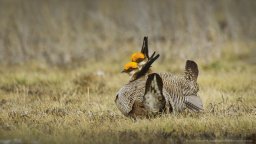 Christian A. Hagen合作论文数Dept Fisheries & Wildlife, Oregon State Univ9CA Hagen合作论文数8Brian E. Flock合作论文数8James C. Pitman合作论文数8Richard S. Phillips合作论文数8
 Thomas M. Loughin合作论文数Department of Statistics;Kansas State University;Department of Statistics, Kansas State University7
 Brian L. Spears合作论文数7Keyser Patrick D合作论文数6Brent E. Jamison合作论文数6John H. Brunjes合作论文数6r scott lutz合作论文数5
 John W. Morgan合作论文数Department of Ecology, Environment & Evolution, La Trobe University5
 Matthew J. Butler合作论文数Arkansas Forest Resources Center, University of Arkansas at Monticello School of Forest Resources5
 David A. Buehler合作论文数Department of Forestry;University of Tennessee;Department of Forestry, University of Tennessee5Derrick P. Holdstock合作论文数5Kyle R. Van Why合作论文数4lynn l rogers合作论文数4
 Neelam Poudyal合作论文数Warnell School of Forestry and Natural Resources, University of Georgia4
 Christopher M. Lituma合作论文数4
 Anthony Ives合作论文数Department of Integrative Biology, College of Letters & Science, University of Wisconsin–Madison3Fred S. Guthery合作论文数3
 Michael S. Miller合作论文数3Scott S. Crupper合作论文数3Stephen J. Demaso合作论文数3Rachael L. Houchin合作论文数3Ross T. Huffman合作论文数3Galon I. Hall合作论文数3DH RUSCH合作论文数2
 Thomas Dailey合作论文数2Pr Krausman合作论文数2
 Danny Bryan合作论文数2Jacob E Leys合作论文数2
 Andrew Vander Yacht合作论文数Department of Forestry, Michigan State University2
 byron r buckley合作论文数Dcpt Nat Resources Management, Texas Tech Univ2Cristina Watkins合作论文数University of Tennessee2Junjun Huang合作论文数2elizabeth d holcomb合作论文数2
 Sam Telford III合作论文数Department of Infectious Disease and Global Health, Cummings School of Veterinary Medicine, Tufts University;School of Medicine, Tufts University2Moncayo Abelardo C合作论文数2Fritzen Charissa M合作论文数2Carpenter L Rand合作论文数2




