The presence of chlamydia, gonorrhea, or syphilis infection is a significant risk factor for HIV acquisition and transmission and disproportionately impacts men who have sex with men (MSM) and transgender women. While HIV preexposure prophylaxis (PrEP) reduces HIV risk, its use may influence sexual behaviors, potentially increasing sexually transmitted infection (STI) exposure. Conversely, PrEP users are often more engaged in care, regularly screened and treated for STIs, and may access other prevention tools such as doxycycline postexposure prophylaxis. Studies on the relationship between PrEP use and STIs have shown mixed results. This cross-sectional analysis included 392 participants (381 cisgender MSM; 11 transgender women) enrolled in the US-based Multicenter AIDS Cohort Study/WIHS Combined Cohort Study between 2021 and 2024 who were sexually active in the year prior to STI testing and HIV negative at their most recent study visit. We assessed whether bacterial STI positivity (i.e., laboratory-confirmed chlamydia and gonorrhea at the urethral, pharyngeal, and/or rectal sites and/or current/past syphilis infection) differed by current PrEP use (yes/no). Multi-variable logistic regression models included sociodemographic and behavioral covariates that were associated with bacterial STI positivity at p < 0.05, with the most parsimonious models selected based on the lowest Akaike Information Criterion. Overall, 32.7% reported current PrEP use. Syphilis was the most prevalent STI (6.8%), followed by chlamydia (3.2%) and gonorrhea (2.1%); 11.7% of PrEP users tested positive for at least one STI, compared with 6.1% of non-PrEP users. Among PrEP users, 37.9% reported stopping or decreasing condom use, and 31.6% reported an increased number of sex partners after initiating PrEP. In both bivariate and multi-variable models, PrEP use was associated with higher odds of gonorrhea positivity (adjusted odds ratio = 4.70, 95% confidence interval [CI]: 1.10-20.04, p = 0.037) and greater odds of being positive for at least one STI (crude odds ratio = 1.94, 95% CI: 1.06-3.90, p = 0.041). No significant differences were observed for chlamydia and syphilis by PrEP use status. Overall, these findings suggest that current PrEP users (vs. non-PrEP users) have an increased odds of bacterial STI positivity, particularly gonorrhea, in a diverse, multi-city cohort of HIV negative, sexually active MSM and transgender women in the United States PrEP remains highly effective in preventing HIV, and our results underscore the importance of integrated sexual health services that support ongoing STI screening and prevention alongside PrEP use among sexual and gender minorities.
Pure and total movement dispersion are measures of the spread of physical activity (PA) across the day, without (pure) and with (total) intensity. Men with HIV (MWH) tend to have lower PA, more sedentary behavior, and poorer sleep quality and quality of life than men without HIV (MWOH). This study explores the relationship of pure and total movement dispersion with sleep quality, total sleep time, and quality-of-life (QoL) among MWH and MWOH. This study was a secondary analysis from the MACS/WIHS Combined Cohort Study (MWCCS). Participants wore an ActiGraph and an Actiwatch accelerometer on their wrist for 7 days to measure PA and sleep and completed the Pittsburgh Sleep Quality Index and the Medical Outcomes Study Short Form. Spearman’s Rank Correlation and multivariable linear regressions were used to analyze relationships among variables. 594 participants were included (Mage = 58.1, 55
Numerous studies have examined the factors contributing to the variation in disease progression among people living with HIV-1, identifying a range of genetic, immunologic and virologic factors that interact in a complex, multifactorial dynamic. However, investigating individual susceptibility to HIV-1 infection adds an additional layer of complexity. In this observational report, we focus on the case of a man (Case-2021) who previously remained HIV-1 negative despite 35 years of self-reported high-risk sexual behavior with other men while enrolled in the MACS/WIHS Combined Cohort Study (MWCCS). To understand why this individual stayed free of HIV-1 infection for so long and what led to his eventual seroconversion, we examined the available genetic, immunologic, and virologic laboratory data before and two weeks after his diagnosis of HIV-1 infection and initiation of antiretroviral therapy (ART). In addition, we looked into two other high-risk men from same group (HR-10) who have sex with men (MSM) enrolled in the MWCCS who seroconverted later in their enrollment. Furthermore, we performed similar laboratory tests to assess the effect of seasonal variations on blood biomarkers from the same clinical visit as Case-2021, including one individual who already was living with HIV-1 and another who has remained seronegative throughout their enrollment in the MWCCS. In conclusion, this Case-2021 observational report suggests that resistance to HIV-1 infection is likely multifactorial, involving high risk sexual behavior, HIV-1 variants, the genomic structure of the CCR5 receptor on CD4+ T cells, and age-related immune changes. Further study is needed to investigate both the genomic protective factors of CCR5 against HIV-1 infection and these age-related immune changes.
COPD and impairment in diffusing capacity for carbon monoxide (DLCO) are common comorbidities in people with HIV (PWH). HIV may increase susceptibility to inhaled toxins including air pollution. In PWH and people without HIV (PWoH), we investigated whether air pollution exposure was associated with within-group differences in lung function or respiratory symptoms, and whether these associations differed by HIV serostatus or the presence of underlying lung disease. We analyzed cross-sectional data from the Multicenter AIDS Cohort Study (MACS) and the Women’s Interagency HIV Study (WIHS), including participants with pulmonary function tests and accompanying standardized respiratory questionnaires in 2017–2020. The participants were linked to fine particulate matter (PM2.5) and ozone exposure data. Associations between exposures and respiratory outcomes were quantified with regression models. Two subgroup analyses were conducted, restricting to individuals with COPD (FEV1/FVC ratio < 0.7) or impaired DLCO (< 80
INTRODUCTION:Cisgender men who have sex with men (MSM), transgender women, cisgender women and cisgender men who have sex with women only (MSW) have differential risk of acquiring Chlamydia trachomatis (CT) and Neisseria gonorrhoeae (GC), the two most commonly reported bacterial sexually transmitted infections (STIs) in the USA. Similarly, MSM and transgender women have a higher number of syphilis infections in the USA than other groups. The presence of any of these three STIs is a significant risk factor for HIV acquisition and transmission, unless taking antiretroviral medication for HIV prevention (pre-exposure prophylaxis) or treatment (antiretroviral therapy). We sought to understand the prevalence rates of STIs in various vulnerable populations by anatomical site, sex and gender, which will inform the development of targeted prevention interventions and guide future updates to national testing guidelines. METHODS:Participants are enrolled in the MACS (Multicenter AIDS Cohort Study)/WIHS (Women's Interagency HIV Study) Combined Cohort Study (MWCCS)-the longest-running observational study of both people living with HIV (PLWH) and sociodemographically similar people living without HIV (PLWOH) in the world-with a total of 13 clinical research sites across the USA; participants (N=5700) complete quantitative assessments related to a variety of behavioural and health-related factors every 6 months. Regardless of whether or not they were sexually active or symptomatic/asymptomatic, all enrolled participants (ie, cisgender MSM, transgender women, cisgender women and cisgender MSW) were asked to complete surveillance testing for bacterial STIs (ie, syphilis, CT and GC). In addition to urethral samples, cisgender MSM, transgender women and cisgender MSW collected samples to test for extragenital pharyngeal and rectal CT and GC. Using at-home testing kits, participants self-collected biospecimens (ie, dried blood spots (DBS)/ microtainer of blood, urine and rectal and pharyngeal swabs) which were mailed to a central laboratory for nucleic acid amplification testing (for CT/GC) and syphilis testing using the reverse algorithm. STI results were linked to participants' HIV testing data and self-administered surveys on sociodemographics, sexual behaviours and psychosocial factors. RESULTS:Among those tested, 24.6% of cisgender MSM, 25.8% of transgender women, 7.4% of cisgender women and 14.6% cisgender MSW tested positive for at least one STI. Multiple STIs/anatomical sites were detected in 3.9% of participants, with the highest prevalence among transgender women (9.7%). Current/past syphilis prevalence was 11.2% across all participants, with cisgender MSM (19.7%) and transgender women (19.4%) having a higher prevalence than cisgender women (6.4%) and cisgender MSW (12.6%). Regarding CT, 2.1% of the participants tested were positive at one anatomical site. Among those who had extragenital testing, rectal CT was the most prevalent (3.2%), including 3.4% among cisgender MSM, 8.9% among transgender women and 0.9% among cisgender MSW. For GC, 1.4% of participants tested positive at one site. Among those who tested for extragenital STIs, rectal GC was the most common site, with a prevalence of 2.2%, including 2.3% for cisgender MSM, 4.3% for transgender women and 1.4% among MSW. Overall, 7.1% of participants tested positive for CT or GC at one or more anatomical sites. Finally, PLWH had a significantly higher prevalence of syphilis (13.74%) compared with PLWOH (6.11%) (p<0.001). CONCLUSION:There is a high prevalence of bacterial STIs among participants in the MWCCS. Self-collection of DBS/microtainer of blood, urine and rectal and pharyngeal swabs provided a useful, cost-effective option for screening participants outside of the traditional clinical setting. Given the possible asymptomatic nature of all three STIs, regular testing and education can be key to detection and treatment. Culturally appropriate and locally derived community outreach and engagement can be highly effective in reducing stigma around HIV and STIs and help reduce barriers to testing and treatment.
BACKGROUND:The Veterans Aging Cohort Study (VACS) Index 2.0 accurately predicts mortality using age and clinical biomarkers, but adding behavioral and psychosocial factors that are common among sexual minority men (SMM) may improve its predictive accuracy. We examined whether adding these factors would improve mortality prediction among SMM living with HIV. METHODS:We included 1438 SMM in the Multicenter AIDS Cohort Study who initiated highly active antiretroviral therapy for at least 1 year between January 1996 and September 2022. We divided the sample into development (70%) and validation (30%) sets. We used Cox proportional hazards models to develop new indices in the development set by adding binary behavioral and psychosocial factors (depression, cigarette smoking, heavy alcohol use, polydrug use) or the total number of these factors in the VACS Index 2.0 and estimated mortality using Weibull survival models. We compared accuracy using C-statistics and calibration curves in the validation set and within subgroups (age, race, CD4 count, and viral suppression). RESULTS:Among the 1438 SMM, 83 (5.8%) died within 5 years of follow-up. Depression significantly predicted 5-year mortality after adjusting for the VACS Index 2.0 and resulted in a 70% increased risk of death (adjusted hazard ratio = 1.70, 95% confidence interval: 1.10 to 2.63) compared with men without depression. The addition of depression improved C-statistics from 0.818 to 0.851 in the development set. Results were robust in all subgroups. CONCLUSIONS:Including depression improved the VACS Index 2.0 in predicting mortality. Screening and treating depression could improve health and reduce mortality among SMM living with HIV.
BACKGROUND:People with HIV experience conventional and HIV-specific risk factors for increased blood pressure and may have different trajectories than people without HIV. Using data from the Multicenter AIDS Cohort Study (MACS) and Women's Interagency HIV Study (WIHS), we describe longitudinal patterns in blood pressure, hypertension, and vital status for people with HIV and without HIV. METHODS:We estimated longitudinal trajectories of systolic and diastolic blood pressure, pulse pressure, and mean arterial pressure using generalized estimating equations. Using multinomial logistic regression and Kaplan-Meier curves, we estimated the proportion of participants in four states corresponding to vital and hypertensive status. RESULTS:We included men and women with HIV who reported antiretroviral therapy use (MACS: n = 1555; WIHS: n = 2765) and men and women without HIV (MACS: n = 1671; WIHS: n = 1145) between ages 20 and 70 from 1998 to 2019. Trajectory shapes were similar between people with and without HIV within cohorts. Men with and without HIV had similar blood pressure across ages. Women with HIV had lower blood pressure than those without HIV (average systolic difference -4.7 mmHg; 95% CI: -5.6, -3.8). Despite comparable average time alive without hypertension, people with HIV experienced higher mortality than those without HIV (risk at age 50, MACS: 13.1% vs. 8.1%; WIHS 33.3% vs. 9.6%). CONCLUSION:Blood pressure trajectories were similar between people with and without HIV, although blood pressure was slightly lower for women with HIV. High mortality among people with HIV (vs. without) may have resulted in a lower proportion of people with hypertension at older ages.
Objective: Lymphocyte phenotyping is a valuable tool for monitoring the effects of antiretroviral therapy on individuals living with HIV-1. A switch study was conducted to compare T-cell subset quantification performed by a research laboratory and a diagnostic, laboratory to understand the impact on the retrospective and prospective results of a long-term study. Methods: Using FACSCanto II Flow Cytometers, EDTA anticoagulated peripheral blood from 73 males enrolled in the Multicenter AIDS Cohort Study/Women Interagency HIV Combined Cohort Study was analyzed by both a research (laboratory 1) and a diagnostics laboratory (laboratory 2) for quantification of cluster of differentiation (CD)3, CD4, and CD8 T-cells. There were 47 males living with and 26 living without HIV-1. Results: Bland-Altman (B-A) analysis was applied to assess the agreement between laboratory 1 and laboratory 2 results. There were 69 out of 73 CD3, 71 out of 73CD4, and 72 out of 73 CD8 T-cell results that fell within acceptable B-A limits of agreement. The mean differences between the 2 laboratories were -1.000, -0.945, and +0.685(%), respectively. Conclusion: The strong agreement between results from laboratory 1 and laboratory 2 for CD3, CD4, and CD8 T-cell percentage suggests that the difference between laboratories using the same instrumentation and methodology will have a minimal effect on long-term study results.
People with HIV (PWH) are at an increased risk for AIDS-associated non-Hodgkin lymphoma (AIDS-NHL); however, the immune signatures underlying this risk are not well understood. In this study, we utilized mass cytometry by time-of-flight (CyTOF) to analyze T-cells and monocytes in the PBMCs of treatment-naïve PWH, including those 3 to 36 months before an AIDS-NHL diagnosis (HIV-positive pre-NHL), as well as people without HIV (PWoH). Mass cytometry is an advanced single-cell analysis platform that combines flow cytometry principles with mass spectrometry. Unlike conventional flow cytometry, this technology employs antibodies conjugated to unique metal isotopes instead of fluorescent markers, enabling simultaneous measurement of over 40 distinct cellular markers per individual cell without spectral overlap limitations. Participants were enrolled at the Los Angeles site of the MACS/WIHS Combined Cohort Study (MWCCS). Unsupervised clustering and Uniform Manifold Approximation and Projection (UMAP) analysis identified CD3+ T-cell and CD14+ monocyte metaclusters, and Spearman’s rank correlation assessed their relationships with B-cell subsets exhibiting aberrant phenotypes. We observed elevated levels of CD8+CD20+ T-cells, CD8+CD14+ T-cells, and M2-like CD14+CD163+ monocytes in HIV-positive pre-NHL individuals compared to HIV-negative controls. Positive correlations were found between CD19+ AICDA+ cMYC+ B-cells and M1-like CD14+cMYC+ monocytes (metacluster, MC02), and between metaclusters of CD8+PD-1+CD27+CXCR4− T-cells (MC05) and CD4+FoxP3+PD-1+CD27+CD28+CXCR4− ICOS+ T-cells (MC08). In addition, a different CD19+ B-cell metacluster (FoxP3+AICDA+cMYC+) was positively associated with a metacluster of CD8+PD-1+CD27+CD28+CXCR4+ T-cells (MC03). Moreover, the metacluster of CD8+PD-1+CD27+CXCR4− T-cells (MC05) negatively correlated with M2-like CD14+CD163+ monocytes (MC06), while CD8+CD14+ T-cells positively correlated with AICDA+ Bregs and IL-10+ B-regs in HIV-positive pre-NHL individuals. Unsupervised analysis revealed increased frequencies of CD8+CD20+ T-cells in HIV-positive individuals compared to HIV-negative controls. These immune alterations provide valuable insights into potential biomarkers for early detection, monitoring, and therapeutic strategies for AIDS-NHL.
Men who have sex with men (MSM) are at increased risk for certain types of chronic diseases and mental health problems. Despite having extended survival in the highly active antiretroviral therapy (HAART) era, MSM living with HIV contend with aging-related diseases and complications with treatment. Consequent hospitalizations incur high costs, fear, low quality of life, and frailty. Unlike heterosexual men, MSM experience more structural violence and “syndemics” of psychosocial factors that not only accelerate HIV acquisition and transmission risk but also may increase morbidity, leading to greater rates of hospitalization. We aim to examine the impact of “syndemic” psychosocial factors on the incidence of hospitalization among geographically diverse MSM in the US. Participants were 1760 MSM from the Multicenter AIDS Cohort Study (MACS) between 2004 and 2019. We examined the relationship between six psychosocial factors (depression, stimulant use, smoking, heroin use, childhood sexual abuse, and intimate partner violence) and incident hospitalization (admission to a hospital for treatment). We found a positive dose-response relationship between the number of syndemic factors and hospitalization. MSM reporting five or more syndemic factors had over twice the risk of hospitalization compared to MSM without syndemic factors [aRR = 2.14 (95
PURPOSE:To investigate vision impairment as a barrier to engagement in medical care among aging persons living with HIV (PLWH) who experience multimorbidity and complex care needs. SETTING:Multicenter AIDS Cohort Study (MACS), a prospective observational cohort of aging PLWH men. METHODS:We examined relationships of self-reported vision difficulty with indicators of care engagement: 1) adherence to HIV antiretroviral therapy (ART; defined as taking ≥95% of medications); 2) self-reported avoidance of medical care; 3) self-reported tendency to ask a doctor questions about care (>2 questions at a medical visit), as well as with quality of life. A modified version of the National Eye Institute Vision Function Questionnaire was administered at three semi-annual visits (from October 2017 to March 2019) to assess difficulty performing vision-dependent tasks. RESULTS:We included 1063 PLWH (median age 57 years, 31% Black). Data on care engagement outcomes were analyzed using repeated measures logistic regression with generalized estimating equations adjusted for race, and at visit values for age, education level, depressive symptoms, alcohol use, and smoking status. Compared to no vision difficulty, those reporting moderate to extreme vision difficulty on at least one task had 2.2 times higher odds (95% CI: 1.4, 3.4) of having less than optimal ART adherence, 1.9 times higher odds (95% CI: 1.1, 3.4) of avoiding necessary medical care and median quality of life scores 8 points lower. CONCLUSION:These findings suggest vision impairment decreases medical care engagement including HIV care and quality of life among aging PLWH.
Objectives To determine if the association between posttraumatic stress disorder (PTSD) and substance use (alcohol misuse or smoking tobacco) is mediated/moderated by exercise or volunteering among aging (≥40 years) men who have sex with men (MSM), and if this mediation/moderation differs by HIV serostatus. Methods Multicenter AIDS Cohort Study data were used. Three datasets with PTSD measured during different time periods (10/1/2017-3/31/2018, 898 men; 4/1/2018-9/30/2018, 890 men; 10/1/2018-3/31/2019, 895 men) were analyzed. Longitudinal mediation analyses estimated the mediation effect of exercise and volunteering on the outcomes. Results Nine percent of MSM had evidence of PTSD. There was no statistically significant mediation effect of exercise or volunteering regardless of substance use outcome. The odds of smoking at a future visit among MSM with PTSD were approximately double those of MSM without PTSD. Results did not differ by HIV serostatus. Discussion There is a particular need for effective smoking cessation interventions for aging MSM with PTSD.
People living with HIV (PLWH) are at higher risk of developing lymphoma. In this study, we performed cytometry by time-of-flight (CyTOF) on peripheral blood mononuclear cells of cART-naïve HIV+ individuals and cART-naïve HIV+ individuals prior to AIDS-associated non-Hodgkin lymphoma (pre-NHL) diagnosis. Participants were enrolled in the Los Angeles site of the MACS/WIHS Combined Cohort Study (MWCCS). Uniform Manifold Approximation and Projection (UMAP) and unsupervised clustering analysis were performed to identify differences in the expression of B-cell activation markers and/or oncogenic markers associated with lymphomagenesis. CD10+CD27- B cells, CD20+CD27- B cells, and B-cell populations with aberrant features (CD20+CD27+CXCR4+CD71+ B cells and CD20+CXCR4+cMYC+ B cells) were significantly elevated in HIV+ cART-naïve compared to HIV-negative samples. CD20+CD27+CD24+CXCR4+CXCR5+ B cells, CD20+CD27+CD10+CD24+CXCR4+cMYC+ B cells, and a cluster of CD20+CXCR4hiCD27-CD24+CXCR5+CD40+CD4+AICDA+ B cells were significantly elevated in HIV+ pre-NHL (cART-naïve) compared to HIV+ cART-naïve samples. A potentially clonal cluster of CD20+CXCR4+CXCR5+cMYC+AICDA+ B cells and a cluster of germinal center B-cell-like cells (CD19-CD20+CXCR4+Bcl-6+PD-L1+cMYC+) were also found in the circulation of HIV+ pre-NHL (cART-naïve) samples. Moreover, significantly elevated clusters of CD19+CD24hiCD38hi cMYC+ AICDA+ B regulatory cells were identified in HIV+ pre-NHL (cART-naïve) compared to HIV+ cART-naïve samples. The present study identifies unique B-cell subsets in PLWH with potential pre-malignant features that may contribute to the development of pre-tumor B cells in PLWH and that may play a role in lymphomagenesis.
Supplementary Tables 1 and 2 from B-Cell Stimulatory Cytokines and Markers of Immune Activation Are Elevated Several Years Prior to the Diagnosis of Systemic AIDS–Associated Non-Hodgkin B-Cell Lymphoma
PDF file - 106K, Spearman's correlation coefficients calculated for each time-window, separately in cases and controls; Association Between CXCL13 and CXCR5 tagSNPs and CXCL13 Serum Levels; Association between CXCL13 serum levels and HIV-associated non-Hodgkin lymphoma risk at three time-windows, stratified by SNP genotypes.
PDF - 123K, The risk of developing AIDS-NHL is elevated for those individuals who have higher levels of inflammatory biomarkers prior to AIDS-NHL diagnosis, excluding those who received cART.
Introduction Extracellular vesicles are membrane-bound structures secreted into the extracellular milieu by cells and can carry bioactive molecules. There is emerging evidence suggesting that EVs play a role in the diagnosis, treatment, and prognosis of certain cancers. In this study, we investigate the association of EVs bearing PD-L1 and molecules important in B-cell activation and differentiation with AIDS-NHL risk. Methods EVs were isolated from archived serum collected prior to the diagnosis of AIDS-NHL in cases (N = 51) and matched HIV+ controls (N = 52) who were men enrolled in the Los Angeles site of the MACS/WIHS Combined Cohort Study (MWCCS). Serum specimens of AIDS-NHL cases were collected at a mean time of 1.25 years (range of 2 to 36 months) prior to an AIDS-NHL diagnosis. The expression of PD-L1 and other molecules on EVs (CD40, CD40L, TNF-RII, IL-6Rα, B7-H3, ICAM-1, and FasL) were quantified by Luminex multiplex assay. Results and discussion We observed significantly higher levels of EVs bearing PD-L1, CD40, TNF-RII and/or IL-6Rα in AIDS-NHL cases compared with controls. Using multivariate conditional logistic regression models adjusted for age and CD4 + T-cell count, we found that EVs bearing PD-L1 (OR = 1.93; 95% CI: 1.10 – 3.38), CD40 (OR = 1.97, 95% CI: 1.09 – 3.58), TNF-RII (OR = 5.06; 95% CI: 1.99 – 12.85) and/or IL-6Rα (OR = 4.67; 95% CI: 1.40 – 15.53) were significantly and positively associated with AIDS-NHL risk. In addition, EVs bearing these molecules were significantly and positively associated with non-CNS lymphoma: PD-L1 (OR = 1.94; 95% CI: 1.01 – 3.72); CD40 (OR = 2.66; 95% CI: 1.12 – 6.35); TNF-RII (OR = 9.64; 95% CI: 2.52 – 36.86); IL-6Rα (OR = 8.34; 95% CI: 1.73 – 40.15). These findings suggest that EVs bearing PD-L1, CD40, TNF-RII and/or IL-6Rα could serve as biomarkers for the early detection of NHL in PLWH.
PDF - 122K, Geometrical mean serum values and confidence intervals of IL-5, IL-6, IL-8, IL-10, IL-17F, IL-20, IL-27, IFN-γ, IP-10, LIF, neopterin, sCD40L, TNFα, VEGF, κ and λ for HIV+ individuals who later developed AIDS-NHL and for HIV+ controls (p-values calculated with Student t-tests). Fraction of detectable values (shaded area) of IL-1β, IL-2, IL-4, IL-12, IL-17A, IL-23, IL-31, GM-CSF, and SDF-1α for HIV+ individuals who later developed AIDS-NHL and for HIV+ controls (p-values calculated using a chi-squared test).
Background Southeast Asian countries have been trying to increase HIV testing coverage of women since awareness of HIV status is essential to eliminate mother-to-child transmission of HIV. This study determined factors related to lifetime HIV testing uptake among women aged 15–49 years in four Southeast Asian countries: Myanmar, Cambodia, the Philippines and Timor-Leste. Methods This study used cross-sectional data from the 2015–16 Myanmar Demographic and Health Survey (DHS), the 2014 Cambodia DHS, the 2017 Philippines National DHS and the 2016 Timor-Leste DHS. We conducted multivariable logistic regression analyses to identify factors associated with lifetime HIV testing among women aged 15–49 years who completed the surveys in each country and ran a fixed effects logistic regression model using pooled data. Results The proportions of lifetime HIV testing uptake among women aged 15–49 years were 42.1% in Cambodia, 19.5% in Myanmar, 4.6% in the Philippines, and 3.7% in Timor-Leste. Marital status, age, education, and wealth were significantly associated with lifetime HIV testing uptake among women in all four countries. Other factors (e.g., comprehensive knowledge of HIV, rural/urban residence, positive attitudes towards negotiation for safer sex) were also significant determinants of HIV testing uptake among women in some of these countries. Conclusions A multi-sectoral collaboration of related sectors and organizations is necessary to increase access to HIV testing and HIV knowledge of women to overcome the barriers to HIV testing. It is critical to make HIV testing services available and accessible to women, especially in rural areas.
 Charles R. Rinaldo合作论文数Division of Infectious Diseases, Department of Medicine, University of Pittsburgh94
 Lisa P. Jacobson合作论文数General Epidemiology and Methodology Division, Department of Epidemiology, Bloomberg School of Public Health, Johns Hopkins University;Data Analysis Center, Bloomberg School of Public Health, Johns Hopkins University74
 Zunyou Wu (吴尊友)合作论文数National Center for AIDS/STD Control and Prevention, Chinese Center for Disease Control and Prevention74
 Barbara R. Visscher合作论文数62
 Joseph Margolick合作论文数Department of Molecular Microbiology and Immunology, Bloomberg School of Public Health, Johns Hopkins University61
 Otoniel Martinez-Maza合作论文数Department of Microbiology, Immunology and Molecular Genetics, College of Life Sciences, University of California, Los Angeles;Department of Epidemiology, Fielding School of Public Health, University of California, Los Angeles60
 John P Phair合作论文数Infectious Diseases, Department of Medicine, Feinberg School of Medicine, Northwestern University50
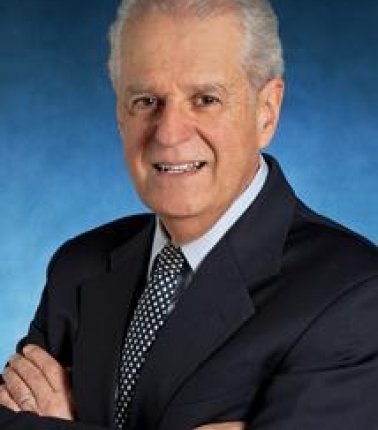 Alvaro Munoz合作论文数Division of General Epidemiology and Methodology, Johns Hopkins Bloomberg School of Public Health43
 John Fahey合作论文数Department of Microbiology and Immunology, UCLA School of Medicine42
 Lawrence A Kingsley合作论文数Department of Infectious Diseases and Microbiology, School of Public Health, University of Pittsburgh;Department of Epidemiology, School of Public Health, University of Pittsburgh41
 Martin Gulliford合作论文数School of Population Health & Environmental Sciences, Faculty of Life Sciences & Medicine, King’s College London39Jv Giorgi合作论文数30J Phair合作论文数29Richard A. Kaslow合作论文数27P Nishanian合作论文数24Beth D. Jamieson合作论文数David Geffen School of Medicine, University of California23Hussain Shehnaz K合作论文数20
 Joan S Chmiel合作论文数Department of Preventive Medicine, Feinberg School of Medicine, Northwestern University19
 Zuo-Feng Zhang合作论文数Department of Epidemiology, Fielding School of Public Health, University of California, Los Angeles;Center for Environment Genomics, University of California, Los Angeles19
 Na He (何纳)合作论文数School of Public Health, Fudan University19Joseph B. Margolick合作论文数19
 Najib Aziz合作论文数18Aj Saah合作论文数18Elizabeth C Breen合作论文数18
 Stephen O'Brien合作论文数Department of Biological Sciences, Halmos College of Arts and Sciences, Nova Southeastern University;Laboratory of Genomic Diversity, Center for Computer Technologies, ITMO University18Janis V Giorgi合作论文数Department of Medicine,UCLA School of Medicine,Los Angeles18Alfred Saah合作论文数18
 Mary Jane Rotheram-Borus合作论文数Center for HIV Identification, Prevention, and Treatment Services, University of California, Los Angeles;Semel Institute for Neuroscience & Human Behavior, University of California, Los Angeles18m a lansang合作论文数17J DUDLEY合作论文数17
 Donald R. Hoover合作论文数Department of Statistics and Biostatistics, Rutgers University;Institute for Health, Health Care Policy and Aging Research, Rutgers University;Department of Epidemiology, Johns Hopkins University;Center for Urban Epidemiological Studies, New York Academy of Medicine17
 Steven Wolinsky合作论文数Feinberg School of Medicine, Northwestern University;Northwestern Memorial Hospital17Alfred J. Saah合作论文数Merck and Company Inc16Jmg Taylor合作论文数15J P Dudley合作论文数15R Kaslow合作论文数15
 Jay H. Bream合作论文数Molecular Microbiology and Immunology, Bloomberg School of Public Health, Johns Hopkins University15
 Chunqing Lin合作论文数School of Public Health and Primary Care, The Chinese University of Hong Kong15
 Dorothy Wiley合作论文数School of Nursing, University of California, Los Angeles14
 Frank J Palella合作论文数Infectious Diseases, Department of Medicine, Feinberg School of Medicine, Northwestern University14
 Tanmaya Mahapatra合作论文数14Friedman M Reuel合作论文数14Larry Magpantay合作论文数14Robert Beaglehole合作论文数14
 Stephen J. Gange合作论文数Department of Epidemiology, Bloomberg School of Public Health, Johns Hopkins University13Jihui Guan合作论文数13Keming Rou合作论文数13r beaglehole合作论文数12




