The Ultraviolet Transient Astronomy Satellite (ULTRASAT) is scheduled to be launched to geostationary orbit in 2027. It will carry a telescope with an unprecedentedly large field of view (204 deg ^2 ) and near-ultraviolet (NUV; 230–290 nm) sensitivity (22.5 mag, 5 σ , at 900 s). ULTRASAT will conduct the first wide-field survey of transient and variable NUV sources and will revolutionize our ability to study the hot transient Universe. It will explore a new parameter space in energy and timescale (months-long light curves with minutes cadence), with an extragalactic volume accessible for the discovery of transient sources that is >300 times larger than that of the Galaxy Evolution Explorer (GALEX) and comparable to that of the Vera Rubin Observatory’s Legacy Survey of Space and Time. ULTRASAT data will be transmitted to the ground in real time, and transient alerts will be distributed to the community in <15 minutes, enabling vigorous ground-based follow up of ULTRASAT sources. ULTRASAT will also provide an all-sky NUV image to >23.5 AB mag, over 10 times deeper than the GALEX map. Two key science goals of ULTRASAT are the study of mergers of binaries involving neutron stars, and supernovae. With a large fraction (>50%) of the sky instantaneously accessible, fast (minutes) slewing capability, and a field of view that covers the error ellipses expected from gravitational-wave (GW) detectors beyond 2026, ULTRASAT will rapidly detect the electromagnetic emission following binary neutron star/neutron star–black hole mergers identified by GW detectors, and will provide continuous NUV light curves of the events. ULTRASAT will provide early (hour) detection and continuous high-cadence (minutes) NUV light curves for hundreds of core-collapse supernovae, including for rarer supernova progenitor types.
The Fermi All-sky Variability Analysis (FAVA) provides a photometric alternative for identifying week-long gamma-ray flares across the entire sky while being independent of any diffuse Galactic or isotropic emission model. We reviewed 779 weeks of Fermi Large Area Telescope data analyzed by FAVA to estimate the rate and origin of Galactic gamma-ray flares, and to search for new variable Galactic gamma-ray transients. We report an estimated yearly rate of ∼8.5 Galactic gamma-ray flares yr ^–1 , with ∼1 flare yr ^–1 coming from unknown sources. Out of the known gamma-ray sources that are spatially coincident with these detected flares, we report gamma-ray flares for six of them for the first time. All six are classified as pulsars, or a source of unknown nature but which positionally overlaps with known supernova remnants or pulsar wind nebulae (PWNe). This potentially means these sites are tentative candidates to be the second known site of a variable gamma-ray PWN, after the famous Crab Nebula’s PWN. Additionally, we identify nine unassociated flares that are unlikely to have originated from known gamma-ray sources.
Here, we present the first catalog of Ultraviolet time-VAriable sources (1UVA). We describe a new analysis pipeline called VAriable Source Clustering Analysis (VASCA). We applied this pipeline to ten years of data from the Galaxy Evolution Explorer (GALEX) satellite. We analyzed a sky area $ deg ^2$, and detected 4,202 time-variable ultraviolet (UV) sources. We cross-correlated these sources with multi-frequency data from the Gaia satellite and the Set of Identifications, Measurements and Bibliography for Astronomical Data (SIMBAD) database, finding an association for 3,655 sources. The source sample was dominated by active galactic nuclei ( percent ) and stars ( percent ). We examined the UV and multi-frequency properties of these sources, focusing on the stellar population. We found UV variability for four white dwarfs (WDs). One of them, WD J004917.14-252556.81, was recently found to be the most massive pulsating WD. Its spectral energy distribution shows no sign of a stellar companion. The observed flux variability was unexpected and difficult to explain.
We report spectral and imaging performance of a pixelated CdZnTe detector custom designed for the MeVCube project: a small Compton telescope on a CubeSat platform. MeVCube is expected to cover the energy range between 200 keV and 4 MeV, with a sensitivity comparable to the one of the last generation of larger satellites. In order to achieve this goal, an energy resolution of few percent in full width at half maximum (FWHM) and a 3-D spatial resolution of few millimeters for the individual detectors are needed. The severe power constraints present in small satellites require very low power read-out electronics for the detector. Our read-out is based on the VATA450.3 ASIC developed by Ideas , with a power consumption of only 0.25 mW/channel, which exhibits good performance in terms of dynamic range, noise and linearity. A 2.0 cm× 2.0 cm× 1.5 cm CdZnTe detector, with a custom 8 × 8 pixel anode structure read-out by a VATA450.3 ASIC, has been tested. A preliminary read-out system for the cathode, based on a discrete Amptek A250F charge sensitive pre-amplifier and a DRS4 ASIC, has been implemented. An energy resolution around 3% FWHM has been measured at a gamma energy of 662 keV; at 200 keV the average energy resolution is 6.5%, decreasing to ≲ 2% at energies above 1 MeV. A 3-D spatial resolution of ≈ 2 mm is achieved in each dimension.
Despite the impressive progress achieved both by X-ray and gamma-ray observatories in the last few decades, the energy range between ∼ 200 keV and ∼ 50 MeV remains poorly explored. COMPTEL, on-board the Compton Gamma-Ray Observatory (CGRO, 1991-2000), opened the MeV gamma-ray band as a new window to astronomy, performing the first all-sky survey in the energy range from 0.75 to 30 MeV. More than 20 years after the de-orbit of CGRO, no successor mission is yet operating. Over the past years many concepts have been proposed, for new observatories exploring different configurations and imaging techniques; a selection of the most recent ones includes AMEGO, ETCC, GECCO and COSI. We propose here a novel concept for a Compton telescope based on the CubeSat standard, named MeVCube, with the advantages of small cost and relatively short development time. The scientific payload is based on two layers of pixelated Cadmium-Zinc-Telluride (CdZnTe) detectors, coupled with low-power read-out electronics (ASIC, VATA450.3). The performance of the read-out electronics and CdZnTe custom designed detectors have been measured extensively at DESY [1]. The performance of the telescope is accessed through simulations: despite a small effective area limited to a few cm2, MeVCube can reach an angular resolution of 1.5° and a sensitivity comparable to the one achieved by the last generation of large-scale satellites like COMPTEL and INTEGRAL. Combined with a large field-of-view and a moderate cost, MeVCube can be a powerful instrument for transient observations and searches of electromagnetic counterparts of gravitational wave events.
The Ultraviolet Transient Astronomy Satellite (ULTRASAT) is a space-borne near UV telescope with an unprecedented large field of view (200 sq. deg.). The mission, led by the Weizmann Institute of Science and the Israel Space Agency in collaboration with DESY (Helmholtz association, Germany) and NASA (USA), is fully funded and expected to be launched to a geostationary transfer orbit in Q2/3 of 2025. With a grasp 300 times larger than GALEX, the most sensitive UV satellite to date, ULTRASAT will revolutionize our understanding of the hot transient universe, as well as of flaring galactic sources. We describe the mission payload, the optical design and the choice of materials allowing us to achieve a point spread function of 10arcsec across the FoV, and the detector assembly. We detail the mitigation techniques implemented to suppress out-of-band flux and reduce stray light, detector properties including measured quantum efficiency of scout (prototype) detectors, and expected performance (limiting magnitude) for various objects.
After large galaxies merge, their central supermassive black holes are expected to form binary systems. Their orbital motion should generate a gravitational wave background (GWB) at nanohertz frequencies. Searches for this background use pulsar timing arrays, which perform long-term monitoring of millisecond pulsars at radio wavelengths. We used 12.5 years of Fermi Large Area Telescope data to form a gamma-ray pulsar timing array. Results from 35 bright gamma-ray pulsars place a 95% credible limit on the GWB characteristic strain of 1.0 x 10(-14) at a frequency of 1 year(-1). The sensitivity is expected to scale with t(obs), the observing time span, as t(obs)(-13/6). This direct measurement provides an independent probe of the GWB while offering a check on radio noise models.
ULTRASAT is a scientific satellite carrying a near UV telescope with high sensitivity and large field of view. The mission, led by the Weizmann Institute of Science and the Israeli Space Agency in collaboration with Deutsches Elektronen-Synchrotron (DESY), is expected to be launched in 2025 by NASA. ULTRASAT will revolutionize our understanding of the high energy transient universe and will have a broad scientific impact across the fields of gravitational wave (GW) sources, supernovae, variable and flare stars, active galactic nuclei, tidal disruption events, compact objects, and galaxies. The ULTRASAT camera, developed by DESY, is based on a custom imager, developed by Analog Value and Tower Semiconductors, and manufactured by Tower Semiconductor in Israel. The focal plane array is composed of four independent sensors with an effective area of ~45×45 mm2 each, providing graceful degradation capabilities. Each sensor array has ~22,450M pixels, with pixel size of 9.5×9.5 μm2. The sensor implements backside illumination and an anti-reflective coating optimized for the wavelength range 230 to 290nm, achieving high quantum efficiency of >60%. Low dark noise of id<0.026 e/sec/pixel is needed to meet the required sensitivity. This is achieved by both operating at -73°C, and by a special design including advanced pixel architecture, optical trench between the array of pixels and surrounding circuits and a low noise design of the digital electronics. High dynamic range (HDR) capability is achieved by dual gain 5T pixels. The design of the sensor includes one analog to digital converter (ADC) per column architecture and low voltage differential signal (LVDS) output buffers. The operation is controlled by a dedicated microcontroller and configuration registers. The design employs techniques for mitigating space radiation effects, enabling an operation lifetime of six years in GEO. This paper describes the design of the sensor and its target performance. The performance that was achieved will be described in future publications.
The unidentified TeV source MGRO J1908+06, with emission extending from hundreds of GeV to beyond 100 TeV, is one of the most intriguing sources in the Galactic plane. MGRO J1908+06 spatially associates with an IceCube hotspot of neutrino emission. Although the hotspot is not significant yet, this suggests a possible hadronic origin of the observed gamma-ray radiation. Here we describe a multiwavelength analysis on MGRO J1908+06 to determine its nature. We identify, for the first time, an extended GeV source as the counterpart of MGRO J1908 + 06, discovering possibly associated molecular clouds (MCs). The GeV spectrum shows two well-differentiated components: a soft spectral component below ∼10 GeV, and a hard one (Γ ∼ 1.6) above these energies. The lower-energy part is likely associated with the dense MCs surrounding the supernova remnant (SNR) G40.5−0.5, whereas the higher-energy component, which connects smoothly with the spectrum observed in TeV range, resembles the inverse Compton emission observed in relic pulsar wind nebulae. This simple scenario seems to describe the data satisfactorily, but raises questions about the interpretation of the emission at hundreds of TeV. In this scenario, no detectable neutrino flux would be expected.
M. Ackermann, M. Ajello, A. Albert, W. B. Atwood, L. Baldini, 3 G. Barbiellini, 7 D. Bastieri, 9 R. Bellazzini, E. Bissaldi, R. D. Blandford, R. Bonino, 13 E. Bottacini, J. Bregeon, P. Bruel, R. Buehler, G. A. Caliandro, 16 R. A. Cameron, M. Caragiulo, 11 P. A. Caraveo, E. Cavazzuti, C. Cecchi, 21 A. Chekhtman, J. Chiang, G. Chiaro, S. Ciprini, 20 R. Claus, J. Cohen-Tanugi, F. Costanza, A. Cuoco, 13 S. Cutini, 23, 20 F. D’Ammando, 25 A. de Angelis, F. de Palma, 27 R. Desiante, 12 S. W. Digel, L. Di Venere, 11 P. S. Drell, C. Favuzzi, 11 S. J. Fegan, W. B. Focke, A. Franckowiak, S. Funk, P. Fusco, 11 F. Gargano, D. Gasparrini, 20 N. Giglietto, 11 F. Giordano, 11 M. Giroletti, T. Glanzman, G. Godfrey, I. A. Grenier, J. E. Grove, S. Guiriec, 33 A. K. Harding, J.W. Hewitt, D. Horan, X. Hou, 36 G. Iafrate, 37 G. Jóhannesson, T. Kamae, M. Kuss, S. Larsson, 41 L. Latronico, J. Li, L. Li, 41 F. Longo, 7 F. Loparco, 11, ∗ M. N. Lovellette, P. Lubrano, 21 J. Magill, S. Maldera, A. Manfreda, M. Mayer, M. N. Mazziotta, † P. F. Michelson, W. Mitthumsiri, T. Mizuno, M. E. Monzani, A. Morselli, S. Murgia, E. Nuss, N. Omodei, E. Orlando, J. F. Ormes, D. Paneque, 3 J. S. Perkins, M. Pesce-Rollins, 3 V. Petrosian, F. Piron, G. Pivato, S. Rainò, 11 R. Rando, 9 M. Razzano, 50 A. Reimer, 3 O. Reimer, 3 T. Reposeur, C. Sgrò, E. J. Siskind, F. Spada, G. Spandre, P. Spinelli, 11 H. Takahashi, J. B. Thayer, D. J. Thompson, L. Tibaldo, D. F. Torres, 56 G. Tosti, 21 E. Troja, 43 G. Vianello, B. L. Winer, K. S. Wood, and M. Yassine
The Ultraviolet Transient Astronomical Satellite (ULTRASAT) is a scientific space mission carrying an astronomical telescope. The mission is led by the Weizmann Institute of Science (WIS) in Israel and the Israel Space Agency (ISA), while the camera in the focal plane is designed and built by Deutsches Elektronen Synchrotron (DESY) in Germany. Two key science goals of the mission are the detection of counterparts to gravitational wave sources and supernovae.1 The launch to geostationary orbit is planned for 2024. The telescope with a field-of-view of ≈ 200 deg2, is optimized to work in the near-ultraviolet (NUV) band between 220 and 280 nm. The focal plane array is composed of four 22:4-megapixel, backside-illuminated (BSI) CMOS sensors with a total active area of 90 x 90mm2.2 Prior to sensor production, smaller test sensors have been tested to support critical design decisions for the final flight sensor. These test sensors share the design of epitaxial layer and antireflective coatings with the flight sensors. Here, we present a characterization of these test sensors. Dark current and read noise are characterized as a function of the device temperature. A temperature-independent noise level is attributed to on-die infrared emission and the read-out electronics' self-heating. We utilize a high-precision photometric calibration setup3 to obtain the test sensors' quantum efficiency relative to PTB/NIST-calibrated transfer standards (220-1100 nm), the quantum yield for λ >300 nm, the non-linearity of the system, and the conversion gain. The uncertainties are discussed in the context of the newest results on the setup's performance parameters. From the three ARC options Tstd, T1 and T2, the last assists the out-of-band rejection and peaks in the mid of the ULTRASAT operational waveband. We recommend ARC option T2 for the final ULTRASAT UV sensor.
The Large Area Telescope (LAT), the primary instrument for the Fermi Gamma-ray Space Telescope (Fermi) mission, is an imaging, wide field-of-view, high-energy gamma-ray telescope, covering the energy range from 30 MeV to more than 300 GeV. We describe the performance of the instrument at the 10 yr milestone. LAT performance remains well within the specifications defined during the planning phase, validating the design choices and supporting the compelling case to extend the duration of the Fermi mission. The details provided here will be useful when designing the next generation of high-energy gamma-ray observatories.
The Ultraviolet Transient Astronomical Satellite (ULTRASAT) is a scientific UV space telescope that will operate in geostationary orbit. The mission, targeted to launch in 2024, is led by the Weizmann Institute of Science (WIS) in Israel and the Israel Space Agency (ISA). Deutsches Elektronen Synchrotron (DESY) in Germany is tasked with the development of the UV-sensitive camera at the heart of the telescope. The camera's total sensitive area of ~90mm x 90mm is built up by four back-side illuminated CMOS sensors, which image a field of view of ~200 deg2. Each sensor has 22.4 megapixels. The Schmidt design of the telescope locates the detector inside the optical path, limiting the overall size of the assembly. As a result, the readout electronics is located in a remote unit outside the telescope. The short focal length of the telescope requires an accurate positioning of the sensors within +-50 mu along the optical axis, with a flatness of +-10 mu. While the telescope will be at around 295K during operations, the sensors are required to be cooled to 200K for dark current reduction. At the same time, the ability to heat the sensors to 343K is required for decontamination. In this paper, we present the preliminary design of the UV sensitive ULTRASAT camera.
Despite the great success achieved by X-ray and gamma-ray observatories in the last two decades, the energy range between few hundreds keV and few MeVs remains poorly explored. COMPTEL, on board CGRO (1991-2000), was the last telescope to explore the MeV domain, with a modest sensitivity. Many missions, like AMEGO, HERMES and ETCC have been proposed, in order to fill this gap in observations. However, the time-scale for development and launch of such big missions is around 10 years. Looking at this scenario, a nano-satellite Compton telescope, with small cost and relatively short development time, may be profitable for the immediate future. MeVCube is a 6U CubeSat concept currently under investigation at DESY. The scientific payload is based on two layers of pixelated Cadmium-Zinc-Telluride (CdZnTe) detectors, coupled with low-power read-out electronics (ASIC, VATA450.3). We demonstrate through simulations that even such a small telescope could cover the energy range between hundreds keV up to few MeVs with a sensitivity comparable to that of missions like COMPTEL and INTEGRAL. Preliminary experimental studies of CdZnTe detectors with a custom pixelated anode design and read-out electronics are presented as well.
An excess of $γ$-ray emission from the Galactic Center (GC) region with respect to predictions based on a variety of interstellar emission models and $γ$-ray source catalogs has been found by many groups using data from the {\it Fermi} Large Area Telescope (LAT). Several interpretations of this excess have been invoked. In this paper we search for members of an unresolved population of $γ$-ray pulsars located in the inner Galaxy that are predicted by the interpretation of the GC excess as being due to a population of such sources. We use cataloged LAT sources to derive criteria that efficiently select pulsars with very small contamination from blazars. We search for point sources in the inner $40^\circ\times40^\circ$ region of the Galaxy, derive a list of approximately 400 sources, and apply pulsar selection criteria to extract pulsar candidates among our source list. We performed the entire data analysis chain with two different interstellar emission models (IEMs), and found a total of 135 pulsar candidates, of which 66 were selected with both IEMs.
We report on the observations of gamma-ray burst (GRB) 190114C by the Fermi Gamma-ray Space Telescope and the Neil Gehrels Swift Observatory. The early-time observations reveal multiple emission components that evolve independently, with a delayed power-law component that exhibits significant spectral attenuation above 40 MeV in the first few seconds of the burst. This power-law component transitions to a harder spectrum that is consistent with the afterglow emission observed at later times. This afterglow component is clearly identifiable in the GBM and BAT light curves as a slowly fading emission component on which the rest of the prompt emission is superimposed. As a result, we are able to constrain the transition from internal shock to external shock dominated emission. We find that the temporal and spectral evolution of the broadband afterglow emission can be well modeled as synchrotron emission from a forward shock propagating into a wind-like circumstellar environment and find that high-energy photons observed by Fermi LAT are in tension with the theoretical maximum energy that can be achieved through synchrotron emission from a shock. These violations of the maximum synchrotron energy are further compounded by the detection of very high energy (VHE) emission above 300 GeV by MAGIC concurrent with our observations. We conclude that the observations of VHE photons from GRB 190114C necessitates either an additional emission mechanism at very high energies that is hidden in the synchrotron component in the LAT energy range, an acceleration mechanism that imparts energy to the particles at a rate that is faster than the electron synchrotron energy loss rate, or revisions of the fundamental assumptions used in estimating the maximum photon energy attainable through the synchrotron process.
Axion-like particles (ALPs), predicted in theories beyond the Standard Model, can have observational effects on the transparency of the Universe to γ rays in the presence of magnetic fields. In this work, we search for effects compatible with the existence of ALPs with 80 months of data from the Fermi Large Area Telescope, by comparing the distributions of observed highest energy photons from sources beyond redshifts of z ⩾ 0.1 with theoretical predictions in the presence of ALPs. We find no evidence for an increased γ-ray transparency due to ALPs and therefore we set limits on the ALPs parameters assuming a value of the intergalactic magnetic field strength of 1 nG. Photon-ALP couplings above 10−11 GeV−1 are excluded for ALP masses ma ≲ 3.0 neV . As the allowed magnetic field parameter space is large, we also test lower magnetic field strengths and no constraints can be set for B⩽0.1 nG below the CAST limit. These constraints exclude a region of the parameter space not covered by other γ-ray telescopes and are compatible with limits imposed by other experiments.
 Olaf Reimer合作论文数Universität Innsbruck174
 Stefano Ciprini合作论文数Istituto Nazionale di Fisica Nucleare;Space Science Data Center, Agenzia Spaziale Italiana;Dipartimento di Fisica, Università degli studi di Tor Vergata168
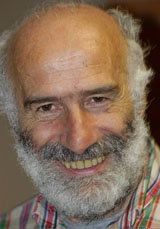 Ronaldo Bellazzini合作论文数Istituto Nazionale di Fisica Nucleare168
 Robert Cameron合作论文数Kavli Institute for Particle Astrophysics and Cosmology, SLAC National Accelerator Laboratory, Stanford University166Mario N. Mazziotta合作论文数Dipartimento di Fisica, Universita di Bari165Piergiorgio Fusco合作论文数Department of Physics, Università degli Studi di Bari Aldo Moro;Bari Division of Istituto Nazionale di Fisica Nucleare165
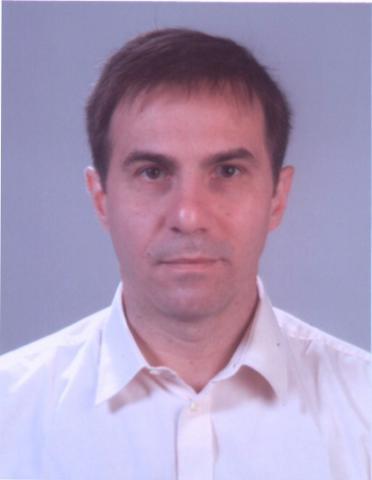 Denis Bastieri合作论文数Dipartimento di Fisica e Astronomia, University of Padova165
 Eric Nuss合作论文数Université de Montpellier164
 Francesco Loparco合作论文数Dipartimento di Fisica, Universita degli Studi di Bari Aldo Moro164
 Aldo Morselli合作论文数Dipartimento di Fisica, Università degli Studi di Roma "Tor Vergata";INFN Section, University of Roma "Tor Vergata"164
 Francesco Longo合作论文数Dipartimento di Fisica, Università di Trieste163
 Maria Elena Monzani合作论文数SLAC National Accelerator Laboratory;Kavli Institute for Particle Astrophysics and Cosmology, Stanford University;Vatican Observatory163
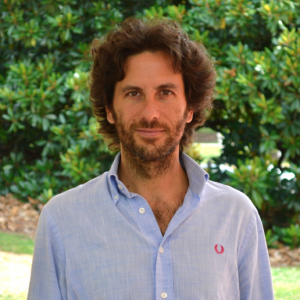 Marco Ajello合作论文数College of Science, Clemson University163
 Patrizia A. Caraveo合作论文数Institute of Cosmic Physics162
 Sylvain Guiriec合作论文数Department of Physics, Columbian College of Arts and Sciences, George Washington University;Goddard Space Flight Center, National Aeronautics and Space Administration162
 Pasquale Lubrano合作论文数Dipartimento di Fisica, Università degli Studi di Perugia;Istituto Nazionale di Fisica Nucleare162
 Francesco de Palma合作论文数Dipartimento di Matematica e Fisica, Università del Salento161
 Nicola Giglietto合作论文数Department of Physics, Politecnico di Bari161Michael Kuss合作论文数Istituto Nazionale di Fisica Nucleare161
 Francesca Gargano合作论文数Policlinico Universitario Campus Bio-Medico160
 Philippe Bruel合作论文数Laboratoire Leprince Ringuet, Institut National De Physique Nucléaire Et De Physique Des Particules, CNRS160
 Luca Baldini合作论文数Deaprtment of Physics Enrico Fermi, Università di Pisa160Silvia Rainò合作论文数Dipartimento Di Fisica, Università degli Studi di Bari Aldo Moro159P. Spinelli合作论文数Dipartimento Fis M Merlin, Univ Politecn Bari158
 Melissa Pesce-Rollins合作论文数Istituto Nazionale di Fisica Nucleare, Sezione di Pisa158Carmelo Sgrò合作论文数158
 Peter Michelson合作论文数Physics Department, School of Humanities and Sciences, Stanford University157
 Cecilia Favuzzi合作论文数Dipartimento Interateneo di Fisica, Università di Bari;Dipartimento Interateneo di Fisica, Politecnico di Bari157
 Massimiliano Razzano合作论文数Dipartimento di Fisica, Universita' di Pisa154G. BARBIELLINI合作论文数152J. Bregeon合作论文数151
 Marcello Giroletti合作论文数Institute of Radioastronomy, Italian National Institute for Astrophysics151
 Francis Piron合作论文数Nestlé Indonesia;National bank of Indonesia;Adidas Indonesia;Swiss Business School150
 Markus Ackermann合作论文数Neutrino Astronomy Group, Deutsches Elektronen-Synchrotron149
 Riccardo Rando合作论文数Dipartimento di Fisica e Astronomia "Galileo Galilei", Università di Padova147
 Guðlaugur Jóhannesson合作论文数Science Institute, University of Iceland146
 Claudia Cecchi合作论文数Dipartimento di Fisica, Università degli Studi di Perugia145
 Isabelle Grenier合作论文数Université Paris Cité145
 Persis Drell合作论文数Physics Department, School of Humanities and Sciences, Stanford University;School of Engineering, Stanford University144
 Elena Orlando合作论文数Department of Physics, Stanford University144
 Igor Moskalenko合作论文数Hansen Experimental Physics Laboratory, Stanford University144Eric J. Siskind合作论文数NYCB Real-Time Computing Inc.143
 Gloria Spandre合作论文数Istituto Nazionale di Fisica Nucleare Sezione di Pisa143Alexandre Chekhtman合作论文数George Mason University141Gary Lunt Godfrey合作论文数141
 Stefan Funk合作论文数Physics Insitute, Erlangen Centre for Astroparticle Physics, Friedrich-Alexander-Universität Erlangen-Nürnberg;Department of Physics, Friedrich-Alexander-Universität Erlangen-Nürnberg140M. N. Lovellette合作论文数140
 Luca Latronico合作论文数Istituto Nazionale di Fisica Nucleare139
 Sara Buson合作论文数Institut für Theoretische Physik und Astrophysik, Universität Würzburg138




