IntroductionFunctional connectivity (FC) is a metric of how different brain regions interact with each other. Although there have been some studies correlating learning and memory with FC, there have not yet been, to date, studies that use machine learning (ML) to explain how FC changes can be used to explain behavior not only in healthy mice, but also in mouse models of Alzheimer's Disease (AD). Here, we investigated changes in FC and their relationship to learning and memory in a mouse model of AD across disease progression.MethodsWe assessed the APP/PS1 mouse model of AD and wild-type controls at 3-, 6-, and 10-months of age. Using resting state functional magnetic resonance imaging (rs-fMRI) in awake, unanesthetized mice, we assessed FC between 30 brain regions. ML models were then used to define interactions between neuroimaging readouts with learning and memory performance.ResultsIn the APP/PS1 mice, we identified a pattern of hyperconnectivity across all three time points, with 47 hyperconnected regions at 3 months, 46 at 6 months, and 84 at 10 months. Notably, FC changes were also observed in the Default Mode Network, exhibiting a loss of hyperconnectivity over time. Modeling revealed functional connections that support learning and memory performance differ between the 6- and 10-month groups.DiscussionThese ML models show potential for early disease detection by identifying connectivity patterns associated with cognitive decline. Additionally, ML may provide a means to begin to understand how FC translates into learning and memory performance.
The ability to accurately identify and characterize regions of hypoxia has been an active area of study due to the biological ramifications of low oxygen tension in different pathological conditions, including inflammation, infections, wound healing, cardiovascular conditions, kidney and pulmonary diseases, hepatic and neurological toxicities, and cancer. Although hypoxia contributes a significant role in these conditions, the ability to accurately and instantaneously monitor the presence of hypoxia in vivo and correlate comprehensive analysis of hypoxia-dependent molecular signatures in response to treatments regimens is lacking. With the advent of hypoxia-responsive contrast agents for magnetic resonance imaging (MRI), including the recent development and characterization by our team of a novel probe that involves both 19F and EuII, the capability to integrate direct hypoxia imaging in real-time with new technologies that enable spatial transcriptomic profiling has become a possibility. To assess the capability of this agent for studying hypoxia, we used osteosarcoma as a model. In this preliminary study we demonstrate two major results: First, we show that convection-enhanced delivery (CED) is a reliable and robust methodology to distribute MRI contrast agents throughout a tumor. Second, we show that integration of direct hypoxia-detecting imaging modalities and spatial biology enables real-time in vivo insights into biology and identification of biomarkers directly applicable to disease development and response to therapy. The ability to identify and define hypoxia-mediated biology using direct rather than indirect MRI methods has extremely significant implications in the care of a wide-range of pathological conditions. Consequently, the framework outlined in these preliminary studies is applicable to other pathological conditions and provides the basis for direct in vivo hypoxia detection, monitoring, and biological analyses with translational applications to patient care and management.
Properties of pi-conjugated push-pull molecules based on triphenylamine have been modified through the introduction of ethylenedioxythiophene and a styrilnitroisooxazol group. It is shown that the obtained new molecule called GC8 exhibits light absorption in the visible, between 400 nm and 700 nm and a high hole mobility of 210-5 cm2V- 1s- 1, which places this organic donor among those with good mobility in this family of compounds. It behaves as electron donor in organic photovoltaic cells, with a HOMO of 5.35 eV, a LUMO of 2.94 eV which gives a band gap of 2.41 eV, these values being obtained from theoretical estimation using TD-DFT theory. The measured experimental optical band gap is 1.9 eV, this difference in value between theory and experiment is reasonable for small molecules. GC8 has been introduced as electron donor in planar heterojunctions organic photovoltaic cells (PHJ-OPVs), fullerenes (C60 or C70) being used as electron acceptor. It is shown that the optimum GC8 layer thickness is 20 nm, while a 5 min annealing at 100 degrees C improves the power conversion efficiency (PCE) by 10%. The high light absorption of C70 allows improving cells performances compared to that using C60, the champion cell having a 6.15% efficiency. The PCE improvement after the annealing is due to an increase of the hole mobility and optical absorption.
Model-based optimization, in concert with conventional black-box methods, can quickly solve large-scale combinatorial problems. Recently, quantum-inspired modeling schemes based on tensor networks have been developed which have the potential to better identify and represent correlations in datasets. Here, we use a quantum-inspired model-based optimization method TN-GEO to assess the efficacy of these quantum-inspired methods when applied to realistic problems. In this case, the problem of interest is the optimization of a realistic assembly line based on BMW's currently utilized manufacturing schedule. Through a comparison of optimization techniques, we found that quantum-inspired model-based optimization, when combined with conventional black-box methods, can find lower-cost solutions in certain contexts.
Radiographic mapping of hypoxia is needed to study a wide range of diseases. Complexes of Eu(II) are a promising class of molecules to fit this need, but they are generally limited by their rapid oxidation rates in vivo. Here, a perfluorocarbon-nanoemulsion perfused with N2 , forms an interface with aqueous layers to hinder oxidation of a new perfluorocarbon-soluble complex of Eu(II). Conversion of the perfluorocarbon solution of Eu(II) into nanoemulsions results in observable differences between reduced and oxidized forms by magnetic resonance imaging both in vitro and in vivo. Oxidation in vivo occurrs over a period of ≈30 min compared to <5 min for a comparable Eu(II)-containing complex without nanoparticle interfaces. These results represent a critical step toward delivery of Eu(II)-containing complexes in vivo for the study of hypoxia.
Hypoxia is a prognostic biomarker of rapidly growing cancers, where the extent of hypoxia is an indication of tumor progression and prognosis; therefore, hypoxia is also used for staging while performing chemo- and radiotherapeutics for cancer. Contrast-enhanced MRI using Eu II -based contrast agents is a noninvasive method that can be used to map hypoxic tumors, but quantification of hypoxia using these agents is challenging due to the dependence of signal on the concentration of both oxygen and Eu II . Here, we report a ratiometric method to eliminate concentration dependence of contrast enhancement of hypoxia using fluorinated Eu II/III -containing probes. We studied three different Eu II/III couples of complexes containing 4, 12, or 24 fluorine atoms to balance fluorine signal-to-noise ratio with aqueous solubility. The ratio between the longitudinal relaxation time ( T 1 ) and 19 F signal of solutions containing different ratios of Eu II - and Eu III -containing complexes was plotted against the percentage of Eu II -containing complexes in solution. We denote the slope of the resulting curves as hypoxia indices because they can be used to quantify signal enhancement from Eu, that is related to oxygen concentration, without knowledge of the absolute concentration of Eu. This mapping of hypoxia was demonstrated in vivo in an orthotopic syngeneic tumor model. Our studies significantly contribute toward improving the ability to radiographically map and quantify hypoxia in real time, which is critical to the study of cancer and a wide range of diseases.
Anesthesia is often used in preclinical imaging studies that incorporate mouse or rat models. However, multiple reports indicate that anesthesia has significant physiological impacts. Thus, there has been great interest in performing imaging studies in awake, unanesthetized animals to obtain accurate results without the confounding physiological effects of anesthesia. Here, we describe a newly designed mouse holder that is interfaceable with existing MRI systems and enables awake in vivo mouse imaging. This holder significantly reduces head movement of the awake animal compared to previously designed holders and allows for the acquisition of improved anatomical images. In addition to applications in anatomical T2-weighted magnetic resonance imaging (MRI), we also describe applications in acquiring 31P spectra, manganese-enhanced magnetic resonance imaging (MEMRI) transport rates and resting-state functional magnetic resonance imaging (rs-fMRI) in awake animals and describe a successful conditioning paradigm for awake imaging. These data demonstrate significant differences in 31P spectra, MEMRI transport rates, and rs-fMRI connectivity between anesthetized and awake animals, emphasizing the importance of performing functional studies in unanesthetized animals. Furthermore, these studies demonstrate that the mouse holder presented here is easy to construct and use, compatible with standard Bruker systems for mouse imaging, and provides rigorous results in awake mice.
Of individuals who develop West Nile neuroinvasive disease (WNND), ~10% will die and >40% will develop long-term complications. Current treatment recommendations solely focus on supportive care; therefore, we urgently need to identify novel and effective therapeutic options. We observed a correlation between substance P (SP), a key player in neuroinflammation, and its receptor Neurokinin-1 (NK1R). Our study in a wild-type BL6 mouse model found that SP is upregulated in the brain during infection, which correlated with neuroinvasion and damage to the blood–brain barrier. Blocking the SP/NK1R interaction beginning at disease onset modestly improved survival and prolonged time to death in a small pilot study. Although SP is significantly increased in the brain of untreated WNND mice when compared to mock-infected animals, levels of WNV are unchanged, indicating that SP likely does not play a role in viral replication but may mediate the immune response to infection. Additional studies are necessary to define if SP plays a mechanistic role or if it represents other mechanistic pathways.
Quantum chemistry and materials is one of the most promising applications of quantum computing. Yet much work is still to be done in matching industry-relevant problems in these areas with quantum algorithms that can solve them. Most previous efforts have carried out resource estimations for quantum algorithms run on large-scale fault-tolerant architectures, which include the quantum phase estimation algorithm. In contrast, few have assessed the performance of near-term quantum algorithms, which include the variational quantum eigensolver (VQE) algorithm. Recently, a large-scale benchmark study [Gonthier et al. 2020] found evidence that the performance of the variational quantum eigensolver for a set of industry-relevant molecules may be too inefficient to be of practical use. This motivates the need for developing and assessing methods that improve the efficiency of VQE. In this work, we predict the runtime of the energy estimation subroutine of VQE when using robust amplitude estimation (RAE) to estimate Pauli expectation values. Under conservative assumptions, our resource estimation predicts that RAE can reduce the runtime over the standard estimation method in VQE by one to two orders of magnitude. Despite this improvement, we find that the runtimes are still too large to be practical. These findings motivate two complementary efforts towards quantum advantage: 1) the investigation of more efficient near-term methods for ground state energy estimation and 2) the development of problem instances that are of industrial value and classically challenging, but better suited to quantum computation.
Peter D. Johnson,1 Alexander A. Kunitsa,1 Jérôme F. Gonthier,1 Maxwell D. Radin,1 Corneliu Buda,2 Eric J. Doskocil,2 Clena M. Abuan,3 and Jhonathan Romero1 1Zapata Computing, Inc., 100 Federal St., Boston, MA 02110, USA 2Applied Chemistry and Physics Centre of Expertise, BP Group Research, 150 West Warrenville Road, Naperville, IL 60563, USA 3Digital Science and Engineering, BP Innovation and Engineering, 501 Westlake Park Blvd, Houston, TX 77079, USA (Dated: March 15, 2022)
Recent advances in quantum computing devices have brought attention to hybrid quantum-classical algorithms like the variational quantum eigensolver (VQE) as a potential route to practical quantum advantage in chemistry. However, it is not yet clear whether such algorithms, even in the absence of device error, could actually achieve quantum advantage for systems of practical interest. We have performed an exhaustive analysis to estimate the number of qubits and number of measurements required to compute the combustion energies of small organic molecules and related systems to within chemical accuracy of experimental values using the VQE. We consider several key modern improvements to the VQE, including low-rank factorizations of the Hamiltonian. Our results indicate that, although these techniques are useful, they will not be sufficient to achieve practical quantum computational advantage for our molecular set, or for similar molecules. This suggests that novel approaches to operator estimation leveraging quantum coherence, such as enhanced likelihood functions, may be required.
The potential advantage of machine learning in quantum computers is a topic of intense discussion in the literature. Theoretical, numerical and experimental explorations will most likely be required to understand its power. There has been different algorithms proposed to exploit the probabilistic nature of variational quantum circuits for generative modelling. In this paper, we employ a hybrid architecture for quantum generative adversarial networks (QGANs) and study their robustness in the presence of noise. We devise a simple way of adding different types of noise to the quantum generator circuit, and numerically simulate the noisy hybrid QGANs to learn continuous probability distributions, and show that the performance of HQGANs remain unaffected. We also investigate the effect of different parameters on the training time to reduce the computational scaling of the algorithm and simplify its deployment on a quantum computer. We then perform the training on Rigetti's Aspen-4-2Q-A quantum processing unit, and present the results from the training. Our results pave the way for experimental exploration of different quantum machine learning algorithms on noisy intermediate scale quantum devices.
Variational hybrid quantum-classical algorithms are powerful tools to maximize the use of Noisy Intermediate Scale Quantum devices. While past studies have developed powerful and expressive ansatze, their near-term applications have been limited by the difficulty of optimizing in the vast parameter space. In this work, we propose a heuristic optimization strategy for such ansatze used in variational quantum algorithms, which we call "Parameter-Efficient Circuit Training" (PECT). Instead of optimizing all of the ansatz parameters at once, PECT launches a sequence of variational algorithms, in which each iteration of the algorithm activates and optimizes a subset of the total parameter set. To update the parameter subset between iterations, we adapt the dynamic sparse reparameterization scheme by Mostafa et al. (arXiv:1902.05967). We demonstrate PECT for the Variational Quantum Eigensolver, in which we benchmark unitary coupled-cluster ansatze including UCCSD and k-UpCCGSD, as well as the low-depth circuit ansatz (LDCA), to estimate ground state energies of molecular systems. We additionally use a layerwise variant of PECT to optimize a hardware-efficient circuit for the Sycamore processor to estimate the ground state energy densities of the one-dimensional Fermi-Hubbard model. From our numerical data, we find that PECT can enable optimizations of certain ansatze that were previously difficult to converge and more generally can improve the performance of variational algorithms by reducing the optimization runtime and/or the depth of circuits that encode the solution candidate(s).
The complexes described here serve as contrast agents for magnetic resonance imaging thermometry. The complexes differentially enhance contrast between 275 and 325 K. The basis of the temperature response of the fluorinated contrast complex is the modulation of water exchange caused by trifluoromethyl groups that can be chemically controlled.
We propose a hybrid quantum-classical approach to model continuous classical probability distributions using a variational quantum circuit. The architecture of the variational circuit consists of two parts: a quantum circuit employed to encode a classical random variable into a quantum state, called the quantum encoder, and a variational circuit whose parameters are optimized to mimic a target probability distribution. Samples are generated by measuring the expectation values of a set of operators chosen at the beginning of the calculation. Our quantum generator can be complemented with a classical function, such as a neural network, as part of the classical post-processing. We demonstrate the application of the quantum variational generator using a generative adversarial learning approach, where the quantum generator is trained via its interaction with a discriminator model that compares the generated samples with those coming from the real data distribution. We show that our quantum generator is able to learn target probability distributions using either a classical neural network or a variational quantum circuit as the discriminator. Our implementation takes advantage of automatic differentiation tools to perform the optimization of the variational circuits employed. The framework presented here for the design and implementation of variational quantum generators can serve as a blueprint for designing hybrid quantum-classical architectures for other machine learning tasks on near-term quantum devices.
It is expected that the simulation of correlated fermions in chemistry and material science will be one of the first practical applications of quantum processors. Given the rapid evolution of quantum hardware, it is increasingly important to develop robust benchmarking techniques to gauge the capacity of quantum hardware specifically for the purpose of fermionic simulation. Here we propose using the one-dimensional Fermi-Hubbard model as an application benchmark for variational quantum simulations on near-term quantum devices. Since the one-dimensional Hubbard model is both strongly correlated and exactly solvable with the Bethe ansatz, it provides a reference ground state energy that a given device with limited coherence will be able to approximate up to a maximal size. The length of the largest chain that can be simulated provides an effective fermionic length. We use variational quantum eigensolver to approximate the ground state energy values of Fermi-Hubbard instances and show how the fermionic length benchmark can be used in practice to assess the performance of bounded-depth devices in a scalable fashion.
Mutations in the skeletal muscle Ca2+ release channel, the type 1 ryanodine receptor (RYR1), cause malignant hyperthermia susceptibility (MHS) and a life-threatening sensitivity to heat, which is most severe in children. Mice with an MHS-associated mutation in Ryr1 (Y524S, YS) display lethal muscle contractures in response to heat. Here we show that the heat response in the YS mice is exacerbated by brown fat adaptive thermogenesis. In addition, the YS mice have more brown adipose tissue thermogenic capacity than their littermate controls. Blood lactate levels are elevated in both heat-sensitive MHS patients with RYR1 mutations and YS mice due to Ca2+ driven increases in muscle metabolism. Lactate increases brown adipogenesis in both mouse and human brown preadipocytes. This study suggests that simple lifestyle modifications such as avoiding extreme temperatures and maintaining thermoneutrality could decrease the risk of life-threatening responses to heat and exercise in individuals with RYR1 pathogenic variants.
The increasing integration of software and automation in modern chemical laboratories prompts special emphasis on two important skills in the chemistry classroom. First, students need to learn the technical skills involved in modern scientific computing and automation. Second, applying these techniques in practice requires effective collaboration in teams. This work aims at developing a teaching module to help students gain both skills. In particular, we describe a modular and collaborative approach for introducing undergraduate students to scientific computing in the context of automated and autonomous chemical laboratories. Using online collaboration tools, students work in parallel teams to develop central components of an automated computer vision system that monitors color changes in ongoing chemical reactions. These components include three different aspects: image capture, communication, and data visualization. The image capture team collects and stores the images of the chemical reaction, the communication team processes the images, and the visualization team develops the tools for analyzing the processed image data. Using this educational framework, students built an open-source Python tool called AutoVis that enables the automated tracking of color and intensity changes in a liquid. The software is tested by simulating chemical reactions with dilute solutions of food coloring in water. It is shown that the system reliably tracks color and intensity, providing feedback to the experimentalist and enabling further computational analysis. Over the course of the project, students gain proficiency in scientific computing using Python and collaborate on software development using GitHub. In this way, they learn the role of software in chemical laboratories of the future.
The digitalization of the economy is one of the drivers of the fourth industrial revolution. This trend is already heavily permeating biology laboratories and rapidly moving into chemistry as well. Notably, automated laboratories enhance process quality and intensification while freeing researchers from repetitive tasks. With these societal changes in place, students need to be prepared for the advanced digitization of chemistry and science by teaching fundamental chemistry concepts in combination with emerging Industry 4.0 technologies, including programming and automation. We describe an undergraduate classroom exercise at the interface of chemistry, computer science and engineering based on the development of an autonomous titration platform. Following an inquiry learning ansatz, the exercise focuses on standard titration experiments which are first executed manually, then automatically and finally in full autonomy by a student-designed robotic platform. We demonstrate that the exercise introduced in this work enables students to learn fundamental concepts in analytical chemistry, naturally integrates basic aspects of programming and automation, and as a consequence promotes and reinforces the detailed understanding of experimental processes and measurements. The exercise is designed in a collaborative active learning framework to encourage complex critical thinking and creative problem solving and thus prepares students for the next-generation chemistry laboratories.
 Alán Aspuru-Guzik合作论文数Department of Chemistry, Faculty of Arts & Science, University of Toronto;NVIDIA;Kebotix, Inc.21
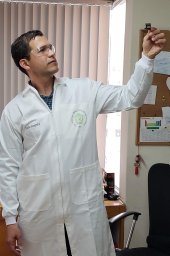 Andres Reyes合作论文数Facultad de Ciencias Cátedra de Geometría Analítica18
 Robia Pautler合作论文数Department of Molecular Physiology and Biophysics, Baylor College of Medicine15
 Peter D. Johnson合作论文数10
 Matthew Allen合作论文数Allen Research Group, Department of Chemistry, College of Liberal Arts and Sciences, Wayne State University9
 Sukin Sim合作论文数PsiQuantum8
 Jason T Yustein合作论文数Department of Chemistry, University of Virginia8Yudong Cao合作论文数Institute of Fluid Physics, China Academy of Engineering Physics8S A Amali S Subasinghe合作论文数6Matthew D Bailey合作论文数6
 Ian D. Kivlichan合作论文数Jigsaw, Richmond, Surrey, England6
 Jarrod McClean合作论文数Google’s Quantum Artificial Intelligence Lab;Computational Research Division, Lawrence Berkeley National Laboratory6
 Ryan Babbush合作论文数Google6
 Roberto Flores-Moreno合作论文数Chemistry and Biochemistry Department, Auburn University6
 Jerome Gonthier合作论文数Institut des Sciences et Ingénierie Chimiques, Ecole Polytechnique Fédérale de Lausanne5
 Maxwell David Radin合作论文数Department of Physics, University of Michigan5
 Olson Jonathan P合作论文数Department of Physics &, Hearne Institute for Theoretical Physics;Astronomy, Louisiana State University;Hearne Institute for Theoretical Physics and Department of Physics & Astronomy, Louisiana State University5Eric J. Doskocil合作论文数4
 Sudip Pan合作论文数4Clena M. Abuan合作论文数4
 Gabriel Merino合作论文数4
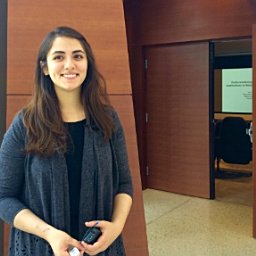 Lina Basal合作论文数Chem & Biochem, Colorado Coll4Kurenbekova Lyazat合作论文数4
 Nicolas P. D. Sawaya合作论文数Azulene Labs4
 Albeiro Restrepo合作论文数Instituto de Quı´mica, Universidad de Antioquia4
 Pratim Kumar Chattaraj合作论文数Department of Chemistry, Birla Institute of Technology, Mesra4Pierre-Luc Dallaire-Demers合作论文数3Caitlyn J. Ortiz合作论文数3Corneliu Buda合作论文数3
 Tim Menke合作论文数Dept Phys, MIT3
 Alexander A. Kunitsa合作论文数Zapata Computing, Inc.3
 Mohd Ashraf Ali合作论文数3
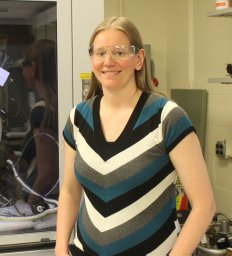 Ward Cassandra L合作论文数Department of Chemistry, University of Kansas3Charry Jorge A合作论文数Department of Chemistry, Universidad Nacional de Colombia3
 Manuel Diaz-Tinoco合作论文数3
 Peter Love合作论文数Department of Physics and Astronomy, School of Arts and Sciences, Tufts University3P. Roushan合作论文数2A. Megrant合作论文数2Alexander G Sertage合作论文数2Schuyler Fried合作论文数2
 Teresa Tamayo-Mendoza合作论文数Dept Chem & Chem Biol, Harvard Univ2Andrew Tranter合作论文数Dept Phys & Astron, Tufts Univ2
 Renso Alfredo Aragon Calderon合作论文数2
 Cornelius Hempel合作论文数Institute for Quantum Electronics, Eidgenössische Technische Hochschule Zürich;Laboratory for Nano- and Quantumtechnology, Quantum Computing Hub, Paul Scherrer Institute, Eidgenössische Technische Hochschule Zürich2
 Hiromi Nakai (中井浩巳)合作论文数Department of Chemistry & Biochemistry, School of Advanced Science and Engineering, Faculty of Science and Engineering, Waseda University2
 Mauro Botta合作论文数Dipartimento di Scienze e Innovazione Tecnologica, Università degli Studi del Piemonte Orientale Amedeo Avogadro2White T C合作论文数Department of Physics, University of California2
 Amit Vainsencher合作论文数Google2
 Chris Quintana合作论文数Department of Physics, University of California2




