Some of the most remarkable issues related to interharmonic theory and modeling are presented. Starting from the basic definitions and concepts, attention is first devoted to interharmonic sources. Then, the interharmonic assessment is considered with particular attention to the problem of the frequency resolution and of the computational burden associated with the analysis of periodic steady-state waveforms. Finally, modeling of different kinds of interharmonic sources and the extension of the classical models developed for power system harmonic analysis to include interharmonics are discussed. Numerical results for the issues presented are given with references to case studies constituted by popular schemes of adjustable speed drives.
This paper documents the modeling of harmonic sources with nonlinear voltage-current characteristics such as transformers, iron-core reactors, rotating machines, arc furnaces, energy efficient lightings, and some household electronic appliances. The harmonic generating characteristics of these apparatus are reviewed. Different modeling techniques are summarized and suggestions for the use of different models are also provided whenever possible.
This paper reviews the common practice and analytical models for the representation of aggregate linear load in harmonic propagation and distortion studies. Simulation results in this paper demonstrate the high sensitivity of harmonic propagation and distortion to the model type used to represent the load. Comparison of the several load models in the literature shows a significant difference on the system impedance around the dominant resonance. The paper recommends a comprehensive modeling approach that accounts for all major components of the modern load including electronic load and background distortion.
This paper presents a review of characteristics and modeling of major power electronic types of harmonic sources for the power system harmonic analysis. The power electronic switching types of harmonic sources to be reviewed include static power converters, static var compensators (SVCs), and cycloconverters. Discussions and comments for applications of these harmonic sources in harmonic modeling and simulation also will be described.
This paper presents three harmonic simulation test systems. The purpose is to demonstrate guidelines for the preparation and analysis of harmonic problems through case studies and simulation examples. The systems can also be used as benchmark systems for the development of new harmonic simulation methods and for the evaluation of existing harmonic analysis software.
Some of the most remarkable issues related to inter- harmonic theory and modeling are presented. Starting from the basic definitions and concepts, attention is first devoted to interhar- monic sources. Then, the interharmonic assessment is considered with particular attention to the problem of the frequency resolu- tion and of the computational burden associated with the analysis of periodic steady-state waveforms. Finally, modeling of different kinds of interharmonic sources and the extension of the classical models developed for power system harmonic analysis to include interharmonics are discussed. Numerical results for the issues pre- sented are given with references to case studies constituted by pop- ular schemes of adjustable speed drives. Index Terms—Discrete Fourier transform (DFT), frequency res- olution, harmonic analysis, interharmonics.
 P. Ribeiro合作论文数6C. Hatziadoniu合作论文数6
 Thomas H. Ortmeyer合作论文数6
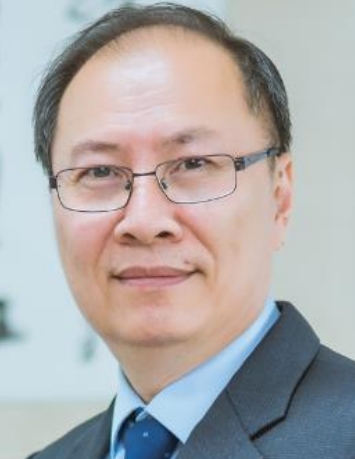 Gary W. Chang (張文恭)合作论文数Department of Electrical Engineering, College of Engineering, National Chung Cheng University6M. Halpin合作论文数5
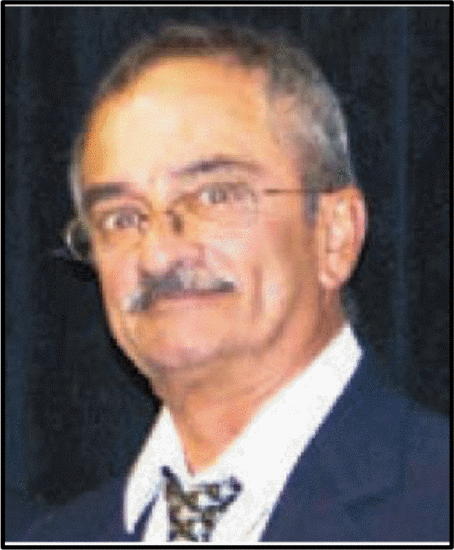 Satish J Ranade合作论文数Electrical and Computer Engineering Department, Klipsch School of Electrical and Computer Engineering, New Mexico State University5
 Wilsun Xu (徐文远)合作论文数School of Electrical Engineering, Shandong University;Department of Electrical and Computer Engineering, Faculty of Engineering, University of Alberta5
 J. Wikston合作论文数4
 Neville R. Watson合作论文数Department of Electrical and Computer Engineering, College of Engineering, University of Canterbury4
 Aurelio Medina合作论文数Facultad de Ingeniería;Eléctrica División de Estudios de Posgrado;FIE, Universidad Michoacana de San Nicolás de Hidalgo;Edificio de la División de Estudios de Posgrado de la FIE, Universidad Michoacana de San Nicolás de Hidalgo4M. Marz合作论文数3Y. Liu合作论文数3M. Grady合作论文数3Y Liu合作论文数3
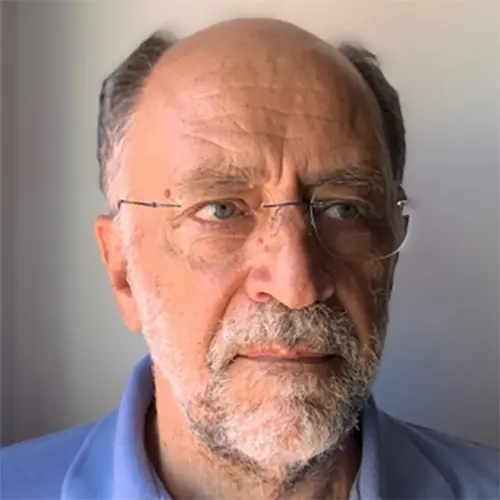 Alfredo Testa合作论文数Dipartimento di Ingegneria, Universita degli Studi della Campania Luigi Vanvitelli3
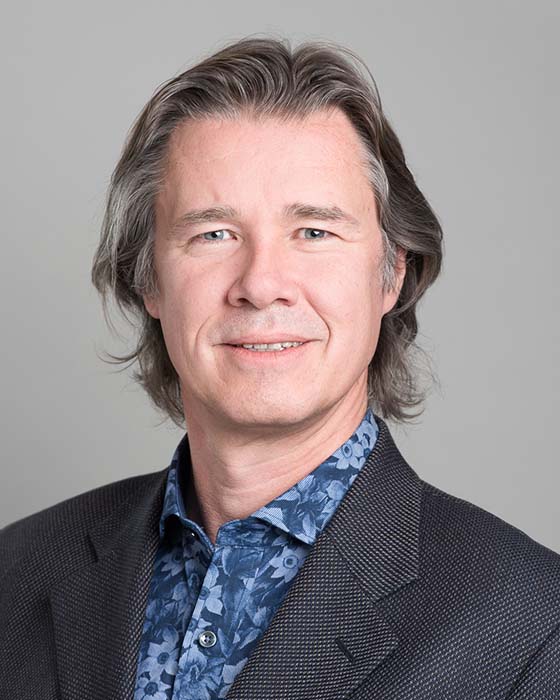 Peter W. Lehn合作论文数The Edward S. Rogers Sr. Department of Electrical & Computer Engineering, Faculty of Applied Science & Engineering, University of Toronto3
 Venkata Dinavahi合作论文数Department of Electrical & Computer Engineering, Faculty of Engineering, University of Alberta3
 E. Gunther合作论文数Laboratoire de Gdndtique Cellulaire, du Colldge de France et de l'Institut Pasteur;Laboratoire d'Immunohematologie et Laboratoire de Cytogdndtique;Centre Hayen;Centre Hayen, Laboratoire de Gdndtique Cellulaire du Colldge de France et de l'Institut Pasteur3
 Grady, W.M.合作论文数2
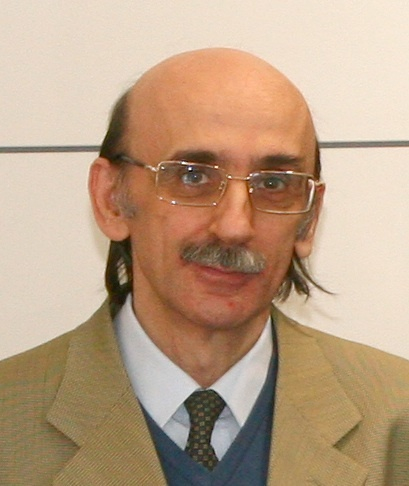 Guido Carpinelli合作论文数Universita degli Studi di Napoli Federico II2M. F. Akram合作论文数2M. Lowenstein合作论文数2
 Roberto Langella合作论文数seconda universita degli studi di napoli2




