The primary goal in harvesting and ensiling a crop is to preserve as nearly as possible the quantity and quality of the crop at the time of cutting. Depending on climate, forages may be mown, laid on the stubble in a swath, and then allowed to wilt in the field prior to chopping and ensiling. Most forages that are wilted are cut with a mower-conditioner. The mowing operation is most frequently done via a reciprocating cutterbar or a rotary disk. Plant respiration causes the most significant physiological or metabolic loss during the wilting process, and some respiration loss is unavoidable. Proteolysis is the other major plant enzyme activity occurring during wilting. Proteases in the plant hydrolyze plant proteins into peptides, free amino acids, and amides. Rainfall during wilting has a variety of effects on a crop and its subsequent ensilability.
Fractal-based image analysis methods are investigated to extract textural features related to the anisotropic structure of trabecular bone from the X-ray images of cubic bone specimens. Three methods are used to quantify image textural features: power spectrum, Minkowski dimension and mean intercept length. The global fractal dimension is used to describe the overall roughness of the image texture. The anisotropic features formed by the trabeculae are characterised by a fabric ellipse, whose orientation and eccentricity reflect the textural anisotropy of the image. Tests of these methods with synthetic images of known fractal dimension show that the Minkowski dimension provides a more accurate and consistent estimation of global fractal dimension. Tests on bone x-ray (eccentricity range 0.25–0.80) images indicate that the Minkowski dimension is more sensitive to the changes in textural orientation. The results suggest that the Minkowski dimension is a better measure for characterising trabecular bone anisotropy in the x-ray images of thick specimens.
AbstractSystems to measure gas production to study digestion kinetics have been developed at several locations. The system developed at Cornell University and the rationale behind its evolution are described with an emphasis on whether venting after each observation is necessary and on choice of sensors. Different non-linear-models used to fit gas production data are discussed with an emphasis on the dual-pool logistic model. The third section of the paper includes a theoretical discussion on how gas data can be integrated with data on passage to predict ruminal digestibility. The final section addresses the practical applications of these gas data and ways in which they can be used in models like the Cornell net carbohydrate and protein system. Also included are evaluations of ensiled and freeze-dried samples from the same source as an indication of how gas systems can be used to evaluate the soluble fractions of forages.
The permeability of rye leaf protoplasts to glycerol was determined using 1,3- 14 C glycerol and liquid scintillation spectrometry. Estimates were 1.0×10 −8 m s −1 at 0°C and 4.1×10 −8 m s −1 at 22 and 31°C. The activation energy for glycerol permeability was 32.8 kJ/mol. The effect of electroporation on glycerol uptake was also explored. Treatments were performed with a field strength of 100 V/cm and an exponential decay constant of 5.8 ms. At 22 °C, electroporation affected the rate and extent of glycerol permeation, causing an increase in the intercept of the glycerol uptake curve and a decrease in the slope. Electroporation had no significant effect on glycerol uptake when performed at 0°C, when the cells were electroporated at 0°C then warmed to 31 °C, or when the cells were electroporated at 22 °C then cooled to 0°C. The results at 22°C were consistent with an influx of glycerol during electroporation.
Management practices were quantified for ensiling of alfalfa and grass crops in 30 fillings of 15 bunker silos over 2 yr on 12 farms in eastern New York. Wet mass ensiled per day, time and vehicle weight in packing, DM and nutrient analyses, and particle size were determined at filling. At feedout, cover integrity, density of tires used to hold down the cover, smoothness of the working face, and feedout rate were assessed. Rate and extent of DM loss, nutrient content of ensiled material, silage temperatures at the working and top surfaces, and aerobic instability were evaluated. Packing intensity, defined as the vehicle weight multiplied by the time spent packing per unit of top surface area, was associated with increased silage DM density, lower DM losses, and improved aerobic stability. The ADIN was lower with filling periods <10 d, higher density of tire placement, and increased smoothness of the working face. Silos filled by formation of angled wedges had lower increases in ADF during ensiling than did silos filled by formation of horizontal or vertical layers. Silos with linear feedout rates >11.6 cm/d averaged nearly 10 percentage points lower in extent of DM losses.
Cryomicroscopy was used to study the statistical behavior of intracellular ice formation (IIF) in protoplasts isolated from rye leaves (Secale cereale L cv. Aroostook) and subjected to prior electrical treatment (''electroporation''). Protoplasts were suspended in isotonic (530 mOsm) or hypotonic (265 mOsm) saline and exposed to exponentially decaying electric fields of 50 to 500 V/cm and capacitances of 1 x 850, 2 x 850, or 3 x 850 mu F. Treatment conditions were selected by determining apparent cell lysis, viability, and increased permeability to fluorescent dyes. For each condition, protoplasts were subjected to linear cooling at 5, 10, 20, or 40 degrees C/min, or to cooling at 40 degrees C/min followed by an isothermal hold at -6, -9, -12, or -15 degrees C. In linear cooling, field strengths above 150 V/cm and capacitances above 1 x 850 mu F resulted in a 1 to 9 degrees C shift to higher median mF temperatures. Maximum ITF incidence was unaffected. Under the weakest condition (100 V/cm, 1 x 850 mu F), median IIF temperatures during linear cooling were shifted 3 to 7 degrees C below those of the control. In isothermal periods, mean IIF times of electroporated protoplasts were 50 to 300% smaller than the control, implying faster IIF kinetics in electroporated protoplasts. In hypotonic saline the effects of electroporation were suppressed. Based on a comparison of stochastic model parameters, electroporation affected IIF during linear cooling and isothermal periods similarly. (C) 1995 Academic Press, Inc.
The cytoplasm of soybean seed axes is known to undergo a glass transition as moisture content decreases In this study we have investigated whether the glass transition is reflected in the macroscopic mechanical properties of the seeds. Constant-deformation-rate compression tests and constant-deformation relaxation tests were performed with a cylindrical mdenter on soybean cotyledons equilibrated to moisture contents ranging from 2% to 16% (dry basis) The apparent modulus of elasticity was found to rise sharply as moisture content declined below 10%, showing an inflection point at 9 8%, and a relatively constant elasticity below 7% Other measures of mechanical behaviour were also constant in the drier ranges, including linear deformation, and plastic deformation Each of these viscoelastic characteristics showed an inflection point or a departure from a linear function in the region of 7 5-9 8% moisture content, the hydration region below which the tissue is in a glassy state It is suggested that the viscoelastic qualities of dry soybeans are principally a consequence of the tissues being in the glassy state.
Bovine oocytes that were immature (IMM), matured in vitro (IVM) or in vivo (MAT), or matured and fertilized in vitro (IVF) were studied using a microscope diffusion chamber to estimate osmotic parameters and a cryomicroscope to characterize intracellular ice formation (IIF). Linear Boyle van't Hoff relationships were observed with all four types of oocytes between 0.265 and 0.799 osm NaCl. At 20 degrees C, estimates of hydraulic conductivity (Lp) were significantly higher for IVM oocytes than IMM and MAT oocytes (0.84 micron/(min.atm) vs 0.45 and 0.47, respectively). IVM oocytes also tended to have higher Lp values than IVF oocytes (0.55 micron/(min.atm)). At 5 degrees C, the Lp of IVM oocytes decreased to 0.36 micron/min.atm) corresponding to an Arrhenius activation energy of 7.84 kcal/mol. The incidence of IIF in MAT oocytes suspended in salt solution and subjected to linear cooling to -60 degrees C was 45% at 4 degrees C/min, 75% at 8 degrees C/min, and 93% at 16 degrees C/min; with IVF oocytes, the incidence of IIF was 40% at 4 degrees C/min, 92% at 8 degrees C/min, and 100% at 16 degrees C/min. Comparisons involving median IIF temperatures (TIIF50s) and the distributions of the observed IIF temperatures for IMM (Myers et al., Cryo-Lett. 8, 260), IVM (Chandrasekaran et al., Cryobiology 27, 676), MAT and IVF oocytes indicated that the IIF incidence in IMM oocytes cooled at 4 degrees C/min was greater than that of oocytes at the other developmental stages cooled at the same rate. The TIIF50s of IVM and IVF oocytes were lowered by equilibration in 1.5 M ethylene glycol (EG), glycerol, or propylene glycol (PG) prior to cooling, with EG tending to lower the TIIF50s more than glycerol or PG. For all three cryoprotectants, the TIIF50s and IFF temperature distributions were cooling-rate dependent. The Weibull probability distribution was fitted to the distributions of the IIF temperatures of oocytes suspended in salt solutions with and without cryoprotectants yielding R2 values ranging from 0.70 to 0.98.
A model is presented which integrates literature data on the effects of temperature, water activity, pH, and colony size on mold growth and aflatoxin formation. Mathematical forms for the rates of growth and toxin formation are based on assumptions about the biology of toxigenesis. The rate of toxin formation is assumed to be proportional to the rate of production of new cell mass, and the rate of toxin degradation is assumed to be proportional to the product of the concentrations of dead cell mass and aflatoxin; the latter assumption is an attempt to be consistent with the notion that toxin degradation is effected by enzymes released during mycelial lysis. Growth rate and toxin yield are represented by a maximum or reference value times a series of factors dependent on environmental conditions. Temperature and water activity have an interactive effect on growth and toxigenesis in the model. An Arrhenius-like function is postulated for the effects of temperature; shape parameters in the function are selected assuming that optimum temperature bears a fixed relationship to temperature limits for growth and toxigenesis, which vary with water activity. A linear function is postulated for the effect of water activity, with the lower limit dependent on temperature. Parabolic and Monod models are used to describe the effects of pH and colony size, respectively. Toxigenic parameters are estimated by comparing model simulations to the results of two published studies, with fair consistency in the two sets of parameters. In comparisons with other studies, the model did not correctly project the effects of spore load, but did correctly predict toxigenic behaviors relating to the effects of temperature and temperature cycling. The model provides a theoretical explanation for observed temporal shifts in the optimum temperature for toxigenesis, and for a hyperbolic relationship between heat units and time to toxigenesis with and without temperature cycling.
The rheological properties of the cell walls of soft plant tissue have a strong bearing on the stress‐strain response of the whole tissue. In this study the parenchyma cells of apple and potato tissue were osmotically manipulated in mannitol solutions, and the cell wall stress‐strain relation was inferred from precise measurements of the change in dimensions of the tissue samples. Cell wall tension was estimated from the water potential of the solutions, cell water relations, and simple shell theory. Cell wall stress versus strain showed an increasing slope with increased strain, but for potato parenchyma, slope decreased when strain exceeded 8%. Samples prestressed at high turgor showed significant irreversible deformation on subsequent plasmolysis. Two new constitutive laws were developed to describe the elastic‐plastic behavior of the cell walls.
A computer simulation model of the ensilage process is used to study the effect of molasses and formic acid addition on the time course of fermentation and final silage quality. The model simulates the growth and death of lactic acid bacteria and clostridia, hemicellulose hydrolysis, proteolysis, release of ammonia, and changes in water-soluble carbohydrate content, fermentation end products, water activity, and pH. Varying application rates are considered with a range of dry matter contents, buffering capacities, and water-soluble carbohydrate contents for both alfalfa and ryegrass. The results indicate that final silage pH can be either increased or decreased by formic acid addition depending on application rate, crop dry matter content, and other parameters. Final silage pH is decreased by molasses only when the water-soluble carbohydrate content is low enough to inhibit the extent of fermentation. Formic acid is predicted to reduce substantially the extent of proteolysis in silage, while molasses has little or no effect. Both formic acid and molasses reduce the range of conditions resulting in clostridial spoilage, but formic acid ensures a lactate silage with greater certainty.
ABSTRACTA computer‐based data acquisition und control system was built and interfaced with an Instron3 Universal Testing Machine. The control interface and signal conditioning hardware are described. System performance is described in terms of the time required to complete various crosshead operation commands, and is found to be satisfactory at crosshead speeds slower than 2.5 cm/min. A research application of the system is presented which involves cyclic loading of fresh apple tissue.
ABSTRACT THIS report is a study of the response of apple tissue to compressive cyclic loading. Experiments were performed in which cylindrical samples of apple tissue were subjected to cyclic loading, with the peak stress either remaining constant or slightly increasing with each cycle. For comparison, static loading tests were performed with comparable stress magnitudes. It was found that apple tissue can fail under cyclic or static loadings of magnitude insufficient to cause failure initially. Failure was apparently due to a propagation of cell wall ruptures in a plane perpendicular to the axis of the applied stress, as under ordinary constant-strain-rate tests. The failure characteristics in terms of tissue strength, strain at failure, and time to failure were not significantly different under cyclic and static loadings; however, the strain at failure was about 30% greater than that under constant-strain-rate loading. A statistical model for the number of cycles to failure indicates that the likelihood of imminent failure remained approximately constant with the number of cycles applied, and thus failure appeared to be primarily a random event rather than the result of damage accumulation. The results of a simple model of the parenchyma cell indicate that cell wall stresses are greatest in the initial application of load under cyclic or static loadings. Thus, it is theorized that the initiation of failure is caused by a random decay in cell wall strength under applied load
ABSTRACT A model is developed for both characterizing and predicting drying of forage crops in the field after cutting. Pan evaporation is considered as a cUmatic measurement which integrates the effects of wind, sunlight, temperature, and humidity over time and which therefore relates to drying. A simple equation is mathematically derived which relates forage moisture content to accumulated pan evaporation. The empirical constant in the equation is used as a measure of drying rate independent of the climate during drying. Experimental results show that the drying process closely follows the model, provided that data points for which dew is present are neglected. About 3 mm of pan evaporation were required for the crop to lose 509/o of its available water.
The chain-of-bundles model for the strength of unidirectional fibrous materials is extended to cover 3D situations wherein the parallel filaments are arranged laterally in a hexagonal array. Within each bundle, the strengths of the fibres vary statistically and share load according to a local load-sharing rule, a rule which describes how the loads of failed fibres are redistributed on to nearby surviving fibres. We consider two idealized versions of this rule, one geometrically motivated and the other more mechanically motivated. We extend earlier asymptotic techniques for the 2D planar problem to the present 3D case, and obtain various approximations for the probability distribution for material strength. The Weibull distribution again emerges as central to the results, but the calculation of its shape and scale parameters is greatly complicated by the large number of new failure configurations that may arise in the hexagonal array of fibres. Earlier 2D results connecting the Weibull shape parameter to the critical failure sequence size do not in general hold in 3D settings. The general character of the results, however, is the same as in the 2D setting, with 3D materials being stronger because of the reduced severity of the fibre overloads in the hexagonal array. Also, the two local load-sharing rules though quite different in character yield surprisingly similar numerical results.
 John E Parks合作论文数4
 S. Leigh Phoenix合作论文数Department of Theoretical and Applied Mechanics, Cornell University3Peter L. Steponkus合作论文数Cornell University2
 Daniel J Aneshansley合作论文数2
 Alice N Pell合作论文数2
 Richard S Gates合作论文数University of Kentucky2
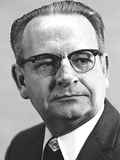 Karl H. Norris合作论文数U.S. Department of Agriculture2
 McLaughlin, Neil合作论文数Northeast Institute of Geography and Agroecology, Chinese Academy of Sciences2Steve Delwiche合作论文数Agricultural Research Service, USDA2J.A. Bartsch合作论文数2sarah c huber合作论文数1
 A. Carl Leopold合作论文数Boyce Thompson Institute, Cornell University1P. Schofield合作论文数1Le Chase合作论文数1
 Michael Barry合作论文数1
 Donald L. Bartel合作论文数Sibley School of Mechanical and Aerospace Engineering, Cornell University1
 Larry P Walker合作论文数Department of Biosystems & Agricultural Engineering, College of Agriculture & Natural Resources, Michigan State University;College of Engineering, Michigan State University1M. Chandrasekaran合作论文数1Bertram John E A合作论文数1Gao Qiong合作论文数1G.S. Farmer合作论文数1
 Richard E. Muck合作论文数Department of Biological Systems Engineering, College of Agricultural and Life Sciences, University of Wisconsin–Madison1David M Galton合作论文数1R. Y. Leibeinsperger合作论文数1Perry H. Doane合作论文数1K. A. Ruppel合作论文数1
 Andy Ruina合作论文数Cornell University1
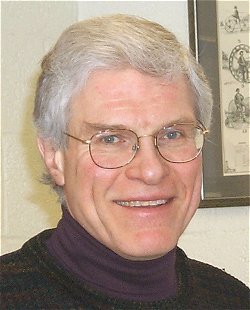 Stuart Leigh Phoenix合作论文数Sibley School of Mechanical and Aerospace Engineering, College of Engineering, Cornell University1R. B. Henstenburg合作论文数1N.A. Ruffing合作论文数1K. S. Maki合作论文数1James A. Bartsch合作论文数1
 Danny G Fox合作论文数1M. R. Greenfield合作论文数1




